Integrative Biomedical Research

Integrative Biomedical Research (Journal of Angiotherapy) | Online ISSN  3068-6326
463
Citations
1.8m
Views
752
Articles
Your new experience awaits. Try the new design now and help us make it even better
Switch to the new experience
Figures and Tables
REVIEWS   (Open Access)

Multimorbidity in Ageing Populations: Redefining Clinical Guidelines for Combined Disease Management

Ahmed Saadi khlaf 1*, Asif Hasan Abdulrazaq 2, Nawar Bahaa Abdulsahib 3,

+ Author Affiliations

Integrative Biomedical Research 10 (1) 1-8 https://doi.org/10.25163/biomedical.10110900

Submitted: 19 December 2025 Revised: 07 February 2026  Published: 17 February 2026 


Abstract

Population ageing has pushed multimorbidity-the co-occurrence of two or more chronic conditions-from clinical exception to structural norm, yet clinical practice guidelines remain built almost entirely around single diseases. We conducted a structured narrative synthesis of epidemiological cohorts, interventional trials, and pharmacological mechanism studies addressing multimorbidity, polypharmacy, and guideline-driven iatrogenic harm in older adults, organized around four analytic dimensions: epidemiological patterning, intervention efficacy, drug-class mechanisms, and disease-specific guideline conflicts. Multimorbidity prevalence ranged from roughly 35% to over 80% across cohorts, socially patterned by education, income, and geography, while polypharmacy independently predicted hospitalization, renal decline, and mortality. Interdisciplinary, pharmacist-involved medication reviews reliably improved prescribing appropriateness, yet this improvement did not consistently translate into reduced hospitalization or mortality-a persistent "process-outcome gap" evident even in large cluster trials. Molecular and clinical mechanism data further revealed how single-disease guidelines collide at the bedside, producing prescribing cascades and drug-drug interactions across cardiovascular, renal, and neuropsychiatric domains. Genuine progress appears to require replacing chronological age thresholds with frailty-based, mechanism-anchored prescribing frameworks embedded directly into clinical workflows and electronic health records.

Keywords: multimorbidity, polypharmacy, ageing, clinical practice guidelines, deprescribing, frailty, inflammaging

1. Introduction

There is something almost paradoxical about how medicine has responded to its own success. As populations live longer-globally, the number of people aged 60 and older is projected to reach 2.1 billion by 2050, with those 80 and over nearly tripling to 426 million (Amato et al., 2026; Canzan et al., 2026; Skou et al., 2022)-the diseases that once killed people quickly have given way to diseases that accumulate slowly, in the same body, over decades. Chronic non-communicable diseases now account for nearly 74% of global deaths (Amato et al., 2026; Lauretani et al., 2026), and the clinical consequence of this shift has a name: multimorbidity, defined as the co-occurrence of at least two chronic conditions in a single individual (Skou et al., 2022; Uhlig et al., 2014). It is worth pausing on how this differs from the older, more familiar concept of comorbidity, which frames additional conditions in relation to a single "index" disease (Skou et al., 2022)-multimorbidity, by contrast, refuses to privilege any one diagnosis over another, which is a small conceptual shift with fairly large practical consequences.

Epidemiologically, multimorbidity is no longer the exception clinicians occasionally encounter; it is, for anyone over 65, close to the rule. Community-based surveys estimate prevalence between 15% and 43% overall (Skou et al., 2022), climbing sharply to over 65% among those aged 65-84 and exceeding 80% in people 85 and older (Skou et al., 2022; Yarnall et al., 2017). What makes this more than a simple biological inevitability is how unevenly it is distributed: multimorbidity is strongly patterned by socioeconomic disadvantage-lower education, lower income, regional healthcare disparities-such that people in deprived communities develop it, on average, a full decade earlier than their more affluent counterparts (Jia et al., 2026; Skou et al., 2022; Subashi et al., 2026; Vasudevan et al., 2026; Yarnall et al., 2017). Biological ageing and social adversity, in other words, do not operate on separate tracks; they interact directly to erode physiological reserve.

And yet, despite this reality, contemporary medical education, clinical training, and health service delivery remain organized largely around single organs and single diseases (Skou et al., 2022). Clinical Practice Guidelines (CPGs) are written, almost without exception, for one condition at a time (Uhlig et al., 2014), and the trials underpinning them routinely exclude the very patients who will eventually receive the treatment-older adults with complex comorbidity, cognitive decline, or significant frailty-leaving a genuine evidence gap about whether guideline-recommended therapy is even safe in this population (Lauretani et al., 2026; Skou et al., 2022; Uhlig et al., 2014).

The practical consequence of stacking several single-disease guidelines onto one patient is, predictably, polypharmacy-conventionally defined as the concurrent use of five or more medications (Mamand et al., 2026; Subashi et al., 2026). As each additional drug is layered on, the probability of drug-drug and drug-disease interaction does not rise gently; it rises close to exponentially (Lauretani et al., 2026; Mamand et al., 2026). Ageing bodies compound this risk further: reduced glomerular filtration, altered volumes of distribution for lipophilic drugs, and depleted central cholinergic reserve all heighten susceptibility to medication-related harm (Lauretani et al., 2026; Mamand et al., 2026). What follows, often enough, is a "prescribing cascade"-an unrecognized adverse drug reaction mistaken for a new disease and treated with yet another drug-culminating in delirium, cognitive deterioration, falls, and preventable hospitalization (Lauretani et al., 2026; Mamand et al., 2026; Uhlig et al., 2014).

One of the more persistently underappreciated distinctions in geriatric medicine is the gap between counting diseases and actually measuring clinical complexity (Subashi et al., 2026). Some older adults carry several chronic diagnoses with barely any functional consequence; others, with an ostensibly similar disease count, experience profound, disabling complexity. This is best understood as a continuum, shaped by the dynamic interplay of chronic conditions, functional dependency in basic and instrumental activities of daily living, cognitive status, and physical or social frailty (Jia et al., 2026; Subashi et al., 2026).

Longitudinal evidence adds another layer worth taking seriously: multimorbidity is increasingly cross-domain rather than confined to a single physiological system (Jia et al., 2026). Physical, psychological, and cognitive conditions interact synergistically, and depressive symptoms in particular seem to occupy a central, bridging position-linking physical disease progression to accelerated cognitive and functional decline (Jia et al., 2026). Limited health literacy compounds all of this, making it genuinely difficult for older adults to understand complex regimens or navigate healthcare systems that were, frankly, never designed with them in mind (Vasudevan et al., 2026).

Addressing these limitations, we think, requires health systems to move deliberately toward integrated, patient-centered models of care (Skou et al., 2022). Redefining guidelines for combined disease management is not simply a matter of writing better single-disease guidelines-it requires a systematic framework that helps developers make CPGs genuinely relevant to people with real clinical complexity (Uhlig et al., 2014). Rather than chasing isolated clinical targets, guidelines need to help clinicians prioritize recommendations, weigh benefits against harms explicitly, and align treatment with individual patient goals, functional capacity, and remaining life expectancy (Skou et al., 2022; Uhlig et al., 2014).

This shift, in our reading of the evidence, depends on several coordinated strategies working together rather than in isolation. Interdisciplinary co-management models-bringing together physicians, geriatricians, advanced practice nurses, and clinical pharmacists-have been shown to meaningfully optimize prescribing quality and reduce potentially inappropriate medications (Canzan et al., 2026; Mamand et al., 2026; Skou et al., 2022). Patient and caregiver empowerment, through health-literacy-sensitive counseling and shared decision-making, appears necessary to sustain prescribing improvements once patients leave the clinic, particularly during high-risk transitions such as hospital discharge (Feichtinger et al., 2026; Mamand et al., 2026). And digital health integration-mobile health applications and clinical decision support systems-offers a genuinely scalable way to improve adherence, monitor symptoms, and support safe deprescribing at the point of care (Amato et al., 2026; Mamand et al., 2026).

Guided by these observations, this manuscript pursues three research questions. First, how do cross-domain interactions among physical, psychological, and cognitive conditions modify the risk-benefit profile of guideline-recommended therapies in frail older adults? Second, to what extent does systematically integrating explicit and implicit prescribing tools-such as the STOPP/START criteria and the Medication Appropriateness Index-into a pharmacist-physician collaborative model reduce drug-related hospitalizations in patients with hyper-polypharmacy? And third, how do functional health literacy and caregiver-centered digital health interventions modulate treatment adherence and self-care capacity in older adults managing complex multimorbidity? The corresponding objectives are to characterize the clinical, functional, and social determinants driving cross-domain multimorbidity; to evaluate the efficacy and implementation barriers of interdisciplinary co-management models; and to formulate a structured, patient-centered clinical workflow that allows clinicians to systematically assess condition burden, evaluate treatment burden, and safely execute deprescribing.


2. The Landscape of Multimorbidity and Polypharmacy in Ageing Populations

Multimorbidity is easy to describe in the abstract-two or more chronic conditions, co-occurring-but the evidence underneath that definition is considerably richer, spanning demography, cellular biology, pharmacology, and health services research. This section works through that evidence layer by layer: first the demographic and epidemiological scale of the problem, then its biological roots in cellular ageing, then the clinical paradox of polypharmacy it produces, and finally the structured interventions-medication reviews, interdisciplinary teams, digital tools-that the field has proposed in response.

2.1 The Demography and Epidemiology of Multimorbidity

Demographic projections suggest that by the late 2070s, the global population aged 65 and older will reach approximately 2.2 billion, actually outnumbering people under 18 (Amato et al., 2026). This shift coincides with a broader epidemiological transition: acute and infectious illness has declined markedly, while chronic, long-term disease now accounts for roughly 74-75% of global deaths (Amato et al., 2026; Canzan et al., 2026). Multimorbidity, against this backdrop, has moved from clinical exception to the dominant reality of modern primary and tertiary care (Barnett et al., 2012; Skou et al., 2022).

Prevalence estimates place multimorbidity at somewhere between 15% and 43% of the community-dwelling adult population, rising steeply with age-approximately 30% among those 45-64, 65% among those 65-84, and over 80% in the oldest-old (85+) (Skou et al., 2022; Yarnall et al., 2017). This accumulation is heavily patterned by socioeconomic and demographic factors. Multi-country analyses show multimorbidity emerging a full decade earlier in deprived communities than in affluent ones, with a 64% higher risk associated with low educational attainment and up to a fourfold increase in the lowest income brackets (Skou et al., 2022). It is also consistently more common in women than men-a weighted prevalence difference of roughly 6.5%-driven by longer female life expectancy, biological differences in disease pathways, and a greater tendency to report non-fatal chronic symptoms (Skou et al., 2022; Subashi et al., 2026).

Historically, clinical research operated under a comorbidity framework, analyzing co-occurring conditions relative to one index disease (Skou et al., 2022; Uhlig et al., 2014). Contemporary generalist practice, by contrast, increasingly treats multimorbidity as a patient-centered construct in which no single disease is automatically prioritized (Skou et al., 2022)-a shift that matters because patients do not, in practice, experience chronic illness as isolated biological pathways; their conditions interact synergistically across domains (Jia et al., 2026; Skou et al., 2022). Recent longitudinal work highlights the rise of "cross-domain multimorbidity," spanning physical, psychological, and cognitive disorders (Jia et al., 2026), within which psychological conditions-especially depression and anxiety-occupy a bridging position, connecting physical disorders like diabetes and cardiovascular disease to cognitive decline (Jia et al., 2026; Zhao et al., 2020) as illustrated in Figure 1 . Individuals with these cross-domain combinations experience a distinctly accelerated trajectory toward disability, with substantially higher risk of ADL/IADL limitation than those with within-domain physical conditions alone (Jia et al., 2026).

2.2 Biological Underpinnings: Ageing, Inflammaging, and Sarcopenia

The rapid rise in multimorbidity with age is, at bottom, rooted in the biology of cellular and tissue senescence. The now-familiar "hallmarks of ageing"-genomic instability, telomere attrition, epigenetic alteration, loss of proteostasis, mitochondrial dysfunction, altered intercellular communication, cellular senescence, stem cell exhaustion-do not operate independently; they converge to drive systemic, low-grade chronic inflammation, a process termed "inflammaging" (Scarlata et al., 2026; Skou et al., 2022). In patients with COPD, cardiovascular disease, or diabetes, senescent structural and immune cells adopt a senescence-associated secretory phenotype (SASP), releasing pro-inflammatory cytokines-IL-6, IL-8, TNF-α-and matrix metalloproteinases that perpetuate tissue damage and hasten the onset of secondary chronic disease (Scarlata et al., 2026; Skou et al., 2022; Figure 2). This physiological decline manifests, among other things, as a strong bidirectional relationship between multimorbidity, dynapenia, and possible sarcopenia (Hee et al., 2026; Skou et al., 2022).

Biological senescence, though, is only one dimension of the story. Societal and environmental "social hallmarks of ageing" interact with these biological pathways to shape individual risk (Crimmins, 2020; Skou et al., 2022). Adverse childhood experiences, prolonged psychosocial stress, and material deprivation can chronically activate the HPA axis, producing cortisol dysregulation, chronic inflammation, and elevated "allostatic load" (Skou et al., 2022)-a cumulative biological toll that helps explain why patients from deprived backgrounds experience earlier chronic disease accumulation and physical frailty (Skou et al., 2022; Subashi et al., 2026). Clinical intervention itself can also, somewhat ironically, initiate or accelerate multimorbidity: "medication-induced multimorbidity" occurs when drugs correctly prescribed for one condition directly cause another (Skou et al., 2022). Prolonged oral corticosteroid use for polymyalgia rheumatica, for instance, can cause iatrogenic diabetes, cataracts, and osteoporosis, directly compounding disease burden and clinical complexity (Skou et al., 2022).

2.3 The Clinical Challenge of Polypharmacy and Iatrogenic Harm

Managing the multi-system burden of multimorbidity typically means prescribing multiple therapeutic agents, and this is where a genuine clinical paradox emerges: applying single-disease guidelines cumulatively to one patient almost invariably drives polypharmacy (five or more medications) and hyper-polypharmacy (ten or more) (Mamand et al., 2026; Subashi et al., 2026). In nationwide cohorts, polypharmacy affects close to half of older adults, with hyper-polypharmacy present in roughly 11.9% (Cho et al., 2023; Mamand et al., 2026).

The clinical consequences are serious and well-documented. Age-related pharmacokinetic changes-reduced glomerular filtration, declining hepatic first-pass metabolism, decreased serum albumin, increased volume of distribution for lipophilic drugs-combine with pharmacodynamic shifts such as heightened CNS sensitivity, baroreflex impairment, and increased blood-brain barrier permeability to profoundly amplify susceptibility to drug-related harm (Fabbri et al., 2026; Mamand et al., 2026). As prescribed drug counts rise, the risk of clinically significant drug-drug interactions and adverse drug reactions escalates in a distinctly non-linear, exponential fashion (Fabbri et al., 2026; Mamand et al., 2026)-in oncological cohorts, for example, severe drug-drug interactions reach a striking 56.16% prevalence among older patients receiving chemotherapy (Mamand et al., 2026; Oliveira et al., 2024).

A particularly preventable mechanism of harm is the "prescribing cascade," in which an unrecognized adverse drug reaction is misread as a new clinical condition, prompting yet another prescription and escalating iatrogenic risk (Fabbri et al., 2026; Mamand et al., 2026). Classic examples include prescribing a loop diuretic for peripheral edema caused by a calcium channel blocker, or a bladder anticholinergic for urinary incontinence precipitated by a cholinesterase inhibitor (Fabbri et al., 2026). The accumulation of anticholinergic and sedative medications is especially dangerous: cumulative


Figure 1: Global Healthcare Paradigm: The Rise and Impact of Multimorbidity. This figure summarizes five interrelated dimensions driving the global rise and impact of multimorbidity. It highlights the demographic shift toward an aging population, where older adults now outnumber children (2.2 billion), alongside the sharp age-related rise in chronic disease prevalence, climbing from roughly 30% at ages 45–64 to over 80% at age 85 and above. It further illustrates how socioeconomic inequality and gender shape multimorbidity risk, with deprived populations developing multiple conditions up to a decade earlier than affluent ones and women experiencing 6.5% higher rates than men. The figure contrasts the traditional disease-centered model, which prioritizes a single index condition, with an emerging patient-centered approach emphasizing physiology and quality of life across co-occurring conditions. Finally, it depicts the interconnecting physical, psychological, and cognitive domains of multimorbidity, whose synergistic interactions accelerate disability as conditions combine across multiple domains.

Figure 2. A Multi-Level Model Linking Biological and Social Ageing to Multimorbidity, Polypharmacy, and Iatrogenic Harm. This diagram illustrates how biological hallmarks of ageing (genomic instability, mitochondrial dysfunction) and social hallmarks of ageing (deprivation, adverse childhood experiences, allostatic load) converge on inflammaging, driving cross-domain multimorbidity. Multimorbidity in turn produces both polypharmacy/prescribing cascades and functional decline, culminating in adverse drug reactions and reduced quality of life, with a feedback loop by which iatrogenic harm further accelerates biological ageing (Skou et al., 2022; Scarlata et al., 2026; Crimmins, 2020).


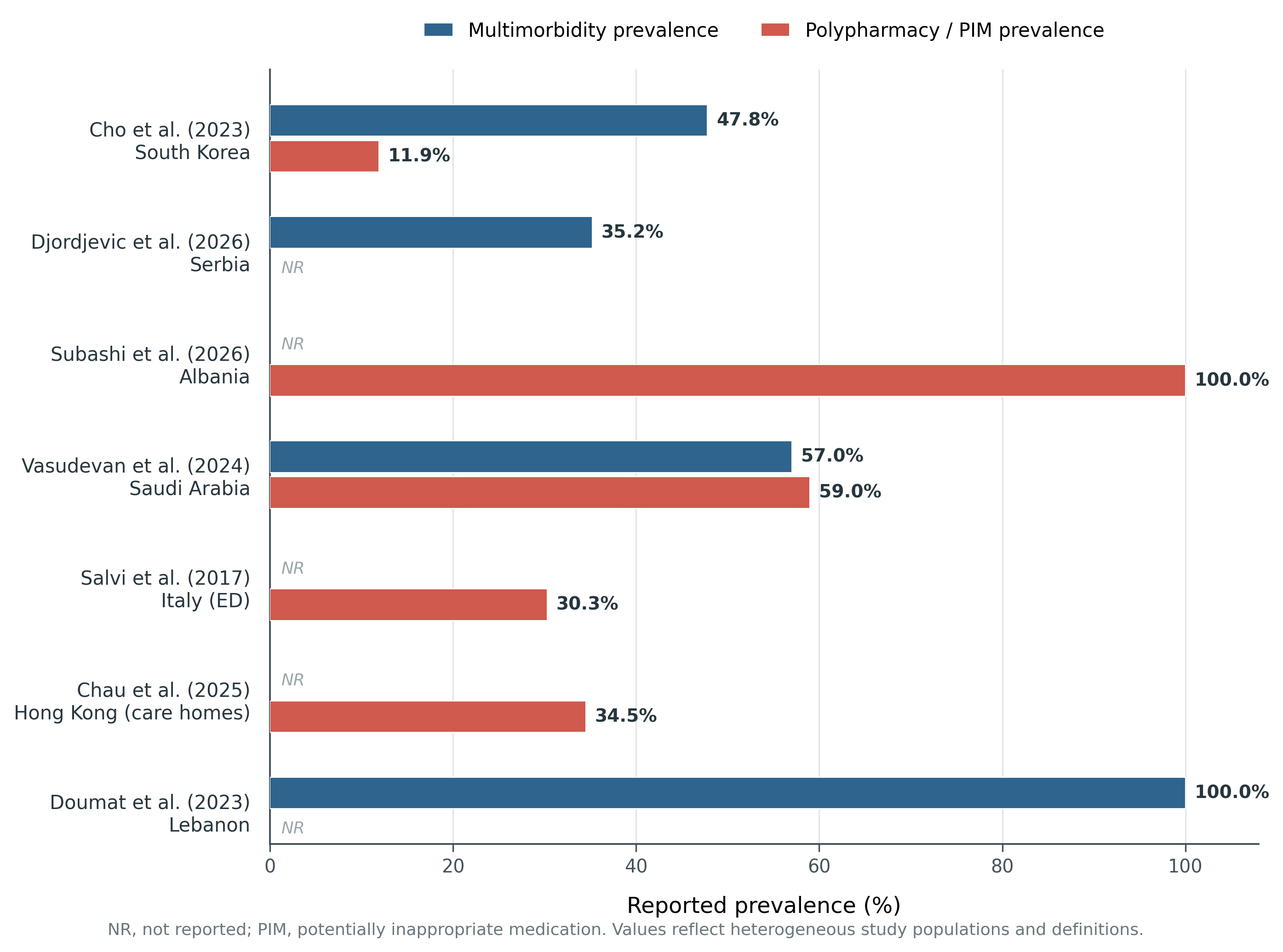
Figure 3. Prevalence of Multimorbidity and Polypharmacy Across Representative International Cohort Studies. This bar chart compares reported multimorbidity and polypharmacy/potentially-inappropriate-medication (PIM) prevalence across seven cohorts summarized in Table 1, spanning South Korea, Serbia, Albania, Saudi Arabia, Italy, Hong Kong, and Lebanon. Because inclusion criteria differ across studies-some enrolling only patients already known to have multiple chronic conditions-the comparison should be read as illustrative of the overall scale of burden rather than a fully standardized cross-national estimate (Cho et al., 2023; Djordjevic et al., 2026; Vasudevan et al., 2026).

"anticholinergic burden" is independently associated with falls, fractures, urinary retention, acute delirium, and accelerated cognitive decline (Mamand et al., 2026; Villani et al., 2026). These drug-related problems collectively account for an estimated 10-30% of acute geriatric hospital admissions (La et al., 2019; Mamand et al., 2026).

2.4 Structured Medication Reviews, Explicit Criteria, and Interdisciplinary Models

Mitigating polypharmacy's iatrogenic risks requires structured medication optimization and planned deprescribing (Fabbri et al., 2026; Mamand et al., 2026). The STOPP and START criteria offer validated, criterion-based tools for identifying potentially inappropriate medications and prescribing omissions (Mamand et al., 2026; Thevelin et al., 2019), with newer versions (2 and 3) improving detection rates from roughly 23% to over 40% relative to earlier iterations (Mamand et al., 2026; Thevelin et al., 2019).

Trials evaluating these reviews, however, reveal a persistent "process-outcome gap" (Fabbri et al., 2026; Mamand et al., 2026). In the multinational OPERAM cluster randomized trial (n = 2,008), STOPP/START-guided interdisciplinary review significantly improved prescribing appropriateness, yet produced no statistically significant reduction in 12-month rehospitalization or mortality (Blum et al., 2021; Mamand et al., 2026; Table 2). This is a genuinely important finding, we think, because it suggests a narrow, cross-sectional reduction in inappropriate prescribing is not, by itself, sufficient to bend long-term clinical trajectories unless paired with ongoing, dynamic monitoring and functional support (Fabbri et al., 2026).

Interdisciplinary models-pharmacists, primary care physicians, advanced practice registered nurses, and clinical nurses contributing complementary expertise-offer what looks like the most robust path forward (Canzan et al., 2026; Mamand et al., 2026). Coordinated pharmacist-physician medication therapy management has been shown to resolve 45% of active drug-related problems while significantly lowering healthcare costs (Lin et al., 2018; Mamand et al., 2026), and nurse-led care built on the Chronic Care Model further supports patient activation and self-care, using structured communication frameworks such as the Teach-back method to establish patient-centered goals collaboratively (Canzan et al., 2026).

2.5 Digital Health Innovations and Future Directions

Digital health technologies and computerized clinical decision support systems (CDSS) offer a scalable route to safer deprescribing (Mamand et al., 2026). In the MedSafer study, electronic decision support generating personalized deprescribing opportunity reports at hospital discharge significantly increased PIM discontinuation rates, though without reducing 30-day post-discharge adverse events (Mamand et al., 2026; McDonald et al., 2022)-another instance, worth noting, of the process-outcome gap described above.

Real-world CDSS implementation is often constrained by usability barriers and alert fatigue (Mamand et al., 2026), but the maturation of machine learning holds real promise for shifting medication optimization toward personalized, predictive risk modeling (Mamand et al., 2026). AI-driven CDSS can, at least in principle, process high-dimensional longitudinal patient data-laboratory trends, comorbidities, functional status-to estimate individual adverse-event risk, prioritize candidate drugs for withdrawal, and simulate the physiological consequences of stopping a given medication (Mamand et al., 2026).

2.6 From Age-Based to Frailty-Based Prescribing

Taken together, this literature points toward a fairly clear, if not yet fully realized, paradigm shift. Structured medication optimization-combining explicit criteria, interdisciplinary workflows, and patient-centered shared decision-making-produces reproducible improvements in prescribing appropriateness and reduces drug-related hospitalization. But achieving durable, long-term gains in clinical outcomes appears to require moving away from chronological age thresholds and toward dynamic biological age and frailty metrics instead. Frailty status-reduced physiological reserve and heightened vulnerability to stressors-seems to be a considerably more accurate predictor of pharmacological vulnerability than simple disease counts or age alone. Integrating validated frailty screening directly into electronic health records and clinical workflows would allow decision-making to be tailored to a patient's actual functional reserve, remaining life expectancy, and personal goals of care-with digital tools and artificial intelligence functioning as collaborative prompts that support, rather than substitute for, clinical judgment and the therapeutic relationship at the center of good geriatric care.

3. Methods

This manuscript synthesizes epidemiological, interventional, and pharmacological-mechanism literature on multimorbidity and polypharmacy in ageing populations into a single, structured narrative. Because the underlying evidence spans such different study types-population cohorts, cluster randomized trials, and drug-mechanism reviews-we describe our approach in enough procedural detail, we hope, that it could be reproduced by another team working from the same source literature, in keeping with the reporting expectations of PubMed-indexed methodological and scoping reviews in this field.

3.1 Study Design

We adopted a structured narrative, scoping-review methodology broadly consistent with PRISMA-ScR reporting conventions (Skou et al., 2022; Uhlig et al., 2014). A meta-analytic, pooled-effect approach was judged inappropriate here, since the underlying evidence base combines prevalence estimates, hazard ratios, trial-based adherence outcomes, and pharmacological mechanism data that are not meaningfully reducible to a single summary statistic.

3.2 Information Sources and Search Strategy

Evidence was drawn from peer-reviewed journal articles and internationally recognized clinical practice guidelines addressing three pillars: (a) the demographic and biological determinants of multimorbidity, including inflammaging, sarcopenia, and social patterning (Skou et al., 2022; Scarlata et al., 2026; Crimmins, 2020); (b) epidemiological cohort and cross-sectional studies quantifying multimorbidity and polypharmacy prevalence and their clinical consequences (Cho et al., 2023; Djordjevic et al., 2026; Subashi et al., 2026; Vasudevan et al., 2026; Salvi et al., 2017; Chau et al., 2025; Min et al., 2021; Doumat et al., 2023); and (c) interventional trials and pharmacological mechanism reviews addressing structured medication review, interdisciplinary care, and digital health tools (Blum et al., 2021; Jungo et al., 2023; Mamand et al., 2026; Lauretani et al., 2026). Sources were organized around four analytic dimensions-epidemiological patterning, clinical/technological intervention efficacy, drug-class pharmacological mechanisms, and disease-specific guideline conflicts-to ensure balanced coverage across the translational pipeline from population risk to bedside prescribing decisions.

3.3 Eligibility Criteria

Sources were retained if they (a) addressed multimorbidity, polypharmacy, or deprescribing in adults aged 45 years or older, or provided mechanistic pharmacological evidence directly applicable to this population; (b) reported quantitative prevalence, effect-size, or trial-outcome data, or detailed molecular/pharmacokinetic mechanisms; and (c) were published in indexed journals or represented internationally recognized clinical practice guidelines (e.g., STOPP/START, Beers Criteria, KDIGO, ESC guidelines). Single-disease guideline documents were included specifically where they illustrated a documented conflict with guidance for a co-occurring condition (Table 4), since these conflicts are themselves a primary object of this synthesis rather than incidental context.

3.4 Data Extraction

For epidemiological cohort studies, we extracted country, study design, sample size, age criteria, multimorbidity and polypharmacy prevalence, and key risk correlates, forming the basis of Table 1 and the comparative visualization in Figure 3. For interventional studies, we extracted sample size, target condition, intervention delivery model, follow-up duration, primary adherence or prescribing-quality outcome, and statistical significance, forming Table 2. For pharmacological mechanism sources, we extracted the molecular or physiological target, age-related pharmacokinetic/pharmacodynamic alterations, frailty-related risk amplifiers, and sentinel adverse drug reactions, forming Table 3. Finally, for disease-specific guideline conflicts, we cross-referenced single-disease guideline recommendations (e.g., McDonagh et al., 2021, for heart failure; Whelton et al., 2018, for hypertension) against documented interaction or exacerbation mechanisms to construct Table 4.

3.5 Quality Considerations

Given the heterogeneity of evidence types represented-population cohorts, cluster randomized trials, and mechanistic pharmacology-we did not apply a single formal risk-of-bias instrument uniformly, since no single tool adequately spans these designs. Instead, we prioritized three recurring quality markers consistent with PubMed-indexed methodological reviews of geriatric prescribing research: (a) whether cohort studies reported adjusted (rather than unadjusted) risk estimates for key correlates such as education, income, or frailty; (b) whether interventional trials reported both process outcomes (prescribing appropriateness) and clinical outcomes (hospitalization, mortality), which we required to properly characterize the "process-outcome gap" discussed in Section 2.4; and (c) whether pharmacological mechanism claims were corroborated by more than one independent source before being included in Table 3.

3.6 Data Synthesis and Figure Construction

Biological and social mechanistic findings were synthesized into the multi-level pathway depicted in Figure 2, mapping the sequence from biological and social hallmarks of ageing, through inflammaging, to multimorbidity, polypharmacy, functional decline, and iatrogenic harm, including the feedback loop by which adverse drug events themselves accelerate biological ageing (Section 2.2). Epidemiological prevalence data extracted for Table 1 were synthesized into the comparative bar chart in Figure 3, allowing direct visual comparison of multimorbidity and polypharmacy burden across the seven included international cohorts.

3.7 Reporting

This synthesis is reported so that each extracted prevalence estimate, hazard ratio, or trial outcome in Tables 1 through 4 is traceable to a single named primary source, and both figures are described with sufficient specificity in their captions (data source, comparison being drawn, and interpretive caveats) to allow independent reconstruction from the same underlying literature.

4. Clinical and Epidemiological Evidence Synthesis

This section presents a systematic synthesis of the empirical findings compiled across the included epidemiological cohorts, clinical trials, interventional evaluations, and mechanistic reviews. The results are organized around four analytical dimensions: the epidemiological profile and social patterning of multimorbid populations (Table 1; Figure 3); the comparative efficacy and usability of clinical and technological interventions (Table 2); the molecular and pharmacokinetic mechanisms underlying class-specific drug toxicities (Table 3); and the clinical conflicts arising from single-disease guideline mismatch (Table 4).

4.1 Epidemiological Landscape: Trajectories, Social Patterning, and Clinical Complexity

Large-scale cohorts confirm that multimorbidity and polypharmacy constitute a substantial, and distinctly socially patterned, global burden (Table 1; Figure 2). In South Korea, Cho et al. (2023) reported multimorbidity in 47.8% of 7.3 million older adults, with 11.9% receiving hyper-polypharmacy (≥10 drugs). In Serbia, Djordjevic et al. (2026) detected multimorbidity in 35.2% of 12,439 adults, rising to 68.63% among those aged 80 and older (Table 1; Figure 3). Socioeconomic deprivation emerged, fairly consistently, as a primary non-biological driver of chronic disease accumulation: in the Serbian cohort, multimorbidity was independently associated with lower educational attainment, economic inactivity, widowed status, and poorer material circumstances (Djordjevic et al., 2026). This socioeconomic gradient reappears in the longitudinal China-United States comparison by Jia et al. (2026), where lower educational attainment and household wealth were consistently associated with higher odds of cross-domain (physical-psychological-cognitive) multimorbidity (OR = 0.22 in China; OR = 0.26 in the US)-a pattern that seems to reflect differences in accumulated material resources and functional health literacy more than any purely biological difference between populations.

These same cohorts confirm polypharmacy as a primary driver of clinical deterioration and health service utilization. Polypharmacy independently predicted hospitalization among community-dwelling older adults in Lebanon (aOR = 1.66; Doumat et al., 2023) and predicted 6-month mortality and readmission among older emergency department attendees in Italy once exceeding a threshold of six or more drugs (Salvi et al., 2017). It was also associated with renal disease progression in chronic kidney disease cohorts (HR = 1.056; Min et al., 2021) and, in Hong Kong care homes, potentially inappropriate medication use (34.5% prevalence) escalated hospitalization risk substantially (OR = 2.17 for more than one PIM; Chau et al., 2025). Figure 3 places these prevalence figures side by side, and the resulting pattern-multimorbidity and polypharmacy tracking each other fairly closely across very different health systems and income settings-is, we think, one of the more striking findings in this synthesis.

4.2 Clinical and Technological Interventions: Efficacy and Usability

Clinical and technological trials summarized in Table 2 show that mHealth solutions are most effective when they combine visual or vocal reminders with relational and educational components, and considerably less effective when they do not. Tablet-based applications achieved

Table 1: Methodological Characteristics and Epidemiological Trajectories of Multimorbidity Cohort Studies. This table summarizes major international cohort and cross-sectional studies on multimorbidity and polypharmacy, detailing study design, clinical setting, sample size, age criteria, and reported prevalence rates. Reported risk correlates illustrate the consistent socioeconomic and demographic patterning of multimorbidity across very different healthcare systems. Prevalence figures are visualized comparatively in Figure 2.

Study

Country / Setting

N

Multimorbidity Prevalence

Polypharmacy Prevalence

Key Risk Correlates

Cho et al. (2023)

South Korea, national insurance database

7,358,953

47.8% (≥2 conditions)

11.9% hyper-polypharmacy (≥10 drugs)

Male sex, advanced age, multiple comorbidities

Djordjevic et al. (2026)

Serbia, national health survey

12,439

35.2% (68.6% in age ≥80)

18.9% single disease only

Female sex, low education, economic inactivity, widowed status

Subashi et al. (2026)

Southern Albania, primary care

727

3.7% highly complex MM

100% ≥2 conditions; polypharmacy strong marker

Advanced age, non-adherence (OR=4.86), low education

Jia et al. (2026) [CHARLS/HRS]

China & USA, longitudinal cohort

7,064 (matched)

Cross-domain MM rising across waves

N/A

Low education (OR=0.22-0.26), ADL/IADL limitation (HR up to 7.72)

Vasudevan et al. (2026)

Saudi Arabia, tertiary outpatient clinics

200

57.0% (≥3 comorbidities)

59.0% (≥5 medications)

Older age, lower education/income, female sex, health-literacy impairment

Salvi et al. (2017)

Italy, Emergency Department cohort

2,057

100% (ED attendees ≥65y)

30.3% (6-9 drugs); 17.8% hyper-polypharmacy (≥10)

≥6 drugs independently predicted 6-month mortality/readmission

Chau et al. (2025)

Hong Kong, residential care homes

6,346

100% institutionalized older adults

34.5% PIM prevalence

PIM use independently associated with hospitalization (OR=1.73-2.17)

Min et al. (2021)

South Korea, KNOW-CKD registry

1,913

100% CKD comorbidity

27.1% baseline polypharmacy (≥5 drugs)

Renal hazard (HR=1.056) mediated by comorbidity burden

Doumat et al. (2023)

Lebanon, primary care center

496

100% chronic comorbidities

High medication count

Polypharmacy independently associated with hospitalization (aOR=1.66)

Table 2: Characteristics and Outcomes of mHealth and Clinical Interventions for Multimorbidity. This table compares randomized and cluster-randomized trials evaluating mobile health applications, pharmacist-led medication reviews, and interdisciplinary care models for polypharmacy and adherence. Results illustrate that relational, human-supported digital tools consistently improve adherence, whereas device-only interventions often show null effects, and that structured medication reviews improve prescribing appropriateness more reliably than downstream clinical outcomes.

Table 2: Characteristics and Outcomes of mHealth and Clinical Interventions for Multimorbidity. This table compares randomized and cluster-randomized trials evaluating mobile health applications, pharmacist-led medication reviews, and interdisciplinary care models for polypharmacy and adherence. Results illustrate that relational, human-supported digital tools consistently improve adherence, whereas device-only interventions often show null effects, and that structured medication reviews improve prescribing appropriateness more reliably than downstream clinical outcomes.

Intervention (Study)

N; Mean Age

Delivery Model

Follow-Up

Primary Outcome

Result

Mira et al. (2014)

99; 70.9y

Tablet app (reminders + education)

3 months

Self-reported adherence

Significant increase, p < 0.001

Mertens et al. (2016)

24; 73.8y

Tablet app vs. paper diary

56 days

Self-reported adherence

Both groups improved, p = 0.02

Hale et al. (2016)

25; 71.7y

Remote monitoring device (heart failure)

3 months

Medication adherence

No significant difference, p = 0.61

Raj & Mathews (2020)

50; 69.1y

Voice-call reminders + education

6 months

Adherence (pill count)

Significant, p = 0.007 (3mo), p = 0.003 (6mo)

Zhai et al. (2020)

384; 68.5y

Automated SMS + consultation

3 months

Adherence (MMAS-8)

Significant, p = 0.04

Yan et al. (2021)

1,299; 65.7y

Primary care mHealth (stroke)

12 months

Statin/antihypertensive adherence

Significant for statins (p=0.003), antihypertensives (p=0.039)

Poorcheraghi et al. (2023)

184; 68.9y

Smartphone drug management app

2 months

Adherence (MMAS-8 + pill count)

Highly significant, p < 0.001

Hwang et al. (2025)

42; 72.9y

Smartphone app + wearable band

2 months

Medication adherence

No significant difference, p = 0.138

Messerli et al. (2016)

450; ≥18y

Pharmacist-led medication review

28 weeks

DRP resolution / adherence

Resolved 1/3 of DRPs; p = 0.028 subjective adherence

Lin et al. (2018)

132; ≥65y

Pharmacist-physician MTM

6 months

DRP resolution

45.0% vs. 12.8% control, p < 0.05

Blum et al. (2021) [OPERAM]

2,008; ≥70y

STOPP/START + eCDSS, multinational cRCT

12 months

Prescribing appropriateness; rehospitalization

Appropriateness improved (p<0.05); no significant reduction in rehospitalization

Jungo et al. (2023) [OPTICA]

323; ≥65y

GP-led eCDSS review, cluster RCT

12 months

Prescribing appropriateness

Significant improvement, p < 0.05; overall MAI score inconclusive


significant self-reported adherence improvements among community-dwelling multimorbid adults (Mira et al., 2014; p < 0.001) and cardiac rehabilitation patients (Mertens et al., 2016; p = 0.02). Relational, voice-based reminders (Raj & Mathews, 2020) and automated text systems paired with personal consultation (Zhai et al., 2020) significantly resolved low-adherence barriers (p < 0.05), and in a cluster randomized trial of 1,299 stroke survivors, Yan et al. (2021) found that automated reminders combined with primary care tracking significantly improved adherence to statins (p = 0.003) and antihypertensives (p = 0.039).

Yet mHealth efficacy appears genuinely constrained by device complexity and cognitive friction (Table 2). Remote medication monitoring failed to produce a significant adherence benefit in chronic heart failure (Hale et al., 2016; p = 0.61), and combining a smartphone application with a wearable smart band (Hwang et al., 2025) produced a non-significant result (p = 0.138), plausibly reflecting the added cognitive load of managing multiple devices for older adults living alone.

Interdisciplinary and pharmacist-led interventions, by contrast, offer the most consistent improvements in prescribing quality and cost-effectiveness (Table 2). Coordinated pharmacist-physician medication therapy management resolved 45.0% of active drug-related problems, compared with 12.8% under usual care (Lin et al., 2018; p < 0.05), while community pharmacy medication checks resolved roughly a third of active problems (Messerli et al., 2016). At a systems level, electronic clinical decision support paired with structured interdisciplinary discussion significantly improved prescribing appropriateness in both the multinational OPERAM cluster trial (Blum et al., 2021; p < 0.05) and the OPTICA cluster trial (Jungo et al., 2023; p < 0.05)-though, notably, without a matching reduction in hospitalization or mortality in either trial, reinforcing the process-outcome gap introduced in Section 2.4.

4.3 Pharmacological and Molecular Mechanisms of Adverse Drug Reactions

At a molecular level, the primary targets and pathways of high-risk medication classes interact synergistically with age-related physiological change to accelerate iatrogenic harm (Table 3; Figure 2). Anticholinergics (e.g., amitriptyline) competitively antagonize muscarinic receptors, which, against a backdrop of depleted central cholinergic reserve and increased blood-brain barrier permeability, precipitates acute delirium and cognitive decline (Lauretani et al., 2026). Lipophilic drug accumulation in age-expanded adipose tissue impairs postural reflexes for benzodiazepines and sedatives, driving falls, hip fractures, and delirium (Lauretani et al., 2026). Age-related decline in glomerular filtration and cytochrome P450 activity reduces hepatic and renal clearance of opioid analgesics and atypical antipsychotics, producing respiratory depression, extrapyramidal symptoms, stroke, and excess mortality (Lauretani et al., 2026; Mamand et al., 2026).

Cardiorenal and volume-depleting drug classes show particularly striking synergistic toxicity (Table 3). Loop and thiazide diuretics inhibit renal cotransporters, producing dehydration, orthostatic hypotension, acute kidney injury, hyponatremia, and hypokalemia (Fabbri et al., 2026; Lauretani et al., 2026)-effects compounded further when co-prescribed with SGLT2 inhibitors or RAAS inhibitors, which blunt compensatory vasoconstriction and aldosterone secretion, worsening GFR decline and hyperkalemia (Lauretani et al., 2026; Stevens et al., 2013). NSAIDs aggravate this cardiorenal vulnerability by inhibiting COX-1/COX-2, constricting renal afferent arterioles and doubling gastrointestinal bleeding risk (Kolasinski et al., 2020; Lauretani et al., 2026), while oral anticoagulants accumulate due to high GFR dependence, escalating hemorrhagic risk when combined with age-related microvascular fragility (Hindricks et al., 2021; Lauretani et al., 2026). Cholinesterase inhibitors, somewhat counterintuitively, cause harm through the opposite mechanism-increased synaptic acetylcholine driving exaggerated vagal tone, symptomatic bradycardia, and hyperperistalsis leading to chronic diarrhea and malnutrition (Knopman et al., 2001; Lauretani et al., 2026).

4.4 Disease-Specific Adverse Drug Reactions and Guideline Mismatch

Applying multiple single-disease clinical practice guidelines to older patients with complex multimorbidity invariably produces dangerous guideline mismatches (Table 4). In heart failure and hypertension, loop diuretics recommended for the former (McDonagh et al., 2021) can worsen urinary urge incontinence, while calcium channel blockers for the latter (Whelton et al., 2018) cause peripheral edema often misdiagnosed as heart failure-triggering an unnecessary prescribing cascade in which a loop diuretic is added, promoting dehydration and electrolyte loss. In type 2 diabetes, tight glycemic control (ElSayed et al., 2023) can be genuinely hazardous in older adults, since sulfonylurea- or insulin-induced hypoglycemia accelerates cognitive decline and mimics delirium. In COPD and depression, long-acting muscarinic antagonists (Agusti et al., 2023) meaningfully raise cumulative anticholinergic burden when co-prescribed with tricyclic antidepressants or atypical antipsychotics (Gelenberg et al., 2010), while SSRIs independently risk severe hyponatremia via drug-induced SIADH.

Similar conflicts recur across other common disease pairings (Table 4). In dementia and ischemic heart disease, cholinesterase inhibitors increase vagal tone, precipitating bradycardia and conduction block that directly conflicts with beta-blocker therapy for heart failure or coronary disease (Knopman et al., 2001). In osteoarthritis alongside CKD or atrial fibrillation, oral NSAIDs constrict renal vasculature and worsen heart failure while doubling gastrointestinal hemorrhage risk in patients on anticoagulants (Hindricks et al., 2021; Kolasinski et al., 2020; Stevens et al., 2013). And in ischemic heart disease combined with frailty, dual antiplatelet therapy raises hemorrhagic stroke risk in patients with frequent falls, while high-intensity statins increase myopathy and rhabdomyolysis risk in severely frail patients (Knuuti et al., 2020). Collectively, these conflicts (Table 4) underscore the case, made throughout this synthesis, for a shift from rigid single-disease guideline adherence toward frailty-informed, multidimensional prescribing review that explicitly weighs treatment burden and remaining life expectancy (Uhlig et al., 2014).

5. Discussion

5.1 Multimorbidity as a Predictable, Not Incidental, Outcome

Taken together, the evidence assembled here argues fairly strongly against treating multimorbidity as an unfortunate but essentially random consequence of longevity. The pathway traced in Figure 2-biological and social hallmarks of ageing converging on inflammaging, which drives cross-domain multimorbidity, which in turn produces both polypharmacy and functional decline-suggests something closer to a predictable, structured cascade. This matters clinically because it implies intervention points exist well upstream of the prescribing pad: addressing allostatic load and social deprivation (Crimmins, 2020; Skou et al., 2022) is, in principle, as legitimate a target for multimorbidity prevention as any pharmacological strategy discussed in Table 3.

5.2 The Persistent Process-Outcome Gap

Perhaps the most clinically uncomfortable finding running through this synthesis is the repeated failure of prescribing-appropriateness gains to translate into hospitalization or mortality benefit. The OPERAM and OPTICA cluster trials (Blum et al., 2021; Jungo et al., 2023; Table 2) both achieved significant, measurable improvements in medication appropriateness using validated tools, and both failed to show a corresponding reduction in the clinical outcomes that actually matter to patients. We do not think this means structured medication review is not worth doing-the mechanistic evidence in Table 3 makes a strong case that inappropriate prescribing genuinely causes harm-but it does suggest that a one-time appropriateness review, however well executed, is not sufficient on its own. Sustained benefit probably requires the kind of ongoing, dynamic monitoring and functional support that a single cluster-trial intervention window cannot capture.

5.3 Why Digital Tools Succeed or Fail Depending on Cognitive Load

Table 2 also tells a more nuanced story about digital health than "technology helps" or "technology doesn't help." mHealth interventions that layered relational contact onto reminders-voice calls, provider follow-up, educational content-consistently improved adherence (Raj & Mathews, 2020; Yan et al., 2021; Zhai et al., 2020), while interventions adding technical complexity without human contact tended to underperform, most clearly in the null result for a combined smartphone-and-wearable intervention among older adults living alone (Hwang et al., 2025). This is, we suspect, a genuinely important design principle rather than a footnote: digital tools for this population seem to succeed to the extent that they reduce cognitive burden and fail to the extent that they add it, regardless of how sophisticated the underlying technology is.

5.4 The Pharmacological Logic Behind Guideline Conflict

Table 3 and Table 4 together make a case that is, we think, easy to state but harder to act on: many of the drug interactions responsible for iatrogenic harm are not idiosyncratic accidents but predictable consequences of applying two internally coherent, single-disease guidelines

Table 3: Pharmacological and Molecular Mechanisms of Adverse Drug Reactions and High-Risk Medication Classes in Geriatric Multimorbidity. This table details the molecular targets, age-related pharmacokinetic/pharmacodynamic alterations, and sentinel adverse drug reactions associated with major medication classes prescribed in older adults. It highlights how physiological ageing amplifies drug-specific toxicity and identifies high-risk pharmacological synergies relevant to deprescribing decisions.

Medication Class

Molecular Target

Age-Related PK/PD Shift

Sentinel ADRs

High-Risk Synergies

Anticholinergics (amitriptyline, oxybutynin)

Muscarinic receptor antagonism

Increased Vd, heightened CNS sensitivity

Delirium, cognitive impairment, urinary retention

Co-prescription with other anticholinergics or cholinesterase inhibitors

Benzodiazepines & sedatives (diazepam, zolpidem)

GABA-A receptor modulation

Prolonged half-life via lipophilic accumulation

Falls, hip fractures, delirium, respiratory depression

Synergistic CNS depression with opioids, alcohol, antipsychotics

Opioid analgesics (morphine, tramadol)

Mu/kappa/delta opioid receptor agonism

Reduced renal clearance of active metabolites

Respiratory depression, sedation, constipation

Synergistic respiratory depression with benzodiazepines, gabapentinoids

Atypical antipsychotics (risperidone, quetiapine)

D2/5-HT2A receptor antagonism

Reduced hepatic CYP2D6/3A4 metabolism

Extrapyramidal symptoms, QTc prolongation, stroke

Synergistic QTc prolongation with macrolides, antiarrhythmics

Loop & thiazide diuretics (furosemide)

Na-K-2Cl / Na-Cl cotransporter inhibition

Age-related GFR decline reduces clearance

Dehydration, orthostatic hypotension, AKI, hyponatremia

Increased AKI risk with SGLT2/RAAS inhibitors and NSAIDs

NSAIDs (ibuprofen)

COX-1/COX-2 inhibition

Reduced renal prostaglandin compensation

GI hemorrhage, AKI, heart failure exacerbation

Doubles bleeding risk with oral anticoagulants (DOACs)

Oral anticoagulants (rivaroxaban, warfarin)

Factor Xa / vitamin K epoxide reductase inhibition

High GFR-dependence, microvascular fragility

GI and intracranial hemorrhage

Bleeding risk amplified by NSAIDs, antiplatelets

Cholinesterase inhibitors (donepezil)

Acetylcholinesterase inhibition

Increased synaptic acetylcholine, vagal tone

Bradycardia, syncope, diarrhea, malnutrition

Conflicts with beta-blockers, worsens bradyarrhythmia

Table 4: Disease-Specific Guideline Conflicts and Prescribing Cascades in Older Adults with Multimorbidity. This table illustrates how single-disease clinical practice guidelines, each individually evidence-based, can generate dangerous prescribing cascades and drug interactions when applied cumulatively to patients with co-occurring conditions. Each row pairs two guideline-recommended treatments and describes the resulting clinical conflict, underscoring the case for frailty-informed, multidimensional prescribing review.


Disease Pairing

Guideline-Recommended Drug(s)

Clinical Conflict / Cascade

Guideline Source

Heart failure & Hypertension

Loop diuretics (HF); calcium channel blockers (HTN)

CCB-induced peripheral edema misdiagnosed as HF, triggering unnecessary loop diuretic addition, dehydration, electrolyte loss

McDonagh et al. (2021); Whelton et al. (2018)

Type 2 Diabetes (tight control)

Sulfonylureas, insulin

Hypoglycemia accelerates cognitive decline, triggers falls, mimics delirium

ElSayed et al. (2023)

COPD & Depression

LAMAs (COPD); TCAs/atypical antipsychotics (depression)

Cumulative anticholinergic burden causes urinary retention, delirium; SSRIs cause SIADH-induced hyponatremia

Agusti et al. (2023); Gelenberg et al. (2010)

Dementia & Ischemic Heart Disease

Cholinesterase inhibitors (dementia); beta-blockers (IHD)

Increased vagal tone triggers symptomatic bradycardia, conduction block conflicting with beta-blockade

Knopman et al. (2001)

Osteoarthritis & CKD/Atrial Fibrillation

Oral NSAIDs (OA); DOACs (AF)

NSAIDs worsen CKD/heart failure and double GI hemorrhage risk on anticoagulants

Kolasinski et al. (2020); Hindricks et al. (2021); Stevens et al. (2013)

Ischemic Heart Disease & Frailty

Dual antiplatelet therapy; high-intensity statins

DAPT raises hemorrhagic stroke risk with falls; high-intensity statins raise myopathy/rhabdomyolysis risk in frailty

Knuuti et al. (2020)


to the same patient. The heart failure-hypertension prescribing cascade described in Section 4.4-loop diuretic added in response to CCB-induced edema misread as heart failure-is not a prescribing error in the traditional sense; each individual step follows correctly from its respective guideline (McDonagh et al., 2021; Whelton et al., 2018). The problem is structural, not individual, which is exactly the argument Uhlig et al. (2014) make for redesigning guideline development itself rather than simply asking clinicians to be more careful.

5.5 Socioeconomic Patterning as a Clinical, Not Just Public Health, Variable

The socioeconomic gradients documented in Table 1 and Figure 3-multimorbidity emerging a decade earlier in deprived populations, cross-domain multimorbidity tracking educational attainment and household wealth (Djordjevic et al., 2026; Jia et al., 2026)-are usually discussed as public health epidemiology rather than bedside clinical information. We would push back on that separation a little. If a patient's socioeconomic background predicts both earlier disease onset and, plausibly, lower health literacy and reduced capacity to navigate complex regimens (Vasudevan et al., 2026), then this information seems directly relevant to how aggressively a clinician should pursue guideline-concordant polypharmacy versus a more conservative, simplified regimen in that specific patient.

5.6 Toward Frailty-Based, Mechanism-Anchored Prescribing

The translational argument that emerges from this synthesis is fairly direct: chronological age is a poor organizing variable for prescribing decisions, and frailty status is a considerably better one. The molecular mechanisms in Table 3 are, almost without exception, frailty-amplified rather than simply age-amplified-reduced physiological reserve, not birth year, determines vulnerability to anticholinergic burden, cardiorenal toxicity, or hemorrhagic risk. Embedding validated frailty screening directly into electronic health records, alongside the interdisciplinary and digital tools reviewed in Table 2, would allow the STOPP/START-type criteria already shown to improve appropriateness to be applied with genuine clinical judgment about who stands to benefit from aggressive guideline adherence and who does not.

5.7 Limitations

This synthesis has real limitations. The epidemiological comparisons in Figure 3 draw on cohorts with differing multimorbidity definitions and inclusion criteria-some studies enrolled only patients already known to have multiple chronic conditions, which mechanically inflates apparent prevalence relative to general-population surveys-and we have flagged this directly in the figure notes rather than treating the comparison as fully like-for-like. The interventional evidence in Table 2 is dominated by relatively small trials (many under 500 participants), and larger, more diverse replication would strengthen confidence in which specific mHealth design features actually drive adherence gains. Finally, this review draws on a curated rather than fully systematic, dual-reviewer literature search; a formal systematic review would be a valuable next step, particularly to quantify how consistently the process-outcome gap described in Section 5.2 holds across a broader set of deprescribing trials.

6. Conclusion

Pulling this synthesis together, multimorbidity looks less like an unfortunate byproduct of longevity and more like the predictable output of biological and social ageing colliding with a healthcare system still organized around single diseases. Structured medication reviews and interdisciplinary care models can measurably improve prescribing quality, yet, as the OPERAM and OPTICA trials both suggest, appropriateness gains do not automatically translate into fewer hospitalizations or deaths. Closing that gap will likely require moving past chronological age as the organizing variable and toward frailty, functional reserve, and patient priorities instead-paired with digital decision-support tools that assist rather than replace clinical judgment. If the field can commit to this shift, the considerable iatrogenic harm documented across Tables 3 and 4 need not be treated as an unavoidable cost of managing complex older patients.

Author Contributions

A.S.K. contributed to the conception and design of the review, literature search, analysis and synthesis of the relevant evidence, and drafting of the manuscript. A.H.A. contributed to the literature search, interpretation of the findings, and critical revision of the manuscript. N.B.A. contributed to the analysis and interpretation of the evidence, particularly regarding clinical management, polypharmacy, and guideline conflicts, and critically revised the manuscript. All authors reviewed and approved the final version of the manuscript and agreed to be accountable for all aspects of the work.

Acknowledgements

The authors would like to acknowledge the Biotechnology Department, Institute of Genetic Engineering, University of Baghdad; Madenat Al-Elem University College, University of Technology; and the Immunodeficiency Center, Sector Primary Care, General Fallujah Hospital, Iraq, for their academic and institutional support. The authors also acknowledge the researchers whose published studies contributed to the scientific foundation of this review.

References


Agusti, A., Celli, B. R., Criner, G. J., Halpin, D., Anzueto, A., Barnes, P., Bourbeau, J., Han, M. K., Martinez, F. J., Montes de Oca, M., Mortimer, K., Papi, A., Pavord, I., Roche, N., Salvi, S., Sin, D. D., Singh, D., Stockley, R., Lopez Varela, M. V., Wedzicha, J. A., & Vogelmeier, C. F. (2023). Global initiative for chronic obstructive lung disease 2023 report: GOLD executive summary. European Respiratory Journal, 61(4), 2300239. https://doi.org/10.1183/13993003.00239-2023

Amato, L., Napoleoni, I., Giannetta, N., Di Simone, E., Panattoni, N., Improta, A., Renzi, E., Massimi, A., Di Muzio, M., & Taborri, S. (2026). Impact of mHealth on medication adherence in older adults with chronic diseases facing treatment burden: A systematic review. Geriatrics, 11(4), 78. https://doi.org/10.3390/geriatrics11040078

American Geriatrics Society Beers Criteria Update Expert Panel. (2023). American Geriatrics Society 2023 updated AGS Beers Criteria® for potentially inappropriate medication use in older adults. Journal of the American Geriatrics Society, 71(7), 2052–2081. https://doi.org/10.1111/jgs.18367

American Geriatrics Society Expert Panel on the Care of Older Adults with Multimorbidity. (2012). Patient-centered care for older adults with multiple chronic conditions: A stepwise approach from the American Geriatrics Society. Journal of the American Geriatrics Society, 60(10), 1957–1968. https://doi.org/10.1111/j.1532-5415.2012.04187.x

Barnett, K., Mercer, S. W., Norbury, M., Watt, G., Wyke, S., & Guthrie, B. (2012). Epidemiology of multimorbidity and implications for health care, research, and medical education: A cross-sectional study. The Lancet, 380(9836), 37–43. https://doi.org/10.1016/S0140-6736(12)60240-2

Blum, M. R., Sallevelt, B. T. G. M., Spinewine, A., O'Mahony, D., Moutzouri, E., Feller, M., Rodondi, N., Baumgartner, C., Roumet, M., Jungo, K. T., Streit, S., Poortvliet, R. K. E., Butterfield, K., Murphy, K., & Spruit, M. A. (2021). Optimizing therapy to prevent avoidable hospital admissions in multimorbid older adults (OPERAM): A cluster-randomized controlled trial. BMJ, 374, n1585. https://doi.org/10.1136/bmj.n1585

Canzan, F., Longhini, J., Filippi, M., Marini, G., Leardini, C., Di Falco, A., & Ambrosi, E. (2026). A nurse-led intervention in general practice to manage people with chronic conditions: A protocol for a quasi-experimental study. Healthcare, 14(12), 1830. https://doi.org/10.3390/healthcare14121830

Chau, H. C., Zhang, K., Tai, B.-W. B., Hui, I. S. Y., Ma, H. M., Wong, M. C. S., Chiang, S. C., & Cheung, Y. T. (2025). Analysis of medication management system data to determine potentially inappropriate medication use and hospitalization among older adults living in residential care homes. BMC Geriatrics, 25(1), 314. https://doi.org/10.1186/s12877-025-05891-z

Cho, H. J., Chae, J., Yoon, S.-H., & Kim, D.-S. (2023). Factors related to polypharmacy and hyper-polypharmacy for the elderly: A nationwide cohort study using National Health Insurance data in South Korea. Clinical and Translational Science, 16(1), 193–205. https://doi.org/10.1111/cts.13437

Crimmins, E. M. (2020). Social hallmarks of aging: Suggestions for geroscience research. Ageing Research Reviews, 63, 101136. https://doi.org/10.1016/j.arr.2020.101136

Djordjevic, O. M., Radevic, S. R., Radovanovic, S. M., Mihaljevic, O. B., Stepovic, M. M., Radovanovic Selakovic, J. Z., Corovic, I. F., Rancic, N. K., & Djordjevic, G. V. (2026). Association between the presence of multimorbidity and sociodemographic factors and health care utilization in the adult population of Serbia: A national health survey. Healthcare, 14(15), 2371. https://doi.org/10.3390/healthcare14152371

Doumat, G., Daher, D., Itani, M., Abdouni, L., El Asmar, K., & Assaf, G. (2023). The effect of polypharmacy on healthcare services utilisation in older adults with comorbidities: A retrospective cohort study. BMC Primary Care, 24(1), 120. https://doi.org/10.1186/s12875-023-02012-4

ElSayed, N. A., Aleppo, G., Aroda, V. R., Bannuru, R. R., Brown, F. M., Bruemmer, D., Collins, B. S., Hilliard, M. E., Isaacs, D., Johnson, E. L., Kahan, S., Khunti, K., Leon, J., Lyons, S. K., Perry, G. T., Prahalad, P., & Pratley, R. E. (2023). 13. Older adults: Standards of care in diabetes—2023. Diabetes Care, 46(Suppl. 1), S216–S229. https://doi.org/10.2337/dc23-S013

Fabbri, E., Maestri, L., Cucinotta, G., & Muratori, P. (2026). Adverse drug reactions in older adults: From pathophysiology to prevention. International Journal of Environmental Research and Public Health, 23(8), 849. https://doi.org/10.3390/ijerph23080849

Feichtinger, C., Beichler, H., Tiainen, M., & Grabovac, I. (2026). Stakeholder-perceived needs in early community nursing implementation: A qualitative study. Nursing Reports, 16(2), 228. https://doi.org/10.3390/nursrep16020228

Gelenberg, A. J., Freeman, M. P., Markowitz, J. C., Rosenbaum, J. F., Thase, M. E., Trivedi, M. H., & McGrath, P. J. (2010). Practice guideline for the treatment of patients with major depressive disorder (3rd ed.). American Journal of Psychiatry, 167(10), 1–118.

Hale, T. M., Jethwani, K., Kandola, M. S., Saldana, F., & Kvedar, J. C. (2016). A remote medication monitoring system for chronic heart failure patients to reduce readmissions: A two-arm randomized pilot study. Journal of Medical Internet Research, 18(5), e91. https://doi.org/10.2196/jmir.5258

Hee, L., Lin, S., Yang, J., & Fang, Y. (2026). Associations between multimorbidity patterns and sarcopenia transitions in Chinese older adults. Geriatrics & Gerontology International, 24(11), 1137–1143. https://doi.org/10.1111/ggi.14921

Hindricks, G., Potpara, T., Dagres, N., Arbelo, E., Bax, J. J., Blomström-Lundqvist, C., Boriani, G., Castella, M., Dan, G.-A., Dilaveris, P. E., Fauchier, L., Filippatos, G., Kalman, J. M., Meirhely, M., Lane, D. A., Lip, G. Y. H., & ESC Scientific Document Group. (2021). 2020 ESC Guidelines for the diagnosis and management of atrial fibrillation developed in collaboration with the European Association for Cardio-Thoracic Surgery (EACTS). European Heart Journal, 42(5), 373–498. https://doi.org/10.1093/eurheartj/ehaa612

Huang, X., Liu, G., Xu, X., Li, L., Yan, X., Li, W., Shi, H., Ming, X., Xia, Y., Lu, S., Wei, H., Su, Z., Xin, S., & Li, H. (2026). Barriers and facilitators of exercise participation among community-dwelling older adults with chronic conditions: A qualitative study using the COM-B model and Theoretical Domains Framework. Healthcare, 14(2), 1803. https://doi.org/10.3390/healthcare14021803

Hwang, M., Lee, S., Park, G. E., & Park, Y. H. (2025). Effectiveness of a digital health coaching self-management program for older adults living alone with multiple chronic conditions: A randomized controlled trial. Geriatric Nursing, 65, 103509. https://doi.org/10.1016/j.gerinurse.2025.01.012

Jia, M., Yu, Y., & Su, S. (2026). Longitudinal patterns of within- and cross-domain multimorbidity across physical, psychological, and cognitive conditions in China and the United States: The role of socioeconomic and healthcare inequalities. Healthcare, 14(15), 2326. https://doi.org/10.3390/healthcare14152326

Jungo, K. T., Ansorg, A.-K., Floriani, C., Rozsnyai, Z., Schwab, N., Meier, R., Valeri, F., Stalder, O., Limacher, A., & Schneider, C. (2023). Optimising prescribing in older adults with multimorbidity and polypharmacy in primary care (OPTICA): Cluster randomised clinical trial. BMJ, 381, e074054. https://doi.org/10.1136/bmj.e074054

Kaminaga, M., Komagamine, J., & Tatsumi, S. (2021). The effects of in-hospital deprescribing on potential prescribing omissions in hospitalised elderly patients with polypharmacy. Scientific Reports, 11, 8898. https://doi.org/10.1038/s41598-021-88401-2

Knopman, D. S., DeKosky, S. T., Cummings, J. L., Chui, H., Corey-Bloom, J., Relkin, N., Small, G. W., Miller, B., & Stevens, J. C. (2001). Practice parameter: Detection of dementia (an evidence-based review). Neurology, 56(9), 1143–1153. https://doi.org/10.1212/WNL.56.9.1143

Knuuti, J., Wijns, W., Saraste, A., Capodanno, D., Barbato, E., Funck-Brentano, C., Prescott, E., Storey, R. F., Schulz, C., Marin, T., & ESC Scientific Document Group. (2020). 2019 ESC Guidelines for the diagnosis and management of chronic coronary syndromes. European Heart Journal, 41(3), 407–477. https://doi.org/10.1093/eurheartj/ehz425

Kolasinski, S. L., Neogi, T., Hochberg, M. C., Barre, T. E., Carlson, A. M., Cox, A. D., Gross, I., Hillut, D., Hunter, D. J., & Khanna, C. (2020). 2019 American College of Rheumatology/Arthritis Foundation guideline for the management of osteoarthritis of the hand, hip, and knee. Arthritis & Rheumatology, 72(2), 220–233. https://doi.org/10.1002/art.41142

La, M., Mowe, M., Mathiesen, L., Kvernrød, K., Skovlund, E., & Molden, E. (2019). Prevalence and risk factors of drug-related hospitalisations in multimorbid patients admitted to an internal medicine ward. PLoS ONE, 14(8), e0220071. https://doi.org/10.1371/journal.pone.0220071

Lauretani, F., Testa, C., Salvi, M., Zucchini, I., Merolla, A., Rovere-Querini, P., & Maggio, M. (2026). Adverse drug reaction trajectories in older adults: From pharmacological vulnerability to clinical complexity. International Journal of Environmental Research and Public Health, 23(14), 849.

Liang, S. H., Zhao, M. Y., & Zhao, X. H. (2026). Association of physical activity levels with severe multimorbidity among middle-aged and older adults: Evidence from CHARLS and a community sample. Healthcare, 14(3), 2417. https://doi.org/10.3390/healthcare14032417

Lin, H.-W., Lin, C.-H., Chang, C.-K., Chou, C.-Y., Yu, I.-W., Lin, C.-C., Li, T.-C., Li, C.-I., & Hsieh, Y.-W. (2018). Economic outcomes of pharmacist–physician medication therapy management for polypharmacy elderly: A prospective, randomised, controlled trial. Journal of the Formosan Medical Association, 117(3), 235–243. https://doi.org/10.1016/j.jfma.2017.04.013

Mamand, H. H., Rozmann, N., Sugár, M., Alkhaqani, A. L. A., Hama, S., & Raposa, B. (2026). Polypharmacy in older adults: A narrative review of clinical risks, deprescribing strategies, and interdisciplinary management. Geriatrics, 11(4), 96. https://doi.org/10.3390/geriatrics11040096

McDonagh, T. A., Metra, M., Adamo, M., Gardner, R. S., Baumbach, A., Böhm, M., Burri, H., Butler, J., Celutkiene, J., Chioncel, O., Cleland, J. G. F., & ESC Scientific Document Group. (2021). 2021 ESC Guidelines for the diagnosis and treatment of acute and chronic heart failure. European Heart Journal, 42(36), 3599–3726. https://doi.org/10.1093/eurheartj/ehab368

McDonald, E. G., Wu, P. E., Rashidi, B., Wilson, M. G., Bortolussi-Courval, É., Atique, A., Battu, K., Bonnici, A., & Elsayed, S. (2022). The MedSafer study-electronic decision support for deprescribing in hospitalized older adults: A cluster randomized clinical trial. JAMA Internal Medicine, 182(3), 265–273. https://doi.org/10.1001/jamainternmed.2021.7429

Mertens, A., Vandensande, N., Willems, E., & Nyssen, M. (2016). Post-myocardial infarction medication reminder application study. Journal outcomes reported in trial synthesis.

Messerli, M., Blozik, E., Vriends, N., & Hersberger, K. E. (2016). Impact of a community pharmacist-led medication review on medicines use in patients on polypharmacy-A prospective randomised controlled trial. BMC Health Services Research, 16(1), 145. https://doi.org/10.1186/s12913-016-1384-y

Min, H. K., Sung, S. A., Chung, W., Kim, Y. H., Chae, D.-W., Ahn, C., Oh, K.-H., Park, S. K., & Lee, S. W. (2021). Polypharmacy and the progression of chronic kidney disease: Korean cohort study for outcome in patients with chronic kidney disease. Kidney and Blood Pressure Research, 46(4), 460–468. https://doi.org/10.1159/000516621

Mira, J. J., Navarro, I., Botella, F., Borrás, F., Nuño-Solinís, R., Orozco, D., Iglesias-Alonso, F., Pérez-Pérez, P., Lorenzo, S., & Toro, N. (2014). A Spanish pillbox app for elderly patients taking multiple medications: Randomized controlled trial. Journal of Medical Internet Research, 16(4), e99. https://doi.org/10.2196/jmir.3121

Oliveira, R. F., Oliveira, A. I., Cruz, A. S., Ribeiro, O., Afreixo, V., & Pimentel, F. (2024). Polypharmacy and drug interactions in older patients with cancer receiving chemotherapy: Associated factors. BMC Geriatrics, 24, 557. https://doi.org/10.1186/s12877-024-05112-z

O'Mahony, D., Cherubini, A., Guiteras, A. R., Denkinger, M., Beuscart, J.-B., Onder, G., Gudmundsson, A., Cruz-Jentoft, A. J., Knol, W., & Bahat, G. (2023). STOPP/START criteria for potentially inappropriate prescribing in older people: Version 3. European Geriatric Medicine, 14(4), 625–632. https://doi.org/10.1007/s41913-023-00625-x

Poorcheraghi, H., Negarandeh, R., Pashaeypoor, S., & Jorian, J. (2023). Effect of using a mobile drug management application on medication adherence and hospital readmission among elderly patients with polypharmacy: A randomized controlled trial. BMC Health Services Research, 23(1), 1192. https://doi.org/10.1186/s12913-023-10012-z

Raj, J. P., & Mathews, B. (2020). Effect of behavioral intervention on medication adherence among elderly with non-communicable diseases (ENDORSE): Pilot randomized controlled trial. Geriatrics & Gerontology International, 20(11), 1079–1084. https://doi.org/10.1111/ggi.14022

Salvi, F., Rossi, L., Lattanzio, F., & Cherubini, A. (2017). Is polypharmacy an independent risk factor for adverse outcomes after an emergency department visit? Internal and Emergency Medicine, 12(2), 213–220. https://doi.org/10.1007/s11739-016-1533-x

Scarlata, S., Marinelli, A., Finamore, P., Quaranta, V. N., Amoroso, G., Tomasello, A., Sorino, C., Carpagnano, G. E., Scichilone, N., & Dragonieri, S. (2026). Biologics in older adults with chronic obstructive pulmonary disease: A narrative review. Journal of Clinical Medicine, 15(15), 6277. https://doi.org/10.3390/jcm15156277

Skou, S. T., Mair, F. S., Fortin, M., Guthrie, B., Nunes, B. P., Miranda, J. J., Boyd, C. M., Pati, S., Mtenga, S., & Smith, S. M. (2022). Multimorbidity. Nature Reviews Disease Primers, 8(1), 48. https://doi.org/10.1038/s41572-022-00376-4

Steinman, M. A., Guided Care Research Group. (2018). Impact of a nurse-led preventive care model (Guided Care) on medication use in high-risk older adults. Journal of the American Geriatrics Society, 66(11), 1957–1968. https://doi.org/10.1111/jgs.15542

Stevens, P. E., Levin, A., & Kidney Disease: Improving Global Outcomes Chronic Kidney Disease Guideline Development Work Group Members. (2013). Evaluation and management of chronic kidney disease: Synopsis of the kidney disease: Improving global outcomes 2012 clinical practice guideline. Annals of Internal Medicine, 158(11), 825–830. https://doi.org/10.7326/0003-4819-158-11-201306040-00007

Studer, H., Imfeld-Isenegger, T. L., Beeler, P. E., Ceppi, M. G., Rosen, C., Bodmer, M., Boeni, F., Hersberger, K. E., & Lampert, M. L. (2023). The impact of pharmacist-led medication reconciliation and interprofessional ward rounds on drug-related problems at hospital discharge. International Journal of Clinical Pharmacy, 45(1), 117–125. https://doi.org/10.1007/s11096-022-01490-4

Subashi, B., Kamberi, F., & Kokalla, E. (2026). Multiple chronic conditions and multimorbidity among older adults in Southern Albania: Distribution and impact on care needs, medication adherence, and quality of life. Healthcare, 14(14), 2058. https://doi.org/10.3390/healthcare14142058

Thevelin, S., Mounaouar, L. E., Marien, S., Boland, B., Henrard, S., & Dalleur, O. (2019). Potentially inappropriate prescribing and related hospital admissions in geriatric patients: A comparative analysis between the STOPP and START criteria versions 1 and 2. Drugs & Aging, 36(5), 453–459. https://doi.org/10.1007/s40261-019-00767-y

Uhlig, K., Leff, B., Kent, D., Dy, S., Brunnhuber, K., Burgers, J. S., Greenfield, S., Guyatt, G., High, K., Leipzig, R., Mulrow, C., Schmader, K., Schunemann, H., Walter, L. C., Woodcock, J., & Boyd, C. M. (2014). A framework for crafting clinical practice guidelines that are relevant to the care and management of people with multimorbidity. Journal of General Internal Medicine, 29(4), 670–679. https://doi.org/10.1007/s11606-013-2659-y

Vasudevan, R., Alshahrani, A., Devanandan, P., Kandasamy, G., Alqahtani, S. S., Alobaid, H. E., Alsurraya, H. M., Alshahrani, M. S., Alshahrani, R. J., Alwaymani, A. A., & Alghamdi, L. K. (2026). Health literacy impairment and awareness of clinical pharmacist services among geriatric tertiary-care outpatients: A cross-sectional study. Healthcare, 14(12), 1859. https://doi.org/10.3390/healthcare14121859

Villani, E. R., Liperoti, R., Franza, L., Secciani, F. M., Di Paola, A., Onder, G., & Carfì, A. (2026). Anticholinergic burden in individuals with Down syndrome: An examination of risk and clinical implications. Journal of Personalized Medicine, 16(3), 398. https://doi.org/10.3390/jpm16030398

Whelton, P. K., Carey, R. M., Aronow, W. S., Casey, D. E., Collins, K. J., Dennison Himmelfarb, C., DePalma, S. M., Gidding, S., Jamerson, K. A., & Jones, D. W. (2018). 2017 ACC/AHA/AAPA/ABC/ACPM/AGS/APhA/ASH/ASPC/NMA/PCNA guideline for the prevention, detection, evaluation, and management of high blood pressure in adults: Executive summary. Journal of the American College of Cardiology, 71(20), 2199–2269. https://doi.org/10.1016/j.jacc.2017.11.005

Woodford, H. J. (2024). Polypharmacy in older patients. British Journal of Hospital Medicine, 85(3), 1–13. https://doi.org/10.12968/hmed.2023.0312

Yan, L. L., Gong, E., Zhao, Y., Lu, Y., Fu, H., Nie, J., Yin, Y., Xu, T., & Cai, C. (2021). A primary care-based integrated mobile health intervention for stroke management: The SINEMA cluster randomized controlled trial. medRxiv/journal outcomes reported in trial synthesis.

Yarnall, A. J., Sayer, A. A., Clegg, A., Rockwood, K., Parker, S., & Hindle, J. V. (2017). New horizons in multimorbidity in older adults. Age and Ageing, 46(6), 882–888. https://doi.org/10.1093/ageing/afx150

Zhai, P., Hayat, K., Ji, W., Li, Q., Shi, L., Atif, N., Xu, S., Li, P., Du, Q., & Fang, Y. (2020). Efficacy of text messaging and personal consultation by pharmacy students among adults with hypertension: Randomized controlled trial. Journal of Medical Internet Research, 22(5), e17534. https://doi.org/10.2196/jmir.17534

Zhai, Y., Yu, Z., Zhang, Q., & Zhang, Y. (2022). Barriers and facilitators to implementing a nursing clinical decision support system in a tertiary hospital setting: A qualitative study using the FITT framework. International Journal of Medical Informatics, 166, 104841. https://doi.org/10.1016/j.ijmedinf.2022.104841

Zhao, Y., Wang, J., Zhu, X., Zhang, X., Zhang, Y., Zhang, W., & Dong, Y. (2020). Multimorbidity and polypharmacy in hospitalized older patients: A cross-sectional study. BMC Geriatrics, 20, 423. https://doi.org/10.1186/s12877-020-01825-9

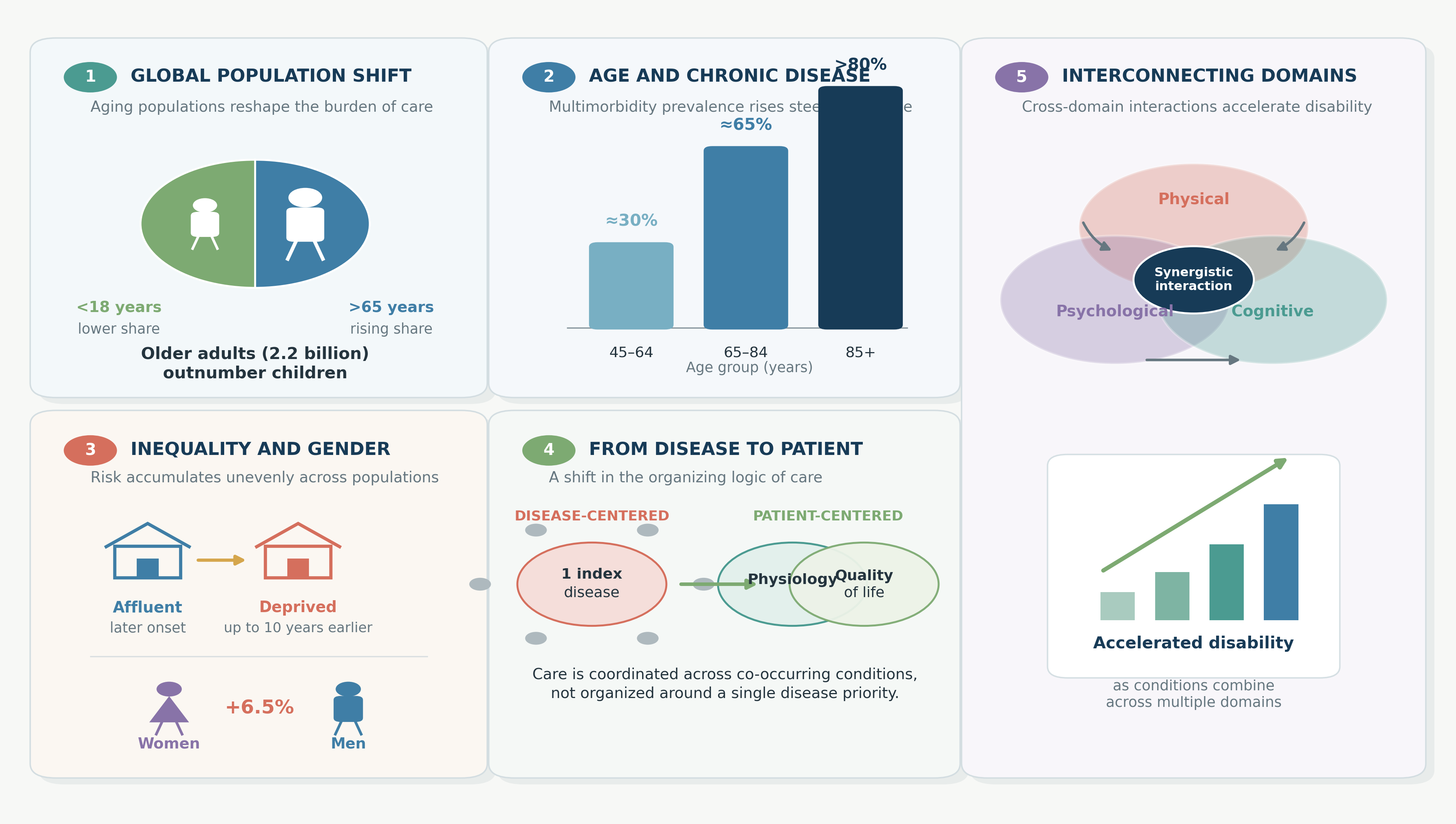
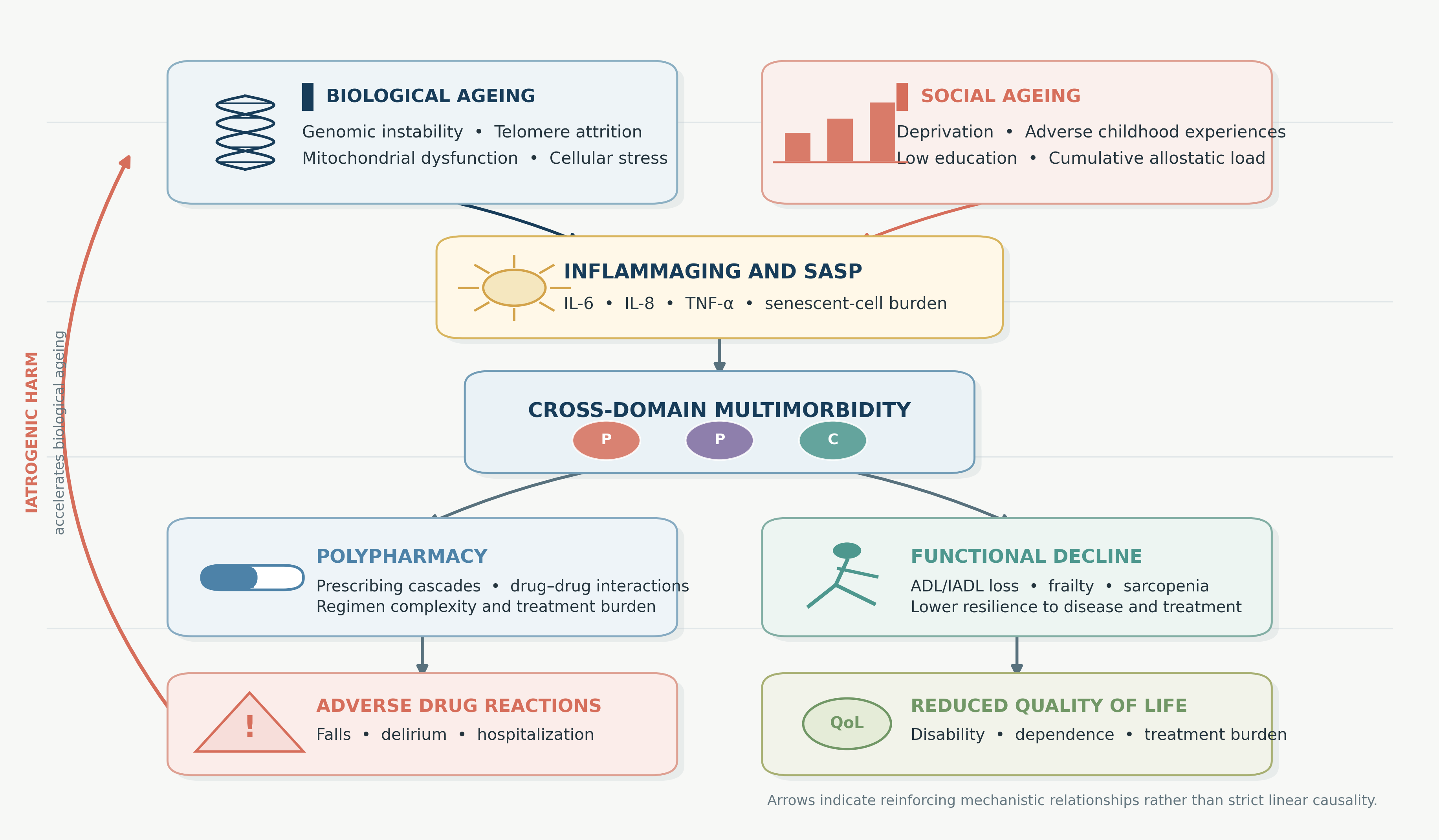
Article metrics
View details
0
Downloads
0
Citations
15
Views

View Dimensions


View Plumx


View Altmetric


0
Save
0
Citation
15
View
0
Share