Integrative Biomedical Research

Integrative Biomedical Research (Journal of Angiotherapy) | Online ISSN  3068-6326
463
Citations
1.9m
Views
782
Articles
Your new experience awaits. Try the new design now and help us make it even better
Switch to the new experience
Figures and Tables
REVIEWS   (Open Access)

Long-Acting Injectable Antiretrovirals Improve HIV Outcomes but Expose Gaps in Health System Readiness

Mst Murshida Mahbub 1*, Itishree Jogamaya Das 2, Himansu Bhusan Samal 3


+ Author Affiliations

Integrative Biomedical Research 10 (2) 1-8 https://doi.org/10.25163/biomedical.10210947

Submitted: 29 January 2026 Revised: 15 March 2026  Published: 27 March 2026 


Abstract

For nearly three decades, adherence to antiretroviral therapy has meant one thing above all: taking a pill, every single day, without fail. That expectation, reasonable as it once seemed, has proven quietly punishing for a great many people living with HIV (PLWH), whose lives are shaped by stigma, unstable circumstances, or simply the accumulated fatigue of managing a lifelong illness. This narrative review traces how long-acting injectable antiretroviral therapy (LAI-ART) is beginning to loosen that grip. Drawing on Phase 3 trials, real-world cohorts, and implementation-science literature, we synthesize evidence across five interconnected domains: neuroimmune and central nervous system complications, cardiometabolic and morphological change, syndemic co-infections, socio-behavioral and structural vulnerability, and the long-acting therapeutic paradigm itself. Cabotegravir plus rilpivirine, dosed monthly or bimonthly, and lenacapavir, dosed twice yearly, now deliver virological outcomes non-inferior to daily oral regimens, while sparing patients the psychological weight of daily reminders and disclosure anxiety. Injection-site reactions are common but rarely treatment-limiting, and metabolic profiles — particularly HDL-cholesterol — appear to improve after switching. Yet the promise is not unconditional. A pharmacokinetic “tail” persists for months after a missed dose, eligibility rules still exclude many non-suppressed patients who might benefit most, and cold-chain logistics, staffing shortages, and inconsistent insurance coverage remain genuine obstacles, particularly for incarcerated individuals, people who inject drugs, and communities in co-endemic or low-resource settings. We argue, ultimately, that realizing the full potential of long-acting antiretrovirals will depend less on pharmacology than on whether health systems can be rebuilt around it — equitably, and with an honest eye toward the syndemic realities patients actually live with.

Keywords: long-acting injectable antiretroviral therapy; cabotegravir; rilpivirine; lenacapavir; HIV chronic disease management; adherence; implementation science

1. Introduction

It is easy, from the vantage point of 2026, to forget just how frightening the early years of the HIV-1 epidemic really were. When the virus was first characterized in the early 1980s, it announced itself as a swiftly fatal retroviral illness, and for the better part of a decade, a diagnosis of acquired immunodeficiency syndrome (AIDS) amounted to something close to a death sentence (Ngo & Sutton, 2026; Berruti et al., 2021). The turning point — and there really was one, sharp and identifiable — arrived in 1996, when highly active antiretroviral therapy (HAART), later reframed as combination antiretroviral therapy (cART), entered clinical practice (Martini et al., 2025; Dumlu et al., 2025). The logic behind cART was, in retrospect, almost elegant: attack the virus at several distinct enzymatic steps simultaneously, and resistance becomes far harder to achieve. In practice, that combination approach suppressed plasma viral loads, allowed CD4+ T-cell counts to recover, and staved off the opportunistic infections that had defined the epidemic's grimmest years (Ngo & Sutton, 2026; Su et al., 2020; Singh et al., 2019).

The downstream consequence of that single innovation is hard to overstate. AIDS-related mortality fell sharply across the globe (Martini et al., 2025; Pinecki Socias et al., 2025; Segura Díaz et al., 2025), and people living with HIV (PLWH) who maintain viral suppression now approach life expectancies comparable to those of the general population (Deeks et al., 2013; Wandeler & Egger, 2016; Gelhorn et al., 2022; Załęski et al., 2025; Obel et al., 2011). HIV care, in other words, stopped being a story about survival and became — almost by accident — a template for how modern medicine manages any chronic disease. Those reframing matters, because it changes what “success” looks like. Success is no longer simply staying alive; it is living well, for decades, under a treatment regimen that a person can realistically sustain.

And this is where the story gets more complicated. Standard cART, delivered as a once-daily oral fixed-dose combination, is remarkably effective in trials, yet it asks something considerable of the person taking it: near-perfect adherence, sustained not for a few weeks but across an entire lifetime (Gelhorn et al., 2022; Singh et al., 2019; Berruti et al., 2021). To prevent virological failure, forestall the emergence of resistance mutations, and preserve the population-level benefit captured in the Undetectable = Untransmittable (U=U) message, patients are generally expected to maintain adherence above 90–95% (Gelhorn et al., 2022; Abd-Ellah et al., 2023; Alkhidir & Sridharan, 2026). That is a demanding bar under any circumstances, and unsurprisingly, it is rarely met without friction, undermined as it so often is by a tangle of individual, clinical, and structural obstacles that compound over time (Gelhorn et al., 2022; Katz et al., 2013).

Some of these obstacles are simply physical. Patients describe pill fatigue, awkward dosing schedules, gastrointestinal discomfort, cumulative drug toxicity, and — particularly among an aging cohort of PLWH now managing multiple chronic conditions at once — drug-drug interactions that complicate an already crowded medicine cabinet (Dumlu et al., 2025; Segura Díaz et al., 2025; Bottanelli et al., 2025; Gelhorn et al., 2022). But the burden is not only physical. Taking a pill every day is also a daily act of remembering, and for many people that repetition reinforces internalized stigma and stokes a low, persistent anxiety about being discovered — by a partner, a parent, a coworker glancing at a pillbox left on a desk (Fedonni et al., 2021; Gelhorn et al., 2022).

These difficulties, moreover, are not distributed evenly. They concentrate, often severely, among populations already navigating structural disadvantage. Individuals recently released from incarceration frequently experience a sharp drop in viral suppression precisely during the fragile transition back into community life (Russotto et al., 2022). People who use substances (PWUS) and people who inject drugs (PWID) contend with unstable housing, criminalization, co-infections such as hepatitis C virus (HCV) or tuberculosis, and a day-to-day unpredictability that makes rigid dosing schedules genuinely difficult to sustain (Ngo & Sutton, 2026; Russotto et al., 2022; Huff et al., 2022; Załęski et al., 2025). Sexual minority populations, for their part, often face compounding layers of trauma and structural inequity that further erode consistent adherence (Fedonni et al., 2021). The downstream clinical consequence is fairly predictable, if no less troubling for that: suboptimal adherence drives virological rebound, seeds transmissible drug resistance, and, ultimately, raises mortality (Gelhorn et al., 2022; Załęski et al., 2025; Charpentier et al., 2023; Chen et al., 2024).

It was against this backdrop — a therapy that worked pharmacologically but strained against the realities of everyday life — that long-acting injectable antiretroviral therapy (LAI-ART) emerged, not as a minor refinement but as something closer to a genuine paradigm shift (Ngo & Sutton, 2026; Gulick & Flexner, 2019; Singh et al., 2019; Berruti et al., 2021). The underlying idea is deceptively simple: replace daily oral dosing with periodic parenteral administration, spaced anywhere from monthly to twice yearly, and in doing so, smooth out the peak-to-trough plasma fluctuations that oral dosing produces while removing the pill itself from the patient's daily routine altogether (Gelhorn et al., 2022; Segura Díaz et al., 2025; Bottanelli et al., 2025).

The regimen furthest along this path, and now the most widely implemented, pairs cabotegravir (CAB), an integrase strand transfer inhibitor, with rilpivirine (RPV), a non-nucleoside reverse transcriptase inhibitor (Ngo & Sutton, 2026; Dumlu et al., 2025; Singh et al., 2019; Bottanelli et al., 2025). Approved by both the U.S. FDA and the European Medicines Agency for virologically suppressed adults, intramuscular CAB/RPV given monthly or every two months has repeatedly demonstrated non-inferiority to daily oral ART across a run of Phase 3 trials — ATLAS, FLAIR, ATLAS-2M, and SOLAR among them (Swindells et al., 2020; Orkin et al., 2020; Overton et al., 2020; Ramgopal et al., 2023). A second agent, lenacapavir (LEN), takes a rather different mechanistic route: a first-in-class, multi-stage capsid inhibitor given subcutaneously just twice a year, it has shown genuinely potent antiviral activity even in heavily treatment-experienced individuals carrying multidrug-resistant virus, as demonstrated in the CAPELLA trial, and in treatment-naïve populations in CALIBRATE (Ngo & Sutton, 2026; Martini et al., 2025; Charpentier et al., 2023). Further out on the horizon sit long-acting prodrugs, transdermal implants, and translocation inhibitors such as islatravir (ISL/MK-8591) — early signs, perhaps, of where the field is headed next (Singh et al., 2019; Abd-Ellah et al., 2023; Kinsale et al., 2024).

What is striking, reading across both trial data and real-world experience, is how consistently patients and clinicians alike prefer this approach over daily pills (Gelhorn et al., 2022; Dumlu et al., 2025; Segura Díaz et al., 2025; Bottanelli et al., 2025). People report better quality of life, a welcome sense of privacy, and noticeably less anxiety about status disclosure (Gelhorn et al., 2022; Dumlu et al., 2025; Segura Díaz et al., 2025). The trade-off, such as it is, tends to be local and transient: injection site reactions, usually mild to moderate and self-limiting, occur in roughly 70–90% of recipients, though they rarely drive discontinuation, which stays under 2–3% (Gelhorn et al., 2022; Berruti et al., 2021; Bottanelli et al., 2025). Even the metabolic picture looks reassuring — switching to LAI-ART appears to preserve immunological stability while nudging high-density lipoprotein (HDL) cholesterol upward, a modest but welcome cardiometabolic benefit (Segura Díaz et al., 2025; Bottanelli et al., 2025).

None of this, however, should be read as an unqualified success story, at least not yet. Translating LAI-ART from controlled trial settings into everyday clinical practice runs into a set of operational and pharmacological hurdles that are easy to underestimate (Ngo & Sutton, 2026; Chitsaz et al., 2013; Hernández-Sánchez et al., 2025). Chief among them is the so-called pharmacokinetic “tail”: drug concentrations decline slowly after the final injection, remaining detectable — and potentially subtherapeutic — for months (Ngo & Sutton, 2026; Kinsale et al., 2024). A missed appointment during that window is not a trivial lapse; it can leave the virus exposed to drug levels too low to suppress it but high enough to select for resistance, whether INSTI or NNRTI resistance in the case of CAB/RPV, or capsid-associated mutations such as Gag M66I/Q67H for lenacapavir (Ngo & Sutton, 2026; Załęski et al., 2025; Singh et al., 2019).

There is also, somewhat paradoxically, an eligibility problem. Current guidelines require confirmed viral suppression before a patient can switch onto LAI-ART (Shubber et al., 2016; Dumlu et al., 2025) — which means the very individuals who struggle most with oral adherence, and who might stand to benefit most from an injectable alternative, are frequently the ones excluded from receiving it (Shubber et al., 2016; Załęski et al., 2025). Regional viral diversity complicates matters further still: the HIV-1 A6 subtype common across Eastern Europe and Central Asia often carries the L74I integrase polymorphism, which appears to raise the risk of virological failure on LAI CAB/RPV specifically (Załęski et al., 2025).

Beyond the individual patient, there is the matter of the health system itself. Delivering periodic injections at scale demands cold-chain storage, dependable appointment tracking, adequate insurance reimbursement, and enough trained staff to administer the drug reliably (Ngo & Sutton, 2026; Shubber et al., 2016; Hernández-Sánchez et al., 2025). None of this is insurmountable, but none of it is free either, and building decentralized, non-hospital administration models will likely be essential if equitable access is to reach ex-detainees, people who inject drugs, and rural communities rather than bypassing them (Ngo & Sutton, 2026; Russotto et al., 2022; Hernández-Sánchez et al., 2025).

Given how quickly this field is moving — and how much it stands to reshape the day-to-day experience of chronic HIV care — this review attempts to pull together evidence from clinical trials, real-world cohorts, and implementation-science literature into a single, coherent picture. This effort is guided by four objectives: to evaluate the pharmacological properties, efficacy profiles, and trial outcomes of approved and emerging long-acting antiretroviral agents — including CAB/RPV, lenacapavir, islatravir, and ibalizumab — across treatment-naïve, virologically suppressed, and heavily treatment-experienced populations; to synthesize patient and physician preference data, examining treatment satisfaction, quality-of-life gains, perceived reductions in stigma, and the barriers that still discourage switching from oral ART; to analyze real-world safety, tolerability, immunological response, and cardiometabolic impact — including weight and lipid dynamics — associated with the transition to long-acting injectable formulations; and to identify the pharmacokinetic, drug-resistance, structural, and health-system barriers surrounding LAI-ART implementation, with particular attention to key populations such as incarcerated individuals, people who inject drugs, sexual minority populations, and co-endemic disease settings.
2. A Five-Domain Conceptual Framework of HIV-1 Complications and Long-Acting Therapeutics

2.1 Setting the Frame: Why a Chronic Disease Needs a Wider Lens

Combination antiretroviral therapy (cART) did something remarkable: it took a diagnosis that once carried an almost certain death sentence and turned it into something survivable, often for decades (Deeks et al., 2013). But longevity, it turns out, is not the same thing as simplicity. Living into older age with HIV has gradually unmasked a whole ecosystem of secondary complications — chronic immune activation, cardiometabolic strain, overlapping infections, and structural inequities — that daily viral suppression alone does not resolve (Wandeler & Egger, 2016; Obel et al., 2011).

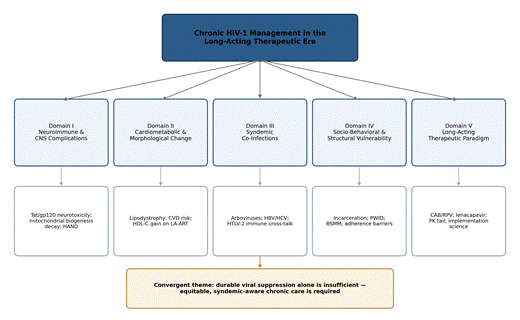
To make sense of that ecosystem without losing the thread, this review organizes the literature into five interlocking domains, illustrated conceptually in Figure 1: neuroimmune mechanisms and central nervous system (CNS) complications; cardiometabolic, lipodystrophic, and morphological change; syndemic co-infection dynamics; socio-behavioral drivers and vulnerable populations; and, finally, the long-acting antiretroviral paradigm that increasingly threads through all four of the others. The domains are presented separately for clarity, but as the sections below make clear, they rarely operate in isolation — a point Figure 1 is meant to visualize rather than merely assert.

2.2 Domain I: Central Nervous System Complications and Neuroimmune Pathogenesis

The brain, somewhat unfortunately, is one of HIV-1's preferred hiding places. Early viral seeding, a blood-brain barrier (BBB) that limits how well many antiretrovirals penetrate, and long-term viral persistence within resident myeloid cells together make the central nervous system a durable reservoir (Louboutin & Strayer, 2014). Even when plasma virus is fully suppressed, HIV-Associated Neurocognitive Disorders (HAND) — spanning asymptomatic neurocognitive impairment, mild neurocognitive disorder, and, at the severe end, HIV-associated dementia — continue to affect a striking proportion of PLWH, by some estimates over 40% (Figarola-Centurión et al., 2023).

2.2.1 Molecular and Cellular Mechanisms of Neurotoxicity

Here is a detail that surprises many clinicians: neurons themselves are rarely directly infected by HIV-1. The damage is more indirect, and in some ways more insidious — driven by chronic, low-grade neuroinflammation and the steady release of viral proteins from infected microglia, macrophages, and persistently infected astrocytes (Louboutin & Strayer, 2014). Two proteins in particular do much of the harm. The transactivator of transcription (Tat) prompts astroglia to release excess glutamate, which overstimulates NMDA receptors, floods neurons with calcium, and ultimately triggers apoptosis (Figarola-Centurión et al., 2023). Meanwhile, envelope glycoprotein 120 (gp120) binds chemokine co-receptors CXCR4 and CCR5, provoking reactive oxygen species (ROS) production, upregulating matrix metalloproteinase-9, and loosening the tight junctions that ordinarily keep the BBB intact (Figarola-Centurión et al., 2023).

2.2.2 Mitochondrial Biogenesis and Neurodegenerative Cross-Talk

More recent transcriptomic work adds a further, somewhat unsettling layer: organelle failure. Neurons exposed to Tat show marked down-regulation of PGC1-α, PINK1, and Sirtuin 3 — regulators that normally coordinate mitochondrial biogenesis and mitophagy (Figarola-Centurión et al., 2023). When those regulators falter, cellular energy production suffers, damaged mitochondria are cleared less efficiently, telomerase activity drops, and cells edge toward premature senescence. In genetically susceptible models, this same neuroimmune activation appears to lower the threshold for age-related neurodegenerative disease, raising uncomfortable questions about long-term neurological aging in PLWH

Figure 1. Conceptual Framework Linking Chronic HIV-1 Management to Five Interlocking Domains of Complication and Care. This mind-map diagram organizes the literature reviewed in Section 2 into five thematic domains — neuroimmune/CNS, cardiometabolic/morphological, syndemic co-infection, socio-behavioral, and long-acting therapeutic paradigms — each expanded with representative mechanisms and outcomes, converging on the review's central argument that durable viral suppression alone is insufficient without equitable, syndemic-aware chronic care.

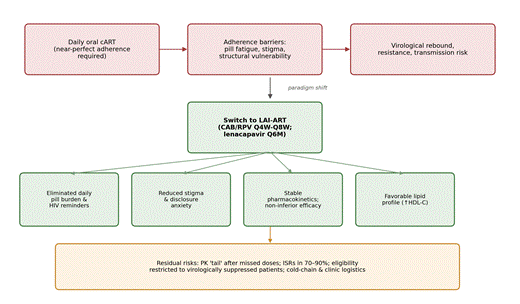
Figure 2. Pathway From the Daily Oral Antiretroviral Therapy Burden to the Long-Acting Injectable Therapy Paradigm Shift and Its Residual Risks. This flow diagram traces how adherence barriers associated with daily oral combination antiretroviral therapy (pill fatigue, stigma, disclosure anxiety) motivate the clinical switch to long-acting injectable regimens, the psychosocial and metabolic benefits this switch confers, and the pharmacokinetic and structural risks — including the elimination-phase drug 'tail' — that persist after the switch, as discussed in Sections 2.6 and 5.1.

(Louboutin & Strayer, 2014). Encouragingly, gene-delivery strategies that overexpress antioxidant enzymes such as Cu/Zn superoxide dismutase have shown neuroprotective effects against Tat- and gp120-induced injury in animal models, hinting — cautiously — at future therapeutic directions (Louboutin & Strayer, 2014).

2.3 Domain II: Cardiometabolic, Lipodystrophic, and Morphological Complications

As HIV shifted from an acute emergency into a long-term condition, cardiometabolic and body-composition changes moved, almost inevitably, toward the center of clinical attention (Bottanelli et al., 2025).

2.3.1 HIV Lipodystrophy Syndrome and Facial Wasting

Much of this legacy traces back to older-generation agents — thymidine-analogue NRTIs such as stavudine and zidovudine, along with early protease inhibitors — which produced a recognizable syndrome combining lipoatrophy (fat loss in the face, limbs, and buttocks), lipohypertrophy (visceral and dorso-cervical fat accumulation), and metabolic disturbance (Pinto et al., 2021). Facial lipoatrophy in particular carries a social weight that goes beyond appearance: it can visibly mark someone as HIV-positive, deepening psychological distress and, in a cruel feedback loop, undermining the very adherence that would otherwise prevent further harm (Chirico et al., 2021). Restorative options exist and appear genuinely effective — non-surgical dermal fillers including poly-L-lactic acid, calcium hydroxyapatite, hyaluronic acid, and polyacrylamide hydrogel have each demonstrated durable improvements in facial volume and, by extension, quality of life (Pinto et al., 2021; Chirico et al., 2021).

2.3.2 Accelerated Cardiovascular Risk and Metabolic Neutrality

Cardiovascular disease risk among PLWH runs up to twice that of the general population, a gap explained only partly by traditional risk factors like smoking or hypertension; chronic immune activation and persistent arterial inflammation appear to do the rest (Bottanelli et al., 2025). Long exposure to older protease inhibitors and NRTIs compounds the problem, accelerating atherosclerosis and metabolic syndrome over time. Against that backdrop, the metabolic data on long-acting cabotegravir plus rilpivirine (LA-CAB/RPV) read as genuinely reassuring: switching maintains total cholesterol, LDL-C, and triglycerides within stable ranges, while producing a statistically significant rise in protective HDL-cholesterol (Segura Díaz et al., 2025; Bottanelli et al., 2025). The likely explanation is not one single mechanism but several acting together — reduced pharmacokinetic variability, removal of tenofovir alafenamide or boosted protease inhibitors from the regimen, and a modest easing of systemic vascular inflammation (Bottanelli et al., 2025).

2.4 Domain III: Syndemic Co-Infection Dynamics and Immunological Cross-Talk

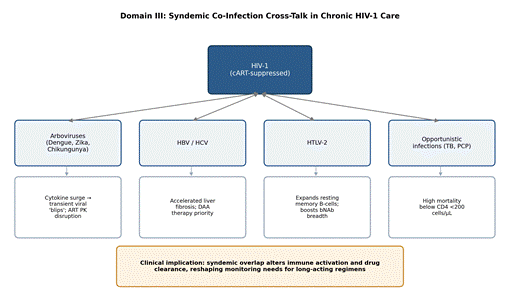
HIV-1, in real-world settings, rarely travels alone. It interacts with co-endemic pathogens to form what epidemiologists term syndemics — clusters of interacting conditions whose combined burden exceeds the sum of their parts — and Figure 3 sketches how four such interactions play out clinically.

2.4.1 Endemic Arboviruses and Acute Immune Shocks

In parts of South America, HIV-1 epidemics overlap geographically with endemic arboviruses — dengue, Zika, chikungunya, yellow fever — and the collision is not merely coincidental. Acute arboviral infection triggers a systemic cytokine surge (elevated TNF-α, IL-6, IFN-γ) that can induce transient HIV-1 plasma viral load “blips” and potentially disturb latent reservoir dynamics. Compounding this, arbovirus-related hepatic transaminitis and bone marrow suppression alter ART pharmacokinetics and can blur the clinical picture, making it genuinely difficult to distinguish arboviral fever from an opportunistic infection or immune reconstitution inflammatory syndrome (IRIS) (Ngo & Sutton, 2026).

2.4.2 Chronic Viral Hepatitis and HTLV-2 Modulation

Co-infection with hepatitis B or C virus is common, especially among people who inject drugs, and it accelerates hepatic fibrosis, raising the long-term risk of end-stage liver disease and hepatocellular carcinoma. Universal direct-acting antiviral therapy has genuinely transformed HCV management, but chronic liver dysfunction still demands careful drug selection (Chen et al., 2024).

Co-infection with Human T-Lymphotropic Virus Type 2 (HTLV-2), by contrast, tells a rather different and somewhat counterintuitive story. Frequently identified among former PWID, HTLV-2 co-infection in individuals on suppressive cART appears to exert a protective immunomodulatory effect — restructuring the B-cell compartment toward resting memory B-cells and broadening the neutralization capacity of HIV-1 broadly neutralizing antibodies (Abad-Fernández et al., 2025). It is a reminder, perhaps, that co-infection is not always straightforwardly harmful, and that immune cross-talk in HIV can run in directions clinicians might not expect.

2.5 Domain IV: Social Determinants, Behavioral Factors, and Key Vulnerable Populations

Individual choices matter, of course, but they are only part of the story. Social and structural forces heavily shape engagement along the HIV care continuum, and disparities in viral suppression often trace back to those forces rather than to any failure of willpower (Russotto et al., 2022).

2.5.1 Incarcerated Populations and the Post-Release Continuum

HIV prevalence among incarcerated individuals runs 2.4- to 5-fold higher than in the general population, driven by elevated injection drug use, limited harm-reduction access, and low health literacy (Russotto et al., 2022). Somewhat counterintuitively, structured prison environments often produce peak rates of ART adherence — routine, after all, is easier to maintain inside a controlled system. The real danger point arrives at release. Post-release “life chaos” — unstable housing, job loss, sudden lapses in insurance, and a frequent return to substance use — causes linkage to care to fall from roughly 76% to 36%, with viral suppression dropping from about 40% to 21% (Russotto et al., 2022; Chitsaz et al., 2013). Peer-navigation programs and Data-to-Care surveillance systems have shown real promise in bridging that gap, though scaling them remains uneven (Russotto et al., 2022).

2.5.2 Substance Use Disorders and Racial Disparities

Substance use disorders — spanning alcohol, opioids, and methamphetamine — correlate with delayed diagnosis, hepatic toxicity, faster disease progression, and treatment failure (Huff et al., 2022). Methamphetamine use in particular seems to degrade viral suppression sharply among people transitioning out of correctional settings. Among Black sexual minority men in the U.S. South, meanwhile, structural racism, intersectional stigma, and understandable medical mistrust compound the ordinary difficulties of daily adherence; the pill itself becomes a source of anxiety, a daily risk of unwanted disclosure to family or peers (Campbell et al., 2024). Low-threshold, integrated care — co-locating HIV treatment with opioid agonist therapy, harm reduction, and rapid single-tablet ART initiation — has proven critical for stabilizing these higher-risk groups (Campbell et al., 2024; Uuskula et al., 2025).

2.6 Domain V: The Long-Acting Antiretroviral Therapeutic Paradigm and Implementation Science

Which brings the review back, in a sense, to where the introduction began. Long-acting formulations exist specifically to address the burdens outlined above — pill fatigue, stigma, and the accumulated exhaustion of decades of daily dosing — and Figure 2 traces that logic as a pathway, from the burdens of oral therapy through to the residual risks that switching does not fully eliminate.

2.6.1 Clinical Efficacy of Approved and Emerging Long-Acting Agents

Intramuscular CAB/RPV, dosed monthly or every two months, is now firmly established as a standard-of-care switch option for virologically suppressed adults. Across the ATLAS, FLAIR, ATLAS-2M, and SOLAR trials, it demonstrated non-inferiority to daily oral cART while achieving notably high patient satisfaction (Ramgopal et al., 2023; Swindells et al., 2020). For heavily treatment-experienced individuals carrying multidrug-resistant virus, lenacapavir — a first-in-class, multi-stage capsid inhibitor given subcutaneously every 26 weeks — delivered durable suppression in the CAPELLA trial (Martini et al., 2025). Real-world case data further suggest that sequentially transitioning patients from biweekly intravenous ibalizumab to biannual subcutaneous lenacapavir can maintain viral control while meaningfully improving quality of life and treatment compliance (Martini et al., 2025). Further along the pipeline sit long-acting NRTTIs such as islatravir and biodegradable transdermal implants — early-stage, but worth watching (Kinsale et al., 2024).

2.6.2 Patient Preferences, Pharmacokinetic Tail, and Implementation Science

Discrete choice experiments and qualitative surveys converge on a fairly consistent finding: somewhere between 60% and 85% of PLWH prefer long-acting injectables to daily tablets (Gelhorn et al., 2022; Dumlu et al., 2025). Freedom from daily reminders, enhanced privacy, and simplicity while traveling or during chaotic stretches of life all surface repeatedly as motivators

Figure 3. Syndemic Co-Infection Cross-Talk in Chronic, Antiretroviral-Suppressed HIV-1 Infection. This diagram illustrates how four categories of co-endemic pathogens — arboviruses, viral hepatitis (HBV/HCV), HTLV-2, and classic opportunistic infections — interact bidirectionally with HIV-1 disease biology and antiretroviral pharmacokinetics, reshaping the immunological and clinical-monitoring needs of patients on long-acting regimens, as discussed in Sections 2.4 and 4.3.

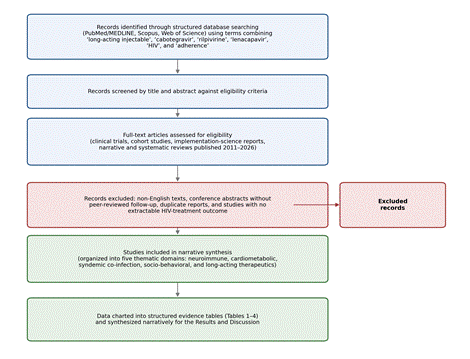
Figure 4. Structured Literature Search and Study Selection Flow Underlying This Narrative Review. This PRISMA-informed flow diagram outlines the database search strategy, title/abstract and full-text screening steps, exclusion criteria applied, and the process of charting eligible studies into the four structured evidence tables (Tables 1–4) that underpin the narrative synthesis presented in Sections 3 and 4.

(Campbell et al., 2024). Injection site reactions — mild to moderate, transient — occur in 70–90% of recipients but drive discontinuation in under 2–3% of cases (Bottanelli et al., 2025).

None of this comes without friction, however, and four implementation barriers recur consistently across the literature:

  • Pharmacokinetic (PK) tail — drug levels decline slowly after the final injection, remaining detectable for months; a missed visit during that window risks subtherapeutic exposure and selection for class-specific resistance, including INSTI/NNRTI mutations or capsid-associated Gag M66I/Q67H substitutions (Załęski et al., 2025).
  • Pre-existing resistance and viral subtype diversity — baseline NNRTI resistance, or naturally occurring polymorphisms such as L74I in HIV-1 Subtype A6, raise the risk of virological failure on LA-CAB/RPV (Załęski et al., 2025; Ali et al., 2025).
  • Guideline eligibility constraints — current protocols require confirmed viral suppression before initiation, which tends to exclude the very patients with the greatest adherence difficulty (Załęski et al., 2025).
  • Health-system logistics — cold-chain storage, decentralized clinic infrastructure, insurance coverage, and reliable appointment tracking all require investment that not every setting can readily provide (Hernández-Sánchez et al., 2025).

2.7 Synthesis: What the Five Domains Add Up To

Taken together (Figure 1), these five domains do not describe five separate problems so much as five facets of one continuous challenge: how to help people live long, reasonably healthy lives with a virus that, even when suppressed, leaves lingering traces across the nervous system, the metabolism, the immune landscape, and the social fabric surrounding a patient's care. HAND persists through Tat- and gp120-driven neuroinflammation and mitochondrial decline; lipodystrophy and cardiovascular risk demand both restorative and preventive strategies, the latter increasingly aided by the lipid-neutral profile of LA-CAB/RPV; syndemic co-infections — arboviral, hepatic, or retroviral — reshape immune activation in ways that are not always intuitive; and socio-behavioral barriers, most acute among incarcerated, substance-using, and sexual-minority populations, remain the hardest to solve through pharmacology alone. Long-acting therapeutics address a meaningful slice of this picture — arguably the slice most amenable to a technological fix — but managing the pharmacokinetic tail and building out the necessary health-system infrastructure will determine whether that promise is realized equitably or only for those already well served by the system.

3. Methods

3.1 Review Design

This paper is, deliberately, a narrative review rather than a formal systematic review or meta-analysis — the underlying evidence base spans clinical trials, observational cohorts, pharmacokinetic modeling, and qualitative implementation-science reports that do not lend themselves cleanly to pooled quantitative synthesis. That said, we have tried to borrow what we reasonably could from systematic-review methodology, largely so that another investigator, PubMed in hand, could retrace our steps and arrive at broadly the same evidence base. The overall search-and-selection process is summarized in Figure 4.

3.2 Search Strategy and Information Sources

We searched PubMed/MEDLINE as the primary database, supplemented by Scopus and Web of Science to capture indexing gaps, covering literature published between January 2011 and September 2026. Search terms were combined using Boolean operators and included, in various permutations: “long-acting injectable,” “cabotegravir,” “rilpivirine,” “lenacapavir,” “islatravir,” “ibalizumab,” “HIV,” “antiretroviral therapy,” “adherence,” “HIV-associated neurocognitive disorder,” “lipodystrophy,” “syndemic,” and “implementation science.” A representative PubMed query string took the form: (“long-acting”[tiab] OR “injectable”[tiab]) AND (“cabotegravir”[tiab] OR “rilpivirine”[tiab] OR “lenacapavir”[tiab]) AND (“HIV”[tiab] OR “human immunodeficiency virus”[tiab]). Reference lists of key retrieved articles were also hand-searched — an admittedly old-fashioned step, but one that reliably surfaces papers the keyword search misses.

3.3 Eligibility Criteria

We included peer-reviewed randomized controlled trials, prospective and retrospective cohort studies, qualitative implementation-science studies, pharmacokinetic and preclinical studies with direct clinical translational relevance, and systematic reviews or meta-analyses published in English between 2011 and 2026. Studies were required to report at least one extractable HIV-treatment-relevant outcome — virological suppression, safety or tolerability data, immunological or metabolic parameters, patient or provider preference data, or implementation/structural barrier data. We excluded conference abstracts lacking peer-reviewed full-text follow-up, non-English-language publications, duplicate reports of the same dataset (the most complete or most recent version was retained), and case reports without generalizable methodological detail.

3.4 Study Selection and Data Charting

Titles and abstracts were screened first against the eligibility criteria above; records passing this initial screen were then retrieved in full text for a second, more detailed eligibility assessment. Data extracted from each included study were charted into four structured evidence tables (Tables 1–4), organized respectively around pharmacological agent profiles, comparative clinical-trial and implementation-cohort outcomes, systemic complication domains, and socio-behavioral/structural barriers. This charting exercise, admittedly, is closer to a scoping-review technique than a strict systematic-review protocol, but it served the review's purpose well: making the evidence base traceable and comparable across five very different clinical domains.

3.5 Synthesis Approach

Given the heterogeneity of study designs — Phase 3 randomized trials sitting alongside qualitative interview studies, for instance — a narrative synthesis approach was used rather than meta-analytic pooling. Findings were grouped thematically into the five domains introduced in Section 2 and cross-referenced against the charted evidence tables to identify areas of consensus, as well as areas where the evidence remained thin or conflicting. Where quantitative outcomes were reported consistently across multiple studies (for example, virological suppression rates or discontinuation rates due to injection site reactions), we report the approximate range observed across the literature rather than a single pooled estimate, in keeping with the narrative rather than meta-analytic nature of this review.

3.6 Reproducibility Statement

In the interest of reproducibility, and consistent with PubMed/NLM reporting conventions for narrative reviews, we have specified the databases searched, the search terms used, the date range covered, and the inclusion and exclusion criteria applied at each stage of selection (Figure 4). No individual patient-level data were accessed or analyzed; all data reported here are drawn from previously published, publicly available sources, and no institutional ethics approval was therefore required.

4. Synthesis of Clinical, Immunological, and Implementation Evidence

4.1 Clinical Efficacy and Virological Suppression Across Antiretroviral Regimens

Pulling together evidence from Phase 3 trials and observational cohorts, the overall picture is fairly consistent: long-acting injectable antiretroviral therapy achieves rates of sustained virological suppression that are, by most measures, non-inferior to standard daily oral cART (Bottanelli et al., 2025; Gelhorn et al., 2022; Singh et al., 2019). Across the pivotal trials evaluating intramuscular CAB/RPV — ATLAS, FLAIR, ATLAS-2M, and SOLAR (Table 2) — somewhere between 90% and 95% of virologically suppressed adult participants maintained plasma HIV-1 RNA below 50 copies/mL at 48 to 96 weeks. Extending the dosing interval from monthly to bimonthly administration did not appear to compromise that efficacy: protocol-defined virological failure stayed under 1.5% across 96 weeks of follow-up either way (Table 2).

For heavily treatment-experienced individuals carrying multidrug-resistant HIV-1, the picture looks different but, in its own way, equally encouraging. In the CAPELLA trial (Table 2), lenacapavir — given subcutaneously every 26 weeks alongside an optimized background regimen — achieved suppression below 50 copies/mL in 62% to 82% of participants by Week 104. Real-world data add a further, practically useful finding: sequentially transitioning heavily treatment-experienced patients from biweekly intravenous ibalizumab to biannual subcutaneous lenacapavir not only sustained suppression but appeared to drive progressive clearance of archived resistance mutations from the proviral reservoir over time — a slow but genuinely meaningful improvement.

None of this, however, is uniform across viral subtypes. Baseline NNRTI or INSTI resistance clearly raises the risk of virological failure on LA-CAB/RPV, and the HIV-1 Subtype A6 epidemic across Eastern Europe and Central Asia, where the integrase L74I polymorphism is common, appears particularly susceptible to this risk (Table 1; Table 4). The therapeutic margin, in other words, narrows considerably in these settings — a caveat that regional guidelines will need to account for explicitly.

4.2 Safety, Tolerability, and Cardiometabolic Outcomes

Across both trial and real-world implementation cohorts, long-acting regimens display a reassuringly favorable safety profile (Table 2; Table 3). Injection site reactions — mostly mild-to-moderate pain, swelling, or small nodules resolving within three to seven days — occurred in 70% to 97% of LA-CAB/RPV recipients. Despite that high frequency, they rarely drove people off treatment: discontinuation attributable to ISRs stayed below 2–3% across virtually every cohort we reviewed. Systemic adverse events such as fatigue, fever, myalgia, or headache occurred at rates broadly comparable to daily oral ART controls.

Metabolically, the news is similarly encouraging. Longitudinal data show that switching to LA-CAB/RPV preserves stability in total cholesterol, LDL-C, and triglycerides while producing a statistically significant rise in protective HDL-cholesterol — from a mean of roughly 49.4 ± 11.5 mg/dL to 53.0 ± 11.9 mg/dL (p = 0.0065) in one representative cohort. This favorable shift most likely reflects the removal of tenofovir alafenamide or boosted protease inhibitors from the regimen, reduced pharmacokinetic variability, and sustained viral suppression working together rather than any single mechanism. Body-weight change after switching, for what it is worth, was minimal and not clinically significant — ranging from a median loss of 0.4 kg to a modest gain of one to two kilograms across 48 to 96 weeks (Table 2). For patients living with the visible legacy of older-generation therapy — facial lipoatrophy — non-surgical dermal filler interventions provided durable cosmetic restoration with few localized complications (Table 3).

4.3 Immune Activation Biomarkers and Syndemic Co-Infection Interactions

Persistent low-grade inflammation and incomplete CD4+ T-cell recovery remain among the more stubborn challenges in chronic HIV management, even under otherwise successful treatment. Biological data indicate that switching to LA-CAB/RPV preserves immunovirological stability, with CD4+ counts remaining above roughly 890 cells/µL over 7 to 12 months of follow-up. Interestingly, though, comparative studies of inflammatory biomarkers reveal a slightly puzzling divergence: switching to oral dual-ART regimens tends to reduce soluble CD14 (a marker of monocyte activation), whereas switching to injectable dual LA-CAB/RPV is instead accompanied by a transient rise in sCD14 — possibly reflecting differences in how each regimen distributes into gut-associated lymphoid tissue, though this remains a hypothesis rather than a settled explanation (Table 3).

Syndemic co-infections further complicate this immunological picture (Figure 3; Table 3). In co-endemic regions, acute arboviral infections generate intense cytokine surges that produce transient HIV RNA “blips,” alter hepatic drug clearance, and heighten the risk of hematologic toxicity. HTLV-2 co-infection, by contrast, exerts what appears to be a genuinely protective immunomodulatory effect, restructuring the B-cell compartment toward resting memory B-cells and enhancing the neutralization breadth of HIV-1 broadly neutralizing antibodies. And among people who inject drugs, rapid same-day initiation of bictegravir/emtricitabine/tenofovir alafenamide, co-located with peer navigation and opioid agonist therapy, eliminated treatment delays entirely in one pilot program, achieving complete-case viral suppression rates of 92% to 100% and meaningfully reducing HIV symptom burden by 48 weeks (Table 4).

4.4 Implementation Science, Patient Preferences, and Structural System Barriers

Discrete choice experiments and qualitative surveys consistently point toward strong preference for long-acting formulations among both patients and clinicians (Table 4). In one large preference study, 59% of PLWH and between 55% and 66% of treating physicians expressed a preference for switching to LA-ART. Patients most often cited elimination of daily pill burden (75%), relief from daily emotional reminders of HIV status (75%), reduced fear of disclosure or stigma (68%), and reduced anxiety about missed doses during travel or chaotic periods. Notably, when non-switchers were asked hypothetically about a six-monthly injectable option such as lenacapavir, overall acceptability jumped sharply — from 86% to 98% — suggesting that dosing frequency itself, independent of the drug, is a meaningful lever for uptake.

Yet acceptability alone does not guarantee implementation (Table 4). Real-world health-system rollout runs into a recognizable set of structural hurdles: geographic distance

Table 1. Pharmacological Profiles of Approved and Emerging Long-Acting Antiretroviral (LA-ART) Agents. This table summarizes the mechanism of action, dosing schedule and route, principal clinical advantages, and key vulnerabilities of six long-acting or extended-dosing antiretroviral agents discussed in Sections 2.6 and 4.1: cabotegravir, rilpivirine, lenacapavir, islatravir, ibalizumab, and fostemsavir. It is intended as a quick-reference summary of the pharmacological evidence synthesized narratively in the text, with citations for each agent's supporting literature given in the final column.

Drug & Class

Mechanism of Action

Dosing & Route

Key Advantages

Vulnerabilities & Risks

Key Citations

Cabotegravir (CAB) — Integrase strand transfer inhibitor (INSTI)

Blocks integration of proviral DNA into the host genome

IM injection every 1–2 months (co-formulated with RPV); oral lead-in available

Eliminates daily pill burden; reduces stigma; stable PK profile

Long PK tail; reduced efficacy against HIV-1 Subtype A6 (L74I polymorphism)

Gelhorn et al. (2022); Ngo & Sutton (2026); Załęski et al. (2025)

Rilpivirine (RPV) — Non-nucleoside reverse transcriptase inhibitor (NNRTI)

Inhibits viral RNA-to-DNA transcription

IM injection every 1–2 months (co-formulated with CAB); oral lead-in available

High satisfaction; no dietary restrictions of oral RPV

NNRTI cross-resistance (e.g., E138A, Y181C); requires prior viral suppression

Gelhorn et al. (2022); Dumlu et al. (2025); Singh et al. (2019)

Lenacapavir (LEN) — First-in-class capsid inhibitor

Interferes with capsid-mediated nuclear import and virion assembly

SC injection every 6 months, with oral loading phase

Ultra-long coverage; potent in heavily treatment-experienced MDR HIV-1

Prolonged subtherapeutic tail; capsid resistance (Gag M66I, Q67H); high cost

Martini et al. (2025); Charpentier et al. (2023)

Islatravir (ISL/MK-8591) — Nucleoside reverse transcriptase translocation inhibitor

Translocation inhibition and chain termination

Under development: weekly oral or subdermal/transdermal implant

High potency; active against K65R-resistant variants

Dose-dependent CD4+/lymphocyte reductions in early trials

Singh et al. (2019); Kinsale et al. (2024)

Ibalizumab (IBA) — CD4-directed post-attachment inhibitor

Binds CD4 domain 2, blocking HIV-1 entry without CD4 depletion

IV infusion every 2 weeks after loading dose

Effective salvage option; no cross-resistance with oral ART classes

Biweekly IV infusion burden greater than SC alternatives

Martini et al. (2025); Berruti et al. (2021)

Fostemsavir (FTR) — Attachment inhibitor

Prodrug of temsavir; binds gp120, preventing CD4 attachment

Extended-release oral tablet, twice daily

Active against multidrug-resistant strains

Requires ongoing daily oral dosing; salvage-only indication

Ngo & Sutton (2026); Singh et al. (2019)

Table 2. Comparative Outcomes Across Pivotal Clinical Trials and Real-World Implementation Cohorts for Long-Acting Antiretroviral Therapy. This table compares study design, dosing arms, virological efficacy, safety and metabolic findings, and patient-preference outcomes across five major trials or cohort programs (ATLAS/FLAIR, ATLAS-2M, SOLAR, CAPELLA, and HOLA/CARISEL) discussed in Section 4.1–4.2. It provides the quantitative basis for the review's claims of non-inferiority, tolerability, and real-world translatability of long-acting regimens.

Trial/Cohort

Design & Population

Dosing Comparison

Virological Outcomes

Safety & Metabolic Findings

Citations

ATLAS & FLAIR (Phase 3)

RCTs in virologically suppressed (ATLAS) and ART-naïve (FLAIR) adults

Monthly IM CAB+RPV vs. continued oral cART

93–94% maintained VL <50 copies/mL at 48–96 weeks

ISRs in 80–88% (mostly mild); <2% discontinuation; minimal weight change

Gelhorn et al. (2022); Berruti et al. (2021); Bottanelli et al. (2025)

ATLAS-2M (Phase 3b)

RCT, 1,045 suppressed adults

Q8W vs. Q4W IM CAB+RPV

Non-inferior; <1.5% virological failure over 96–152 weeks

Comparable safety between arms; ~77–80% transient ISRs

Gelhorn et al. (2022); Bottanelli et al. (2025)

SOLAR (Phase 3b)

RCT switch trial, 681 suppressed adults

Switch to Q8W CAB+RPV vs. continued oral BIC/FTC/TAF

Non-inferior at 12 months

ISRs in 70% (98% mild); 2% discontinuation; median weight change –0.4 kg vs. +0.05 kg

Dumlu et al. (2025); Bottanelli et al. (2025)

CAPELLA (Phase 2/3)

Multicenter trial, 72 MDR HIV-1 adults

SC lenacapavir every 6 months + optimized background regimen

78–81% <50 copies/mL at weeks 52–104

Well tolerated; 1 discontinuation due to ISR

Martini et al. (2025); Charpentier et al. (2023)

HOLA & CARISEL (Implementation)

Qualitative/hybrid implementation studies, European centers

Decentralized vs. hospital-based CAB+RPV administration

>95% real-world virological suppression

Safety mirrored Phase 3; <3% discontinuation; cold-chain and staffing barriers identified

Hernández-Sánchez et al. (2025); Bottanelli et al. (2025)


and transportation barriers to specialized injection clinics, strict cold-chain requirements, gaps in public insurance coverage, and clinic staffing constraints. Current guidelines further complicate matters by requiring pre-existing viral suppression before LA-CAB/RPV initiation, which effectively excludes non-suppressed or poorly adherent individuals — arguably the group with the most to gain from a long-acting option in the first place. And the pharmacokinetic tail, discussed throughout this review, remains an ongoing source of resistance risk unless appointment-tracking systems and oral bridging protocols are rigorously maintained (Figure 2; Table 1).

5. Toward Equitable, Syndemic-Aware Long-Acting HIV Care

5.1 What the Evidence, Read Together, Actually Tells Us

Step back from the individual trial numbers for a moment, and a fairly coherent story emerges. Long-acting antiretroviral therapy does what it was designed to do: it delivers virological outcomes essentially indistinguishable from daily oral cART (Table 2), while removing the single burden — the daily pill — that so many patients describe as the hardest part of living with HIV (Table 4). That is not a small achievement. Adherence research over the past two decades has repeatedly identified daily dosing itself, independent of drug efficacy, as a major driver of treatment fatigue, internalized stigma, and eventual disengagement from care. If long-acting formulations genuinely interrupt that cycle — and the preference data in Table 4 suggest they do, for a majority of patients — then their clinical significance extends well beyond pharmacokinetics into something closer to a psychosocial intervention delivered through a needle.

At the same time, we would be doing the evidence a disservice to treat it as an unqualified triumph. The pharmacokinetic tail (Figure 2) is not a theoretical concern; it is a mechanistically well-understood pathway to resistance that requires exactly the kind of reliable appointment infrastructure that under-resourced clinics often lack. There is a genuine irony here, worth sitting with: the patients most likely to benefit from freedom out of daily pill-taking are frequently the same patients for whom appointment adherence is also difficult, whether because of unstable housing, incarceration history, or active substance use (Table 4). Long-acting therapy does not so much solve the adherence problem as relocate it — from a daily pill to a periodic clinic visit — and whether that relocation helps or simply shifts the burden elsewhere likely depends heavily on how well health systems are built to support it.

5.2 The Eligibility Paradox

One finding from this review deserves particular emphasis, because it borders on a genuine policy contradiction. Guidelines currently require pre-existing viral suppression before a patient can switch to LA-CAB/RPV (Table 1; Table 4). This makes clinical sense on its own terms — starting a long-acting regimen in someone with detectable, potentially resistant virus is riskier than starting it in someone already suppressed. But it also means the intervention is, by design, withheld from the population that struggles most with daily oral adherence in the first place — precisely the group for whom eliminating the daily pill might make the biggest practical difference. Resolving this tension is not straightforward, and we do not pretend to have a tidy answer; it may require newer agents, modified induction protocols, or simply a willingness to accept a somewhat higher initial risk profile in exchange for improved long-term retention. Emerging data on rapid same-day ART initiation strategies (Table 4) suggest that creative induction pathways are at least conceptually possible, even if none has yet been formally validated for direct long-acting initiation in viremic patients.

5.3 Syndemic Complexity Complicates a Simple Success Story

The syndemic evidence synthesized in Section 4.3 (Figure 3; Table 3) complicates the picture further, in ways that are easy to overlook if one focuses narrowly on cabotegravir and rilpivirine trial data alone. Co-endemic arboviral infection, chronic viral hepatitis, and HTLV-2 co-infection each modulate immune activation and pharmacokinetics in distinct, sometimes opposing directions — HTLV-2 apparently boosting humoral immunity, while arboviral cytokine surges destabilize viral control transiently. Clinicians managing patients on long-acting regimens in co-endemic regions will likely need to think beyond the injection itself, toward a more holistic model of monitoring that accounts for regional infectious-disease context. This is, admittedly, easier to state as a principle than to operationalize in a resource-constrained clinic, but ignoring it risks misinterpreting a transient arboviral “blip” as treatment failure, or vice versa.

5.4 Reaching Structurally Vulnerable Populations

Table 3. HIV-Associated Complications Across Systemic Domains and Corresponding Clinical Management Strategies. This table maps four systemic complication domains — central nervous system/neurocognitive, morphological/lipodystrophic, cardiometabolic/vascular, and syndemic co-infection — to their underlying pathophysiology, clinical manifestations, standard interventions, and the specific impact of long-acting antiretroviral therapy, as discussed throughout Sections 2 and 4.

Domain

Pathophysiology

Clinical Manifestations

Standard Interventions

Impact of Long-Acting ART

Citations

CNS & Neurocognitive

Astroglial glutamate release, excitotoxicity, ROS, MMP-9 upregulation, PGC1-α/PINK1 mitochondrial decay

HIV-Associated Neurocognitive Disorders (ANI, MND, HAD)

BBB-penetrating cART; investigational antioxidant gene delivery

Eliminates daily pill-taking, reducing psychological stress while maintaining suppression

Louboutin & Strayer (2014); Figarola-Centurión et al. (2023); Bottanelli et al. (2025)

Morphological (Lipodystrophy)

Adipocyte toxicity from historical thymidine NRTIs and boosted PIs

Facial lipoatrophy; visceral lipohypertrophy

Non-surgical dermal fillers (hyaluronic acid, CaHA, polyacrylamide); autologous fat transfer

Modern NRTI/PI-sparing long-acting regimens halt further adipose damage

Chirico et al. (2021); Pinto et al. (2021)

Cardiometabolic & Vascular

Chronic immune activation, endothelial inflammation, drug-induced dyslipidemia

Hypercholesterolemia, low HDL-C, accelerated atherosclerosis

Statins; dietary modification; lipid-neutral regimen switch

LA-CAB/RPV maintains stable TC/LDL and significantly raises HDL-C

Segura Díaz et al. (2025); Bottanelli et al. (2025)

Syndemic Co-Infections

Shared transmission routes; arboviral cytokine storms (TNF-α, IL-6) inducing NF-κB LTR reactivation

Accelerated liver fibrosis (HCV/HBV); opportunistic infections; transient viral RNA blips

Direct-acting antivirals for HCV; tenofovir-based ART for HBV; rapid cART initiation

Long-acting ART protects against adherence lapses during acute febrile illness

Ngo & Sutton (2026); Chen et al. (2024); Marino et al. (2023)

Table 4. Socio-Behavioral Drivers, Structural Health-System Barriers, and the Feasibility of Long-Acting Antiretrovirals Across Vulnerable Populations. This table summarizes structural and behavioral risk drivers, HIV care continuum outcomes, targeted interventions, and the specific role and feasibility of long-acting antiretrovirals across four vulnerable population groups: incarcerated individuals, people who use or inject drugs, Black sexual minority men, and patients in low- and middle-income or co-endemic regions, as discussed in Sections 2.5 and 4.4.

Population/Setting

Risk Drivers

Continuum Outcomes

Targeted Interventions

Role of Long-Acting ART

Citations

Incarcerated Populations & Releasees

Limited harm reduction; high substance use prevalence; post-release “life chaos”; loss of insurance

Linkage to care drops from 76% to 36%; suppression falls from 40% to 21% post-release

Peer navigation (e.g., LINK LA); Data-to-Care surveillance; opt-out screening at booking

Eliminates post-release daily pill-taking, mitigating care disruption during re-entry

Russotto et al. (2022); Campbell et al. (2024)

People Who Use/Inject Drugs (PWUS/PWID)

Needle sharing; life chaos; homelessness; co-occurring mental health disorders

Delayed ART initiation; lower adherence; elevated treatment failure risk

Integrated care co-located with Opioid Agonist Therapy; needle exchange; rapid BIC/FTC/TAF initiation

High interest in covering periods of chaotic routines; eliminates daily pill handling

Huff et al. (2022); Campbell et al. (2024); Uuskula et al. (2025)

Black Sexual Minority Men (US South)

Intersectional stigma; structural racism; medical mistrust; fear of disclosure

Suboptimal adherence; lower sustained suppression vs. white peers

Culturally tailored peer education; trauma-informed care; insurance expansion

High interest in eliminating daily reminders; barriers include coverage and switch eligibility rules

Campbell et al. (2024)

Low/Middle-Income & Co-Endemic Regions

Arbovirus epidemic overlap; geographic distance; cold-chain burden; funding delays

Transmitted drug resistance; subtype A6 L74I prevalence; care disruption during outbreaks

Decentralized community clinics; cold-chain logistics optimization

Protects against adherence lapses during health-system strain, but requires robust tracking

Ngo & Sutton (2026); Załęski et al. (2025); Hernández-Sánchez et al. (2025); Ali et al. (2025)

Perhaps the most consistent theme across this review — recurring in the socio-behavioral literature (Table 4), the incarceration data, and the substance-use findings alike — is that pharmacological innovation, however impressive, cannot substitute for structural investment. Post-release care disruption, methamphetamine-associated suppression declines, and the compounding stigma experienced by Black sexual minority men in the U.S. South are not problems that a longer-acting drug formulation resolves on its own. What does seem to help, based on the implementation-science literature reviewed here, are low-threshold, peer-navigated, and often co-located care models: HIV treatment delivered alongside opioid agonist therapy, harm reduction services, and rapid initiation protocols. Long-acting antiretrovirals, deployed within these integrated models, appear genuinely promising (Table 4); deployed as a standalone technological fix, their benefit will likely accrue disproportionately to patients who already had reasonably good access to care.

5.5 Limitations of This study

A few limitations are worth naming plainly. This is a narrative rather than a systematic review, and while we have tried to apply reproducible search methods (Figure 4), we have not performed formal quality appraisal or risk-of-bias scoring for each included study, nor a quantitative meta-analysis. Much of the implementation-science and preference literature is qualitative or cross-sectional, which limits causal inference. Several cited studies report relatively short follow-up windows (48–96 weeks), leaving longer-term resistance and cardiometabolic trajectories somewhat underexplored. And geographic representation skews toward higher-resource settings, even though the populations arguably most affected by adherence barriers — those in co-endemic, low-resource regions — are comparatively underrepresented in the trial literature we could locate.

5.6 Directions for Future Research and Practice

Looking ahead, three priorities stand out. First, prospective studies specifically enrolling non-suppressed or poorly adherent patients at LA-ART initiation would help resolve the eligibility paradox described above. Second, longer-term pharmacovigilance — tracking resistance emergence, cardiometabolic trajectories, and neurocognitive outcomes beyond the two-year mark — would strengthen confidence in the durability of current findings. Third, and perhaps most urgently from a public-health standpoint, implementation research embedded within decentralized, community-based, and correctional-transition care models deserves far more investment than it has so far received, particularly in co-endemic and low-resource settings where the syndemic burden described in Section 4.3 is heaviest.

6. Conclusion

Long-acting injectable antiretroviral therapy represents a genuine, not merely incremental, advance in chronic HIV care. By replacing daily oral dosing with periodic parenteral administration, it relieves patients of pill fatigue and internalized stigma while sustaining virological suppression comparable to standard cART. Yet its benefits are not automatically equitable. The pharmacokinetic tail, restrictive eligibility criteria, and uneven health-system infrastructure mean that the populations who might gain the most — those struggling hardest with daily adherence — are often least able to access it. Realizing the full promise of long-acting antiretrovirals will require more than pharmacological innovation; it will require deliberately building decentralized, syndemic-aware, and structurally supportive care systems around these agents. Only then can this therapeutic shift translate into genuinely equitable improvements in chronic HIV-1 management, rather than a benefit concentrated among patients already well served by existing systems of care.

References


Abad-Fernández, M., Hernández-Walias, F. J., Ruiz de León, M. J., Vivancos, M. J., Pérez-Elías, M. J., Moreno, A., Casado, J. L., Quereda, C., Dronda, F., Moreno, S., & Vallejo, A. (2025). Co-infection with HTLV-2 enhances broadly neutralizing antibody responses in HIV-1-infected individuals on suppressive antiretroviral therapy. Vaccines, 13(6), 639.

Abd-Ellah, H. S., Mudududdla, R., Carter, G. P., & Baell, J. B. (2023). Novel perspectives on the design and development of a long-acting subcutaneous raltegravir injection for treatment of HIV—In vitro and in vivo evaluation. Pharmaceutics, 15(5), 1530.

Ali, S., Aibekova, L., Bexeitova, A., Aldabergenova, A., Hortelano, G., Ge, Z., Yi, F., Shao, Y., DeHovitz, J., & Vermund, S. H. (2025). High-level drug-resistant mutations among HIV-1 Subtype A6 and CRF02_AG in Kazakhstan. Viruses, 17(3), 690.

Alkhidir, M., & Sridharan, K. (2026). Seroconversion rates following COVID-19 vaccination in people living with HIV: A systematic review and meta-analysis. Vaccines, 14(7), 648.

Berruti, M., Riccardi, N., Canetti, D., Lo Caputo, S., Taramasso, L., & Di Biagio, A. (2021). Injectable antiretroviral drugs: Back to the future. Viruses, 13(2), 228.

Bottanelli, M., Castagna, A., & Muccini, C. (2025). Safety, tolerability, and metabolic effects of long-acting cabotegravir and rilpivirine in HIV care: A comprehensive review. Viruses, 17(8), 1108.

Broder, S. (2010). The development of antiretroviral therapy and its impact on the HIV-1/AIDS pandemic. Antiviral Research, 85(1), 1–18.

Campbell, C. K., Kielhold, K., Reynolds, H. E., Vincent, W., Siconolfi, D. E., Ramos, S. D., Ogunbajo, A., Kegeles, S. M., & Storholm, E. D. (2024). LAI-ART awareness, willingness, barriers and facilitators among Black sexual minority men living with HIV in the US South. International Journal of Environmental Research and Public Health, 21(5), 602.

Charpentier, C., Le Hingrat, Q., Ferré, V. M., Damond, F., & Descamps, D. (2023). Future of antiretroviral drugs and evolution of HIV-1 drug resistance. Viruses, 15(3), 540.

Chen, Y.-J., Lin, Y.-C., Wu, M.-T., Kuo, J.-Y., & Wang, C.-H. (2024). Prevention of viral hepatitis and HIV infection among people who inject drugs: A systematic review and meta-analysis. Viruses, 16(1), 142.

Chirico, F., Rauso, G. M., Fragola, R., Lo Giudice, G., Pinto, L., De Falco, N., Cosenza, A., Rugge, L., Sgaramella, N., & Tartaro, G. (2021). Complications following non-surgical aesthetic treatments in HIV+ patients receiving antiretroviral therapy: A 12-years experience. Applied Sciences, 11(9), 4059.

Chitsaz, E., Meyer, J. P., Krishnan, A., Springer, S. A., Marcus, R., Zaller, N., Jordan, A. O., Lincoln, T., Flanigan, T. P., Porterfield, J., et al. (2013). Contribution of substance use disorders on HIV treatment outcomes and antiretroviral medication adherence among HIV-infected persons entering jail. AIDS and Behavior, 17(1), 118–127.

Deeks, S. G., Lewin, S. R., & Havlir, D. V. (2013). The end of AIDS: HIV infection as a chronic disease. The Lancet, 382(9891), 1525–1533.

Dumlu, R., Çiçek, Y., Kapmaz, M., Derin, O., Akalin, H., Önal, U., Özdemir, E., Ataman Hatipoglu, Ç., Tuncer Ertem, G., Sener, A., et al. (2025). Switching to long-acting cabotegravir and rilpivirine in Turkey: Perspectives from people living with HIV in a setting of increasing HIV incidence. Medicina, 61(8), 1373.

Fedonni, D., Buendia, J. R., Sears, S. C., Vaaler, M. L., & Mgbere, O. O. (2021). Factors associated with ART adherence among MSM receiving medical care in Texas: An analysis of the Texas Medical Monitoring Project data. Journal of Behavioral Health, 10(1), 1–10.

Figarola-Centurión, I., Escoto-Delgadillo, M., González-Enríquez, G. V., Gutiérrez-Sevilla, J. E., Vázquez-Valls, E., & Torres-Mendoza, B. M. (2023). HIV-1 Tat induces dysregulation of PGC1-alpha and Sirtuin 3 expression in neurons: The role of mitochondrial biogenesis in HIV-associated neurocognitive disorder (HAND). International Journal of Molecular Sciences, 24(24), 17566.

Gelhorn, H., Garris, C., Arthurs, E., Spinelli, F., Cutts, K., Chua, G. N., Collacott, H., Lebouché, B., Lowman, E., Rice, H., & Heidenreich, S. (2022). Patient and physician preferences for regimen attributes for the treatment of HIV in the United States and Canada. Journal of Personalized Medicine, 12(3), 334.

Gulick, R. M., & Flexner, C. (2019). Long-acting HIV drugs for treatment and prevention. Annual Review of Medicine, 70, 137–150.

Hernández-Sánchez, D., Leyva-Moral, J. M., Olalla, J., & Negredo, E. (2025). Barriers and facilitators of implementation of the non-hospital-based administration of long-acting cabotegravir plus rilpivirine in people with HIV: Qualitative data from the HOLA study. Viruses, 17(7), 993.

Huff, H. V., Carcamo, P. M., Diaz, M. M., Conklin, J. L., Salvatierra, J., Aponte, R., & Garcia, P. J. (2022). HIV and substance use in Latin America: A scoping review. International Journal of Environmental Research and Public Health, 19(12), 7198.

Katz, I. T., Ryu, A. E., Onuegbu, A. G., Psaros, C., Weiser, S. D., Bangsberg, D. R., & Tsai, A. C. (2013). Impact of HIV-related stigma on treatment adherence: Systematic review and meta-synthesis. Journal of the International AIDS Society, 16(Suppl 2), 18640.

Kinsale, T. S., Cottrell, M. L., Li, L., Brand, R., Gatto, G., Luecke, E., Norton, C., Krovi, A., Dumond, J. B., Rao, G., et al. (2024). Pharmacokinetic modeling to guide preclinical development of an islatravir-eluting reservoir-style biodegradable implant for long-acting HIV PrEP. Pharmaceutics, 16(2), 201.

Louboutin, J.-P., & Strayer, D. (2014). Role of oxidative stress in HIV-1-associated neurocognitive disorder and protection by gene delivery of antioxidant enzymes. Antioxidants, 3(4), 770–797.

Marino, A., Zafarana, G., Ceccarelli, M., Cosentino, F., Moscatt, V., Bruno, G., Bruno, R., Benanti, F., Cacopardo, B., & Celesia, B. M. (2023). Long-term clinical and epidemiological characterization of a long-term survivor HIV cohort in Southern Italy. Infectious Disease Reports, 15(1), 71–83.

Martini, S., Salmoni, L., Palladino, R., Russo, A., Cuomo, N., Raddi, A., Starace, M., Minichini, C., Pisaturo, M., & Coppola, N. (2025). Switch from ibalizumab to lenacapavir in a rescue regimen for a heavily treatment-experienced (HTE) patient with multidrug-resistant (MDR) HIV-1 infection. International Journal of Molecular Sciences, 26(18), 8881.

Ngo, B., & Sutton, R. E. (2026). Next-generation HIV-1 therapeutics in co-endemic settings. Biomedicines, 14(2), 330.

Obel, N., Omland, L. H., Kronborg, G., Larsen, C. S., Pedersen, C., Pedersen, G., Sørensen, H. T., & Gerstoft, J. (2011). Impact of non-HIV and HIV risk factors on survival in HIV-infected patients on HAART: A population-based nationwide cohort study. PLoS ONE, 6(7), e22698.

Orkin, C., Arasteh, K., Górgolas Hernández-Mora, M., Pokrovsky, V., Overton, E. T., Girard, P.-M., Oka, S., Walmsley, S., Bettacchi, C., Brinson, C., et al. (2020). Long-acting cabotegravir and rilpivirine after oral induction for HIV-1 infection. New England Journal of Medicine, 382(12), 1124–1135.

Overton, E. T., Richmond, G., Rizzardini, G., Jaeger, H., Orrell, C., Nagimova, F., Bredeek, F., García Deltoro, M., Swindells, S., Andrade-Villanueva, J. F., et al. (2020). Long-acting cabotegravir and rilpivirine dosed every 2 months in adults with HIV-1 infection (ATLAS-2M), 48-week results: A randomised, multicentre, open-label, phase 3b, non-inferiority study. The Lancet, 396(10267), 1994–2005.

Pinecki Socias, S., Moragues Serra, M., Artigues Serra, F., Martin, M. L., Murillas, J., Villoslada, A., Rodriguez, A., Rey, A., Serra, J., Vilaplana, L., et al. (2025). The validation of mortality risk indexes for predicting long-term outcomes in people living with HIV in a Spanish cohort (eVIHa). Journal of Clinical Medicine, 14(24), 8654.

Pinto, L., Fragola, R., Lo Giudice, G., Bove, P., Centro, S. A., Zerbinati, N., Tartaro, G., Colella, G., & Chirico, F. (2021). Polyacrylamide hydrogel for HIV-related facial lipoatrophy: Systematic review and meta-analysis of safety and efficacy. Applied Sciences, 11(17), 8195.

Ramgopal, M. N., Castagna, A., Cazanave, C., Diaz-Brito, V., Dretler, R., Oka, S., Osiyemi, O., Walmsley, S., Sims, J., Di Perri, G., et al. (2023). Efficacy, safety, and tolerability of switching to long-acting cabotegravir plus rilpivirine versus continuing fixed dose bictegravir, emtricitabine, and tenofovir alafenamide in virologically suppressed adults with HIV (SOLAR): 12-month results of a randomised, open-label, phase 3b non-inferiority trial. Lancet HIV, 10(9), e566–e577.

Russotto, Y., Micali, C., Laganà, N., Marino, A., Campanella, E., Celesia, B. M., Pellicanò, G. F., Venanzi Rullo, E., & Nunnari, G. (2022). Diagnosis, treatment, and prevention of HIV infection among detainees: A review of the literature. Healthcare, 10(12), 2380.

Segura Díaz, M., Collado Romacho, A., & Ferra Murcia, S. (2025). Impact of switching from oral to long-acting injectable cabotegravir and rilpivirine on the lipid profile of HIV-positive patients. Microorganisms, 14(1), 22.

Shubber, Z., Mills, E. J., Nachega, J. B., Vreeman, R., Freitas, M., Bock, P., Nsanzimana, S., Penazzato, M., Appolo, T., Doherty, M., et al. (2016). Patient-reported barriers to adherence to antiretroviral therapy: A systematic review and meta-analysis. PLoS Medicine, 13(11), e1002183.

Singh, K., Sarafianos, S. G., & Sönnerborg, A. (2019). Long-acting anti-HIV drugs targeting HIV-1 reverse transcriptase and integrase. Pharmaceuticals, 12(2), 62.

Su, B., Yao, C., Zhao, Q. X., Cai, W. P., Wang, M., Lu, H. Z., Chen, Y. Y., Liu, L., Wang, H., He, Y., et al. (2020). Efficacy and safety of the long-acting fusion inhibitor albuvirtide in antiretroviral-experienced adults with human immunodeficiency virus-1: Interim analysis of the randomized, controlled, phase 3, non-inferiority TALENT study. Chinese Medical Journal, 133(24), 2919–2927.

Swindells, S., Andrade-Villanueva, J.-F., Richmond, G. J., Rizzardini, G., Baumgarten, A., Masiá, M., Latiff, G., Pokrovsky, V., Bredeek, F., Smith, G., et al. (2020). Long-acting cabotegravir and rilpivirine for maintenance of HIV-1 suppression. New England Journal of Medicine, 382(12), 1112–1123.

Uuskula, A., Feelemyer, J., & Des Jarlais, D. C. (2025). Rapid ART initiation and integrated care models for people who inject drugs: Retention and virological outcomes. Microorganisms, 13(12), 2697.

Wandeler, G., & Egger, M. (2016). Trends in life expectancy of HIV-positive adults on antiretroviral therapy across the globe: Comparisons with general population. Current Opinion in HIV and AIDS, 11(5), 492–500.

Zaleski, A., Lembas, A., Dyda, T., Osinska, J., Jablonska, J., Stempkowska-Rejek, J., Orzechowska, J., & Wiercinska-Drapalo, A. (2025). Drug resistance mutations (DRMs) for long-acting injectable cabotegravir and rilpivirine (CAB/RPV LAI) in the HIV-1 Subtype A6 epidemic in Poland. Microorganisms, 13(2), 321.


Article metrics
View details
0
Downloads
0
Citations
19
Views

View Dimensions


View Plumx


View Altmetric


0
Save
0
Citation
19
View
0
Share