Advances in Herbal Research

Advances in Herbal Research | online ISSN 2209-1890
45
Citations
262.9k
Views
94
Articles
Your new experience awaits. Try the new design now and help us make it even better
Switch to the new experience
Figures and Tables
REVIEWS   (Open Access)

Plant-Derived Antidiabetic Foods and Medicinal Botanicals in Bangladesh: A Narrative Review with Systematic Evidence Mapping

Tahsin Bin Rabbani1, Bulbul Shaikat1, Md. Abul Kashem Tang1*

+ Author Affiliations

Advances in Herbal Research 9 (1) 1-19 https://doi.org/10.25163/ahi.9110696

Submitted: 03 November 2025 Revised: 14 January 2026  Published: 22 January 2026 


Abstract

Diabetes mellitus, particularly type 2 diabetes mellitus (T2DM), continues to impose a substantial clinical and public health burden worldwide, with especially serious implications for low- and middle-income countries such as Bangladesh. Although conventional pharmacotherapy remains central to diabetes management, long-term treatment is often complicated by cost, side effects, limited accessibility, and suboptimal adherence. In this context, plant-derived foods and medicinal botanicals have attracted growing attention as culturally relevant and biologically plausible adjuncts for metabolic control. This narrative review, conducted with a systematic search approach, critically examines the antidiabetic potential of medicinal plants, fruits, vegetables, and spices commonly used in contemporary Bangladesh. Literature was retrieved from PubMed, Scopus, and Google Scholar, focusing on studies published between 2015 and 2025, with selective inclusion of earlier landmark evidence. Eligible studies included preclinical, mechanistic, translational, and clinical investigations reporting glycemic, insulin-related, lipid, oxidative, or enzyme-modulatory outcomes. The reviewed evidence indicates that numerous Bangladeshi food plants and medicinal botanicals contain bioactive compounds—particularly flavonoids, polyphenols, alkaloids, terpenoids, and saponins—that may support glucose regulation through multiple mechanisms, including improved insulin signaling, inhibition of carbohydrate-digesting enzymes, antioxidant defense, β-cell protection, and modulation of lipid metabolism. However, despite these promising findings, much of the current evidence remains preclinical and is constrained by inconsistent extract standardization, variable methodological quality, and limited human trial data. Overall, these plant-derived agents appear to hold meaningful therapeutic promise, but their integration into evidence-based diabetes care will require stronger clinical validation, pharmacokinetic clarification, and standardized translational research.

Keywords: Type 2 diabetes mellitus; medicinal plants; phytochemicals; antidiabetic foods; Bangladesh

1. Introduction

Diabetes mellitus (DM) has become one of the most persistent and disruptive non-communicable diseases of the modern era. What was once considered a condition largely concentrated in older or more affluent populations has, over time, evolved into a widespread global public health crisis. Today, diabetes affects people across age groups, income levels, and geographic regions, with particularly steep consequences in low- and middle-income countries where healthcare systems are often already under strain (Arokiasamy et al., 2021; Saeedi et al., 2019). Although the disease is clinically defined by chronic hyperglycemia, its real burden extends far beyond elevated blood glucose. Diabetes is, in many respects, a systemic metabolic disorder—one that progressively damages the kidneys, vasculature, nerves, retina, and cardiovascular system, while also imposing long-term emotional, social, and financial stress on patients and their families (Cho et al., 2018; Tareen & Tareen, 2017).

The scale of the problem is difficult to ignore. According to the International Diabetes Federation, approximately 425 million adults were living with diabetes in 2017, and that number is expected to rise substantially in the coming decades (Cho et al., 2018). Updated global projections have continued to reinforce the same concern: diabetes is not merely increasing—it is accelerating, especially in regions undergoing rapid nutritional, demographic, and lifestyle transitions (Saeedi et al., 2019). South Asia, in particular, has emerged as a high-burden zone, where urbanization, reduced physical activity, changing dietary patterns, and persistent health inequities have converged in ways that make diabetes increasingly common and increasingly difficult to control (Arokiasamy et al., 2021).

Bangladesh reflects this reality with particular urgency. Over the past few decades, the country has experienced a marked rise in diabetes prevalence, with estimates varying widely across populations and study settings, but consistently indicating a substantial and growing burden. This increase is occurring alongside rapid social and nutritional change, creating a complex environment in which traditional dietary practices, modern processed food consumption, limited preventive screening, and variable treatment access all intersect (Cho et al., 2018; Rahman et al., 2025; Saeedi et al., 2019). For many individuals in Bangladesh, diabetes is not simply a medical diagnosis—it becomes a lifelong condition that reshapes daily living, food habits, work capacity, and household economics.

Conventional diabetes treatment has, of course, improved considerably over time. Metformin remains a cornerstone of type 2 diabetes management because of its relatively favorable safety profile, affordability, and clinical effectiveness, while newer drug classes have expanded therapeutic possibilities by offering cardiovascular and renal benefits in addition to glycemic control (Schlender et al., 2017; Weinberg Sibony et al., 2023; Zhou et al., 2018). Yet despite these advances, current treatment approaches are not without limitations. In routine practice, many patients struggle with medication adherence, treatment fatigue, side effects, financial barriers, and the gradual progression of disease despite pharmacologic therapy. Some agents may cause hypoglycemia, gastrointestinal discomfort, weight gain, or tolerability issues, while others remain inaccessible to large segments of the population due to cost or availability (Russell‐Jones & Khan, 2007; Weinberg Sibony et al., 2023).

This therapeutic gap—between what is clinically recommended and what is practically sustainable—has helped maintain interest in food-based and plant-derived approaches to diabetes management. In many parts of the world, especially in South Asia, medicinal plants, household spices, traditional vegetables, and functional fruits have long been used not only as dietary staples but also as informal therapeutic agents. In Bangladesh, this overlap between food and medicine is especially important. Bitter melon, fenugreek, neem, jamun, turmeric, and a range of local vegetables and herbs are widely consumed or recommended in both domestic and traditional healing contexts for their perceived ability to “control sugar” or improve metabolic health (Baset et al., 2020; Jalil et al., 2013; Rizvi et al., 2022; Singh et al., 2011).

And to be fair, this interest is not based solely on tradition. A growing body of preclinical and mechanistic research suggests that many plant-derived foods and phytochemicals may influence diabetes-related pathways through several biologically plausible mechanisms. These include enhancement of insulin sensitivity, stimulation of glucose uptake, inhibition of carbohydrate-digesting enzymes, attenuation of oxidative stress, modulation of inflammatory signaling, and support of pancreatic β-cell function (Alam et al., 2022; Shanak et al., 2019; Singh et al., 2022). Such multi-target actions are particularly appealing in diabetes, a disease that is itself multifactorial and metabolically interconnected.

Still, the evidence is uneven. This is where the issue becomes more complicated. While a large number of medicinal plants, fruits, vegetables, and spices used in Bangladesh have been reported to possess antidiabetic potential, the scientific evidence supporting their efficacy remains fragmented. Much of the literature consists of ethnobotanical documentation, in vitro assays, animal experiments, and small exploratory studies. Human clinical evidence is comparatively limited, and even where beneficial findings exist, many studies differ substantially in plant part used, extraction method, dosage, duration, and outcome reporting (Alam et al., 2022; Di Lorenzo et al., 2015). As a result, the literature contains promise—but not always clarity.

This lack of standardization has practical consequences. In community settings, many individuals consume herbal preparations, juices, powders, teas, or concentrated food extracts with the assumption that “natural” necessarily means “safe.” But natural products are not automatically harmless, especially when used in uncontrolled doses, combined with antidiabetic drugs, or consumed for prolonged periods without clinical supervision. Questions of efficacy, safe dosage, herb–drug interaction, organ toxicity, and long-term metabolic impact remain insufficiently resolved for many commonly used agents (Di Lorenzo et al., 2015).

Against this background, the present review was undertaken to critically examine the commonly used antidiabetic medicinal plants, fruits, vegetables, and spices available in Bangladesh, with particular attention to their reported mechanisms of action, metabolic relevance, therapeutic promise, and translational limitations. Rather than treating these food-based agents as either folklore or pharmaceutical equivalents, this review aims to place them in a more balanced scientific context. In doing so, it seeks to clarify what is currently supported by evidence, what remains uncertain, and where future research is most urgently needed. Ultimately, a more rigorous understanding of these locally available bioactive resources may help support safer, more informed, and culturally relevant strategies for diabetes management in Bangladesh and comparable settings.

2. Methods

2.1 Review Design and Search Strategy

This review was conducted as a structured narrative synthesis with systematic search elements to identify and evaluate published evidence on the antidiabetic potential of medicinal plants, fruits, vegetables, and spices commonly used in Bangladesh. The methodological approach was designed to improve transparency, reproducibility, and relevance to both biomedical and ethnopharmacological research contexts.

A literature search was performed across three major databases: PubMed, Scopus, and Google Scholar. PubMed was prioritized for peer-reviewed biomedical literature, while Scopus and Google Scholar were used to broaden retrieval and capture potentially relevant interdisciplinary or ethnobotanical studies. Searches were conducted for studies published between January 2015 and December 2025, with selective inclusion of older landmark studies where they were considered mechanistically or historically important to the interpretation of antidiabetic activity (Cho et al., 2018; Saeedi et al., 2019).

The search strategy combined controlled biomedical concepts and free-text terms. Core search strings included combinations of the following terms: “diabetes mellitus,” “type 2 diabetes,” “antidiabetic plants,” “medicinal plants Bangladesh,” “bioactive compounds,” “phytochemicals,” “glucose homeostasis,” “insulin sensitivity,” “oxidative stress,” “traditional medicine,” “fruit extract,” “vegetable extract,” and “spice extract.” Where appropriate, individual plant names and botanical species reported in Bangladeshi ethnomedicinal use were also searched separately. Reference lists of relevant review articles and primary studies were manually screened to identify additional eligible studies (Alam et al., 2022; Kasole et al., 2019).

2.2 Eligibility Criteria and Study Selection

Studies were considered eligible if they reported experimental, preclinical, clinical, or mechanistic evidence related to the antidiabetic effects of plant-derived foods or botanical agents relevant to Bangladeshi dietary or traditional medicinal use. Included studies had to report at least one measurable metabolic outcome, such as fasting blood glucose, postprandial glucose, HbA1c, insulin sensitivity, glucose uptake, lipid profile, oxidative stress markers, or diabetes-related enzyme inhibition.

Studies were excluded if they were editorials, opinion pieces, conference abstracts without full data, duplicate publications, or articles lacking sufficient methodological detail. Reports were also excluded if they focused on unrelated disease models or described herbal use without any experimental, biochemical, or clinical evidence. Preference was given to studies that provided at least partial information on dosage, extract type, route of administration, and proposed mechanism of action (Di Lorenzo et al., 2015; Weinberg Sibony et al., 2023).

Titles and abstracts were initially screened for relevance, followed by full-text review where eligibility remained plausible. When multiple articles reported overlapping findings on the same compound or plant, the most methodologically informative and biologically relevant evidence was prioritized.

2.3 Data Extraction, Synthesis, and Methodological Considerations

Data were extracted manually into a structured evidence matrix. The following variables were recorded where available: plant species, local/common name, plant part used, extract or preparation type, identified bioactive compounds, study model, dose, duration, route of administration, reported metabolic effects, and proposed antidiabetic mechanism. Particular attention was given to pathways involving insulin signaling, glucose transport, carbohydrate-digesting enzymes, lipid metabolism, oxidative stress, and pancreatic β-cell protection (Shanak et al., 2019; Singh et al., 2022).

Because of substantial heterogeneity in study designs, experimental models, and outcome reporting, a qualitative synthesis was performed rather than a formal meta-analysis. Evidence was interpreted comparatively, with greater weight given to studies demonstrating biological plausibility, reproducible metabolic endpoints, and stronger methodological clarity. This review also acknowledges several limitations, including publication bias, language restriction to English-language literature, uneven extract standardization, and the continued dominance of preclinical rather than human clinical evidence in this field (Alam et al., 2022; Di Lorenzo et al., 2015).

Finally, ethnomedicinal relevance was contextualized using published reports from Bangladesh documenting the traditional use of locally available food plants and medicinal botanicals for glycemic control, especially in rural and low-resource settings where food and medicine often remain deeply interconnected (Kasole et al., 2019).

3. Mechanistic Basis of Plant-Derived Antidiabetic Activity

3.1 Metabolic Pathways Relevant to Glycemic Regulation

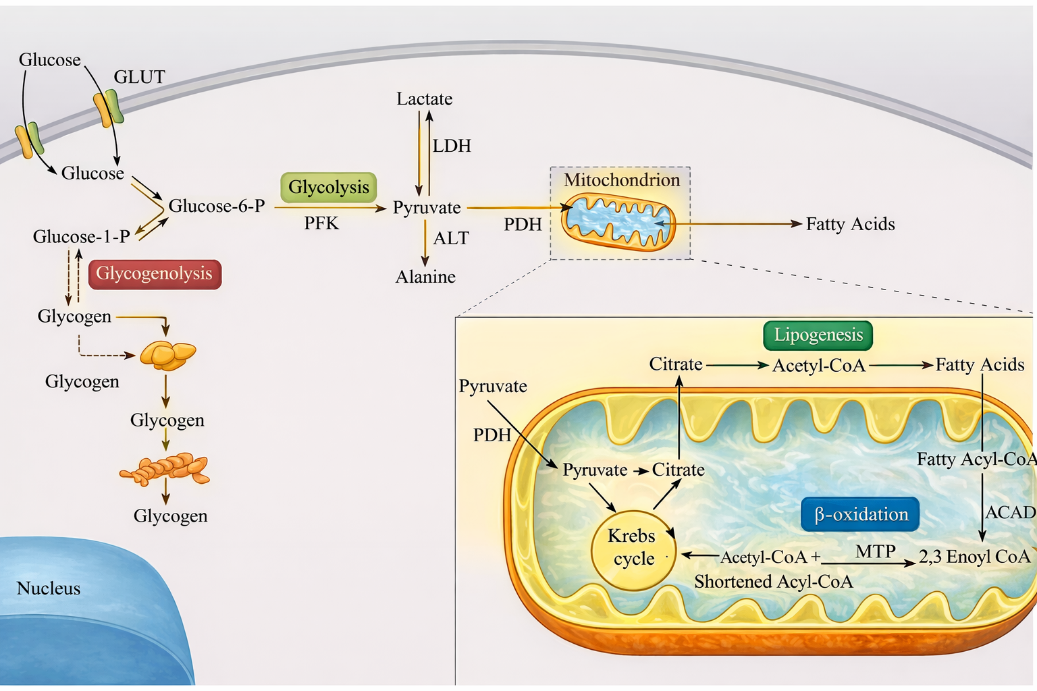
A clearer understanding of how plant-derived agents may influence diabetes begins, perhaps unavoidably, with the core metabolic pathways that regulate glucose and lipid homeostasis. As illustrated in (Figure 1), glucose entering the cell through glucose transporters (GLUTs) is first directed into glycolysis, where it is converted into pyruvate. Pyruvate then enters the mitochondria and is further metabolized into acetyl-CoA, a central substrate that links carbohydrate metabolism to the tricarboxylic acid (Krebs) cycle and lipid synthesis. Under physiologic conditions, these pathways remain tightly coordinated. In diabetes, however, this balance is disrupted, leading to impaired glucose uptake, abnormal hepatic glucose production, oxidative stress, and lipid dysregulation (Panov et al., 2024; Rahman et al., 2025; Shanak et al., 2019; Tufael et al., 2023).

This disruption is not limited to glucose metabolism alone. Glycogenolysis, gluconeogenesis, fatty acid β-oxidation, and lipogenesis all contribute to the broader metabolic phenotype of diabetes, especially in insulin-resistant states. Accordingly, antidiabetic food plants and medicinal botanicals may act through several complementary mechanisms rather than a single pathway. These include enhancement of insulin signaling, promotion of GLUT-mediated glucose uptake, suppression of carbohydrate-digesting enzymes, reduction of oxidative stress, preservation of pancreatic β-cell function, and modulation of lipid metabolism. That multi-target nature is, in many ways, what makes plant-derived antidiabetic agents scientifically intriguing.

4. Antidiabetic Medicinal Plants Commonly Used in Bangladesh

4.1 Traditional Medicinal Plants with Experimental Antidiabetic Potential

A number of medicinal plants commonly used in Bangladesh have shown promising antidiabetic activity in preclinical, mechanistic, and in some cases early translational studies (Table 1). While the degree of evidence varies considerably across species, a recurring pattern emerges: many of these plants appear to improve glycemic regulation through a combination of insulin-sensitizing, antioxidant, anti-inflammatory, and β-cell protective effects.

Among the most frequently cited examples is Aloe vera (Ghritkumari), which has been reported to reduce blood glucose and improve lipid parameters, potentially through enhanced GLUT-4 expression and improved peripheral

Figure 1. Key metabolic pathways in glycolysis, glycogenolysis and the Krebs cycle to generate ATP shown in blue, along with the lipogenesis (ω) / β-oxidation of fatty acids. The diagram illustrates glucose transport via the GLUT transporter, phosphorylation to glucose-6-phosphate, and additional metabolism to pyruvate. Pyruvate is metabolized in the mitochondria, resulting in Acetyl-CoA production, Kreb cycle entry and lipogenesis or β-oxidation for ATP generation.

Table 1. Effects of Various Plant Extracts on Diabetes Management in Experimental Models.

Plant Name

Dose (mg/kg bw/day)

Duration (Days)

Effects

Mechanism

 Reference

Ghritkumari (Aloe vera)

130

32

Significantly reduced blood glucose and total cholesterol, enhanced GLUT-4 mRNA expression, restored carbohydrate metabolism

Improved glucose uptake through GLUT-4 expression

 (Deora et al., 2021)

Azadirachta indica (Neem)

400

30

Improved blood sugar, insulin levels, and lipid profiles in diabetic rats

Boosted insulin signaling (IR, IRS-1, Akt, GLUT-4) and improved insulin sensitivity

 (Satyanarayana et al., 2015)

Terminalia chebula (Horitoki)

500 and 1000

42

Lowered blood sugar, improved lipid and liver profiles, enhanced insulin sensitivity, protected pancreas

Improved insulin signaling, reduced oxidative stress, increased SIRT1 levels

 (Agrawal & Kulkarni, 2023)

Trigonella foenum-graecum (Fenugreek/Methi)

400

28

Lowered blood sugar, protected pancreas β-cell

Supported insulin production and β-cell protection

 (Mesallam et al., 2018)

Ocimum sanctum (Tulsi)

1%

21

Lowered blood glucose levels

Improved insulin activity and glucose regulation

 (Satapathy et al., 2017)

Swertia chirata (Chirata)


28-Mar

Improved glucose tolerance, lowered fasting blood sugar, improved insulin sensitivity and lipid profiles

Improved insulin sensitivity, reduced intestinal glucose absorption, enhanced liver glycogen storage

 (Akbar, 2020)

Asparagus racemosus (Shatavari)

200 and 400

14

Lowered blood glucose and improved body weight

Enhanced insulin activity and better glucose utilization

 (Alok et al., 2013)

Withania somanifera (Ashwagandha)

200 mg/kg

8

Lowered blood glucose, improved insulin sensitivity, protected pancreatic β-cells

Anti-inflammatory, antioxidant effects supporting better glucose metabolism

 (Alhasani et al., 2026)

Santalum album (Chondon)

10

60

Lowered blood glucose, improved lipid profiles

Enhanced glucose regulation and heart-protective lipid changes

 (Kulkarni et al., 2012)

Cymbopogon citratus (Gondhoraj)

400 and 800

21

Lowered blood glucose, improved lipid profiles

Enhanced insulin activity, protection of kidney and liver tissues

 (Sena-Júnior et al., 2025)

Psyllium husk (Isubgul vushi)

10

>50

Reduced fasting blood sugar, HbA1c, and insulin resistance

Delayed carbohydrate absorption, improved insulin sensitivity through soluble fiber

 (Gholami et al., 2024)

Flaxseed (Tishi)

16

21

Reduced blood glucose, HbA1c, cholesterol, and triglycerides

Improved glucose absorption and lipid metabolism due to fiber and bioactive compounds

 (Noreen et al., 2023)

Ocimum basilicum linn (Basil seeds/Tokma dana)

250 and 500

 28

Reduced blood glucose, improved body weight, normalized blood, liver, and electrolyte parameters

Protection of pancreatic β-cells, improved insulin response, restoration of metabolic balance

 (Ezeani et al., 2017)

Salvia hispanica L. (Chia seed)

40

12

Reduced systolic blood pressure, minimal change in blood glucose and lipid levels

Fiber and bioactive compounds supporting heart health and reducing inflammation

 (Saadh et al., 2025)

Terminalia arjuna (Arjun bark)

250 and 500

30

Improved blood sugar, protected liver, kidney, and pancreas

Tissue protection and organ function improvement

 (Haque et al., 2025)

Table 2. Effects of Various Plant Extracts on Diabetes Management in Experimental Models.

Plant Name

Dose (mg/kg bw/day)

Duration (Days)

Effects

Mechanism

Reference

Mangifera indica (Mango leaf/Am pata)

200

21

Lowered blood glucose and improved body weight in diabetic rats.

β-cell protection, improved glycogen and lipid metabolism.

 (Perpétuo & Salgado, 2003)

Syzygium cumini (Blackberry/Jam)

40-500

30

Strong antidiabetic potential by inhibiting α-amylase and α-glucosidase, scavenging free radicals.

Slows carbohydrate digestion and reduces oxidative stress.

 (Arun et al., 2011)

Dillenia indica (Hog plum/Amra)

200-400

30

Lowered blood sugar, improved cholesterol and liver function in diabetic rats.

Reduced oxidative stress, improved fat and glucose metabolism.

 (Chetia & Bharali, 2023)

Psidium guajava (Guava leaf/Peyara pata)

1.25

28

Lowered fasting blood sugar, improved insulin levels, liver glycogen, and LDL cholesterol.

Boosted insulin release, reduced glucose absorption, improved lipid balance.

 (Liu et al., 2015)

Emblica officinalis (Amla)

100-400

28

Lowered blood sugar with stronger effects at higher doses.

Enhanced insulin activity and improved glucose metabolism.

 (Majeed et al., 2023)

Aegle marmelos (Bel)

100-200

28

Lowered blood sugar and HbA1c, improved insulin, liver glycogen, and body weight.

Protected and regenerated pancreatic β-cells, supported glucose metabolism.

 (Gandhi et al., 2012)

Punica granatum (Pomegranate/Dalim)

100-350

20

Lowered blood sugar, improved insulin levels, reduced triglycerides.

Boosted IRS-1, Akt, GLUT-2, and GLUT-4 expression, enhanced glucose uptake and storage.

 (Zhang et al., 2022)

Phoenix dactylifera (Date/Khejur)

150-300

28

Lowered blood sugar, improved cholesterol, and LDL levels, supported body weight.

Protected pancreas, liver, and kidneys, enhanced glucose and lipid metabolism.

 (Mahomoodally et al., 2024)

Juglans regia (Walnut leaf/Badam pata)

200

12

Lowered fasting blood glucose, increased insulin levels, improved glycemic control.

Enhanced insulin secretion and sensitivity, no major change in lipids.

 (Mirzababaei et al., 2022)

Ficus hispida (Dumur)

200

28

Inhibited α-glucosidase, protected β-cells, and reduced apoptosis.

Blocks carbohydrate breakdown, modulates caspase-3, and protects pancreatic cells.

 (Alfarisi et al., 2024)

Table 3. Effects of Various Plant Extracts on Diabetes Management in Experimental Models.

Plant Name

Dose (mg/kg bw/day)

Duration (Days)

Effects

Mechanism

References

Baccaurea rubra leaf (Puishak pata)

200-400

14

Lowered blood glucose, improved insulin levels, and balanced lipids.

Antioxidant effects, enzyme inhibition, and protection of pancreatic β-cells.

(Kaur et al., 2025)

Lagenaria siceraria (Lau)

200-600

31

Lowered blood glucose, improved glucose uptake, and enhanced insulin action.

Inhibited α-amylase, α-glucosidase, DPP-4, and reduced inflammation.

(Das et al., 2024)

Cucumis sativus (Chal kumra)

300

28

Lowered blood glucose significantly, especially cucumber extract.

Bioactive compounds (flavonoids, phenolics, terpenoids) improve glucose regulation.

(Deepika et al., 2023)

Raphanus sativus (Mula)

300

28

Significantly lowered fasting blood glucose and post-glucose blood sugar levels.

Improved insulin sensitivity and glucose regulation.

(Nakakaawa et al., 2025)

Brassica oleracea (Broccoli)

300

20

Lowered blood glucose, oxidative stress, and protected organs.

Inhibited α-amylase/α-glucosidase, antioxidant flavonoids (quercetin, kaempferol, chlorogenic acid).

(Gmižić et al., 2023)

Ipomoea aquatica (Water spinach)

200

20

Lowered blood sugar and improved glycemic control.

Inhibited α-amylase and α-glucosidase, polyphenolic antioxidants reduced oxidative stress.

(Sultana et al., 2020)

Luffa acutangula (Ridge ground)

100-400

28

Lowered blood glucose and improved lipid levels.

Antioxidant effect and α-glucosidase inhibition, improving glucose and fat metabolism.

(Bano et al., 2025)

Cucurbita maxima (Pumpkin)

200-400

28

Lowered blood sugar and restored pancreatic β-cells.

Flavonoids and phenolics improved insulin and glucose control.

(Huerta-Reyes et al., 2022)

Colocasia esculenta (Cocoyam)

810

28

Reduced blood glucose and improved lipid profile better than combination diet.

Fiber and phytochemicals improving glucose and fat metabolism.

(Eleazu et al., 2016)

Musa paradisiaca (Kacha kola)

100

28

Lowered blood glucose, improved lipids, insulin, and heart markers.

Enhanced insulin sensitivity, reduced liver glucose output, boosted antioxidant defense.

(Oyeyinka & Afolayan, 2020)

Table 4. Effects of Various Plant Extracts on Diabetes Management in Experimental Models.

Plant Name

Dose (mg/kg bw/day)

Duration (Days)

Effects

Mechanism

Reference

Coriandrum sativum (Coriander/Dhonia)

200

15

Reduced blood glucose and lipids in diabetic rats.

Antioxidant action and improved insulin-related metabolism.

(Mahmoud et al., 2022)

Bunium persicum (Kalo jira)

1000

8

Lowered fasting glucose, improved insulin resistance and BMI in T2DM patients.

Enhanced glucose metabolism.

(Jafari-Maskouni et al., 2020)

Piper nigrum (Black pepper/Gol morich)

10

28

Lowered blood glucose in diabetic mice more effectively than metformin alone.

Enhanced metformin’s effect, allowing reduced doses.

(Atal et al., 2016)

Piper longum (Long morich)

200

30

Lowered blood glucose, improved lipid, liver, and kidney markers in diabetic rats.

Antihyperglycemic, antihyperlipidemic, and antioxidant effects.

(Nabi et al., 2013)

Zingiber officinale (Ginger/Ada)

500

28

Lowered blood glucose, increased insulin, and improved insulin sensitivity.

Antioxidant effects and scavenging of oxygen radicals.

(Rahmatullah et al., 2012)

Allium sativum (Garlic/Roshun)

300

24

Lowered blood glucose and improved lipid profile in T2DM patients.

Anti-hyperglycemic and anti-hyperlipidemic effects.

(Rahimi-Madiseh et al., 2017)

Allium cepa (Onion/Piyaj)

300

29

Lowered blood glucose by inhibiting α-glucosidase and increasing insulin.

Phenolics, flavonoids, and quercetin compounds.

(Kim et al., 2010)

Capsicum annuum (Red pepper/Lal jhal)

200

28

Improved blood glucose, HbA1c, and insulin; reduced triglycerides and inflammatory cytokines.

Inhibition of hepatic gluconeogenesis via FOXO1 and AMPK phosphorylation.

(H. K. Kim et al., 2020)

Curcuma longa (Curcumin/Holud)

100

24

Lowered blood glucose, HbA1c, and improved lipid profile in obese diabetic rats.

Enhances insulin signaling, inhibits PTP1B/DPP-4, reduces oxidative stress.

(Huang et al., 2019)

Cuminum cyminum (Cumin/Jira)

500-1000

8-24

Improved fasting blood sugar, triglycerides, HDL-C, and waist circumference in adults with metabolic disorders.

Enhances insulin sensitivity, improves lipid metabolism, and reduces abdominal fat.

(Aslam et al., 2025)

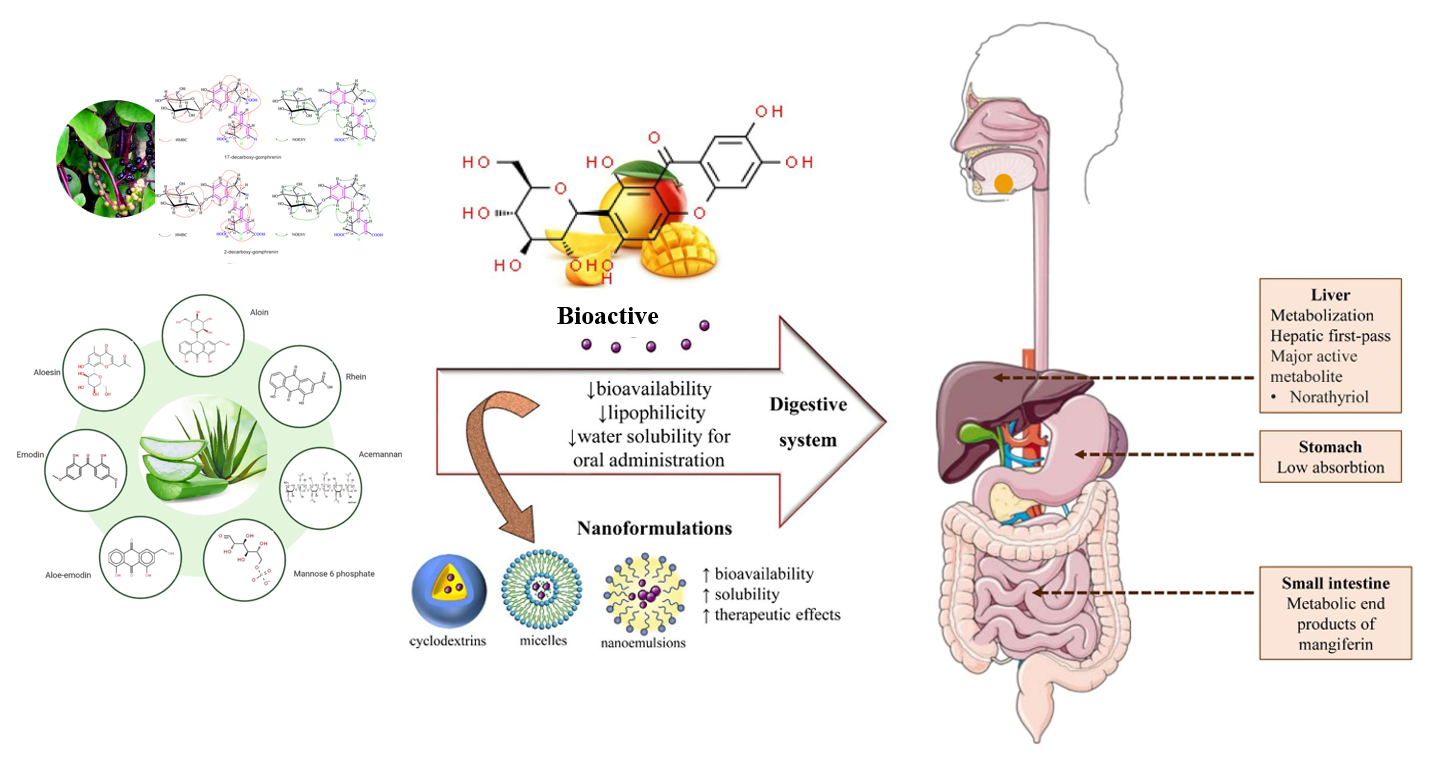
Figure 2. Bioactive available from plant-based antidiabetic agents’ bioavailability, absorption and metabolism. The figure shows how these compounds with poor solubility and low bioavailability, are metabolized in the digestive tract. After oral intake, the compounds experience hepatic first-pass metabolism by the liver, generating bioactive metabolites that mediate their therapeutic action. Nanoformulations such as micelles, cyclodextrins, and nanoemulsions are utilized for bioavailability enhancement to increase solubility and therapeutic efficacy with improved absorption in the small intestine (Zivković et al., 2024).

glucose uptake (Deora et al., 2021). Similarly, Azadirachta indica (Neem) has attracted attention for its capacity to modulate insulin-related signaling pathways, including IR, IRS-1, Akt, and GLUT-4, suggesting a mechanistic role in improving insulin sensitivity and metabolic control (Jalil et al., 2013; Satyanarayana et al., 2015).

Other medicinal plants appear to act through broader metabolic restoration. Terminalia chebula (Horitoki) has been associated with reduced hyperglycemia, improved insulin sensitivity, and attenuation of oxidative stress, while Trigonella foenum-graecum (Fenugreek) may support pancreatic function and enhance endogenous insulin activity (Agrawal & Kulkarni, 2023; Baset et al., 2020; Mesallam et al., 2018). Ocimum sanctum (Tulsi) and Swertia chirata (Chirata) have also shown glucose-lowering potential, likely through effects on insulin action and cellular glucose metabolism (Akbar, 2020; Satapathy et al., 2017).

A few plants in this category may also offer systemic metabolic protection beyond glycemia alone. Withania somnifera (Ashwagandha) has been linked to improved insulin sensitivity and reduced inflammatory burden, while Terminalia arjuna (Arjun bark) has shown possible protective effects on the liver, kidneys, and pancreas in experimental settings (Alhasani et al., 2026; Haque et al., 2025). Likewise, psyllium husk, flaxseed, and chia seed-related dietary interventions may contribute to improved fasting glucose, HbA1c, and cardiometabolic risk markers, suggesting that some “medicinal plants” in practice function at the border of nutraceutical and therapeutic food (Gholami et al., 2024; Noreen et al., 2023; Saadh et al., 2025).

5. Antidiabetic Fruits with Potential Functional and Therapeutic Relevance

5.1 Fruit-Derived Agents and Glycemic Modulation

Several fruits and fruit-derived plant parts commonly available in Bangladesh have also demonstrated antidiabetic potential (Table 2). Notably, the biologically active components are not always concentrated in the edible pulp alone; in many cases, leaves, seeds, bark, or peel fractions appear metabolically relevant.

Mangifera indica (Mango), particularly leaf-associated extracts, has been reported to reduce blood glucose and improve metabolic status, possibly through preservation of pancreatic β-cell integrity and better regulation of glycogen and lipid metabolism (Perpétuo & Salgado, 2003). Syzygium cumini (Jamun), one of the most culturally recognized antidiabetic fruits in South Asia, continues to be supported by experimental evidence indicating antihyperglycemic and antioxidant activity (Arun et al., 2011; Rizvi et al., 2022).

Similarly, Psidium guajava (Guava leaf), Emblica officinalis (Amla), Aegle marmelos (Bel), and Punica granatum (Pomegranate) have shown effects on glucose regulation, insulin signaling, oxidative balance, and in some studies pancreatic tissue protection (Gandhi et al., 2012; Liu et al., 2015; Majeed et al., 2023; Zhang et al., 2022). Phoenix dactylifera (Date fruit) and Juglans regia (Walnut leaf) have also been associated with improvements in metabolic and organ-level outcomes, though the quality and translational maturity of the evidence still vary (Mahomoodally et al., 2024; Mirzababaei et al., 2022).

Taken together, these fruit-based agents appear to influence diabetes through several overlapping mechanisms—particularly antioxidant defense, insulin pathway support, and enzyme modulation—rather than by acting as simple glucose-lowering substitutes.

6. Antidiabetic Vegetables and Food-Based Glycemic Modifiers

6.1 Common Vegetables with Reported Metabolic Benefits

Vegetables used in the Bangladeshi diet may represent one of the most practical and culturally accessible categories of antidiabetic food agents (Table 3). Their importance lies not only in therapeutic potential but also in feasibility of integration into routine dietary habits.

Among the vegetables reported to show antidiabetic effects are Lagenaria siceraria (Lau), Raphanus sativus (Mula), Brassica oleracea (Broccoli), Ipomoea aquatica (Water spinach), Luffa acutangula (Ridge gourd), and Cucurbita maxima (Pumpkin). These foods have been associated with improved glycemic control through mechanisms such as α-amylase and α-glucosidase inhibition, enhanced insulin action, antioxidant activity, reduced inflammation, and possible β-cell support (Bano et al., 2025; Das et al., 2024; Kaur et al., 2025; Nakakaawa et al., 2025; Sultana et al., 2020).

Some findings are especially interesting because they blur the line between diet and pharmacology. For example, Colocasia esculenta (Cocoyam) and Musa paradisiaca (Unripe plantain/green banana) have shown effects on glucose and lipid metabolism in diabetic models, suggesting that glycemic modulation may arise not only from isolated phytochemicals but also from the broader nutritional matrix of these foods (Eleazu et al., 2016; Oyeyinka & Afolayan, 2020). That distinction matters. It suggests that the antidiabetic value of these vegetables may be partly biochemical and partly dietary-structural.

7. Antidiabetic Spices as Metabolic Modulators

7.1 Culinary Spices with Mechanistic Relevance in Diabetes

Spices occupy a unique position in traditional medicine because they are consumed regularly, often in small doses, yet may exert biologically meaningful effects over time. In the context of diabetes, several spices used in Bangladesh have shown potential roles in glucose regulation, insulin sensitivity, lipid balance, and inflammatory control.

Coriandrum sativum (Coriander), Bunium persicum (Black caraway), Piper nigrum (Black pepper), Piper longum, Zingiber officinale (Ginger), Allium sativum (Garlic), Allium cepa (Onion), Capsicum annuum (Red pepper), and Curcuma longa (Turmeric) have all been reported to influence diabetes-related metabolic endpoints. Proposed mechanisms include enhancement of insulin action, suppression of carbohydrate-digesting enzymes, antioxidant defense, anti-inflammatory signaling, and synergy with standard antidiabetic drugs such as metformin (Aslam et al., 2025; Atal et al., 2016; Huang et al., 2019; Jafari-Maskouni et al., 2020; Kim et al., 2010; Kim et al., 2020; Mahmoud et al., 2022; Nabi et al., 2013; Rahimi-Madiseh et al., 2017).

Among these, black pepper is especially notable because piperine may enhance bioavailability of co-administered compounds, raising the possibility that certain spices do not merely act independently, but may also modify the effectiveness of other plant-derived or conventional therapies.

8. Bioactive Compounds, Bioavailability, and Translational Challenges

8.1 Why Promising Plant Compounds Do Not Always Translate Clinically

Although many plant-derived antidiabetic agents appear mechanistically promising, their therapeutic translation is often constrained by pharmacokinetic limitations (Figure 2). A recurring issue is that numerous bioactive compounds—including polyphenols, flavonoids, alkaloids, and related phytochemicals—have poor oral bioavailability, limited solubility, gastrointestinal instability, or extensive first-pass metabolism (Zivković et al., 2024).

Mangiferin is a useful example. Despite substantial mechanistic interest, its metabolic activity depends not only on ingestion but also on biotransformation into active metabolites such as norathyriol, which may influence the eventual biological response. Similar challenges apply to many hydrophilic or poorly absorbed phytochemicals that show strong in vitro effects but less consistent in vivo performance.

To address this, newer delivery strategies—such as nanoemulsions, micelles, and cyclodextrin-based systems—have been explored to improve compound stability, solubility, intestinal absorption, and systemic availability (Jafari-Maskouni et al., 2020; Rahimi-Madiseh et al., 2017). These formulation approaches may ultimately prove important if plant-derived compounds are to move from promising laboratory findings toward clinically useful metabolic adjuncts.

9. Discussion

9.1 Plant-Derived Antidiabetic Agents as Multi-Target Metabolic Modulators

The rising global burden of diabetes—particularly type 2 diabetes mellitus (T2DM)—has intensified the search for therapeutic strategies that are not only effective, but also affordable, culturally acceptable, and sustainable over time. This is especially relevant in low- and middle-income settings, where the long-term management of diabetes often extends beyond clinical prescriptions and into the realm of diet, traditional medicine, and household-level health practices (Arokiasamy et al., 2021; Campbell, 2001). Within that broader context, the findings summarized in this review suggest that medicinal plants, fruits, vegetables, and spices commonly used in Bangladesh may offer biologically meaningful support for glycemic regulation through multiple complementary mechanisms rather than a single drug-like action.

That point is worth emphasizing. Diabetes is not a one-pathway disease. It involves disrupted insulin signaling, impaired glucose uptake, oxidative stress, chronic low-grade inflammation, altered hepatic metabolism, β-cell dysfunction, dyslipidemia, and, often, progressive cardiovascular and renal risk. It is therefore unsurprising that plant-derived agents showing the most promise are those capable of acting across several of these interconnected metabolic disturbances at once. As outlined in (Figure 1) and supported by the evidence summarized across (Table 1), (Table 2), and (Table 3), many of the reviewed food plants and medicinal botanicals appear to influence pathways related to insulin sensitivity, GLUT-mediated glucose transport, pancreatic preservation, digestive enzyme inhibition, oxidative stress reduction, and lipid homeostasis.

9.2 Mechanistic Relevance of Bioactive Phytochemicals

A central theme emerging from the literature is the importance of bioactive phytochemicals as probable mediators of these effects. Flavonoids, polyphenols, alkaloids, terpenoids, saponins, and related secondary metabolites have repeatedly been implicated in antidiabetic activity, both directly and indirectly (Al-Khayri et al., 2022; Singh et al., 2022). Their importance lies not merely in glucose lowering, but in their ability to intervene at mechanistically meaningful points in metabolic dysfunction.

For example, flavonoids such as quercetin- and kaempferol-like compounds have been associated with antioxidant and anti-inflammatory effects that may attenuate reactive oxygen species (ROS)-driven insulin resistance. Similarly, saponin- and alkaloid-rich plant extracts may enhance insulin secretion, improve cellular glucose transport, or reduce postprandial glycemic excursions through digestive enzyme inhibition (Mirzababaei et al., 2022; Singh et al., 2011). These are not trivial observations. They suggest that many of these agents do not simply “lower sugar” in a vague sense; rather, they may modulate the biochemical environment in which dysglycemia develops and persists.

Compounds such as mangiferin, curcumin, and related polyphenols are especially noteworthy in this regard. These molecules have been linked to improved insulin signaling through pathways involving AMPK activation, insulin receptor modulation, improved glucose transporter activity, and attenuation of inflammatory and oxidative burden (Huang et al., 2019; Perpétuo & Salgado, 2003; Zivković et al., 2024). This helps explain why certain fruits and spices—such as mango-associated extracts and turmeric—continue to attract scientific interest even when the clinical evidence remains incomplete.

9.3 Beyond Glucose: Why Lipid Metabolism and Cardiometabolic Risk Also Matter

One of the more valuable aspects of the reviewed evidence is that many of these plant-derived agents appear to influence lipid metabolism as well as glucose control. That matters because T2DM rarely exists in isolation. It is often accompanied by hypertriglyceridemia, low HDL cholesterol, central adiposity, fatty liver, endothelial dysfunction, and a substantially elevated risk of cardiovascular disease.

Several reviewed agents—including flaxseed, chia seed, and other omega-3-rich or fiber-rich foods—have shown potential to improve lipid profiles, reduce inflammatory burden, and support broader cardiometabolic health (Al-Madhagy et al., 2023; Noreen et al., 2023; Saadh et al., 2025). In this sense, the value of plant-derived antidiabetic agents may extend beyond glycemic indices alone. Their greatest utility may, in some cases, lie in their ability to improve the overall metabolic terrain in which diabetes progresses.

This broader view is especially important for dietary or culturally embedded interventions. A vegetable, fruit, or spice used regularly within a population may not need to act as strongly as a pharmaceutical drug to still have meaningful public health relevance—particularly if it contributes modest but cumulative improvements across glycemia, lipid balance, oxidative stress, and inflammatory tone.

9.4 The Major Translational Problem: Bioavailability and Pharmacokinetic Limitations

And yet, despite all of this promise, the gap between mechanistic plausibility and clinical applicability remains substantial. That gap is, in many cases, pharmacokinetic.

As summarized in (Figure 2), many plant-derived bioactive compounds have poor oral bioavailability, limited water solubility, unstable gastrointestinal behavior, or extensive hepatic first-pass metabolism. In practical terms, this means that a compound may appear highly active in vitro, or even in tightly controlled animal models, while still failing to achieve therapeutically meaningful concentrations in human tissues after routine oral consumption (Jafari-Maskouni et al., 2020; Rahimi-Madiseh et al., 2017; Zivković et al., 2024).

This is particularly relevant for compounds such as curcumin, mangiferin, and several flavonoids, which often suffer from poor absorption despite strong mechanistic appeal. Lipophilicity, molecular instability, enzymatic transformation, and intestinal permeability all contribute to this challenge. So while the biological rationale for these compounds is often compelling, their real-world efficacy depends not only on what they do in principle, but on whether they can actually reach the tissues where they are needed in meaningful concentrations.

9.5 Emerging Solutions: Nanoformulation and Delivery Optimization

One of the more encouraging developments in this field is the increasing use of delivery-enhancing technologies to overcome these pharmacokinetic barriers. Nanoemulsions, micelles, cyclodextrin complexes, and related formulation systems have shown potential to improve solubility, stability, intestinal uptake, and systemic delivery of poorly absorbed phytochemicals (Ezeani et al., 2017; Jafari-Maskouni et al., 2020; Sena-Júnior et al., 2025).

These approaches are important because they shift the conversation from “Does this compound work in theory?” to “Can this compound be delivered effectively enough to matter clinically?” That is a much more translationally useful question. In some cases, these delivery systems may also help preserve compound integrity during digestion, reduce degradation, and improve therapeutic consistency—issues that are often overlooked in purely descriptive ethnobotanical or nutritional discussions.

Still, formulation innovation should not be mistaken for clinical validation. Improved delivery may strengthen biological plausibility, but it does not replace the need for human efficacy and safety trials.

9.6 Why the Current Evidence Base Remains Insufficient for Clinical Recommendation

Perhaps the most important limitation of the field, and certainly of the evidence synthesized in this review, is that human clinical evidence remains comparatively sparse. A large proportion of the available literature still derives from in vitro experiments, animal models, mechanistic assays, or small preclinical investigations. These studies are scientifically useful and often hypothesis-generating, but they are not enough—on their own—to justify confident therapeutic recommendations for routine human use (Kim et al., 2010; Rahmatullah et al., 2012).

There are also issues of standardization that continue to weaken reproducibility across studies. Plant species may vary by region, cultivar, growing condition, harvest timing, extraction method, and active constituent concentration. In many studies, the exact phytochemical composition of the tested extract is not fully characterized. That makes comparison difficult and replication even harder. Two studies may appear to test the “same plant” while in fact evaluating chemically distinct preparations.

Equally important, the assumption that plant-based therapies are inherently safe should be approached with caution. While many natural agents may indeed have favorable tolerability profiles, “natural” does not automatically mean harmless—particularly when used chronically, in concentrated forms, or in combination with standard antidiabetic drugs. The possibility of herb–drug interactions, cumulative toxicity, or unintended metabolic effects remains underexplored for many commonly used preparations.

9.7 Future Directions: Toward Evidence-Based Integration Rather Than Informal Use

Looking ahead, the most promising path may not be the replacement of conventional antidiabetic drugs, but rather the evidence-based integration of selected plant-derived agents into broader diabetes management strategies. This could include use as dietary adjuncts, preventive metabolic supports, or combination therapies that complement—not substitute—established pharmacologic care.

Some preliminary evidence already hints at this possibility. For example, piperine-containing black pepper has shown the capacity to enhance the effectiveness or bioavailability of co-administered agents such as metformin, raising the prospect of rational combination strategies rather than isolated botanical use (Atal et al., 2016). If developed carefully, such combinations could offer practical value in settings where affordability, adherence, and cultural familiarity matter greatly.

However, progress in this field will require a shift from broad claims to more disciplined evidence generation. Future research should prioritize:

  • standardized extract characterization,
  • dose-response evaluation,
  • pharmacokinetic profiling,
  • herb–drug interaction assessment,
  • and, most importantly, well-designed human clinical trials.

Without that, the field risks remaining permanently “promising” but never fully translatable.

9.8 Overall Interpretation

Taken together, the findings of this review support a cautious but meaningful conclusion: plant-derived foods and medicinal botanicals commonly used in Bangladesh do appear to possess substantial antidiabetic potential, but that potential is currently supported more strongly by mechanistic and preclinical evidence than by definitive clinical proof. Their value likely lies not in acting as simple natural alternatives to drugs, but in offering multi-target metabolic support that may be especially relevant in dietary, preventive, and adjunctive therapeutic contexts.

That, perhaps, is the most balanced interpretation. The science is promising. The tradition is rich. But between traditional use and clinical recommendation, there remains a necessary space for rigor.

10. Conclusion

This review highlights a growing and increasingly important body of evidence suggesting that medicinal plants, fruits, vegetables, and spices commonly used in Bangladesh may offer meaningful support in diabetes management. Collectively, these plant-derived agents appear to act through a wide range of biologically relevant mechanisms, including enhancement of insulin sensitivity, improvement of glucose uptake, inhibition of carbohydrate-digesting enzymes, attenuation of oxidative stress, protection of pancreatic β-cells, and modulation of lipid metabolism. In that sense, their therapeutic relevance lies not in a single pharmacological action, but rather in their ability to influence the broader metabolic disturbances that characterize diabetes.

At the same time, the current evidence should be interpreted with caution. Much of the available literature remains rooted in in vitro experiments, animal studies, and mechanistic investigations, while robust human clinical trials remain comparatively limited. Questions surrounding dose standardization, extract composition, long-term safety, herb–drug interaction, and reproducibility still need much clearer answers before these agents can be confidently incorporated into routine evidence-based diabetes care.

Even so, the importance of these findings should not be underestimated. In Bangladesh and similar settings, where food, tradition, and medicine often remain deeply interconnected, locally available plant-based resources may offer practical and culturally acceptable opportunities for adjunctive metabolic support. Their value may be especially relevant in prevention-oriented nutrition, supportive dietary strategies, and future combination approaches alongside conventional therapy.

Ultimately, plant-derived antidiabetic agents should not be viewed simply as “natural alternatives,” but as scientifically promising metabolic modulators that deserve more rigorous translational attention. With better standardization, stronger clinical validation, and improved delivery strategies, these commonly used botanical and food-based resources may yet contribute meaningfully to safer, more accessible, and more context-relevant diabetes management.

References


Agrawal, O. D., & Kulkarni, Y. A. (2023). Treatment with Terminalia chebula Extract Reduces Insulin Resistance, Hyperglycemia and Improves SIRT1 Expression in Type 2 Diabetic Rats. Life, 13(5), 1168. https://doi.org/10.3390/life13051168

Akbar, S. (2020). Swertia chirata Buck.-Ham. ex Wall. Swertia chirayita (Roxb.) H. Karsten (Gentianaceae). In Handbook of 200 Medicinal Plants (pp. 1699–1707). Springer International Publishing. https://doi.org/10.1007/978-3-030-16807-0_176

Alam, S., Dhar, A., Hasan, M., Richi, F. T., Emon, N. U., Aziz, Md. A., Mamun, A. Al, Chowdhury, Md. N. R., Hossain, Md. J., Kim, J. K., Kim, B., Hasib, Md. S., Zihad, S. M. N. K., Haque, M. R., Mohamed, I. N., & Rashid, M. A. (2022). Antidiabetic Potential of Commonly Available Fruit Plants in Bangladesh: Updates on Prospective Phytochemicals and Their Reported MoAs. Molecules, 27(24), 8709. https://doi.org/10.3390/molecules27248709

Alfarisi, H., Sa’diah, S., Juliandi, B., & Wresdiyati, T. (2024). Antidiabetic Effect of Acalypha hispida Extract and Nanoextract: Mechanism of Action on Pancreatic β-Cell Function via Histone Acetylation. Advances in Pharmacological and Pharmaceutical Sciences, 2024(1). https://doi.org/10.1155/adpp/3048389

Alhasani, R. H., Alsharif, I., Albalawi, A. E., Albalawi, F. E., Mohammedsaleh, Z. M., Saleh, F. M., Barnawi, J., Alshammari, N. S., Basoudan, N. S., Ghouth, N. M., Almohaimeed, H. M., Hasan, T., Ellatif, S. A., & Soliman, M. H. (2026). Anti-inflammatory and anti-diabetic role of Ashwagandha (Withania somnifera) in a type 2 diabetes mellitus mouse model: a study using histological, molecular, and pathological parameters. Protoplasma, 263(1), 169–179. https://doi.org/10.1007/s00709-025-02096-4

Al-Khayri, J. M., Sahana, G. R., Nagella, P., Joseph, B. V., Alessa, F. M., & Al-Mssallem, M. Q. (2022). Flavonoids as Potential Anti-Inflammatory Molecules: A Review. Molecules, 27(9), 2901. https://doi.org/10.3390/molecules27092901

Al-Madhagy, S., Ashmawy, N. S., Mamdouh, A., Eldahshan, O. A., & Farag, M. A. (2023). A comprehensive review of the health benefits of flaxseed oil in relation to its chemical composition and comparison with other omega-3-rich oils. European Journal of Medical Research, 28(1), 240. https://doi.org/10.1186/s40001-023-01203-6

Alok, S., Jain, S. K., Verma, A., Kumar, M., Mahor, A., & Sabharwal, M. (2013). Plant profile, phytochemistry and pharmacology of Asparagus racemosus (Shatavari): A review. Asian Pacific Journal of Tropical Disease, 3(3), 242–251. https://doi.org/10.1016/S2222-1808(13)60049-3

Arokiasamy, P., Salvi, S., & Selvamani, Y. (2021). Global Burden of Diabetes Mellitus. In Handbook of Global Health (pp. 1–44). Springer International Publishing. https://doi.org/10.1007/978-3-030-05325-3_28-2

Arun, R., Prakash, M. V. D., Abraham, S. K., & Premkumar, K. (2011). Role of Syzygium cumini seed extract in the chemoprevention of in vivo genomic damage and oxidative stress. Journal of Ethnopharmacology, 134(2), 329–333. https://doi.org/10.1016/j.jep.2010.12.014

Aslam, M., Habib-ur-Rehman, Tufail, T., Almehmadi, Y., Abualamah, W. A., Alzahrani, A. R., & Shahid, I. (2025). Synergistic effects of a carbohydrate-controlled diet and Cuminum cyminum herbal infusion on metabolic syndrome. Frontiers in Nutrition, 12. https://doi.org/10.3389/fnut.2025.1623478

Atal, S., Atal, S., Vyas, S., & Phadnis, P. (2016). Bio-enhancing effect of Piperine with Metformin on lowering blood glucose level in Alloxan induced diabetic mice. Pharmacognosy Research, 8(1), 56. https://doi.org/10.4103/0974-8490.171096

Bano, S., Ansari, J. A., Ahsan, F., & Khan, A. R. (2025). Botanical scenario, phytochemical insights and therapeutic applications of Luffa acutangula in traditional herbal practices. Natural Product Research, 1–19. https://doi.org/10.1080/14786419.2025.2462964

Baset, M., Ali, T., Elshamy, H., El Sadek, A., Sami, D., Badawy, M., Abou-Zekry, S., Heiba, H., Saadeldin, M., & Abdellatif, A. (2020). Anti-diabetic effects of fenugreek (Trigonella foenum-graecum): A comparison between oral and intraperitoneal administration - an animal study. International Journal of Functional Nutrition. https://doi.org/10.3892/ijfn.2020.2

Campbell, I. W. (2001). Type 2 diabetes mellitus: ‘the silent killer.’ Practical Diabetes International, 18(6), 187–191. https://doi.org/10.1002/pdi.230

Chetia, S., & Bharali, M. K. (2023). Dillenia indica fruit extract alleviates sucrose-induced fatty liver and improves serum biochemical alterations in mice. Nutrire, 48(1), 7. https://doi.org/10.1186/s41110-023-00190-2

Cho, N. H., Shaw, J. E., Karuranga, S., Huang, Y., da Rocha Fernandes, J. D., Ohlrogge, A. W., & Malanda, B. (2018). IDF Diabetes Atlas: Global estimates of diabetes prevalence for 2017 and projections for 2045. Diabetes Research and Clinical Practice, 138, 271–281. https://doi.org/10.1016/j.diabres.2018.02.023

Das, M. J., Banerjee, D., Banerjee, A., Muchahary, S., Sinha, A., Gogoi, D., Chattopadhyay, P., Dasgupta, S., & Deka, S. C. (2024). Safety and antidiabetic activity of Lagenaria siceraria (Molina) Standl. juice in streptozotocin -induced diabetic rats. Journal of Ethnopharmacology, 319, 117111. https://doi.org/10.1016/j.jep.2023.117111

Deepika, Kumari, A., Prajapati, P., Sarita, Kumar, S., Aluko, R. E., Singh, S., & Garg, M. (2023). Pharmacological and Therapeutic Potential of Cucumis callosus: a Novel Nutritional Powerhouse for the Management of Non-communicable Diseases. Plant Foods for Human Nutrition, 78(4), 630–642. https://doi.org/10.1007/s11130-023-01098-y

Deora, N., Sunitha, M. M., Satyavani, M., Harishankar, N., Vijayalakshmi, M. A., Venkataraman, K., & Venkateshan, V. (2021). Alleviation of diabetes mellitus through the restoration of β-cell function and lipid metabolism by Aloe vera (L.) Burm. f. extract in obesogenic WNIN/GR-Ob rats. Journal of Ethnopharmacology, 272, 113921. https://doi.org/10.1016/j.jep.2021.113921

Di Lorenzo, C., Ceschi, A., Kupferschmidt, H., Lüde, S., De Souza Nascimento, E., Dos Santos, A., Colombo, F., Frigerio, G., Nørby, K., Plumb, J., Finglas, P., & Restani, P. (2015). Adverse effects of plant food supplements and botanical preparations: a systematic review with critical evaluation of causality. British Journal of Clinical Pharmacology, 79(4), 578–592. https://doi.org/10.1111/bcp.12519

Eleazu, C. O., Eleazu, K. C., & Iroaganachi, M. A. (2016). Effect of cocoyam ( Colocasia esculenta ), unripe plantain ( Musa paradisiaca ) or their combination on glycated hemoglobin, lipogenic enzymes, and lipid metabolism of streptozotocin-induced diabetic rats. Pharmaceutical Biology, 54(1), 91–97. https://doi.org/10.3109/13880209.2015.1016181

Ezeani, C., Ezenyi, I., Okoye, T., & Okoli, C. (2017). Ocimum basilicum extract exhibits antidiabetic effects via inhibition of hepatic glucose mobilization and carbohydrate metabolizing enzymes. Journal of Intercultural Ethnopharmacology, 6(1), 22. https://doi.org/10.5455/jice.20161229054825

Gandhi, G. R., Ignacimuthu, S., & Paulraj, M. G. (2012). Hypoglycemic and β-cells regenerative effects of Aegle marmelos (L.) Corr. bark extract in streptozotocin-induced diabetic rats. Food and Chemical Toxicology, 50(5), 1667–1674. https://doi.org/10.1016/j.fct.2012.01.030

Gholami, Z., Clark, C. C. T., & Paknahad, Z. (2024). The effect of psyllium on fasting blood sugar, HbA1c, HOMA IR, and insulin control: a GRADE-assessed systematic review and meta-analysis of randomized controlled trials. BMC Endocrine Disorders, 24(1), 82. https://doi.org/10.1186/s12902-024-01608-2

Gmižic, D., Pinteric, M., Lazarus, M., & Šola, I. (2023). High Growing Temperature Changes Nutritional Value of Broccoli (Brassica oleracea L. convar. botrytis (L.) Alef. var. cymosa Duch.) Seedlings. Foods, 12(3), 582. https://doi.org/10.3390/foods12030582

Haque, R., Paul, S., Sultan, Md. T., Chowdhury, F. I., Kawser, Md., Nayan, S. I., Hafiz Hassan, S. M., Chowdhury, A. K., Huda, R., Dina, S. S., & Zahir Raihan, S. (2025). Supplementation of Arjun (Terminalia arjuna) bark powder prevented oxidative stress and enhanced antioxidants in kidneys on isoproterenol-treated Swiss albino mice model. Clinical Nutrition Open Science, 60, 66–77. https://doi.org/10.1016/j.nutos.2025.01.013

Huang, J., Qin, S., Huang, L., Tang, Y., Ren, H., & Hu, H. (2019). Efficacy and safety of Rhizoma curcumea longae with respect to improving the glucose metabolism of patients at risk for cardiovascular disease: a meta-analysis of randomised controlled trials. Journal of Human Nutrition and Dietetics, 32(5), 591–606. https://doi.org/10.1111/jhn.12648

Huerta-Reyes, M., Tavera-Hernández, R., Alvarado-Sansininea, J. J., & Jiménez-Estrada, M. (2022). Selected Species of the Cucurbitaceae Family Used in Mexico for the Treatment of Diabetes Mellitus. Molecules, 27(11), 3440. https://doi.org/10.3390/molecules27113440

Jafari-Maskouni, S., Shahraki, M., Daneshi-Maskooni, M., Dashipour, A., Shamsi-Goushki, A., & Mortazavi, Z. (2020). Metabolic and clinical responses to Bunium Persicum (black caraway) supplementation in overweight and obese patients with type 2 diabetes: a double-blind, randomized placebo-controlled clinical trial. Nutrition & Metabolism, 17(1), 74. https://doi.org/10.1186/s12986-020-00494-4

Jalil, A., Ashfaq, U. A., Shahzadi, S., Rasul, I., Rehman, S., Shah, M., & Masoud, M. (2013). Screening and design of anti-diabetic compounds sourced from the leaves of neem (Azadirachta indica). Bioinformation, 9(20), 1031–1035. https://doi.org/10.6026/97320630091031

Kasole, R., Martin, H. D., & Kimiywe, J. (2019). Traditional Medicine and Its Role in the Management of Diabetes Mellitus: “Patients’ and Herbalists’ Perspectives”. Evidence-Based Complementary and Alternative Medicine, 2019, 1–12. https://doi.org/10.1155/2019/2835691

Kaur, A., Singh, S., Mujwar, S., & Singh, T. G. (2025). Molecular Mechanisms Underlying the Therapeutic Potential of Plant-Based α-Amylase Inhibitors for Hyperglycemic Control in Diabetes. Current Diabetes Reviews, 21(8). https://doi.org/10.2174/0115733998304373240611110224

Kim, H. K., Jeong, J., Kang, E. Y., & Go, G. (2020). Red Pepper (Capsicum annuum L.) Seed Extract Improves Glycemic Control by Inhibiting Hepatic Gluconeogenesis via Phosphorylation of FOXO1 and AMPK in Obese Diabetic db/db Mice. Nutrients, 12(9), 2546. https://doi.org/10.3390/nu12092546

Kim, M.-H., Jo, S.-H., Jang, H.-D., Lee, M. S., & Kwon, Y.-I. (2010). Antioxidant activity and α-glucosidase inhibitory potential of onion (Allium cepa L.) extracts. Food Science and Biotechnology, 19(1), 159–164. https://doi.org/10.1007/s10068-010-0022-1

Kulkarni, C. R., Joglekar, M. M., Patil, S. B., & Arvindekar, A. U. (2012). Antihyperglycemic and antihyperlipidemic effect of Santalum album in streptozotocin induced diabetic rats. Pharmaceutical Biology, 50(3), 360–365. https://doi.org/10.3109/13880209.2011.604677

Liu, C.-W., Wang, Y.-C., Hsieh, C.-C., Lu, H.-C., & Chiang, W.-D. (2015). Guava (Psidium guajava Linn.) leaf extract promotes glucose uptake and glycogen accumulation by modulating the insulin signaling pathway in high-glucose-induced insulin-resistant mouse FL83B cells. Process Biochemistry, 50(7), 1128–1135. https://doi.org/10.1016/j.procbio.2015.03.022

MA Shohel, Abul Kashem Tang, Inampudi Sailaja, T M Tawabul Islam, Md. Humayan Kabir, Nirmal Chandra Mahat, & Ivvala Anand Shaker. (2024). Natural Diabetes Treatment with Litchi Seeds Extract In Vivo. Journal of Angiotherapy, 8(7), 1–13. https://doi.org/10.25163/angiotherapy.879738

Mahmoud, M. F., Ali, N., Mostafa, I., Hasan, R. A., & Sobeh, M. (2022). Coriander Oil Reverses Dexamethasone-Induced Insulin Resistance in Rats. Antioxidants, 11(3), 441. https://doi.org/10.3390/antiox11030441

Mahomoodally, M. F., Khadaroo, S. K., Hosenally, M., Zengin, G., Rebezov, M., Ali Shariati, M., Khalid, A., Abdalla, A. N., Algarni, A. S., & Simal-Gandara, J. (2024). Nutritional, medicinal and functional properties of different parts of the date palm and its fruit ( Phoenix dactylifera L.) – A systematic review. Critical Reviews in Food Science and Nutrition, 64(22), 7748–7803. https://doi.org/10.1080/10408398.2023.2191285

Majeed, M., Narayanan, N. K., Mundkur, L., Prakasan, P., & Nagabhushanam, K. (2023). Super Fruit Amla (Emblica officinalis, Gaertn) in Diabetes Management and Ensuing Complications: A Concise Review. Nutraceuticals, 3(3), 329–352. https://doi.org/10.3390/nutraceuticals3030026

Mesallam, D. I. A., Abdel Hamid, O. I., & Ibrahem, N. E. (2018). Ethanolic extract of fenugreek seeds moderates dimethoate-induced pancreatic damage in male rats. Environmental Science and Pollution Research, 25(4), 3894–3904. https://doi.org/10.1007/s11356-017-0749-9

Mirzababaei, A., Daneshvar, M., Abaj, F., Daneshzad, E., Hosseininasab, D., Clark, C. C. T., & Mirzaei, K. (2022). The Effect of Walnut ( Juglans regia ) Leaf Extract on Glycemic Control and Lipid Profile in Patients With Type 2 Diabetes Mellitus: A Systematic Review and Meta-Analysis of Randomized Clinical Trials. Clinical Nutrition Research, 11(2), 120. https://doi.org/10.7762/cnr.2022.11.2.120

Nabi, S. A., Kasetti, R. B., Sirasanagandla, S., Tilak, T. K., Kumar, M. V. J., & Rao, C. A. (2013). Antidiabetic and antihyperlipidemic activity of Piper longum root aqueous extract in STZ induced diabetic rats. BMC Complementary and Alternative Medicine, 13(1), 37. https://doi.org/10.1186/1472-6882-13-37

Nakakaawa, L., Gbala, I. D., Bargul, J. L., Cheseto, X., & Wesonga, J. M. (2025). Therapeutic Potential of <scp> Brassica carinata </scp> Microgreens Extract in Alleviating Symptoms of Type 2 Diabetes in Wistar Rats. Food Science & Nutrition, 13(1). https://doi.org/10.1002/fsn3.4635

Noreen, S., Tufail, T., Ul Ain, H. B., & Awuchi, C. G. (2023). Pharmacological, nutraceutical, and nutritional properties of flaxseed ( Linum usitatissimum ): An insight into its functionality and disease mitigation. Food Science & Nutrition, 11(11), 6820–6829. https://doi.org/10.1002/fsn3.3662

Oyeyinka, B. O., & Afolayan, A. J. (2020). Potentials of Musa Species Fruits against Oxidative Stress-Induced and Diet-Linked Chronic Diseases: In Vitro and In Vivo Implications of Micronutritional Factors and Dietary Secondary Metabolite Compounds. Molecules, 25(21), 5036. https://doi.org/10.3390/molecules25215036

Panov, A. V., Mayorov, V. I., & Dikalov, S. I. (2024). Role of Fatty Acids β-Oxidation in the Metabolic Interactions Between Organs. International Journal of Molecular Sciences, 25(23), 12740. https://doi.org/10.3390/ijms252312740

Perpétuo, G. F., & Salgado, J. M. (2003). Effect of mango (Mangifera indica, L.) ingestion on blood glucose levels of normal and diabetic rats. Plant Foods for Human Nutrition, 58(3), 1–12. https://doi.org/10.1023/B:QUAL.0000040336.38013.83

Rahimi-Madiseh, M., Heidarian, E., Kheiri, S., & Rafieian-Kopaei, M. (2017). Effect of hydroalcoholic Allium ampeloprasum extract on oxidative stress, diabetes mellitus and dyslipidemia in alloxan-induced diabetic rats. Biomedicine & Pharmacotherapy, 86, 363–367. https://doi.org/10.1016/j.biopha.2016.12.028

Rahman, S. S., Klamrak, A., Mahat, N. C., Rahat, R. H., Nopkuesuk, N., Kamruzzaman, M., Janpan, P., Saengkun, Y., Nabnueangsap, J., Soonkum, T., Sangkudruea, P., Jangpromma, N., Kulchat, S., Patramanon, R., Chaveerach, A., Daduang, J., & Daduang, S. (2025). Thyroid Stimulatory Activity of Houttuynia cordata Thunb. Ethanolic Extract in 6-Propyl-Thiouracil-Induced Hypothyroid and STZ Induced Diabetes Rats: In Vivo and In Silico Studies. Nutrients, 17(3), 594. https://doi.org/10.3390/nu17030594

Rahmatullah, M., Rahman, T., & Jahan, R. (2012). Anti-malarial plants used in folk medicine in Bangladesh. Medicinal Plants: Biodiversity and Drugs (1st Ed., Pp. 241–290). CRC Press. Https://Doi. Org/10.1201/B12527-10.

Rizvi, M. K., Rabail, R., Munir, S., Inam-Ur-Raheem, M., Qayyum, M. M. N., Kieliszek, M., Hassoun, A., & Aadil, R. M. (2022). Astounding Health Benefits of Jamun (Syzygium cumini) toward Metabolic Syndrome. Molecules, 27(21), 7184. https://doi.org/10.3390/molecules27217184

Russell-Jones, D., & Khan, R. (2007). Insulin-associated weight gain in diabetes – causes, effects and coping strategies. Diabetes, Obesity and Metabolism, 9(6), 799–812. https://doi.org/10.1111/j.1463-1326.2006.00686.x

Saadh, M. J., Abosaoda, M. K., Baldaniya, L., Kalia, R., Arya, R., Mishra, S., Chauhan, A. S., Kumar, A., & Alizadeh, M. (2025). The Effects of Chia Seed (Salvia hispanica L.) Consumption on Blood Pressure and Body Composition in Adults: A Systematic Review and Meta-analysis of Randomized Controlled Trials. Clinical Therapeutics, 47(2), 168–175. https://doi.org/10.1016/j.clinthera.2024.11.012

Saeedi, P., Petersohn, I., Salpea, P., Malanda, B., Karuranga, S., Unwin, N., Colagiuri, S., Guariguata, L., Motala, A. A., Ogurtsova, K., Shaw, J. E., Bright, D., & Williams, R. (2019). Global and regional diabetes prevalence estimates for 2019 and projections for 2030 and 2045: Results from the International Diabetes Federation Diabetes Atlas, 9th edition. Diabetes Research and Clinical Practice, 157, 107843. https://doi.org/10.1016/j.diabres.2019.107843

Satapathy, S., Das, N., Bandyopadhyay, D., Mahapatra, S. C., Sahu, D. S., & Meda, M. (2017). Effect of Tulsi (Ocimum sanctum Linn.) Supplementation on Metabolic Parameters and Liver Enzymes in Young Overweight and Obese Subjects. Indian Journal of Clinical Biochemistry, 32(3), 357–363. https://doi.org/10.1007/s12291-016-0615-4

Satyanarayana, K., Sravanthi, K., Shaker, Ia., & Ponnulakshmi, R. (2015). Molecular approach to identify antidiabetic potential of Azadirachta indica. Journal of Ayurveda and Integrative Medicine, 6(3), 165. https://doi.org/10.4103/0975-9476.157950

Schlender, L., Martinez, Y. V., Adeniji, C., Reeves, D., Faller, B., Sommerauer, C., Al Qur’an, T., Woodham, A., Kunnamo, I., Sönnichsen, A., & Renom-Guiteras, A. (2017). Efficacy and safety of metformin in the management of type 2 diabetes mellitus in older adults: a systematic review for the development of recommendations to reduce potentially inappropriate prescribing. BMC Geriatrics, 17(S1), 227. https://doi.org/10.1186/s12877-017-0574-5

Sena-Júnior, A. S., da Fonseca, F. L., Teles, D. C. S., Silva Santos, L. A. da, Silva, W. G. D., Telles, Ê. P., Aidar, F. J., do Nascimento, B. M. S., Borges, L. P., de Lyra, D. P., Quintans-Júnior, L. J., Souza Nunes, R. de, Martins-Filho, P. R., & Lira, A. A. M. (2025). Antidiabetic properties of Cymbopogon spp.: Bridging preclinical findings with therapeutic applications in diabetes. Pharmacological Research - Natural Products, 7, 100255. https://doi.org/10.1016/j.prenap.2025.100255

Shanak, S., Saad, B., & Zaid, H. (2019). Metabolic and Epigenetic Action Mechanisms of Antidiabetic Medicinal Plants. Evidence-Based Complementary and Alternative Medicine, 2019, 1–18. https://doi.org/10.1155/2019/3583067

Singh, J., Cumming, E., Manoharan, G., Kalasz, H., & Adeghate, E. (2011). Medicinal Chemistry of the Anti-Diabetic Effects of Momordica Charantia: Active Constituents and Modes of Actions. The Open Medicinal Chemistry Journal, 05(1), 70–77. https://doi.org/10.2174/1874104501105010070

Singh, S., Bansal, A., Singh, V., Chopra, T., & Poddar, J. (2022). Flavonoids, alkaloids and terpenoids: a new hope for the treatment of diabetes mellitus. Journal of Diabetes & Metabolic Disorders, 21(1), 941–950. https://doi.org/10.1007/s40200-021-00943-8

Sultana, R., Alashi, A. M., Islam, K., Saifullah, M., Haque, C. E., & Aluko, R. E. (2020). Inhibitory Activities of Polyphenolic Extracts of Bangladeshi Vegetables against α-Amylase, α-Glucosidase, Pancreatic Lipase, Renin, and Angiotensin-Converting Enzyme. Foods, 9(7), 844. https://doi.org/10.3390/foods9070844

Tareen, R. S., & Tareen, K. (2017). Psychosocial aspects of diabetes management: dilemma of diabetes distress. Translational Pediatrics, 6(4), 383–396. https://doi.org/10.21037/tp.2017.10.04

Tufael, Sayed Eqramul Hasan, Arafath Jubayer, Khurshida  Akter, Afsana  Akter, Fatema  Akter, Sarder Abdulla Al Shiam, & Atiqur Rahman Sunny. (2023). Effects of Nigella Sativa and Syzygium Cumini Seed Extracts on Blood Glucose Levels in Swiss Albino Mice. Journal of Knowledge Learning and Science Technology ISSN: 2959-6386 (Online), 2(3), 53–62. https://doi.org/10.60087/jklst.vol2.n3.p62

Weinberg Sibony, R., Segev, O., Dor, S., & Raz, I. (2023). Drug Therapies for Diabetes. International Journal of Molecular Sciences, 24(24), 17147. https://doi.org/10.3390/ijms242417147

Zhang, X., Du, L., Zhang, W., Yang, M., Chen, L., Hou, C., & Li, J. (2022). Pomegranate peel polyphenols alleviate insulin resistance through the promotion of insulin signaling pathway in skeletal muscle of metabolic syndrome rats. Food Science and Human Wellness, 11(4), 1076–1085. https://doi.org/10.1016/j.fshw.2022.03.034

Zhou, J., Massey, S., Story, D., & Li, L. (2018). Metformin: An Old Drug with New Applications. International Journal of Molecular Sciences, 19(10), 2863. https://doi.org/10.3390/ijms19102863

Zivkovic, J., Kumar, K. A., Rushendran, R., Ilango, K., Fahmy, N. M., El-Nashar, H. A. S., El-Shazly, M., Ezzat, S. M., Melgar-Lalanne, G., Romero-Montero, A., Peña-Corona, S. I., Leyva-Gomez, G., Sharifi-Rad, J., & Calina, D. (2024). Pharmacological properties of mangiferin: bioavailability, mechanisms of action and clinical perspectives. Naunyn-Schmiedeberg’s Archives of Pharmacology, 397(2), 763–781. https://doi.org/10.1007/s00210-023-02682-4
Article metrics
View details
0
Downloads
0
Citations
1191
Views
📖 Cite article

View Dimensions


View Plumx


View Altmetric


0
Save
0
Citation
1191
View
0
Share