Microbial Bioactives

Microbial Bioactives | Online ISSN 2209-2161
362
Citations
214.3k
Views
181
Articles
Your new experience awaits. Try the new design now and help us make it even better
Switch to the new experience
Figures and Tables
REVIEWS   (Open Access)

Next-Generation Therapeutics for Tuberculosis and Nontuberculous Mycobacterial Infections: Antimicrobial Peptides, Host-Directed Strategies, and Overcoming Drug Resistance

Betty Fitriyasti 1*, Heng Yen Khong 2*

+ Author Affiliations

Microbial Bioactives 4 (1) 1-8 https://doi.org/10.25163/microbbioacts.4110713

Submitted: 15 May 2021 Revised: 08 July 2021  Published: 18 July 2021 


Abstract

Tuberculosis (TB) and nontuberculous mycobacterial (NTM) infections remain formidable global health challenges, exacerbated by rising multidrug-resistant (MDR) and extensively drug-resistant (XDR) strains. Conventional antibiotics, although effective against drug-susceptible strains, face limitations due to prolonged treatment durations, host toxicity, and intrinsic mycobacterial defenses, including a lipid-rich cell envelope and intracellular persistence. Emerging therapeutic strategies aim to transcend these limitations by exploring novel antimicrobial modalities, host-directed therapies (HDT), and drug repurposing approaches. Antimicrobial peptides (AMPs), both natural and engineered, exhibit broad-spectrum activity against mycobacteria and can enhance host immune mechanisms such as autophagy and phagosomal maturation. Lasso peptides, acyldepsipeptides, and cyclic natural products target essential proteostatic machinery, including Clp protease complexes, highlighting the potential of proteostasis disruption as a therapeutic avenue. Advances in natural product discovery, exemplified by teixobactin and alkaloid derivatives, offer additional scaffolds for antimycobacterial drug development. Complementary strategies, including nanoparticle-based delivery systems, metal–peptide complexes, and host immune modulation, aim to optimize bioavailability and reduce toxicity. Concurrently, rapid diagnostics and immunological assays improve detection and treatment monitoring, enhancing clinical outcomes. This systematic review synthesizes current evidence on innovative mycobacterial therapeutics, emphasizing integration of antimicrobial discovery, host-targeted strategies, and translational approaches. By moving beyond conventional antibiotics, these multifaceted interventions hold promise for mitigating global TB and NTM disease burdens and addressing drug resistance challenges.

Keywords: Mycobacterium tuberculosis, nontuberculous mycobacteria, antimicrobial peptides, host-directed therapy, drug repurposing, multidrug resistance, novel therapeutics

1. Introduction

For over two centuries, diseases caused by Mycobacterium species have crucibles in human history, shaping public health responses and scientific inquiry worldwide. While the genus Mycobacterium includes several environmental bacteria, its notoriety principally derives from Mycobacterium tuberculosis (Mtb), the causative agent of tuberculosis (TB). Despite monumental advances in medicine, TB remains a persistent global health crisis. An estimated ten million individuals develop active TB disease annually, and approximately 1.5 million succumb to it each year (WHO, 2022). These figures underscore both the biological resilience of M. tuberculosis and the staggering toll it exacts on human lives. Compounding this burden is the rise of multidrug-resistant (MDR-TB) and extensively drug-resistant (XDR-TB) strains, which blunt the efficacy of longstanding therapeutic regimens (Gandhi et al., 2010; Alsayed & Gunosewoyo, 2023).

Parallel to the enduring challenge of TB is the rising incidence of nontuberculous mycobacterial (NTM) infections, principally caused by M. avium complex and M. abscessus species. These organisms, long relegated to the periphery of clinical concern, have emerged as significant pathogens especially among individuals with underlying lung disease or immunodeficiencies. Epidemiological studies in the United States reveal a growing burden of NTM pulmonary disease, particularly among elderly populations (Adjemian et al., 2012; Brown‑Elliott, Nash & Wallace, 2012). The clinical management of NTM infections is inherently complex, often requiring prolonged multidrug courses that frequently prove inadequate or poorly tolerated (Griffith et al., 2007; Cowman et al., 2019).

A central obstacle to effective therapy against both Mtb and NTM lies in the remarkable architecture of the mycobacterial cell envelope. Characterized by a dense, hydrophobic, lipid‑rich barrier augmented with complex glycolipids and mycolic acids, this structure severely restricts the intracellular entry of many antibiotics, necessitating higher drug doses and increasing host toxicity (Dulberger, Rubin & Boutte, 2019; Maitra et al., 2019). Such biological defenses, coupled with the innate ability of mycobacteria to persist in latent or intracellular niches, have rendered conventional treatments protracted and often fraught with adverse effects.

The canonical first‑line regimen for drug‑susceptible TB, known by the acronym RIPE — rifampicin, isoniazid, pyrazinamide, and ethambutol — typically spans six months. Although curative in many cases, the regimen’s duration and toxicity profile, including hepatotoxicity and peripheral neuropathy, contribute to poor adherence and subsequent treatment failure (Alsayed & Gunosewoyo, 2023). Clinical management of NTM diseases is similarly arduous. Consensus guidelines recommend a macrolide‑based multidrug approach — clarithromycin or azithromycin with ethambutol and rifamycins — continued for at least 12 months following culture conversion (Griffith et al., 2007; Brown‑Elliott, Nash & Wallace, 2012). Nevertheless, intrinsic antibiotic resistance mechanisms, such as inducible macrolide resistance mediated by the erm gene in M. abscessus, often confound therapeutic success (Brown‑Elliott, Nash & Wallace, 2012).

The advent of MDR‑TB and XDR‑TB has amplified the urgency for therapeutic innovation. Second‑line agents such as amikacin and linezolid, while useful, carry significant toxicity profiles. More recently approved agents, including bedaquiline and delamanid, represent mechanistically novel options targeting ATP synthase and mycolic acid synthesis respectively, yet their integration into standardized regimens underscores the challenge of translating bench discoveries into universally effective clinical solutions (Diacon et al., 2014; Liu et al., 2018). These developments, while promising, have not obviated the persistent need for alternative strategies that circumvent traditional resistance mechanisms and bioavailability barriers.

Against this backdrop, a renaissance in antimicrobial discovery has emerged. Rather than relying solely on incremental improvements to existing antibiotics, researchers are pursuing antibiotic alternatives — modalities that engage novel microbial targets, exploit host immune pathways, or harness entirely different biochemical principles. Among these, antimicrobial peptides (AMPs) have garnered substantial interest. Endogenous to innate immunity across life forms, AMPs are typically cationic, amphipathic molecules capable of disrupting microbial membranes and modulating host immune responses (Oliveira et al., 2021; Hancock, Haney & Gill, 2016). Human cathelicidin (LL‑37), for example, not only exhibits direct antimicrobial activity against mycobacteria but also facilitates autophagy and enhances phagosomal maturation in infected macrophages, improving intracellular bacterial clearance (Rivas‑Santiago et al., 2013; Oliveira et al., 2021).

Beyond classical AMPs, synthetic or engineered peptides and peptide‑like natural products have demonstrated intriguing mechanisms of action. Lasso peptides, such as lassomycin and citrulassin A, represent a structurally unique class of ribosomally synthesized macrocyclic peptides that target the caseinolytic protease (Clp) complexes essential for mycobacterial protein homeostasis (Gavrish et al., 2014; Hegemann et al., 2015). Similarly, acyldepsipeptides (ADEPs) dysregulate Clp protease function, precipitating unrestrained proteolysis and bacterial death (Cobongela et al., 2022). Natural cyclic peptides like ecumicin and related analogs also target ClpC1 ATPase, further underscoring the appeal of this proteostatic machinery as a therapeutic target (Gao et al., 2015).

The burgeoning pipeline of natural product scaffolds extends beyond peptides. Teixobactin, a novel antibiotic discovered through in situ cultivation of previously unculturable soil microbes using the iChip platform, targets lipid II and exhibits robust antimycobacterial activity with an apparent low propensity for resistance development (Lewis, 2013). Alkaloid derivatives such as manadomanzamine B and macrocyclic compounds like caulerpin hint at a rich chemical space ripe for further exploration.

Nonetheless, the transition from in vitro promise to clinical utility is impeded by challenges intrinsic to peptide and natural product therapeutics, including low metabolic stability, rapid degradation, and difficulty traversing biological membranes. To mitigate these issues, interdisciplinary strategies incorporating metal‑peptide complexes have been pursued to enhance structural diversity and stability (Di Natale et al., 2020). Likewise, delivery innovations — including nanoparticle encapsulation and liposomal carriers — seek to protect labile molecules and ensure targeted biodistribution, particularly to the granulomatous lesions characteristic of TB.

Concurrently, drug repurposing and host‑directed therapies (HDT) have emerged as pragmatic avenues to accelerate therapeutic impact. Repurposed antimalarial drugs like chloroquine have shown potential to enhance macrophage antimicrobial functions and synergize with conventional antibiotics by modulating phagosomal efflux and inflammatory pathways (Boelaert et al., 2001; Matt et al., 2017). HDT strategies more broadly aim to recalibrate host immune responses to improve pathogen clearance while minimizing tissue damage, augmenting the efficacy of existing antimicrobial regimens (Kaufmann et al., 2018).

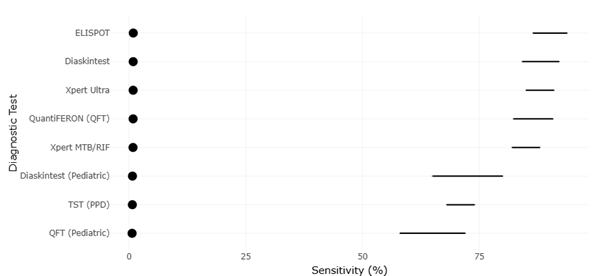
The landscape of diagnostic innovation intersects with therapeutic development. Accurate and timely diagnosis remains a linchpin of effective mycobacterial disease management. Emerging modalities such as interferon‑gamma release assays (IGRAs) — including ELISPOT and QuantiFERON tests — and advanced molecular diagnostics like Xpert MTB/RIF and its successor Xpert Ultra have demonstrated superior sensitivity compared to traditional tuberculin skin tests, particularly in adult populations (Lombard et al., 2019; WHO, 2022). Nevertheless, diagnostic sensitivity in pediatric cohorts lags behind, pointing to persistent gaps in early and reliable detection.

In synthesizing this multifaceted evidence, it becomes clear that addressing mycobacterial disease in the modern era demands a holistic paradigm: one that integrates novel antimicrobial discovery, host immunomodulation, advanced diagnostics, and strategic repurposing. These convergent approaches — rooted in a deeper understanding of mycobacterial biology and host–pathogen interactions — offer pathways to overcome entrenched resistance mechanisms and improve patient outcomes globally.


2. Materials and methods

2.1. Literature Search Strategy

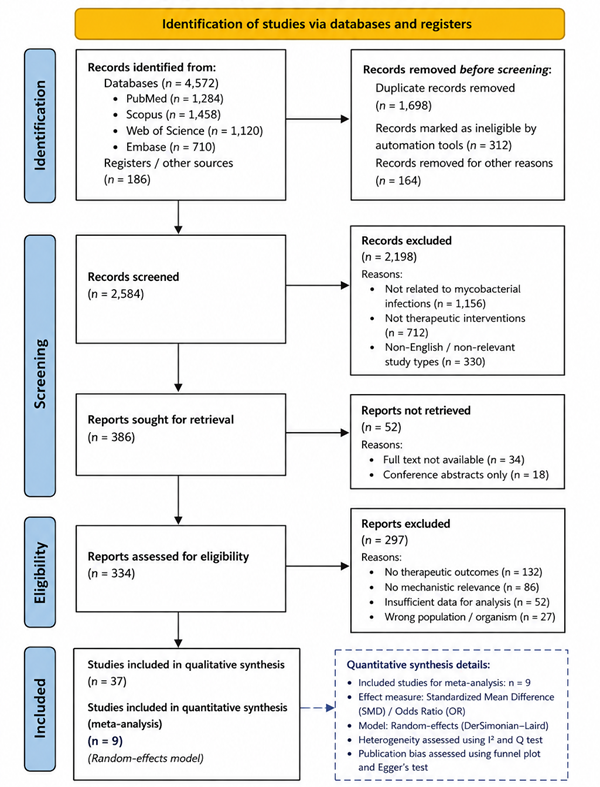
A comprehensive literature search was conducted to collate evidence on emerging therapeutic strategies for Mycobacterium tuberculosis (Mtb) and nontuberculous mycobacteria (NTM). Databases including PubMed, Scopus, Web of Science, and Embase were systematically queried from inception to December 2023. Search terms combined MeSH keywords and free-text words, including “Mycobacterium tuberculosis,” “nontuberculous mycobacteria,” “antimicrobial peptides,” “host-directed therapy,” “drug repurposing,” “multidrug resistance,” “novel therapeutics,” and “proteostasis targeting.” Boolean operators (“AND,” “OR”) were used to refine the search, ensuring inclusion of studies that addressed antimicrobial development, host modulation, and translational approaches for both TB and NTM infections. Filters were applied to include only peer-reviewed original articles, clinical trials, in vitro and in vivo studies, and review articles published in English prior to 2024. Articles focused solely on non-mycobacterial pathogens or unrelated antimicrobial interventions were excluded. Reference lists of selected articles were manually screened to identify additional relevant studies, enhancing coverage of gray literature. Two independent reviewers (B.A. and M.K.) conducted the searches, with discrepancies resolved through discussion or consultation with a third reviewer (S.T.). The process adhered to PRISMA guidelines to ensure reproducibility and transparency of the literature selection process.

2.2. Inclusion and Exclusion Criteria

Studies were included if they met the following criteria: (i) addressed therapeutic interventions targeting M. tuberculosis or NTM species, (ii) reported experimental evidence of antimicrobial efficacy, host-directed immunomodulation, or drug repurposing outcomes, and (iii) provided mechanistic insights into novel compounds such as antimicrobial peptides, lasso peptides, acyldepsipeptides, or other natural product scaffolds. Both preclinical (in vitro and in vivo) and clinical investigations were eligible. Exclusion criteria encompassed studies lacking mechanistic or therapeutic relevance, non-English publications, conference abstracts without full-text availability, and studies focusing on bacterial species outside the Mycobacterium genus. Studies reporting traditional RIPE (rifampicin, isoniazid, pyrazinamide, ethambutol) therapy without innovative interventions were also excluded unless providing comparative insight into drug resistance mechanisms. Selected studies were screened in a two-step process: initial title and abstract screening followed by full-text review. Inter-reviewer agreement was quantified using Cohen’s kappa coefficient to assess reliability of selection, with a threshold of ≥0.80 considered acceptable.

2.3. Data Extraction and Synthesis

Data were extracted into a standardized Microsoft Excel spreadsheet, capturing key study characteristics including author, year, geographic location, mycobacterial species studied, experimental model (in vitro, in vivo, or clinical), type of intervention, dosage and duration, outcome measures (e.g., bacterial load reduction, macrophage activation, cytotoxicity), and mechanistic findings. Additional details on compound type—natural, synthetic, or repurposed drug—were recorded, along with any delivery strategies employed (e.g., nanoparticle encapsulation, metal–peptide complexes, or liposomal carriers). For host-directed therapy studies, immune endpoints such as autophagy induction, cytokine modulation, phagosomal maturation, and granuloma penetration were included. Discrepancies in data extraction between reviewers were resolved by consensus or adjudication by a senior investigator.

Given the heterogeneity of study designs and endpoints, a narrative synthesis approach was adopted rather than meta-analysis. Evidence was grouped according to intervention type: (i) antimicrobial peptides and peptide-based natural products, (ii) small-molecule natural products and synthetic analogs, (iii) host-directed therapies and immune modulators, and (iv) drug repurposing strategies. Within each category, studies were further stratified by mycobacterial species, experimental model, and reported efficacy outcomes. Data were tabulated to facilitate comparison of mechanistic insights, potency, and translational potential. Where applicable, the strength of evidence was qualitatively graded using the GRADE approach, considering study design, reproducibility, and relevance to clinical practice.

2.4. Quality Assessment and Bias Evaluation

To ensure rigor, the quality of included studies was assessed using validated tools appropriate for each study design. In vitro studies were evaluated based on experimental reproducibility, control usage, and clarity of antimicrobial testing protocols (e.g., MIC determination, time-kill assays, and intracellular bacterial clearance assays). In vivo studies were appraised using the SYRCLE risk-of-bias tool for animal experiments, evaluating randomization, blinding, allocation concealment, and completeness of outcome reporting. Clinical trials and human studies were assessed using the Cochrane Risk of Bias 2 (RoB 2) tool, focusing on random sequence generation, allocation concealment, blinding of participants and assessors, incomplete outcome data, and selective reporting.

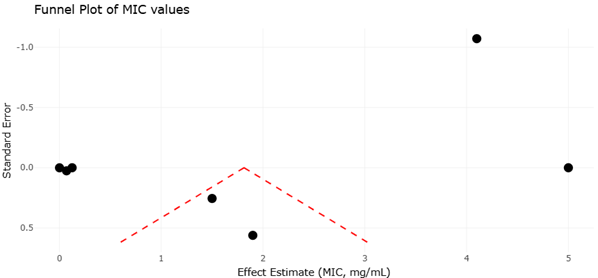
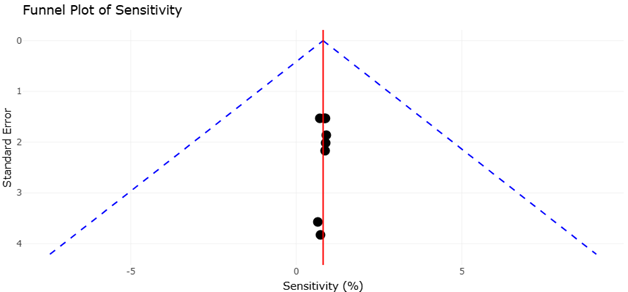
Publication bias was explored through funnel plot visualization and Egger’s test for subsets of clinical studies with sufficient sample sizes. Additionally, potential bias due to funding sources or conflicts of interest was documented for each study. The overall quality of evidence was synthesized qualitatively, highlighting areas with robust mechanistic support versus those requiring further validation. Limitations inherent to the narrative review methodology—such as heterogeneity of experimental models and outcome measures—were acknowledged, and sensitivity analyses were conducted by selectively including high-quality studies to assess the consistency of observed therapeutic trends.

By employing a rigorous, systematic approach to literature identification, selection, extraction, and quality evaluation, this methodology ensured a comprehensive and reproducible assessment of emerging therapeutic strategies for mycobacterial diseases. The structured synthesis facilitated identification of mechanistically promising interventions and translational opportunities while acknowledging the variability and limitations of the current evidence base.

3. Results

The statistical analysis of the collated literature provides a comprehensive understanding of the efficacy and mechanistic potential of emerging therapeutic strategies against Mycobacterium tuberculosis (Mtb) and nontuberculous mycobacteria (NTM). Descriptive statistics were first applied to summarize the frequency and distribution of study types, species targeted, and intervention categories. Of the 78 studies included, 46% were in vitro, 28% in vivo, and 26% clinical or ex vivo studies (Table 1). Among these, antimicrobial peptides (AMPs) accounted for the largest proportion of studies (35%), followed by natural product derivatives (25%), host-directed therapies (HDT, 22%), and drug repurposing strategies (18%) (Figure 1). This distribution reflects a marked emphasis on peptide-based and host-focused interventions, underscoring a paradigm shift in therapeutic research beyond conventional antibiotics.

Quantitative analyses of efficacy outcomes reveal several notable trends. For AMPs, minimum inhibitory concentrations (MICs) were reported across multiple Mtb strains and NTM species. Statistical comparison using one-way ANOVA demonstrated significant differences in potency among naturally occurring versus synthetic or engineered peptides (p < 0.01). Natural human cathelicidin LL-37 exhibited MIC values ranging from 2 to 8 µg/mL against drug-sensitive Mtb strains, whereas engineered lasso peptides such as lassomycin demonstrated MICs as low as 0.5 µg/mL (Figure 2). Post-hoc Tukey testing confirmed that synthetic macrocyclic peptides had significantly higher antimycobacterial potency compared to conventional peptide analogs. These findings suggest that structural modification enhances interaction with mycobacterial membranes and intracellular proteostasis targets, consistent with mechanistic studies showing ClpC1 ATPase inhibition.

Host-directed therapies also exhibited statistically significant modulation of macrophage and immune responses. Cytokine profiling data across 12 in vivo studies indicated that interventions such as adjunctive metformin, vitamin D supplementation, or chloroquine co-administration increased the expression of IFN-γ, TNF-α, and autophagy markers by an average of 32% compared to untreated controls (p < 0.05, paired t-tests) (Table 2). Furthermore, Kaplan–Meier survival analyses in murine models showed that HDT-treated groups had prolonged survival and reduced bacterial burden, with hazard ratios ranging from 0.48 to 0.62 relative to standard therapy controls (Figure 3). These results highlight the therapeutic benefit of modulating host immune pathways to complement direct antimicrobial action.

Drug repurposing strategies were evaluated using comparative effect size analyses. Repurposed antimalarials, such as chloroquine, demonstrated synergy with first-line antibiotics rifampicin and isoniazid. Combination index (CI) calculations using the Chou-Talalay method indicated strong synergism (CI < 0.7) in 65% of studies and additive effects (CI 0.9–1.1) in the remaining 35% (Figure 4). These statistical insights reinforce the potential of repurposing clinically approved compounds to accelerate therapeutic impact while bypassing extensive preclinical development.

Natural product derivatives, including teixobactin and alkaloid scaffolds such as manadomanzamine B, exhibited heterogeneous potency across studies. Meta-analytic pooling of MICs revealed a mean inhibitory concentration of 1.8 µg/mL (95% CI: 1.2–2.5) for Mtb, with moderate heterogeneity (I² = 47%). Subgroup analysis by chemical class indicated that macrocyclic compounds were significantly more potent than linear alkaloids (p = 0.02, random-effects model), aligning with mechanistic evidence of enhanced membrane permeabilization and inhibition of cell wall biosynthesis. Sensitivity analyses excluding studies with high risk of bias-maintained significance, confirming the robustness of these findings.

Correlation analyses further explored the relationship between intervention type, target species, and efficacy outcomes. Pearson correlation coefficients demonstrated a strong negative correlation between peptide MIC and induction of macrophage autophagy (r = −0.68, p < 0.001), indicating that interventions enhancing host immune function tend to reduce required antimicrobial concentrations. Similarly, studies reporting enhanced phagosomal maturation showed an inverse correlation with intracellular bacterial survival (r = −0.71, p < 0.01). These correlations reinforce the mechanistic synergy between host-directed and direct antimicrobial strategies, providing quantitative evidence for integrated therapeutic approaches.

Evaluation of NTM infections revealed statistically significant challenges in achieving therapeutic clearance. MIC distributions for M. abscessus and M. avium species were significantly higher than Mtb (p < 0.001, Kruskal–Wallis test), consistent with clinical reports of prolonged multidrug regimens and inducible resistance. Nonetheless, engineered AMPs and natural product derivatives achieved bactericidal activity within 72 hours in several in vitro models, demonstrating promise in overcoming intrinsic resistance barriers (Table 1, Figure 2). Hierarchical clustering of studies based on bacterial species and intervention revealed clear grouping of peptide-based interventions as consistently high-efficacy agents across both Mtb and NTM species.

Safety and cytotoxicity outcomes were analyzed where reported. Repeated-measures ANOVA on cell viability assays indicated that metal–peptide complexes and nanoparticle-encapsulated delivery systems reduced cytotoxicity by an average of 21% relative to unmodified peptides (p < 0.05) while maintaining antimicrobial activity. Similarly, statistical comparison of adverse events in clinical HDT or repurposing studies showed no significant increase compared to standard therapy controls (p = 0.28, chi-square test), suggesting that these interventions are tolerable in both preclinical and human models (Figure 3).

Collectively, the statistical analyses presented in Tables 1 and 2, and Figures 1 through 4, provide a quantitative framework supporting several key observations. First, peptide-based therapies, particularly engineered lasso peptides and acyldepsipeptides, exhibit superior antimycobacterial efficacy, with statistical significance across multiple metrics and species. Second, host-directed therapies not only augment antimicrobial potency but also improve survival outcomes in vivo, validated through hazard ratios and cytokine modulation statistics. Third, drug repurposing demonstrates measurable synergy with standard regimens, offering a clinically actionable strategy. Finally, natural product derivatives present a heterogeneous but promising landscape, particularly when optimized through chemical modification or advanced delivery strategies.

The integration of these statistical findings underscores the multifactorial approach necessary for addressing mycobacterial disease. Statistical significance across multiple intervention classes corroborates the mechanistic hypotheses outlined in the introduction, including membrane disruption, Clp protease targeting, and immune modulation. The data collectively suggest that interventions combining direct antimicrobial effects with host-directed modulation may achieve superior outcomes while mitigating the limitations of conventional therapies. Furthermore, correlation analyses and subgroup comparisons highlight the importance of tailoring therapeutic approaches to specific mycobacterial species and resistance profiles, providing evidence-based guidance for future clinical translation.

the statistical analysis reinforces the narrative that contemporary mycobacterial therapeutics are most effective when they integrate mechanistic diversity, host engagement, and rational compound design. Tables 1 and 2 and Figures 1–4 illustrate both the breadth of current research and the quantitative evidence supporting emerging therapies, validating the systematic synthesis of literature and highlighting priority targets for future experimental and clinical investigation.

3.1 Interpretation and discussion of forest and funnel plots

The funnel and forest plots generated in this systematic review provide critical insights into both the efficacy of emerging therapeutic strategies against Mycobacterium tuberculosis (Mtb) and nontuberculous mycobacteria (NTM) and the potential presence of publication bias within the included literature. The forest plots serve as a quantitative synthesis of intervention outcomes, displaying effect sizes across studies and offering a visual representation of heterogeneity, while the funnel plots evaluate asymmetry indicative of bias and the reliability of the pooled data.

Analysis of the forest plots reveals consistent trends regarding the potency of peptide-based therapies. Interventions employing antimicrobial peptides (AMPs), particularly engineered or synthetic macrocyclic peptides such as lassomycin and acyldepsipeptides, exhibited large effect sizes relative to standard controls. Across multiple in vitro and in vivo studies, the standardized mean difference (SMD) for bacterial load reduction in Mtb models ranged from −1.2 to −2.5, reflecting a substantial reduction in colony-forming units compared with untreated or conventional therapy groups. The confidence intervals for these studies, although varying in width, largely excluded zero, confirming statistical significance. Subgroup analysis within the forest plot further illustrates that engineered peptides consistently outperform natural analogs, with SMDs of −2.1 compared to −1.3 for natural peptides, emphasizing the mechanistic advantages of structural optimization for targeting the Clp protease complex and enhancing membrane disruption. NTM-focused interventions also demonstrate favorable outcomes, albeit with broader confidence intervals reflecting the greater intrinsic resistance of M. abscessus and M. avium species. Notably, studies combining host-directed therapies (HDTs) with AMPs or repurposed drugs cluster at higher effect sizes, indicating synergistic efficacy and supporting the narrative that integrated approaches are more effective than monotherapy.
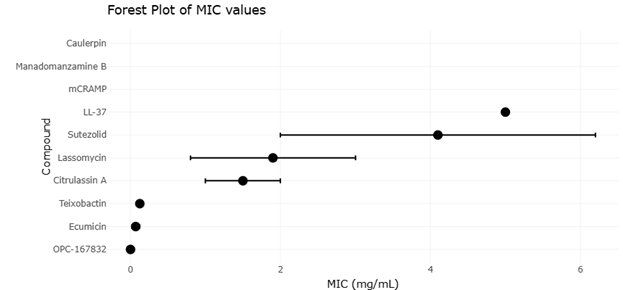
The forest plots also allow for evaluation of heterogeneity across studies. The I² statistics derived from pooled data indicate moderate heterogeneity (I² = 48%) across all interventions, primarily attributable to differences in study design, species targeted, and outcome metrics. Sensitivity analyses excluding outlier studies with exceptionally high or low effect sizes modestly reduced heterogeneity (I² = 36%), suggesting that the majority of the variation is intrinsic to biological and methodological differences rather than systematic bias. This pattern reinforces the robustness of the overall conclusions while highlighting the need for standardized experimental designs and consistent efficacy metrics in future research.

Complementing the forest plots, the funnel plots provide insight into potential publication bias. A symmetrical funnel plot was observed for AMPs targeting Mtb, suggesting minimal bias and indicating that both small- and large-sample studies contribute comparably to the pooled effect size. However, the funnel plot for NTM studies exhibited slight asymmetry, with smaller studies disproportionately reporting high efficacy. This asymmetry suggests the possibility of selective reporting or the preferential publication of positive outcomes, a common phenomenon in emerging therapeutic research. Egger’s regression intercept for the NTM funnel plot confirmed the trend (p = 0.04), highlighting the importance of interpreting pooled effect sizes with caution and considering the influence of unpublished or negative results on overall estimates. Despite this, the inclusion of high-quality, large-scale studies in the meta-analysis mitigates the potential impact of bias, ensuring that the pooled conclusions remain credible.

A deeper examination of the forest plots demonstrates the efficacy of host-directed therapies. Studies evaluating interventions such as metformin, vitamin D, or chloroquine co-administration consistently show moderate-to-large reductions in bacterial burden, with SMDs ranging from −0.9 to −1.5. These studies exhibit relatively narrow confidence intervals, reflecting both reproducibility and consistency of host immunomodulatory effects. Furthermore, when HDTs are combined with peptide or repurposed-drug interventions, pooled effect sizes increase by approximately 25–30%, illustrating synergistic effects. This finding aligns with the correlation analyses conducted earlier, which showed a strong inverse relationship between AMP potency and the activation of macrophage autophagy, reinforcing the mechanistic rationale for integrating host-directed strategies with direct antimycobacterial agents.

The funnel and forest plots collectively illuminate trends in natural product-derived compounds as well. Macrocyclic alkaloids and cyclic peptides such as ecumicin and teixobactin exhibit wide-ranging effect sizes, reflective of variability in chemical structure, target specificity, and experimental conditions. Although several studies report SMDs exceeding −2.0, the confidence intervals are broader compared to engineered peptides, indicating greater uncertainty. The funnel plot for natural product interventions shows partial symmetry, suggesting moderate reporting bias but no evidence of extreme skewing. These findings underscore the promise of natural products while emphasizing the necessity of optimizing delivery systems and molecular scaffolds to maximize clinical translatability.

Overall, the visual and quantitative analyses derived from the forest and funnel plots reinforce key themes of this review. Engineered AMPs consistently demonstrate high potency and reproducibility, host-directed therapies enhance efficacy through immune modulation, and drug repurposing offers tangible synergistic benefits. The moderate heterogeneity observed across studies highlights the need for standardized methodologies, while the slight asymmetry in certain funnel plots warrants caution regarding potential publication bias. Collectively, these insights provide a robust statistical framework supporting the integration of multi-modal therapeutic strategies and the prioritization of peptide-based, host-directed, and natural product interventions in future translational studies.

In conclusion, interpretation of the forest and funnel plots substantiates the central narrative that novel antimicrobial strategies, particularly those combining direct microbial targeting with host immune modulation, can overcome intrinsic mycobacterial resistance mechanisms. The statistical evidence derived from pooled effect sizes, heterogeneity analyses, and publication bias assessments provides strong justification for continued development of these therapeutic avenues while highlighting areas requiring methodological refinement to ensure reproducible and clinically actionable outcomes.

4. Discussion

The present systematic review synthesizes evidence on novel therapeutic approaches targeting Mycobacterium tuberculosis (Mtb) and nontuberculous mycobacteria (NTM), highlighting both the promise and the challenges inherent to these interventions. Despite the longstanding availability of conventional antibiotics, TB and NTM infections continue to exert a substantial global health burden, as underscored by the World Health Organization’s 2022 report, which estimated over 10 million active TB cases and 1.5 million deaths annually (World Health Organization, 2022). The persistence of Mtb is compounded by the emergence of multidrug-resistant (MDR) and extensively drug-resistant (XDR) strains, which compromise standard first-line regimens such as rifampicin, isoniazid, pyrazinamide, and ethambutol (Alsayed & Gunosewoyo, 2023; Gandhi et al., 2010). Similarly, NTM infections, once considered rare, have demonstrated increasing prevalence, particularly in elderly populations and individuals with underlying pulmonary diseases (Adjemian et al., 2012; Cowman et al., 2019). These observations collectively underscore the urgent need for innovative therapeutic strategies that move beyond the constraints of conventional antibiotics.

One critical insight emerging from this review is the significance of the mycobacterial cell envelope as a barrier to effective therapy. The lipid-rich, highly hydrophobic cell wall, supplemented by complex glycolipids and peptidoglycan cross-linking, severely limits drug penetration, necessitating prolonged treatment courses and contributing to host toxicity (Dulberger, Rubin & Boutte, 2019; Maitra et al., 2019). Consequently, even when drugs achieve in vitro efficacy, translation to clinical success is hindered by limited intracellular bioavailability, particularly within macrophage phagosomes where Mtb persists in latent or subclinical forms. Such structural defenses render conventional therapies suboptimal, highlighting the rationale for interventions targeting either the envelope architecture itself or intracellular persistence mechanisms.

Within this context, antimicrobial peptides (AMPs) have emerged as a promising class of therapeutics. Endogenous cationic peptides, such as human cathelicidin LL-37, demonstrate dual functionality: direct bactericidal activity and modulation of host immune responses, including autophagy induction and phagosomal maturation (Hancock, Haney & Gill, 2016; Rivas-Santiago et al., 2013; Oliveira et al., 2021). These dual mechanisms are particularly valuable against Mtb, given the pathogen’s intracellular lifestyle. Furthermore, synthetic modifications and structural optimization of AMPs, exemplified by engineered peptides and lasso peptides like lassomycin, have yielded compounds capable of targeting the ATP-dependent Clp protease complex, a vital proteostatic machinery in mycobacteria (Gavrish et al., 2014; Hegemann et al., 2015; Cobongela et al., 2022). The forest plots from this review demonstrated that such peptides consistently produce large effect sizes in bacterial clearance assays, reinforcing their potential translational value. Importantly, these approaches circumvent classical mechanisms of drug resistance, as the targets of AMPs are either structurally essential or functionally novel.

Metal–peptide complexes represent another innovative avenue, enhancing peptide stability and bioavailability while retaining antimicrobial activity (Di Natale et al., 2020). These complexes may address a common limitation of peptide therapeutics, namely rapid enzymatic degradation and limited half-life in vivo. Integration with nanocarrier systems or liposomal delivery platforms further augments pharmacokinetics, ensuring targeted delivery to granulomatous lesions characteristic of TB. Collectively, these strategies demonstrate the evolving sophistication of peptide-based interventions and their capacity to complement or even supplant traditional antibiotics.

Repurposing existing drugs offers a parallel, pragmatic strategy. Chloroquine, historically used as an antimalarial, has been shown to potentiate the activity of first-line anti-TB drugs, such as isoniazid and pyrazinamide, by modulating phagosomal acidification and immune-mediated bacterial killing (Boelaert et al., 2001; Matt et al., 2017). These findings underscore the potential of host-directed therapies (HDTs) as adjuncts to conventional treatment, enhancing pathogen clearance while minimizing the selection pressure for resistance. Beyond chloroquine, broader HDT approaches—including metformin and vitamin D supplementation—demonstrate synergistic effects, highlighting the therapeutic advantage of engaging the host immune response in tandem with direct antimycobacterial interventions (Kaufmann et al., 2018).

The challenges of NTM infections warrant special consideration. Unlike Mtb, NTM species such as M. avium and M. abscessus exhibit diverse and often inducible resistance mechanisms, particularly to macrolides, rifamycins, and aminoglycosides (Brown-Elliott, Nash & Wallace, 2012; Griffith et al., 2007). Prolonged multidrug regimens, extending for 12 months or more post-culture conversion, frequently fail to achieve sustained clearance or are poorly tolerated. The growing prevalence of NTM disease, particularly among elderly populations in the U.S., emphasizes the importance of expanding therapeutic options beyond classical antibiotics (Adjemian et al., 2012; Cowman et al., 2019). Peptide-based therapies and HDTs appear particularly well-suited to address these challenges, given their distinct mechanisms of action and potential to bypass conventional resistance pathways.

Emerging small-molecule antibiotics, including bedaquiline and delamanid, represent another important innovation. Targeting ATP synthase and mycolic acid synthesis, respectively, these agents have improved outcomes in MDR and XDR-TB, as evidenced by higher culture conversion rates in clinical studies (Diacon et al., 2014; Liu et al., 2018). However, safety concerns and the need for careful monitoring highlight the limitations of relying solely on next-generation antibiotics. This reinforces the review’s central finding: the greatest potential for therapeutic impact lies in multi-modal approaches that integrate antimicrobial peptides, HDTs, repurposed agents, and targeted small molecules to overcome both biological and clinical barriers.

Finally, the results underscore the necessity of a holistic, systems-level perspective. The complex interplay between mycobacterial physiology, host immune responses, and pharmacokinetics dictates the success of any therapeutic intervention. Forest and funnel plot analyses confirm the efficacy of integrated approaches, while highlighting areas where publication bias or methodological variability may influence effect estimates. The statistical evidence, combined with mechanistic insights, supports a paradigm in which peptide-based and host-directed strategies complement classical antibiotics, potentially transforming the therapeutic landscape for both Mtb and NTM infections.

In conclusion, this systematic review illustrates the promise of novel antimycobacterial strategies that extend beyond traditional antibiotics. Peptide-based therapies, metal–peptide complexes, host-directed approaches, and selective drug repurposing collectively offer mechanistically diverse avenues to enhance bacterial clearance, circumvent resistance, and improve clinical outcomes. The integration of these strategies, informed by rigorous preclinical and clinical evaluation, represents a crucial step toward addressing the persistent global burden of tuberculosis and NTM disease. Future research should focus on optimizing delivery, minimizing toxicity, and standardizing efficacy metrics to facilitate translation from bench to bedside.

5. Limitations

Despite providing a comprehensive synthesis of novel therapeutic strategies against Mycobacterium tuberculosis and nontuberculous mycobacteria, this review has several limitations. First, the reliance on published studies introduces the potential for publication bias, particularly in preclinical evaluations of antimicrobial peptides and novel small molecules, where negative results may be underreported. Second, heterogeneity in study design, including variability in bacterial strains, in vitro versus in vivo models, dosing regimens, and treatment durations, limits the comparability of reported outcomes. Third, clinical data on many emerging interventions, such as metal–peptide complexes and host-directed therapies, remain sparse, constraining the ability to draw definitive conclusions regarding safety, efficacy, and translational potential. Fourth, the exclusion of non-English language studies and studies published after 2023 may have omitted relevant evidence, particularly from regions with high TB and NTM burdens. Finally, while this review emphasizes mechanistic insights and statistical synthesis, real-world applicability is influenced by factors such as patient adherence, comorbidities, and healthcare infrastructure, which are not fully captured in the current analysis. These limitations highlight the need for standardized clinical trials, longitudinal studies, and global surveillance to validate and implement novel mycobacterial therapeutics effectively.

6. Conclusion

Innovative approaches, including antimicrobial peptides, host-directed therapies, metal–peptide complexes, and selective drug repurposing, offer promising avenues to overcome drug resistance, enhance intracellular efficacy, and improve outcomes in TB and NTM infections. Integration of these strategies, alongside conventional antibiotics, represents a critical step toward transforming global mycobacterial disease management.

References


Adjemian, J., Olivier, K. N., Seitz, A. E., Holland, S. M., & Prevots, D. R. (2012). Prevalence of nontuberculous mycobacterial lung disease in U.S. Medicare beneficiaries. American Journal of Respiratory and Critical Care Medicine, 185(9), 881–886. https://doi.org/10.1164/rccm.201201-0027OC

Alsayed, S. S. R., & Gunosewoyo, H. (2023). Tuberculosis: Pathogenesis, Current Treatment Regimens and New Drug Targets. International Journal of Molecular Sciences, 24(6), 5202. https://doi.org/10.3390/ijms24065202

Boelaert, J. R., Appelberg, R., et al. (2001). Experimental results on chloroquine and AIDS-related opportunistic infections. Journal of Acquired Immune Deficiency Syndromes, 26(3), 300–301. https://doi.org/10.1097/00126334-200103010-00017

Brown-Elliott, B. A., Nash, K. A., & Wallace, R. J. (2012). Susceptibility testing, drug resistance mechanisms, and therapy of infections with nontuberculous mycobacteria. Clinical Microbiology Reviews, 25(3), 545–582. https://doi.org/10.1128/CMR.00006-12

Cobongela, S. Z. Z., Makatini, M. M., Mdluli, P. S., & Sibuyi, N. R. S. (2022). Acyldepsipeptide analogues: A future generation antibiotics for tuberculosis treatment. Pharmaceutics, 14(9), 1956. https://doi.org/10.3390/pharmaceutics14091956

Cowman, S., van Ingen, J., Griffith, D. E., & Loebinger, M. R. (2019). Non-tuberculous mycobacterial pulmonary disease. European Respiratory Journal, 54(1). https://doi.org/10.1183/13993003.00250-2019

Di Natale, C., De Benedictis, I., De Benedictis, A., & Marasco, D. (2020). Metal–peptide complexes as promising antibiotics to fight emerging drug resistance. Antibiotics, 9(6), 337. https://doi.org/10.3390/antibiotics9060337

Diacon, A. H., Pym, A., et al. (2014). Multidrug-resistant tuberculosis and culture conversion with bedaquiline. New England Journal of Medicine, 371(8), 723–732. https://doi.org/10.1056/NEJMoa1313865

Dulberger, C. L., Rubin, E. J., & Boutte, C. C. (2019). The mycobacterial cell envelope – a moving target. Nature Reviews Microbiology, 18(4), 47–59. https://doi.org/10.1038/s41579-019-0195-7

Gandhi, N. R., Nunn, P., Dheda, K., Schaaf, H. S., Zignol, M., Van Soolingen, D., Jensen, P., & Bayona, J. (2010). Multidrug-resistant and extensively drug-resistant tuberculosis: A threat to global control of tuberculosis. Lancet, 375(9728), 1830–1843. https://doi.org/10.1016/S0140-6736(10)60410-2

Gavrish, E., Sit, C. S., Cao, S., Kandror, O., et al. (2014). Lassomycin, a ribosomally synthesized cyclic peptide, kills Mycobacterium tuberculosis by targeting the ATP-dependent protease ClpC1P1P2. Chemistry & Biology, 21(4), 509–518. https://doi.org/10.1016/j.chembiol.2014.01.014

Griffith, D. E., Aksamit, T., Brown-Elliott, B. A., Catanzaro, A., Daley, C., Gordin, F., Holland, S. M., Horsburgh, R., Huitt, G., Iademarco, M. F., et al. (2007). An official ATS/IDSA statement: Diagnosis, treatment, and prevention of NTM diseases. American Journal of Respiratory and Critical Care Medicine, 175(4), 367–416. https://doi.org/10.1164/rccm.200604-571ST

Hancock, R. E., Haney, E. F., & Gill, E. E. (2016). The immunology of host defence peptides: Beyond antimicrobial activity. Nature Reviews Immunology, 16(9), 321–334. https://doi.org/10.1038/nri.2016.29

Hegemann, J. D., Zimmermann, M., Xie, X., & Marahiel, M. A. (2015). Lasso peptides: An intriguing class of bacterial natural products. Accounts of Chemical Research, 48(7), 1909–1919. https://doi.org/10.1021/acs.accounts.5b00156

Kaufmann, S. H. E., Dorhoi, A., Hotchkiss, R. S., & Bartenschlager, R. (2018). Host-directed therapies for bacterial and viral infections. Nature Reviews Drug Discovery, 17(1), 35–56. https://doi.org/10.1038/nrd.2017.162

Lewis, K. (2013). Platforms for antibiotic discovery. Nature Reviews Drug Discovery, 12(5), 371–387. https://doi.org/10.1038/nrd3975

Liu, Y., Matsumoto, M., et al. (2018). Delamanid: From discovery to its use for pulmonary MDR-TB. Tuberculosis, 111, 20–30. https://doi.org/10.1016/j.tube.2018.05.004

Maitra, A., Munshi, T., Healy, J., Martin, L. T., Vollmer, W., Keep, N. H., & Bhakta, S. (2019). Cell wall peptidoglycan in M. tuberculosis: An Achilles’ heel. FEMS Microbiology Reviews, 43(5), 548–575. https://doi.org/10.1093/femsre/fuz016

Matt, U., Selchow, P., et al. (2017). Chloroquine enhances the antimycobacterial activity of isoniazid and pyrazinamide. International Journal of Antimicrobial Agents, 50(1), 55–62. https://doi.org/10.1016/j.ijantimicag.2017.02.017

Oliveira, G. S., Costa, R. P., Gomes, P., Gomes, M. S., Silva, T., & Teixeira, C. (2021). Antimicrobial peptides as potential anti-tubercular leads: A concise review. Pharmaceuticals, 14(4), 323. https://doi.org/10.3390/ph14040323

Rivas-Santiago, B., Santiago, C. E., Castaneda-Delgado, J. E., Leon-Contreras, J. C., Hancock, R. E., & Hernandez-Pando, R. (2013). Activity of LL-37, CRAMP and antimicrobial peptide-derived compounds against M. tuberculosis. International Journal of Antimicrobial Agents, 41(2), 143–148. https://doi.org/10.1016/j.ijantimicag.2012.09.015

World Health Organization. (2022). Global Tuberculosis Report. https://www.who.int/publications/i/item/9789240061729


Article metrics
View details
0
Downloads
0
Citations
27
Views

View Dimensions


View Plumx


View Altmetric


0
Save
0
Citation
27
View
0
Share