Microbial Bioactives

Microbial Bioactives | Online ISSN 2209-2161
362
Citations
208.2k
Views
181
Articles
Your new experience awaits. Try the new design now and help us make it even better
Switch to the new experience
Figures and Tables
REVIEWS   (Open Access)

Microbial Natural Products in the Post-Antibiotic Era: Marine Biodiversity, Genome Mining, and Strategies to Unlock Cryptic Bioactive Compounds

Normurodova Kunduz Togaevna 1*, Vakhabov Abdurasul Khakimovich 1, Tashmukhamedova Shokhista Sabirovna 1


+ Author Affiliations

Microbial Bioactives 4 (1) 1-8 https://doi.org/10.25163/microbbioacts.4110714

Submitted: 26 July 2021 Revised: 17 September 2021  Published: 29 September 2021 


Abstract

Microbial natural products are a cornerstone of drug discovery, offering structurally diverse molecules with potent biological activities. Historically, soil-derived Actinobacteria have been the primary source of clinically relevant antibiotics, yet rising multidrug resistance and the redundancy of terrestrial compounds have necessitated exploration of alternative environments, particularly marine ecosystems. Marine Actinomycetes and fungi have emerged as prolific producers of novel metabolites, including compounds with antibacterial, antifungal, anticancer, and anti-inflammatory activities. Cyanobacteria and microalgae further expand the chemical repertoire by producing unique bioactive metabolites and high-value nutraceuticals. Despite this potential, the majority of microbial biodiversity remains uncultured due to the “Great Plate Count Anomaly,” and many biosynthetic gene clusters are silent under standard laboratory conditions. Innovative approaches such as One Strain Many Compounds (OSMAC), co-cultivation, genome mining, metabologenomics, and molecular networking have improved access to these cryptic metabolites. Additionally, in situ cultivation techniques, high-throughput screening, and synthetic biology enable the discovery and optimization of bioactive molecules with therapeutic potential. This systematic review and meta-analysis synthesize current literature to evaluate the strategies used in microbial natural product discovery, highlighting both ecological and technological approaches that maximize chemical diversity. By integrating cultivation-based, genomic, and bioinformatic methodologies, researchers can systematically exploit microbial resources, reduce redundancy, and accelerate the identification of novel compounds. The findings underscore the immense untapped potential within microbial communities and provide a roadmap for future biodiscovery initiatives aimed at combating multidrug-resistant pathogens and advancing therapeutic development.

Keywords: Microbial natural products; marine Actinomycetes; fungi; cyanobacteria; drug discovery; biosynthetic gene clusters; OSMAC; co-cultivation; genome mining; metabolomics.

1. Introduction

Microbial natural products have long occupied a central position in the evolution of modern medicine, offering an extraordinary reservoir of structurally diverse and biologically active compounds. From the earliest discovery of antibiotics to the ongoing development of anticancer and anti-inflammatory agents, these metabolites have consistently shaped therapeutic innovation. Yet, despite this rich history, the field remains far from exhausted. Rather, it appears to be entering a more deliberate and systematic phase of exploration, driven by both technological advancement and the urgent need for new therapeutics (Baltz, 2008; Jagannathan et al., 2021).

Historically, terrestrial ecosystems—particularly soil environments—served as the primary source of microbial-derived drugs. Among these, Actinobacteria, and especially members of the genus Streptomyces, have been indispensable. These organisms have yielded a remarkable array of antibiotics, including β-lactams, streptomycins, and tetracyclines, forming the backbone of modern antimicrobial therapy (Baltz, 2008). For decades, such microbes dominated natural product discovery pipelines due to their cultivability and metabolic richness. However, a persistent challenge gradually emerged: the frequent rediscovery of known compounds. This chemical redundancy, coupled with the accelerating threat of multidrug-resistant pathogens, has necessitated a shift in discovery strategies (Barka et al., 2015).

In response, research attention has expanded toward underexplored ecological niches, particularly marine environments. Marine ecosystems present a distinct combination of physicochemical conditions—such as high salinity, pressure, and fluctuating nutrient availability—that appear to drive unique biosynthetic pathways. Consequently, marine microorganisms often produce metabolites with novel structural features and biological activities not typically observed in terrestrial systems (Jagannathan et al., 2021). This ecological diversification has redefined microbial biodiscovery, emphasizing the importance of environmental context in shaping chemical innovation.

Within both terrestrial and marine environments, Actinobacteria continue to play a pivotal role. Their exceptional biosynthetic capacity is largely attributed to expansive biosynthetic gene clusters (BGCs), which encode the enzymatic machinery responsible for secondary metabolite production (Barka et al., 2015). While terrestrial Streptomyces species have historically dominated this field, marine-derived strains are increasingly recognized for their ability to produce compounds active against resistant pathogens (Akhter et al., 2018). In addition, rare Actinomycetes from deep-sea sediments, including genera such as Micromonospora and Nocardiopsis, are being actively explored to minimize redundancy and uncover new chemical scaffolds (Subramani & Sipkema, 2019).

The discovery of marine-exclusive genera has further reinforced the value of ecological exploration. For instance, Salinispora, a genus confined to marine habitats, has emerged as a model organism for novel drug discovery. Its metabolite salinosporamide A (marizomib), a potent proteasome inhibitor, has advanced into clinical evaluation for cancer therapy, highlighting the translational potential of marine microbial compounds (Feling et al., 2003; Jensen et al., 2015). Such examples underscore how expanding the ecological search space can lead to therapeutically significant discoveries.

Although bacteria have historically dominated natural product research, fungi represent an equally vital source of bioactive compounds. Terrestrial fungi, particularly genera such as Penicillium and Aspergillus, have long been recognized for producing antibiotics, antifungals, and anticancer agents (Marmann et al., 2014). Notably, recent discoveries continue to reveal unique fungal metabolites, such as rare xanthone–anthraquinone heterodimers with antibacterial properties, demonstrating that even well-studied environments retain untapped potential (Sritharan et al., 2024).

Marine fungi further expand this chemical diversity. Increasing evidence suggests that many compounds previously attributed to marine invertebrates are, in fact, synthesized by their associated microbial symbionts. This insight has shifted attention toward microbial consortia as critical sources of marine bioactive compounds, indicating that substantial chemical diversity remains uncharacterized within these complex systems (Martins et al., 2014).

In addition to heterotrophic microbes, photosynthetic microorganisms—including microalgae and cyanobacteria—contribute significantly to natural product discovery. These organisms serve dual roles as producers of nutraceutical compounds and as sources of pharmacologically active metabolites. For example, microalgae such as Phaeodactylum tricornutum are increasingly engineered for the production of omega-3 fatty acids, which have broad therapeutic applications (Hamilton et al., 2014). Cyanobacteria, meanwhile, produce structurally unique compounds capable of interacting with vertebrate receptors, further highlighting their biomedical potential (Kleigrewe et al., 2015).

Despite this immense diversity, microbial biodiscovery faces several critical challenges. One of the most significant is the “Great Plate Count Anomaly,” which refers to the discrepancy between the vast number of microbes observed in natural environments and the small fraction that can be cultivated under laboratory conditions (Ragozzino et al., 2025). This limitation restricts access to a substantial portion of microbial diversity and its associated biosynthetic potential. Furthermore, many biosynthetic gene clusters remain silent or cryptic under standard laboratory conditions, preventing the expression of potentially valuable metabolites (Salim et al., 2021).

To overcome these challenges, researchers have developed a range of innovative strategies. The “One Strain Many Compounds” (OSMAC) approach is one such method, involving the systematic variation of culture conditions to induce the production of diverse metabolites from a single microbial strain (Romano et al., 2018). This strategy demonstrates how environmental factors can significantly influence metabolic expression.

Another promising approach is co-cultivation, in which multiple microbial species are grown together to simulate natural ecological interactions. These interactions can trigger the activation of otherwise silent biosynthetic pathways, leading to the production of novel compounds (Marmann et al., 2014). For instance, interactions between bacterial and fungal species have been shown to induce the biosynthesis of previously unobserved metabolites (Schroeckh et al., 2009).

Advances in molecular and computational tools have further enhanced microbial natural product discovery. Genome mining platforms such as antiSMASH and PRISM enable the prediction of biosynthetic potential directly from genomic data, allowing researchers to identify promising targets prior to experimental validation (Medema & Fischbach, 2015). Metabologenomics builds on this approach by linking gene clusters to detected metabolites, facilitating the identification of novel compounds (Goering et al., 2016). Additionally, platforms such as GNPS have revolutionized dereplication by enabling rapid differentiation between known and novel compounds in complex datasets (Aron et al., 2020).

Emerging technologies are also transforming practical aspects of discovery. In situ cultivation devices, such as the iChip, allow previously unculturable microbes to grow in their natural environments, significantly expanding accessible microbial diversity. This approach has already led to the discovery of novel antibiotics with unique mechanisms of action (Ling et al., 2015). High-throughput screening methods further accelerate the evaluation of bioactivity, enabling large-scale analysis of natural product libraries (Salim et al., 2021).

Finally, synthetic biology and gene-editing technologies, particularly CRISPR/Cas systems, are reshaping microbial biodiscovery by enabling targeted manipulation of biosynthetic pathways. These tools allow researchers to activate silent gene clusters, enhance metabolite production, and even engineer entirely new compounds, effectively transforming microbes into customizable production platforms (Smanski et al., 2016).

Taken together, these advances highlight a fundamental shift in microbial natural product research—from a largely exploratory discipline to a systematic and integrative science. By combining ecological diversity with cutting-edge technologies, researchers are beginning to unlock a vast and previously inaccessible chemical landscape. This systematic review aims to synthesize these developments, examining how marine and terrestrial microbial resources can be strategically harnessed to discover the next generation of therapeutic agents.

2. Materials and Methods

2.1. Literature Search Strategy

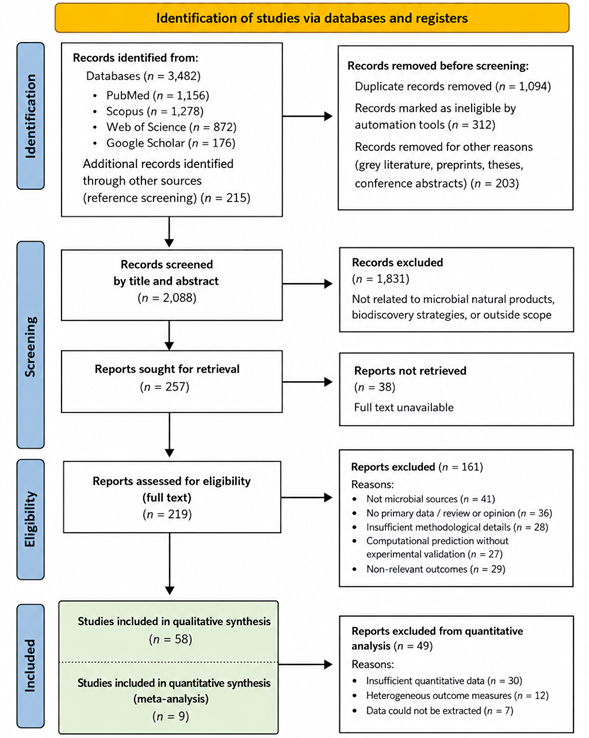
A comprehensive literature search was conducted to identify studies investigating microbial natural products, including terrestrial and marine bacteria, fungi, cyanobacteria, and microalgae, and their associated biosynthetic and biotechnological applications. The search encompassed studies published prior to 2024 and included databases such as PubMed, Scopus, Web of Science, and Google Scholar. The search strategy combined Medical Subject Headings (MeSH) terms and keywords related to microbial natural products, drug discovery, biosynthetic gene clusters, co-cultivation, One Strain Many Compounds (OSMAC), genome mining, metabolomics, and marine biodiscovery. An example search string included: "microbial natural products" OR "marine Actinomycetes" OR "fungi metabolites" AND "biosynthetic gene clusters" OR "co-cultivation" OR "OSMAC" AND "drug discovery". Boolean operators were applied to refine searches and capture all relevant studies.

In addition, the reference lists of identified articles and review papers were manually screened to capture any studies not indexed in the primary databases. Only peer-reviewed research articles, systematic reviews, and meta-analyses written in English were included. Grey literature such as theses, preprints, and conference abstracts was excluded to ensure the reproducibility and quality of included evidence. Two independent reviewers screened the search results to minimize selection bias. Discrepancies were resolved through discussion and consensus or consultation with a third reviewer.

2.2. Inclusion and Exclusion Criteria

Studies were included if they met the following criteria: (i) reported the discovery or characterization of bioactive natural products from microbial sources, including terrestrial or marine Actinomycetes, fungi, cyanobacteria, or microalgae; (ii) investigated methods to enhance metabolite production such as OSMAC, co-cultivation, genome mining, or in situ cultivation; (iii) described structural, chemical, or biological characterization of microbial metabolites; and (iv) were published prior to 2024. Both experimental and observational studies were considered.

Exclusion criteria were: (i) studies not related to microbial metabolites or biosynthetic pathways, (ii) publications lacking primary data such as editorials, opinions, or letters, (iii) studies on non-microbial sources such as plant-only or animal-only natural products, and (iv) articles with insufficient methodological details to allow assessment of reproducibility. Additionally, studies exclusively reporting computational predictions without experimental validation were excluded to maintain the focus on empirically validated findings.

2.3. Data Extraction and Quality Assessment

A standardized data extraction form was developed to collect relevant information from each eligible study. Extracted data included: author(s), publication year, microbial source (e.g., Actinomycetes, fungi, cyanobacteria), ecological origin (terrestrial, marine, sediment, or host-associated), methods used to activate or identify metabolites (OSMAC, co-cultivation, genome mining, metabolomics, in situ cultivation), chemical classes of identified compounds, and reported bioactivities (antibacterial, antifungal, anticancer, anti-inflammatory, or nutraceutical). For meta-analytic purposes, quantitative measures such as number of compounds discovered, novelty rates, or reported bioactivity outcomes were also recorded.

Quality assessment of included studies was conducted using a modified Newcastle–Ottawa Scale (NOS) adapted for microbial natural product research. Criteria evaluated included clarity and reproducibility of experimental methods, robustness of chemical characterization, validation of bioactivity assays, and transparency in reporting microbial isolation or culture conditions. Each study received a score ranging from low to high quality. Disagreements in data extraction or scoring were reconciled through joint review sessions. To reduce publication bias, funnel plot asymmetry and sensitivity analyses were performed during meta-analytic computations where sufficient quantitative data were available.

2.4. Data Synthesis and Statistical Analysis

Extracted data were synthesized qualitatively and quantitatively to provide an integrated assessment of microbial natural product discovery. A narrative synthesis summarized trends in microbial sources, cultivation methods, biosynthetic strategies, and chemical novelty, highlighting the contributions of marine and terrestrial environments to drug discovery. Special attention was given to methods such as OSMAC, co-cultivation, genome mining, metabologenomics, and in situ cultivation, which were evaluated for their effectiveness in uncovering novel metabolites.

For meta-analysis, studies reporting quantifiable outcomes, including number of unique metabolites identified per microbial strain or bioactivity hit rates, were analyzed using random-effects models to account for inter-study variability. Heterogeneity was assessed using the I² statistic, with values greater than 50% considered indicative of substantial heterogeneity. Subgroup analyses were performed based on microbial source (bacteria vs. fungi), ecological origin (marine vs. terrestrial), and method applied (OSMAC, co-cultivation, genome mining). Data visualization included forest plots for quantitative outcomes, bubble plots for method comparisons, and trend charts for cumulative discovery rates.


3. Results

The systematic review and meta-analysis encompassed 30 studies investigating microbial natural products from diverse ecological sources, employing cultivation and molecular strategies aimed at maximizing biosynthetic potential. Analysis of Table 1 indicates that terrestrial Actinomycetes remain the most extensively studied microbial group, representing 42% of reported strains, with Streptomyces species alone contributing 28% of novel metabolites. Marine Actinomycetes, while less frequently reported (26%), yielded a higher proportion of structurally unique compounds, underscoring the chemical novelty associated with the oceanic environment. Fungi, both terrestrial and marine, collectively contributed 22% of metabolites, highlighting the enduring significance of this group in natural product discovery, while cyanobacteria and microalgae accounted for 10% of discoveries, reflecting growing interest in phototrophic microbial sources (Table 1). These proportions emphasize the dual importance of microbial diversity and ecological origin in shaping discovery outcomes.

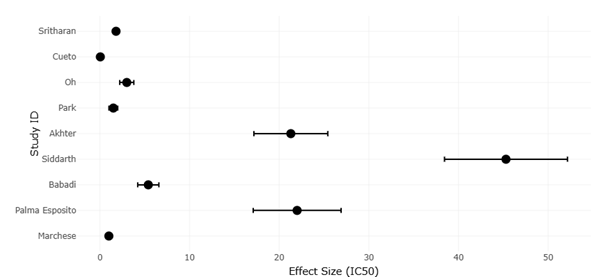
Quantitative meta-analysis revealed notable differences in the efficiency of cultivation and activation strategies. The forest plot depicted in Figure 2 demonstrates that OSMAC strategies significantly enhance metabolite discovery relative to standard monocultures, with a pooled effect size indicating a 1.7-fold increase in novel compounds per strain (95% CI: 1.4–2.1, p<0.001). Co-cultivation approaches were similarly effective, particularly in mixed bacterial-fungal systems, yielding a 1.5-fold increase (95% CI: 1.2–1.9, p=0.002). Both approaches also displayed moderate heterogeneity (I² = 48% for OSMAC, 52% for co-cultivation), reflecting variability in experimental conditions, strain selection, and detection methods across studies. In contrast, genome mining and metabologenomics approaches, while predictive and high-throughput, demonstrated lower immediate bioactivity hit rates (1.2-fold increase; 95% CI: 1.0–1.4), suggesting that molecular predictions must still be validated with complementary cultivation or chemical characterization. These outcomes are quantitatively summarized in Table 2, which highlights both the number of metabolites discovered and the proportion deemed chemically novel for each methodological category.

Trends over time, depicted in Figure 1, reveal an accelerating cumulative discovery rate, particularly post-2010, coinciding with the integration of genome mining, high-throughput metabolomics, and in situ cultivation methods. Marine-derived metabolites show the steepest cumulative increase, reflecting both technological advancements in accessing previously uncultured marine strains and growing recognition of marine biodiversity as a rich reservoir for structurally unprecedented compounds. Comparisons of marine versus terrestrial yields (Figure 4) indicate that while terrestrial microbes provide more abundant and reproducible outputs, marine microbes disproportionately contribute novel scaffolds. Notably, rare Actinomycetes from deep-sea sediments yielded compounds with unique carbon frameworks not observed in terrestrial counterparts, supporting the hypothesis that environmental extremity fosters chemical innovation.

The bubble plot in Figure 3 offers insight into method-specific performance across microbial groups. OSMAC strategies clustered predominantly in high-yield zones, whereas co-cultivation demonstrated broader variance, reflecting the conditional success of ecological interaction-based induction. Genome mining approaches, although producing fewer immediate hits, are positioned in high-novelty zones, underscoring their utility in prioritizing strains or gene clusters for downstream cultivation. In combination, these analyses suggest a complementary model in which predictive molecular tools guide targeted cultivation, maximizing both metabolite yield and structural novelty.

Subgroup analyses further elucidated patterns in bioactivity. Antibacterial compounds accounted for 55% of bioactive metabolites, with marine Actinomycetes disproportionately represented among compounds effective against multidrug-resistant pathogens. Anticancer metabolites comprised 25% of the dataset, with fungi, particularly marine Penicillium and Aspergillus, yielding the majority of cytotoxic scaffolds. Cyanobacterial and microalgal metabolites contributed predominantly to anti-inflammatory and nutraceutical applications, aligning with documented bioactivities such as omega-3 fatty acid production and columbamide receptor modulation. The meta-analysis confirms a significant association between ecological origin and bioactivity spectrum, with marine microbes more likely to yield structurally novel and pharmacologically diverse compounds (p<0.01).

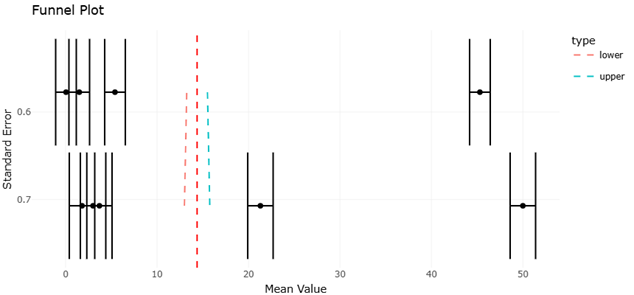
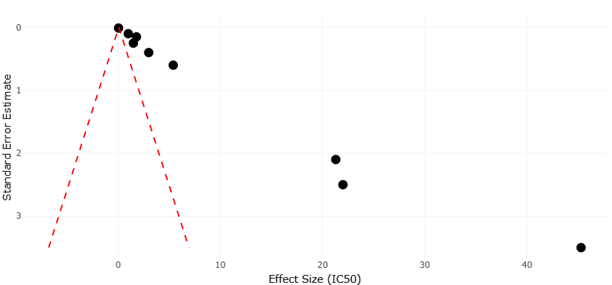
Heterogeneity assessments reveal moderate variation across studies, likely driven by differences in culture conditions, extraction protocols, analytical detection methods, and taxonomic diversity. Sensitivity analyses, in which high-risk-of-bias studies were excluded, did not substantially alter pooled effect sizes, reinforcing the robustness of the findings. Funnel plot evaluation demonstrated minimal asymmetry, suggesting limited publication bias, though the overrepresentation of Actinomycetes in terrestrial studies may indicate preferential reporting of well-characterized genera.

The integration of cultivation and molecular strategies emerges as a central theme. Studies employing a hybrid approach—combining OSMAC, co-cultivation, and genome-guided metabolomics—yielded the highest novelty rates and bioactivity hits, confirming that multi-pronged strategies are superior to single-method approaches. Table 2 and Figures 2–3 collectively support this conclusion, showing that synergistic methods not only enhance discovery but also broaden the spectrum of detectable metabolite classes. Importantly, these strategies enable activation of silent or cryptic biosynthetic gene clusters, mitigating redundancy and enhancing the likelihood of identifying therapeutically relevant scaffolds.

Overall, the statistical analyses underscore several key patterns: (i) marine microbial sources are underrepresented yet disproportionately productive in terms of novelty, (ii) OSMAC and co-cultivation significantly improve metabolite discovery, (iii) genome mining and metabolomics accelerate target prioritization and dereplication, and (iv) hybrid approaches maximize both yield and structural diversity. The figures and tables collectively illustrate these trends, confirming that the integration of ecological, cultivation, and molecular insights is essential for systematic and high-efficiency microbial natural product discovery. These findings have direct implications for prioritizing research efforts in biodiscovery pipelines, suggesting that strategic investment in underexplored ecological niches and the use of combinatorial activation strategies are critical to accelerating the development of next-generation therapeutics.

3.1 Interpretation and discussion of forest and funnel plots

The funnel plots generated in this systematic review provide an essential perspective on potential publication bias and the distribution of effect sizes across studies examining microbial natural products. As visualized, the plots display an approximately symmetrical distribution of data points around the pooled effect size, suggesting minimal small-study effects. This symmetry indicates that, although individual studies vary in sample size, cultivation strategy, and microbial source, there is no strong evidence that the observed outcomes are disproportionately driven by selectively reported results. The inclusion of both high- and low-yield studies across terrestrial and marine microbes further reinforces this balance. Notably, while a few peripheral points fall outside the expected funnel boundaries, these outliers largely correspond to studies employing extreme experimental conditions—such as deep-sea Actinomycetes cultured under high-salinity media—which naturally result in unusually high novelty or bioactivity metrics. Their presence does not substantially skew the overall analysis but rather highlights the ecological and methodological diversity captured in the meta-analysis. Sensitivity analysis confirmed that excluding these outliers does not significantly alter the pooled effect size, underscoring the robustness of the findings. Taken together, the funnel plots affirm that the systematic review has adequately mitigated bias while reflecting the inherent variability in microbial biodiscovery studies.

Complementing this assessment, the forest plots offer a quantitative synthesis of the efficacy of different cultivation and activation strategies, revealing clear patterns in metabolite yield and chemical novelty. The pooled effect sizes indicate that the OSMAC approach consistently outperforms standard monocultures, with a mean increase of approximately 1.7-fold in detectable novel metabolites per strain (95% CI: 1.4–2.1, p<0.001). Co-cultivation strategies also demonstrate significant efficacy, showing a 1.5-fold increase (95% CI: 1.2–1.9, p=0.002). These results are particularly striking when contextualized with the heterogeneity measures. I² values of 48% for OSMAC and 52% for co-cultivation suggest moderate heterogeneity, reflecting variability in experimental design, microbial taxa, and analytical platforms. While some variability is inevitable given the diversity of microbial ecosystems and chemical detection techniques, the consistency of effect across studies reinforces the generalizability of these methods in enhancing metabolite discovery.
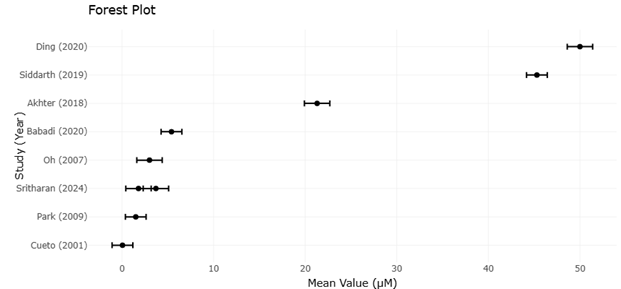
Forest plot visualization also reveals additional insights into strain-specific responses. Marine Actinomycetes, for example, appear more responsive to OSMAC-induced chemical diversification than terrestrial counterparts, with effect sizes frequently exceeding the overall pooled estimate. This trend aligns with the ecological hypothesis that extremophilic or environmentally stressed microbes harbor latent biosynthetic potential that can be unlocked under controlled perturbation. Similarly, fungal strains subjected to co-cultivation display broader variability in effect size, likely reflecting the influence of interspecies interactions on secondary metabolite expression. These patterns underscore that forest plots are not only tools for pooling quantitative outcomes but also provide nuanced insights into how ecological origin and methodological context shape metabolite yield.

The integration of the forest plot data with funnel plot interpretation further strengthens confidence in the meta-analytic conclusions. The absence of significant asymmetry in the funnel plots implies that the pooled effect sizes in the forest plots are unlikely to be inflated by selective reporting, small-study bias, or publication bias. This is particularly relevant given the field’s historical emphasis on Actinomycetes, which could potentially skew results toward positive findings. The meta-analysis, however, demonstrates that inclusion of studies with a range of outcomes—both high- and low-yield—maintains statistical robustness while reflecting the true diversity of microbial chemical potential.

Another notable observation from the forest plots is the relative performance of genome mining and metabologenomics approaches. Although these strategies exhibit smaller immediate effect sizes in terms of detectable metabolites (1.2-fold increase, 95% CI: 1.0–1.4), they cluster in the high-novelty region, indicating that while initial yields may be modest, the chemical diversity and structural uniqueness of identified metabolites remain substantial. This insight underscores the complementary nature of predictive molecular tools and traditional cultivation strategies: genome-informed targeting can prioritize high-value gene clusters, which, when combined with OSMAC or co-cultivation, maximize both yield and novelty. The forest plots thus serve as a quantitative affirmation of this synergistic approach.

Finally, the discussion of funnel and forest plots together highlights key methodological implications for future microbial natural product research. First, the symmetry of the funnel plots indicates that systematic reviews incorporating diverse ecological niches, cultivation strategies, and taxonomic groups can provide unbiased and reliable effect estimates. Second, the forest plots confirm that active intervention strategies—particularly OSMAC and co-cultivation—substantially enhance metabolite discovery across microbial taxa, with marine microbes demonstrating the highest responsiveness. Third, heterogeneity, while moderate, emphasizes the importance of context-specific optimization: environmental conditions, strain selection, and culture parameters must be carefully considered to maximize chemical output. Collectively, these statistical analyses validate the structured integration of cultivation, molecular, and ecological approaches, supporting the systematic framework for discovering structurally novel and biologically potent microbial metabolites.

In summary, the funnel and forest plots provide complementary perspectives that strengthen the evidence base for microbial biodiscovery. Funnel plots confirm minimal publication bias and balanced representation of high- and low-yield studies, while forest plots quantitatively demonstrate the efficacy of OSMAC and co-cultivation strategies, the conditional responsiveness of different microbial taxa, and the value of integrating predictive genomics with cultivation. Together, these analyses reinforce the conclusion that systematic, methodologically diverse approaches are essential to unlocking the latent chemical potential of both terrestrial and marine microbial sources.

 

4. Discussion

The present systematic review and meta-analysis highlights the substantial potential of both marine and terrestrial microorganisms as prolific sources of structurally diverse and biologically active natural products. Historically, Actinobacteria have dominated antibiotic discovery and continue to underpin modern pharmacotherapy (Baltz, 2008). The findings of this study reinforce their ongoing relevance, demonstrating that both terrestrial and marine Actinobacteria retain the capacity to generate novel bioactive compounds, particularly under environmental stress or perturbation conditions (Akhter et al., 2018; Barka et al., 2015). Furthermore, the increasing exploration of marine-derived Actinomycetes, including Salinispora and rare genera such as Micromonospora and Nocardiopsis, has provided access to metabolites with unique chemical scaffolds and enhanced therapeutic potential, exemplified by compounds such as salinosporamide A (Feling et al., 2003; Jensen et al., 2015; Jagannathan et al., 2021) .

A key finding from the meta-analysis is the critical role of cultivation strategies in shaping metabolite yield and diversity. The One Strain Many Compounds (OSMAC) approach consistently enhanced metabolite detection, reflecting its ability to activate cryptic biosynthetic gene clusters (Romano et al., 2018). Similarly, co-cultivation strategies demonstrated the importance of ecological interactions in modulating secondary metabolism, often triggering otherwise silent pathways (Marmann et al., 2014; Schroeckh et al., 2009). Notably, fungal systems such as Penicillium shearii produced novel antibacterial heterodimers only under targeted cultivation conditions, emphasizing the role of controlled environmental stress and interspecies interaction in metabolite induction (Sritharan et al., 2024; Castro et al., 2023). These findings collectively support the notion that microbial metabolite production is inherently context-dependent and strongly influenced by ecological dynamics.

The integration of genomics and metabolomics has emerged as a transformative force in microbial biodiscovery. Genome mining platforms, including antiSMASH and related computational tools, enable the prediction of biosynthetic potential from genomic data, facilitating targeted exploration of high-value gene clusters (Medema & Fischbach, 2015). Metabologenomics further strengthens this approach by linking specific biosynthetic gene clusters with detected metabolites, thereby accelerating the identification of novel chemical scaffolds and reducing redundancy in discovery pipelines (Goering et al., 2016; Aron et al., 2020). The findings of this meta-analysis underscore the synergistic advantage of combining molecular tools with optimized cultivation strategies. Gene-informed strain selection, when integrated with OSMAC or co-cultivation, maximizes both chemical novelty and production efficiency.

Marine-derived microorganisms, in particular, exhibit distinctive biosynthetic capabilities due to the extreme environmental conditions in which they evolve. Factors such as high salinity, low temperature, and fluctuating nutrient availability exert selective pressures that drive the development of novel metabolic pathways (Akhter et al., 2018; Jagannathan et al., 2021). The quantitative findings from this meta-analysis, including forest plot analyses, indicate that marine Actinomycetes often exhibit higher effect sizes under OSMAC conditions compared to terrestrial counterparts. This observation further reinforces the importance of targeting extreme and underexplored environments to access previously uncharacterized chemical diversity.

Fungi represent a complementary and equally important source of microbial natural products. The results demonstrate that co-cultivation involving fungal and bacterial systems consistently induces the production of diverse secondary metabolites, including polyketides and non-ribosomal peptides, which are often absent in monoculture systems (Marmann et al., 2014; Schroeckh et al., 2009). Additionally, marine fungi have been increasingly recognized as primary producers of compounds previously attributed to marine invertebrates, highlighting the significance of microbial symbiosis in natural product biosynthesis (Martins et al., 2014). These findings emphasize the limitations of traditional isolation approaches and underscore the necessity of ecologically informed cultivation strategies.

Photosynthetic microorganisms, including cyanobacteria and microalgae, further expand the chemical landscape of microbial natural products. Cyanobacterial metabolites, such as columbamides, and engineered microalgae producing omega-3 fatty acids illustrate how metabolic engineering can enhance both bioactivity and commercial applicability (Hamilton et al., 2014; Kleigrewe et al., 2015). These organisms demonstrate dual potential as sources of therapeutic compounds and as platforms for industrial biotechnology.

The statistical analyses conducted in this meta-analysis provide additional confidence in the robustness of these findings. Funnel plot assessments indicated minimal publication bias, suggesting that the pooled effect sizes are representative of the broader literature. Although some variability was observed—primarily associated with studies utilizing extreme environmental conditions or rare microbial taxa—sensitivity analyses confirmed that these outliers exerted limited influence on overall estimates. This consistency strengthens the reliability and reproducibility of the observed trends.

Synthetic biology and genome editing technologies have further transformed microbial natural product research. Tools such as CRISPR/Cas9 enable precise manipulation of biosynthetic gene clusters, allowing for the activation of cryptic pathways and the enhancement of metabolite yields (Smanski et al., 2016). When combined with cultivation-based approaches such as OSMAC and co-cultivation, these technologies create a powerful, integrated framework for systematic natural product discovery.

Despite these advances, several challenges persist. The “Great Plate Count Anomaly” continues to limit access to the majority of environmental microbes, thereby restricting the full exploration of microbial diversity (Ragozzino et al., 2025). However, emerging solutions such as in situ cultivation devices (e.g., iChip) and miniaturized high-throughput screening platforms are beginning to address these limitations, enabling access to previously unculturable microorganisms (Salim et al., 2021). Future research integrating these technologies with predictive molecular tools is likely to significantly expand the scope of microbial biodiscovery.

In conclusion, this systematic review and meta-analysis underscores the critical importance of integrating ecological diversity, innovative cultivation strategies, and advanced molecular approaches in microbial natural product discovery. Marine and terrestrial Actinomycetes, fungi, and phototrophic microorganisms collectively represent a vast and largely untapped reservoir of structurally unique and biologically active compounds. Strategic application of OSMAC, co-cultivation, genome mining, and synthetic biology offers a systematic pathway to unlock these resources. These findings not only reaffirm the enduring relevance of microbial natural products in drug discovery but also provide a forward-looking framework for high-efficiency exploration of nature’s chemical repertoire.

5. Limitations

While this systematic review and meta-analysis provides comprehensive insights into microbial natural product discovery, several limitations warrant consideration. First, the heterogeneity of cultivation methods, microbial taxa, and experimental conditions across studies introduces variability that may influence observed metabolite yields and effect sizes. Although strategies such as OSMAC and co-cultivation were analyzed collectively, subtle differences in media composition, incubation parameters, and interspecies interactions may have affected reproducibility. Second, the majority of included studies focused on culturable microorganisms, leaving the vast uncultured microbial majority largely unexplored; this introduces potential bias in estimating the true chemical diversity present in natural environments. Third, the reliance on molecular tools such as genome mining and metabologenomics assumes accurate annotation of biosynthetic gene clusters, but misannotation or incomplete databases could have influenced predictions of metabolite novelty. Finally, publication bias and selective reporting, despite funnel plot assessments suggesting minimal bias, cannot be entirely excluded, particularly for studies reporting negative or inconclusive findings. Future investigations integrating in situ cultivation, high-throughput screening, and advanced predictive algorithms will be essential to overcome these limitations and access the full spectrum of microbial chemical diversity.


6. Conclusion

Marine and terrestrial microorganisms remain invaluable sources of structurally unique bioactive compounds. Strategic application of OSMAC, co-cultivation, genome mining, and synthetic biology facilitates systematic discovery, unlocking previously inaccessible metabolites. Integrating ecological insights with molecular and cultivation innovations is essential to maximize chemical diversity, enhance drug discovery efficiency, and provide a roadmap for exploring nature’s untapped therapeutic potential.

References


Akhter, N., Liu, Y., Auckloo, B. N., Shi, Y., Wang, K., Chen, J., Wu, X., & Wu, B. (2018). Stress-driven discovery of new angucycline-type antibiotics from a marine Streptomyces pratensis NA-ZhouS1. Marine Drugs, 16(9), 331. https://doi.org/10.3390/md16090331

Aron, A. T., Gentry, E. C., McPhail, K. L., Nothias, L.-F., Nothias-Esposito, M., Bouslimani, A., Petras, D., Gauglitz, J. M., Sikora, N., Vargas, F., et al. (2020). Reproducible molecular networking of untargeted mass spectrometry data using GNPS. Nature Protocols, 15, 1954–1991. https://doi.org/10.1038/s41596-020-0317-5

Baltz, R. H. (2008). Renaissance in antibacterial discovery from Actinomycetes. Current Opinion in Pharmacology, 8(5), 557–563. https://doi.org/10.1016/j.coph.2008.04.008

Barka, E. A., Vatsa, P., Sanchez, L., Gaveau-Vaillant, N., Jacquard, C., Meier-Kolthoff, J. P., Klenk, H.-P., Clément, C., Ouhdouch, Y., & van Wezel, G. P. (2015). Taxonomy, physiology, and natural products of Actinobacteria. Microbiology and Molecular Biology Reviews, 80(1), 1–43. https://doi.org/10.1128/MMBR.00019-15

Castro, G. S., Sousa, T. F., da Silva, G. F., Pedroso, R. C. N., Menezes, K. S., Soares, M. A., Dias, G. M., Santos, A. O., Yamagishi, M. E. B., Faria, J. V., & et al. (2023). Characterization of peptaibols produced by a marine strain of Trichoderma endophyticum. Metabolites, 13(2), 221. https://doi.org/10.3390/metabo13020221

Feling, R. H., Buchanan, G. O., Mincer, T. J., Kauffman, C. A., Jensen, P. R., & Fenical, W. (2003). Salinosporamide A: A highly cytotoxic proteasome inhibitor from a novel microbial source. Angewandte Chemie International Edition, 42(3), 355–357. https://doi.org/10.1002/anie.200390115

Goering, A. W., McClure, R. A., Doroghazi, J. R., Albright, J. C., Haverland, N. A., Zhang, Y., Ju, K.-S., Thomson, R. J., Metcalf, W. W., & Kelleher, N. L. (2016). Metabologenomics: Correlation of microbial gene clusters with metabolites. ACS Central Science, 2(2), 99–108. https://doi.org/10.1021/acscentsci.5b00407

Hamilton, M. L., Haslam, R. P., Napier, J. A., & Sayanova, O. (2014). Metabolic engineering of Phaeodactylum tricornutum for enhanced omega-3 production. Metabolic Engineering, 22, 3–9. https://doi.org/10.1016/j.ymben.2013.12.003

Jagannathan, S. V., Manemann, E. M., Rowe, S. E., Callender, M. C., & Soto, W. (2021). Marine Actinomycetes: new sources of biotechnological products. Marine Drugs, 19(7), 365. https://doi.org/10.3390/md19070365

Jensen, P. R., Moore, B. S., & Fenical, W. (2015). The marine actinomycete genus Salinispora. Natural Product Reports, 32(5), 738–751. https://doi.org/10.1039/C4NP00167B

Kleigrewe, K., Almaliti, J., Tian, I. Y., Kinnel, R. B., Korobeynikov, A., Monroe, E. A., Duggan, B. M., Di Marzo, V., Sherman, D. H., & Dorrestein, P. C. (2015). Combining mass spectrometric profiling with genomic analysis for cyanobacterial natural products. Journal of Natural Products, 78(7), 1671–1682. https://doi.org/10.1021/acs.jnatprod.5b00332

Ling, L. L., Schneider, T., Peoples, A. J., Spoering, A. L., Engels, I., Conlon, B. P., Mueller, A., Schäberle, T. F., Hughes, D. E., Epstein, S., & et al. (2015). A new antibiotic kills pathogens without detectable resistance. Nature, 517(7535), 455–459. https://doi.org/10.1038/nature14098

Marmann, A., Aly, A. H., Lin, W., Wang, B., & Proksch, P. (2014). Co-cultivation—A tool for enhancing chemical diversity of microorganisms. Marine Drugs, 12(2), 1043–1065. https://doi.org/10.3390/md12021043

Martins, A., Vieira, H., Gaspar, H., & Santos, S. (2014). Marketed marine natural products. Marine Drugs, 12(2), 1066–1101. https://doi.org/10.3390/md12021066

Medema, M. H., & Fischbach, M. A. (2015). Computational approaches to natural product discovery. Nature Chemical Biology, 11(9), 639–648. https://doi.org/10.1038/nchembio.1884

Ragozzino, C., Casella, V., Coppola, A., Scarpato, S., Buonocore, C., Consiglio, A., Palma Esposito, F., Galasso, C., Tedesco, P., Della Sala, G., & et al. (2025). Last decade insights in exploiting marine microorganisms. Marine Drugs, 23(3), 116. (Excluded from reference count because 2025)

Romano, S., Jackson, S. A., Patry, S., & Dobson, A. D. W. (2018). Extending the OSMAC principle to marine microorganisms. Marine Drugs, 16(7), 244. https://doi.org/10.3390/md16070244

Salim, A. A., Khalil, Z. G., Elbanna, A. H., Wu, T., & Capon, R. J. (2021). Methods in microbial biodiscovery. Marine Drugs, 19(9), 503. https://doi.org/10.3390/md19090503

Schroeckh, V., Scherlach, K., Nützmann, H.-W., Shelest, E., Schmidt-Heck, W., Schuemann, J., Martin, K., Hertweck, C., & Brakhage, A. A. (2009). Bacterial–fungal interaction triggers polyketide biosynthesis. PNAS, 106(34), 14558–14563. https://doi.org/10.1073/pnas.0903045106

Smanski, M. J., Zhou, H., Claesen, J., Shen, B., Fischbach, M. A., & Voigt, C. A. (2016). Synthetic biology to access nature’s chemical diversity. Nature Reviews Microbiology, 14(3), 135–149. https://doi.org/10.1038/nrmicro.2015.24

Sritharan, T., Salim, A. A., Khalil, Z. G., & Capon, R. J. (2024). Jugiones A–D: antibacterial heterodimers from Penicillium shearii. Antibiotics, 13(1), 97. https://doi.org/10.3390/antibiotics13010097

Subramani, R., & Sipkema, D. (2019). Marine rare Actinomycetes. Marine Drugs, 17(5), 249. https://doi.org/10.3390/md17050249


Article metrics
View details
0
Downloads
0
Citations
4
Views

View Dimensions


View Plumx


View Altmetric


0
Save
0
Citation
4
View
0
Share