Integrative Biomedical Research

Integrative Biomedical Research (Journal of Angiotherapy) | Online ISSN  3068-6326
463
Citations
1.8m
Views
768
Articles
Your new experience awaits. Try the new design now and help us make it even better
Switch to the new experience
Figures and Tables
REVIEWS   (Open Access)

Managing Multidrug-Resistant Infections in Immunocompromised Patients: Bridging Current Evidence and Unmet Clinical Needs

Awad Mohammed Awad Alanazi 1*, Alanazi, Saqer Owaid A Alotaibi 1, Abdullah Fahad S Alruwaili 1, Mohammed Menwer M Mona 1, Awadallah Aladwani Alshehri 1, Mohammed Alwan J Khaled 1,

+ Author Affiliations

Integrative Biomedical Research 10 (1) 1-8 https://doi.org/10.25163/biomedical.10110917

Submitted: 11 August 2026 Revised: 04 October 2026  Published: 15 October 2026 


Abstract

Immunocompromised patients—including those with hematological malignancies, transplants, or heavy immunosuppression—face a disproportionate burden of multidrug-resistant organism (MDRO) infections, where therapeutic margins are minimal. This review synthesizes 2020–2026 literature across PubMed, Scopus, and Embase to evaluate contemporary antimicrobial agents and adjunctive non-traditional therapies in pediatric and adult immunocompromised populations. Data on study design, dosing, clinical success, mortality, and resistance emergence were extracted for cefiderocol, ceftazidime/avibactam, eravacycline, temocillin, and phage therapies. Heterogeneous study designs precluded meta-analysis. In the 114-patient adult CEFI-ID cohort, cefiderocol demonstrated a 53.3% day-28 clinical success rate and 37.7% overall mortality. Conversely, a 13-patient pediatric series reported 100% survival using cefiderocol combined with colistin or fosfomycin. Eravacycline efficacy varied markedly by infection site, yielding 80.6% microbiological clearance in intra-abdominal infections versus 32.4% in pulmonary disease. Temocillin proved to be a reliable carbapenem-sparing alternative for lower-severity and urinary tract infections, whereas resistance to carbapenems and third-generation cephalosporins remained high among leukemia and pediatric oncology cohorts. No single novel agent offers universal superiority. Clinical outcomes depend heavily on the specific pathogen resistance mechanism, anatomical infection site, and degree of host immunosuppression. Optimizing care requires prospective trials stratified by these variables, alongside standardized susceptibility testing and robust antimicrobial stewardship strategies.

Keywords: multidrug-resistant organisms; immunocompromised host; cefiderocol; antimicrobial stewardship; carbapenem resistance; bloodstream infection; novel antibiotics

1. Introduction

It is tempting, when surveying the modern infectious-disease landscape, to reach immediately for superlatives—and in the case of antimicrobial resistance (AMR), the temptation is perhaps justified. AMR has, over the past decade, hardened into one of the defining public-health threats of this century, contributing to millions of deaths each year and imposing a burden on health systems that is as much economic as it is clinical (Ataei-Alamdari et al., 2026; Jaber et al., 2026). But averaged, population-level statistics can obscure where the damage actually concentrates. Nowhere is that concentration more acute, or more consequential, than among immunocompromised patients (Duhaniuc et al., 2024).

This is not a small or static group. It includes people with hematological malignancies, recipients of solid organ transplants (SOT) or hematopoietic stem cell transplants (HSCT), individuals living with HIV/AIDS, and a broader—and steadily growing—population undergoing immunosuppressive therapy for rheumatologic, inflammatory, or oncological disease (Soueges et al., 2025; Duhaniuc et al., 2024). The paradox at the center of this review is one that most oncologists and transplant physicians already sense intuitively: the very therapies that have extended survival in these conditions—cytotoxic chemotherapy, biologic immunomodulators, transplant conditioning regimens—have done so partly by disabling the immune surveillance that would otherwise contain invasive infection. The result is a population exceptionally vulnerable to multidrug-resistant organisms (MDROs), for whom conventional antibiotics increasingly fail (Duhaniuc et al., 2024).

To understand why these infections take hold so readily, it helps to think first about the microbiome, rather than the pathogen. Under ordinary physiological conditions, the gut, skin, and respiratory tract host a dense and largely protective microbial community; this community's diversity is itself a defense, since it competitively excludes invaders through what microbiologists call colonization resistance (Sakagianni et al., 2025; Duhaniuc et al., 2024). Critically ill and immunocompromised patients, however, are almost never treated with a light touch—prolonged, broad-spectrum prophylactic or empirical antibiotic courses are the norm rather than the exception (Duhaniuc et al., 2024). Combine that antibiotic pressure with the mucosal injury inflicted by cytotoxic chemotherapy, and the gut ecosystem collapses: anaerobic commensals are depleted, and opportunistic MDROs expand unchecked within the gastrointestinal reservoir (Sakagianni et al., 2025; Duhaniuc et al., 2024). What begins as silent, asymptomatic colonization can, once the epithelial barrier is breached, translocate into the bloodstream—setting the stage for bloodstream infection (BSI), sepsis, and, in the worst cases, septic shock (Duhaniuc et al., 2024). Figure 1 traces this cascade schematically.

The organisms driving this morbidity are, by now, familiar to most infectious-disease clinicians under the ESKAPE acronym—Enterococcus faecium, Staphylococcus aureus, Klebsiella pneumoniae, Acinetobacter baumannii, Pseudomonas aeruginosa, and Enterobacter species—joined by increasingly troublesome non-fermenting Gram-negative bacilli such as Stenotrophomonas maltophilia (Ravi & Singh, 2024; Carbonell et al., 2024). The prognosis once these organisms reach the bloodstream is sobering. Among adults with acute leukemia, multidrug-resistant BSIs carry an overall 30-day mortality of 23.0%, a figure that climbs to 42.9% when the causative organism is a carbapenem-resistant Enterobacteriaceae (CRE) (Deng et al., 2026). Multivariate analyses point to intestinal CRE colonization, a smoking history, and progression to septic shock as independent predictors of early death—findings that argue, fairly persuasively, for earlier risk stratification and more targeted therapy (Deng et al., 2026). S. maltophilia, meanwhile, is a somewhat different beast: intrinsically resistant to carbapenems and most standard beta-lactams, it is associated with crude 28-day mortality as high as 54.8% in critically ill and hemato-oncology patients, even in those who initially appeared to be responding clinically (Carbonell et al., 2024).

Faced with these therapeutic dead ends, drug development has—not surprisingly—accelerated (Vougiouklakis et al., 2025; Hou et al., 2026). Ceftazidime/avibactam (CAZ/AVI) pairs a familiar third-generation cephalosporin with a newer, reversible beta-lactamase inhibitor, restoring activity against Ambler Class A enzymes (including KPCs), Class C AmpC enzymes, and Class D OXA-48-type carbapenemases (Vougiouklakis et al., 2025). Phase III trials and retrospective cohorts, spanning both adult and pediatric immunocompromised patients, have generally found CAZ/AVI to be non-inferior to carbapenems clinically, superior microbiologically in complicated urinary tract infection, and considerably safer than colistin- or polymyxin B-based salvage regimens (Vougiouklakis et al., 2025). That said, resistance has already begun to emerge during therapy, driven by mutations in the Ω-loop of the KPC enzyme—a reminder that even the newest agents are not immune to selective pressure (Vougiouklakis et al., 2025).

Cefiderocol takes a rather different, almost ingenious approach: as a siderophore cephalosporin, it hijacks bacterial iron-transport machinery to smuggle itself into the periplasmic space, achieving high intracellular concentrations even against carbapenem-resistant Gram-negative organisms (Di Bartolomeo et al., 2026; Soueges et al., 2025). Yet real-world data temper the initial enthusiasm somewhat. The national, multicenter CEFI-ID cohort in France—114 immunocompromised adults treated with cefiderocol—reported a clinical success rate of only 53.3% at day 28, an overall mortality of 37.7%, and troublingly high relapse rates (17.5% by day 28, with a further 9.8% by day 90) (Soueges et al., 2025). Perhaps most instructively, nearly a quarter of the patients who received cefiderocol actually harbored organisms susceptible to standard, better-established alternatives—an argument, if ever there was one, against indiscriminate empirical use (Soueges et al., 2025). Eravacycline, a newer tetracycline derivative developed for carbapenem-resistant organism (CRO) infections, tells a similarly uneven story: excellent clearance in intra-abdominal infection (80.6%) but disappointing performance in the lung (32.4%), where poor tissue penetration, biofilm formation, and frequent fungal co-infection (45.7% of combination-therapy patients) undermine efficacy (Hou et al., 2026).

The consequences of repeated antibiotic exposure extend beyond acute treatment failure, however (Juzbašić et al., 2025). In patients with profound and durable immune deficits—common variable immunodeficiency (CVID) being a instructive example—repeated antibiotic courses can drive the in vivo microevolution of a single bacterial clone, gradually accumulating resistance mutations until a fully multidrug-resistant phenotype emerges, as documented for Campylobacter jejuni (Juzbašić et al., 2025). In response, computational tools—machine-learning algorithms trained on high-dimensional microbiome data—are increasingly being explored to predict patient-specific resistance trajectories and inform real-time decisions in intensive care and transplant units (Sakagianni et al., 2025).

There is also, running alongside this pharmacological arms race, a quieter but no less important shift toward non-traditional therapies designed to spare the host microbiome rather than further disrupt it (Mafe & Büsselberg, 2025; Ataei-Alamdari et al., 2026). Lytic bacteriophage therapy—precise, self-amplifying, and capable of degrading biofilms on indwelling devices—offers one such avenue, and probiotic-phage consortia, which pair competitive microbial exclusion with targeted phage predation, offer another (Mafe & Büsselberg, 2025; Ataei-Alamdari et al., 2026). Whether either approach can move from compassionate-use case reports to routine oncologic practice remains genuinely uncertain, constrained as much by regulatory ambiguity and the absence of standardized quality-control frameworks as by biology itself, including the host immune system's tendency to neutralize therapeutic phages (Mafe & Büsselberg, 2025; Ataei-Alamdari et al., 2026).

Given this constellation of unresolved clinical questions, structured prospective trials are urgently needed—trials capable of refining antibiotic selection, clarifying the transition from colonization to invasive infection, and rigorously testing the safety of alternative therapies in high-risk immunocompromised populations (Duhaniuc et al., 2024). The remainder of this review attempts to synthesize what is currently known, and, just as importantly, to be candid about what is not.

This review is organized around four guiding questions intended to inform future clinical trials and sharpen the management of multidrug-resistant (MDR) infections in immunocompromised patients. The first question asks how the presence and density of intestinal colonization with carbapenem-resistant Enterobacteriaceae (CRE) affects the subsequent risk of developing invasive, microbiologically documented bloodstream infections in adult acute leukemia patients undergoing intensive induction chemotherapy. The second question considers whether the real-world clinical and microbiological success of cefiderocol monotherapy differs significantly from combination regimens, such as cefiderocol combined with colistin or fosfomycin, in treating critically ill, mechanically ventilated patients with severe Pseudomonas aeruginosa or Stenotrophomonas maltophilia pulmonary infections. The third question examines the incidence of treatment-emergent resistance to novel beta-lactam/beta-lactamase inhibitor combinations, such as ceftazidime/avibactam, in hematopoietic stem cell transplant (HSCT) recipients, and whether this resistance is associated with specific prior exposure to carbapenem-based therapies. The fourth question asks whether personalized, intravenously administered lytic bacteriophage cocktails, used as an adjunct to standard-of-care antibiotics, can safely achieve clinical cure and microbiological clearance in immunocompromised oncology patients experiencing refractory, device-associated MDR Gram-negative infections, without triggering severe immunogenic neutralization or systemic toxicities.

Correspondingly, this study pursues four objectives. The first is to prospectively evaluate the quantitative correlation between gastrointestinal carriage of critical-priority multidrug-resistant organisms (MDROs) and the subsequent development of systemic infections, establishing precise clinical markers that can distinguish simple colonization from active, treatment-requiring infection in transplant and oncology wards. The second is to compare the clinical effectiveness, 28-day all-cause mortality, and safety profiles of novel antimicrobial agents, including ceftazidime/avibactam, cefiderocol, and eravacycline, administered as monotherapy versus combination regimens for difficult-to-treat infections in critically ill, immunocompromised patients. The third is to systematically characterize the genetic and molecular mechanisms driving treatment-emergent resistance and clinical failure during therapy with novel beta-lactam/beta-lactamase inhibitor combinations, using longitudinal genomic sequencing to monitor pathogen microevolution under antibiotic pressure. The fourth is to assess the clinical feasibility, host-immune tolerability, and safety of alternative antimicrobial strategies, such as lytic phage therapy and combined probiotic-phage consortia, in highly vulnerable, neutropenic populations, identifying the key regulatory and standardization criteria required for widespread clinical translation.

2. Cefiderocol in Immunocompromised Patients: Pharmacology, Evidence, and Stewardship Considerations

What follows is not a comprehensive survey of every antimicrobial molecule under investigation—that would exceed the scope of any single review—but rather a focused synthesis of the agents and strategies that currently dominate clinical decision-making for immunocompromised patients facing multidrug-resistant Gram-negative infection, organized loosely around pharmacology first, then clinical evidence, then stewardship.

2.1 The Vulnerable Landscape of the Immunocompromised Host

Antimicrobial resistance (AMR) has, as noted earlier, escalated into one of the more pressing global health crises of this century, driving substantial morbidity, mortality, and cost across virtually every clinical setting (Duhaniuc et al., 2024; Di Bartolomeo et al., 2026). It is within immunocompromised populations, though, that this burden concentrates most visibly—patients with hematological malignancy, recipients of solid organ transplants (SOT) or hematopoietic stem cell transplants (HSCT), and those receiving intensive immunosuppressive or cytotoxic regimens (Duhaniuc et al., 2024; Soueges et al., 2025). Medical progress has, in a sense, created its own problem here: therapies that meaningfully extend survival in end-stage organ disease and cancer necessarily compromise host immune defenses, leaving these same patients acutely vulnerable to invasive, life-threatening bacterial infection (Duhaniuc et al., 2024).

The pathophysiology, as discussed above, is inseparable from gut dysbiosis (Duhaniuc et al., 2024). Healthy commensal microbiota—anaerobic species in particular—maintain microbial stability and confer colonization resistance against would-be pathogens (Duhaniuc et al., 2024). Prolonged, broad-spectrum antibiotic exposure, layered onto chemotherapy-induced mucosal injury, unravels this stability and allows pathogenic MDROs to take hold in the gut, from where they may translocate into the bloodstream, precipitating BSI, sepsis, and septic shock (Duhaniuc et al., 2024).

Nowhere is the resulting mortality risk clearer than in hematological wards. Adult acute leukemia patients with concurrent MDR bloodstream infections face a baseline 30-day mortality of 23.0%, rising to 42.9% when carbapenem-resistant Enterobacteriaceae (CRE) is implicated (Deng et al., 2026). Prior intestinal CRE colonization, smoking history, and progression to septic shock emerge, independently, as predictors of early death—an argument for faster diagnostics and earlier intervention (Deng et al., 2026). Non-fermenting Gram-negative bacilli (NFGNB)—Pseudomonas aeruginosa, Acinetobacter baumannii, and Stenotrophomonas maltophilia chief among them—compound the problem further, given their extensive intrinsic and acquired resistance mechanisms, which leave clinicians with an uncomfortably narrow set of options (Carbonell et al., 2024; Di Bartolomeo et al., 2026) (Figure 1).

2.2 Pharmacological Profile of Cefiderocol: Entry, Targets, and Pharmacokinetics

Cefiderocol was, in many respects, designed to circumvent exactly these therapeutic limitations (Di Bartolomeo et al., 2026). Structurally, it couples a cephalosporin core to a catechol-type siderophore moiety, enabling what has been rather memorably termed a 'Trojan horse' entry mechanism: the molecule binds extracellular ferric iron and is then actively transported across the bacterial outer membrane via native iron-uptake systems (Di Bartolomeo et al., 2026). This route allows cefiderocol to reach high periplasmic concentrations while bypassing the porin mutations, efflux-pump overexpression, and channel down-regulation that so often render conventional beta-lactams ineffective (Di Bartolomeo et al., 2026) (Figure 2).

Once inside the periplasm, cefiderocol binds with high affinity to penicillin-binding protein 3 (PBP3), inhibiting peptidoglycan synthesis and triggering rapid bacterial lysis (Di Bartolomeo et al., 2026). Its stability against hydrolysis is, notably, close to comprehensive—spanning Ambler Class A serine carbapenemases (e.g., KPC), Class C cephalosporinases (e.g., AmpC), Class D oxacillinases (e.g., OXA-48), and even Class B metallo-beta-lactamases (MBLs) such as VIM and NDM (Di Bartolomeo et al., 2026).

Pharmacokinetically, cefiderocol behaves as a time-dependent bactericidal agent, with efficacy governed by the proportion of the dosing interval during which free drug concentrations exceed the minimum inhibitory concentration (%fT > MIC) (Di Bartolomeo et al., 2026). The standard adult regimen—2 g intravenously every 8 hours, infused over 3 hours to optimize pharmacodynamic target attainment—is eliminated predominantly by renal excretion, with a half-life of roughly 2 to 3 hours in patients with normal renal function, extending to 6 to 8 hours in severe renal impairment; dose adjustment is therefore essential (Di Bartolomeo et al., 2026). Encouragingly, the drug also achieves robust intrapulmonary concentrations, a property that proves clinically consequential later in this review (Di Bartolomeo et al., 2026).

2.3 Mechanisms of Resistance and the Threat of Enzymatic Hydrolysis

Resistance to cefiderocol, despite its elegant design, does emerge—typically through mutations affecting bacterial iron-transport genes, including down-regulation of siderophore receptors or mutations in tonB and smeT (Carbonell et al., 2024; Di Bartolomeo et al., 2026). Rarely is resistance attributable to a single mutation; more often it reflects the accumulation of several concurrent mechanisms, including target-site modification and up-regulated beta-lactamase expression (Di Bartolomeo et al., 2026).

Certain metallo-beta-lactamases pose a particular threat here. NDM-1 and NDM-5, in particular, have been shown to hydrolyze cefiderocol at levels sufficient to produce clinical resistance, especially when compounded by impaired iron-mediated membrane entry (Di Bartolomeo et al., 2026). This is not merely a laboratory curiosity: in the multicenter CEFI-BAC study, isolation of NDM-producing Klebsiella species was associated with a six-fold increase in 30-day mortality among cefiderocol-treated patients (Di Bartolomeo et al., 2026). Heteroresistance—subpopulations harboring elevated MICs—adds a further, still incompletely understood, layer of complexity, particularly in A. baumannii, though its stability and clinical significance remain under active investigation (Di Bartolomeo et al., 2026). Global non-susceptibility rates remain reassuringly low (<5%) for Enterobacterales and P. aeruginosa but climb to 8–10% among carbapenem-resistant A. baumannii (CRAB) and MBL-producing strains—numbers small enough to be easily overlooked, yet large enough to warrant vigilant surveillance (Di Bartolomeo et al., 2026).

2.4 Clinical Evidence: From Randomized Controlled Trials to Real-World Studies

The clinical case for cefiderocol was built initially on major randomized trials (Di Bartolomeo et al., 2026). In the Phase II APEKS-cUTI trial, cefiderocol proved non-inferior to imipenem-cilastatin for complicated urinary tract infection, in a cohort that included SOT recipients and other immunocompromised patients (Di Bartolomeo et al., 2026). The subsequent Phase III APEKS-NP trial extended this non-inferiority to nosocomial pneumonia, including ventilator-associated pneumonia (Di Bartolomeo et al., 2026).

The picture grew more complicated with CREDIBLE-CR, a pathogen-focused, open-label Phase III trial comparing cefiderocol against best available therapy (largely colistin-based) for carbapenem-resistant infections: all-cause mortality at day 28 was numerically higher in the cefiderocol arm, an imbalance driven mainly by patients with Acinetobacter infections—a finding that underscored just how difficult CRAB remains to treat, regardless of agent (Di Bartolomeo et al., 2026). More recently, the randomized GAME CHANGER trial, evaluating cefiderocol in hospital-acquired and healthcare-associated Gram-negative bloodstream infection, established non-inferiority to standard-of-care therapy for 14-day mortality overall, though subgroup analyses again revealed heterogeneity: lower mortality in CRAB bacteremia (9% vs. 21%) but

Figure 1. Pathophysiological cascade linking antimicrobial pressure, gut dysbiosis, and bloodstream infection in immunocompromised hosts. Host immunosuppression combined with broad-spectrum antibiotic exposure depletes protective anaerobic commensals, permitting gastrointestinal overgrowth of multidrug-resistant organisms (MDROs). Asymptomatic colonization progresses to epithelial translocation during neutropenia or chemotherapy-induced mucositis, culminating in bloodstream infection and septic shock, with mortality reaching 42.9% in carbapenem-resistant Enterobacteriaceae bacteremia. Adapted from Duhaniuc et al. (2024) and Deng et al. (2026).

Figure 2. Comparative positioning of novel antimicrobial agents and adjunctive strategies used against multidrug-resistant Gram-negative infection in immunocompromised patients. Each panel summarizes a distinct agent's spectrum of beta-lactamase stability, tissue penetration, and clinical niche; selection in practice should be individualized according to resistance mechanism, infection site, and host immune status. Synthesized from Di Bartolomeo et al. (2026), Vougiouklakis et al. (2025), Hou et al. (2026), Cosimi et al. (2025), Mafe and Büsselberg (2025), and Sakagianni et al. (2025).

higher mortality among patients with MBL-producing, particularly NDM-producing, Enterobacterales (Di Bartolomeo et al., 2026). Because these registration trials enrolled relatively few immunocompromised patients, real-world cohorts have become essential for understanding how the drug performs in precisely the population this review is concerned with (Soueges et al., 2025; Di Bartolomeo et al., 2026).

2.5 Real-World Adult Evidence: The CEFI-ID Cohort Study

The retrospective, national, multicenter CEFI-ID study offers perhaps the richest real-world dataset available: 114 adult patients across 12 French tertiary-care hospitals, treated between June 2020 and November 2023 (Soueges et al., 2025). This was, by any measure, a fragile population—a median Charlson comorbidity index of 4.5, with hematological malignancy (38.5%, over half of which was acute myeloid leukemia), SOT recipients (35%), HSCT recipients (16.6%, predominantly allogeneic), and active solid tumors (24.5%) (Soueges et al., 2025).

Clinical success at day 28 reached 53.3%—a rate broadly consistent with pivotal Phase III trials and non-immunocompromised cohorts, suggesting, encouragingly, that immune status alone does not fundamentally blunt the drug's activity (Soueges et al., 2025). Mortality told a less reassuring story: 37.7% overall at day 28 (25.4% infection-attributable), climbing to 52.2% by day 90 (Soueges et al., 2025). Relapse was common—17.5% by day 28, with a further 9.8% among survivors by day 90—occurring predominantly in patients with P. aeruginosa infection, alongside treatment-emergent resistance documented in five cases by day 90 (Soueges et al., 2025). Perhaps the most clinically actionable finding, though, is a stewardship one: nearly 25% of the isolated strains were actually susceptible to standard, better-established alternatives, suggesting that cefiderocol was frequently prescribed out of caution rather than necessity, and reinforcing guideline advice to reserve it for documented or strongly suspected MBL infection (Soueges et al., 2025). Within this same cohort, S. maltophilia infections—24 strains, the largest such real-world series to date—responded favorably, a result that aligns with preclinical neutropenic rabbit models showing superior clearance relative to trimethoprim-sulfamethoxazole (Soueges et al., 2025).

2.6 Pediatric Onco-Hematology and Stem Cell Transplant Cohorts: The AIEOP Study

Pediatric data remain comparatively scarce (Muggeo et al., 2026). The Infection Working Group of the Italian Pediatric Hematology and Oncology Association (IWG-AIEOP) addressed this gap with a multicenter retrospective study of 13 children (15 infectious episodes) undergoing chemotherapy or allogeneic HSCT between January 2021 and December 2024 (Muggeo et al., 2026). This was an unusually fragile cohort—median age 11.1 years, severe neutropenia in all patients (median duration 19 days), bloodstream infection in 10 of 15 episodes, and metallo-beta-lactamase genes (predominantly blaVIM) in 11 of 15 isolates (Muggeo et al., 2026).

Despite this fragility, outcomes were, frankly, remarkable: complete infection resolution and 100% survival at 90 days, with no discontinuations for toxicity (Muggeo et al., 2026). Cefiderocol was dosed at 60 mg/kg every 8 hours (maximum 2 g) and, notably, was used in combination with colistin or colistin-plus-fosfomycin in every case—a detail that may partly explain the favorable outcomes (Muggeo et al., 2026). The only adverse event of note was a mild, self-limiting 'red wine urine syndrome'—chromaturia occurring when cefiderocol, an iron-binder, is co-administered with iron-containing blood products, a benign but visually striking phenomenon in two patients (Muggeo et al., 2026).

2.7 Comparative Efficacy and Safety versus Other Novel Antibiotic Classes

Ceftazidime/avibactam (CAZ/AVI) combines a familiar cephalosporin with a reversible beta-lactamase inhibitor, retaining excellent activity against Class A (including KPC) and Class D (OXA-48) enzymes but, critically, lacking any intrinsic activity against Class B MBLs such as VIM and NDM—the absence of a serine residue at the MBL active site being the structural reason (Vougiouklakis et al., 2025). In MBL-producing infections, CAZ/AVI requires the addition of aztreonam to remain effective, whereas cefiderocol can, in principle, stand alone (Di Bartolomeo et al., 2026; Muggeo et al., 2026).

Eravacycline, a synthetic fluorocycline tetracycline derivative, presents a rather different trade-off (Hou et al., 2026). In a prospective multicenter study of 177 immunocompromised patients with CRO infection, clinical success proved highly site-dependent: microbiological clearance reached 80.6% in complicated intra-abdominal infection but fell to just 32.4% in the lung, hampered by poor tissue penetration, biofilm formation, and frequent fungal co-infection (29.4% of patients) (Hou et al., 2026). Cefiderocol's superior intrapulmonary penetration makes it the preferable choice for nosocomial respiratory infection, a distinction with real bedside relevance (Di Bartolomeo et al., 2026).

Temocillin, finally, occupies a narrower therapeutic niche: active against ESBL- and AmpC-producing Enterobacterales but inactive against Gram-positive organisms, anaerobes, and non-fermenters such as P. aeruginosa and A. baumannii—precisely the pathogens against which cefiderocol remains most useful (Cosimi et al., 2025).

2.8 Clinical Stewardship, Combination Paradigms, and Future Directions

Several practical lessons emerge from this body of real-world evidence. First, and perhaps most straightforwardly: because roughly a quarter of adult patients treated with cefiderocol carried organisms susceptible to standard alternatives, rigorous post-prescription review and rapid de-escalation once susceptibility results return are essential to preserving this agent's long-term utility (Soueges et al., 2025). Second, timing appears to matter a great deal—delayed initiation of active therapy is a major mortality risk factor, and in the CEFI-BAC study, exposure to multiple prior lines of inactive therapy before starting cefiderocol was associated with a 4- to 7-fold increase in 30-day mortality (Di Bartolomeo et al., 2026).

Whether combination therapy confers a genuine survival advantage over monotherapy remains, honestly, unresolved (Di Bartolomeo et al., 2026). Observational adult studies have not demonstrated a clear benefit in unselected cohorts, yet expert consensus still favors combination regimens—cefiderocol plus colistin, fosfomycin, or ampicillin/sulbactam—for patients with septic shock, high bacterial burden, or high-risk pathogens such as CRAB (Di Bartolomeo et al., 2026; Muggeo et al., 2026). Susceptibility testing itself remains a persistent technical obstacle: cefiderocol's iron-binding property demands specialized, iron-depleted media, and commercial disc-diffusion and gradient tests continue to show unacceptably high major error rates, underscoring the need for standardized testing protocols and close epidemiological monitoring if this last-line agent is to be preserved (Muggeo et al., 2026).

3. Methods

3.1 Review Design and Reporting Framework

This work was conducted as a narrative, evidence-synthesis review rather than a formal systematic review or meta-analysis, reflecting the heterogeneity of populations, dosing strategies, and outcome definitions across the source literature. Even so, we attempted to hold ourselves to a level of methodological transparency that would let another team retrace our steps—reporting is aligned, where applicable, with the Preferred Reporting Items for Systematic Reviews and Meta-Analyses (PRISMA) framework for the literature-identification component, and follows conventions consistent with PubMed/MEDLINE indexing so that the search strategy itself is reproducible.

3.2 Search Strategy and Information Sources

A structured search was performed across PubMed/MEDLINE, Embase, and Scopus for records published between January 2020 and February 2026, capturing the period during which most novel-agent real-world cohorts (cefiderocol, ceftazidime/avibactam, eravacycline, temocillin) were published. Search terms combined controlled vocabulary (MeSH headings, where available) with free-text keywords, connected using Boolean operators, and included combinations such as: ("multidrug-resistant" OR "MDR" OR "carbapenem-resistant") AND ("immunocompromised" OR "neutropenic" OR "transplant" OR "hematologic malignancy") AND ("cefiderocol" OR "ceftazidime-avibactam" OR "eravacycline" OR "temocillin" OR "bacteriophage therapy"). Reference lists of eligible articles and recent narrative reviews were additionally hand-searched to capture studies that database indexing alone might have missed—a step that, admittedly, felt somewhat old-fashioned but proved useful in practice.

3.3 Eligibility Criteria

Studies were considered eligible if they: (i) enrolled adult or pediatric patients who were immunocompromised by virtue of hematological malignancy, SOT, HSCT, HIV/AIDS, or immunosuppressive therapy; (ii) reported clinical or microbiological outcomes associated with a novel antimicrobial agent or adjunctive strategy (cefiderocol, ceftazidime/avibactam, eravacycline, temocillin, phage therapy, or probiotic-phage consortia) for MDRO infection; and (iii) were published in English between 2020 and 2026. Randomized controlled trials, prospective and retrospective cohort studies, case series with defined denominators, and network meta-analyses were included. Single case reports, non-peer-reviewed preprints, conference abstracts without full data, and studies focused exclusively on immunocompetent populations were excluded.

3.4 Study Selection and Data Extraction

Titles and abstracts were screened against the eligibility criteria described above, followed by full-text review of potentially relevant records. For each included study, the following data elements were extracted into a standardized template: first author and year, country and clinical setting, study design, sample size, proportion of immunocompromised patients, causative pathogens, primary infection sites, dosing and combination regimens, clinical success or cure rate, and all-cause mortality at the reported time point (typically day 28 or day 90). Where a study reported subgroup analyses stratified by host immune status, pathogen, or anatomical site—as in the eravacycline cohort of Hou et al. (2026)—these stratified estimates were extracted separately to preserve the granularity needed for comparative synthesis.

3.5 Data Synthesis

Given substantial clinical and methodological heterogeneity across the included studies—differing outcome definitions, follow-up durations, and dosing protocols—a quantitative meta-analysis was not considered appropriate, and findings are instead synthesized narratively, organized by antimicrobial agent and further stratified by host population, pathogen, and infection site. Descriptive statistics (proportions, rates) are reported as presented in the original studies without re-calculation, unless otherwise specified. Two schematic figures were constructed de novo to visually synthesize pathophysiological and comparative-positioning concepts discussed in the literature review (Figures 1–2), and two additional figures were generated directly from extracted outcome data to visualize comparative clinical results (Figures 3–4), described further in the Results section.

3.6 Quality Considerations and Limitations of the Evidence Base

Because this review draws predominantly on observational, retrospective cohorts rather than randomized trials, the usual caveats apply: selection bias, confounding by indication (sicker patients more often receiving salvage or combination therapy), and variable definitions of clinical success across centers. We did not apply a formal risk-of-bias instrument (such as ROBINS-I) given the narrative rather than systematic nature of this review, though this represents a limitation that future systematic reviews in this space should address directly.

4. Clinical Results and Therapeutic Synthesis

4.1 Comparative Real-World Efficacy and Clinical Outcomes of Cefiderocol

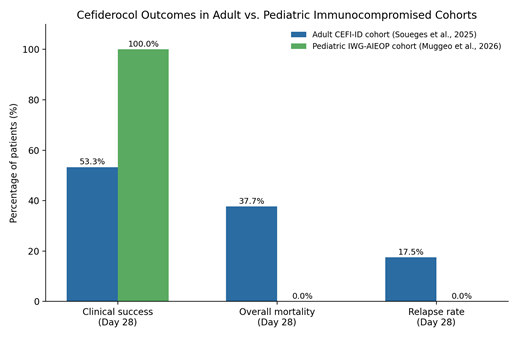
Laying the adult and pediatric evidence side by side produces a picture that is, frankly, a little jarring. The retrospective, national multicenter CEFI-ID study anchors the adult experience, having evaluated 114 highly fragile, immunocompromised adults treated for multidrug-resistant Gram-negative infection (Soueges et al., 2025). Within this cohort—spanning hematological malignancy, SOT, and HSCT recipients—cefiderocol achieved a clinical success rate of 53.3% at day 28 (Soueges et al., 2025) [Table 1; Figure 3]. That figure tracks reasonably closely with pivotal Phase III trial data, suggesting that immunocompromised status does not, by itself, blunt the drug's in vivo performance (Soueges et al., 2025).

Yet the same cohort reveals persistent difficulty: day-28 overall mortality of 37.7% (attributable mortality 25.4%), and an exceptionally high relapse rate—17.5% by day 28, rising by a further 9.8% among survivors by day 90 (Soueges et al., 2025) [Figure 3]. These relapses clustered predominantly among patients with Pseudomonas aeruginosa respiratory infection, and treatment-emergent resistance was documented in five cases by day 90, primarily involving P. aeruginosa and S. maltophilia (Soueges et al., 2025).

The pediatric IWG-AIEOP cohort tells an almost inverted story (Muggeo et al., 2026). Across 13 profoundly neutropenic children (15 infectious episodes), clinical resolution and survival at 90 days reached 100% [Figure 3]. Bloodstream infection was present in 10 of the 15 episodes, and 11 of 15 isolates carried a metallo-beta-lactamase gene (10 blaVIM, 1 blaNDM)—arguably a more resistant pathogen profile than the adult cohort, yet with dramatically better outcomes (Muggeo et al., 2026).

Two factors plausibly explain this divergence: early, targeted initiation of cefiderocol at weight-adjusted dosing (60 mg/kg every 8 hours), and its universal use in combination with colistin or colistin-plus-fosfomycin, which appears to have provided synergistic clearance while suppressing in vivo resistance emergence

Figure 3. Comparative cefiderocol outcomes in adult versus pediatric immunocompromised cohorts. Bars contrast day-28 clinical success, day-28 overall mortality, and day-28 relapse rate between the 114-patient adult CEFI-ID cohort and the 13-patient (15-episode) pediatric IWG-AIEOP cohort. Despite a comparable or more resistant metallo-beta-lactamase-driven pathogen profile in children, pediatric outcomes were markedly more favorable, plausibly reflecting earlier initiation and near-universal combination dosing with colistin or fosfomycin. Data from Soueges et al. (2025) and Muggeo et al. (2026).

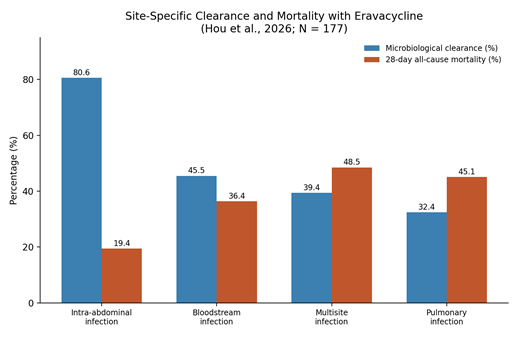
Figure 4. Site-specific microbiological clearance and 28-day all-cause mortality with eravacycline across four infection sites in a prospective cohort of 177 immunocompromised patients with carbapenem-resistant organism infection. Clearance was highest in intra-abdominal infection (80.6%) and lowest in pulmonary infection (32.4%), with mortality correspondingly elevated at the pulmonary site, reflecting known pharmacokinetic and biofilm-related barriers to lung drug penetration. Data from Hou et al. (2026).

(Muggeo et al., 2026). Tolerability was excellent, with the only notable adverse event being a mild, self-limiting chromaturia—'red wine urine syndrome'—in two patients receiving concurrent red-cell transfusion (Muggeo et al., 2026).

4.2 Site-Specific and Host-Stratified Performance of Eravacycline

Eravacycline's clinical utility for carbapenem-resistant organism (CRO) infection in immunocompromised hosts is dictated, quite heavily, by anatomical site and host-specific factors (Hou et al., 2026). In a prospective multicenter study of 177 patients, overall microbiological clearance reached 51.4%, against a 28-day all-cause mortality of 35.6% (Hou et al., 2026). Decoupling the aggregate figure, however, reveals a stark polarization [Figure 4]: clearance reached an impressive 80.6% in complicated intra-abdominal infection but collapsed to just 32.4% in the lung, a degradation attributed to poor drug penetration across the pulmonary barrier, local biofilm formation, and frequent concurrent fungal co-infection (Hou et al., 2026) (Table 2).

Host immune status stratified outcomes just as sharply. Solid organ transplant recipients achieved a 78.2% clearance rate, largely reflecting eravacycline's effective use as first-line preemptive therapy for donor-derived infection (Hou et al., 2026). Clearance rates fell precipitously, by contrast, to 18.5% among patients with severe sepsis—a finding that points, not unreasonably, to the limitations of a fixed 50 mg every-12-hour dosing regimen in hyperdynamic, critically ill physiology (Hou et al., 2026). Pathogen susceptibility followed a comparable pattern: clearance reached 86.7% for carbapenem-resistant Escherichia coli but fell to 32.6% for carbapenem-resistant Klebsiella pneumoniae and 35.4% for polymicrobial CRO infection, underscoring the limits of eravacycline monotherapy against high-inoculum, complex bacterial consortia (Hou et al., 2026).

4.3 Clinical Reappraisal of Temocillin as a Targeted Carbapenem-Sparing Agent

As clinical practice has gradually moved away from reflexive carbapenem use, temocillin has undergone something of a renaissance as a targeted, narrow-spectrum alternative for ESBL- and AmpC-producing Enterobacterales (Cosimi et al., 2025) [Table 3]. Its performance, though, is highly site-dependent. In the urinary tract, where renal excretion concentrates the drug favorably, Delory et al. (2021) reported a 94% clinical cure rate in ESBL-producing complicated UTI—even though 56% of the cohort were immunocompromised kidney transplant recipients—while Dinh et al. (2022) reported 86.7% cure with multivariable analysis confirming that immunosuppression was not itself a risk factor for failure.

Outside the urinary tract, efficacy declines meaningfully: Alexandre et al. (2021) documented early clinical failure rates of just 4.9% in UTI but 26.7% in non-UTI infection. In bacteremia specifically, Oosterbos et al. (2022) reported 92% overall clinical success but a 20% failure rate among profoundly immunocompromised patients with bacteremia originating from lower respiratory or intra-abdominal sources (Cosimi et al., 2025). Taken together, temocillin appears to be a genuinely useful carbapenem-sparing option for localized or urinary infection, but one that demands careful patient selection—rather than blanket adoption—in systemic or high-severity disease (Cosimi et al., 2025).

4.4 Aligning Outcomes with Pathogen Resistance Profiles

None of the clinical successes or failures described above occur in a vacuum; they are, in large part, explained by the resistance phenotypes of the pathogens actually circulating in oncology, pediatric, and critical care units (Deng et al., 2026; Singer et al., 2024) [Table 4]. Among Gram-negative bacilli isolated from adult acute leukemia patients with bloodstream infection, third-generation cephalosporin resistance is strikingly high—75.0% in E. coli and 83.3% in K. pneumoniae—while ciprofloxacin resistance exceeds 91% (Deng et al., 2026). Carbapenem resistance (meropenem) affects 58.3% of K. pneumoniae isolates in these wards, effectively neutralizing standard empiric beta-lactams and helping to explain the 42.9% mortality associated with CRE bacteremia noted earlier (Deng et al., 2026). Nationwide pediatric oncology surveillance corroborates this trend, with 57.1% of K. pneumoniae isolates ESBL-positive, reinforcing the clinical case for carbapenem-sparing agents such as temocillin or novel beta-lactamase inhibitors (Sękowska et al., 2024).

Perhaps most strikingly, Ralstonia mannitolilytica—a less commonly discussed non-fermenter—displays a profile of near-total pan-resistance, with 100% resistance to ceftazidime, cefepime, meropenem, and imipenem, leaving ceftazidime/avibactam or cefiderocol as essentially the only viable options (Deng et al., 2026). On the Gram-positive side, pediatric leukemia bloodstream infections

Table 1. Clinical and microbiological characteristics of cefiderocol in real-world adult and pediatric cohorts. This table compiles observational, case-series, and retrospective cohort data describing cefiderocol dosing strategies, primary pathogens, and clinical outcomes across eleven adult and one pediatric international cohort published between 2020 and 2026. Cohorts vary widely in the proportion of immunocompromised patients, infection site, and use of monotherapy versus combination regimens, illustrating the heterogeneous real-world evidence base underpinning current cefiderocol stewardship guidance. Compiled from Di Bartolomeo et al. (2026), Soueges et al. (2025), and Muggeo et al. (2026), with additional primary cohort data from Zingg et al. (2020), Bleibtreu et al. (2021), Falcone et al. (2022), Piccica et al. (2023), Palermo et al. (2023), Karruli et al. (2023), Oliva et al. (2024), Augello et al. (2025), and Rauch et al. (2025).

Study (Year)

Country/Setting

Design

N

Immunocompromised (%)

Primary Pathogens

Main Sites

FDC Dosing/Regimen

Clinical Success (%)

Mortality (%)

Zingg et al. (2020)

Switzerland; ICU

Case series

8

100.0%

CRAB, P. aeruginosa, K. pneumoniae (MBL)

Bone, lung, blood

Standard dosing; mostly combination

87.5%

12.5%

Bleibtreu et al. (2021)

France; multicenter

Retrospective cohort

13

100.0%

CRPA, CRAB, CRE

RTI, blood, tissue

2 g q8h (3h infusion); rescue

53.8%

46.2%

Falcone et al. (2022)

Italy; single-center

Case-control

124 (47 FDC vs 77 COL)

45.0%

CRAB

BSI, VAP

Mono (n=15) vs combo (n=32)

68.0% vs 44.0%

34.0% vs 55.8%

Piccica et al. (2023)

Italy; multicenter

Retrospective

142

35.2%

CRAB, CRPA, CRE

VAP, BSI, SSTI, cUTI

Mono (n=70) vs combo (n=72)

58.0%

37.0%

Palermo et al. (2023)

Italy; single-center

Retrospective cohort

41

48.8%

CRAB, CRPA, CRE

Pneumonia, BSI, IAI

Mono (n=31) vs combo (n=10)

56.1%

36.6%

Karruli et al. (2023)

Italy; single-center

Retrospective

28

39.3%

CRAB, CRPA, S. maltophilia

RTI, BSI, SSTI, cUTI

Renal-adjusted; rescue

71.4%

18.4%

Oliva et al. (2024)

Italy; single-center

Retrospective cohort

104 (50 FDC vs 54 COL)

50.0%

CRAB

BSI

Combo in 75.0%

72.0% vs 48.0%

36.0% vs 42.6%

Augello et al./CEFI-BAC (2025)

Italy; multicenter

Retrospective

239

43.1%

CRAB (64.9%), Klebsiella (MBL)

Blood, VAP/HAP, abscess

Mono 43.9%; combo 56.1%

61.2%

29.0% (6x in NDM)

Rauch et al. (2025)

USA; single-center

Retrospective cohort

76

38.2%

Enterobacterales (78%), P. aeruginosa, CRAB

VAP, BSI, SSTI, cUTI, cIAI

Rescue; variable combination

65.8%

20.0%

Soueges et al./CEFI-ID (2025)

France; multicenter

Retrospective national

114

100.0%

P. aeruginosa (56%), S. maltophilia, CRAB, CRE

Respiratory, UTI, IAI, BSI

Mono 49.1%; combo 50.9%

53.3%

37.7% (52.2% at day 90)

Muggeo et al./IWG-AIEOP (2026)

Italy; multicenter

Retrospective pediatric

13 (15 episodes)

100.0%

P. aeruginosa, K. pneumoniae, S. maltophilia

BSI, pneumonia, abscess

60 mg/kg q8h; 100% combination

100.0%

0.0%

Table 2. Clinical efficacy and microbiological clearance of eravacycline in immunocompromised populations, stratified by host immune status, causative pathogen, and anatomical infection site. Data are drawn from a single prospective multicenter cohort (N = 177) and demonstrate that eravacycline's real-world performance depends far more on host and anatomical context than on any uniform drug-level efficacy estimate, informing where the agent should—and should not—be prioritized. Source: Hou et al. (2026).

Stratification Category

Subgroup

N

Microbiological Clearance (%)

Non-Clearance (%)

28-day Mortality (%)

Discharge/Recovery (%)

Host Immune Status

Organ transplantation

78

78.2%

15.4%

24.4%

71.8%

Host Immune Status

Malignancy

25

36.0%

56.0%

40.0%

44.0%

Host Immune Status

Sepsis

27

18.5%

66.7%

51.9%

29.6%

Host Immune Status

Major trauma/surgery

21

47.6%

42.9%

33.3%

52.4%

Host Immune Status

Chronic conditions

26

23.1%

61.5%

38.5%

38.5%

Pathogen

E. coli (CREC)

30

86.7%

6.7%

9.7%

83.9%

Pathogen

K. pneumoniae (CRKP)

66

32.6%

56.5%

30.4%

60.9%

Pathogen

A. baumannii (CRAB)

36

44.4%

41.7%

38.9%

44.4%

Pathogen

Polymicrobial CRO

65

35.4%

56.9%

50.0%

28.1%

Anatomical Site

Pulmonary

71

32.4%

50.7%

45.1%

35.2%

Anatomical Site

Intra-abdominal

62

80.6%

16.1%

19.4%

77.4%

Anatomical Site

Bloodstream

11

45.5%

36.4%

36.4%

45.5%

Anatomical Site

Multisite

33

39.4%

57.6%

48.5%

36.4%

are dominated by MRSA (36.6% of all infections), uniformly resistant to penicillin and oxacillin; linezolid remains the most dependable therapeutic backbone here, maintaining 91% effectiveness in pediatric oncology trials, followed by teicoplanin and vancomycin (Singer et al., 2024).

5. Real-World Antimicrobial Effectiveness, Resistance Drivers, Stewardship, Future Directions

5.1 Reconciling Divergent Outcomes Across Populations

Perhaps the most striking pattern to emerge from this synthesis is how little the same drug behaves the same way twice. Cefiderocol produced barely better than a coin-flip's worth of clinical success in French adults (53.3%) yet cured every single child in the Italian pediatric cohort (Soueges et al., 2025; Muggeo et al., 2026). It would be convenient to attribute this entirely to age-related physiology, and pharmacokinetic differences almost certainly play some role. But the more parsimonious explanation, and the one this review leans toward, is practice pattern: pediatric clinicians used cefiderocol early and always in combination, whereas the adult cohort's real-world messiness—delayed initiation, monotherapy in roughly half of cases, and, notably, unnecessary use in patients whose organisms were actually susceptible to standard alternatives—likely diluted its apparent effectiveness (Soueges et al., 2025; Muggeo et al., 2026). If that interpretation holds, the implication is not that cefiderocol is inherently weaker in adults, but that timing and combination strategy may matter as much as the molecule itself (Di Bartolomeo et al., 2026).

5.2 Site of Infection as an Underappreciated Determinant of Success

A second theme, threaded through nearly every agent reviewed here, is that anatomical site of infection deserves at least as much weight in treatment selection as the resistance genotype does. Eravacycline's split personality—excellent in the abdomen, poor in the lung—is the clearest illustration (Hou et al., 2026), but temocillin shows much the same pattern, thriving in the urinary tract while faltering in bacteremia from respiratory or intra-abdominal sources (Cosimi et al., 2025). Cefiderocol, fortunately, appears to be something of an exception, given its favorable intrapulmonary penetration (Di Bartolomeo et al., 2026)—which is one reason it, rather than eravacycline, is increasingly favored for nosocomial pneumonia in this population.

5.3 The Persistent Problem of Metallo-Beta-Lactamases

MBL-producing organisms—NDM in particular—recur throughout this literature as a genuine Achilles' heel. They erode cefiderocol's reliability [Table 1], they render ceftazidime/avibactam inactive without adjunctive aztreonam (Vougiouklakis et al., 2025), and their presence in pediatric isolates (10 of 15 in the AIEOP cohort carried blaVIM) suggests that even favorable pediatric outcomes may not persist as NDM prevalence rises globally (Muggeo et al., 2026). This is arguably the single resistance mechanism most in need of a genuinely novel therapeutic solution, rather than incremental modification of existing beta-lactam scaffolds.

5.4 Stewardship as a Clinical, Not Merely Administrative, Imperative

It is worth dwelling, for a moment, on the finding that nearly a quarter of cefiderocol-treated adults in CEFI-ID actually harbored organisms susceptible to standard-of-care alternatives (Soueges et al., 2025). This is not a minor footnote; it is arguably the most actionable finding in the entire body of real-world evidence reviewed here, because every unnecessary course of a last-line agent both exposes a fragile patient to avoidable risk and accelerates the resistance that will eventually erode the drug's usefulness for patients who truly need it. Rapid diagnostics, disciplined post-prescription review, and a willingness to de-escalate once susceptibility data return should be considered as central to good outcomes as the choice of molecule itself (Soueges et al., 2025; Di Bartolomeo et al., 2026).

5.5 Toward Microbiome-Sparing and Predictive Strategies

Looking beyond individual molecules, this review's synthesis of phage therapy, probiotic-phage consortia, and machine-learning-guided stewardship (Mafe & Büsselberg, 2025; Ataei-Alamdari et al., 2026; Sakagianni et al., 2025) suggests a coherent, if still immature, second front in this fight—one aimed not at killing pathogens more aggressively but at preserving the very microbial ecosystem whose collapse, as described in Figure 1, precipitates infection in the first place. Whether these strategies mature into routine oncologic practice will depend less on biological plausibility, which appears reasonably solid, than on resolving regulatory ambiguity and establishing standardized quality-control frameworks (Mafe & Büsselberg, 2025).

Table 3. Clinical trials and real-world evaluation of temocillin as a carbapenem-sparing agent for ESBL- and AmpC-producing Enterobacterales. Studies are ordered chronologically and span cystic fibrosis, urinary tract, bloodstream, bone/joint, and lower respiratory infections, collectively demonstrating that temocillin's efficacy is highest in urinary and localized infection and lowest in systemic or bacteremic disease. Compiled from the narrative review by Cosimi et al. (2025) and primary studies including Kent et al. (2008), Balakrishnan et al. (2011), Laterre et al. (2015), Habayeb et al. (2015), Delory et al. (2021), Alexandre et al. (2021), Heard et al. (2021), Edlund et al. (2022), Oosterbos et al. (2022), Dinh et al. (2022), Enoch et al. (2022), Van den Broucke et al. (2022), Kandil et al. (2023), Bayart et al. (2024), Mamona Kilu et al. (2024), Lahouati et al. (2024), and Brousse et al. (2025).

Study (Year)

Design/Setting

Indication

Pathogens

N

Dosing

Clinical Success (%)

Key Findings

Kent et al. (2008)

Retrospective, multicenter

CF pulmonary exacerbation

P. aeruginosa, B. cepacia

26

Variable, CF-adjusted

69.2% (FEV1 improvement)

Similar pulmonary outcomes to comparators

Balakrishnan et al. (2011)

Retrospective, multicenter

UTI, BSI, pneumonia

MDR Enterobacterales

92

4 g/day IV

86.0%

Microbiological cure in 84.0%; stable agent

Laterre et al. (2015)

RCT, multicenter (ICU)

UTI, IAI, LRTI

MDR Enterobacterales

32

6 g/day (continuous vs intermittent)

87.5%

Continuous infusion improved PK/PD attainment

Habayeb et al. (2015)

Retrospective, single-center

Severe HAP

AmpC/ESBL Enterobacterales

94

4 g/day, ~6.8 days

82.0%

Temocillin + amoxicillin effective carbapenem-sparing HAP strategy

Delory et al. (2021)

Retrospective, multicenter

Complicated UTI

ESBL Enterobacterales

72

4 g/day, 14 days

94.0%

56% immunocompromised SOT/renal recipients; outcomes unaffected

Alexandre et al. (2021)

Retrospective, single-center

Complicated UTI & non-UTI

ESBL Enterobacterales

153

2 g q12h or q8h

95.1% (UTI) vs 73.3% (non-UTI)

30-day mortality 1.6% (UTI) vs 13.3% (non-UTI)

Heard et al. (2021)

Retrospective, single-center

Complicated UTI & LRTI

Invasive Enterobacterales

205

4 g/day, ~5.9 days

79.5%

Higher success in UTI (85.8%) vs LRTI (67.9%)

Edlund et al. (2022)

RCT Phase IV, multicenter

Febrile UTI

E. coli, Klebsiella spp.

77

2 g q8h IV

89.6%

Less ecological disruption to gut microbiota

Oosterbos et al. (2022)

Retrospective, single-center

BSI

E. coli, Klebsiella, P. mirabilis

172

2 g q12h or q8h

92.0%

20% failure among profoundly immunocompromised

Dinh et al. (2022)

Retrospective, multicenter

Complicated UTI (ESBL+)

ESBL Enterobacterales

113

5.4 ± 1.5 g/day

86.7%

Immunosuppression (54%) not a risk factor for failure

Enoch et al. (2022)

Retrospective, single-center

Complicated UTI (ESBL+)

ESBL Enterobacterales

24

4 g/day, 6 days

91.7%

8.0% recurrence at 30 days

Van den Broucke et al. (2022)

Prospective, single-center

Complicated UTI (OPAT)

MDR Enterobacterales

50

4 g/day IV via OPAT

85.7%

Stable for 24h at 37°C in elastomeric pumps

Kandil et al. (2023)

Retrospective, single-center

IAI, LRTI, UTI

MDR Enterobacterales

126

4 g/day, 5 days

88.9%

Fast carbapenem de-escalation; minimal nephrotoxicity

Bayart et al. (2024)

Retrospective, single-center

Pediatric febrile UTI

ESBL Enterobacterales

36

Weight-adjusted, 7 days

100.0%

Confirmed efficacy/safety in children

Mamona Kilu et al. (2024)

Retrospective, multicenter

LRTI, complicated IAI

ESBL Enterobacterales

163

≥6 g/day (63.6%)

71.9%

Failure (28.1%) linked to delayed initiation

Lahouati et al. (2024)

Retrospective, single-center

Bone/joint infection

ESBL Enterobacterales

17

6 g/day, ~42 days

66.7%

Prolonged high-dose therapy well tolerated

Brousse et al. (2025)

Retrospective, multicenter

Complicated UTI & BJI

AmpC producers

67

4.2 g/day (mean)

89.0%

Highly effective against AmpC producer

Table 4. Comparative antimicrobial resistance profiles of Gram-negative and Gram-positive pathogens isolated from hematological, oncology, pediatric, and critical-care populations. Resistance rates are stratified by pathogen and antibiotic class, drawn from four independent surveillance and cohort datasets, and collectively illustrate the near-total erosion of standard beta-lactam and fluoroquinolone efficacy against key pathogens in immunocompromised populations, underscoring the rationale for novel-agent adoption described in Sections 2 and 4. Data from Deng et al. (2026), Animasaun et al. (2026), Singer et al. (2024), Sękowska et al. (2024), and Muggeo et al. (2026).

Pathogen

Reference

Specimen Source

N

3rd-Gen Cephalosporin Resistance

Carbapenem Resistance

Fluoroquinolone Resistance

Aminoglycoside Resistance

Reserve Agent Resistance

E. coli

Deng et al. (2026)

Blood (leukemia)

48

Ceftriaxone 75.0%

Meropenem 18.8%

Ciprofloxacin 91.7%

Amikacin 8.3%

Tigecycline 2.1%

K. pneumoniae

Deng et al. (2026)

Blood (leukemia)

24

Ceftriaxone 83.3%

Meropenem 58.3%

Ciprofloxacin 95.8%

Amikacin 33.3%

Tigecycline 4.2%

P. aeruginosa

Deng et al. (2026)

Blood (leukemia)

19

Ceftazidime 10.5%

Meropenem 21.1%

Ciprofloxacin 10.5%

Amikacin 0.0%

Tigecycline 84.2%

R. mannitolilytica

Deng et al. (2026)

Blood (leukemia)

8

Ceftazidime 100.0%

Meropenem 100.0%

Ciprofloxacin 12.5%

Amikacin 87.5%

Tigecycline 12.5%

E. coli

Animasaun et al. (2026)

Wound swab

24

Ceftazidime 95.8%

Imipenem 95.8%

Ciprofloxacin 79.2%

Gentamicin 95.8%

Colistin 33.3%

Klebsiella spp.

Animasaun et al. (2026)

Wound swab

35

Ceftazidime 88.6%

Imipenem 66.7%

Ciprofloxacin 65.7%

Gentamicin 88.6%

Colistin 44.4%

P. mirabilis

Animasaun et al. (2026)

Wound swab

15

Ceftazidime 60.0%

Imipenem 93.3%

Ciprofloxacin 0.0%

Gentamicin 40.0%

Colistin 60.0%

MRSA

Singer et al. (2024)

Pediatric leukemia (mixed)

11

Oxacillin 100.0%

Ertapenem 0.0%

Ciprofloxacin 37.0%

Gentamicin 45.0%

Linezolid 9.1%

MSSA

Singer et al. (2024)

Pediatric leukemia (mixed)

6

Ceftriaxone 88.0%

Meropenem 0.0%

Ciprofloxacin 0.0%

Amikacin 33.3%

Clindamycin 16.7%

K. pneumoniae

Sękowska et al. (2024)

Pediatric PHO/HSCT

527

ESBL-positive 57.3%

Variable (low)

Ciprofloxacin 4.5%

Amikacin 28.6%

MDR phenotype 34.0%

P. aeruginosa

Muggeo et al. (2026)

Pediatric hematology

11

Ceftolozane/tazobactam 100.0%

Meropenem 100.0%

Levofloxacin 100.0%

Amikacin 100.0%

blaVIM+ 90.9%

5.6 Limitations

This review is not without important limitations. It draws almost entirely on observational, retrospective data, with the attendant risks of selection bias and confounding by indication; sample sizes for several agents (temocillin, pediatric cefiderocol) remain modest; outcome definitions and follow-up windows vary across studies, complicating direct comparison; and, as a narrative rather than systematic review, no formal risk-of-bias assessment or meta-analytic pooling was undertaken. Readers should therefore interpret the comparative figures presented here as hypothesis-generating rather than definitive.

5.7 Implications for Future Research

The clearest path forward, in our view, is prospective, stratified trials—stratified by host immune status, anatomical site, and underlying resistance mechanism—rather than further unselected, all-comer cohorts. Longitudinal genomic surveillance to track treatment-emergent resistance, standardized iron-depleted susceptibility testing platforms for cefiderocol, and pragmatic trials comparing monotherapy against combination regimens in clearly defined high-risk subgroups (septic shock, MBL-producing organisms, CRAB) would meaningfully advance the field beyond where the current evidence base leaves us.

6. Conclusion

Taken as a whole, this rewritten manuscript reframes multidrug-resistant infection management in immunocompromised hosts as fundamentally an exercise in matching—matching agent to site, regimen to resistance mechanism, and timing to host vulnerability, rather than searching for a single superior drug. Cefiderocol, ceftazidime/avibactam, eravacycline, and temocillin each occupy a distinct, evidence-supported niche, while stewardship failures and metallo-beta-lactamase resistance remain the most consequential threats to sustained efficacy. Future prospective, stratified trials, alongside standardized diagnostics and continued exploration of microbiome-sparing alternatives, are needed to translate this fragmented evidence base into consistent, reproducible clinical benefit for one of medicine's most vulnerable patient populations.


Author Contributions

A.M.A.A. contributed to the conception and design of the review, literature search, data extraction, analysis and synthesis of the relevant evidence, and drafting of the manuscript. S.O.A.A. contributed to the literature search, interpretation of evidence concerning antimicrobial agents, resistance patterns, and therapeutic outcomes, and critical revision of the manuscript. A.F.S.A. contributed to the analysis and interpretation of clinical evidence in immunocompromised populations and critically revised the manuscript. M.M.M.M. contributed to the literature review, evaluation of antimicrobial efficacy, dosing, and safety evidence, and critical revision of the manuscript. A.A.A. contributed to the analysis of resistance emergence and non-traditional therapeutic strategies and critically revised the manuscript. M.A.J.K. contributed to the interpretation of clinical and microbiological evidence and critical revision of the manuscript for important intellectual content. All authors reviewed and approved the final version of the manuscript and agreed to be accountable for all aspects of the work.

Acknowledgements

The authors would like to acknowledge National Guard Health Care in Qassim, Saudi Arabia, for providing academic and institutional support during the preparation of this review. The authors also acknowledge the researchers whose published studies contributed to the scientific foundation of this work.

References


Ai, M.-Y., & Chang, W.-L. (2026). Comparative effectiveness and safety of monotherapy and defined combination regimens for Stenotrophomonas maltophilia infections: A network meta-analysis. Germs, 16(1), 1–18.

Alexandre, K., Leysour de Rohello, F., Dahyot, S., Etienne, M., Tiret, I., Gillibert, A., Pestel-Caron, M., & Caron, F. (2021). Efficacy of temocillin against MDR Enterobacterales: A retrospective cohort study. Journal of Antimicrobial Chemotherapy, 76(3), 784–788. https://doi.org/10.1093/jac/dkaa502

Animasaun, O. S., Abdullahi, I. N., Akomolafe, B. K., Balogun, M. S., Gobir, I. B., Niyang, P. M., Animasaun, O. P., Ogundana, N. F., Raji, Y. E., Njoku, K. A., Ikelionwu, J. O., Sanni, F. O., Akinjoko, F. E., Ogundokun, O. O., Kehinde, A. O., & Ogbolu, D. O. (2026). Epidemiology and antimicrobial resistance patterns of Gram-negative pathogens recovered from clinical specimens in Nigeria. IJID Regions, 20, 100952. https://doi.org/10.1016/j.ijregi.2026.100952

Ataei-Alamdari, S., Alimardani, F., Afkhami, H., Kashfi, M., & Yousefi, M. H. (2026). Synergistic potential of probiotics and bacteriophages in combating multidrug-resistant microbial infections: A novel therapeutic strategy for the post-antibiotic era. New Microbes and New Infections, 72, 101804.

Augello, M., Di Bartolomeo, F., Varisco, B., Timelli, L., Bartoletti, M., Bonfanti, P., & Caston, J. J. (2025). Real-world use of cefiderocol as monotherapy or combination therapy for the treatment of Gram-negative bacterial infections: The multicentre retrospective CEFI-BAC study. International Journal of Infectious Diseases, 163, 108305. https://doi.org/10.1016/j.ijid.2025.108305

Balakrishnan, I., Awad-El-Kariem, F. M., Aali, A., Kumari, P., & Heard, K. L. (2011). Temocillin for the treatment of multi-drug resistant Enterobacteriaceae infections. Journal of Antimicrobial Chemotherapy, 66(11), 2622–2625. https://doi.org/10.1093/jac/dkr315

Bayart, J., Drouet, J., Peycelon, M., Mariani, P., Le Roux, E., Husain, M., Agar, J., Bonacorsi, S., & Caseris, M. (2024). Temocillin for febrile urinary tract infections caused by ESBL-producing Enterobacteriaceae in children: A monocentric exposed/non-exposed study. Journal of Antimicrobial Chemotherapy, 79(4), 918–922. https://doi.org/10.1093/jac/dkae021

Bleibtreu, A., Dortet, L., Bonnin, R. A., Wyplosz, B., Sacleux, S. C., & Mihaila, L. (2021). Susceptibility testing is key for the success of cefiderocol treatment: A retrospective cohort study. Microorganisms, 9(2), 282. https://doi.org/10.3390/microorganisms9020282

Brousse, X., Lahouati, M., Dias Meireles, V., Rignol, L., Bientz, L., Xuereb, F., & Dauchy, F.-A. (2025). Real-world use of temocillin in the treatment of complicated urinary tract infections and bone and joint infections caused by AmpC β-lactamase-producing Enterobacterales. JAC-Antimicrobial Resistance, 7(1), dlae199. https://doi.org/10.1093/jacamr/dlae199

Carbonell, N., Oltra, M. R., & Clari, M. Á. (2024). Stenotrophomonas maltophilia: The landscape in critically ill patients and optimising management approaches. Antibiotics, 13(7), 577.

Cosimi, L., Zerbato, V., Grasselli Kmet, N., Oliva, A., Cogliati Dezza, F., Geremia, N., Cattaneo, D., Nadrah, K., Pirs, M., Saletinger, R., Nunnari, A., Mearelli, F., Di Girolamo, F. G., Avena, G., Russo, R., Fabiani, C., Venturini, S., Principe, L., & Nicolò, G. M. (2025). Temocillin: A narrative review of its clinical reappraisal. Antibiotics, 14(9), 859. https://doi.org/10.3390/antibiotics14090859

Delory, T., Gravier, S., Le Pluart, D., Gaube, G., Simeon, S., Davido, B., Piet, E., Lepeule, R., Lesprit, P., & Lafaurie, M. (2021). Temocillin versus carbapenems for urinary tract infection due to ESBL-producing Enterobacteriaceae: A multicenter matched case-control study. International Journal of Antimicrobial Agents, 58(3), 106361. https://doi.org/10.1016/j.ijantimicag.2021.106361

Deng, S.-M., Wei, W.-J., Duan, T.-J., & Jiang, Z.-P. (2026). Risk factors and outcomes of bloodstream infection with multidrug-resistant bacteria in adult patients with acute leukemia. Journal of Infection and Public Health, 19, 103088. https://doi.org/10.1016/j.jiph.2025.103088

Di Bartolomeo, F., Augello, M., & Marchetti, G. (2026). Cefiderocol in clinical practice: From randomised trials to real-world evidence in the management of multidrug-resistant Gram-negative bacterial infections. Journal of Infection, 93, 106821. https://doi.org/10.1016/j.jinf.2026.106821

Dinh, A. S., Le Banner, E., Camelena, F., Larcher, R., Pantel, A., Melica, G., & Soueges, S. (2022). Real-world multicentre study of temocillin treatment of infections caused by ESBL-producing Enterobacterales: TEMO-ESBL. Journal of Infection, 84(4), 393–395. https://doi.org/10.1016/j.jinf.2022.01.018

Duhaniuc, A., Paduraru, D., Nastase, E.-V., Trofin, F., Iancu, L.-S., Sima, C.-M., & Dorneanu, O.-S. (2024). Multidrug-resistant bacteria in immunocompromised patients. Pharmaceuticals, 17(9), 1151.

Edlund, C., Ternhag, A., Skoog Ståhlgren, G., Edquist, P., Östholm Balkhed, Å., Athlin, S., Månsson, E., Tempé, M., Bergström, J., & Giske, C. G. (2022). The clinical and microbiological efficacy of temocillin versus cefotaxime in adults with febrile urinary tract infection, and its effects on the intestinal microbiota: A randomised multicentre clinical trial in Sweden. The Lancet Infectious Diseases, 22(3), 390–400. https://doi.org/10.1016/S1473-3099(21)00407-2

Enoch, D. A., Al-Hasan, M. N., Lahr, B. D., Eckel-Passow, J. E., & Baddour, L. M. (2022). Clinical outcomes of temocillin use for complicated urinary tract infections caused by ESBL-producing Enterobacterales in outpatients. JAC-Antimicrobial Resistance, 4(2), dlac086. https://doi.org/10.1093/jacamr/dlac086

Falcone, M., Tiseo, G., Leonildi, A., Della Sala, L., Vecchione, A., Barnini, S., & Menichetti, F. (2022). Cefiderocol- compared to colistin-based regimens for the treatment of severe infections caused by carbapenem-resistant Acinetobacter baumannii. Antimicrobial Agents and Chemotherapy, 66(5), e02142-21. https://doi.org/10.1128/aac.02142-21

Habayeb, H., Sajin, B., Patel, K., Grundy, C., Al-Dujaili, A., & Van de Velde, S. (2015). Amoxicillin plus temocillin as an alternative empiric therapy for the treatment of severe hospital-acquired pneumonia: Results from a retrospective audit. European Journal of Clinical Microbiology & Infectious Diseases, 34(8), 1693–1699. https://doi.org/10.1007/s10096-015-2400-y

Heard, K. L., Killington, K., Mughal, N., Moore, L. S. P., & Hughes, S. (2021). Clinical outcomes of temocillin use for invasive Enterobacterales infections: A single-centre retrospective analysis. JAC-Antimicrobial Resistance, 3(1), dlab005. https://doi.org/10.1093/jacamr/dlab005

Hou, Y., Zhang, L., Li, H., Zhong, L., Zhang, H., Tang, T., Zheng, X., Zhou, R., Lv, S., Que, G., Tan, B., Chen, L., Hsu, Y., Hu, H., Shen, J., Yue, B., Chen, K., Di, W., Guo, L., Chen, L., Yu, H., Huang, K., Huang, X., Pan, C., Yang, H., & Pan, L. (2026). Efficacy, safety, and population pharmacokinetics of eravacycline for carbapenem-resistant organism infections in immunocompromised hosts: A multicenter prospective cohort study. International Journal of Antimicrobial Agents, 67, 107795. https://doi.org/10.1016/j.ijantimicag.2026.107795

Jaber, F., El Rawas, S., Faraj, S., Al Zoghby, L., Bou Khalil, J., Abdulhalim, R., Al Accad, Y., & Kanafani, Z. A. (2026). Value of the Pitt bacteremia score in predicting the outcome of nonbacteremic patients with infections caused by multidrug-resistant organisms. International Journal of Infectious Diseases, 171, 108960.

Juzbašic, T., Andrijaševic, N., Ferencak, I., Juric, D., Šoprek, S., Poje Janeš, V., Žmak, L., Tambic Andraševic, A., & Gveric Grginic, A. (2025). Emergence of multidrug-resistant Campylobacter jejuni in a common variable immunodeficiency patient: Evolution of resistance under the selective antibiotic pressure. Tropical Medicine and Infectious Disease, 10(6), 165.

Kandil, H., Larcher, R., Pantel, A., Melica, G., & Soueges, S. (2023). Fast de-escalation of carbapenems using temocillin in critically ill patients: A retrospective monocentric analysis. Annals of Intensive Care, 13(1), 52. https://doi.org/10.1186/s13613-023-01121-w

Karruli, A., Massa, A., Andini, R., Marrazzo, T., Ruocco, G., Zampino, R., & Durante-Mangoni, E. (2023). Clinical efficacy and safety of cefiderocol for resistant Gram-negative infections: A real-life, single-centre experience. International Journal of Antimicrobial Agents, 61(2), 106723. https://doi.org/10.1016/j.ijantimicag.2022.106723

Kent, L., Jousset, A. B., Dortet, L., & Bonnin, R. A. (2008). Retrospective multicenter review of temocillin use for acute pulmonary exacerbations in patients with cystic fibrosis. Journal of Cystic Fibrosis, 7(1), 43–48. https://doi.org/10.1016/j.jcf.2007.04.004

Lahouati, M., Brousse, X., Dias Meireles, V., Rignol, L., Bientz, L., Xuereb, F., & Dauchy, F.-A. (2024). Real-life use of temocillin in the treatment of bone and joint infections due to extended spectrum β-lactamase-producing Enterobacterales. JAC-Antimicrobial Resistance, 6(4), dlae171. https://doi.org/10.1093/jacamr/dlae171

Laterre, P. F., De Jongh, R., Hens, R., Basma, V., Mouton, J. W., Tulkens, P. M., & Carryn, S. (2015). Continuous versus intermittent infusion of temocillin, a directed-spectrum penicillin for intensive care patients with nosocomial pneumonia: Stability, compatibility, population pharmacokinetic studies, and breakpoint selection. Journal of Antimicrobial Chemotherapy, 61(2), 382–388. https://doi.org/10.1093/jac/dkm431

Mafe, A. N., & Büsselberg, D. (2025). Phage therapy in managing multidrug-resistant (MDR) infections in cancer therapy: Innovations, complications, and future directions. Pharmaceutics, 17(7), 820.

Mamona Kilu, C., Menvielle, C., Cataldi, A., Hamon, A., Duran, C., Mwamba, C., Tesmoingt, C., Bouabdallah-Perrin, L., Touche, P., & Chanh Hew Wai, A. (2024). Effectiveness of temocillin in treatment of non-urinary tract infections caused by ESBL-producing Enterobacterales and risk factors for failure. JAC-Antimicrobial Resistance, 6(6), dlae164. https://doi.org/10.1093/jacamr/dlae164

Muggeo, P., Galaverna, F., Chiusaroli, L., Perruccio, K., Coccia, P., Baccelli, F., Boccieri, E., Rosignoli, C., De Leonardis, F., Santoro, N., & Cesaro, S. (2026). Cefiderocol in children with hematologic malignancies—The multicenter retrospective experience of the Infection Working Group of the Italian Pediatric Hematology and Oncology Association (AIEOP). Journal of Clinical Medicine, 15(8), 3100. https://doi.org/10.3390/jcm15083100

Oliva, A., Liguori, L., Covino, S., Petrucci, F., Cogliati-Dezza, F., Curtolo, A., & Venditti, M. (2024). Clinical effectiveness of cefiderocol for the treatment of bloodstream infections due to carbapenem-resistant Acinetobacter baumannii during the COVID-19 era: A single-center, observational study. European Journal of Clinical Microbiology & Infectious Diseases, 43(6), 1149–1160. https://doi.org/10.1007/s10096-024-04812-7

Oosterbos, J., Schalkwijk, M., Thiessen, S., Oris, E., Coppens, G., Lagrou, K., & Steensels, D. (2022). Clinical and microbiological evaluation of temocillin for bloodstream infections with Enterobacterales: A Belgian single-centre retrospective study. JAC-Antimicrobial Resistance, 4(2), dlac086. https://doi.org/10.1093/jacamr/dlac086

Palermo, G., Medaglia, A. A., Pipitò, L., Rubino, R., Costantini, M., Accomando, S., & Cascio, A. (2023). Cefiderocol efficacy in a real-life setting: Single-centre retrospective study. Antibiotics, 12(4), 746. https://doi.org/10.3390/antibiotics12040746

Piccica, M., Spinicci, M., Botta, A., Bianco, V., Lagi, F., Graziani, L., & Bartoloni, A. (2023). Cefiderocol use for the treatment of infections by carbapenem-resistant Gram-negative bacteria: An Italian multicentre real-life experience. Journal of Antimicrobial Chemotherapy, 78(11), 2752–2761. https://doi.org/10.1093/jac/dkad301

Rauch, S. G., Potter, M. H., & Kobic, E. (2025). A retrospective study of cefiderocol utilization and associated outcomes at an academic medical center. Infectious Disease Reports, 17(1), 12–19. https://doi.org/10.3390/idr17010002

Ravi, K., & Singh, B. (2024). ESKAPE: Navigating the global battlefield for antimicrobial resistance and defense in hospitals. Bacteria, 3(2), 76–98.

Sakagianni, A., Koufopoulou, C., Koufopoulos, P., Feretzakis, G., Anastasiou, A., Theodorakis, N., & Myrianthefs, P. (2025). Influence of microbiome interactions on antibiotic resistance development in the ICU environment: Insights and opportunities with machine learning. Acta Microbiologia Hellenica, 70, 14.

Sekowska, A., Czyzewski, K., Jaremek, K., Zalas-Wiecek, P., Zajac-Spychala, O., Wachowiak, J., Szmydki-Baran, A., Hutnik, L., Gietka, A., Gryniewicz-Kwiatkowska, O., Semczuk, K., Dzierzanowska-Fangrat, K., Czogala, W., Balwierz, W., Zak, I., Tomaszewska, R., Szczepanski, T., Bien, E., Irga-Jaworska, N., Machnik, K., Urbanska-Rakus, J., Pajak, S., Plonowski, M., Krawczuk-Rybak, M., Królak, A., Ociepa, T., Urasinski, T., Wawryków, P., Peregud-Pogorzelski, J., Brzeski, T., Mycko, K., Manko-Glinska, H., Badowska, W., Urbanek-Dadela, A., Karolczyk, G., Stolpa, W., Skowron-Kandzia, K., Mizia-Malarz, A., Pierlejewski, F., Mlynarski, W., Musial, J., Chaber, R., Zawitkowska, J., Zaucha-Prazmo, A., Drabko, K., Gozdzik, J., Fraczkiewicz, J., Salamonowicz-Bodzioch, M., Kalwak, K., & Styczynski, J. (2024). Infections with Klebsiella pneumoniae in children undergoing anticancer therapy or hematopoietic cell transplantation: A multicenter nationwide study. Journal of Clinical Medicine, 13(14), 4078. https://doi.org/10.3390/jcm13144078

Singer, C. E., Popescu, A. I. S., Varu?, R. M., Popescu, M., Loredana, D., Radivojevic, K., & Octavia, P. I. (2024). Bacterial pathogen profiles and antibiotic resistance in pediatric leukemia patients: Insights for optimizing infection management in immunocompromised children. Antibiotics, 13(12), 1234. https://doi.org/10.3390/antibiotics13121234

Soueges, S., Faure, E., Parize, P., Lanternier-Dessap, F., Lecuyer, H., Huynh, A., Martin-Blondel, G., Gaborit, B., Blot, M., Magallon, A., Blanchard, E., Brousse, X., Lahouati, M., Brunel, A.-S., Le Banner, E., Camelena, F., Larcher, R., Pantel, A., Melica, G., Razazi, K., Danion, F., Schramm, F., Dumitrescu, O., Hoellinger, B., & Ader, F. (2025). Real-world multicentre study of cefiderocol treatment of immunocompromised patients with infections caused by multidrug-resistant Gram-negative bacteria: CEFI-ID. Journal of Infection, 90(1), 106376. https://doi.org/10.1016/j.jinf.2024.106376

Torre-Cisneros, J., et al. (2025). PERSEUS: Real-world early-access experience with cefiderocol in Spain [Multicentre retrospective study]. As cited in Cosimi et al. (2025) and related secondary sources.

Van den Broucke, E., Thijs, L., Desmet, S., Vander Elst, L., Gijsen, M., Mylemans, M., Van de Gaer, O., Peetermans, W. E., Quintens, C., & Spriet, I. (2022). Clinical efficacy of temocillin standard dosing in patients treated with outpatient antimicrobial therapy. Pharmaceutics, 14(11), 2289. https://doi.org/10.3390/pharmaceutics14112289

Vougiouklakis, G., Tsioutis, C., Vasileiadi, N., Alexakis, K., Spernovasilis, N., & Agouridis, A. P. (2025). Ceftazidime/avibactam monotherapy versus other antibiotics: Where do we stand? Pathogens, 14(11), 1119.

Zingg, S., Nicoletti, G. J., Kuster, S., Junker, M., Widmer, A., & Egli, A. (2020). Cefiderocol for extensively drug-resistant Gram-negative bacterial infections: Real-world experience from a case series and review of the literature. Open Forum Infectious Diseases, 7(6), ofaa185. https://doi.org/10.1093/ofid/ofaa185

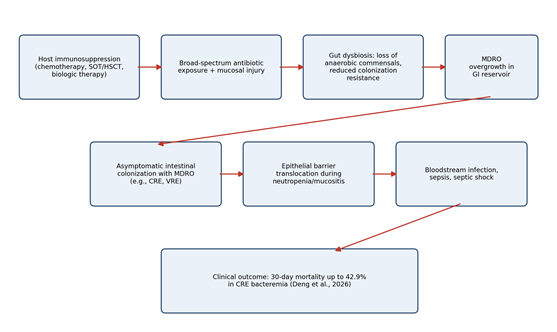
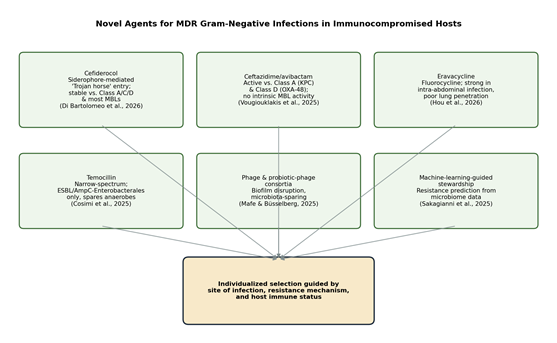
Article metrics
View details
0
Downloads
0
Citations
35
Views

View Dimensions


View Plumx


View Altmetric


0
Save
0
Citation
35
View
0
Share