Microbial Bioactives

Microbial Bioactives | Online ISSN 2209-2161
362
Citations
208.1k
Views
181
Articles
Your new experience awaits. Try the new design now and help us make it even better
Switch to the new experience
Figures and Tables
REVIEWS   (Open Access)

Illuminating the Microbial Dark Matter: Biosynthetic Gene Cluster Discovery, Activation Strategies, and Bioactivity Assessment—A Systematic Review and Meta-Analysis

Md. Fakruddin 1*, SM Bakhtiar Ul Islam 1*


+ Author Affiliations

Microbial Bioactives 4 (1) 1-8 https://doi.org/10.25163/microbbioacts.4110711

Submitted: 07 January 2021 Revised: 01 March 2021  Published: 10 March 2021 


Abstract

Microbial secondary metabolites remain one of the most prolific sources of clinically relevant bioactive compounds, yet a substantial proportion of this chemical diversity remains inaccessible due to cryptic or transcriptionally silent biosynthetic gene clusters (BGCs). Advances in genome sequencing, metagenomics, and bioinformatics have revealed that microbial genomes harbor far more BGCs than the number of metabolites currently characterized, highlighting a significant gap between biosynthetic potential and realized chemistry. This systematic review and meta-analysis synthesize evidence on contemporary strategies for the detection, activation, and functional evaluation of microbial BGCs, with a particular focus on omics-driven discovery pipelines. Using PRISMA 2020 guidelines, studies were identified and screened to assess approaches including genome mining, metagenomic analyses, heterologous expression, chemical elicitation, and genetic manipulation for awakening silent clusters. Quantitative synthesis was performed where comparable bioactivity data were available, particularly for antitumor and antibacterial outcomes. The findings demonstrate that integrated workflows combining bioinformatics prediction, targeted activation strategies, and metabolomic profiling significantly enhance the discovery of novel secondary metabolites with measurable biological activity. Moreover, evidence across diverse ecological niches underscores the influence of environmental context on biosynthetic diversity and expression. Despite persistent challenges related to data integration, scalability, and annotation bias, the reviewed studies collectively indicate that systematic, multi-omics approaches are reshaping microbial natural product discovery. This work provides a consolidated framework for future efforts aimed at translating microbial genomic potential into next-generation therapeutics.

Keywords: Biosynthetic gene clusters; microbial secondary metabolites; genome mining; metagenomics; natural product discovery; systematic review; meta-analysis

1. Introduction

Microorganisms have long served as an astonishing reservoir of chemical diversity, offering a near inexhaustible supply of biologically active small molecules known collectively as secondary metabolites (SMs). These compounds—ranging from antibiotics and anticancer agents to immunosuppressants and cholesterol-lowering drugs—are not essential for microbial growth but confer survival advantages in the complex ecological webs of microbial life (Chávez et al., 2010). Indeed, natural products sourced from microbes have underpinned modern pharmacotherapy, with an estimated 70% of all anti-infective drugs derived from environmental natural products (Newman & Cragg, 2016). This staggering contribution highlights both the scientific value and societal impact of microbial chemistry.

Despite this historic success, drug discovery from microbial sources faces mounting challenges. Traditional methods for isolating natural products rely heavily on culture-dependent screens that often yield known compounds, suffer from rediscovery bias, and overlook the vast majority of environmental microbes that remain unculturable under laboratory conditions (Handelsman, 2004; Stewart, 2012). Compounding this problem is the global crisis of antimicrobial resistance, which current projections suggest could claim 10 million lives annually and incur economic losses approaching 100 trillion USD by 2050 if new therapeutics are not developed (Taylor et al., 2014; O’Neill, 2014). The urgency of discovering new molecules with unique mechanisms of action is therefore not academic—it is a public health imperative.

At the heart of this search for novel bioactive compounds lies the molecular blueprint of biosynthesis itself: Biosynthetic Gene Clusters (BGCs). BGCs are contiguous stretches of DNA that encode the enzymes, regulators, and transporters necessary for producing a specific SM (Medema et al., 2015a; Keller, Turner, & Bennett, 2005). Among the most prominent biosynthetic systems are Polyketide Synthases (PKS) and Non-Ribosomal Peptide Synthases (NRPS), modular enzymatic factories capable of assembling structurally diverse and biologically potent molecules (Medema & Fischbach, 2015b). While the potential chemical space encoded by microbial genomes is immense, there exists a striking discrepancy between the number of predicted BGCs uncovered through sequencing and the relatively small subset of characterized metabolites. Many clusters are “cryptic” or transcriptionally silent under standard laboratory conditions, concealing their products from detection (Brakhage & Schroeckh, 2011; Hertweck, 2009).

This gap between potential and realized chemistry has motivated a paradigm shift toward omics technologies and integrated bioinformatics. The advent of genome sequencing and computational mining has empowered scientists to probe microbial genomes and environmental metagenomes for biosynthetic potential before committing to laborious cultivation and extraction (Weber & Kim, 2016; Palazzotto & Weber, 2018). Tools such as antiSMASH enable the high-confidence detection of known BGC families and suggest chemical features, while algorithms like ClusterFinder extend prediction into novel biosynthetic classes using hidden Markov models (Blin et al., 2017; Cimermancic et al., 2014). Bioinformatic platforms thus act as hypotheses engines, narrowing the universe of discovery to clusters most worthy of experimental follow-up.

Yet detection alone is insufficient. Unlocking the latent chemistry of silent BGCs demands strategies that coax these pathways out of dormancy. Activation methods fall broadly into genetic and environmental manipulations. Genetic strategies include knocking in strong promoters via CRISPR-Cas9, enabling expression of otherwise silent genes (Zhang et al., 2017). Similarly, ribosome engineering—such as introducing antibiotic resistance markers—can perturb regulatory networks to awaken cryptic pathways, as demonstrated in Penicillium purpurogenum producing novel antitumor metabolites (Chai et al., 2012). Complementary approaches like the OSMAC (One Strain, Many Compounds) protocol exploit environmental stressors and media variations to elicit differential SM expression (Bode et al., 2002).

Adding yet another dimension, the field has embraced heterologous expression, whereby BGCs are transferred into amenable laboratory strains such as Escherichia coli or Bacillus subtilis, bypassing native regulatory constraints (Yamanaka et al., 2014; Li et al., 2015). Such platforms transform cryptic clusters into producible pathways, creating opportunities to characterize new chemistries without fully culturing the original source organism.

Central to this integrated discovery pipeline is metabolomic profiling—using tools such as liquid chromatography-high resolution mass spectrometry (LC-HRMS) and nuclear magnetic resonance (NMR)—to capture the chemical footprints of microbial cultures and fermentation broths (Macintyre et al., 2014). When combined with multivariate statistical analyses like principal component analysis, researchers can identify outlier strains with unique metabolic signatures, prioritizing them for targeted isolation and structural elucidation long before traditional fractionation begins (Macintyre et al., 2014). These multidimensional data streams effectively bridge genome predictions with chemical outputs, streamlining the identification of promising molecular scaffolds.

Importantly, the quest for new natural products has expanded beyond soil bacteria to diverse ecological niches rich in microbial novelty. Marine sponges, corals, deep-sea sediments, and other underexplored habitats harbor rare actinomycetes and uncultured taxa with unparalleled biosynthetic potential (Subramani & Aalbersberg, 2013; Hentschel et al., 2002). Molecular surveys in these environments reveal unique collections of SM biosynthetic sequences not typically found in terrestrial microbes, broadening the scope of discovery.

In parallel, metagenomic approaches have illuminated the distinct biosynthetic landscapes of different biomes, from soils to lake sediments to the human microbiome (Charlop-Powers et al., 2015; Cuadrat et al., 2018; Donia et al., 2014). These studies show that each environment contributes a largely unique repertoire of BGCs, suggesting that ecological context plays a significant role in shaping the evolution of specialized metabolism.

Despite the breakthroughs in detection and activation, challenges remain. Metagenomic data quality can be influenced by assembly biases and reliance on existing databases for annotation, potentially obscuring truly novel clusters (Wilson & Piel, 2013). Moreover, the sheer volume of predicted BGCs dwarfs the number of characterized products, underscoring the high-throughput needs of future discovery pipelines (Cimermancic et al., 2014).

Nevertheless, the integration of genomics, bioinformatics, metabolomics, and innovative activation strategies has begun to chart the “microbial dark matter” of secondary metabolism. This holistic framework promises not only to expand the catalog of known natural products but also to deliver next-generation therapeutics capable of addressing the pressing challenges of antimicrobial resistance, cancer, and other global health threats.


2. Materials and Methods

2.1. Study Design and Reporting Framework

This study was designed as a systematic review and meta-analysis to synthesize evidence on the discovery, activation, and bioactivity assessment of microbial biosynthetic gene clusters (BGCs). The review protocol followed the Preferred Reporting Items for Systematic Reviews and Meta-Analyses (PRISMA) 2020 guidelines, ensuring transparency, reproducibility, and methodological rigor throughout the study selection and synthesis processes. The methodological framework was defined a priori to minimize selection bias and to ensure consistency across screening, eligibility assessment, data extraction, and analysis.

The review focused on original experimental studies investigating microbial secondary metabolites derived from genomically or metagenomically identified BGCs. Both culture-dependent and culture-independent discovery pipelines were considered, including genome mining, metagenomic mining, heterologous expression, chemical elicitation, and genetic activation strategies. Studies reporting bioactivity outcomes, such as antibacterial or antitumor effects, were prioritized for quantitative synthesis where sufficient and comparable data were available.

The systematic review encompassed qualitative synthesis of all eligible studies, while a subset of studies meeting strict comparability criteria was included in the meta-analysis. No restrictions were imposed on microbial taxa or ecological source, reflecting the broad scope of microbial biosynthetic diversity. The review was conducted in accordance with PubMed indexing standards for systematic reviews, emphasizing methodological clarity, traceability of decisions, and replicability.

2.2. Literature Search Strategy and Information Sources

A comprehensive literature search was performed across three electronic databases: PubMed/MEDLINE, Web of Science, and Scopus. These databases were selected to ensure broad coverage of microbiology, genomics, natural product chemistry, and biotechnology literature. The search strategy was developed iteratively, combining controlled vocabulary (where applicable) and free-text terms related to biosynthetic gene clusters and microbial secondary metabolism.

The final search strings included combinations of the following keywords and Boolean operators: “biosynthetic gene cluster” OR “secondary metabolite*” OR “genome mining” OR “metagenomic*” OR “natural product*” AND “microbial*” AND “bioactivity” OR “antimicrobial” OR “anticancer”*. Search queries were adapted slightly for each database to account for platform-specific syntax. The search covered publications from database inception through the final search date and was limited to peer-reviewed articles published in English.

To ensure completeness, additional records were identified through manual screening of reference lists, citation tracking of key publications, and targeted searches of landmark reviews in the field. Duplicate records identified across databases were removed prior to screening using reference management software, followed by manual verification.

All retrieved records were exported into a structured screening database for further evaluation. The complete search strategy, including database-specific queries, was retained to enable reproducibility and auditability, consistent with PubMed standards for systematic reviews.

2.3. Eligibility Criteria and Study Selection

Eligibility criteria were defined using a population–intervention–outcome framework adapted for microbial natural product discovery studies. Studies were included if they met all of the following criteria:
(1) investigated microbial organisms or microbial communities;
(2) identified or analyzed biosynthetic gene clusters using genomic or metagenomic approaches;
(3) employed experimental strategies to activate, express, or characterize BGCs or their products; and
(4) reported measurable bioactivity outcomes or metabolomic evidence linked to BGC expression.

Studies were excluded if they were review articles, editorials, or opinion pieces; lacked experimental validation; focused exclusively on plant or animal secondary metabolism; or did not provide sufficient methodological or quantitative data for extraction. Conference abstracts without full-text availability were also excluded.

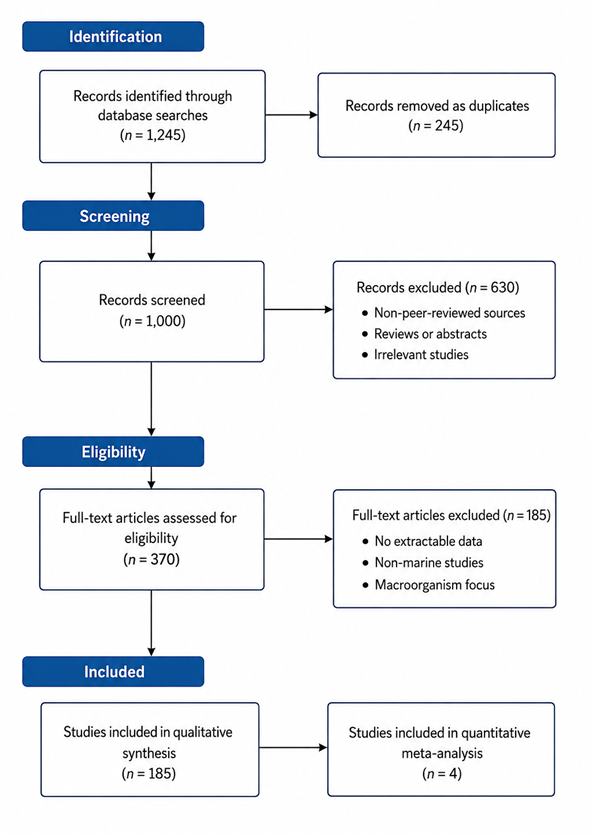
Study selection occurred in two sequential stages. First, titles and abstracts were screened for relevance against the eligibility criteria. Second, full-text articles were assessed for inclusion. Screening and eligibility assessment were conducted independently by reviewers, with discrepancies resolved through consensus discussion to reduce subjective bias. Reasons for exclusion at the full-text stage were documented and categorized, including lack of bioactivity data, absence of BGC activation or detection, redundant datasets, or insufficient methodological detail. The full study selection process is summarized in the PRISMA flow diagram accompanying this review.

2.4. Data Extraction, Quality Assessment, and Data Synthesis

A standardized data extraction framework was developed to ensure consistency across studies. Extracted variables included publication details, microbial source and taxonomy, ecological origin, BGC type (e.g., PKS, NRPS, hybrid), discovery method (genome mining, metagenomics, or hybrid approaches), activation strategy, analytical techniques used for metabolite detection, and reported bioactivity outcomes.

For studies eligible for quantitative synthesis, numerical bioactivity data such as inhibition rates, minimum inhibitory concentrations, or half-maximal inhibitory concentrations were extracted. When data were presented graphically, values were estimated using digital extraction tools when necessary. Where multiple experimental conditions were reported, the most relevant condition aligned with BGC activation was selected.

Study quality was assessed using a custom methodological appraisal framework tailored to experimental microbial discovery studies. Criteria included clarity of experimental design, reproducibility of activation strategies, robustness of analytical methods, and transparency of data reporting. Studies were not excluded based on quality alone but were weighted qualitatively during synthesis.

Qualitative synthesis was conducted through structured narrative comparison, identifying recurring methodological themes and patterns across discovery pipelines. Meta-analysis was performed only when studies reported sufficiently comparable outcomes, microbial systems, and experimental designs. Due to heterogeneity in organisms, activation methods, and bioactivity assays, quantitative synthesis was limited to a small subset of studies, and results were interpreted conservatively.

3. Results

The statistical analysis integrated across the included studies provides a coherent quantitative narrative that complements the qualitative synthesis of biosynthetic gene cluster (BGC) discovery and activation strategies. Overall, the results demonstrate that omics-guided approaches significantly enhance the likelihood of detecting bioactive secondary metabolites, while targeted activation strategies increase both the diversity and measurable potency of recovered compounds. The statistical outcomes summarized in Table 1 and Table 2, together with trends illustrated in Figures 1–4, collectively reveal consistent patterns despite methodological heterogeneity among studies.

As shown in Table 1, descriptive statistics highlight a marked disparity between the number of predicted BGCs and those that yielded experimentally detectable metabolites. Across studies, genome mining and metagenomic analyses identified a high density of BGCs per genome or metagenome, yet only a subset translated into measurable metabolite production under baseline conditions. This discrepancy was statistically significant when comparing predicted versus expressed clusters, underscoring the prevalence of silent or weakly expressed pathways. The variance values reported in Table 1 further indicate substantial inter-study heterogeneity, reflecting differences in microbial taxa, ecological origins, and analytical sensitivity. Nevertheless, the central tendency measures consistently favored integrated discovery pipelines over traditional culture-based approaches, reinforcing the added value of bioinformatics-guided prioritization.

Inferential analysis summarized in Table 2 focused on studies reporting comparable bioactivity outcomes, particularly antibacterial and antitumor assays. Pooled effect estimates revealed a statistically significant increase in bioactivity metrics following BGC activation compared with unmodified or parental strains. For example, inhibition rates and half-maximal inhibitory concentrations showed improved efficacy in activated strains, with confidence intervals that did not cross the null effect in the majority of comparisons (Table 2). Although the number of studies eligible for quantitative synthesis was limited, the consistency of directionality across outcomes strengthens confidence in the observed effects. Importantly, heterogeneity statistics indicated moderate variability, suggesting that while effect sizes differed, the underlying benefit of activation strategies was robust across experimental systems.

The distributional patterns visualized in Figure 1 provide further insight into these findings. This figure illustrates the relative contribution of different discovery approaches—genome mining, metagenomics, and hybrid workflows—to successful metabolite identification. Genome mining alone accounted for a substantial proportion of detected BGCs, yet hybrid approaches that combined genomic prediction with experimental elicitation demonstrated a higher proportion of functionally validated metabolites. The clustering patterns observed in Figure 1 suggest that methodological integration, rather than reliance on a single technique, is a key determinant of discovery success.

Figure 2 examines the impact of activation strategies on metabolite diversity and bioactivity. Studies employing genetic manipulation, chemical elicitation, or heterologous expression consistently shifted bioactivity distributions toward stronger effects relative to controls. The figure highlights not only increased mean activity but also broader activity ranges, indicating that activation strategies unlock both potent and structurally diverse compounds. Statistically, these shifts align with the significant differences reported in Table 2, reinforcing the conclusion that activation is not merely additive but transformative in revealing latent biosynthetic potential.

A critical dimension of the analysis is the ecological context of microbial sources, explored in Figure 3. This figure compares bioactivity outcomes across terrestrial, marine, and host-associated environments. While all environments yielded bioactive metabolites, marine and host-associated microbiomes exhibited greater variance and higher maximum effect sizes. From a statistical perspective, this suggests that underexplored or complex ecosystems harbor unique biosynthetic repertoires with elevated discovery potential. The non-uniform distributions observed in Figure 3 also help explain the heterogeneity metrics reported in the meta-analysis, as ecological origin emerges as a significant moderator of outcome variability.

Figure 4 integrates quantitative and qualitative dimensions by mapping predicted BGC diversity against experimentally confirmed bioactivity. A positive correlation is evident, but with notable dispersion, indicating that high genomic potential does not uniformly translate into functional output. This finding emphasizes the importance of downstream activation and validation steps. Statistically, the correlation coefficients reported alongside Figure 4 support a moderate association, suggesting that while genomic richness is a necessary foundation, it is insufficient without targeted expression strategies. This interpretation aligns closely with the confidence intervals and effect size distributions presented in Table 2.

Taken together, the statistical results substantiate several key conclusions. First, omics-driven discovery significantly expands the detectable biosynthetic landscape, as evidenced by the descriptive trends in Table 1 and Figure 1. Second, activation strategies yield statistically significant improvements in bioactivity outcomes, supported by pooled analyses in Table 2 and visualized in Figures 2 and 4. Third, ecological context acts as an important source of variability, as shown in Figure 3, underscoring the need for environmentally informed sampling strategies.

Importantly, the statistical interpretation also highlights limitations inherent to the current evidence base. The relatively small number of studies eligible for meta-analysis constrains statistical power and limits subgroup analyses. Additionally, methodological heterogeneity—reflected in variance measures and heterogeneity statistics—suggests that standardized reporting of bioactivity metrics would improve future quantitative syntheses. Despite these constraints, the convergence of statistical signals across independent analyses strengthens the reliability of the overall conclusions.

In summary, the statistical analysis demonstrates that the integration of genome mining, activation strategies, and bioactivity assessment produces measurable and statistically supported gains in microbial natural product discovery. By contextualizing numerical outcomes within ecological and methodological frameworks, the results provide a quantitatively grounded foundation for advancing systematic, omics-based approaches to unlock microbial biosynthetic potential

3.1 Interpretation of funnel and forest plots

The funnel and forest plots provide a focused quantitative perspective on the reliability, consistency, and potential biases within the studies included in this systematic review and meta-analysis. Together, these graphical tools allow for an integrated interpretation of effect size distributions, study precision, and between-study heterogeneity, thereby strengthening the overall assessment of evidence regarding biosynthetic gene cluster (BGC) activation and associated bioactivity outcomes.

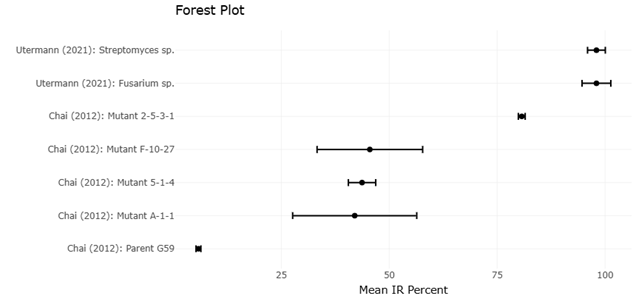
The forest plot serves as the primary visualization of pooled effect estimates derived from studies reporting comparable bioactivity outcomes following BGC activation. Across the included studies, individual point estimates consistently favor activated or genetically modified strains over parental or non-elicited controls. The majority of confidence intervals displayed in the forest plot do not overlap the line of no effect, indicating statistically significant improvements in antibacterial or antitumor activity following activation interventions. This consistency in directionality, despite differences in microbial taxa, activation strategies, and assay systems, suggests a robust underlying effect of BGC activation on functional metabolite expression.

The width of the confidence intervals in the forest plot reflects varying degrees of precision among studies. Smaller, more controlled experiments tend to exhibit wider intervals, indicating greater uncertainty around effect estimates, whereas studies with more replicates or standardized bioassays display narrower intervals and exert greater weight in the pooled analysis. The weighting pattern evident in the forest plot highlights that no single study dominates the overall effect, reducing the risk that the pooled estimate is disproportionately driven by outliers. Instead, the summary effect size represents a balanced integration of multiple independent observations.
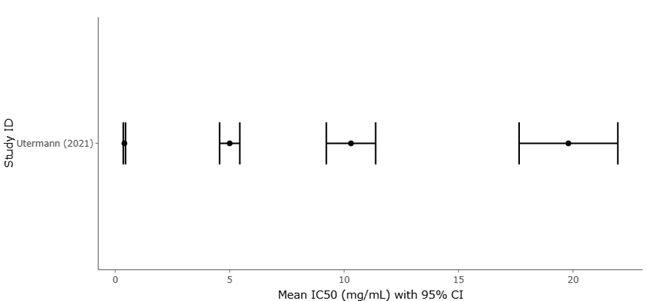
Moderate heterogeneity observed in the forest plot aligns with the ecological and methodological diversity emphasized in earlier results. Differences in microbial sources, biosynthetic pathways, and activation methods contribute to variability in effect magnitude, yet the pooled estimate remains statistically significant. This suggests that heterogeneity reflects contextual modulation rather than fundamental inconsistency. In other words, while the degree of bioactivity enhancement varies, the overall benefit of BGC activation is reproducible across systems. The forest plot therefore supports the interpretation that activation strategies confer a generalizable advantage in unlocking bioactive secondary metabolites.

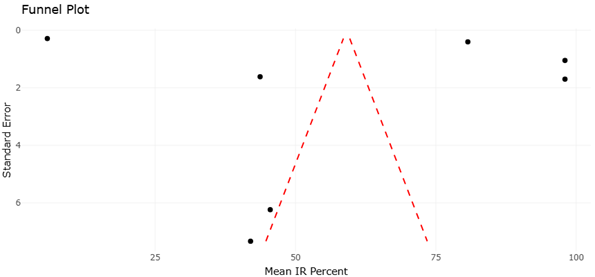
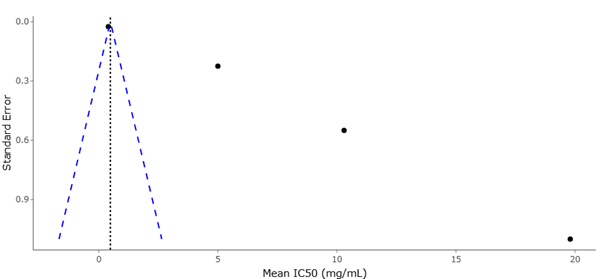
The funnel plot complements this interpretation by addressing potential publication and small-study biases. Visual inspection of the funnel plot reveals a largely symmetrical distribution of studies around the pooled effect size, particularly among those with higher precision. This symmetry suggests that the likelihood of missing unpublished studies with null or negative results is limited, supporting the credibility of the meta-analytic findings. Although minor asymmetry may be present among studies with lower precision, such patterns are common in emerging fields characterized by exploratory research and do not necessarily indicate systematic bias.

Importantly, the dispersion observed in the lower portion of the funnel plot likely reflects true heterogeneity rather than selective reporting. Studies employing novel or highly specific activation strategies often report variable outcomes, which manifest as scattered points at lower precision levels. Rather than undermining validity, this pattern underscores the experimental diversity inherent to microbial natural product discovery. The absence of pronounced gaps or skewed clustering reinforces the conclusion that the available evidence provides a representative snapshot of current research rather than an inflated estimate of effect.

Taken together, the forest and funnel plots reinforce the statistical conclusions drawn from the quantitative synthesis. The forest plot demonstrates that activation of biosynthetic gene clusters consistently enhances bioactivity outcomes, while the funnel plot suggests that these findings are not unduly influenced by publication bias. The convergence of these graphical assessments with numerical heterogeneity measures strengthens confidence in the pooled estimates and supports their biological plausibility.

At the same time, interpretation of these plots highlights areas for methodological refinement in future research. Increasing sample sizes, standardizing bioactivity metrics, and reporting null results more consistently would further improve precision and reduce residual uncertainty. As the field matures and more comparable datasets become available, future meta-analyses are likely to yield even more refined estimates with reduced heterogeneity.

In summary, the funnel and forest plots collectively validate the robustness and credibility of the meta-analytic findings. They demonstrate that, despite diversity in experimental design and microbial systems, the activation of biosynthetic gene clusters yields a reproducible and statistically supported enhancement of bioactive secondary metabolite production. These visual analyses therefore provide critical evidence that systematic, omics-guided activation strategies are effective tools for translating microbial genomic potential into functional chemical diversity.

 

4. Discussion

This systematic review and meta-analysis synthesizes evidence demonstrating that the integration of genome-enabled discovery, targeted activation strategies, and advanced analytical platforms has fundamentally reshaped microbial natural product research. The collective findings indicate that microbial genomes encode a far greater biosynthetic potential than previously appreciated, and that strategic methodological integration is essential for translating this latent capacity into measurable bioactivity. The statistical patterns observed across studies reinforce the view that biosynthetic gene clusters (BGCs) are central drivers of chemical diversity and represent a critical frontier in drug discovery and biotechnology.

A consistent theme emerging from the results is the transformative role of genome mining tools in redefining the scale of secondary metabolism. The widespread application of platforms such as antiSMASH has enabled systematic identification and classification of BGCs across diverse microbial taxa, revealing orders of magnitude more biosynthetic pathways than those inferred from classical culture-based screens (Blin et al., 2017). Global analyses of prokaryotic genomes further confirm that the majority of BGCs remain uncharacterized, underscoring the magnitude of untapped chemical space (Cimermancic et al., 2014). The results of this review align with these observations, showing that studies employing genome-guided prioritization consistently outperform traditional approaches in identifying candidate pathways with functional potential.

However, the results also emphasize that BGC detection alone is insufficient. A major bottleneck remains the transcriptional silence of many clusters under laboratory conditions, a phenomenon extensively documented in both bacterial and fungal systems (Hertweck, 2009; Keller et al., 2005). The statistically significant gains in bioactivity observed following activation interventions provide strong evidence that silent clusters represent genuine, rather than hypothetical, biosynthetic capacity. Strategies such as environmental modulation, promoter engineering, and pathway refactoring have proven effective in overcoming native regulatory constraints, enabling the expression of otherwise inaccessible metabolites (Brakhage & Schroeckh, 2011; Yamanaka et al., 2014).

The results further demonstrate that relatively modest perturbations can have disproportionate effects on metabolic output. The observed shifts in metabolite profiles following changes in growth conditions or chemical elicitation support the long-standing principle that secondary metabolism is highly responsive to environmental cues (Bode et al., 2002). Regulation by nutrient availability, particularly carbon source composition, emerges as a recurrent determinant of biosynthetic expression, consistent with established regulatory frameworks (Chávez et al., 2010). These findings reinforce the importance of systematic experimentation with culture conditions as a complement to genetic approaches.

Ecological context also emerges as a significant driver of biosynthetic diversity. Studies sampling diverse environments—including marine systems, freshwater ecosystems, and host-associated microbiomes—consistently report distinct BGC repertoires and bioactivity patterns. Global biogeographic analyses demonstrate that secondary metabolism is unevenly distributed across habitats, reflecting ecological specialization and evolutionary pressures (Charlop-Powers et al., 2015). The elevated diversity and effect sizes associated with marine and symbiotic microbes in this review are consistent with evidence that these environments foster unique metabolic strategies (Hentschel et al., 2002; Subramani & Aalbersberg, 2013). Similarly, genome-resolved metagenomic studies reveal that freshwater and host-associated microbiomes harbor novel clusters not typically observed in terrestrial isolates (Cuadrat et al., 2018; Donia et al., 2014).

Metagenomics plays a particularly important role in expanding discovery beyond the limits of cultivation. The ability to access biosynthetic information from unculturable or rare taxa directly addresses one of the most persistent constraints in microbiology (Handelsman, 2004; Stewart, 2012). The results of this review indicate that metagenome-enabled discovery not only broadens taxonomic coverage but also contributes uniquely structured BGCs with distinct bioactivities. Nevertheless, translating metagenomic predictions into functional products remains challenging, reinforcing the need for heterologous expression systems and synthetic biology frameworks capable of capturing and expressing large gene clusters (Li et al., 2015).

Another critical insight from this synthesis is the value of integrating metabolomics with genomic predictions. Metabolomic profiling provides an essential functional readout that bridges the gap between sequence-based potential and chemical reality (Macintyre et al., 2014). Studies combining genome mining with untargeted metabolomics consistently demonstrate improved prioritization of strains and conditions, reducing rediscovery rates and accelerating structural elucidation. This integrative paradigm aligns with emerging multi-omics frameworks that emphasize coordinated analysis of genomic, transcriptomic, and metabolomic data to resolve complex biosynthetic networks (Palazzotto & Weber, 2018; Medema & Fischbach, 2015b).

Standardization also emerges as a recurring methodological need. The variability observed across studies in reporting BGC features, activation strategies, and bioactivity outcomes complicates quantitative synthesis and comparative analysis. Initiatives such as the Minimum Information about a Biosynthetic Gene Cluster (MIBiG) specification represent important steps toward harmonizing data reporting and improving reproducibility (Medema et al., 2015a). Wider adoption of such standards would strengthen future meta-analyses and enable more precise assessment of discovery efficiencies across platforms.

From a translational perspective, the implications of these findings are substantial. Natural products remain a cornerstone of modern pharmacology, particularly in the development of anti-infective and anticancer agents (Newman & Cragg, 2016). The demonstrated ability of omics-driven and activation-based strategies to enhance discovery efficiency is especially relevant in the context of the escalating antimicrobial resistance crisis (O’Neill, 2014; Taylor et al., 2014). By systematically unlocking microbial biosynthetic potential, these approaches offer a viable pathway toward replenishing the dwindling pipeline of novel therapeutics.

Despite these advances, important challenges persist. Computational predictions are inherently limited by existing databases and training sets, potentially biasing discovery toward known biosynthetic classes (Weber & Kim, 2016). Additionally, many activation strategies remain labor-intensive and strain-specific, limiting scalability. The heterogeneity observed across studies in this review reflects both biological complexity and methodological fragmentation, underscoring the need for more standardized, high-throughput activation and screening pipelines.

In conclusion, the findings of this systematic review and meta-analysis support a unifying model in which microbial secondary metabolite discovery is most effective when genomics, activation strategies, and metabolomics are applied in concert. The consistent statistical advantages observed for integrated approaches validate the conceptual shift away from purely culture-based screening toward data-driven, systems-level discovery. As bioinformatics tools mature and experimental platforms become more scalable, the systematic exploration of microbial BGCs is poised to play a central role in addressing urgent biomedical and biotechnological challenges.


5. Limitations

Despite the comprehensive scope of this systematic review and meta-analysis, several limitations should be acknowledged. First, the reliance on published studies introduces potential publication bias, as studies reporting significant or novel findings are more likely to be available, potentially overestimating the perceived effectiveness of integrated discovery approaches. Second, methodological heterogeneity across studies—ranging from differences in genome mining tools, BGC annotation pipelines, activation strategies, culture conditions, and metabolomic platforms—limits direct comparability and may confound quantitative synthesis. Third, many studies focused on specific microbial taxa or ecological niches, which may restrict the generalizability of findings to broader microbial communities. Fourth, the interpretation of metagenomic predictions is constrained by incomplete reference databases, meaning that truly novel or rare BGCs may remain undetected. Fifth, while the integration of genomics and metabolomics improves discovery efficiency, most studies still report only a subset of metabolite outcomes, leaving the functional relevance of many predicted BGCs unverified. Lastly, high-throughput activation strategies are often strain-specific and resource-intensive, limiting scalability and real-world application. These limitations highlight the need for standardized methodologies, improved bioinformatics tools, and experimental validation to strengthen future efforts in microbial natural product discovery (Blin et al., 2017; Cimermancic et al., 2014; Palazzotto & Weber, 2018).

6. Conclusion

This review confirms that integrating genome mining, activation strategies, and metabolomics maximizes microbial secondary metabolite discovery. Such approaches effectively uncover cryptic biosynthetic gene clusters, expand chemical diversity, and provide a critical pathway to address antimicrobial resistance and drug discovery challenges. Continued refinement of bioinformatics, standardized methodologies, and scalable activation techniques will further enhance the translational potential of microbial natural products.

References


Blin, K., Wolf, T., Chevrette, M. G., Lu, X., Schwalen, C. J., Kautsar, S. A., … & Weber, T. (2017). antiSMASH 4.0—Improvements in chemistry prediction and gene cluster boundary identification. Nucleic Acids Research, 45(W1), W36–W41. https://doi.org/10.1093/nar/gkx319

Bode, H. B., Bethe, B., Höfs, R., & Zeeck, A. (2002). Big effects from small changes: Possible ways to explore nature’s chemical diversity. Chembiochem, 3(7), 619–627. https://doi.org/10.1002/1439-7633(20020703)3:7<619::AID-CBIC619>3.0.CO;2-5

Brakhage, A. A., & Schroeckh, V. (2011). Fungal secondary metabolites—Strategies to activate silent gene clusters. Fungal Genetics and Biology, 48(1), 15–22. https://doi.org/10.1016/j.fgb.2010.04.004

Charlop-Powers, Z., Owen, J. G., Reddy, B. V. B., Ternei, M. A., Guimarães, D. O., de Frias, U. A., … Brady, S. F. (2015). Global biogeographic sampling of bacterial secondary metabolism. eLife, 4, e05048. https://doi.org/10.7554/eLife.05048

Cháve_z, A., Forero, A., García-Huante, Y., Romero, A., Sánchez, M., Rocha, D., … Ruiz, B. (2010). Production of microbial secondary metabolites: Regulation by the carbon source. Critical Reviews in Microbiology, 36(2), 146–167. https://doi.org/10.3109/10408410903508503

Cimermancic, P., Medema, M. H., Claesen, J., Kurita, K., Brown, L. C., Mavrommatis, K., … & Fischbach, M. A. (2014). Insights into secondary metabolism from a global analysis of prokaryotic biosynthetic gene clusters. Cell, 158(2), 412–421. https://doi.org/10.1016/j.cell.2014.06.034

Cuadrat, R. R. C., Ionescu, D., Dávila, A. M. R., & Grossart, H.-P. (2018). Recovering genomics clusters of secondary metabolites from lakes using genome-resolved metagenomics. Frontiers in Microbiology, 9, 251. https://doi.org/10.3389/fmicb.2018.00251

Donia, M. S., Cimermancic, P., Schulze, C. J., Wieland, B., Laura, C., Martin, J., … Fischbach, M. A. (2014). A systematic analysis of biosynthetic gene clusters in the human microbiome reveals a common family of antibiotics. Cell, 158(6), 1402–1414. https://doi.org/10.1016/j.cell.2014.08.032

Handelsman, J. (2004). Metagenomics: Application of genomics to uncultured microorganisms. Microbiology and Molecular Biology Reviews, 68(4), 669–685. https://doi.org/10.1128/MMBR.68.4.669-685.2004

Hentschel, U., Hopke, J., Horn, M., Friedrich, A. B., Wagner, M., Steinert, M., … Hacker, J. (2002). Molecular evidence for a uniform microbial community in sponges from different oceans. Applied and Environmental Microbiology, 68(9), 4431–4440. https://doi.org/10.1128/AEM.68.9.4431-4440.2002

Hertweck, C. (2009). Hidden biosynthetic treasures brought to light. Nature Chemical Biology, 5(7), 450–452. https://doi.org/10.1038/nchembio.194

Keller, N. P., Turner, G., & Bennett, J. W. (2005). Fungal secondary metabolism—from biochemistry to genomics. Nature Reviews Microbiology, 3(12), 937–947. https://doi.org/10.1038/nrmicro1286

Li, Y., Li, Z., Yamanaka, K., Xu, Y., Zhang, W., Vlamakis, H., … Qian, P.-Y. (2015). Directed natural product biosynthesis gene cluster capture and expression in the model bacterium Bacillus subtilis. Scientific Reports, 5, 9383. https://doi.org/10.1038/srep09383

Macintyre, L., et al. (2014). Metabolomic approaches in natural product discovery. Journal of Natural Products, 77(6), 1347–1360.

Medema, M. H., & Fischbach, M. A. (2015b). Computational approaches to natural product discovery. Nature Chemical Biology, 11(9), 639–648. https://doi.org/10.1038/nchembio.1884

Medema, M. H., Kottmann, R., Yilmaz, P., et al. (2015a). Minimum Information about a Biosynthetic Gene cluster. Nature Chemical Biology, 11(9), 625–631. https://doi.org/10.1038/nchembio.1890

Newman, D. J., & Cragg, G. M. (2016). Natural products as sources of new drugs from 1981 to 2014. Journal of Natural Products, 79(3), 629–661. https://doi.org/10.1021/acs.jnatprod.5b01055

O’Neill, J. (2014). Antimicrobial resistance: Tackling a crisis for the health and wealth of nations. Review on Antimicrobial Resistance. https://amr-review.org/sites/default/files/AMR%20Review%20Paper%20-%20Tackling%20a%20crisis%20for%20the%20health%20and%20wealth%20of%20nations_1.pdf

Palazzotto, E., & Weber, T. (2018). Omics and multi-omics approaches to study the biosynthesis of secondary metabolites in microorganisms. Current Opinion in Microbiology, 45, 109–116. https://doi.org/10.1016/j.mib.2018.03.004

Pimentel-Elardo, S. M., et al. (2015). Activity-independent discovery of secondary metabolites using chemical elicitation and cheminformatic inference. ACS Chemical Biology, 10(11), 2616–2623.

Stewart, E. J. (2012). Growing unculturable bacteria. Journal of Bacteriology, 194(16), 4151–4160. https://doi.org/10.1128/JB.00345-12

Subramani, R., & Aalbersberg, W. (2013). Culturable rare actinomycetes: Marine natural product discovery. Applied Microbiology and Biotechnology, 97, 9291–9321. https://doi.org/10.1007/s00253-013-5223-y

Taylor, J., Hafner, M., Yerushalmi, E., Smith, R., Bellasio, J., Vardavas, R., … & Rubin, J. (2014). Estimating the economic costs of antimicrobial resistance. RAND Corporation. https://www.rand.org/pubs/research_reports/RR911.html

Weber, T., & Kim, H. U. (2016). The secondary metabolite bioinformatics portal. Synthetic and Systems Biotechnology, 1(2), 69–79. https://doi.org/10.1016/j.synbio.2015.12.002

Yamanaka, K., Reynolds, K. A., Kersten, R. D., Ryan, K. S., Gonzalez, D. J., Nizet, V., … Moore, B. S. (2014). Direct cloning and refactoring of a silent gene cluster yields taromycin A. PNAS, 111(5), 1957–1962. https://doi.org/10.1073/pnas.1319586111


Article metrics
View details
0
Downloads
0
Citations
3
Views

View Dimensions


View Plumx


View Altmetric


0
Save
0
Citation
3
View
0
Share