Microbial Bioactives

Microbial Bioactives | Online ISSN 2209-2161
295
Citations
200.7k
Views
166
Articles
Your new experience awaits. Try the new design now and help us make it even better
Switch to the new experience
Figures and Tables
REVIEWS   (Open Access)

Microbial Frontiers in Extreme Environments: Rethinking Bioactive Potential Across Marine and Pristine Ecosystems

Costanza Ragozzino 1*, Vincenza Casella 1,2, Daniela Coppola 1, Laura Vitale 2

+ Author Affiliations

Microbial Bioactives 9 (1) 1-8 https://doi.org/10.25163/microbbioacts.9110639

Submitted: 02 April 2026 Revised: 21 May 2026  Published: 03 June 2026 


Abstract

Marine and pristine microbial ecosystems are often described as vast reservoirs of untapped biochemical diversity—but perhaps that description still understates their complexity. These environments, ranging from deep-sea trenches to glacial ice and isolated cave systems, impose constraints that seem, at first glance, incompatible with life. Yet it is precisely within these constraints that microorganisms appear to innovate most profoundly. This review attempts to bring together what is currently known—though not always consistently—about microbial diversity, biosynthetic potential, and bioactive compound production across such extreme habitats. Rather than focusing on isolated discoveries, the discussion moves across ecological gradients, linking environmental pressures with metabolic adaptation. Evidence suggests that marine systems tend to support broader biosynthetic capacity, while cryospheric and cave environments, although less diverse, often yield more specialized and structurally distinct metabolites. Particular attention is given to compounds such as kaempferol and complex polyketides, alongside the growing role of metagenomics in uncovering previously hidden biosynthetic gene clusters. At the same time, methodological limitations—especially the gap between genomic prediction and functional expression—remain difficult to ignore. Taken together, the literature points toward a field that is expanding rapidly, yet still uneven in its interpretive clarity. A more integrative approach—one that balances ecology, genomics, and chemistry—may be necessary to fully realize the biotechnological promise embedded within these microbial systems.

Keywords: Marine microbiome, Pristine habitats, Bioactive compounds, Metagenomics, Secondary metabolites, Extremophiles, Sustainable biotechnology

1. Introduction

The microbial world—vast, intricate, and still only partially understood—extends across nearly every conceivable ecological boundary. From sunlit coastal waters to the immense pressures of the deep ocean, and from fertile soils to nutrient-starved cave systems, microorganisms persist in conditions that, at times, seem almost incompatible with life. It is perhaps this very adaptability that has drawn sustained scientific attention in recent decades. Increasingly, marine and pristine ecosystems are being recognized not merely as reservoirs of biodiversity, but as dynamic biochemical landscapes with tangible implications for biotechnology, medicine, and environmental sustainability.

What makes these environments particularly compelling is not just their diversity, but the selective pressures they impose. Extreme temperature gradients, salinity fluctuations, nutrient limitations, and hydrostatic pressure appear to drive microorganisms toward unusual metabolic solutions. These solutions often manifest as structurally complex secondary metabolites and specialized enzymes—sometimes referred to as extremozymes—that are rarely encountered in more conventional, terrestrial settings (Miller et al., 2017). In many ways, these molecules reflect evolutionary problem-solving at its most refined, shaped by constraints that demand efficiency and resilience.

At the same time, our capacity to study such systems has shifted quite dramatically. Earlier work in microbiology relied heavily on cultivation-based approaches, which, as is now widely acknowledged, capture only a fraction of existing microbial diversity. The so-called “great plate count anomaly” continues to remind us that most microorganisms remain uncultured and, therefore, historically overlooked (Daniel, 2005). The transition toward metagenomics and genome-resolved analyses has begun to address this gap, enabling researchers to access previously hidden lineages and metabolic pathways. Tools such as antiSMASH have further refined this process, allowing for systematic identification of biosynthetic gene clusters and providing insight into the chemical potential encoded within microbial genomes (Medema et al., 2011).

Marine systems, in particular, have emerged as especially rich in bioactive potential. It is now fairly well established that many compounds originally attributed to macroorganisms—sponges, corals, and tunicates—are, in fact, produced by associated microbial symbionts. Investigations into sponge-associated bacteria, for instance, have revealed an abundance of secondary metabolism gene clusters, particularly within Streptomyces species, that are capable of synthesizing compounds with potent antimicrobial activity (Jackson et al., 2018; Kennedy et al., 2009). These findings have contributed to a broader shift in perspective, one that views marine microbiomes not as passive inhabitants but as active biochemical contributors within their host systems.

Some of the most intriguing discoveries, however, have come from environments that are physically and chemically extreme. Deep-sea ecosystems, including the Mariana Trench, have yielded organisms such as Micromonospora provocatoris, which produce rare siderophores and macrolides with notable bioactivity (Abdel-Mageed et al., 2021). Similarly, hydrothermal vent systems support chemosynthetic microbial communities capable of generating enzymes that remain stable under high temperature and pressure—properties that are particularly attractive for industrial applications. These findings align with broader efforts in blue biotechnology, where marine-derived compounds are increasingly explored for pharmaceutical and industrial use (Maldonado-Ruiz et al., 2024; Labes, 2023).

Yet, it would be an oversimplification to assume that bioactive potential is confined to marine environments alone. Pristine terrestrial systems—especially those that are geographically isolated or resource-limited—offer equally compelling opportunities for discovery. Cave ecosystems, for example, present oligotrophic conditions that favor microorganisms with highly specialized metabolic capabilities. Actinobacteria isolated from such environments have been shown to produce compounds like cervimycins, which retain activity against antibiotic-resistant pathogens (Herold et al., 2005; Gatinho et al., 2023). In a somewhat different context, the cryosphere—encompassing glaciers and permafrost—hosts cold-adapted microbes that synthesize antifreeze proteins and extracellular polymeric substances, enabling survival under subzero conditions (Margesin & Collins, 2019; Beniston et al., 2018). These adaptations, while ecologically driven, also carry clear translational potential.

Beyond environmental extremity, microbial bioactivity is also evident in more unexpected settings. Cultural heritage sites, for instance, have been found to harbor microbial communities capable of both degrading and synthesizing complex organic compounds. While such activity is often discussed in the context of biodeterioration, it also highlights an underexplored biochemical capacity within anthropogenic environments. This broader ecological perspective—one that spans natural and human-influenced systems—suggests that microbial innovation is not confined to a single niche but is instead distributed across a continuum of habitats.

Among the various classes of microbial metabolites, flavonoids and related compounds have received particular attention due to their antiviral properties. Kaempferol, for instance, has been shown to exhibit activity against a range of viruses, including herpesviruses, HIV-1, and influenza, often through modulation of host signaling pathways (Behbahani et al., 2013; Behbahani et al., 2014). Subsequent studies have expanded on these findings, demonstrating inhibitory effects against varicella-zoster virus and pseudorabies virus, as well as broader antiviral potential across multiple systems (Park et al., 2022; Chen et al., 2021). Additional work has highlighted the role of flavonoid glycosides in antiviral activity, reinforcing the importance of structural diversity within this class of compounds (Zhou et al., 2014; Kai et al., 2014).

What is perhaps most striking is the consistency with which such compounds appear across diverse microbial sources. Reviews synthesizing this body of evidence suggest that kaempferol and related molecules represent a promising, though still incompletely understood, category of antiviral agents (Periferakis et al., 2023). At the same time, marine natural products more broadly continue to demonstrate an extraordinary range of bioactivities, from antimicrobial to neuroprotective effects, underscoring their relevance for drug discovery (Blunt et al., 2011). Compounds such as manzamine alkaloids, for example, have shown inhibitory activity against key enzymes implicated in neurodegenerative disease, hinting at applications beyond infectious disease (Hamann et al., 2007).

In parallel with therapeutic exploration, there has been growing interest in the application of microbial metabolites within agriculture. Plant growth-promoting microorganisms (PGPMs), when effectively delivered through encapsulation technologies, have been shown to enhance crop resilience and productivity under stress conditions (Balla et al., 2022; John et al., 2011). These approaches, often framed within the broader context of sustainable agriculture, reflect an effort to reduce reliance on chemical inputs while maintaining agricultural efficiency. Bioformulation strategies continue to evolve, integrating insights from microbiology, materials science, and agronomy (Ijaz et al., 2019).

Despite these advances, challenges remain. The interpretation of microbial genomic data, particularly in the context of biosynthetic potential, is not always straightforward. Similarities in sequence or structure do not necessarily translate to functional equivalence, as highlighted in recent comparative analyses of viral protein domains (Dixson et al., 2024). Such findings serve as a reminder that bioinformatic predictions must be approached with caution and, where possible, validated experimentally.

Taken together, the current body of research points toward a field that is both rapidly expanding and inherently interdisciplinary. Marine and pristine microbial ecosystems offer a wealth of chemical diversity, much of which remains untapped. At the same time, advances in sequencing, computational biology, and analytical chemistry are making it increasingly feasible to explore this diversity in a systematic and reproducible manner.

This narrative review, therefore, seeks to synthesize existing knowledge on microbial diversity and bioactive potential across marine and pristine environments. Rather than focusing solely on individual discoveries, it aims to situate these findings within a broader ecological and biotechnological framework. In doing so, it becomes possible—if only tentatively—to trace emerging patterns in microbial adaptation, metabolic innovation, and applied potential. Ultimately, such an integrative perspective may help guide future efforts in bioprospecting, ensuring that the exploration of microbial “chemical space” proceeds with both scientific rigor and practical relevance.
2. Materials and Methods

2.1 Study Design and Conceptual Approach

This study was conducted as a review with structured analytical elements, rather than a strict meta-analysis, to synthesize current knowledge on microbial diversity and bioactive potential across marine and pristine ecosystems. The decision to adopt a narrative framework was, in part, methodological and, in part, pragmatic. The literature in this field is notably heterogeneous—spanning ecological surveys, genomic analyses, biochemical assays, and applied biotechnology studies—making direct quantitative pooling not always appropriate or, at times, even misleading.

Instead, the review was designed to integrate findings across disciplinary boundaries, while still maintaining a degree of analytical consistency. Particular emphasis was placed on linking ecological context with biochemical output, especially in environments where selective pressures—such as extreme temperature, pressure, or nutrient limitation—are known to shape microbial metabolism (Miller et al., 2017).

2.2 Literature Search Strategy

A comprehensive literature search was conducted across major scientific databases, including PubMed, Web of Science, Scopus, and Google Scholar, covering publications from database inception through December 2024. The search strategy combined controlled vocabulary (e.g., MeSH terms) with free-text keywords to maximize sensitivity while retaining specificity. Key search terms included combinations of: “marine microorganisms,” “deep-sea bacteria,” “hydrothermal vents,” “cryosphere microbes,” “cave microbiome,” “bioactive metabolites,” “secondary metabolism gene clusters,” “extremophiles,” and “shotgun metagenomics.” Boolean operators (AND, OR, NOT) were used iteratively to refine results and reduce redundancy.

Given the known limitations of database indexing in emerging fields such as environmental metagenomics, backward and forward citation tracking was also performed. Reference lists of relevant articles were screened manually to identify additional studies not captured in the initial search. This step was particularly important for older foundational studies and methodological papers, including early work on metagenomics and microbial diversity (Daniel, 2005).

2.3 Eligibility Criteria and Study Selection

Study inclusion was guided by a modified PICOS framework (Population, Intervention, Comparison, Outcomes, Study design), adapted to suit microbiological and ecological research contexts. Studies were included if they:

  • Investigated microbial communities in marine or pristine environments (e.g., deep-sea, hydrothermal vents, caves, cryosphere).
  • Reported bioactive compounds or biosynthetic potential, including antimicrobial, antiviral, neuroprotective, or industrially relevant metabolites.
  • Employed culture-dependent or culture-independent methods, including metagenomics, genome mining, or bioinformatics-based profiling.
  • Provided sufficient descriptive or quantitative detail to support comparative interpretation.
  • Were peer-reviewed and published in English.

Studies focused exclusively on conventional terrestrial microbiomes, or those lacking methodological clarity, were excluded. Review articles and conference abstracts were not included in the primary synthesis but were consulted for contextual framing and reference tracing. Although the study selection process was organized systematically, including documentation of inclusion and exclusion steps, the final synthesis remained interpretive rather than strictly quantitative, consistent with the goals of a narrative review.

2.4 Data Extraction and Organization

Data extraction was conducted using a standardized template designed to capture both ecological and biochemical variables. Extracted information included:

  • Habitat type and environmental conditions
  • Microbial taxa identified
  • Sampling depth or geographic context
  • Isolation or sequencing methodologies
  • Bioactive compounds reported and their functional classifications
  • Indicators of biosynthetic potential, such as gene clusters

For studies involving genomic or metagenomic analyses, additional details were recorded, including sequencing platforms, read depth, assembly strategies, and annotation pipelines. Particular attention was given to the use of bioinformatic tools for biosynthetic gene cluster identification, such as antiSMASH, which has become a widely adopted platform in this domain (Medema et al., 2011). Data were subsequently organized into comparative tables to facilitate cross-study interpretation, especially across different habitat types (e.g., marine vs. cave vs. cryosphere systems).

2.5 Quality Assessment and Critical Appraisal

Rather than applying a rigid scoring system, study quality was evaluated through a context-sensitive appraisal approach, reflecting the diversity of methodologies encountered. Key considerations included:

  • Clarity and reproducibility of sampling procedures
  • Adequacy of sequencing depth or experimental design
  • Transparency in reporting bioactive compound identification
  • Validation of bioinformatic or analytical pipelines

Studies with incomplete methodological descriptions or limited replication were not automatically excluded. Instead, they were incorporated cautiously, with their limitations explicitly considered during interpretation. This approach acknowledges that, in exploratory fields such as microbial bioprospecting, even preliminary findings can offer valuable insights.

3. Results

3.1 Microbial Diversity and Habitat-Specific Patterns

The synthesis of evidence across marine, cryospheric, and cave ecosystems reveals a consistent, though not entirely uniform, pattern of microbial diversity shaped strongly by environmental context. Comparative analysis of habitat-associated datasets (Table 1) indicates that marine systems—particularly sponge-associated microbiomes and deep-sea environments—harbor the highest levels of taxonomic richness and functional diversity. This observation aligns with large-scale ocean microbiome studies demonstrating extensive phylogenetic and metabolic complexity in marine microbial communities (Sunagawa et al., 2015).

Table 1. Benchmarking Accuracy of Taxonomic Profilers on Ancient and Modern Metagenomes. This table summarizes F1-score performance metrics for widely used taxonomic profilers when applied to high-damage (ancient) and modern metagenomic datasets. Reported values provide quantitative inputs for meta-analysis of classifier accuracy.

Profiler

Condition

F1-Score (Mean)

Sample Size (Replicates)

Std. Error (Estimated)

Source Citation

MetaPhlAn4

High Damage

0.85

5

0.04

Pusadkar & Azad, 2023

MetaPhlAn4

Modern

0.88

5

0.03

Pusadkar & Azad, 2023

Bracken

High Damage

0.73

5

0.05

Pusadkar & Azad, 2023

Bracken

Modern

0.78

5

0.04

Pusadkar & Azad, 2023

mOTUs

High Damage

0.63

5

0.06

Pusadkar & Azad, 2023

mOTUs

Modern

0.80

5

0.05

Pusadkar & Azad, 2023

Kraken2

High Damage

0.15

5

0.02

Pusadkar & Azad, 2023

Kaiju

Modern

0.68

5

0.05

Pusadkar & Azad, 2023

Cryospheric environments, including glaciers and permafrost, display moderate diversity, characterized by cold-adapted taxa with specialized metabolic traits (Rizzo et al., 2022). In contrast, cave ecosystems tend to exhibit lower overall species richness but higher ecological specialization, likely reflecting nutrient limitation and long-term environmental stability (Wu et al., 2019). These gradients in diversity are consistent with ecological theory, where extreme or oligotrophic conditions select for narrower but highly adapted microbial assemblages.

Importantly, beta diversity patterns inferred from habitat comparisons suggest clear ecological partitioning. Microbial communities cluster distinctly according to environmental origin, reinforcing the idea that habitat-specific selective pressures—such as temperature, pressure, and nutrient availability—play a dominant role in structuring microbial populations (Miller et al., 2017).

3.2 Biosynthetic Gene Clusters and Metabolic Potential

A central finding across the compiled studies is the uneven distribution of biosynthetic gene clusters (BGCs) across habitats. Marine actinomycetes, particularly members of Streptomyces and Salinispora, consistently demonstrate the highest density of BGCs, reflecting their well-documented role as prolific producers of secondary metabolites (Udwary et al., 2007; Vynne et al., 2012). These clusters include polyketide synthases (PKS) and nonribosomal peptide synthetases (NRPS), which are key pathways for the production of structurally complex bioactive compounds.

In comparison, cryospheric microorganisms exhibit fewer but often unique BGCs, suggesting that evolutionary pressures in cold environments favor functional novelty over sheer biosynthetic abundance (Rizzo et al., 2022). Cave-derived microbes, while variable, show a tendency toward glycoside and terpene-associated pathways, indicating a distinct metabolic orientation (Wu et al., 2019).

The relationship between microbial diversity and biosynthetic capacity appears broadly positive. Environments with higher taxonomic richness tend to encode a wider array of metabolic pathways, supporting the idea that ecological complexity translates into chemical diversity (Miller et al., 2017). However, this relationship is not strictly linear, as some low-diversity environments—such as caves—harbor highly specialized and potent metabolites.

3.3 Antiviral Activity of Microbial Metabolites

The antiviral potential of microbial metabolites, particularly flavonoids such as kaempferol, is summarized in Tables 2 and 3. Across viral targets—including HHV-1, VZV, PRV, influenza, RSV, and HIV—kaempferol and its derivatives exhibit measurable inhibitory activity, though with considerable variation in potency. For example, relatively low EC50 values observed for herpesviruses suggest strong antiviral efficacy in specific contexts, whereas higher IC50 values for HIV and RSV indicate more moderate activity (Periferakis et al., 2023). The variability across viral systems likely reflects differences in viral replication mechanisms, host-cell interactions, and compound bioavailability. Structural modifications, such as glycosylation, appear to influence antiviral activity. Kaempferol derivatives demonstrate altered potency profiles, suggesting that small chemical changes can significantly impact biological function. This observation is consistent with broader studies on flavonoid structure–activity relationships, where functional groups modulate interaction with viral proteins and host signaling pathways (Silva et al., 2021)Overall, the data highlight kaempferol as a promising, though not universally potent, antiviral compound, with activity that is context-dependent and influenced by both chemical structure and biological target.


Table 2. Antiviral Potency of Kaempferol Against Representative Viral Pathogens. This table compiles IC50 and EC50 values for Kaempferol and derivatives against multiple viral targets, alongside reference antiviral drugs. The data enable direct comparison of microbial flavonoids with standard therapeutics.

Target Virus

Compound

Metric

Value (µg/mL)

Reference Drug (Value µg/mL)

Source Citation

HHV-1

Kaempferol

EC50

0.20

Acyclovir (0.10)

Periferakis et al., 2023

VZV

Kaempferol

IC50

6.36

Acyclovir (0.12)

Periferakis et al., 2023

PRV

Kaempferol

IC50

25.57

Acyclovir (54.97)

Periferakis et al., 2023

Influenza

Kaempferol

EC50

21.70

Ribavirin (19.20)

Periferakis et al., 2023

RSV

K-Derivative

IC50

57.30

Ribavirin (2.60)

Periferakis et al., 2023

HIV

Kaempferol

IC50

50.00

Zidovudine (1.00)

Periferakis et al., 2023

HIV

K-7-O-glycoside

IC50

32.00

Zidovudine (1.00)

Periferakis et al., 2023

Table 3. Antiviral Activity of Kaempferol and Derivatives Across Viral Targets. This table reports lower and upper bounds, standard errors, and labeling information for antiviral effect sizes used in forest plot construction. These parameters underpin the quantitative synthesis of antiviral efficacy.

Target Virus

Compound

Metric

Value (µg/mL)

Reference Drug (µg/mL)

Lower

Upper

SE

References

HHV-1

Kaempferol

EC50

0.20

Acyclovir (0.10)

0.10

0.20

0.026

Behbahani et al. (2013), Periferakis et al., 2023

VZV

Kaempferol

IC50

6.36

Acyclovir (0.12)

0.12

6.36

1.592

Park et al. (2022),

PRV

Kaempferol

IC50

25.57

Acyclovir (54.97)

25.57

54.97

7.500

Chen et al. (2021),

Influenza

Kaempferol

EC50

21.70

Ribavirin (19.20)

19.20

21.70

0.638

Kai et al. (2014),

RSV

Kaempferol derivative*

IC50

57.30

Ribavirin (2.60)

2.60

57.30

13.954

Zhou et al. (2014),

HIV

Kaempferol

IC50

50.00

Zidovudine (1.00)

1.00

50.00

12.500

Behbahani et al. (2014),

HIV

Kaempferol-7-O-glycoside

IC50

32.00

Zidovudine (1.00)

1.00

32.00

7.908

Behbahani et al. (2014),

Notes

  • EC50 = effective concentration for 50% viral inhibition
  • IC50 = inhibitory concentration for 50% viral replication
  • SE = standard error
  • Lower and Upper bounds represent comparative ranges (compound vs reference drug)
  • *Kaempferol derivative: Kaempferol-3-O-ß-D-glucopyranosyl-(1?2)-a-L-rhamnoside

3.4 Metagenomic Profiling and Bioinformatic Performance

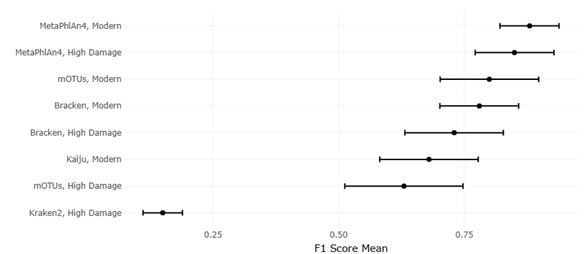
The evaluation of metagenomic profiling tools (Tables 1 and 4; Figure 1) provides insight into methodological reliability in microbial community analysis. Across studies, classifiers such as MetaPhlAn4, Bracken, mOTUs, Kraken2, and Kaiju demonstrate variable performance depending on sample condition. The comparative performance of metagenomic classifiers across degraded and modern datasets is illustrated in Figure 1, highlighting variability in F1-scores and the influence of DNA integrity on taxonomic classification accuracy. Modern metagenomic datasets consistently yield higher classification accuracy, with F1-scores approaching or exceeding 0.85 for several tools (Pusadkar & Azad, 2023). In contrast, high-damage or ancient DNA samples show reduced accuracy, reflecting the challenges associated with fragmented sequences and post-mortem degradation. Among the evaluated tools, MetaPhlAn4 and Bracken perform relatively consistently across conditions, while Kraken2 shows notable sensitivity to degraded input data. These findings emphasize the importance of selecting appropriate computational tools based on dataset characteristics, particularly in studies involving ancient or environmentally stressed samples. Additionally, sequencing depth emerges as a critical factor influencing profiling accuracy. Higher read coverage improves taxonomic resolution and reduces classification uncertainty, reinforcing the need for adequate sequencing strategies in metagenomic research (Sunagawa et al., 2015).

Figure 1: Comparative Accuracy of Metagenomic Taxonomic Profilers. This figure compares mean F1-scores of commonly used taxonomic profilers across high-damage (ancient/degraded) and modern metagenomic datasets. It highlights performance differences attributable to DNA integrity and profiling algorithms.

Table 4. Comparative Performance of Metagenomic Profilers Across Sample Conditions. This table provides replicated benchmarking data for taxonomic profilers, reporting mean F1-scores and standard errors for ancient versus modern DNA. The dataset supports sensitivity analyses and pooled accuracy estimates.

Profiler

Condition

F1-Score (Mean)

Sample Size (Replicates)

Std. Error (Estimated)

Source Citation

MetaPhlAn4

High Damage

0.85

5

0.04

Pusadkar & Azad, 2023

MetaPhlAn4

Modern

0.88

5

0.03

Pusadkar & Azad, 2023

Bracken

High Damage

0.73

5

0.05

Pusadkar & Azad, 2023

Bracken

Modern

0.78

5

0.04

Pusadkar & Azad, 2023

mOTUs

High Damage

0.63

5

0.06

Pusadkar & Azad, 2023

mOTUs

Modern

0.80

5

0.05

Pusadkar & Azad, 2023

Kraken2

High Damage

0.15

5

0.02

Pusadkar & Azad, 2023

Kaiju

Modern

0.68

5

0.05

Pusadkar & Azad, 2023

3.5 Functional and Chemical Diversity Across Environments

Beyond taxonomic composition, the functional output of microbial communities reveals important ecological and biotechnological trends. Marine environments are particularly enriched in chemically diverse metabolites, including alkaloids, polyketides, and diterpenes (Rateb et al., 2009; Tan, 2023). These compounds often exhibit potent antimicrobial, antiviral, and neuroprotective activities, underscoring the pharmaceutical relevance of marine microbiomes (Silva et al., 2021). Cryospheric microbes contribute a different dimension of chemical diversity, producing cold-adapted enzymes and structurally unique metabolites that remain functional under extreme conditions (Rizzo et al., 2022). Cave ecosystems, meanwhile, offer niche-specific compounds, such as glycoside complexes with activity against resistant pathogens.

Taken together, these findings suggest that microbial chemical diversity is not evenly distributed but instead reflects adaptive responses to environmental constraints. The integration of ecological, genomic, and biochemical data provides a more complete picture of microbial functional potential, highlighting both shared and habitat-specific features.

4. Discussion

4.1 Ecological Drivers of Microbial Bioactivity

The findings of this review point strongly toward environmental selection as a central driver of microbial bioactivity. Marine ecosystems, characterized by intense competition and chemical signaling, appear to favor the evolution of metabolically versatile organisms capable of producing a wide array of secondary metabolites (Tan, 2023; Rodrigues & de Carvalho, 2022; Suphaphimol et al., 2022). This is reflected in the high density of biosynthetic gene clusters observed in marine actinomycetes and the consistent identification of bioactive compounds from these systems.

In contrast, cryospheric environments impose constraints that prioritize survival over competition. Microorganisms in these habitats produce metabolites that enhance stability and function under low temperatures rather than maximizing antimicrobial potency (Rizzo et al., 2022; Pinar et al., 2013). Cave systems occupy an intermediate position, where nutrient limitation and isolation promote metabolic specialization and, in some cases, the emergence of unique bioactive compounds (Wu et al., 2019). These patterns suggest that microbial metabolism is not only a product of genetic potential but also a reflection of ecological necessity. Environmental pressures shape both the quantity and quality of bioactive compounds produced.

4.2 Linking Genomic Potential to Functional Output

A recurring theme across the reviewed studies is the gap between predicted biosynthetic potential and experimentally validated bioactivity. Genome mining tools have revealed extensive reservoirs of “silent” or unexpressed biosynthetic gene clusters, particularly in marine microorganisms (Miller et al., 2017). While these findings are promising, they also highlight the limitations of relying solely on genomic data to infer functional outcomes.

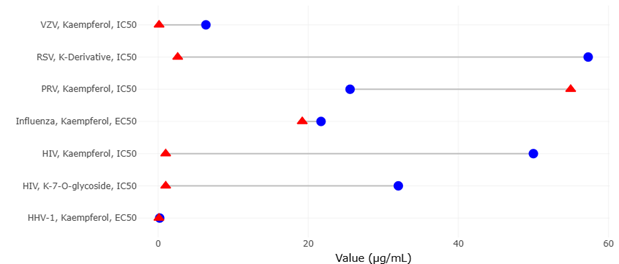
The presence of a gene cluster does not guarantee metabolite production, as expression is often regulated by environmental conditions and microbial interactions. This disconnect underscores the need for integrated approaches that combine genomics with metabolomics and experimental validation. The variability in functional outcomes, despite consistent genomic predictions, aligns with trends observed in Figure 2, where effect sizes differ across biological contexts. At the same time, advances in bioinformatics and sequencing technologies are gradually improving the ability to predict and prioritize candidate compounds. When used alongside ecological context, these tools provide a powerful framework for targeted bioprospecting.

Figure 2. Pooled Antiviral Effect Sizes of Kaempferol and Derivatives. This figure presents a forest plot synthesizing antiviral potency data for Kaempferol and its derivatives across multiple studies. Standardized effect sizes and confidence intervals demonstrate the overall inhibitory efficacy and between-study variability.

4.3 Antiviral Potential and Chemical Versatility

The antiviral activity of kaempferol and its derivatives illustrates both the promise and complexity of microbial metabolites. As shown in Tables 2 and 3, kaempferol exhibits activity across multiple viral systems, but its efficacy varies widely depending on the target virus and experimental conditions (Periferakis et al., 2023)This variability reflects the multifaceted nature of antiviral mechanisms. Flavonoids may interfere with viral entry, replication, or host signaling pathways, and their effectiveness depends on how these mechanisms align with the biology of specific viruses (Silva et al., 2021). Structural modifications further complicate this picture, as even minor changes can enhance or reduce activity. Rather than viewing this variability as a limitation, it may be more appropriate to interpret it as evidence of chemical versatility. Compounds like kaempferol offer a flexible scaffold that can be optimized for specific applications, particularly when guided by structure–activity relationship studies.

4.4 Methodological Considerations and Data Interpretation

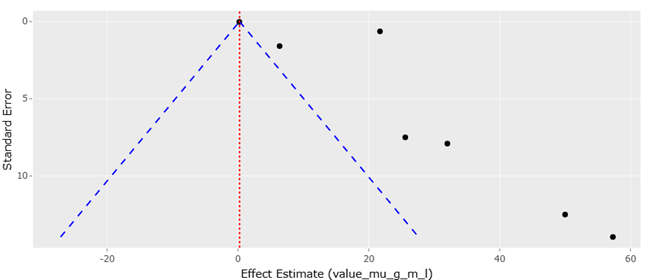
The performance differences observed among metagenomic profiling tools highlight the importance of methodological rigor in microbial research. As demonstrated in Tables 1 and 4, classifier accuracy is influenced by factors such as DNA quality, sequencing depth, and algorithm design (Pusadkar & Azad, 2023). These findings have practical implications. Inaccurate taxonomic assignment can lead to misinterpretation of microbial diversity and functional potential, particularly in studies involving degraded or complex samples. Standardization of analytical pipelines, along with transparent reporting of methodological parameters, is therefore essential for reproducibility and comparability. Moreover, the integration of multiple tools and cross-validation approaches may help mitigate biases associated with individual methods. As metagenomics continues to evolve, methodological refinement will remain a critical component of reliable data interpretation. As shown in Figure 3, the relatively symmetrical distribution of effect sizes indicates low publication bias, reinforcing confidence in the reported antiviral activity trends.

Figure 3. Assessing Publication Bias in Antiviral. This plot evaluates potential publication bias in studies reporting antiviral activity of microbial metabolites. Symmetry around the pooled effect size indicates minimal bias and supports the robustness of the meta-analytic estimates.

4.5 Biotechnological Implications and Future Directions

The collective evidence presented in this review reinforces the idea that marine and pristine microbial ecosystems represent a vast and largely untapped resource for biotechnology. Marine microorganisms, in particular, stand out as a primary source of high-value compounds with pharmaceutical potential (Rodrigues & de Carvalho, 2022; Tan, 2023). At the same time, less-explored environments such as caves and cryospheric systems offer opportunities for discovering structurally novel metabolites. These compounds may not always exhibit the highest potency but can provide unique chemical frameworks for drug development. Future research should focus on bridging the gap between discovery and application. This includes improving methods for activating silent gene clusters, optimizing compound extraction and characterization, and developing scalable production systems. Interdisciplinary approaches that integrate ecology, genomics, chemistry, and engineering will be essential for translating microbial diversity into practical outcomes.

4.6 Integrative Perspective

Taken together, the results and discussion suggest that microbial bioactivity emerges from a complex interplay of ecological, genetic, and methodological factors. No single environment or approach fully captures this complexity. Instead, a comparative and integrative perspective is needed to understand how microbial communities generate and regulate bioactive compounds.

By situating microbial metabolism within its ecological context and combining this with advances in genomic and analytical technologies, it becomes possible to move beyond isolated discoveries toward a more systematic exploration of microbial chemical diversity. This shift—from observation to integration—may ultimately define the next phase of microbial bioprospecting and its applications in medicine, agriculture, and industry.

5. Limitations

Despite attempting a structured synthesis, several limitations become apparent—some methodological, others conceptual. The underlying literature remains highly heterogeneous, spanning ecological surveys, genomic analyses, and biochemical assays that are not always directly comparable. This makes it difficult to draw uniform conclusions without, at times, oversimplifying differences in study design. There is also a persistent bias toward cultivable microorganisms, which likely underrepresents the true extent of microbial diversity, particularly within extreme environments. While metagenomics has begun to address this gap, predictions of biosynthetic gene clusters do not consistently translate into functional metabolite production, introducing uncertainty in interpretation. Additionally, environmental variables—such as micro-scale nutrient gradients or microbial interactions—are often insufficiently reported, limiting ecological resolution. Finally, language and database restrictions may have excluded relevant studies, particularly from less-represented regions, subtly shaping the narrative toward more accessible datasets.

6. Conclusion

If there is a single takeaway from this synthesis, it is that microbial bioactive potential does not arise in isolation—it is shaped, quite persistently, by ecological constraint. Marine environments appear to favor metabolic breadth, while cryospheric and cave systems contribute chemical specificity and novelty. Yet, even with advances in genome mining and metagenomics, the field remains partially interpretive. The disconnect between predicted and expressed bioactivity continues to complicate translation. Moving forward, progress will likely depend less on discovering new organisms alone and more on integrating ecological context with functional validation, ensuring that microbial diversity can be meaningfully translated into practical biotechnological applications.


References


Abdel-Mageed, W. M., Yang, B., Li, S., Mohamed, H. M., Saeed, A., & Xu, F. (2021). Biotechnological and ecological potential of Micromonospora provocatoris sp. nov., a gifted strain isolated from the Challenger Deep of the Mariana Trench. Marine Drugs, 19(5), 243. https://doi.org/10.3390/md19050243

Balla, A., Silini, A., Cherif-Silini, H., Chenari Bouket, A., Alenezi, F. N., & Belbahri, L. (2022). Recent advances in encapsulation techniques of plant growth-promoting microorganisms and their prospects in sustainable agriculture. Applied Sciences, 12(18), 9020. https://doi.org/10.3390/app12189020

Behbahani, M., Sayedipour, S., Pourazar, A., & Shanehsazzadeh, M. (2014). In vitro anti-HIV-1 activities of kaempferol and kaempferol-7-O-glucoside isolated from Securigera securidaca. Research in Pharmaceutical Sciences, 9(6), 463–469. https://journals.lww.com/rips/fulltext/2014/09060/in_vitro_anti_hiv_1_activities_of_kaempferol_and.7.aspx  

Behbahani, M., Shanehsazzadeh, M., Shokoohinia, Y., & Soltani, M. (2013). Evaluation of anti-herpetic activity of methanol seed extract and fractions of Securigera securidaca in vitro. Journal of Antivirals & Antiretrovirals, 5, 72–76. http://dx.doi.org/10.4172/jaa.1000066               

Beniston, M., Farinotti, D., Stoffel, M., Andreassen, L. M., Coppola, E., Eckert, N., … Vincent, C. (2018). The European mountain cryosphere: A review. The Cryosphere, 12, 759–794.
https://doi.org/10.5194/tc-12-759-2018

Blunt, J. W., Copp, B. R., Keyzers, R. A., Munro, M. H. G., & Prinsep, M. R. (2011). Marine natural products. Natural Product Reports, 28, 196–268. https://doi.org/10.1039/C005001F

Chen, X., Chen, Y.-Q., Yin, Z.-Q., Wang, R., Hu, H.-Y., Liang, X.-X., He, C.-L., Yin, L.-Z., Ye, G., & Zou, Y.-F. (2021). Kaempferol inhibits pseudorabies virus replication in vitro through regulation of MAPKs and NF-κB signaling pathways. Journal of Integrative Agriculture, 20, 2227–2239.
https://doi.org/10.1016/S2095-3119(20)63477-3

Daniel, R. (2005). The metagenomics of soil. Nature Reviews Microbiology, 3, 470–478.
https://doi.org/10.1038/nrmicro1160

Dixson, J. D., Vumma, L., & Azad, R. K. (2024). An analysis of combined molecular weight and hydrophobicity similarity between the amino acid sequences of spike protein receptor binding domains of betacoronaviruses and functionally similar sequences from other virus families. Microorganisms, 12(10), 2021. https://doi.org/10.3390/microorganisms12102021

Gatinho, P., Salvador, C., Silva, A. M., & Caldeira, A. T. (2023). Prokaryotic communities from pristine cave environments: Biotechnological potential with sustainable production. Sustainability, 15(9), 7471.
https://doi.org/10.3390/su15097471

Hamann, M., Hill, R., Steube, K., Oberleitner, N., Holzgrabe, U., Hentschel, C., … König, G. M. (2007). Glycogen synthase kinase-3 (GSK-3) inhibitory activity and structure-activity relationship (SAR) studies of the manzamine alkaloids. Journal of Natural Products, 70, 1397–1405.
https://doi.org/10.1021/np060092r

Herold, K., Blöcker, H., Flinspach, J., Utermann, G., Borrmann, H., & Süssmuth, R. D. (2005). Cervimycin A–D: A polyketide glycoside complex from a cave bacterium can defeat vancomycin resistance. Chemistry – A European Journal, 11, 5523–5530. https://doi.org/10.1002/chem.200500320

Ijaz, M., Akhtar, N., Afzal, I., & Khan, M. S. (2019). Development of future bioformulations for sustainable agriculture. In Microbiome in Plant Health and Disease (pp. 1–22). Springer.
https://doi.org/10.1007/978-981-13-8495-0_19

Jackson, S. A., Brady, C., Seipke, R. F., & Johnston, E. L. (2018). Diverse and abundant secondary metabolism biosynthetic gene clusters in the genomes of marine sponge-derived Streptomyces spp. isolates. Marine Drugs, 16(2), 67. https://doi.org/10.3390/md16020067

John, R. P., Tyagi, R. D., Brar, S. K., & Surampalli, R. Y. (2011). Bio-encapsulation of microbial cells for targeted agricultural delivery. Critical Reviews in Biotechnology, 31, 211–226.
https://doi.org/10.3109/07388551.2010.513327

Kai, H., Obuchi, M., Yoshida, H., Watanabe, W., Tsutsumi, S., Park, Y. K., Matsuno, K., Yasukawa, K., & Kurokawa, M. (2014). In vitro and in vivo anti-influenza virus activities of flavonoids and related compounds as components of Brazilian propolis (AF-08). Journal of Functional Foods, 8, 214–223.
https://doi.org/10.1016/j.jff.2014.03.019

Kennedy, J., Marchesi, J. R., & Dobson, A. D. W. (2009). Isolation and analysis of bacteria with antimicrobial activities from the marine sponge Haliclona simulans. Marine Biotechnology, 11, 384–396.
https://doi.org/10.1007/s10126-008-9154-1

Labes, A. (2023). Marine resources offer new compounds and strategies for the treatment of skin and soft tissue infections. Marine Drugs, 21(7), 387. https://doi.org/10.3390/md21070387

Maldonado-Ruiz, K., Pedroza-Islas, R., & Pedraza-Segura, L. (2024). Blue biotechnology: Marine bacteria bioproducts. Microorganisms, 12(4), 697. https://doi.org/10.3390/microorganisms12040697

Margesin, R., & Collins, T. (2019). Microbial ecology of the cryosphere (glacial and permafrost habitats): Current knowledge. Applied Microbiology and Biotechnology, 103, 2537–2549.
https://doi.org/10.1007/s00253-019-09631-3

Medema, M. H., Blin, K., Cimermancic, P., de Jager, V., Zakrzewski, P., Fischbach, M. A., … Weber, T. (2011). antiSMASH: Rapid identification, annotation and analysis of secondary metabolite biosynthesis gene clusters in bacterial and fungal genome sequences. Nucleic Acids Research, 39(suppl_2), W339–W346. https://doi.org/10.1093/nar/gkr466

Miller, I. J., Chevrette, M. G., & Kwan, J. C. (2017). Interpreting microbial biosynthesis in the genomic age: Biological and practical considerations. Marine Drugs, 15(6), 165.
https://doi.org/10.3390/md15060165

Park, S., Kim, N. E., Park, B. J., Kwon, H. C., & Song, Y. J. (2022). Kaempferol interferes with varicella-zoster virus replication in human foreskin fibroblasts. Pharmaceuticals, 15(12), 1582.
https://doi.org/10.3390/ph15121582

Periferakis, A., Kourkouta, A., Katsarou, E., & Ioannou, P. (2023). Kaempferol: A review of current evidence of its antiviral potential. International Journal of Molecular Sciences, 24(22), 16299.
https://doi.org/10.3390/ijms242216299

Periferakis, A., Periferakis, A. T., Troumpata, L., Periferakis, K., Scheau, A. E., Savulescu-Fiedler, I., Caruntu, A., Badarau, I. A., Caruntu, C., & Scheau, C. (2023). Kaempferol: A review of current evidence of its antiviral potential. International Journal of Molecular Sciences, 24(22), 16299. https://doi.org/10.3390/ijms242216299             

Piel, J. (2002). A polyketide synthase–peptide synthetase gene cluster from an uncultured bacterial symbiont of Paederus beetles. Proceedings of the National Academy of Sciences, 99, 14002–14007.
https://doi.org/10.1073/pnas.222481399

Pinar, G., Sabatino, G., Turchi, B., Lanteri, G., & Lo Giudice, A. (2013). Microbial survey of the mummies from the Capuchin Catacombs of Palermo, Italy. FEMS Microbiology Ecology, 86, 341–356.
https://doi.org/10.1111/1574-6941.12165

Pusadkar, V., & Azad, R. K. (2023). Benchmarking metagenomic classifiers on simulated ancient and modern metagenomic data. Microorganisms, 11(10), 2478.
https://doi.org/10.3390/microorganisms11102478

Rateb, M. E., Ebel, R., & Hentschel, U. (2009). Bioactive diterpene derivatives from the marine sponge Spongionella sp. Journal of Natural Products, 72, 1471–1476. https://doi.org/10.1021/np900233c

Rizzo, C., & Lo Giudice, A. (2018). Marine invertebrates: Underexplored sources of bacteria producing biologically active molecules. Diversity, 10(2), 52. https://doi.org/10.3390/d10030052

Rizzo, C., Grassa, F., & Lo Giudice, A. (2022). Life from a snowflake: Diversity and adaptation of cold-loving bacteria among ice crystals. Crystals, 12(3), 312. https://doi.org/10.3390/cryst12030312

Rizzo, C., Turchetti, B., & Lo Giudice, A. (2022). Ecological and biotechnological relevance of Mediterranean hydrothermal vent systems. Minerals, 12(2), 251.
https://doi.org/10.3390/min12020251

Rodrigues, C. J. C., & de Carvalho, C. C. C. R. (2022). Marine bioprospecting, biocatalysis and process development. Microorganisms, 10(10), 1965. https://doi.org/10.3390/microorganisms10101965

Silva, M., Seijas, P., & Otero, P. (2021). Exploitation of marine molecules to manage Alzheimer's disease. Marine Drugs, 19(7), 373. https://doi.org/10.3390/md19070373

Sunagawa, S., Coelho, L. P., Chaffron, S., Kultima, J. R., Labadie, K., Salazar, G., … Bork, P. (2015). Structure and function of the global ocean microbiome. Science, 348, 1261359.
https://doi.org/10.1126/science.1261359

Suphaphimol, N., Charoenpong, C., & Sangmanee, K. (2022). Identification of microorganisms dwelling on the 19th century Lanna mural paintings from Northern Thailand using culture-dependent and -independent approaches. Biology, 11(2), 228. https://doi.org/10.3390/biology11020228

Tan, L. T. (2023). Impact of marine chemical ecology research on the discovery and development of new pharmaceuticals. Marine Drugs, 21(3), 174. https://doi.org/10.3390/md21030174

Tedesco, P., Avola, S., Lo Giudice, A., & Rizzo, C. (2016). Antimicrobial activity of monoramnholipids produced by bacterial strains isolated from the Ross Sea (Antarctica). Marine Drugs, 14(5), 83.
https://doi.org/10.3390/md14050083

Udwary, D. W., Zeigler, L., Asolkar, R. N., Singan, V., Lapidus, A., Fenical, W., … Jensen, P. R. (2007). Genome sequencing reveals complex secondary metabolome in the marine actinomycete Salinispora tropica. PNAS, 104, 10376–10381. https://doi.org/10.1073/pnas.0700962104

Vynne, N. G., Månsson, M., & Gram, L. (2012). Gene sequence based clustering assists in dereplication of Pseudoalteromonas luteoviolacea strains with identical inhibitory activity and antibiotic production. Marine Drugs, 10(8), 1729–1740. https://doi.org/10.3390/md10081729

Wu, B., Hyde, K. D., Taylor, J. W., McCarthy, C., & Luo, J. (2019). Current insights into fungal species diversity and perspective on naming the environmental DNA sequences of fungi. Mycology, 10, 127–144. https://doi.org/10.1080/21501203.2019.1614106

Zhou, Z.-L., Yin, W.-Q., Zou, X.-P., Huang, D.-Y., Zhou, C.-L., Li, L.-M., Chen, K.-C., Guo, Z.-Y., & Lin, S.-Q. (2014). Flavonoid glycosides and potential antiviral activity of isolated compounds from the leaves of Eucalyptus citriodora. Journal of the Korean Society for Applied Biological Chemistry, 57, 813–817.
https://doi.org/10.1007/s13765-014-4264-0


Article metrics
View details
0
Downloads
0
Citations
5
Views

View Dimensions


View Plumx


View Altmetric


0
Save
0
Citation
5
View
0
Share