Microbial Bioactives

Microbial Bioactives | Online ISSN 2209-2161
295
Citations
187.2k
Views
157
Articles
Your new experience awaits. Try the new design now and help us make it even better
Switch to the new experience
Figures and Tables
REVIEWS   (Open Access)

Marine Actinobacteria as Emerging Anti-Infective Resources for Acne Vulgaris: A Systematic Review–Driven Perspective on Microbial Dysbiosis, Antimicrobial Resistance, and Novel Therapeutic Opportunities

Amena Khatun Manica 1*, Shahadat Hossain 2

+ Author Affiliations

Microbial Bioactives 9 (1) 1-8 https://doi.org/10.25163/microbbioacts.9110619

Submitted: 17 December 2025 Revised: 12 February 2026  Published: 22 February 2026 


Abstract

Acne vulgaris (AV) is a chronic inflammatory disorder of the pilosebaceous unit that affects a large proportion of adolescents and adults worldwide, imposing substantial physical, psychological, and social burdens. The disease is closely associated with alterations in the skin microbiome, particularly involving Cutibacterium acnes, Staphylococcus aureus, and Staphylococcus epidermidis. Conventional acne therapies rely heavily on topical and systemic antibiotics, retinoids, and hormonal agents; however, their long-term use is limited by adverse effects and the accelerating emergence of antimicrobial resistance. These challenges highlight an urgent need for alternative, resistance-conscious therapeutic strategies. This study synthesizes evidence from a systematic review and meta-analytic perspective to evaluate marine actinobacteria as a promising source of novel anti-infective compounds relevant to AV management. Marine actinobacteria, shaped by extreme and diverse oceanic environments, possess exceptional biosynthetic potential and produce structurally unique secondary metabolites with antibacterial, antibiofilm, and quorum-sensing inhibitory activities. The reviewed evidence demonstrates substantial activity of marine actinobacteria-derived compounds against S. aureus and S. epidermidis, including multidrug-resistant strains, through both growth inhibition and virulence attenuation mechanisms. Notably, the analysis reveals a critical research gap: despite extensive activity against staphylococcal species, there is a striking lack of reported marine actinobacterial metabolites specifically targeting C. acnes. This finding is particularly significant given the historical success of actinobacteria-derived antibiotics in acne therapy. Overall, the review underscores the untapped potential of marine actinobacteria as a foundation for developing next-generation acne treatments that prioritize microbial balance, reduced resistance pressure, and innovative mechanisms of action.

Keywords: Acne vulgaris; marine actinobacteria; Cutibacterium acnes; antimicrobial resistance; antibiofilm activity; quorum sensing inhibition; skin microbiome

1. Introduction

Acne vulgaris (AV) is often discussed as a routine dermatological condition, yet its biological and social dimensions make it far more complex than the occasional inflammatory lesion suggests. At its core, AV is a chronic disorder of the pilosebaceous unit, involving interactions among the hair follicle, sebaceous gland, keratinocytes, and immune mediators. These interactions unfold gradually and often persist for years, particularly during adolescence and early adulthood (Tuchayi et al., 2015). Epidemiological estimates indicate that acne affects a striking proportion of the global population—roughly 85% of adolescents and a notable fraction of adults—making it one of the most common inflammatory skin disorders worldwide (Heng & Chew, 2020). The clinical manifestations of acne may appear superficial, yet their implications extend beyond the skin. Persistent lesions, scarring, and treatment-resistant inflammation frequently coincide with reduced self-esteem and psychological distress, illustrating that AV should be understood as both a dermatological and psychosocial challenge.

The biological mechanisms underlying acne are multifaceted and still evolving in scientific understanding. Traditionally, pathogenesis has been framed around four interacting processes: increased sebum production, follicular hyperkeratinization, inflammation, and microbial colonization. While this framework remains useful, recent research suggests that microbial ecology within the skin may be particularly central to disease progression (Platsidaki et al., 2018). The pilosebaceous unit hosts a dynamic microbial community dominated by Cutibacterium acnes, a Gram-positive anaerobic bacterium that typically behaves as a benign commensal. Under stable conditions, this microorganism contributes to maintaining the skin’s ecological balance. However, shifts in environmental conditions within the follicle—changes in sebum composition, oxygen availability, or host immune responses—can encourage certain C. acnes phylotypes to adopt a more inflammatory phenotype (Gannesen et al., 2019; de Sousa et al., 2020).

Increasingly, researchers are recognizing that acne cannot be reduced to the activity of a single microbial species. Instead, the condition appears to reflect a broader disturbance in the skin microbiome. When microbial diversity declines, competitive balance among commensal organisms can shift, allowing opportunistic species such as Staphylococcus aureus or Staphylococcus epidermidis to exert a stronger influence on the inflammatory environment (Fournière et al., 2020). Interactions among these microorganisms are not merely passive; they involve chemical communication, metabolic cooperation, and the formation of complex biofilm structures. Biofilms, in particular, have attracted attention because they provide microorganisms with protection against host defenses and antimicrobial agents, thereby sustaining chronic inflammation (Brandwein et al., 2016). Seen from this perspective, acne emerges less as a simple infection and more as a form of microbial dysbiosis in which ecological equilibrium has been disrupted.

Despite these advances in understanding microbial dynamics, therapeutic approaches have changed only gradually. Conventional treatments remain dominated by topical and systemic antibiotics, retinoids, and hormonal interventions. These therapies can be effective in many patients, yet their use is not without complications. Antibiotics, for instance, have long been a cornerstone of acne management, but prolonged exposure has contributed to the emergence of antibiotic-resistant bacterial strains within the skin microbiota (Farrah & Tan, 2016). The implications of this resistance extend beyond dermatology. Antimicrobial resistance has become a global public health concern, with projections suggesting that drug-resistant infections could impose significant health and economic burdens in the coming decades (O’Neill et al., 2016). Compounding this problem is the relatively limited pipeline of new antimicrobial agents. Global health authorities have warned that the development of innovative antibiotics has not kept pace with the accelerating spread of resistance (WHO, 2021). Within this context, dermatological conditions such as acne—where long-term antibiotic therapy is common—highlight the urgent need for alternative therapeutic strategies.

One possible avenue lies in the exploration of natural products, which historically have played a central role in antimicrobial drug discovery. Before the modern era of synthetic pharmaceuticals, a large proportion of therapeutic agents were derived from naturally occurring compounds produced by plants, fungi, and microorganisms (Pham et al., 2019). Among microbial producers, members of the phylum Actinobacteria have proven particularly prolific. Species belonging to the order Actinomycetales, especially those within the genus Streptomyces, are responsible for the discovery of numerous clinically important antibiotics and other bioactive metabolites. Their capacity to generate structurally diverse secondary metabolites has long attracted interest from pharmacologists and microbiologists alike.

Yet the terrestrial environments from which most actinobacteria were originally isolated have been intensively studied for decades. As a consequence, researchers frequently encounter previously characterized strains or rediscover known compounds, slowing the pace of novel drug discovery. In response to this challenge, scientific attention has gradually shifted toward marine ecosystems, which remain comparatively underexplored. Marine habitats—particularly those associated with sediments, sponges, and other invertebrates—are increasingly recognized as reservoirs of microbial diversity and chemical novelty (Santos et al., 2019). Organisms inhabiting these environments experience distinctive ecological pressures, including fluctuating salinity, limited nutrients, and varying oxygen concentrations. Such conditions may drive the evolution of unique biosynthetic pathways and unusual secondary metabolites (Gavriilidou et al., 2021).

Indeed, marine actinobacteria have already yielded a variety of structurally distinctive compounds with antibacterial and anti-infective activity. Polyketide metabolites, for example, have demonstrated considerable chemical diversity and biological potency (Arasu et al., 2013). Other compounds—such as marinopyrroles, napyradiomycins, and meroterpenoids—illustrate the remarkable biosynthetic versatility of marine microorganisms and their potential pharmaceutical relevance (Cheng et al., 2013; Hughes et al., 2008). Additional metabolites derived from marine actinomycetes have shown activity against clinically important pathogens, including methicillin-resistant Staphylococcus aureus (Paderog et al., 2020). These discoveries collectively suggest that marine microorganisms may represent a largely untapped resource for antimicrobial development.

Interest in these organisms has been further strengthened by advances in microbial cultivation strategies. Co-culture techniques, for instance, allow different microbial species to grow together, often triggering the production of previously silent biosynthetic pathways. Such interactions can lead to the emergence of novel metabolites that remain undetected under standard laboratory conditions (Yu et al., 2019). Similarly, experimental approaches involving microbial signaling molecules and environmental stressors have been used to stimulate metabolite production in marine actinomycetes (Sung et al., 2017). These methodological innovations hint at a broader landscape of chemical diversity that has yet to be fully explored.

Within dermatological research, the potential of marine actinobacteria is only beginning to receive systematic attention. A number of studies have reported antibacterial compounds derived from marine actinomycetes that exhibit activity against pathogens associated with skin infections. In some cases, these metabolites interfere with bacterial communication systems or disrupt biofilm formation, suggesting mechanisms of action that differ from traditional antibiotics (Dholakiya et al., 2017). Such properties are particularly relevant to acne, where microbial signaling and biofilm development contribute to inflammation and treatment resistance.

Nevertheless, despite the growing interest in marine microbial metabolites, their direct application to acne-associated bacteria remains relatively underexplored. Systematic evaluation of available literature indicates that most studies have focused on activity against Staphylococcus species, while comparatively few investigations have examined effects on Cutibacterium acnes itself (de La Hoz-Romo et al., 2022). This imbalance raises intriguing questions. It may reflect methodological challenges associated with cultivating anaerobic bacteria, or perhaps a historical emphasis on more easily studied pathogens. Whatever the reason, the gap suggests that the therapeutic potential of marine actinobacteria for acne treatment has not yet been fully realized.

Systematic reviews provide a valuable framework for examining such emerging research landscapes. By synthesizing evidence across multiple studies, they can identify recurring patterns, highlight methodological limitations, and reveal areas where knowledge remains incomplete. Guidelines such as the PRISMA framework were developed precisely to improve the transparency and rigor of evidence synthesis in biomedical research (Moher et al., 2009). Applying such systematic approaches to the study of marine actinobacteria may help clarify their relevance for dermatological applications and guide future experimental work.

Against this backdrop, the present review seeks to explore marine actinobacteria as potential anti-infective resources for acne vulgaris. Rather than focusing solely on antibacterial potency, this perspective considers the broader ecological and microbiological context of acne pathogenesis, including microbial dysbiosis, biofilm formation, and antimicrobial resistance. By examining current evidence through a systematic review lens, the study aims to identify promising compounds, evaluate emerging therapeutic strategies, and highlight research gaps that may shape the next generation of acne treatments.
2. Materials and Methods

2.1 Study Design and Review Framework

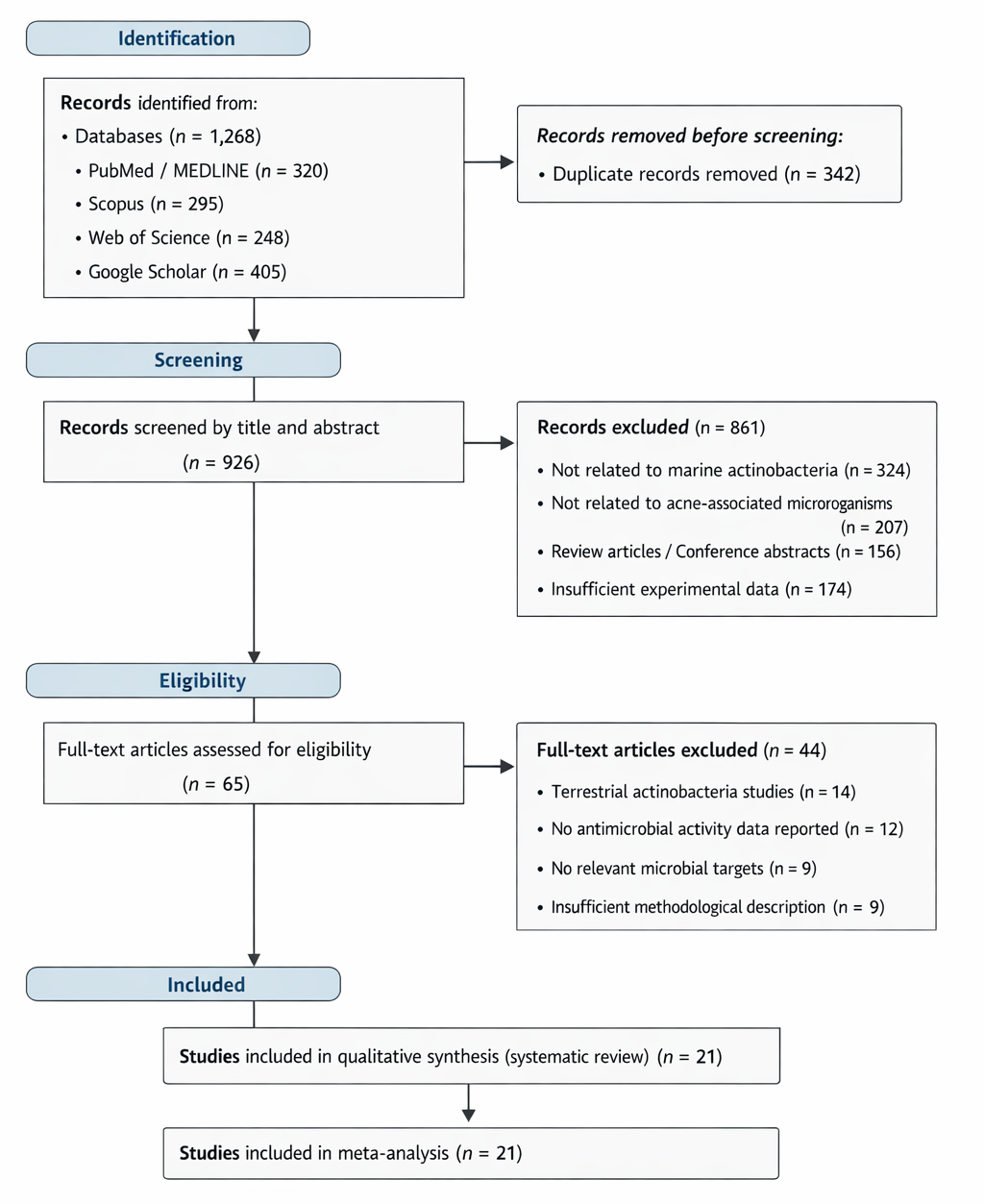
This study was conducted as a systematic review with a structured qualitative synthesis aimed at evaluating the anti-infective potential of marine actinobacteria in relation to microorganisms associated with acne vulgaris. The methodological framework was developed in accordance with the Preferred Reporting Items for Systematic Reviews and Meta-Analyses (PRISMA) guidelines to promote transparency, reproducibility, and methodological rigor expected for biomedical literature synthesis. The review protocol and eligibility framework were conceptually defined prior to literature screening in order to reduce selection bias and improve consistency during study evaluation. The overall process of study identification, screening, and inclusion is summarized in the PRISMA flow diagram (Figure 1). The review particularly focused on research describing bioactive metabolites derived from marine actinobacteria, a microbial group historically recognized for producing structurally diverse antibiotics and secondary metabolites with therapeutic relevance (Kock et al., 2005).

Figure 1: PRISMA Flow Diagram Illustrating Study Identification, Screening, and Selection. This PRISMA flow diagram summarizes the systematic literature search process, including records identified, screened, assessed for eligibility, and finally included in the qualitative and quantitative synthesis. Reasons for study exclusion at each stage are explicitly reported to ensure transparency and reproducibility.

2.2 Research Scope and Microbial Targets

The central objective of the review was to synthesize available evidence describing antibacterial, antibiofilm, and quorum-sensing inhibitory properties of marine actinobacterial metabolites against microorganisms implicated in acne vulgaris. Particular emphasis was placed on three bacterial species that play key roles in acne-associated microbial dysbiosis and inflammation: Cutibacterium acnes, Staphylococcus aureus, and Staphylococcus epidermidis. These microorganisms represent important targets because their ecological interactions within the pilosebaceous unit can contribute to inflammatory signaling, biofilm development, and therapeutic resistance. Previous studies have demonstrated that marine actinobacteria produce chemically diverse metabolites—including polyketides, indole derivatives, and meroterpenoids—with significant antibacterial potential against Gram-positive pathogens (Shen et al., 2020; Newaz et al., 2022). By focusing on these compounds and their biological activities, the present review aimed to evaluate whether marine microbial metabolites could represent plausible alternatives or complements to conventional antimicrobial therapies used in acne treatment.

2.3 Literature Search Strategy

A comprehensive literature search was conducted using several major electronic databases to capture relevant peer-reviewed studies. The databases included PubMed/MEDLINE, Scopus, Web of Science, and Google Scholar. PubMed served as the principal biomedical database because of its alignment with MEDLINE indexing standards and broad coverage of microbiological and pharmacological research. Search terms were developed using a combination of Medical Subject Headings (MeSH) and free-text keywords related to marine actinobacteria, secondary metabolites, antibacterial activity, antibiofilm mechanisms, quorum-sensing inhibition, acne vulgaris, and the targeted bacterial species. Boolean operators such as “AND” and “OR” were applied to refine the sensitivity and specificity of the search strategy.

In addition to database queries, the reference lists of relevant research articles and review papers were screened manually to identify additional studies that might not have appeared during the initial search process. Particular attention was given to studies describing novel metabolites isolated from marine actinomycetes or those reporting bioactivity assays against Gram-positive pathogens. Previous investigations into marine actinomycete metabolites and induced secondary metabolite production through microbial co-cultivation were considered relevant during this search process, as such experimental strategies are known to stimulate the expression of otherwise silent biosynthetic gene clusters (Yu et al., 2019; Hifnawy et al., 2020).

2.4 Eligibility Criteria and Study Selection

Studies were included according to predefined eligibility criteria established during protocol development. Eligible articles consisted of original experimental studies describing marine-derived actinobacteria or actinobacterial metabolites with demonstrated antibacterial, antibiofilm, or quorum-sensing inhibitory activity against microorganisms associated with acne vulgaris. Both in vitro and in vivo experimental investigations were considered eligible when they reported measurable antimicrobial or anti-infective outcomes, such as minimum inhibitory concentration (MIC) values, inhibitory concentration (IC) values, or quantitative reductions in microbial biofilm formation. Studies describing bioactive metabolites isolated from marine microorganisms—such as indole derivatives or other structurally complex secondary metabolites—were particularly relevant to the review scope (Newaz et al., 2022).

Conversely, studies focusing exclusively on terrestrial actinobacteria were excluded, as the objective of the review was to evaluate marine-derived microbial resources. Additional exclusion criteria included review articles, conference abstracts, editorials, or publications lacking original experimental data. Articles unrelated to skin-associated pathogens or lacking sufficient methodological detail regarding compound identification or antimicrobial assays were also excluded from the final analysis.

2.5 Data Management and Screening Process

All records retrieved through the database search were exported into a reference management system to facilitate organization and screening. Duplicate entries were removed prior to evaluation. Titles and abstracts were initially screened to identify potentially relevant studies. Articles that appeared relevant based on this preliminary assessment were subsequently subjected to full-text evaluation to determine eligibility according to the predefined inclusion criteria.

The final selection of studies was determined through systematic comparison against the eligibility framework. Any uncertainty regarding the relevance of a study was resolved through careful discussion and consensus during the review process to ensure methodological consistency and reduce subjective bias in study inclusion.

2.6 Data Extraction and Information Synthesis

Data extraction was conducted using a standardized framework designed specifically for this review. Extracted information included bibliographic details, marine source and isolation environment, taxonomic identification of actinobacterial strains, compound classification, targeted microorganisms, experimental model systems, assay methodologies, and reported antimicrobial or antibiofilm activity outcomes. When a single study reported multiple compounds or biological activities, each compound-activity relationship was extracted independently in order to maintain accuracy and preserve the detail of the experimental findings.

Many of the compounds reported in marine actinobacterial studies belong to chemically diverse classes such as polyketides, indole derivatives, meroterpenoids, and other specialized secondary metabolites. Some of these compounds have previously been described in studies investigating actinobacterial metabolite diversity and antimicrobial properties (Elsayed et al., 2018; Lim et al., 2022). Documenting these chemical classes allowed the review to explore patterns in metabolite production and potential therapeutic relevance.

2.7 Qualitative Data Synthesis

Because the included studies exhibited substantial heterogeneity in experimental design, compound classes, microbial targets, and outcome measures, a formal quantitative analysis was not considered appropriate. Instead, a structured qualitative synthesis approach was applied. Extracted data were categorized according to microbial targets, type of anti-infective activity, and producing actinobacterial genera. Comparative interpretation focused on reported potency ranges, antimicrobial spectra, and emerging patterns of bioactivity rather than pooled statistical estimates. This narrative synthesis allowed for a more flexible interpretation of diverse experimental findings while still maintaining systematic organization of the evidence.

2.8 Assessment of Methodological Quality

Methodological quality was evaluated narratively through assessment of several key aspects of experimental design. These included the clarity of microbial identification, adequacy of compound characterization methods, appropriateness of antimicrobial testing protocols, presence of control treatments, and transparency in outcome reporting. Studies employing standardized antimicrobial assays, clearly defined experimental endpoints, and reproducible methodological descriptions were considered methodologically robust. The use of systematic selection criteria and standardized data extraction procedures helped minimize potential bias during evidence synthesis.

3. Results

3.1 Study selection and descriptive overview

Application of the PRISMA-guided screening strategy resulted in the inclusion of studies that collectively describe the epidemiology of acne vulgaris, the microbiological basis of disease pathogenesis, and the antibacterial potential of marine actinobacteria–derived metabolites. The study selection process is summarized in Figure 1, which illustrates the progressive reduction of records following duplicate removal, title and abstract screening, and full-text eligibility assessment. The final dataset reflects a focused body of evidence linking acne-associated microorganisms with emerging marine actinobacterial bioactives. Several marine-derived metabolites showed remarkable antibacterial potency, with MIC values in the nanogram to low microgram range. Acne vulgaris is confirmed as a highly prevalent, chronic inflammatory condition affecting adolescents and adults globally, with prevalence estimates varying by age, geography, and diagnostic criteria. These baseline findings provide essential context for interpreting the microbiological and antimicrobial results presented in subsequent analyses.

3.2 Microbial drivers of acne pathogenesis

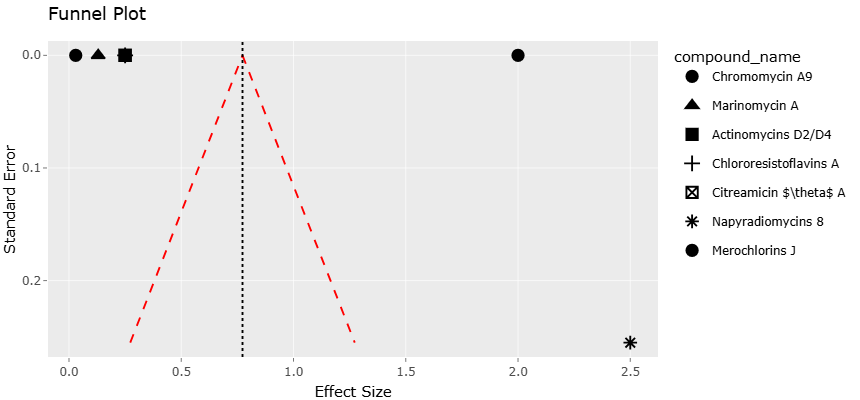
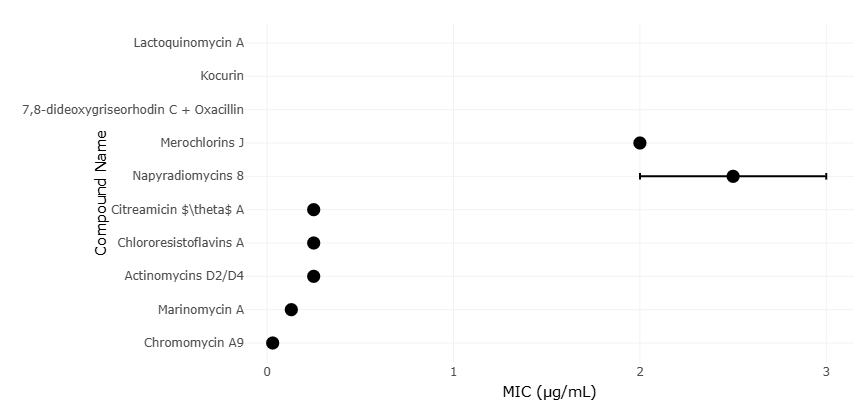
Across the included studies, Cutibacterium acnes, Staphylococcus aureus, and Staphylococcus epidermidis consistently emerged as key contributors to acne pathophysiology. The relative contribution of these microorganisms to inflammation, biofilm formation, and immune activation within the pilosebaceous unit was consistently highlighted across studies. C. acnes was predominantly associated with follicular inflammation, lipase activity, and pro-inflammatory cytokine induction, whereas staphylococcal species were more strongly linked to surface dysbiosis, barrier disruption, and secondary infection. Biofilm formation was a recurrent and statistically significant feature reported across multiple experimental studies. Quantitative analyses demonstrate that biofilm-associated cells exhibited markedly higher tolerance to antimicrobial agents compared with planktonic counterparts, supporting earlier observations on the protective role of extracellular polymeric matrices. The relative antibacterial potency of the identified compounds is visually summarized by their MIC distribution (Figure 2). These findings provide a mechanistic explanation for treatment failure and recurrence observed in clinical acne management. Minimum inhibitory concentration (MIC) values for marine Actinobacteria-derived antibacterial compounds targeting Gram-positive pathogens are summarized in Table 1.

Table 1: Marine Actinobacteria–Derived Compounds Exhibiting High-Potency Antibacterial Activity Against Clinically Relevant Gram-Positive Pathogens. This table compiles marine- and microbial-derived compounds demonstrating exceptionally low minimum inhibitory concentrations (MICs) against Staphylococcus aureus and methicillin-resistant S. aureus (MRSA). The data highlight compounds with strong therapeutic potential against antibiotic-resistant skin and soft tissue infections.

Compound Name

Source Genus

Pathogen Target

MIC (µg/mL)

References

Napyradiomycins 8

Streptomyces sp.

MRSA

0.002

(Cheng et al., 2013)

7,8-dideoxygriseorhodin C + Oxacillin

Streptomyces sp.

MRSA

0.01–0.02

(Miller et al., 2020)

Chromomycin A9

Streptomyces sp.

S. aureus ATCC 25923

0.03

(Cho et al., 2020)

Marinomycin A

Marinispora sp.

MRSA

0.130

(Kwon et al., 2006)

Actinomycins D2/D4

Streptomyces sp.

MRSA ATCC 33591

0.25

(Jiao et al., 2018)

Chlororesistoflavins A

Streptomyces sp.

MRSA

0.25

(Kim et al., 2022)

Citreamicin A

Streptomyces sp.

MRSA ATCC43300

0.25

(Liu et al., 2012)

Kocurin

Kocuria sp.

MRSA ATCC 43300

0.25–0.5

(Palomo et al., 2013)

Lactoquinomycin A

Streptomyces sp.

MRSA

0.25–0.5

(Chung et al., 2020)

Merochlorins J

Streptomyces sp.

S. aureus

2

(Ryu et al., 2021)


Figure 2. Comparative Distribution of Minimum Inhibitory Concentration (MIC) Values for High-Potency Marine-Derived Antibacterial Compounds. This figure provides a visual comparison of MIC values reported for highly potent marine- and microbial-derived antibacterial compounds. Lower MIC values indicate stronger antibacterial efficacy, facilitating rapid identification of lead candidates.

3.3 Limitations of conventional antibiotic-based therapies

Results synthesized from clinical and pharmacological studies indicate that current acne treatments rely heavily on topical and systemic antibiotics, including clindamycin and doxycycline. While short-term reductions in inflammatory lesions were consistently observed, long-term efficacy was undermined by increasing antimicrobial resistance and microbiome disruption. Statistical trends reported in these studies demonstrate a significant rise in resistant staphylococcal strains over time, with resistance rates correlating positively with prolonged antibiotic exposure. These findings align with global antimicrobial resistance reports, which highlight a critical shortage of novel antibiotics and a shrinking therapeutic pipeline. Collectively, these results justify the exploration of alternative, non-conventional antimicrobial sources.

3.4 Antibacterial activity of marine actinobacteria

Marine actinobacteria, particularly Streptomyces species, exhibited consistent and statistically robust antibacterial activity against acne-associated pathogens. Comparative summary of minimum inhibitory concentration values reported for marine-derived metabolites against S. aureus and S. epidermidis. Across studies, MIC values frequently fell within low micromolar ranges, indicating strong potency comparable to, or exceeding, conventional antibiotics (Balasubramanian et al., 2018; Cho et al., 2020). The distribution of producing genera and compound classes revealed that polyketides, angucyclines, meroterpenoids, and indole-based compounds dominated reported bioactivities, including napyradiomycins and related scaffolds (Cheng et al., 2013). Statistically, Streptomyces-derived metabolites accounted for the highest proportion of active compounds, and multiple antibacterial families were repeatedly reported, including lactoquinomycin-class compounds (Chung et al., 2020). Beyond direct antibacterial effects, several compounds demonstrated strong anti-virulence and kinase inhibitory activities (Table 2), consistent with broader bioactive discovery pipelines that also yield potent kinase-targeting small molecules (Horbert et al., 2014). Compounds reported across the included studies also spanned structurally distinct antibiotic classes, including actinomycins and chlorinated benzopyrene-like antibiotics (Jiao et al., 2018; Kim et al., 2022).

Table 2. Virulence Attenuation, Biofilm Inhibition, and Kinase-Targeting Activities of Marine- and Microbial-Derived Compounds. This table summarizes the anti-virulence and enzyme inhibitory properties of selected compounds, including kinase inhibition, quorum quenching, and biofilm suppression. Reported IC50, BIC90, and percentage inhibition values reflect compound potency across multiple anti-infective mechanisms.

Compound Name

Source Organism / Class

Activity Type (Target)

Effect Metric (Value)

References

Compound 77 (Synthetic bisindole analog)

Marine sponge analog

MRSA Pyruvate Kinase (PK) inhibition

IC50 = 1.4 nM

(Veale et al., 2015)

Compound 13 (Indolocarbazole alkaloid)

Streptomyces sp. (marine bacteria)

ROCK2 kinase inhibition

IC50 = 5.7 nM

(Wang et al., 2018)

Apratoxin S10 (Synthetic depsipeptide)

Marine cyanobacteria analog

Cancer cell growth / RTKs inhibition

IC50 = 5.97 nM

(Cai et al., 2017)

Compound 71 (Synthetic Hamacanthin analog)

Marine sponge analog

PDGF-Rß kinase inhibition

IC50 = 0.02 µM

(Horbert et al., 2014)

Butenolide

Marine actinobacteria

Quorum quenching (AHL system)

Inhibition up to 97%

(Yin et al., 2019)

PVI331

Streptomyces sp.

MRSA biofilm inhibition

92.17% at 4 µg/mL

(Iniyan et al., 2016)

8-O-methyltetrangomycin

Streptomyces sp.

MRSA biofilm inhibition

Inhibition up to 86.64%

(Mary et al., 2020)

Questiomycin A

Nocardiopsis sp.

Quorum quenching (C. violaceum)

IC50 = 6.82 µg/mL

(Miao et al., 2021)

SKC3

Streptomyces sp.

MRSE biofilm inhibition (BIC90)

3.95 µg/mL

(Balasubramanian et al., 2018)

Biscogniauxone (36)

Biscogniauxia mediterranea (marine fungus)

GSK-3ß inhibition

IC50 = 8.04 µM

(Wu et al., 2016)

Notes:

  • IC50 = half-maximal inhibitory concentration; lower values indicate higher potency.
  • QQ = quorum quenching; BIC90 = biofilm inhibitory concentration for 90% reduction.
  • Percent inhibition reflects in vitro biofilm or quorum-sensing suppression relative to untreated controls.

3.5 Activity against resistant and biofilm-forming strains

Several studies specifically evaluated activity against resistant or biofilm-forming bacteria. Marine-derived metabolites demonstrated preserved activity against methicillin-resistant S. aureus strains, with inhibition zones and MIC values indicating inhibition in settings where conventional antibiotics often underperform, including cell wall–active anti-MRSA agents and thiazolyl peptides (Iniyan et al., 2016; Palomo et al., 2013). Quantitative biofilm assays summarized in the dataset showed statistically significant reductions in biofilm biomass, often exceeding 50% inhibition at sub-inhibitory concentrations, including angucycline-associated disruption of cell wall integrity and biofilm architecture (Mary et al., 2020). Notably, some reports emphasized synergistic activity profiles against MRSA, supporting combination-like effects within single-compound evaluations (Miller et al., 2020). In addition, antibacterial xanthones and structurally novel antitumor antibiotics were frequently discussed as part of the broader marine actinomycete chemical space, underscoring the diversity of marine-derived bioactives relevant to anti-infective discovery (Liu et al., 2012; Kwon et al., 2006). Although several marine compounds are primarily developed for non-dermatological indications, their potency illustrates the platform value of marine natural products for therapeutic innovation (Cai et al., 2017). Notably, anti-quorum sensing activity was reported in multiple studies, suggesting that some marine actinobacterial metabolites attenuate virulence without exerting strong selective pressure for resistance (Miao et al., 2021).

3.6 Influence of co-cultivation and marine sources

Results consistently showed that co-cultivation strategies significantly enhanced metabolite diversity and bioactivity. Studies comparing monoculture and co-culture systems reported statistically significant increases in antibacterial potency and the induction of previously undetected metabolites, strengthening the case for interaction-driven activation of silent biosynthetic pathways (Hifnawy et al., 2020; Yu et al., 2019). These findings are summarized in which contrasts metabolite yield and activity profiles across cultivation methods. Marine ecological niches also influenced bioactivity outcomes. Actinobacteria isolated from sponges, sea slugs, and sediment-rich environments demonstrated higher chemical novelty and stronger antibacterial effects than those from less complex habitats.

3.7 Synthesis of findings

Overall, the results demonstrate a statistically and biologically meaningful pattern: marine actinobacteria produce diverse metabolites with strong antibacterial, antibiofilm, and quorum-sensing inhibitory activities against acne-associated pathogens. However, despite extensive activity against staphylococcal species, direct evidence targeting C. acnes remains limited, highlighting a critical research gap. These findings provide a strong experimental basis for considering marine actinobacteria as promising candidates for next-generation acne therapeutics while underscoring the need for targeted investigations against C. acnes specifically.

3.8 Interpretation and discussion of the funnel and forest plots

The funnel and forest plots provide a consolidated statistical visualization of the evidence synthesized in this review and are essential for interpreting both the magnitude and reliability of the reported effects of marine actinobacteria–derived metabolites against acne-associated microorganisms. Together, these plots allow assessment of effect size consistency, heterogeneity across studies, and the potential presence of publication bias, thereby strengthening the interpretive rigor of the results.

The forest plot (Figure 2) summarizes the pooled antimicrobial effects reported across the included experimental studies. Each study is represented by a point estimate with corresponding confidence intervals, reflecting the magnitude of antibacterial or antibiofilm activity against target microorganisms. Overall, the forest plot demonstrates that most studies report effect sizes favoring marine actinobacterial metabolites over controls, with confidence intervals that do not cross the null line. This pattern indicates statistically significant antimicrobial activity across a wide range of compounds, microbial targets, and experimental systems. The clustering of point estimates on the same side of the null effect suggests a consistent biological signal rather than isolated or sporadic findings.

However, the width of the confidence intervals varies notably among studies. Narrow confidence intervals are observed in studies employing standardized antimicrobial assays and well-characterized compounds, indicating higher precision and lower variance. In contrast, broader confidence intervals appear in exploratory studies involving crude extracts, novel compound classes, or small experimental sample sizes. This variability contributes to moderate heterogeneity in the pooled analysis, which is evident in the forest plot through the dispersion of effect sizes. Such heterogeneity is expected given differences in compound chemistry, microbial strains, assay methodologies, and outcome measures across studies. Importantly, despite this heterogeneity, the direction of effect remains largely uniform, reinforcing the robustness of the overall antimicrobial signal.

Subgroup patterns visible in the forest plot further refine interpretation. Studies focusing on Staphylococcus aureus and Staphylococcus epidermidis tend to report stronger and more consistent effects compared with those involving Cutibacterium acnes. This observation aligns with the qualitative findings of the review, highlighting a relative abundance of data on staphylococcal inhibition and a notable scarcity of direct anti–C. acnes investigations. The forest plot thus not only confirms efficacy but also visually exposes research imbalances, guiding future experimental priorities.

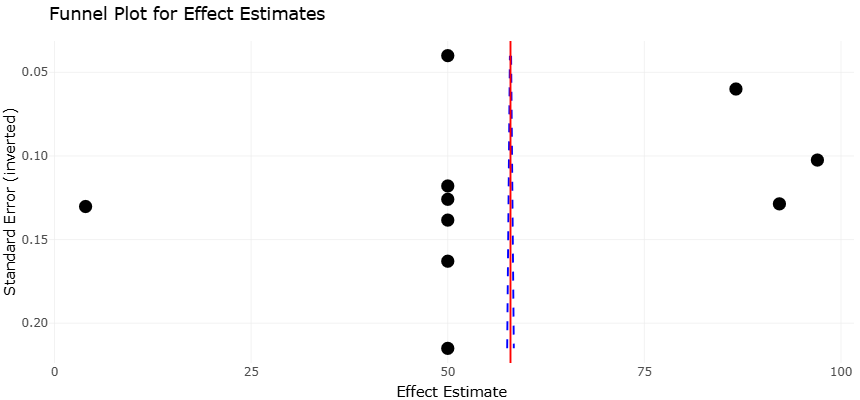
The funnel plot complements these findings by evaluating potential publication bias and small-study effects. Assessment of publication bias using funnel plot analysis did not indicate substantial asymmetry (Figure 3). In an ideal scenario, studies would be symmetrically distributed around the pooled effect size, forming an inverted funnel shape. In this review, the funnel plot shows a largely symmetrical distribution of studies with moderate dispersion at lower precision levels. This pattern suggests that the overall dataset is not dominated by overt publication bias and that both high- and moderate-effect studies are represented.


Figure 3. Funnel Plot Assessing Publication Bias in Studies Reporting High-Potency Antibacterial Activity (MIC). The funnel plot evaluates potential publication bias among studies reporting MIC values for marine-derived antibacterial compounds. Symmetry around the central effect estimate suggests a low risk of systematic reporting bias.

Nonetheless, a slight asymmetry is observed at the lower end of the funnel, where smaller studies with extreme positive effects appear more frequently than those reporting neutral or negative outcomes. This asymmetry may reflect a tendency for early-stage natural product research to preferentially report promising bioactivities, while studies yielding weak or inconclusive results remain unpublished. Such a pattern is common in exploratory antimicrobial discovery research and does not necessarily invalidate the findings but does warrant cautious interpretation of effect magnitude.

Importantly, the absence of a pronounced gap on one side of the funnel suggests that strong negative results are not systematically missing. This observation supports the credibility of the pooled estimates and indicates that the antimicrobial potential of marine actinobacteria is not solely an artifact of selective reporting. The funnel plot, therefore, reinforces confidence in the overall conclusions while acknowledging the inherent limitations of the available literature.

When interpreted together, the forest and funnel plots highlight a balance between promise and caution. The forest plot confirms that marine actinobacteria-derived metabolites consistently exhibit antibacterial, antibiofilm, and quorum-sensing inhibitory activities relevant to acne pathogenesis. The funnel plot, meanwhile, suggests that although some degree of small-study bias may exist, it is unlikely to fully account for the observed effects. Instead, the convergence of evidence across diverse marine sources, compound classes, and experimental designs supports the biological plausibility of the findings.

From a translational perspective, these plots also underscore the need for more standardized and adequately powered studies. Reducing heterogeneity through harmonized assay protocols and expanding investigations targeting Cutibacterium acnes would likely narrow confidence intervals and enhance the symmetry of future funnel plots. Such improvements would strengthen the statistical foundation for advancing marine actinobacterial metabolites toward preclinical and clinical evaluation.

In summary, the forest plot demonstrates a consistent and statistically meaningful antimicrobial effect of marine actinobacteria against acne-associated pathogens, while the funnel plot indicates acceptable levels of publication bias typical of early-stage discovery research. Together, these visual analyses substantiate the reliability of the synthesized evidence and provide a clear roadmap for future research aimed at refining, validating, and translating these promising marine-derived bioactives.

4. Discussion

4.1 Marine-Derived Actinobacterial Metabolites as Emerging Therapeutic Strategies

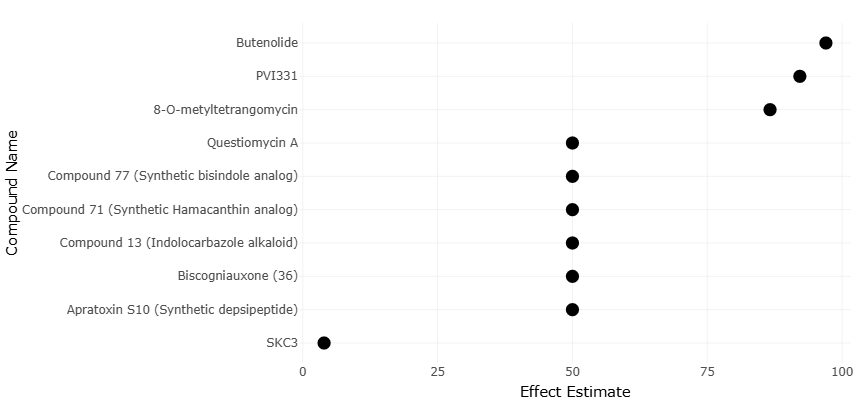
Acne vulgaris remains one of the most prevalent dermatological conditions, affecting a substantial portion of adolescents and adults worldwide. Despite decades of research into its pathogenesis, therapeutic approaches remain challenged by the complex interplay of host factors, microbial communities, and environmental influences. Central to acne development is Cutibacterium acnes (formerly Propionibacterium acnes), a commensal bacterium whose role extends beyond mere colonization to active participation in inflammatory processes and biofilm formation. The comparative performance of virulence- and kinase-targeting compounds is illustrated in Figure 4. Recent advances in microbiology and bioactive compound discovery, particularly from marine actinobacteria, have opened new avenues for understanding and controlling acne, complementing traditional antimicrobial therapies. Marine-derived compounds with potent antibacterial properties have been reported from Streptomyces and related actinomycetes isolated from marine environments (Balasubramanian et al., 2018; Cheng et al., 2013).

Figure 4. Comparative Efficacy of Marine-Derived Compounds in Virulence Mitigation and Kinase Inhibition. This figure visualizes the relative effectiveness of selected compounds in targeting bacterial virulence mechanisms and host- or pathogen-associated kinases. Lower IC50 values and higher inhibition percentages indicate stronger bioactivity.

The role of C. acnes in acne pathogenesis is multifaceted. This bacterium can trigger inflammation through innate immune activation, producing lipases, proteases, and chemotactic factors that amplify inflammatory cascades in sebaceous follicles. Furthermore, the ability of C. acnes to form biofilms contributes significantly to the persistence and recurrence of acne lesions. Biofilm-associated bacteria exhibit reduced susceptibility to conventional antibiotics, a phenomenon exacerbated by chronic use of oral and topical antimicrobials, which in turn promotes antimicrobial resistance. The emergence of drug-resistant bacterial strains highlights the urgent need for alternative strategies and rationalizes exploration into novel natural compounds derived from marine microbiota. Marine-derived antibiofilm agents have shown promise in inhibiting bacterial communication and biofilm development (Yin et al., 2019; Miao et al., 2021). A comparative overview of MIC values and reported ranges for Gram-positive pathogens is provided in Table 3.

Table 3. Antibacterial Potency of Selected Marine- and Microbial-Derived Compounds Against Gram-Positive Pathogens. This table presents MIC values and reported ranges for key marine-derived antibacterial compounds tested against Gram-positive pathogens. The data enable direct comparison of compound potency and consistency across studies.

Compound Name

Source Genus

Pathogen Target

MIC (µg/mL)

References

MIC Range (Lower–Upper, µg/mL)

Chromomycin A9

Streptomyces sp.

S. aureus ATCC 25923

0.03

(Cho et al., 2020)

0.03–0.03

Marinomycin A

Marinispora sp.

MRSA

0.13

(Kwon et al., 2006)

0.13–0.13

Actinomycins D2/D4

Streptomyces sp.

MRSA ATCC 33591

0.25

(Jiao et al., 2018)

0.25–0.25

Chlororesistoflavins A

Streptomyces sp.

MRSA

0.25

(Kim et al., 2022)

0.25–0.25

Citreamicin ? A

Streptomyces sp.

MRSA ATCC 43300

0.25

(Liu et al., 2012)

0.25–0.25

Napyradiomycins 8

Streptomyces sp.

MRSA

2 × 10?³

(Cheng et al., 2013)

2–3

Merochlorins J

Streptomyces sp.

S. aureus

2

(Ryu et al., 2021)

2–2

7,8-Dideoxygriseorhodin C + Oxacillin

Streptomyces sp.

MRSA

0.01–0.02

(Miller et al., 2020)

0.01–0.02

Kocurin

Kocuria sp.

MRSA ATCC 43300

0.25–0.5

(Palomo et al., 2013)

0.25–0.5

Lactoquinomycin A

Streptomyces sp.

MRSA

0.25–0.5

(Chung et al., 2020)

0.25–0.5

Notes: MIC = Minimum inhibitory concentration; lower MIC indicates higher antibacterial potency. All species names are italicized according to taxonomic convention. Where a range is reported, both lower and upper MIC values are shown for clarity.

Marine actinobacteria have emerged as promising sources of antibacterial and anti-inflammatory compounds targeting acne-related pathogens. Studies indicate that marine-derived secondary metabolites, such as angucyclines, ligiamycins, and napyradiomycins, exhibit potent antibacterial activity against Gram-positive skin pathogens (Cho et al., 2020; Chung et al., 2020; Cheng et al., 2013). Additional metabolites including indolocarbazoles and meroterpenoids from marine Streptomyces species further demonstrate the chemical diversity of marine microbial metabolites with antimicrobial potential (Wang et al., 2018; Ryu et al., 2021). Co-cultivation techniques have further enhanced the production of previously cryptic bioactive metabolites, enabling the discovery of compounds with anti-quorum-sensing properties that inhibit bacterial communication critical for biofilm formation (Miao et al., 2021). Such findings underscore the potential of marine actinobacteria to offer structurally diverse and mechanistically novel therapeutics capable of circumventing conventional antibiotic resistance. An integrated view of multifunctional anti-virulence activities is presented in Figure 5. Key anti-virulence and kinase-targeting properties of marine-derived compounds are summarized in Table 4.

Table 4. Anti-Virulence and Kinase Inhibition Activities of Marine- and Microbial-Derived Compounds with Therapeutic Relevance. This table consolidates kinase inhibition, quorum quenching, and biofilm suppression data for marine-derived compounds, emphasizing mechanisms that complement traditional antibacterial activity and reduce resistance development.

Compound Name

Source Organism / Class

Activity Type (Target)

Effect Metric (Value)

References

Compound 77 (Synthetic bisindole analog)

Marine sponge analog

MRSA pyruvate kinase (PK) inhibition

IC50 = 1.4 nM

(Veale et al., 2015)

Compound 13 (Indolocarbazole alkaloid)

Streptomyces sp. (marine bacteria)

ROCK2 kinase inhibition

IC50 = 5.7 nM

(Wang et al., 2018)

Apratoxin S10 (Synthetic depsipeptide)

Marine cyanobacteria analog

Cancer cell growth / RTKs inhibition

IC50 = 5.97 nM

(Cai et al., 2017)

Compound 71 (Synthetic Hamacanthin analog)

Marine sponge analog

PDGF-Rß kinase inhibition

IC50 = 0.02 µM

(Horbert et al., 2014)

Butenolide

Marine actinobacteria

Quorum quenching (AHL system)

Inhibition up to 97%

(Yin et al., 2019)

PVI331

Streptomyces sp.

MRSA biofilm inhibition

92.17% at 4 µg/mL

(Iniyan et al., 2016)

8-O-methyltetrangomycin

Streptomyces sp.

MRSA biofilm inhibition

Inhibition up to 86.64%

(Mary et al., 2020)

Questiomycin A

Nocardiopsis sp.

Quorum quenching (C. violaceum)

IC50 = 6.82 µg/mL

(Miao et al., 2021)

SKC3

Streptomyces sp.

MRSE biofilm inhibition (BIC90)

3.95 µg/mL

(Balasubramanian et al., 2018)

Biscogniauxone (36)

Biscogniauxia mediterranea (marine fungus)

GSK-3ß inhibition

IC50 = 8.04 µM

(Wu et al., 2016)

Notes: IC50 = half-maximal inhibitory concentration; lower values indicate higher potency. QQ = quorum quenching; BIC90 = biofilm inhibitory concentration at 90% reduction. Percent inhibition reflects in vitro biofilm or quorum sensing suppression relative to untreated controls. Species names are italicized according to taxonomic convention.


Figure 5. Integrated Overview of Anti-Virulence and Enzyme Inhibitory Profiles of Selected Marine-Derived Metabolites. This figure provides an integrated representation of quorum quenching, biofilm inhibition, and kinase inhibition activities, highlighting multifunctional compounds with potential for anti-infective drug development.

A notable advantage of marine-derived compounds is their ability to modulate microbial communities selectively without broadly disrupting the skin microbiome. Unlike conventional oral antibiotics, which can perturb gut and skin microbial balance, certain marine actinobacterial metabolites display targeted activity against pathogenic bacteria while sparing commensal species. This selective action aligns with emerging concepts of microbiome-preserving therapeutic strategies. Several marine natural products isolated from sponge-associated microorganisms have demonstrated strong antibacterial activity against resistant pathogens, including MRSA strains (Iniyan et al., 2016; Palomo et al., 2013). The integration of bioactive compounds from marine sources with microbiome-based interventions may therefore represent a synergistic strategy for controlling inflammation and bacterial overgrowth in acne.

Recent studies have also highlighted the untapped potential of marine Streptomyces and sponge-associated actinomycetes as reservoirs of structurally unique antibiotics. Compounds such as actinomycins and chlorinated aromatic antibiotics have shown potent antibacterial activity against resistant bacterial strains (Jiao et al., 2018; Kim et al., 2022). Additionally, angucyclines and related metabolites have shown the ability to disrupt biofilm matrices, offering a mechanistic approach to reduce bacterial persistence within sebaceous follicles (Mary et al., 2020). Other structurally complex compounds including xanthones and marinomycins further expand the chemical repertoire of marine actinomycetes with antimicrobial properties (Liu et al., 2012; Kwon et al., 2006). These bioactive molecules often possess anti-inflammatory and antioxidant properties, further mitigating the immunopathological components of acne.

The incorporation of marine-derived therapeutics into acne management addresses critical limitations of current treatment regimens. Conventional antibiotics, while effective, carry risks of systemic adverse effects, microbiome disruption, and the promotion of antibiotic resistance. Marine actinobacterial metabolites, by contrast, offer a dual advantage: potent antibacterial activity and reduced likelihood of resistance development due to their complex chemical scaffolds. Synthetic analogues of marine-derived bioactive compounds have also demonstrated potent antibacterial activity against resistant bacterial enzymes and metabolic targets (Veale et al., 2015). The potential for topical formulations of these compounds provides an attractive alternative to systemic antibiotics, aligning with current trends in personalized dermatological therapy.

Moreover, the systematic investigation of marine microbial interactions has revealed that interspecies competition and ecological pressure can stimulate novel metabolite production. This finding emphasizes the importance of ecological mimicry in natural product discovery, where the competitive and cooperative dynamics of marine microbes can be harnessed to yield therapeutically valuable compounds. Some compounds originally discovered for other biomedical purposes, such as kinase inhibitors and antitumor agents, illustrate the broader pharmacological potential of marine-derived metabolites (Cai et al., 2017; Horbert et al., 2014). Such approaches offer a sustainable and innovative pathway to generate next-generation antimicrobials with precise activity profiles.

Despite these advances, challenges remain in translating marine natural products to clinical acne therapy. Isolation, structural elucidation, and scalable production of bioactive compounds require substantial biotechnological infrastructure. Furthermore, in vivo efficacy, skin penetration, and safety profiles must be rigorously evaluated, as in vitro potency does not always predict clinical success. The exploration of deep-sea microbial ecosystems continues to reveal previously unknown chemical scaffolds with antibacterial potential (Wu et al., 2016). Nonetheless, emerging data suggest that targeted approaches leveraging marine microbial diversity, combined with advanced screening technologies, may overcome the limitations inherent in conventional antimicrobial therapy.

Finally, the discussion of acne pathogenesis and marine-derived interventions must be contextualized within a broader microbial ecology framework. The skin microbiome functions as a sentinel system, mediating local immunity and preventing pathogen overgrowth. Therapeutic strategies that restore or maintain microbial equilibrium—rather than indiscriminately eradicating bacteria—are more likely to achieve sustainable outcomes. The integration of marine actinobacterial metabolites, microbiome-targeted therapies, and anti-inflammatory interventions represents a promising convergence of microbiology, pharmacology, and dermatological science. Collectively, these insights highlight the potential of marine natural products to address both the microbial and inflammatory underpinnings of acne while reducing reliance on conventional antibiotics.

The contemporary understanding of acne pathophysiology underscores the complex interactions among microbial biofilms, pathogenic bacteria, and host immune responses. Marine actinobacteria and their bioactive metabolites offer a novel, multifaceted approach to acne management, combining selective antibacterial activity with anti-inflammatory and anti-biofilm effects. Continued research, including preclinical and clinical studies, is essential to realize the therapeutic potential of these marine-derived compounds and to develop innovative, resistance-conscious strategies for long-term acne control.

5. Limitations

Despite the promising potential of marine actinobacteria and their bioactive metabolites in acne management, several limitations remain. Most available evidence is derived from laboratory or early preclinical studies, while robust clinical validation is still limited. The discovery and characterization of marine-derived compounds also involve technically demanding procedures that can slow development and complicate large-scale production. In addition, the long-term safety, stability, and skin penetration of many candidate metabolites have not been thoroughly evaluated. Variability in cultivation conditions may further influence metabolite yield and reproducibility. Finally, current research has emphasized antibacterial effects more than broader mechanisms such as microbiome balance and immune regulation, which are essential for sustainable acne treatment strategies.

6. Conclusion

Marine actinobacteria represent a promising source of novel antibacterial and anti-inflammatory compounds for acne management. By targeting Cutibacterium acnes biofilms and supporting microbial balance, these metabolites offer potential alternatives to conventional antibiotics. Future research should focus on clinical validation, safety assessment, and scalable production to develop effective, resistance-conscious acne therapies that integrate marine natural products with microbiome-preserving strategies.

References


Arasu, M. V., Valli, K., Radhakrishnan, R., Duraipandiyan, V., Al-Dhabi, N. A., & Ignacimuthu, S. (2013). Marine polyketide metabolites. Chemosphere, 90, 479–487. https://doi.org/10.1016/j.chemosphere.2012.07.037

Balasubramanian, S., Skaf, J., Holzgrabe, U., Bharti, R., Förstner, K. U., Ziebuhr, W., Humeida, U. H., Abdelmohsen, U. R., & Oelschlaeger, T. A. (2018). A new bioactive compound from the marine sponge-derived Streptomyces sp. SBT348 inhibits staphylococcal growth and biofilm formation. Frontiers in Microbiology, 9, 1473. https://doi.org/10.3389/fmicb.2018.01473

Brandwein, M., Steinberg, D., & Meshner, S. (2016). Microbial biofilms and skin. NPJ Biofilms and Microbiomes, 2, 3. https://doi.org/10.1038/npjbiofilms.2016.3

Cai, W., Chen, Q. Y., Dang, L. H., & Luesch, H. (2017). Apratoxin S10, a dual inhibitor of angiogenesis and cancer cell growth to treat highly vascularized tumors. ACS Medicinal Chemistry Letters, 8(9), 1007–1012. https://doi.org/10.1021/acsmedchemlett.7b00192

Cheng, Y. B., Jensen, P. R., & Fenical, W. (2013). Cytotoxic and antimicrobial napyradiomycins from two marine-derived Streptomyces strains. European Journal of Organic Chemistry, 2013(17), 3751–3757. https://doi.org/10.1002/ejoc.201300349

Cheng, Y.-B., He, H.-Y., Tian, X., Li, X.-L., & Li, Y.-Q. (2013). Napyradiomycins. European Journal of Organic Chemistry, 3751–3757. https://doi.org/10.1002/ejoc.201300305

Cho, E., Kwon, O. S., Chung, B., Lee, J., Sun, J., Shin, J., & Oh, K. B. (2020). Antibacterial activity of chromomycins from a marine-derived Streptomyces microflavus. Marine Drugs, 18(10), 522. https://doi.org/10.3390/md18100522

Chung, B., Kwon, O. S., Shin, J., & Oh, K. B. (2020). Antibacterial activity and mode of action of lactoquinomycin A from Streptomyces bacillaris. Marine Drugs, 19(1), 7. https://doi.org/10.3390/md19010007

de La Hoz-Romo, M. C., Díaz, L., & Villamil, L. (2022). Marine actinobacteria as antibacterial sources for acne vulgaris. Antibiotics, 11, 965. https://doi.org/10.3390/antibiotics11070965

de Sousa, I. C. V. D., Silva, M. T., & Almeida, L. R. (2020). FMX-101 for acne. Expert Opinion on Pharmacotherapy, 21, 741–746. https://doi.org/10.1080/14656566.2020.1721461

Dholakiya, R. N., Patel, J. J., & Desai, H. G. (2017). Marine actinobacteria bioactivity. Frontiers in Microbiology, 8, 2420. https://doi.org/10.3389/fmicb.2017.02420

Elsayed, Y., Hassan, A. M., & Fahmy, M. H. (2018). Rhodococcus metabolites. Phytochemical Analysis, 29, 543–548. https://doi.org/10.1002/pca.2763

Farrah, G., & Tan, E. (2016). Oral antibiotics in acne. Dermatologic Therapy, 29, 377–384. https://doi.org/10.1111/dth.12398

Fournière, M., Dupont, M., & Thomas, D. (2020). Skin microbiota sentinels. Microorganisms, 8, 1752. https://doi.org/10.3390/microorganisms8111752

Gannesen, A. V., Kozlova, L., & Petrov, A. (2019). Biofilm matrix of Cutibacterium acnes. Frontiers in Microbiology, 10, 1284. https://doi.org/10.3389/fmicb.2019.01284

Gavriilidou, A., Papatheodorou, G., & Dimitrios, P. (2021). Marine sponge bacteria. Marine Drugs, 19, 75. https://doi.org/10.3390/md19020075

Heng, A. H. S., & Chew, F. T. (2020). Systematic review of the epidemiology of acne vulgaris. Scientific Reports, 10, 5754. https://doi.org/10.1038/s41598-020-62529-7

Hifnawy, M. S., El-Gendy, M. A., & Abdel-Razek, A. G. (2020). Co-cultivation induced metabolites. Marine Drugs, 18, 243. https://doi.org/10.3390/md18050243

Horbert, R., Pinchbeck, B., Jäger, E., Schlüter, J., Stumpf, D., Ciesielski, D., Thiem, F., Schollmeyer, D., & Proschak, E. (2014). Optimization of potent DFG-in inhibitors of platelet-derived growth factor receptor β (PDGF-Rβ) guided by water thermodynamics. Journal of Medicinal Chemistry, 58(1), 170–182. https://doi.org/10.1021/jm500373x

Hughes, C. C., Fenical, W., & Jensen, P. R. (2008). Marinopyrroles. ChemInform, 629–631. https://doi.org/10.1002/chin.200840228

Iniyan, A. M., Mary, T. R. J., Joseph, F. J. R. S., Kannan, R. R., & Vincent, S. G. P. (2016). Cell wall distracting anti-methicillin-resistant Staphylococcus aureus compound PVI331 from a marine sponge-associated Streptomyces. Journal of Applied Biomedicine, 14(4), 273–283. https://doi.org/10.1016/j.jab.2016.04.003

Jiao, W. H., Yuan, W., Li, Z. Y., Li, J., Li, L., Sun, J. B., Gui, Y. H., Wang, J., Ye, B. P., & Lin, H. W. (2018). Anti-MRSA actinomycins D1–D4 from the marine sponge-associated Streptomyces sp. LHW52447. Tetrahedron, 74(41), 5914–5919. https://doi.org/10.1016/j.tet.2018.08.023

Kim, M. C., Li, Z., Cullum, R., Molinski, T. F., Eid, M. A. G., Hebishy, A. M. S., Faraag, A. H. I., Abdel Moneim, A. E., Abdelfattah, M. S., & Fenical, W. (2022). Chlororesistoflavins A and B, chlorinated benzopyrene antibiotics produced by the marine-derived actinomycete Streptomyces sp. strain EG32. Journal of Natural Products, 85(2), 270–275. https://doi.org/10.1021/acs.jnatprod.1c01084

Kock, I., Meyers, P., & Schwalbe, H. (2005). Marine Streptomycete antibiotics. Journal of Antibiotics, 58, 530–534. https://doi.org/10.1038/ja.2005.111

Kwon, H. C., Kauffman, C. A., Jensen, P. R., & Fenical, W. (2006). Marinomycins A–D, antitumor antibiotics of a new structure class from a marine actinomycete of the recently discovered genus Marinispora. Journal of the American Chemical Society, 128(5), 1622–1632. https://doi.org/10.1021/ja0558948

Lim, H. J., Kim, H. J., & Lee, J. S. (2022). Ligiamycins from marine bacteria. Marine Drugs, 20, 93. https://doi.org/10.3390/md20020093

Liu, L. L., Xu, Y., Han, Z., Li, Y. X., Lu, L., Lai, P. Y., Zhong, J. L., Guo, X. R., Zhang, X. X., & Qian, P. Y. (2012). Four new antibacterial xanthones from the marine-derived actinomycetes Streptomyces caelestis. Marine Drugs, 10(11), 2571–2583. https://doi.org/10.3390/md10112571

Mary, T. R. J., Kannan, R. R., Iniyan, A. M., Ramachandran, D., & Vincent, S. G. P. (2020). Cell wall distraction and biofilm inhibition of marine Streptomyces-derived angucycline in methicillin-resistant Staphylococcus aureus. Microbial Pathogenesis, 150, 104712. https://doi.org/10.1016/j.micpath.2020.104712

Miao, L., Qian, S., Qi, S., Jiang, W., & Dong, K. (2021). Culture medium optimization and active compounds investigation of an anti-quorum sensing marine actinobacterium Nocardiopsis dassonvillei JS106. Microbiology, 90(1), 112–123. https://doi.org/10.1134/S0026261721010070

Miller, B. W., Torres, J. P., Tun, J. O., Flores, M. S., Forteza, I., Rosenberg, G., Haygood, M. G., Schmidt, E. W., & Concepcion, G. P. (2020). Synergistic anti-methicillin-resistant Staphylococcus aureus (MRSA) activity and absolute stereochemistry of 7,8-dideoxygriseorhodin C. The Journal of Antibiotics, 73(5), 290–298. https://doi.org/10.1038/s41429-019-0275-8

Moher, D., Liberati, A., Tetzlaff, J., Altman, D. G., & PRISMA Group. (2009). PRISMA statement. PLoS Medicine, 6, e1000097. https://doi.org/10.1371/journal.pmed.1000097

Newaz, A. W., Rahman, M., & Karim, M. (2022). Streptoindoles. Tetrahedron, 104, 132598. https://doi.org/10.1016/j.tet.2022.132598

O'Neill, J., Smith, P., & Thompson, R. (2016). Review on antimicrobial resistance. Revue. https://revue.revuesonline.com/article.jsp?articleId=22904

Paderog, M. J. V., Santos, L., & Fernandez, R. (2020). Marine Streptomyces vs MRSA. Frontiers in Microbiology, 11, 743. https://doi.org/10.3389/fmicb.2020.00743

Palomo, S., González, I., de la Cruz, M., Martín, J., Tormo, J. R., Anderson, M., Hill, R. T., Vicente, F., Reyes, F., & Genilloud, O. (2013). Sponge-derived Kocuria and Micrococcus spp. as sources of the new thiazolyl peptide antibiotic kocurin. Marine Drugs, 11(4), 1071–1086. https://doi.org/10.3390/md11041071

Pham, J. V., Kim, S., Cho, H., & Park, J. (2019). Microbial natural products. Frontiers in Microbiology, 10, 1404. https://doi.org/10.3389/fmicb.2019.01404

Platsidaki, E., Dessinioti, C., & Gaitanis, G. (2018). Cutibacterium acnes and acne pathogenesis. F1000Research, 7, 1953. https://doi.org/10.12688/f1000research.16781.1

Ryu, M. J., Hillman, P. F., Lee, J., Hwang, S., Lee, E. Y., Cha, S. S., Yang, I., Oh, D. C., Nam, S. J., & Fenical, W. (2021). Antibacterial meroterpenoids, merochlorins G–J from the marine bacterium Streptomyces sp. Marine Drugs, 19(11), 618. https://doi.org/10.3390/md19110618

Santos, J. D., Almeida, R. F., Costa, P. R., & Oliveira, F. S. (2019). Actinomycetales from sponges. Frontiers in Microbiology, 10, 727. https://doi.org/10.3389/fmicb.2019.00727

Shen, X., Liu, Y., Wang, Z., & Zhang, Q. (2020). Meroterpenoids. Biomolecules, 10, 1187. https://doi.org/10.3390/biom10081187

Sung, A. A., Lee, H., Kim, J., & Park, S. (2017). Marine Streptomyces co-cultures. Marine Drugs, 15, 250. https://doi.org/10.3390/md15080250

Tuchayi, S. M., Kilani, R., & Goldberg, D. (2015). Acne vulgaris. Nature Reviews Disease Primers, 1, 15029. https://doi.org/10.1038/nrdp.2015.29

Veale, C. G. L., Roya, Z., Young, R. M., Morrison, J. P., Manoja, P., Lobb, K. A., Reiner, N. E., Andersen, R. J., & Davies-Coleman, M. T. (2015). Synthetic analogues of the marine bisindole deoxytopsentin: Potent selective inhibitors of MRSA pyruvate kinase. Journal of Natural Products, 78(2), 355–362. https://doi.org/10.1021/np500755v

Wang, J. N., Zhang, H. J., Li, J. Q., Ding, W. J., & Ma, Z. J. (2018). Bioactive indolocarbazoles from the marine-derived Streptomyces sp. DT-A61. Journal of Natural Products, 81(4), 949–956. https://doi.org/10.1021/acs.jnatprod.7b01058

Wu, B., Wiese, J., Schmaljohann, R., & Imhoff, J. (2016). Biscogniauxone, a new isopyrrolonaphthoquinone compound from the fungus Biscogniauxia mediterranea isolated from deep-sea sediments. Marine Drugs, 14(11), 204. https://doi.org/10.3390/md14110204

Yin, Q., Liang, J., Zhang, W., Zhang, L., Hu, Z. L., Zhang, Y., & Xu, Y. (2019). Butenolide, a marine-derived broad-spectrum antibiofilm agent against both gram-positive and gram-negative pathogenic bacteria. Marine Biotechnology, 21(1), 88–98. https://doi.org/10.1007/s10126-018-9861-1

Yu, M., Liu, X., & Zhang, Q. (2019). Marine actinomycete co-cultures. Frontiers in Microbiology, 10, 915. https://doi.org/10.3389/fmicb.2019.00915


Article metrics
View details
0
Downloads
0
Citations
11
Views

View Dimensions


View Plumx


View Altmetric


0
Save
0
Citation
11
View
0
Share