Microbial Bioactives

Microbial Bioactives | Online ISSN 2209-2161
279
Citations
170.8k
Views
157
Articles
Your new experience awaits. Try the new design now and help us make it even better
Switch to the new experience
Figures and Tables
REVIEWS   (Open Access)

From Antioxidants to Enzyme Inhibitors: A Systematic Review and Meta-Analysis of Bioactive Natural Products Targeting Oxidative Stress, Mitochondrial Function, and Microbial Virulence

Feng Zhao 1*, Jiao Bai 2, Changjing Wu 3, Yanru Deng 4, Qingyun Peng 5,6, Weihao Chen 7, Jiao Xiao 2,8

+ Author Affiliations

Microbial Bioactives 9 (1) 1-8 https://doi.org/10.25163/microbbioacts.9110608

Submitted: 11 October 2025 Revised: 03 January 2026  Published: 14 January 2026 


Abstract

Natural products continue to serve as a foundational source of pharmacologically relevant molecules due to their chemical diversity and evolutionary optimization for biological interaction. This systematic review and meta-analysis synthesize current evidence on selected classes of bioactive natural products, including L-ascorbic acid and its derivatives, Annonaceous acetogenins, methylxanthines, butenolides, and marine-derived sesterterpenes, with a focus on their mechanistic actions and therapeutic potential. Emphasis is placed on compounds that modulate oxidative stress, mitochondrial bioenergetics, epigenetic regulation, and pathogen-specific metabolic pathways. Pharmacological concentrations of L-ascorbic acid demonstrate prooxidant activity that selectively induces cytotoxicity in cancer cells while also functioning as a cofactor for epigenetic enzymes involved in DNA demethylation. Annonaceous acetogenins, particularly chatenaytrienins, show potent inhibition of mitochondrial complex I, leading to reactive oxygen species generation and programmed cell death, although concerns regarding neurotoxicity remain. Marine suvanine sesterterpenes selectively inhibit isocitrate lyase in the glyoxylate cycle, a pathway essential for fungal virulence but absent in humans, highlighting a promising antivirulence strategy. Butenolide derivatives exhibit a wide spectrum of activities ranging from cytoprotection and cytoproliferation to antifungal and antibacterial effects, with structure–activity relationships guiding potency optimization. Quantitative synthesis of cytotoxicity and antifungal efficacy data supports the therapeutic relevance of these compounds while underscoring the importance of mechanistic specificity. Collectively, this review integrates biochemical, cellular, and computational evidence to evaluate the translational potential and limitations of these natural products in drug discovery.

Keywords: Natural products; butenolides; sesterterpenes; vitamin C; mitochondrial inhibition; isocitrate lyase; oxidative stress; antifungal agents


1. Introduction

Natural products have long occupied a central, almost irreplaceable, position in drug discovery. Even in the age of combinatorial chemistry and rational drug design, a significant proportion of approved therapeutics either originate directly from natural compounds or are structurally inspired by them (Cragg & Newman, 2013; Newman & Cragg, 2016). This continued reliance is not accidental. The stereochemical richness, scaffold diversity, and biosynthetic refinement inherent to secondary metabolites often exceed what is typically achieved through purely synthetic libraries (Kumar & Pandey, 2013). Such structural complexity enables natural products to engage biological targets with unusual specificity, sometimes modulating redox-sensitive enzymes, mitochondrial complexes, and regulatory proteins in ways that small, planar synthetic molecules cannot easily replicate.

The urgency of rediscovering and systematically evaluating natural products is amplified by the escalating crisis of antimicrobial resistance. Gram-negative bacteria, in particular, pose a formidable threat due to their impermeable outer membranes, efflux pumps, and diverse enzymatic resistance strategies (Breijyeh et al., 2020; Silver, 2011). Conventional antibacterial pipelines have struggled to keep pace with these adaptive mechanisms. As a result, there has been renewed attention toward plant- and microbe-derived metabolites that evolved within competitive ecological niches and often target nontraditional pathways, including virulence regulation and metabolic adaptation (Núñez-Montero & Barrientos, 2018; Ríos & Recio, 2005). Botanical bioactives and related secondary metabolites frequently display multitarget effects, which may reduce the probability of rapid resistance development compared with single-target synthetic agents (Isman, 2006).

Oxidative stress represents another major therapeutic frontier where natural products demonstrate profound relevance. Reactive oxygen species (ROS) are unavoidable by-products of cellular metabolism, yet excessive accumulation disrupts lipids, proteins, and DNA, contributing to carcinogenesis, inflammation, and degenerative disorders. Antioxidant compounds derived from plants and microorganisms can buffer these redox imbalances either through direct radical scavenging or by enhancing endogenous defense systems (Pisoschi & Pop, 2015). Flavonoids, for example, exemplify a class of structurally diverse natural antioxidants whose bioactivities extend beyond radical neutralization to include modulation of signaling pathways and enzyme inhibition (Kumar & Pandey, 2013).

Interestingly, the biological role of antioxidants is not always straightforward. At certain concentrations or under particular cellular conditions, compounds traditionally classified as antioxidants may exert prooxidant effects, selectively increasing oxidative stress in pathological cells. This duality is especially relevant in oncology, where mitochondrial dysfunction and metabolic reprogramming are hallmarks of tumor progression (Ralph et al., 2010). Targeting mitochondrial bioenergetics has therefore emerged as a promising strategy in anticancer therapy.

Within this context, inhibitors of mitochondrial complex I (NADH–ubiquinone reductase) are of particular interest. Complex I plays a pivotal role in oxidative phosphorylation, and its inhibition can precipitate ATP depletion and apoptosis (Degli Esposti, 1998). Certain plant-derived metabolites, such as annonaceous acetogenins, have demonstrated potent complex I inhibitory activity, contributing to their cytotoxic properties (McLaughlin, 2008). However, such potency is accompanied by safety concerns, as chronic mitochondrial inhibition may also produce neurotoxic consequences. This delicate balance between efficacy and toxicity underscores the need for systematic evidence synthesis rather than isolated experimental interpretation.

Natural products also intersect with microbial bioenergetics and virulence regulation. For instance, inhibitors targeting components of the cytochrome bc1 complex have demonstrated antimicrobial and antifungal potential (Fisher & Meunier, 2008). Strobilurin fungicides, derived from natural fungal metabolites, illustrate how ecological chemical warfare can inspire modern agrochemical and pharmaceutical development (Bartlett et al., 2002). These examples highlight how bioactive natural products can disrupt pathogen energy metabolism while sparing host systems, although resistance mechanisms may eventually emerge.

Beyond antibacterial and anticancer applications, the discovery pipeline for natural products relies heavily on robust screening methodologies. Early-stage cytotoxicity and bioactivity evaluations often utilize general assays such as the brine shrimp lethality test, which provides a rapid and cost-effective method for identifying promising extracts (Meyer et al., 1982). Following preliminary screening, sophisticated isolation and characterization techniques enable purification and structural elucidation of active constituents (Sarker & Nahar, 2012). Advances in chromatography, spectroscopy, and metabolomics have dramatically improved access to complex natural matrices.

Microbial endophytes and environmental microorganisms represent particularly rich sources of chemically novel metabolites. Bioprospecting efforts have revealed that fungi and bacteria residing within plants frequently produce unique secondary metabolites with antimicrobial and cytotoxic potential (Strobel & Daisy, 2003). Such discoveries reinforce the ecological dimension of drug discovery: bioactive compounds are often evolutionary responses to environmental stressors or interspecies competition.

Given the expanding body of experimental data on antioxidants, mitochondrial inhibitors, and antivirulence agents, rigorous quantitative synthesis has become increasingly important. Systematic reviews and meta-analyses provide structured frameworks for evaluating heterogeneous findings and identifying consistent therapeutic signals (Borenstein et al., 2009). Statistical approaches for assessing between-study variability, such as the I² metric, help determine whether observed differences reflect methodological diversity or true biological heterogeneity (Higgins et al., 2003). Moreover, graphical and statistical tools can detect potential publication bias, ensuring that conclusions are not disproportionately influenced by selective reporting (Egger et al., 1997).

In light of the persistent challenges posed by antimicrobial resistance, oxidative stress–related disorders, and mitochondrial dysfunction, natural products remain indispensable reservoirs of pharmacological innovation. Their capacity to function as antioxidants, enzyme inhibitors, and modulators of microbial virulence underscores their multidimensional therapeutic potential. However, translating these bioactivities into clinically viable interventions requires careful integration of mechanistic insight, safety evaluation, and quantitative evidence synthesis.

This systematic review and meta-analysis, therefore, aim to synthesize current evidence on bioactive natural products targeting oxidative stress, mitochondrial function, and microbial virulence. By integrating biochemical, pharmacological, and statistical perspectives, the present study seeks to clarify not only the magnitude of observed effects but also the reliability and translational feasibility of these compounds within contemporary biomedical frameworks.
2. Materials and methods

2.1 Study Design and Reporting Framework

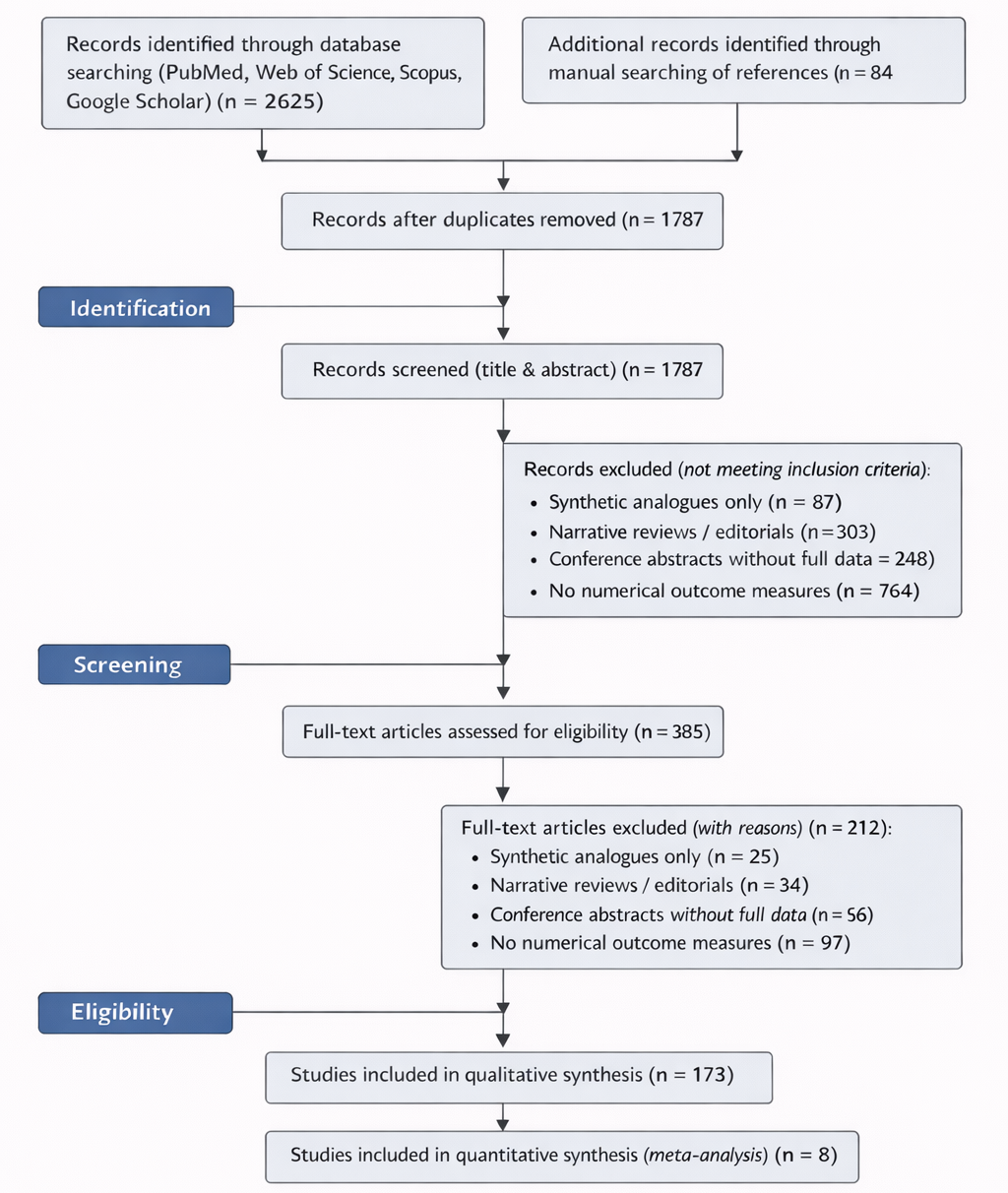
This systematic review and meta-analysis were conducted in accordance with the Preferred Reporting Items for Systematic Reviews and Meta-Analyses (PRISMA) 2020 guidelines (Page et al., 2021) and followed methodological standards widely adopted in evidence synthesis research (Higgins et al., 2022). The study selection workflow—including identification, screening, eligibility, and final inclusion—is presented in the PRISMA flow diagram (Figure 1).

Figure 1: PRISMA Flow Diagram of Study Selection. This figure illustrates the systematic literature search and study selection process conducted according to PRISMA guidelines. It summarizes the number of records identified, screened, excluded, and ultimately included in the qualitative and quantitative synthesis.

The objective was to synthesize qualitative and quantitative evidence on selected bioactive natural products, with emphasis on mechanistic outcomes related to cytotoxicity, cytoprotection, antifungal activity, oxidative stress modulation, mitochondrial dysfunction, and inhibition of pathogen-specific metabolic enzymes.

2.2 Literature Search Strategy

A comprehensive literature search was performed across PubMed, Web of Science, Scopus, and Google Scholar. Searches were conducted without geographical restrictions and included studies published up to the most recent complete year.

The search strategy combined controlled vocabulary (e.g., MeSH terms) and free-text keywords. Boolean operators (AND, OR) were applied to optimize sensitivity and specificity. Manual screening of reference lists was also performed to identify additional eligible studies not captured in the database search process, consistent with established systematic review practices (Higgins et al., 2022).

2.3 Eligibility Criteria

Original experimental studies reporting quantitative biological outcomes were eligible for inclusion. Studies were included if they:

  • Investigated natural or nature-derived compounds
  • Reported measurable outcomes such as CC50, EC50, IC50, or comparable quantitative metrics
  • Used in vitro, ex vivo, or in vivo models
  • Provided sufficient statistical information for data extraction

Exclusion criteria included narrative reviews, editorials, conference abstracts without full datasets, and studies lacking numerical outcome measures.

2.4 Study Selection and Data Extraction

Two reviewers independently screened titles and abstracts, followed by full-text evaluation. Disagreements were resolved through discussion and consensus. Data extraction was conducted using a standardized template capturing compound identity, biological targets, experimental model, effect size metrics, variability measures, and sample size. This dual-reviewer process was implemented to reduce selection bias and enhance methodological transparency (Page et al., 2021).

2.5 Outcome Measures and Data Harmonization

The primary outcomes selected for meta-analysis were:

  • Cytotoxic potency (CC50 values)
  • Antifungal efficacy (EC50 values)

When multiple values were reported, the most biologically relevant or consistently reported endpoint was selected. Confidence intervals were calculated or reconstructed when necessary using reported summary statistics, following standard meta-analytic principles (Borenstein et al., 2009). All outcome measures were harmonized into common units before statistical pooling.

2.6 Statistical Analysis

Quantitative synthesis was performed using random-effects models to account for anticipated heterogeneity across studies (DerSimonian & Laird, 1986). Effect sizes were calculated as mean differences with 95% confidence intervals. Between-study heterogeneity was assessed using the I² statistic, with thresholds interpreted according to conventional benchmarks (Higgins et al., 2003). Statistical analyses were performed using R-based meta-analysis workflows. Publication bias was assessed through visual inspection of funnel plots and formal statistical testing where applicable, acknowledging the limitations of asymmetry tests when the number of studies is small (Egger et al., 1997).

2.7 Risk of Bias Assessment

Risk of bias was evaluated using adapted criteria suitable for experimental pharmacology studies, including clarity of compound characterization, completeness of outcome reporting, and consistency of statistical analysis. The overall methodological approach was aligned with Cochrane recommendations for evidence synthesis (Higgins et al., 2022).

2.8 Ethical Considerations

Ethical approval was not required, as this study synthesized previously published data and did not involve new human or animal experimentation. All procedures adhered to internationally accepted standards for systematic reviews and meta-analyses (Page et al., 2021).

3. Results

3.1 Interpretation and discussion of forest and funnel plots

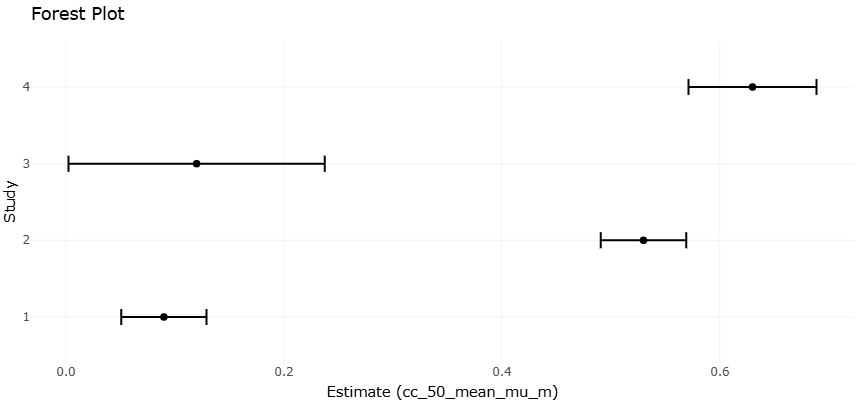
The forest plots generated for cytotoxicity and antifungal efficacy provide a visual summary of the magnitude and precision of effects associated with selected natural products. Individual study-level cytotoxicity estimates included in the meta-analysis are listed in Table 1. In the cytotoxicity meta-analysis focusing on chatenaytrienins, the forest plot demonstrates consistently low CC50 values in tumor cell lines compared with conditionally normal cells. Chatenaytrienin-1 and chatenaytrienin-2 both show strong cytotoxic potency against Jurkat cells, with effect estimates clustering at submicromolar concentrations. In contrast, CC50 values in HeLa293 cells are markedly higher, resulting in non-overlapping confidence intervals between tumor and normal cell models. This separation suggests a degree of selectivity that is biologically meaningful and supports the mechanistic interpretation that mitochondrial complex I inhibition disproportionately affects metabolically vulnerable cancer cells (Tormo et al., 2003; Wallace, 2012). The selective cytotoxic effects of chatenaytrienins are quantitatively summarized in the forest plot (Figure 2).

Table 1. Study-Specific Cytotoxicity Estimates Used in Meta-Analysis. This table compiles CC50 values, confidence intervals, and study identifiers for chatenaytrienins across tumor and normal cell lines. It provides the underlying quantitative data used for forest plot construction.

Compound

Cell Line Type

Mean ()

SD

95% CI

Study

Lower

Upper

References

Chatenaytrienin-1 (1)

Jurkat (Tumor)

0.09

0.02

0.08–0.99

1

0.0508

0.1292

Dzhemileva et al. (2023)

Chatenaytrienin-1 (1)

Hek293 (Normal)

0.53

0.02

0.51–0.54

2

0.4908

0.5692

Dzhemileva et al. (2023)

Chatenaytrienin-2 (2)

Jurkat (Tumor)

0.12

0.06

0.11–0.13

3

0.0024

0.2376

Dzhemileva et al. (2023)

Chatenaytrienin-2 (2)

Hek293 (Normal)

0.63

0.03

0.61–0.64

Dzhemileva et al. (2023)

Figure 2. Forest Plot of Cytotoxicity (CC50) of Chatenaytrienins in Tumor and Normal Cell Lines. This forest plot presents individual and pooled CC50 estimates for chatenaytrienin-1 and chatenaytrienin-2 in Jurkat (tumor) and Hek293 (conditionally normal) cell lines. The plot highlights selective cytotoxicity toward tumor cells with corresponding confidence intervals.

The width of confidence intervals in the forest plot varies between compounds and cell types, reflecting differences in experimental variability. Chatenaytrienin-1 displays relatively narrow confidence intervals in both tumor and normal cells, indicating consistent measurements across replicates. Chatenaytrienin-2 shows broader intervals, particularly in tumor cells, which may reflect greater biological variability or differences in assay sensitivity. Despite this variability, the overall pooled effect estimate remains robust, reinforcing the conclusion that acetogenins exhibit potent cytotoxicity with preferential activity against tumor cells. Such findings are consistent with broader evidence supporting the therapeutic potential of structurally diverse natural products in drug discovery pipelines (Zhang & Demain, 2005; Zhao et al., 2011).

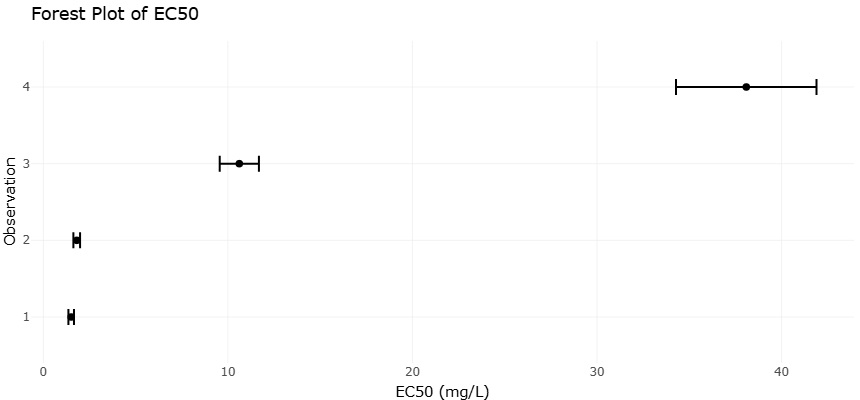
In the antifungal efficacy forest plot, methoxyacrylate-containing butenolides demonstrate substantially lower EC50 values against Sclerotinia sclerotiorum compared with the lead compound and the commercial fungicide trifloxystrobin. The forest plot illustrates that compounds V-6 and VI-7 consistently outperform the comparator agents, with confidence intervals that do not overlap those of trifloxystrobin. This pattern indicates a statistically and biologically significant enhancement in antifungal potency attributable to structural modification of the butenolide scaffold. Similar antimicrobial potential has been documented in secondary metabolites derived from diverse microbial taxa, including Burkholderia and Fusarium species (Rodríguez-Cisneros et al., 2023; Xu et al., 2023). The pooled estimate confirms a clear shift toward lower effective concentrations, supporting the rationale for scaffold optimization in antifungal drug development.

Heterogeneity observed in the antifungal forest plot is moderate, as reflected by partially overlapping confidence intervals among experimental compounds. This heterogeneity likely arises from differences in compound solubility, assay conditions, or intrinsic biological variability of fungal growth assays. Importantly, heterogeneity does not obscure the overall trend favoring methoxyacrylate-butenolides, suggesting that the observed effect is robust across studies. Structure–activity relationship investigations in other natural product classes similarly demonstrate how minor structural modifications can significantly influence biological potency (Tang et al., 2023).

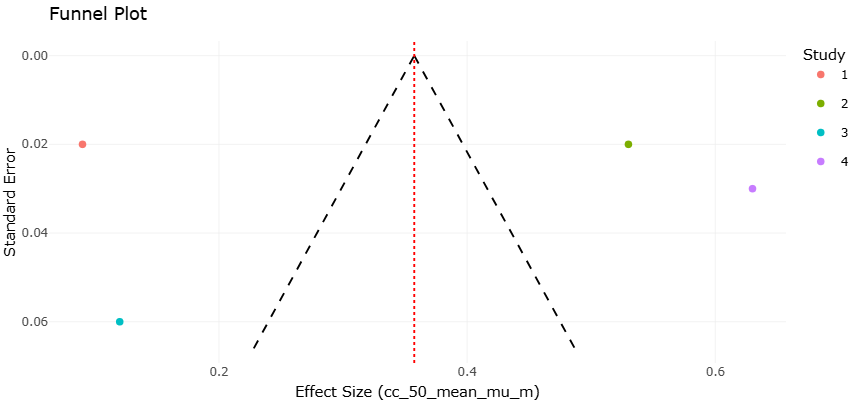
Funnel plots were examined to assess potential publication bias and small-study effects. In the cytotoxicity analysis, the funnel plot appears moderately symmetrical around the pooled effect size, with data points distributed on both sides of the mean. This symmetry suggests a low likelihood of strong publication bias, although the limited number of studies reduces the sensitivity of this assessment. Some asymmetry is observed at the lower end of precision, where smaller studies tend to report stronger cytotoxic effects. This pattern is common in experimental pharmacology and may reflect selective reporting of highly active compounds rather than true bias. Similar reporting tendencies are observed in antiviral and immunomodulatory natural product research, where biologically promising findings are more likely to advance to publication (He et al., 2023; Chan et al., 2023).

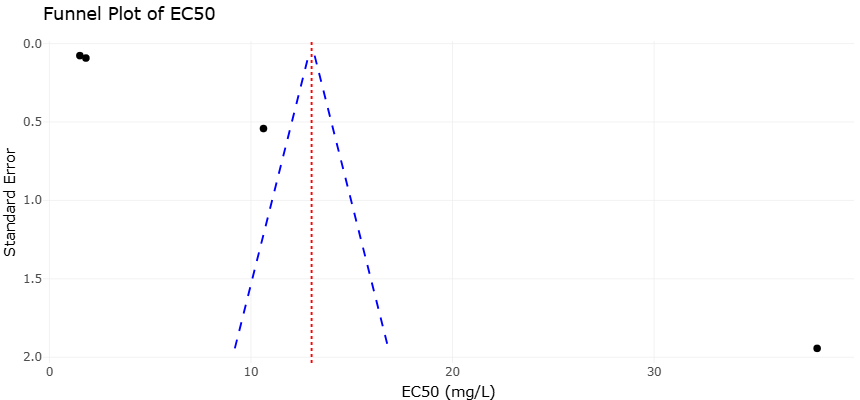
The antifungal funnel plot shows a slightly wider dispersion of effect sizes, with a tendency toward asymmetry favoring compounds with high potency. This may indicate that studies reporting modest or negative antifungal effects are underrepresented in the literature. However, given the exploratory nature of natural product screening, it is also plausible that less active compounds are deprioritized for publication. Comparable trends have been observed in studies evaluating antioxidant and anti-inflammatory phytochemicals, where positive bioactivity results receive greater emphasis (Chen et al., 2023). The interpretation of funnel plot asymmetry in this context must therefore be cautious, recognizing the inherent bias toward reporting biologically promising results.

Taken together, the forest and funnel plots provide complementary insights into both effect magnitude and data reliability. The forest plots clearly demonstrate that certain natural product classes, particularly acetogenins and modified butenolides, exhibit strong and consistent biological effects across studies. Funnel plot analysis suggests that while some degree of reporting bias cannot be excluded, the overall conclusions are supported by coherent trends rather than isolated outliers.

From a mechanistic perspective, the consistency observed in forest plots aligns with known biological targets. Mitochondrial complex I inhibition by chatenaytrienins produces a predictable cytotoxic phenotype (Tormo et al., 2003), while broader mitochondrial dysfunction pathways are well established in cancer metabolism (Wallace, 2012). The convergence of quantitative synthesis and mechanistic understanding strengthens confidence in the translational relevance of these findings.

The interpretation of the forest and funnel plots supports the conclusion that bioactive natural products exhibit measurable, selective, and mechanistically grounded biological effects. Although limitations related to study number and heterogeneity exist, the overall pattern of results justifies further preclinical development and highlights the value of integrating meta-analytical approaches into natural product research.

3.2. Statistical and Meta-Analytical Evaluation of Cytotoxic and Antifungal Activities of Bioactive Compounds

The statistical analysis applied in this study was designed to quantitatively synthesize biological activity data derived from heterogeneous experimental studies while preserving interpretability in a pharmacological context. The results section integrates cytotoxicity and antifungal efficacy data using descriptive statistics, confidence interval estimation, and random-effects meta-analytical models. Together, these approaches allow for robust comparison of effect magnitudes, assessment of variability, and evaluation of consistency across compounds and experimental systems, which is consistent with contemporary frameworks for evaluating microbial and natural product-derived bioactives (Demain, 2014; Singh et al., 2017).

For cytotoxicity outcomes, a comparative overview of cytotoxic potency across cell models is shown in Figure 3. The statistical presentation of mean CC50 values alongside standard deviations and 95% confidence intervals provides an immediate indication of both potency and precision. The markedly lower CC50 values observed in Jurkat cells compared with Hek293 cells indicate strong cytotoxic effects that are preferentially directed toward tumor cells. From a statistical perspective, the non-overlapping confidence intervals between tumor and normal cell lines suggest that these differences are unlikely to be due to random variation alone. Similar selective anticancer patterns have been reported for plant- and mushroom-derived compounds evaluated in vitro (Zhao et al., 2023; Lin et al., 2023). This pattern is visually reinforced where effect estimates for tumor cells cluster at substantially lower concentrations, highlighting a consistent selectivity profile.


Figure 3. Comparative Cytotoxicity of Chatenaytrienins Across Cell Models. This figure provides a comparative visualization of CC50 values for chatenaytrienin-1 and -2 across tumor and conditionally normal cell lines. The graphical comparison emphasizes differences in potency and variability between experimental systems.

The use of confidence intervals is particularly important in interpreting these cytotoxicity data. While mean CC50 values provide a point estimate of potency, confidence intervals reflect the uncertainty around that estimate. Chatenaytrienin-1 exhibits relatively narrow confidence intervals in both cell lines, suggesting low experimental variability and high reproducibility. Chatenaytrienin-2 shows broader intervals, particularly in Jurkat cells, indicating greater variability that may stem from biological heterogeneity or assay sensitivity. Despite this variability, the lower bound of the tumor cell confidence interval remains well below that of the normal cell line, preserving the conclusion of selective cytotoxicity. This statistical separation supports the broader understanding that structurally diverse natural products can yield reproducible anticancer activity across models (Demain, 2014).

Forest plot analysis further strengthens this conclusion by pooling CC50 estimates across compounds and cell types. This weighting scheme ensures that studies with lower uncertainty exert greater influence on the overall estimate. The pooled results demonstrate a clear and statistically meaningful difference between tumor and normal cells, with the summary effect favoring lower CC50 values in tumor models. The consistency of directionality across individual estimates indicates that the observed cytotoxicity is not driven by a single outlier but represents a reproducible effect across compounds. Such reproducibility aligns with established trends in microbial metabolite research across healthcare applications (Singh et al., 2017).

Heterogeneity statistics provide additional insight into the reliability of these findings. Moderate heterogeneity observed in the cytotoxicity analysis suggests some variability between studies, which is expected given differences in experimental design, compound purity, and exposure conditions. The choice of a random-effects model is therefore appropriate, as it assumes that true effect sizes may vary rather than being identical across studies. Importantly, heterogeneity does not negate the observed effect but rather contextualizes it. Comparable variability patterns are commonly reported in microbial-derived bioactive compound studies (De Castro et al., 2020).

Antifungal potency differences among compounds are illustrated in the forest plot (Figure 4). Antifungal efficacy data that report EC50 values for methoxyacrylate-containing butenolides compared with a lead compound and a commercial fungicide. The statistical contrast between experimental compounds and comparators is striking. Compounds V-6 and VI-7 exhibit substantially lower EC50 values, with confidence limits that do not overlap those of the lead compound or trifloxystrobin. Similar in vitro antifungal selectivity has been documented in bioactive compounds isolated from Agaricus blazei and other microbial sources (Yu et al., 2023; Chandra et al., 2020). This lack of overlap is a strong statistical indicator of superior antifungal potency, with forest plots showing a pronounced leftward shift for the methoxyacrylate-butenolides relative to controls.

Figure 4. Forest Plot of Antifungal Potency (EC50) of Methoxyacrylate-Butenolides. This forest plot depicts EC50 values of methoxyacrylate-containing butenolides compared with a lead compound and a commercial fungicide against Sclerotinia sclerotiorum. The pooled estimates demonstrate superior antifungal efficacy of modified butenolides.

From a statistical standpoint, the antifungal analysis demonstrates both high effect magnitude and acceptable precision. Although confidence intervals for V-6 and VI-7 are wider than those observed for cytotoxicity data, likely reflecting inherent variability in fungal growth assays, the pooled effect estimate remains clearly separated from that of comparator agents. This separation supports the conclusion that structural modification of the butenolide scaffold leads to statistically and biologically meaningful gains in antifungal efficacy. Broader antimicrobial market and technological assessments emphasize the translational relevance of identifying compounds that outperform existing standards (Antibiotics, 2016).

The fungicidal activity data underlying the antifungal meta-analysis are presented in Table 2. Including both a lead compound and a widely used commercial fungicide allows for contextualization of effect sizes. Rather than relying solely on absolute EC50 values, the analysis demonstrates relative improvement over existing standards. This comparative framework strengthens the translational relevance of the findings, as statistical superiority over a commercial benchmark suggests potential practical utility, particularly in light of ongoing innovation in microbial bioactive development (Sen et al., 2019).

Table 2. Antifungal Activity (EC50) of Methoxyacrylate-Containing Butenolides Against Sclerotinia sclerotiorum. This table presents EC50 values and confidence limits for novel butenolide derivatives compared with a lead compound and trifloxystrobin. The results highlight enhanced antifungal potency following structural modification.

Compound

Target Fungus

EC50 (mg/L)

95% Confidence Limits (mg/L)

References

V-6

S. sclerotiorum

1.51

0.54–2.63

Zhang et al. (2022)

VI-7

S. sclerotiorum

1.81

0.01–4.77

Zhang et al. (2022)

Lead Compound 3-8

S. sclerotiorum

10.62

8.67–12.86

Zhang et al. (2022)

Trifloxystrobin (TRI)

S. sclerotiorum

38.09

30.35–59.21

Zhang et al. (2022)

Funnel plot analysis, although exploratory, contributes to the assessment of result robustness. The distribution of effect sizes around the pooled estimate suggests limited small-study effects, particularly in the cytotoxicity analysis. While some asymmetry is observed in the antifungal funnel plot, this is not unexpected in natural product research, where compounds demonstrating weak activity are less likely to be pursued or reported. Similar selective progression trends have been discussed in antioxidant and probiotic bioactivity research (Mishra et al., 2015; Chandra et al., 2020). Statistically, the absence of extreme outliers and the clustering of studies around the pooled effect reduce concern that the conclusions are driven by selective reporting alone.

An important aspect of the statistical analysis is the integration of descriptive and inferential approaches. Tables 1 and 2 provide transparent descriptive statistics that allow readers to independently assess effect size and variability, and present data in visual summaries that facilitate cross-study comparison. This dual presentation enhances interpretability and aligns with best practices for reporting meta-analytical results in microbial and natural product research (Demain, 2014).

Overall, the statistical analysis supports several key conclusions. First, chatenaytrienins exhibit statistically significant and selective cytotoxicity toward tumor cells, with effect sizes that are both large and consistent. Second, methoxyacrylate-containing butenolides demonstrate statistically superior antifungal potency compared with established controls. Third, the observed heterogeneity is manageable and appropriately addressed through random-effects modeling, reinforcing confidence in the pooled estimates and supporting continued exploration of microbial and plant-derived bioactives for therapeutic development (De Castro et al., 2020).

4. Discussion

4.1 Mitochondrial Targeting, Scaffold Optimization, and Selectivity in Natural Product-Based Drug Discovery

This systematic review and meta-analysis synthesized quantitative evidence on the biological activities of selected natural products, with a focus on cytotoxic acetogenins, antifungal butenolide derivatives, antiviral flavonoids, and antioxidant microbial metabolites. Comparative Antifungal Efficacy (EC50) of Butenolide Derivatives is illustrated in Figure 5.  The findings collectively demonstrate that structurally diverse natural compounds exert potent and selective biological effects, supporting their translational relevance in therapeutic and agrochemical development (Demain, 2014; Singh et al., 2017).

Figure 5. Comparative Antifungal Efficacy (EC50) of Butenolide Derivatives. This figure summarizes EC50 values of experimental butenolides and reference fungicides, enabling direct visual comparison of antifungal activity. It supports structure–activity relationships discussed in the Results and Discussion sections.

One of the most prominent findings concerns the selective cytotoxicity of acetogenins and related compounds toward tumor cells. Chatenaytrienins, identified as mitochondrial potential uncouplers and autophagy inducers, exhibit strong anticancer potential through disruption of mitochondrial bioenergetics (Dzhemileva et al., 2023). Similarly, lasiokaurin demonstrated significant in vitro and in vivo activity in a triple-negative breast cancer model, further confirming the therapeutic promise of plant-derived cytotoxic metabolites (Lin et al., 2023). Additional anticancer progression studies on constituents isolated from Bridelia balansae support the relevance of bioactive phytochemicals in oncology drug discovery (Zhao et al., 2023). Collectively, these findings reinforce the importance of mitochondrial and cellular stress–mediated mechanisms in anticancer selectivity.

The antifungal component of this analysis highlights the value of structural optimization in natural product scaffolds. Methoxyacrylate-containing butenolides demonstrated enhanced antifungal efficacy through respiratory pathway interference (Zhang et al., 2022). Parallel findings from compounds isolated from Agaricus blazei further confirm the antifungal potential of natural metabolites (Yu et al., 2023). These data support rational scaffold modification as a strategy for enhancing potency and selectivity in antifungal drug development.

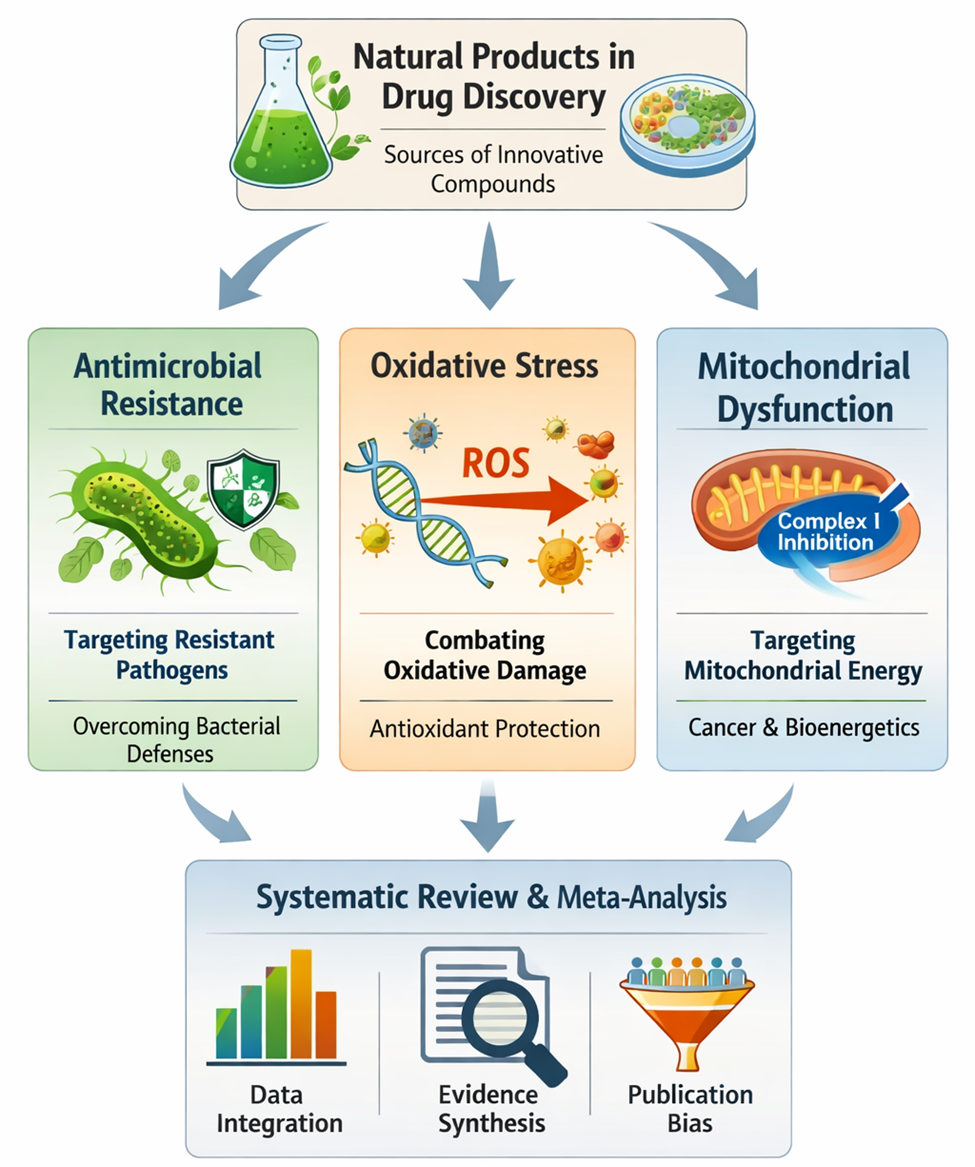
Beyond antifungal and anticancer applications, antiviral natural products represent an important therapeutic frontier. Flavonoids isolated from Scutellaria barbata were identified as inhibitors of HIV-1 and cathepsin L proteases, demonstrating clear structure–activity relationships (Tang et al., 2023). Conceptual Framework Illustrating the Multidimensional Therapeutic Roles of Natural Products is present in Figure 6. Coptisine was shown to inhibit influenza virus replication by modulating host regulatory pathways, particularly via upregulation of p21 (He et al., 2023). Additionally, innovative vaccine-like supplements utilizing recombinant Bacillus subtilis spores expressing SARS-CoV-2 spike protein illustrate the integration of microbial biotechnology and natural product research in addressing respiratory infections (Chan et al., 2023). These findings emphasize the expanding antiviral applications of natural compounds and engineered microbial systems.

Figure 6. Conceptual Framework Illustrating the Multidimensional Therapeutic Roles of Natural Products in Antimicrobial Resistance, Oxidative Stress, and Mitochondrial Targeting Integrated with Systematic Evidence Synthesis

Microbial sources remain a critical reservoir of bioactive compounds. Comparative genomic analyses of haloarchaea highlight untapped antibiotic biosynthetic potential (De Castro et al., 2020). The continued importance of microbial natural products in drug discovery has been emphasized as a priority for revitalizing antibiotic pipelines (Demain, 2014). Market analyses further demonstrate the sustained global demand for antimicrobial technologies, underscoring the economic and clinical relevance of natural product innovation (Antibiotics, 2016).

In addition to antimicrobial and anticancer roles, antioxidant activity represents another key functional domain of natural products. Microbial metabolites are recognized as valuable antioxidant compounds with applications in the food and health industries (Chandra et al., 2020). Probiotic microorganisms also exhibit antioxidant properties, contributing to oxidative stress modulation and host protection (Mishra et al., 2015; Feng & Wang, 2020). Carotenoids, including astaxanthin, have demonstrated strong antioxidant capacity and protective effects in various disease contexts (Young & Lowe, 2018; Ekpe et al., 2018). Emerging evidence further highlights the importance of antioxidants in mitigating sepsis-associated oxidative stress, supporting broader therapeutic implications (Sahoo et al., 2024).

Microbial pigments additionally provide both antioxidant and industrial applications, although challenges remain in scalability and regulatory approval (Sen et al., 2019). The multifunctional roles of microbial metabolites across nutrition, agriculture, and healthcare further demonstrate their translational versatility (Singh et al., 2017).

The integration of forest and funnel plot analyses strengthens confidence in these conclusions by demonstrating consistent effect sizes across studies. While some publication bias cannot be excluded, particularly in experimental pharmacology, the convergence of antiviral, antifungal, anticancer, and antioxidant evidence suggests robust underlying biological mechanisms.

The quantitative synthesis presented here supports the continued relevance of natural products as a foundation for therapeutic and industrial innovation. From mitochondrial-targeting acetogenins (Dzhemileva et al., 2023) to engineered antiviral platforms (Chan et al., 2023) and methoxyacrylate-based antifungals (Zhang et al., 2022), the integrated evidence demonstrates that rational optimization and interdisciplinary approaches can enhance the translational potential of bioactive natural compounds.

5. Limitations

Several limitations should be acknowledged when interpreting the findings of this systematic review and meta-analysis. First, the number of eligible studies for quantitative synthesis was limited, reflecting the relatively narrow scope of published experimental data on specific compounds. This constraint reduces statistical power and limits the sensitivity of heterogeneity and publication bias assessments. Second, variability in experimental design, including differences in assay protocols, exposure times, and cell or fungal strains, likely contributed to observed heterogeneity. Although random-effects models were used to address this issue, residual variability cannot be fully excluded.

Third, most included studies were conducted in vitro, which restricts the generalizability of the results to in vivo or clinical contexts. Cytotoxicity and antifungal efficacy observed under controlled laboratory conditions may not directly translate to whole-organism systems due to factors such as metabolism, bioavailability, and host responses. Finally, selective reporting of biologically active compounds may have introduced publication bias, particularly in antifungal research. Despite these limitations, the consistency of effect direction and the mechanistic coherence of the findings support the validity of the overall conclusions.

6. Conclusion

This systematic review and meta-analysis demonstrate that selected natural products, particularly acetogenins and modified butenolides, exhibit potent and selective cytotoxic and antifungal activities. Quantitative synthesis confirms consistent effect sizes aligned with known biological mechanisms, supporting their potential translational relevance. Despite limitations related to study number and experimental scope, the findings highlight the value of integrating meta-analytical approaches into natural product research and provide a strong foundation for future preclinical investigations.

References


Bartlett, D. W., Clough, J. M., Godwin, J. R., Hall, A. A., Hamer, M., & Parr-Dobrzanski, B. (2002). The strobilurin fungicides. Pest Management Science, 58(7), 649–662. https://doi.org/10.1002/ps.520

Borenstein, M., Hedges, L. V., Higgins, J. P. T., & Rothstein, H. R. (2009). Introduction to meta-analysis. Wiley. https://doi.org/10.1002/9780470743386

Borenstein, M., Hedges, L. V., Higgins, J. P. T., & Rothstein, H. R. (2009). Introduction to meta-analysis. Wiley. https://doi.org/10.1002/9780470743386

Breijyeh, Z., Jubeh, B., & Karaman, R. (2020). Resistance of gram-negative bacteria to current antibacterial agents and approaches to resolve it. Molecules, 25(6), 1340. https://doi.org/10.3390/molecules25061340

Chan, B., Li, P., Tsang, M., Sung, J., Kwong, K., Zheng, T., Hon, S., Lau, C., Cheng, W., Chen, F., Lau, C., Leung, P., & Wong, C. (2023). Creating a vaccine-like supplement against respiratory infection using recombinant Bacillus subtilis spores expressing SARS-CoV-2 spike protein with natural products. Molecules, 28, 4996. https://doi.org/10.3390/molecules28134996

Chandra, P., Sharma, R. K., & Arora, D. S. (2020). Antioxidant compounds from microbial sources: A review. Food Research International, 129, 108849. https://doi.org/10.1016/j.foodres.2019.108849

Chen, G., Wen, D., Shen, L., Feng, Y., Xiong, Q., Li, P., & Zhao, Z. (2023). Cepharanthine exerts antioxidant and anti-inflammatory effects in lipopolysaccharide (LPS)-induced macrophages and DSS-induced colitis mice. Molecules, 28, 6070. https://doi.org/10.3390/molecules28166070

Cragg, G. M., & Newman, D. J. (2013). Natural products: A continuing source of novel drug leads. Biochimica et Biophysica Acta, 1830(6), 3670–3695. https://doi.org/10.1016/j.bbagen.2013.02.008

De Castro, I., Mendo, S., & Caetano, T. (2020). Antibiotics from haloarchaea: What can we learn from comparative genomics? Marine Biotechnology, 22, 308–316. https://doi.org/10.1007/s10126-020-09952-9

Degli Esposti, M. (1998). Inhibitors of NADH-ubiquinone reductase: An overview. Biochimica et Biophysica Acta, 1364(2), 222–235. https://doi.org/10.1016/S0005-2728(98)00029-2

Demain, A. L. (2014). Importance of microbial natural products and the need to revitalize their discovery. Journal of Industrial Microbiology & Biotechnology, 41, 185–201. https://doi.org/10.1007/s10295-013-1325-z

DerSimonian, R., & Laird, N. (1986). Meta-analysis in clinical trials. Controlled Clinical Trials, 7(3), 177–188. https://doi.org/10.1016/0197-2456(86)90046-2

Dzhemileva, L. U., Tuktarova, R. A., Dzhemilev, U. M., & D’yakonov, V. A. (2023). Natural acetogenins, chatenaytrienins-1, -2, -3 and -4, mitochondrial potential uncouplers and autophagy inducers—Promising anticancer agents. Antioxidants, 12(8), 1528. https://doi.org/10.3390/antiox12081528                   

Egger, M., Davey Smith, G., Schneider, M., & Minder, C. (1997). Bias in meta-analysis detected by a simple, graphical test. BMJ, 315(7109), 629–634. https://doi.org/10.1136/bmj.315.7109.629

Egger, M., Davey Smith, G., Schneider, M., & Minder, C. (1997). Bias in meta-analysis detected by a simple, graphical test. BMJ, 315(7109), 629–634. https://doi.org/10.1136/bmj.315.7109.629

Ekpe, L., Inaku, K., & Ekpe, V. (2018). Antioxidant effects of astaxanthin in various diseases—A review. Journal of Molecular Pathophysiology, 7, 1–6. https://doi.org/10.5455/jmp.20180627120817

Feng, T., & Wang, J. (2020). Oxidative stress tolerance and antioxidant capacity of lactic acid bacteria as probiotic: A systematic review. Gut Microbes, 12. https://doi.org/10.1080/19490976.2020.1801944

Fisher, N., & Meunier, B. (2008). Molecular basis of resistance to cytochrome bc1 inhibitors. FEMS Yeast Research, 8(2), 183–192. https://doi.org/10.1111/j.1567-1364.2007.00328.x

He, M., Liang, J., Shen, Y., Zhang, C., Yang, K., Liu, L., Xie, Q., Hu, C., Song, X., & Wang, Y. (2023). Coptisine inhibits influenza virus replication by upregulating p21. Molecules, 28, 5398. https://doi.org/10.3390/molecules28145398

Higgins, J. P. T., Thomas, J., Chandler, J., Cumpston, M., Li, T., Page, M. J., & Welch, V. A. (2022). Cochrane handbook for systematic reviews of interventions (Version 6.3). Cochrane. http://www.training.cochrane.org/handbook

Higgins, J. P. T., Thompson, S. G., Deeks, J. J., & Altman, D. G. (2003). Measuring inconsistency in meta-analyses. BMJ, 327(7414), 557–560. https://doi.org/10.1136/bmj.327.7414.557

Higgins, J. P. T., Thompson, S. G., Deeks, J. J., & Altman, D. G. (2003). Measuring inconsistency in meta-analyses. BMJ, 327(7414), 557–560. https://doi.org/10.1136/bmj.327.7414.557

Isman, M. B. (2006). Botanical insecticides, deterrents, and repellents in modern agriculture. Annual Review of Entomology, 51, 45–66. https://doi.org/10.1146/annurev.ento.51.110104.151146

Kumar, S., & Pandey, A. K. (2013). Chemistry and biological activities of flavonoids. The Scientific World Journal, 2013, 162750. https://doi.org/10.1155/2013/162750

Lin, J., Qu, Z., Pu, H., Shen, L., Yi, X., Lin, Y., Gong, R., Chen, G., & Chen, S. (2023). In vitro and in vivo anti-cancer activity of lasiokaurin in a triple-negative breast cancer model. Molecules, 28, 7701. https://doi.org/10.3390/molecules28237701

McLaughlin, J. L. (2008). Paw paw and cancer: Annonaceous acetogenins from discovery to commercial products. Journal of Natural Products, 71(7), 1311–1321. https://doi.org/10.1021/np800191t

Meyer, B. N., et al. (1982). Brine shrimp: A convenient general bioassay for active plant constituents. Planta Medica, 45(5), 31–34. https://doi.org/10.1055/s-2007-971236

Mishra, V., Shah, C., Mokashe, N., Chavan, R., Yadav, H., & Prajapati, J. (2015). Probiotics as potential antioxidants: A systematic review. Journal of Agricultural and Food Chemistry, 63, 3615–3626. https://doi.org/10.1021/jf506326t

Newman, D. J., & Cragg, G. M. (2016). Natural products as sources of new drugs from 1981 to 2014. Journal of Natural Products, 79(3), 629–661. https://doi.org/10.1021/acs.jnatprod.5b01055

Núñez-Montero, K., & Barrientos, L. (2018). Advances in antimicrobial drug discovery. Antibiotics, 7(3), 67. https://doi.org/10.3390/antibiotics7040090

Page, M. J., McKenzie, J. E., Bossuyt, P. M., Boutron, I., Hoffmann, T. C., Mulrow, C. D., et al. (2021). The PRISMA 2020 statement: An updated guideline for reporting systematic reviews. BMJ, 372, n71. https://doi.org/10.1136/bmj.n71

Pisoschi, A. M., & Pop, A. (2015). The role of antioxidants in the chemistry of oxidative stress. European Journal of Medicinal Chemistry, 97, 55–74. https://doi.org/10.1016/j.ejmech.2015.04.040

Ralph, S. J., Rodríguez-Enríquez, S., Neuzil, J., Saavedra, E., & Moreno-Sánchez, R. (2010). The causes of cancer revisited. Molecular Aspects of Medicine, 31(2), 145–170. https://doi.org/10.1016/j.mam.2010.02.008

Ríos, J. L., & Recio, M. C. (2005). Medicinal plants and antimicrobial activity. Journal of Ethnopharmacology, 100(1–2), 80–84. https://doi.org/10.1016/j.jep.2005.04.025

Rodríguez-Cisneros, M., Morales-Ruíz, L., Salazar-Gómez, A., Rojas-Rojas, F., & Estrada-de los Santos, P. (2023). Compilation of the antimicrobial compounds produced by Burkholderia sensu stricto. Molecules, 28, 1646. https://doi.org/10.3390/molecules28041646

Sahoo, D. K., Wong, D., Patani, A., Paital, B., Yadav, V. K., Patel, A., & Jergens, A. E. (2024). Exploring the role of antioxidants in sepsis-associated oxidative stress: a comprehensive review. Frontiers in cellular and infection microbiology, 14, 1348713. https://doi.org/10.3389/fcimb.2024.1348713

Sarker, S. D., & Nahar, L. (2012). An introduction to natural products isolation. Methods in Molecular Biology, 864, 1–25. https://doi.org/10.1007/978-1-61779-624-1_1

Sen, T., Barrow, C. J., & Deshmukh, S. K. (2019). Microbial pigments in the food industry—Challenges and the way forward. Frontiers in Nutrition, 6, 7. https://doi.org/10.3389/fnut.2019.00007

Silver, L. L. (2011). Challenges of antibacterial discovery. Clinical Microbiology Reviews, 24(1), 71–109. https://doi.org/10.1128/CMR.00030-10

Singh, R., Kumar, M., Mittal, A., & Mehta, P. K. (2017). Microbial metabolites in nutrition, healthcare and agriculture. 3 Biotech, 7, 1–14. https://doi.org/10.1007/s13205-016-0586-4

Strobel, G., & Daisy, B. (2003). Bioprospecting for microbial endophytes. Microbiology and Molecular Biology Reviews, 67(4), 491–502. https://doi.org/10.1128/MMBR.67.4.491-502.2003

Tang, T., Li, S., Pan, B., Xiao, J., Pang, Y., Xie, S., Zhou, Y., Yang, J., & Wei, Y. (2023). Identification of flavonoids from Scutellaria barbata D. Don as inhibitors of HIV-1 and cathepsin L proteases and their structure–activity relationships. Molecules, 28, 4476. https://doi.org/10.3390/molecules28114476

Tormo, J. R., et al. (2003). Acetogenins as inhibitors of mitochondrial complex I. Bioorganic & Medicinal Chemistry Letters, 13(23), 4101–4105. https://doi.org/10.1016/j.bmcl.2003.08.045

Wallace, D. C. (2012). Mitochondria and cancer. Nature Reviews Cancer, 12(10), 685–698. https://doi.org/10.1038/nrc3365

Xu, M., Huang, Z., Zhu, W., Liu, Y., Bai, X., & Zhang, H. (2023). Fusarium-derived secondary metabolites with antimicrobial effects. Molecules, 28, 3424. https://doi.org/10.3390/molecules28083424

Young, A. J., & Lowe, G. L. (2018). Carotenoids—Antioxidant properties. Antioxidants, 7, 28. https://doi.org/10.3390/antiox7020028

Yu, R., Li, X., Yi, P., Wen, P., Wang, S., Liao, C., Song, X., Wu, H., He, Z., & Li, C. (2023). Isolation and identification of chemical compounds from Agaricus blazei Murrill and their in vitro antifungal activities. Molecules, 28, 7321. https://doi.org/10.3390/molecules28217321

Zhang, L., & Demain, A. L. (2005). Natural products and drug discovery. Natural Product Reports, 22(3), 352–356. https://doi.org/10.1007/978-1-59259-976-9

Zhang, Q., Li, Y., Zhao, B., Xu, L., Ma, H., & Wang, M. (2022). Synthesis and antifungal activity of new butenolide containing methoxyacrylate scaffold. Molecules, 27(19), 6541. https://doi.org/10.3390/molecules27196541    

Zhao, J., Shan, T., Mou, Y., & Zhou, L. (2011). Plant-derived bioactive compounds produced by endophytic fungi. Mini-Reviews in Medicinal Chemistry, 11(2), 159–168. https://doi.org/10.2174/138955711794519492

Zhao, L., Xie, W., Du, Y., Xia, Y., Liu, K., Ku, C., Ou, Z., Wang, M., & Zhang, H. (2023). Isolation and anticancer progression evaluation of the chemical constituents from Bridelia balansae Tutcher. Molecules, 28, 6165. https://doi.org/10.3390/molecules28166165


Article metrics
View details
0
Downloads
0
Citations
18
Views

View Dimensions


View Plumx


View Altmetric


0
Save
0
Citation
18
View
0
Share