Integrative Biomedical Research

Integrative Biomedical Research (Journal of Angiotherapy) | Online ISSN  3068-6326
463
Citations
1.9m
Views
799
Articles
Your new experience awaits. Try the new design now and help us make it even better
Switch to the new experience
Figures and Tables
REVIEWS   (Open Access)

Cross-species comparative genomics in Alzheimer's disease drug discovery

Moushumi Afroza Mou1, Asim Debnath2, Md Sefaut Ullah3, Muhammad Rizki Saputra 4*

+ Author Affiliations

Integrative Biomedical Research 10 (2) 1-8 https://doi.org/10.25163/biomedical.10210968

Submitted: 17 September 2026 Revised: 10 November 2026  Published: 19 November 2026 


Abstract

For decades, Alzheimer's disease (AD) research has leaned on animal models that reproduce amyloid plaques convincingly yet seem to say rather little about how the sporadic, late-onset illness actually unfolds in people. That mismatch has, arguably, contributed to one of the highest attrition rates in drug development. Cross-species comparative genomics offers a way to ask a sharper question: not whether a model "has Alzheimer's", but which parts of the human disease it captures, and which it misses. In this review, we synthesise evidence from first-generation transgenic mice, humanized knock-in lines, tree shrews, non-human primates, naturally aging mammals and invertebrate systems, reading them through transcriptomic, epigenetic and network-level comparisons with human brain tissue. A fairly consistent picture emerges. Neuronal programmes for synaptic transmission and vesicle trafficking are well conserved, whereas microglial, astrocytic and oligodendrocyte networks diverge substantially, with notable rewiring of genes such as PSEN1 and the complement cascade. Knock-in models appear to match human late-onset signatures more closely than overexpression models, and tree shrews and primates narrow the evolutionary gap further, though at real practical cost. The evidence remains uneven, however, and much of the newest computational work has yet to pass peer review. Computational frameworks, particularly Translatable Components Regression, network alignment and emerging foundation models, can recover conserved pathways even where gene-level overlap is modest, and have already nominated repurposing candidates such as suvorexant. We argue that the field may gain most by treating models as partial, quantifiable approximations, chosen and interpreted according to the specific biological question at hand.

Keywords: Alzheimer's disease; comparative genomics; animal models; glial divergence; cross-species translation; TransComp-R; drug repurposing

1. Introduction

Alzheimer's disease (AD) is, by almost any measure, one of the defining health challenges of our time. Clinically it presents as a slow erosion of memory and cognition; biologically it is marked by synaptic dysfunction, extracellular amyloid-beta (Aβ) plaques and intracellular neurofibrillary tangles (Yenkoyan et al., 2025). What makes the situation especially frustrating is not a lack of effort. Decades of intensive preclinical work have produced a long list of candidate therapies, and yet the rate at which these candidates fail once they reach human trials remains strikingly high (Marzi et al., 2023). One is left wondering whether the problem lies partly in the drugs themselves, or, at least in part, in the systems used to discover them.

A good deal of suspicion has fallen on the models. For many years, the default choice has been the transgenic rodent, lines such as 5xFAD, APP/PS1 and 3xTg that overexpress mutant forms of the human amyloid precursor protein (APP), presenilin 1 (PSEN1) or tau (MAPT) genes linked to early-onset familial AD (EOAD) (De Bastiani et al., 2023; Preuss et al., 2020). These animals do many things well. They develop amyloid deposits quickly and show vigorous neuroinflammatory responses. But they also carry the fingerprints of their own engineering: overexpression artefacts, little in the way of tau tangles, and, in most cases, no clear neuronal loss. Perhaps more importantly, they model a genetic form of the disease that accounts for only a small minority of patients. Late-onset sporadic AD (LOAD), which makes up more than 95% of cases, arises from a tangle of genetic, environmental and age-related influences that a single overexpressed mutation cannot easily reproduce (De Bastiani et al., 2023; Miller et al., 2010; Preuss et al., 2020).

The field has not stood still in response. Consortia such as MODEL-AD have developed second-generation humanized knock-in (KI) mice, including hAβ-KI, AppNL-F, AppNL-G-F, APOE4 KI and Trem2*R47H lines, that express humanized sequences or LOAD risk variants under the control of endogenous promoters (De Bastiani et al., 2023; Preuss et al., 2020; Yaman, 2024). Comparative transcriptomic work suggests these lines track sporadic LOAD molecular programmes with noticeably greater specificity, and without the confounding noise of overexpression (De Bastiani et al., 2023). At the same time, interest has grown in species that sit closer to us on the evolutionary tree. Naturally aging tree shrews (Tupaia belangeri), which share a close genetic affinity with primates, spontaneously develop Alzheimer's-like pathology, amyloid deposition and age-dependent cognitive decline (Xiong, He, et al., 2025). Non-human primates, non-transgenic mammals such as degus, guinea pigs and dogs, and simpler organisms (Danio rerio, Drosophila melanogaster and Caenorhabditis elegans) each offer a different vantage point from which to separate conserved machinery from species-specific quirks (Marzi et al., 2023; Yenkoyan et al., 2025).

Here the question becomes more subtle than simply "which model is best". Systems-level analyses indicate that the basic transcriptional architecture of the brain, and much of its core metabolism, is broadly shared across mammals; but the degree of evolutionary divergence differs, sometimes sharply, between brain regions and cell types (Miller et al., 2010; Pembroke et al., 2021). Neuronal co-expression modules tied to synaptic transmission and organelle biogenesis appear to be held in place by strong purifying selection (Pembroke et al., 2021; Preuss et al., 2020). Glial networks, by contrast, and microglial, astrocytic and oligodendrocytic modules in particular, have drifted considerably between rodents, primates and humans (Miller et al., 2010; Pembroke et al., 2021). The case of PSEN1 is telling: a gene that sits within neuronal modules in the mouse brain turns up at the centre of oligodendrocyte modules in the human cortex (Miller et al., 2010; Pembroke et al., 2021). Single-nucleus atlases add a further layer, suggesting that human and non-human primate hippocampi resemble each other in cellular composition and non-coding regulatory structure more closely than either resembles the rodent brain (Xiong, He, et al., 2025).

Technological change has made it possible to ask these questions with far greater resolution than before. Long-read transcriptomics, DNA methylation profiling, single-cell and single-nucleus RNA sequencing (scRNA-seq/snRNA-seq) and quantitative proteomics now allow endophenotypes to be mapped, species by species, down to individual cell populations (Ali et al., 2024; Xiong, He, et al., 2025; Yaman, 2024). Turning such high-dimensional data into cross-species insight, though, requires dedicated analytical tools. Weighted Gene Co-expression Network Analysis (WGCNA) groups co-regulated genes into modules that can be aligned between animal models and post-mortem human brain collections (Miller et al., 2010; Preuss et al., 2020). Translatable Components Regression (TransComp-R), which combines principal component analysis (PCA), sparse PCA (sPCA) and elastic net regularisation, projects human data into mouse-derived principal component space in search of signatures that predict clinical outcomes (Ball et al., 2025; Bergendorf et al., 2025, 2026). Local network alignment algorithms such as L-HetNetAligner, meanwhile, compare protein–protein interaction (PPI) networks across taxa to isolate conserved disease modules (Milano et al., 2023). Taken together, these approaches have begun to converge on a recognisable set of shared mechanisms: complement activation, microglial TREM2/TYROBP signalling, extracellular matrix and integrin dysregulation, and imbalances between excitatory and inhibitory neurons (Ali et al., 2024; Bergendorf et al., 2025; Xiong, He, et al., 2025).

It therefore seems timely to take stock. In this review we evaluate the current state of cross-species comparative genomics in AD modelling, with an eye both to what it makes possible and to where its limits lie. Our specific aims are fourfold. First, we assess the translational validity of the main experimental systems, from traditional transgenic and humanized knock-in rodents to tree shrews, primates, non-transgenic mammals and non-mammalian organisms, with respect to human AD pathology (De Bastiani et al., 2023; Yenkoyan et al., 2025). Second, we map cell-type- and region-specific transcriptomic, epigenetic and proteomic signatures across species in order to distinguish conserved disease processes, such as innate immune activation and synaptic plasticity, from divergent ones, such as microglial module structure and PSEN1 connectivity (Miller et al., 2010; Pembroke et al., 2021; Preuss et al., 2020). Third, we compare the computational frameworks, including WGCNA, TransComp-R, network alignment and deep learning architectures, now used to carry omics signatures from models to human cohorts (Ball et al., 2025; Bergendorf et al., 2026). Fourth, we examine how these approaches are being used to identify translatable biomarkers, master regulators and drug repurposing candidates for late-onset AD (Ali et al., 2024; Bergendorf et al., 2025, 2026).

2. Experimental Models and Cross-Species Comparative Frameworks in Alzheimer's Disease

2.1 The Limitations of First-Generation Transgenic Rodent Models

For most of the past three decades, preclinical AD research has relied heavily on transgenic rodents built to reproduce the disease's signature histopathology (Guil-Guerrero et al., 2025; Marzi et al., 2023). The best known of these, 5xFAD, APP/PS1, Tg2576 and 3xTg-AD, overexpress human transgenes carrying autosomal dominant EOAD mutations: the Swedish, Florida or London variants of APP, the M146L or L286V variants of PSEN1, and, in some lines, the P301L variant of MAPT (De Bastiani et al., 2023; Guil-Guerrero et al., 2025; Yenkoyan et al., 2025). Their appeal is obvious. They develop extracellular Aβ plaques rapidly and reliably, mount acute neuroinflammatory responses, and show measurable cognitive deficits within a practical experimental timeframe. Closer scrutiny, however, has exposed translational weaknesses that are difficult to dismiss (De Bastiani et al., 2023; Preuss et al., 2020) (Table 1; Figure 1).

Some of these weaknesses are built into the design. To achieve high expression, most lines use exogenous, cell-type-restricted promoters such as Thy1 or CamKII (Yenkoyan et al., 2025). This confines transgene expression largely to subsets of excitatory neurons and, in effect, forces intracellular Aβ accumulation and toxicity into patterns that do not closely mirror human pathobiology (Yenkoyan et al., 2025). Supraphysiological expression also generates cleavage products, for instance an artificial build-up of APP C-terminal fragments, that may alter cell physiology through routes unrelated to authentic disease (De Bastiani et al., 2023; Yaman, 2024). And despite heavy amyloid loads, these animals seldom develop true neurofibrillary tangles of hyperphosphorylated tau, or the widespread neuronal loss seen in patients (Guil-Guerrero et al., 2025; Preuss et al., 2020).

The deeper problem may be conceptual rather than technical. LOAD accounts for more than 95% of human cases and seems to emerge from an interplay of genetic susceptibility, environmental exposure and ageing rather than from any single causal mutation. Models grounded solely in EOAD genetics are, almost by construction, poorly placed to capture that multifactorial aetiology, and it is hard to avoid the conclusion that this mismatch has contributed to the disappointing record of candidate drugs in the clinic (De Bastiani et al., 2023; Marzi et al., 2023).

2.2 The Emergence of Second-Generation Humanized Knock-In Models

Partly in response to these concerns, international efforts such as the Model Organism Development and Evaluation for Late-Onset Alzheimer's Disease (MODEL-AD) consortium turned to a different design principle: humanized knock-in (KI) models (De Bastiani et al., 2023; Preuss et al., 2020). Rather than adding extra copies of a mutant gene, these lines replace murine sequences with humanized, disease-relevant ones that remain under endogenous promoter control (Yaman, 2024; Yenkoyan et al., 2025). The AppNL-F, AppNL-G-F and hAβ-KI lines, for example, express humanized Aβ together with familial mutations such as Swedish (KM670/671NL), Iberian (I716F) and Arctic (E693G) at physiological levels (De Bastiani et al., 2023; Yaman, 2024; Yenkoyan et al., 2025). Other KI lines carry major LOAD risk variants, notably apolipoprotein E4 (APOE4) and TREM2*R47H, making it possible to study sporadic disease mechanisms in a more natural physiological setting (Bergendorf et al., 2026; Preuss et al., 2020) (Table 1).

The early transcriptomic evidence is encouraging, if not yet definitive. Unbiased hippocampal profiling indicates that KI models match human LOAD signatures with considerably greater specificity than overexpression lines (De Bastiani et al., 2023). Where 5xFAD mice show broad, highly elevated inflammatory changes reminiscent of acute tissue injury, hAβ-KI mice display enriched biological processes that overlap almost entirely with those of post-mortem LOAD brains, and without the non-specific metabolic disturbances seen in transgenic lines (De Bastiani et al., 2023). Long-read RNA sequencing and DNA methylation analyses of AppNL-G-F mice at prodromal stages add further detail, revealing subtle alternative splicing, novel isoform usage and activation of microglial disease-associated genes such as Tyrobp and Trem2 in patterns that resemble human disease progression (Yaman, 2024). It would probably be premature to call these models faithful replicas of LOAD, since pathology develops slowly and human-like tau tangles are generally absent, but they do represent a genuine conceptual step forward (De Bastiani et al., 2023; Yaman, 2024).

2.3 Bridging Evolutionary Distance: Non-Rodent Mammals and Non-Mammalian Systems

Rodents differ from humans in metabolism, immunity and cortical organisation, and this has pushed comparative work towards other species (Guil-Guerrero et al., 2025; Yenkoyan et al., 2025) (Figure 1). Non-human primates (NHPs), including the common marmoset (Callithrix jacchus), the rhesus macaque (Macaca mulatta) and the gray mouse lemur (Microcebus murinus), share close anatomical, physiological and genomic affinity with humans (Guil-Guerrero et al., 2025; Xiong, He, et al., 2025). They express both 3R and 4R tau isoforms, as the human brain does, and naturally show age-dependent Aβ accumulation, tau hyperphosphorylation and cognitive decline (Alshami et al., 2026; Guil-Guerrero et al., 2025). The difficulty is practical. High costs, long lifespans and ethical constraints sharply limit how many animals can be studied (Yenkoyan et al., 2025).

Tree shrews (Tupaia belangeri) have emerged as a possible compromise between rodents and primates (Xiong, He, et al., 2025). They are thought to have diverged from a common ancestor with primates roughly 90.9 million years ago, and their AD pathway genes show higher sequence identity with human genes than do those of rodents (Xiong, He, et al., 2025). Single-nucleus RNA sequencing (snRNA-seq) of naturally aging tree shrews with Alzheimer's-like pathology (ALP) reveals a cellular make-up strikingly similar to that of human brain tissue (Xiong, He, et al., 2025). When human, monkey, tree shrew and mouse data are compared directly, tree shrews share with human AD brains a set of cell-type-specific differentially expressed genes (DEGs), microglial activation patterns and imbalances between excitatory and inhibitory neurons (ExN/InN) (Xiong, He, et al., 2025). Naturally aging non-transgenic mammals, such as the Chilean degu (Octodon degus) and the domestic dog (Canis lupus familiaris), add yet another angle: they spontaneously develop senile plaques, tangles and age-related spatial memory deficits, which makes them attractive for studying sporadic pathology in its natural ageing context (Guil-Guerrero et al., 2025; Lo Verso et al., 2015).

At the other end of the spectrum sit the invertebrates (C. elegans and D. melanogaster) and the zebrafish (D. rerio), whose chief virtue is scale (Milano et al., 2023; Yenkoyan et al., 2025). Transgenic C. elegans expressing human Aβ or tau show measurable behavioural deficits and neurodegeneration. Local network alignment (LNA) algorithms such as L-HetNetAligner have been used to identify conserved PPI sub-networks shared between worm orthologues (apl-1, ptl-1) and human disease networks (Milano et al., 2023). Zebrafish, reported to share around 84% homology with human dementia-associated genes, allow automated behavioural tracking and high-throughput toxicity testing (Yenkoyan et al., 2025). What these systems lack, of course, is anything like a mammalian cortex or the dense glia–neuron interactions of the human brain (Table 1).

2.4 Evolutionary Divergence in Brain Transcriptomes and Cell-Type Networks

Once one looks beyond whole organisms to the networks within them, the picture becomes more textured. WGCNA-based analyses of multi-species microarray and RNA-seq datasets show that global network topology and core metabolic processes are well preserved, but that divergence varies considerably across brain regions and cell types (Miller et al., 2010; Pembroke et al., 2021). Modules corresponding to basic neuronal functions, including synaptic transmission, organelle biogenesis and
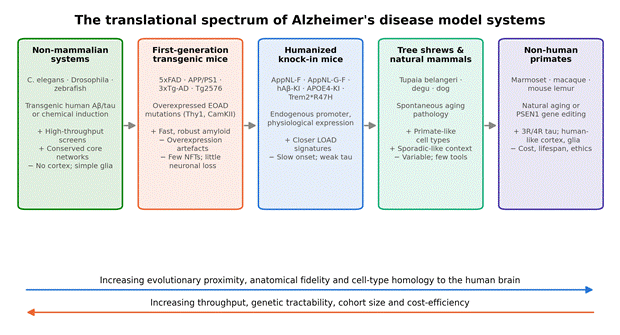
Figure 1. The translational spectrum of Alzheimer's disease model systems, from non-mammalian organisms to non-human primates. Five classes of experimental model are arranged from left to right in order of increasing evolutionary proximity to humans, with representative lines or species, the strategy used to induce pathology, and the main strengths (+) and weaknesses (−) of each. The two arrows beneath the panels summarise the central trade-off revealed by comparative genomics: anatomical fidelity and cell-type homology to the human brain increase towards primates, whereas throughput, genetic tractability, cohort size and cost-efficiency increase in the opposite direction. No single class captures the full human disease, which argues for choosing models according to the specific question asked. Content synthesised from Table 1 and the sources cited therein. EOAD, early-onset familial AD; LOAD, late-onset AD; NFT, neurofibrillary tangle.
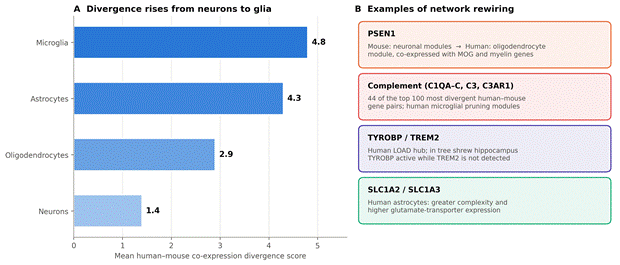
 

Figure 2. Asymmetric evolutionary divergence of brain cell-type co-expression networks between humans and mice.  (A) Mean human–mouse co-expression divergence scores for the four major brain cell classes, re-plotted from values reported by Pembroke et al. (2021); darker bars indicate greater divergence. Neuronal modules are the most conserved (1.4), whereas glial modules diverge roughly three-fold more, with microglia the most divergent (4.8). (B) Selected examples of network rewiring that accompany this divergence: relocation of PSEN1 from neuronal to oligodendrocyte modules, over-representation of complement genes among the most divergent gene pairs, TREM2-independent TYROBP activity in tree shrews, and altered glutamate-transporter expression in human astrocytes. Sources: Miller et al. (2010); Pembroke et al. (2021); Xiong, Niu, et al. (2025).

vesicle transport, appear to be under strong purifying selection and remain highly conserved from rodents through primates to humans (Pembroke et al., 2021; Preuss et al., 2020) (Table 2; Figure 2).

Glial networks tell a different story. Here the divergence is marked and, notably, asymmetric (Miller et al., 2010; Pembroke et al., 2021). When human modules are projected onto rodent networks, microglia show the greatest transcriptomic divergence, followed closely by astrocytes and then oligodendrocytes (Pembroke et al., 2021). Within microglia, several human disease-relevant modules, especially those involved in complement-mediated synaptic pruning (C1QA, C1QB, C1QC, C3, C3AR1) and immune activation, are poorly preserved in mouse (Pembroke et al., 2021). Some major AD risk genes also appear to change their network context between species (Miller et al., 2010; Pembroke et al., 2021). PSEN1 is perhaps the clearest example: mouse Psen1 associates mainly with neuronal modules, whereas human PSEN1 sits centrally within oligodendrocyte modules and is strongly co-expressed with myelin genes such as myelin oligodendrocyte glycoprotein (MOG) (Miller et al., 2010; Pembroke et al., 2021). Similarly, microglial TYROBP acts as a central driver in human LOAD networks, while in tree shrews TYROBP signalling appears to operate independently of TREM2, which is not detected in tree shrew hippocampal tissue (Xiong, He, et al., 2025; Xiong, Niu, et al., 2025). The implication, cautiously stated, is that the initiating neurobiological events of AD may be reasonably well modelled in animals, whereas the downstream glial responses that shape disease progression often are not (Pembroke et al., 2021) (Figure 2).

2.5 Computational Approaches for Cross-Species Translation

If biology diverges, can mathematics help to reconnect it? A growing body of work suggests that it can, at least partly. Several computational frameworks now aim to translate high-dimensional omics signatures from model organisms into human clinical phenotypes (Ball et al., 2025; Bergendorf et al., 2026) (Table 3). Among the most developed is TransComp-R, a machine learning approach for mapping transcriptomic feature spaces across species (Ball et al., 2025; Bergendorf et al., 2026). In outline, it identifies one-to-one orthologous gene pairs, builds a PCA space from mouse model data, and projects human post-mortem data onto the mouse principal component eigenvectors. Generalised linear models (GLMs) with elastic net or LASSO regularisation then select the mouse principal components (PCs) that best separate human AD cases from controls (Ball et al., 2025; Bergendorf et al., 2026) (Figure 3).

More recent implementations have extended TransComp-R to single-nucleus data, comparing standard PCA and sPCA across microglial populations from mouse models such as 5xFAD and from human AD brain tissue (Bergendorf et al., 2025, 2026). An interesting result here is that, even when individual DEGs overlap only modestly between species (often under 35%), the method still recovers conserved higher-order pathways, such as complement activation, cholesterol homeostasis, IL-2/STAT5 signalling and TNF-α signalling via NF-κB, that predict human disease state (Bergendorf et al., 2025, 2026).

The same framework has been stretched to comorbidity. By integrating transcriptomic data from mouse models of AD (AppNL-F), type 2 diabetes (T2D; db/db) and combined AD × T2D, Ball et al. (2025) found that PCs derived from metabolic dysfunction models predicted human AD cognitive decline more strongly than those from amyloid-only models, a finding that deserves attention, if not yet firm conclusions. Coupling these models to perturbational resources such as the Library of Integrated Network-Based Cellular Signatures (LINCS L1000) opens the door to large-scale computational drug screening (Ball et al., 2025; Bergendorf et al., 2026). This route has nominated repurposing candidates including orexin receptor antagonists such as suvorexant, whose use was subsequently associated with lower phosphorylated tau in human cerebrospinal fluid in independent prospective cohorts (Lucey et al., 2023; Bergendorf et al., 2026) (Table 4; Figure 4).

Other tools complement TransComp-R. Found In Translation (FIT) learns cross-species mappings of differential expression from paired datasets (Normand et al., 2018; Yuan et al., 2024). Protein language model and foundation-model approaches, such as SATURN and GeneCompass, loosen the dependence on strict sequence homology when aligning cell types across divergent taxa (Yang et al., 2024; Yuan et al., 2024). Multi-species knowledge graphs, exemplified by the Ahuja et al., platform, offer yet another way to generate and test age-linked mechanistic hypotheses (Ahuja et al.,, 2026) (Table 3; Figure 4).
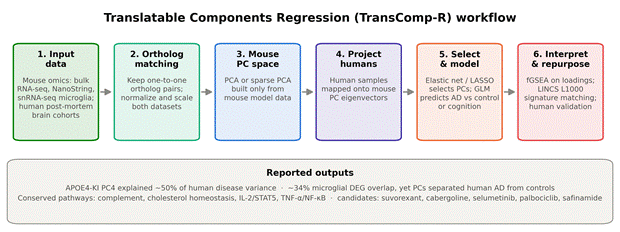
Figure 3. Schematic workflow of Translatable Components Regression (TransComp-R) for mouse-to-human translation. Mouse model omics data and human post-mortem cohorts are first restricted to one-to-one orthologous genes (steps 1–2). A principal component space is then built from mouse data alone using PCA or sparse PCA (step 3), and human samples are projected onto the mouse eigenvectors (step 4). Regularised regression (elastic net or LASSO with generalised linear models) selects the mouse principal components that best predict human disease status or cognition (step 5), which are interpreted by pathway enrichment and matched against LINCS L1000 drug signatures (step 6). The lower panel summarises reported outputs. Based on Ball et al. (2025) and Bergendorf et al. (2025, 2026).
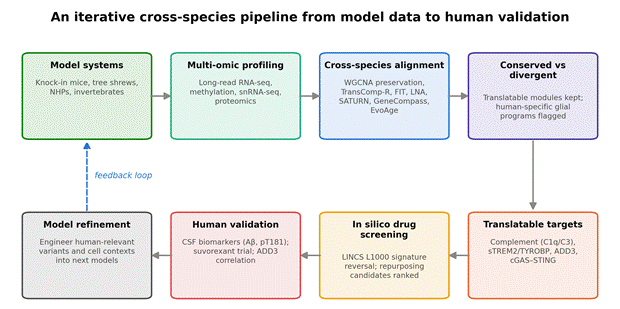
Figure 4. An integrated, iterative cross-species pipeline linking model systems to human validation in Alzheimer's disease. The upper row traces the forward discovery flow, from choice of model system and multi-omic profiling to computational alignment and the separation of conserved from human-specific biology. The lower row shows how translatable targets feed in silico drug screening and, ultimately, validation in human biofluids or trials, as exemplified by suvorexant and ADD3. The dashed arrow indicates the feedback loop we propose, in which human findings guide the engineering of the next generation of models. Solid arrows denote forward flow. Synthesised from Tables 1–4; key sources include Lucey et al. (2023), Bergendorf et al. (2026) and Pembroke et al. (2021).

3. Methods

3.1 Review Design and Reporting Standards

We conducted a structured narrative review with an integrative, thematic synthesis. A narrative rather than a meta-analytic design seemed the more honest choice here: the literature spans organisms from nematodes to primates, data types from histology to single-nucleus transcriptomics, and analytical methods that are not directly commensurable, so pooling effect sizes would likely have obscured more than it revealed. To keep the process transparent and reproducible, we followed the relevant items of the Preferred Reporting Items for Systematic reviews and Meta-Analyses (PRISMA 2020) statement and its extension for scoping reviews (PRISMA-ScR) for the search, selection and data-charting steps, and used the Scale for the Assessment of Narrative Review Articles (SANRA) as an internal checklist for the quality of the narrative synthesis. No protocol was prospectively registered, which we acknowledge as a limitation (Section 5.5).

3.2 Information Sources

Literature was identified from four bibliographic databases, PubMed/MEDLINE, Scopus, Web of Science Core Collection and Google Scholar (first 200 records per query, sorted by relevance), and from two preprint servers, bioRxiv and medRxiv. Preprints were included deliberately, because several of the most recent cross-species computational studies (for example, De Bastiani et al., 2023; Bergendorf et al., 2025, 2026) were available only in preprint form at the time of writing. Conference proceedings indexed in these sources (e.g., the Pacific Symposium on Biocomputing; Ball et al., 2025) and doctoral dissertations (Yaman, 2024) were also eligible. Reference lists of included articles and of recent reviews (Guil-Guerrero et al., 2025; Marzi et al., 2023; Yenkoyan et al., 2025; Yuan et al., 2024) were hand-searched, and forward citation tracking was performed for key methodological papers (Miller et al., 2010; Normand et al., 2018; Preuss et al., 2020).

3.3 Search Strategy

Searches covered records published from 1 January 2010 to March 2026 a window chosen because the first genome-wide human–mouse co-expression comparisons of AD pathways appeared in 2010 (Miller et al., 2010). Earlier foundational papers were admitted only when identified through citation tracking (e.g., Saito et al., 2014). The core PubMed query, adapted to the syntax of each database, was:

("Alzheimer Disease"[MeSH] OR Alzheimer*[tiab]) AND ("cross-species"[tiab] OR interspecies[tiab] OR "comparative genomics"[tiab] OR "comparative transcriptomics"[tiab] OR translatab*[tiab] OR "species differences"[tiab]) AND ("Disease Models, Animal"[MeSH] OR "animal model*"[tiab] OR mouse[tiab] OR mice[tiab] OR "knock-in"[tiab] OR primate*[tiab] OR marmoset*[tiab] OR macaque*[tiab] OR "tree shrew*"[tiab] OR Tupaia[tiab] OR degu*[tiab] OR canine[tiab] OR zebrafish[tiab] OR Drosophila[tiab] OR "C. elegans"[tiab]) AND (transcriptom*[tiab] OR "RNA-seq"[tiab] OR "single-nucleus"[tiab] OR "single-cell"[tiab] OR WGCNA[tiab] OR "co-expression"[tiab] OR methylation[tiab] OR proteom*[tiab] OR "network alignment"[tiab] OR "machine learning"[tiab] OR TransComp*[tiab])

Supplementary targeted searches used tool and resource names ("Found In Translation", SATURN, GeneCompass, "LINCS L1000", "L-HetNetAligner", Ahuja et al.,) and specific candidate molecules identified during screening (suvorexant, gamma-adducin/ADD3, sTREM2, cGAS-STING). Searches were limited to English-language records. The exact strings, run dates and hit counts for each source should be reported in Supplementary Table S1 so that the search can be re-executed.

3.4 Eligibility Criteria

Records were eligible if they (i) examined AD or AD-relevant pathology; (ii) involved at least one non-human model system or a direct comparison between a model system and human tissue or data; and (iii) reported molecular (genomic, transcriptomic, epigenomic, proteomic or interactomic), network-level or computational translation outcomes, or evaluated the translational validity of an AD model. Primary studies, methodological papers, validated computational frameworks and high-quality reviews were admissible. We excluded records that (a) addressed other neurodegenerative conditions without AD-specific analyses, (b) reported only behavioural or histological outcomes without a cross-species or molecular component, (c) were conference abstracts without accessible full text, or (d) were commentaries or editorials. Computational tools developed outside AD (e.g., Brubaker et al., 2020; Normand et al., 2018; Yang et al., 2024) were retained only when they underpin AD applications discussed in the review.

3.5 Study Selection

After de-duplication in a reference manager, titles and abstracts were screened independently by two reviewers against the eligibility criteria, and potentially relevant records were then assessed in full text. Disagreements were resolved through discussion and, where necessary, by a third reviewer. The number of records identified, screened, excluded (with reasons) and included at each stage should be summarised in a PRISMA 2020 flow diagram (Supplementary Figure S1); the bracketed counts in that diagram are to be completed from the authors' screening log.

3.6 Data Extraction and Charting

A standardised charting form was piloted on five articles and refined before use. For each included source we extracted: bibliographic details; species, strain or line; genetic strategy (transgenic overexpression, knock-in, gene editing, spontaneous ageing or chemical induction); age and sex of animals where reported; tissue, brain region and cell type; omics modality and platform; the human comparison dataset or cohort; analytical method (for example, WGCNA module preservation statistics, differential expression, PCA/sPCA, elastic net or LASSO GLMs, network alignment); key quantitative results (such as divergence scores, variance explained, gene-overlap percentages and sample sizes); and stated limitations. Extracted data were cross-checked by a second reviewer. The four charting domains correspond directly to the four evidence tables: model systems (Table 1), cell-type and network divergence (Table 2), computational frameworks (Table 3), and translatable biomarkers and therapeutics (Table 4).

3.7 Quality Appraisal and Handling of Preprints

Because the included literature is methodologically heterogeneous, we did not compute a single risk-of-bias score. Instead, each primary study was appraised qualitatively for (i) the adequacy and reporting of sample sizes, (ii) the use of appropriate human comparison data (post-mortem tissue, cerebrospinal fluid or clinical cohorts), (iii) ortholog-mapping strategy and handling of one-to-many relationships, (iv) independent validation of computational predictions, and (v) peer-review status. Preprints and dissertations were retained but are explicitly identified as such, and conclusions resting mainly on non-peer-reviewed evidence are phrased with correspondingly greater caution.

3.8 Synthesis and Figure Preparation

Evidence was synthesised thematically across the four charting domains, moving from model systems, to conserved and divergent biology, to computational translation, and finally to biomarkers and therapeutics. Quantitative values are reported as given in the source studies; no re-analysis of primary data was undertaken. Conceptual figures (Figures 1, 3 and 4) were constructed from the charted evidence, and the divergence scores in Figure 2 were re-plotted from the values reported by Pembroke et al. (2021). All figures were produced in Python 3 with matplotlib, and the plotting script is available from the corresponding author on request.

4. Synthesis of Findings: What Cross-Species Comparisons Reveal About Alzheimer's Disease Models

Taken as a whole, the evidence resists any simple verdict. It no longer seems useful to ask whether an animal model "is" or "is not" Alzheimer's disease; the multi-omic data suggest instead that different species and engineering strategies capture different, and to some extent quantifiable, fragments of the human condition (De Bastiani et al., 2023; Marzi et al., 2023). We organise the findings below around four themes: model performance, evolutionary network divergence, computational translation, and biomarker and therapeutic discovery.

4.1 Benchmarking Experimental Models Across Pathological and Transcriptomic Dimensions

Comparing preclinical systems side by side reveals something like a hierarchy, although, as we note later, it is a hierarchy with trade-offs at every level (Table 1; Figure 1). First-generation transgenic mice such as 5xFAD, APP/PS1 and 3xTg-AD use cell-type-restricted promoters (Thy1, CamKII) to drive high expression of mutant human APP and PSEN1 (Yenkoyan et al., 2025). They are very good at what they were designed for: rapid plaque deposition, acute microgliosis and early cognitive deficits (Guil-Guerrero et al., 2025; Preuss et al., 2020). Yet their DEG profiles are dominated by non-specific stress responses, including heightened oxidative phosphorylation, purine metabolism and MAPK signalling, that align poorly with post-mortem LOAD brains (De Bastiani et al., 2023). Add to this the artificial APP C-terminal fragments, the absence of overt tangles and the lack of frank neuronal loss, and their validity for sporadic disease looks limited (De Bastiani et al., 2023; Preuss et al., 2020).

Second-generation knock-in lines, including AppNL-G-F, AppNL-F, hAβ-KI, APOE4-KI and Trem2*R47H, avoid overexpression by introducing pathogenic sequences at the endogenous loci (Preuss et al., 2020; Saito et al., 2014). The hippocampal data are fairly striking. hAβ-KI mice show an almost complete overlap of enriched Gene Ontology biological processes with human LOAD hippocampus, without the metabolic disturbances seen in transgenic lines (De Bastiani et al., 2023). Long-read RNA sequencing and methylation profiling of 9-month-old AppNL-G-F mice further show that KI models capture alternative splicing, isoform switching and endogenous microglial activation networks (e.g., Tyrobp, Trem2) at prodromal stages (Yaman, 2024).

Beyond rodents, the gains in fidelity are real but come at a price (Table 1; Figure 1). NHPs express human-like 3R and 4R tau and naturally develop plaques, hyperphosphorylated tau and cognitive decline (Alshami et al., 2026; Beckman et al., 2024). PSEN1-mutant marmosets generated by CRISPR/Cas9 have been reported to show elevated plasma Aβ and co-expression profiles that correlate with human post-mortem modules for neuronal and inflammatory processes (Sukoff Rizzo et al., 2023). In tree shrews with ALP, snRNA-seq identifies 10 major hippocampal cell types whose heterogeneity parallels that of humans and primates (Xiong, He, et al., 2025; Xiong, Niu, et al., 2025). Tree shrews share conserved DEGs, ExN/InN imbalances and microglial activation patterns with human AD brains, and they also possess the rosehip interneurons otherwise associated with primates (Wang et al., 2022; Xiong, He, et al., 2025). Naturally aging degus and dogs develop plaques and tau pathology within a natural ageing background (Hurley et al., 2025; Sordo et al., 2025), whereas C. elegans and zebrafish offer high-throughput platforms for mapping conserved orthologous networks (apl-1, ptl-1) by local network alignment (Milano et al., 2023; Yenkoyan et al., 2025).

4.2 Asymmetric Conservation: Neuronal Stability and Glial Divergence

At the level of cell types and networks, the most consistent finding is asymmetry (Table 2; Figure 2). System-wide WGCNA across multi-species datasets shows that modules for synaptic transmission, organelle biogenesis and vesicle transport remain highly conserved from rodents to humans, apparently under strong purifying selection (Miller et al., 2010; Pembroke et al., 2021). Neuronal modules have the lowest mean divergence score across taxa, about 1.4 (Pembroke et al., 2021) (Figure 2A).

Glial networks, in contrast, diverge on average roughly three times more than neuronal ones (Pembroke et al., 2021). Human microglial modules are the most divergent (mean score 4.8), followed by astrocytes (4.3) and oligodendrocytes (2.9) (Pembroke et al., 2021) (Figure 2A). Much of the interspecies variance in microglia seems to reside in activated, disease-associated states. Human-specific microglial modules are rich in classical complement genes (C1QA, C1QB, C1QC, C3, C3AR1), which account for 44 of the 100 most divergent human–mouse gene pairs, a pattern that points fairly directly to human-specific features of complement-mediated synaptic pruning (Pembroke et al., 2021) (Figure 2B). In tree shrew microglia, TYROBP behaves as a central driver of disease phenotypes even though TREM2 is not detected in hippocampal tissue, suggesting that TYROBP signalling can proceed independently of TREM2 in at least some non-rodent species (Xiong, Niu, et al., 2025).

Astrocytes and oligodendrocytes show their own evolutionary shifts (Table 2). Human astrocytes are structurally more complex and more numerous, and show strong co-expression divergence in the sodium-dependent glutamate transporters SLC1A3 (EAAT1) and SLC1A2 (EAAT2), consistent with a greater capacity for glutamate recycling in human cortex than in rodents (Pembroke et al., 2021; Xiong, Niu, et al., 2025). In oligodendrocytes, major familial AD genes appear to undergo network rewiring. Murine Psen1 is embedded within neuronal modules, whereas human PSEN1 occupies a central position in an oligodendrocyte module (WB.M7) and is strongly co-expressed with myelin genes such as MOG (Miller et al., 2010; Pembroke et al., 2021) (Figure 2B). Human oligodendrocyte modules also incorporate genes involved in copper and carnosine metal homeostasis (CARNS1, CNDP1, SLC31A2) and heat-shock responses (HSPA2), hinting, though not yet demonstrating, an evolutionary link between myelin maintenance, metal handling and human vulnerability to AD (Miller et al., 2010; Pembroke et al., 2021).

4.3 Performance of Computational Cross-Species Translation Frameworks

Table 1. Comparative profile of experimental model systems used in Alzheimer's disease research, ordered from first-generation transgenic mice to non-mammalian organisms. The table summarises, for each model class, representative lines or species, the genetic or natural strategy used to induce pathology, the hallmarks each system reproduces, its molecular and transcriptomic concordance with human late-onset Alzheimer's disease (LOAD), and its principal translational limitations. Models higher in the table offer greater throughput and genetic tractability, whereas those in the middle rows (tree shrews, primates and naturally aging mammals) trade scalability for closer evolutionary and anatomical proximity to humans. Aβ, amyloid-beta; EOAD, early-onset familial AD; KI, knock-in; NFT, neurofibrillary tangle; ExN/InN, excitatory/inhibitory neurons; ALP, Alzheimer's-like pathology; MYA, million years ago.

Model class

Representative lines / species

Genetic strategy

Pathological hallmarks recapitulated

Molecular and transcriptomic validity

Translational limitations

Key sources

First-generation transgenic mice

5xFAD, APP/PS1, 3xTg-AD, Tg2576

Overexpression of mutant human APP (Swedish, Florida, London), PSEN1 (M146L/V, L286V) or MAPT (P301L) under artificial promoters (e.g., Thy1, CamKII)

Rapid extracellular Aβ plaque accumulation, robust microgliosis, acute neuroinflammation, synaptic loss and early cognitive deficits

Strong activation of non-specific acute-phase and inflammatory cascades; poor alignment with human LOAD molecular networks

Supraphysiological expression produces cleavage artefacts; overt NFTs and frank neuronal loss largely absent; does not reflect sporadic LOAD aetiology

Chen & Zhang (2022); De Bastiani et al. (2023); Guil-Guerrero et al. (2025); Preuss et al. (2020)

Second-generation humanized knock-in mice

AppNL-G-F, AppNL-F, hAβ-KI, APOE4-KI, Trem2*R47H

Replacement of endogenous murine sequences with humanized Aβ and pathogenic or risk variants under endogenous promoter control

Physiological Aβ production, age-dependent plaque deposition, disease-associated microglial activation and altered splicing without APP overexpression

High specificity and concordant transcriptomic overlap with human post-mortem LOAD hippocampal modules

Slower onset; prolonged ageing often required; human-like tau tangle progression absent unless crossed with tau models

De Bastiani et al. (2023); Preuss et al. (2020); Saito et al. (2014)

Non-human primates

Common marmoset (Callithrix jacchus), rhesus macaque (Macaca mulatta)

Spontaneous ageing or targeted gene editing (e.g., PSEN1 variants)

Age-dependent Aβ accumulation, 3R and 4R tau isoforms, tau hyperphosphorylation, cerebral amyloid angiopathy and cognitive decline

Highest cellular, anatomical and transcriptomic similarity to human cortical and subcortical cell populations

High acquisition and husbandry costs, long lifespans (10–15+ years), small cohorts, strict ethical and regulatory constraints

Alshami et al. (2026); Beckman et al. (2024); Guil-Guerrero et al. (2025); Sukoff Rizzo et al. (2023)

Tree shrews (Tupaia belangeri)

Naturally aging cohorts with ALP

Natural ageing selection (10 of 324 animals displaying ALP) in a small mammal closely related to primates (~90.9 MYA divergence)

Endogenous Aβ plaques, phosphorylated tau (p-Tau S404), neural progenitor depletion, ExN/InN imbalance and spatial memory deficits

snRNA-seq shows greater cellular and transcriptomic similarity to primates and humans than to rodents

Plaque formation varies with colony environment; fewer standardised genetic tools than laboratory mice

Fan et al. (2018); Xiong, He, et al. (2025); Xiong, Niu, et al. (2025)

Naturally aging non-transgenic mammals

Chilean degu (Octodon degus), domestic dog (Canis familiaris)

Spontaneous ageing in non-transgenic species

Naturally occurring Aβ plaques, hyperphosphorylated tau, neuroinflammation, vascular amyloidosis and age-related cognitive impairment

Captures multifactorial, sporadic-like pathobiology within a natural ageing background

High individual variability; longer lifespans (5–9 years for degus, 10–15 years for dogs) than laboratory rodents

Alshami et al. (2026); Hurley et al. (2025); Sordo et al. (2025)

Non-mammalian organisms

Zebrafish (Danio rerio), fruit fly (Drosophila melanogaster), nematode (Caenorhabditis elegans)

Transgenic human Aβ/tau constructs or chemical induction (e.g., okadaic acid, AlCl3)

Aβ toxicity, tau-mediated neurodegeneration, behavioural impairment and disrupted synaptic transmission

Conservation of core orthologous gene networks and fundamental metabolic and synaptic pathways

No mammalian cortical architecture, limited glia–neuron interactions, no human-like neuroinflammatory networks

Chen & Zhang (2022); Guil-Guerrero et al. (2025); Milano et al. (2023); Yenkoyan et al. (2025)

Table 2. Conserved and divergent molecular features of major brain cell types across species, and their consequences for modelling Alzheimer's disease. Legend. For each cell population, the table contrasts features that are preserved across mammals with those that are divergent or enriched in humans, lists the specific genes or network shifts that drive this divergence, and outlines the likely biological and translational consequences. The overall pattern is asymmetric: neuronal programmes are strongly conserved, whereas microglial, astrocytic and oligodendrocyte networks diverge substantially, which may limit how faithfully rodent models capture glia-driven stages of the disease. ExN/InN, excitatory/inhibitory neurons; RGL, radial glia-like cell; DG, dentate gyrus; NHP, non-human primate.

Cell type / subsystem

Conserved features across taxa

Divergent or human-enriched features

Divergent genes / network shifts

Biological and translational consequences

Key sources

Microglia and innate immunity

Shared homeostatic markers (CSF1R, PTPRC, P2RY12, CX3CR1) and conserved transcriptional regulators (MEF2C)

Highest transcriptomic divergence of all brain cell types between rodents and humans

Complement genes (C1QA, C1QB, C1QC, C3, C3AR1), CD33, CD14 and TREM2; TREM2 not detected in tree shrew hippocampus while TYROBP remains active

Human disease-associated signatures (e.g., complement-mediated synaptic pruning) are poorly preserved in standard rodent models

Miller et al. (2010); Pembroke et al. (2021); Preuss et al. (2020); Xiong, Niu, et al. (2025)

Astrocytes and glutamate handling

Conserved expression of SLC1A3 (GLAST), GFAP and AQP4 supporting neurovascular function and glutamate transport

Greater structural complexity, larger numbers and higher relative expression of glutamate transporters in human astrocytes

SLC1A2 (EAAT2), SLC1A3 (EAAT1), ACBD7, CYBRD1 and astrocyte glypican signalling

Greater glutamate-recycling capacity in human astrocytes, potentially altering susceptibility to excitotoxicity

Miller et al. (2010); Pembroke et al. (2021); Xiong, Niu, et al. (2025)

Oligodendrocytes and myelination

Preserved core myelin modules (PLP1, MAG, MOG, OPALIN) across mammalian cortex

Human-specific rewiring of familial AD risk genes into oligodendrocyte modules

Repositioning of PSEN1, HSPA2 and metal-homeostasis genes (CARNS1, CNDP1, SLC31A2) into human oligodendrocyte modules

PSEN1 may have roles in human myelination and oligodendrocyte maintenance that differ from its largely neuronal role in mice

Miller et al. (2010); Pembroke et al. (2021); Xiong, Niu, et al. (2025)

Neurons (ExN and InN)

Strong purifying selection on synaptic transmission, vesicle transport and organelle biogenesis networks

Differences in ExN/InN ratios, cell-type abundance and specialised interneuron subtypes

Species-enriched interneuron markers (ADARB2, GRIP1, ECM1, Meis2, TRPC4); rosehip interneurons in primates and tree shrews

Human and NHP circuits show distinct inhibitory gating and non-coding regulatory structure compared with rodents

Pembroke et al. (2021); Wang et al. (2022); Xiong, He, et al. (2025); Xiong, Niu, et al. (2025)

Neural stem cells and neurogenesis

Conserved neurogenic trajectories arising from RGLs in the DG

Primate- and tree shrew-type adult neural stem cell niches with distinct transcription-factor profiles

Upregulation of SOX6, ADAMTS19, MAP2, CDK6 and WIF1 in tree shrew and primate RGLs

Differences in late postnatal neurogenic reserve and stem cell renewal between rodents and primates

Xiong, He, et al. (2025); Xiong, Niu, et al. (2025)

Several computational frameworks have been developed to align omics feature spaces between models and patients (Table 3; Figure 3). TransComp-R is currently among the most extensively applied. It projects human profiles onto PCA spaces built from animal data, selects features with LASSO or elastic net, and regresses them against human clinical outcomes with GLMs (Ball et al., 2025; Bergendorf et al., 2026).

Applied to bulk transcriptomic and NanoString AD panel data from 6- and 12-month-old APOE4-KI, APOE4/Trem2, Trem2*R47H and 5xFAD mice, TransComp-R identified mouse PCs explaining substantial variance in human post-mortem prefrontal cortex (Bergendorf et al., 2026). APOE4-KI PC4 explained 50.45% of human disease variance and APOE4/Trem2 PC5 explained 49.47%, and both distinguished human AD from controls (Bergendorf et al., 2026). In the comorbidity analysis combining AppNL-F, db/db and AD × T2D mice, PCs from metabolic dysfunction models predicted human cognitive decline more strongly than those from amyloid-only models (Ball et al., 2025).

At single-cell resolution, TransComp-R has been adapted to snRNA-seq comparisons between 5xFAD and human AD microglia (Bergendorf et al., 2025). Although only 34% of individual DEG orthologues were shared, the method still isolated mouse PCs that separated human AD from control microglia (Bergendorf et al., 2025). Fast gene set enrichment analysis (fGSEA) of these PCs highlighted cholesterol homeostasis, IL-2/STAT5 signalling and TNF-α signalling via NF-κB (Bergendorf et al., 2025). Standard PCA and sPCA explained comparable variance, but standard PCA yielded pathway signatures that were, in the authors' assessment, more biologically interpretable for microglial pathobiology (Bergendorf et al., 2025). Other frameworks, including FIT, L-HetNetAligner, protein-language and foundation models (SATURN, GeneCompass) and the Ahuja et al., knowledge graph, have extended cross-species integration in complementary directions, from zero-shot cell-atlas alignment to sub-network discovery and link prediction (Ahuja et al.,, 2026; Milano et al., 2023; Normand et al., 2018; Yang et al., 2024; Yuan et al., 2024) (Table 3).

4.4 Translatable Biomarkers, Master Regulators and Candidate Therapeutics

Coupling cross-species transcriptomics with perturbational databases such as LINCS L1000 has yielded a small but growing set of translatable biomarkers, regulators and drug candidates (Table 4; Figure 4). The most advanced example is suvorexant, a dual orexin receptor antagonist (DORA). Unbiased drug screening of TransComp-R-derived mouse PCs pointed to orexin signalling and sleep–wake regulation as translatable targets (Bergendorf et al., 2026). In an independent prospective human study (n = 25), suvorexant acutely lowered CSF levels of Aβ38, Aβ40, Aβ42 and phosphorylated tau (pT181/T181) (Lucey et al., 2023; Bergendorf et al., 2026).

Microglial cross-species profiling has also highlighted gamma-adducin (ADD3) as a candidate cytoskeletal biomarker (Bergendorf et al., 2026; Yu et al., 2023). Cleavage of ADD3 to its 1–357 fragment promotes tau hyperphosphorylation, and ADD3 protein levels in human CSF correlated with the reduction in pT181/T181 after suvorexant (Bergendorf et al., 2026; Yu et al., 2023). Other regulators supported across species include soluble TREM2 (sTREM2) and TYROBP, which drive disease-associated microglial activation in AppNL-G-F mice and human post-mortem tissue (Preuss et al., 2020; Yaman, 2024). Complement components (C1q, C3, C3AR1) behave as conserved hub nodes regulating microglial synaptic phagocytosis in early disease (Bergendorf et al., 2026; Pembroke et al., 2021; Preuss et al., 2020), while the cGAS–STING DNA-sensing pathway drives type I interferon-mediated neuroinflammation in 5xFAD and primate models (Alshami et al., 2026). Finally, single-cell TransComp-R screening against 2,558 small-molecule perturbagens nominated several FDA-approved drugs, cabergoline (a dopamine agonist), selumetinib (a MEK inhibitor), palbociclib (a CDK4/6 inhibitor) and safinamide (a MAO-B inhibitor), whose signatures appear to push diseased microglial states back towards a control-like profile (Bergendorf et al., 2025) (Table 4).

4.5 Cross-Cutting Patterns

Three patterns cut across these themes. First, translatability seems to be a property of pathways and cell states more than of individual genes; overlap at the gene level can be modest while pathway-level concordance remains high (Bergendorf et al., 2025). Second, the biology that translates least well, namely activated microglia, human astrocytes and oligodendrocyte-associated risk networks, is precisely where much of the current genetic risk for LOAD is concentrated (Pembroke et al., 2021; Preuss et al., 2020). Third, the step from computational prediction to human validation has so far

Table 3. Computational frameworks and alignment tools for translating omics signatures between model organisms and humans. Each framework is described by its core algorithm, the omics data and species it supports, its principal translational purpose, and the key biological insights it has produced in Alzheimer's disease or related settings. The tools range from correlation-based co-expression analysis (WGCNA) and supervised principal-component regression (TransComp-R) to graph alignment, regression-based expression mapping (FIT) and deep-learning foundation models that relax the requirement for strict sequence homology. PCA, principal component analysis; sPCA, sparse PCA; PC, principal component; PPI, protein–protein interaction; CSDP, cross-species dataset pair; DEG, differentially expressed gene; LLM, large language model.

Framework / tool

Methodological architecture

Input data and species

Primary translational purpose

Key findings and insights

Key sources

Translatable Components Regression (TransComp-R)

Principal component regression using PCA or sPCA, combined with elastic net or LASSO regularisation and GLMs

Bulk RNA-seq, NanoString AD panels and snRNA-seq from human, mouse (e.g., 5xFAD, AppNL-F, db/db) and rat

Projects human expression profiles onto mouse PC space to identify translatable disease modules

Translatable PCs predictive of human LOAD and cognitive decline; complement activation; sleep–wake drug response

Ball et al. (2025); Brubaker et al. (2020); Bergendorf et al. (2025, 2026)

Weighted Gene Co-expression Network Analysis (WGCNA / rWGCNA)

Unsupervised hierarchical clustering of pairwise gene correlations with module preservation statistics (Z-summary)

Brain microarray and bulk RNA-seq across human, NHP, mouse and rat brain regions

Quantifies preservation and divergence of co-expression modules across taxa

Asymmetric divergence of human cortical glia; PSEN1 rewiring into human oligodendrocyte modules

Miller et al. (2010); Pembroke et al. (2021); Preuss et al. (2020)

Local Network Alignment (LNA; L-HetNetAligner)

Graph-based local alignment of PPI network topology guided by orthology and sequence similarity

Heterogeneous PPI networks across C. elegans, D. melanogaster, zebrafish, mouse and human

Extracts conserved functional sub-networks shared by model organisms and human disease interactomes

Conserved PPI modules for synaptic transmission and protein degradation in AD and Bergendorfinson's disease

Cannataro et al. (2020); Milano et al. (2023)

Found In Translation (FIT)

Machine-learning linear regression trained on paired CSDPs

Paired mouse and human DEG profiles under matched disease conditions

Predicts human disease-associated DEG signatures from animal model profiles

Improved cross-species expression translation relative to simple one-to-one ortholog mapping

Normand et al. (2018); Yuan et al. (2024)

SATURN and foundation models (GeneCompass, UCE)

Protein-language-model 'macrogenes' combined with self-supervised transformer architectures

scRNA-seq/snRNA-seq across multiple divergent species

Aligns cell types and states across taxa without strict sequence homology

Zero-shot cross-species cell-atlas integration; mapping of conserved non-homologous cell states

Yang et al. (2024); Yuan et al. (2024)

Ahuja et al., knowledge-graph platform

Multi-species knowledge graph (~1.04 billion triples, six species) with RotatE and RESCAL embeddings

Cross-species multi-omics, orthology mapping (g:Profiler2), biomedical databases and LLM reasoning interfaces

Uncovers age-linked disease mechanisms and performs type-constrained link prediction

Reported nanoscale redistribution of BACE1 at synapses in human iPSC-derived neurons and mouse models

Ahuja et al., (2026)

Table 4. Translatable biomarkers, master regulators and candidate therapeutics identified through cross-species analyses in Alzheimer's disease. Legend. The table lists each candidate by biological category, the model systems and human cohorts in which it has been evaluated, its proposed mechanism of action, and its current translational or clinical status. Evidence strength varies considerably: suvorexant has prospective human biomarker data, whereas the repurposed small molecules in the final row are supported, at present, only by computational reversal of disease-associated microglial transcriptomic signatures. CSF, cerebrospinal fluid; DORA, dual orexin receptor antagonist; pT181/T181, ratio of tau phosphorylated at threonine 181 to total tau; sTREM2, soluble TREM2; LINCS, Library of Integrated Network-Based Cellular Signatures; sPCA, sparse principal component analysis.

Biomarker / target / drug

Biological category

Models and cohorts evaluated

Mechanism of action / functional role

Translational potential and status

Key sources

Suvorexant

DORA; sleep–wake regulation

Identified through TransComp-R screening of 5xFAD mouse PCs; tested in a prospective human CSF study (n = 25)

Inhibits orexin signalling, acutely lowering CSF Aβ38, Aβ40, Aβ42 and pT181/T181

FDA-approved for insomnia; acute reduction of core CSF AD biomarkers in humans

Ball et al. (2025); Lucey et al. (2023); Bergendorf et al. (2026)

Soluble TREM2 (sTREM2) and TYROBP

Microglial innate immune surveillance and adaptor signalling

AppNL-G-F knock-in and 5xFAD mice, tree shrews, human post-mortem brain and CSF

sTREM2 is shed during microglial activation; TYROBP couples with TREM2/C1q to regulate phagocytosis and microgliosis

sTREM2 is a candidate fluid biomarker of early symptomatic AD; TYROBP is a central driver in human LOAD networks

Preuss et al. (2020); Xiong, Niu, et al. (2025); Yaman (2024)

Complement cascade (C1q, C3, C3AR1)

Classical complement system; microglial synaptic pruning

5xFAD and APOE4-KI mice, tree shrews, human post-mortem cortical modules

C1q and C3 tag vulnerable synapses for CR3/C3AR1-mediated microglial engulfment

Conserved hub in human and mouse microglial modules; candidate target for limiting early synapse loss

Bergendorf et al. (2026); Pembroke et al. (2021); Preuss et al. (2020)

Gamma-adducin (ADD3)

Cytoskeletal actin assembly; modulator of tau pathology

TransComp-R cross-species microglial model and human CSF proteomics

Cleavage to the ADD3 1–357 fragment promotes tau hyperphosphorylation; ADD3 levels may modulate suvorexant response

Protein biomarker correlating with CSF pT181/T181 reduction in humans

Bergendorf et al. (2026); Yu et al. (2023)

cGAS–STING pathway

Innate immune DNA sensing; type I interferon response

5xFAD mice, aged tree shrews and NHP comparative cohorts

Hyperactivation drives microglial type I interferon responses and neuroinflammation in response to cytosolic DNA

STING inhibition restores microglial regulatory programmes, reduces amyloid burden and improves memory in preclinical models

Alshami et al. (2026)

Cabergoline, selumetinib, palbociclib, safinamide

Repurposed pharmacological candidates

Single-nucleus TransComp-R sPCA microglial screen against LINCS L1000

Induce gene expression signatures inverse to diseased AD microglia, shifting them towards a control-like profile

FDA-approved drugs nominated for repurposing; no AD-specific clinical data yet

Brubaker et al. (2020); Bergendorf et al. (2025)

been completed for only a handful of candidates, most clearly suvorexant (Lucey et al., 2023; Bergendorf et al., 2026) (Figure 4).

5. Reading Animal Models Through a Human Lens

5.1 Principal Findings in Context

This review set out to weigh the opportunities and limits of cross-species comparative genomics in AD. If one message stands out, it is that animal models are neither as useless as their critics sometimes imply nor as representative as their long use might suggest. They are partial approximations, and, encouragingly, the degree to which they are partial can now be measured (Marzi et al., 2023) (Table 1; Figure 1). The move from overexpression transgenics to humanized knock-ins appears to have improved molecular concordance with LOAD considerably (De Bastiani et al., 2023; Yaman, 2024), and tree shrews and primates close the evolutionary gap further (Beckman et al., 2024; Xiong, He, et al., 2025). None of these systems, however, reproduces the whole disease, and it may be unrealistic to expect any single model to do so.

5.2 Why Glial Divergence Matters for Translation

The asymmetry between conserved neuronal networks and divergent glial networks is, to our minds, the most consequential finding for therapy development (Table 2; Figure 2). Much of the genetic architecture of LOAD implicates microglia and the innate immune system, yet microglial modules are exactly where mouse and human transcriptomes diverge most (Pembroke et al., 2021; Preuss et al., 2020). Complement genes illustrate the point: they are central to synaptic pruning in human disease modules but are among the most divergent human–mouse gene pairs (Pembroke et al., 2021). This may go some way towards explaining why interventions targeting immune pathways have produced encouraging results in mice but less convincing outcomes in patients, although we would be cautious about drawing a direct causal line. The rewiring of PSEN1 into human oligodendrocyte networks raises a further, somewhat unsettling, possibility: that a gene long studied as a neuronal secretase component may also play roles in human myelin biology that mouse models cannot readily reveal (Miller et al., 2010; Pembroke et al., 2021). Likewise, the apparent independence of TYROBP from TREM2 in tree shrews suggests that even "conserved" immune pathways can be wired differently in different species (Xiong, He, et al., 2025; Xiong, Niu, et al., 2025).

5.3 Promise and Caveats of Computational Translation

Computational frameworks offer a pragmatic answer to biological divergence: rather than insisting that a model be human-like everywhere, they search for the dimensions along which it is informative (Table 3; Figure 3). The TransComp-R results are instructive in this respect. That mouse PCs can explain around half of the variance in human disease samples, even when fewer than 35% of DEGs overlap, suggests that the relevant biology is encoded in coordinated programmes rather than in single genes (Bergendorf et al., 2025, 2026). The comorbidity work adds a provocative twist, implying that metabolic dysfunction models may, in some respects, tell us more about human cognitive decline than amyloid models do (Ball et al., 2025).

Still, there are reasons for caution. Most of these methods depend on one-to-one orthologues, so species-specific genes and complex paralogous families are largely invisible to them (Normand et al., 2018; Yuan et al., 2024). Principal components are statistical constructs; their biological meaning is inferred through enrichment analyses that carry their own assumptions (Bergendorf et al., 2025). Several of the key studies are preprints, and human validation cohorts remain small (Bergendorf et al., 2025, 2026). Foundation models such as SATURN and GeneCompass may help to overcome the homology bottleneck (Yang et al., 2024; Yuan et al., 2024), and knowledge-graph platforms such as Ahuja et al., promise wider hypothesis generation (Ahuja et al.,, 2026), but their value in AD specifically has yet to be tested prospectively.

5.4 From Signatures to Therapies: How Strong Is the Evidence?

The suvorexant story is, for now, the clearest demonstration that the full pipeline, from mouse signature to computational screen to human biomarker, can work (Lucey et al., 2023; Bergendorf et al., 2026) (Table 4; Figure 4). It is worth being precise about what it shows, though. Acute reductions in CSF Aβ and phosphorylated tau in a small cohort are an encouraging pharmacodynamic signal, not evidence of clinical benefit. The same restraint applies to ADD3, sTREM2/TYROBP, complement and cGAS–STING, whose support ranges from mechanistic studies to cross-species correlation (Alshami et al., 2026; Bergendorf et al., 2026; Yu et al., 2023), and to the repurposing candidates cabergoline, selumetinib, palbociclib and safinamide, which at present rest on transcriptomic signature reversal alone (Bergendorf et al., 2025). These are reasonable leads, but only that.

5.5 Limitations of the Evidence Base and of This study

Several limitations should be acknowledged. The literature is heterogeneous in species, age, sex, brain region, platform and analytical choices, which made quantitative pooling inappropriate and leaves our synthesis open to interpretive bias. Sex, in particular, is inconsistently reported, even though sex-dependent dysregulation has been documented in tau models (Ali et al., 2024). Much of the comparative evidence comes from hippocampus and cortex, so other vulnerable regions are under-represented. A substantial share of the most recent computational work is not yet peer reviewed. Primate and tree shrew studies involve small cohorts, and natural models such as degus and dogs show considerable individual variability (Hurley et al., 2025; Sordo et al., 2025). Finally, our review was not prospectively registered, and, despite a structured search, relevant studies, including non-English publications, may have been missed.

5.6 Future Directions

Looking ahead, a few priorities seem sensible. Model choice could be guided explicitly by the cell type and pathway under study: neuron-centred questions may be well served by rodents, whereas microglial or oligodendroglial questions might warrant human cell-based systems, tree shrews or primates (Pembroke et al., 2021; Xiong, He, et al., 2025). Standardised, openly shared multi-species datasets that match age, sex and brain region would make benchmarking far more robust (Marzi et al., 2023; Preuss et al., 2020). Computational translation should, wherever possible, be paired with prospective human validation, ideally using fluid biomarkers that can be measured in both species (Lucey et al., 2023; Bergendorf et al., 2026). And the loop in Figure 4 could be closed more deliberately, so that human findings inform the design of the next generation of models rather than simply validating the last.

6. Conclusion

Cross-species comparative genomics has, we think, changed the question the field asks of its animal models. Instead of seeking a single perfect replica of Alzheimer's disease, researchers can now measure which parts of human pathology a given model captures. The evidence reviewed here suggests that neuronal programmes are broadly conserved, whereas glial networks, where much of the late-onset genetic risk resides, diverge substantially. Humanized knock-in mice, tree shrews and primates narrow this gap to differing degrees, each with its own practical costs and scientific compromises. Computational frameworks such as TransComp-R appear able to recover translatable pathways despite modest gene-level overlap, and have already produced at least one human-validated lead. Much remains uncertain, however, and many findings still await peer review, replication and independent human validation. Used thoughtfully, however, cross-species approaches may help turn animal models from blunt instruments into calibrated tools for understanding, and eventually treating, Alzheimer's disease.


References


Ahuja, G., Sharma, A., Singh, A., Kedia, S., Sharma, A., Gautam, V., ... & Sengupta, D. (2026). Cross-Species Aging Knowledge Integration into Agentic AI Platform Uncovers Conserved Mechanisms (Doctoral dissertation, Indraprastha Institute of Information Technology).

Ali, M., Garcia, P., Lunkes, L. P., Sciortino, A., Thomas, M., Heurtaux, T., Grzyb, K., Halder, R., Coowar, D., Skupin, A., Buée, L., Blum, D., Buttini, M., & Glaab, E. (2024). Single cell transcriptome analysis of the THY-Tau22 mouse model of Alzheimer's disease reveals sex-dependent dysregulations. Cell Death Discovery, 10(1), 119.

Alshami, J., Wu, G., Garduño, B. M., Silva, A. C., Rizzo, S. J. S., Cogram, P., & Xu, X. (2026). Meeting report for the Second International Conference on Unconventional Animal Models of Alzheimer's Disease and Aging (UAMAA 2026). Alzheimer's & Dementia: Translational Research & Clinical Interventions, 12(3), e70281.

Ball, B. K., Proctor, E. A., & Brubaker, D. K. (2025). Cross-species modeling identifies gene signatures in type 2 diabetes mouse models predictive of inflammatory and estrogen signaling pathways associated with Alzheimer's disease outcomes in humans. In Biocomputing 2025: Proceedings of the Pacific Symposium (pp. 426–440). World Scientific. https://doi.org/10.1142/9789819807024_0031

Beckman, D., Diniz, G. B., Ott, S., & Kordower, J. H. (2024). Temporal progression of tau pathology and neuroinflammation in a rhesus monkey model of Alzheimer's disease. Alzheimer's & Dementia, 20(8), 5198–5219. https://doi.org/10.1002/alz.13868

Bergendorf, A., Bergendorf, J. H., Ball, B. K., & Brubaker, D. K. (2025). Mouse-to-human modeling of microglia single-nuclei transcriptomics identifies immune signaling pathways and potential therapeutic candidates associated with Alzheimer’s disease. bioRxiv.

Bergendorf, J. H., Yu, J., Lucey, B. P., & Brubaker, D. K. (2026). Cross-species translation enhances the use of mouse models for translatability and drug discovery in late-onset Alzheimer's disease [Preprint]. bioRxiv. https://doi.org/10.1101/2026.03.21.713391

Brubaker, D. K., Kumar, M. P., Chiswick, E. L., Gregg, C., Starchenko, A., Vega, P. N., Southard-Smith, A. N., Simmons, A. J., Scoville, E. A., Coburn, L. A., & Lauffenburger, D. A. (2020). An interspecies translation model implicates integrin signaling in infliximab-resistant inflammatory bowel disease. Science Signaling, 13(643), eaay3258. https://doi.org/10.1126/scisignal.aay3258

Cannataro, M., Guzzi, P. H., & Veltri, P. (2010). Protein-to-protein interactions: Technologies, databases, and algorithms. ACM Computing Surveys (CSUR), 43(1), 1-36.

Chen, Z. Y., & Zhang, Y. (2022). Animal models of Alzheimer's disease: Applications, evaluation, and perspectives. Zoological Research, 43(6), 1026–1040. https://doi.org/10.24272/j.issn.2095-8137.2022.289

De Bastiani, M. A., Bellaver, B., Carello-Collar, G., Zimmermann, M., Kunach, P., Lima-Filho, R. A. S., Forner, S., Martini, A. C., Pascoal, T. A., Lourenco, M. V., Rosa-Neto, P., & Zimmer, E. R. (2023). Cross-species comparative hippocampal transcriptomics in Alzheimer's disease [Preprint]. bioRxiv. https://doi.org/10.1101/2021.06.09.447404

Fan, Y., Luo, R. C., Su, L. Y., Xiang, Q., Yu, D. D., Xu, L., & Yao, Y. G. (2018). Does the genetic feature of the Chinese tree shrew (Tupaia belangeri chinensis) support its potential as a viable model for Alzheimer's disease research? Journal of Alzheimer's Disease, 61(3), 1015–1028. https://doi.org/10.3233/JAD-170691

Guil-Guerrero, J. L., Pádua, M. S., Prates, J. A. M., & Lopes, P. A. (2025). Alternative and murine animal models in Alzheimer's disease research: A comparative review. International Journal of Molecular Sciences, 26(11), 5541. https://doi.org/10.3390/ijms26115541

Hurley, M. J., Garduno, B. M., Deacon, R. M. J., Holmes, T. C., Xu, X., & Cogram, P. (2025). Octodon degus: A natural animal model of aging and Alzheimer's disease. Lab Animal, 54(9), 219–222. https://doi.org/10.1038/s41684-025-01602-8

LoVerso, P. R., & Cui, F. (2015). Cross-species transcriptomic comparison of in vitro and in vivo mammalian neural cells. Bioinformatics and Biology Insights, 9, 153–164. https://doi.org/10.4137/BBI.S33124

Lucey, B. P., Liu, H., Toedebusch, C. D., Freund, D., Redrick, T., Chahin, S. L., Mawuenyega, K. G., Bollinger, J. G., Ovod, V., Barthélemy, N. R., & Bateman, R. J. (2023). Suvorexant acutely decreases tau phosphorylation and Aβ in the human CNS. Annals of Neurology, 94(1), 27–40. https://doi.org/10.1002/ana.26641

Marzi, S. J., Schilder, B. M., Nott, A., Frigerio, C. S., Willaime-Morawek, S., Bucholc, M., Hanger, D. P., James, C., Lewis, P. A., Lourida, I., Noble, W., Rodriguez-Algarra, F., Sharif, J.-A., Tsalenchuk, M., Winchester, L. M., Yaman, Ü., Yao, Z., Deep Dementia Phenotyping (DEMON) Network, Ranson, J. M., & Llewellyn, D. J. (2023). Artificial intelligence for neurodegenerative experimental models. Alzheimer's & Dementia, 19(12), 5970–5987. https://doi.org/10.1002/alz.13479

Milano, M., Cinaglia, P., Guzzi, P. H., & Cannataro, M. (2023). Aligning cross-species interactomes for studying complex and chronic diseases. Life, 13(7), 1520. https://doi.org/10.3390/life13071520

Miller, J. A., Horvath, S., & Geschwind, D. H. (2010). Divergence of human and mouse brain transcriptome highlights Alzheimer disease pathways. Proceedings of the National Academy of Sciences, 107(28), 12698–12703. https://doi.org/10.1073/pnas.0914257107

Normand, R., Du, W., Briller, M., Gaujoux, R., Starosvetsky, E., Ziv-Kenet, A., Shalev-Malul, G., Tibshirani, R. J., & Shen-Orr, S. S. (2018). Found In Translation: A machine learning model for mouse-to-human inference. Nature Methods, 15(12), 1067–1073. https://doi.org/10.1038/s41592-018-0214-9

Pembroke, W. G., Babbs, A., Thomas, K. T., & Geschwind, D. H. (2021). Asymmetric transcriptome divergence across brain regions and cell types in human and mouse. Genome Biology, 22(1), 52. https://doi.org/10.1186/s13059-020-02257-z

Preuss, C., Pandey, R., Piazza, E., Fine, A., Uyar, A., Perumal, T., Garceau, D., Kotredes, K. P., Williams, H., Mangravite, L. M., Lamb, B. T., Oblak, A. L., Howell, G. R., Sasner, M., Logsdon, B. A., & Carter, G. W. (2020). A novel systems biology approach to evaluate mouse models of late-onset Alzheimer's disease. Molecular Neurodegeneration, 15(1), 67. https://doi.org/10.1186/s13024-020-00412-5

Saito, T., Matsuba, Y., Mihira, N., Takano, J., Nilsson, P., Itohara, S., Iwata, N., & Saido, T. C. (2014). Single App knock-in mouse models of Alzheimer's disease. Nature Neuroscience, 17(5), 661–663. https://doi.org/10.1038/nn.3697

Sordo, L., Ubele, M. F., Boaz, K. A., & Head, E. (2025). Calcineurin/NFAT inhibitors maintain cognition in a preclinical prevention study in an aging canine model of Alzheimer disease. Neurobiology of Aging, 146, 1–14. https://doi.org/10.1016/j.neurobiolaging.2024.11.003

Sukoff Rizzo, S. J., Homanics, G., Schaeffer, D. J., Schaeffer, L., Bergendorf, J. E., Oluoch, J., & Silva, A. C. (2023). Bridging the rodent to human translational gap: Marmosets as model systems for the study of Alzheimer's disease. Alzheimer's & Dementia: Translational Research & Clinical Interventions, 9(3), e12417. https://doi.org/10.1002/trc2.12417

Wang, S., Ding, P., Yuan, J., Wang, H., Zhang, X., Chen, D., ... & Wang, F. (2022). Integrative cross-species analysis of GABAergic neuron cell types and their functions in Alzheimer’s disease. Scientific Reports, 12(1), 19358.

Xiong, L.-L., He, R., Du, R.-L., Niu, R.-Z., Xue, L.-L., Chen, L., Huangfu, L.-R., Xiao, Q.-X., Li, J., Li, Y.-P., Zhang, S.-M., Yu, C.-Y., Tian, X.-H., & Wang, T.-H. (2025). A single-nucleus transcriptomic atlas reveals cellular and genetic characteristics of Alzheimer's-like pathology in aging tree shrews. MedComm, 6(4), e70114. https://doi.org/10.1002/mco2.70114

Xiong, L.-L., Niu, R.-Z., Chen, L., Huangfu, L.-R., Li, J., Xue, L.-L., Sun, Y.-F., Wang, L.-M., Li, Y.-P., Liu, J., & Wang, T.-H. (2025). Cross-species insights from single-nucleus sequencing highlight aging-related hippocampal features in tree shrew. Molecular Biology and Evolution, 42(2), msaf020. https://doi.org/10.1093/molbev/msaf020

Yaman, Ü. (2024). Long-read transcriptomic and epigenetic analysis in the AppNL-G-F knock-in mouse model of Alzheimer's disease [Doctoral dissertation, University of Plymouth].

Yang, X., Liu, G., Feng, G., Bu, D., Wang, P., Jiang, J., Chen, S., Yang, Q., Miao, H., Zhang, Y., & Li, X. (2024). GeneCompass: Deciphering universal gene regulatory mechanisms with a knowledge-informed cross-species foundation model. Cell Research, 34(11), 789–804. https://doi.org/10.1038/s41422-024-01034-y

Yenkoyan, K. B., Kotova, M. M., Apukhtin, K. V., Galstyan, D. S., Amstislavskaya, T. G., Strekalova, T., de Abreu, M. S., Chavushyan, V. A., Lim, L. W., Yang, L., Rosemberg, D. B., & Kalueff, A. V. (2025). Experimental modeling of Alzheimer's disease: Translational lessons from cross-taxon analyses. Alzheimer's & Dementia, 21(5), e70273. https://doi.org/10.1002/alz.70273

Yu, H., Xiong, M., Liu, C., Xia, D., Meng, L., & Zhang, Z. (2023). The γ-adducin 1–357 fragment promotes tau pathology. Frontiers in Aging Neuroscience, 15, 1241750. https://doi.org/10.3389/fnagi.2023.1241750

Yuan, H., Mancuso, C. A., Johnson, K., Braasch, I., & Krishnan, A. (2024). Computational strategies for cross-species knowledge transfer and translational biomedicine. Nature Methods, 21(3), 412–428. https://doi.org/10.1038/s41592-024-02200-x


Article metrics
View details
0
Downloads
0
Citations
36
Views

View Dimensions


View Plumx


View Altmetric


0
Save
0
Citation
36
View
0
Share