Microbial Bioactives

Microbial Bioactives | Online ISSN 2209-2161
362
Citations
208.1k
Views
181
Articles
Your new experience awaits. Try the new design now and help us make it even better
Switch to the new experience
Figures and Tables
REVIEWS   (Open Access)

The Reproductive Tract Microbiome: A Systematic Review and Meta Analytic Narrative of Anatomical Niches, Ecological Dynamics, and Clinical Relevance

Ilya Kublanov 1*, Aleksandr Sergeevich Savvichev1, Sergey Gavrilov 1


+ Author Affiliations

Microbial Bioactives 5 (1) 1-8 https://doi.org/10.25163/microbbioacts.5110703

Submitted: 12 July 2022 Revised: 06 September 2022  Published: 17 September 2022 


Abstract

The reproductive tract microbiome represents a complex and dynamic ecosystem that profoundly influences human and animal reproductive health. Traditionally considered sterile or dominated by a few key organisms, modern high-throughput sequencing technologies have revealed extensive microbial diversity across anatomical niches, including the vulva, vagina, uterus, and endometrium. These microbial communities interact with host physiology, hormonal cycles, and environmental exposures to maintain homeostasis or, when disrupted, contribute to dysbiosis and adverse reproductive outcomes. In humans, Lactobacillus-dominated vaginal microbiota support acidic pH maintenance and pathogen suppression, whereas shifts toward anaerobic species are linked to bacterial vaginosis, infertility, and pregnancy complications. In non-human mammals, reproductive niches display higher diversity and near-neutral pH, emphasizing species-specific microbial architectures. Endometrial microbiota, once presumed absent, show distinct low-biomass profiles that correlate with implantation success in assisted reproductive technologies. Emerging evidence also explores the controversial placental microbiome and its potential roles in fetal immune priming. Inter-niche connectivity via the gut-reproductive axis, sexual activity, and environmental influences further shapes community dynamics. This systematic review synthesizes current literature, highlighting ecological principles, clinical correlations, and methodological considerations in studying reproductive microbiomes. Integrating findings across humans and animal models offers insights for microbiome-guided diagnostics, fertility interventions, and personalized reproductive medicine. Understanding the intricate interplay between microbial communities and host physiology is essential for developing strategies that promote reproductive health, prevent dysbiosis, and optimize fertility outcomes.

Keywords: Reproductive tract microbiome; Vaginal microbiota; Uterine microbiota; Endometrial microbiome; Dysbiosis; Fertility; Lactobacillus; Assisted reproductive technologies

1. Introduction

Over the past two decades, the field of reproductive microbiology has experienced a paradigm shift: what was once a search for single pathogens has become an exploration of complex microbial ecosystems that influence both health and disease. Early microbiological studies were constrained by the limitations of culture‑based methods, which could only detect a small fraction of existing bacteria—approximately 2% of all taxa (Wade, 2002). These methods provided valuable insights but obscured the true diversity of microbial communities living within the reproductive tract. The advent of high‑throughput, culture‑independent techniques—such as 16S rRNA gene amplicon sequencing and shotgun metagenomics—now allows researchers to characterize microbial assemblages with high taxonomic resolution, revealing previously hidden relationships between microbes, host environments, and clinical outcomes (Franasiak & Scott, 2015; Sharma et al., 2021).

A microbiome is defined as a characteristic microbial community in a substrate with distinctive physio‑chemical properties—including pH, moisture, oxygen availability, and nutrient gradients—that shape community structure and function (Whipps, Lewis, & Cooke, 1988). In humans, the female reproductive tract accounts for a significant portion of the body’s overall microbiota, contributing roughly 9% of the total microbiome (Meštrović et al., 2021). This landscape is not monolithic; rather it comprises a series of anatomical niches, each with its own ecological rules and microbial signatures. This complex microbial architecture functions as an integrated metaorganism responsive to hormonal signals, immune cues, environmental exposures, and inter‑niche microbial migration.

The vaginal environment is the most extensively studied niche in reproductive microbiology. In healthy reproductive‑age women, this environment is usually dominated by Lactobacillus species. These bacteria metabolize glycogen under estrogenic influence to produce lactic acid, maintaining an acidic pH (~4.0) that suppresses opportunistic pathogens (Ravel et al., 2011; Günther et al., 2022). This ecological configuration is associated with reproductive health and has been linked to favorable clinical outcomes, including higher implantation and pregnancy rates in assisted reproductive technologies (ART). Conversely, a shift away from Lactobacillus dominance—toward anaerobic bacteria such as Gardnerella and Prevotella—is characteristic of bacterial vaginosis (BV) and is associated with increased risk for reproductive complications (Haahr et al., 2016; Zh ao, Hu, & Ying, 2023).

However, the Lactobacillus‑dominant state observed in human vaginas is not universal across mammals. In livestock species—such as mares, cows, and ewes—the vaginal microbiota tends toward higher diversity and near‑neutral pH, with Lactobacillus often comprising less than 1–2% of the community (Swartz et al., 2014; Barba et al., 2020). This stable yet diverse community structure in animals underscores the species‑specific nature of reproductive microbiomes and cautions against generalizing human models across taxa (Yildirim et al., 2014). In Arabian mares, for instance, the vaginal microbiota remains stable throughout the estrous cycle despite hormonal shifts, highlighting ecological robustness in non‑human reproductive niches (Barba et al., 2020).

The vulvar niche occupies a transitional zone between external cutaneous surfaces and the internal vaginal environment. It demonstrates high microbial diversity and spatial heterogeneity, with different subregions bearing distinct communities. The labia majora are typically colonized by skin‑associated taxa such as Staphylococcus and Corynebacterium, whereas the labia minora more closely mirror the internal vaginal microbiota (Brown et al., 2007; Pagan et al., 2021). Host factors, such as metabolic status, can further shape vulvar microbial profiles—obesity, for example, has been linked to higher relative abundance of anaerobic genera like Anaerococcus and altered Lactobacillus representation (Santiago‑Rodriguez et al., 2023). Developmental milestones such as menarche also dramatically influence microbial community structure, transitioning adolescent microbiota toward adult‑like configurations (Hickey et al., 2015).

For much of modern medicine, the uterus was presumed sterile, protected from microbial colonization by physical and immunological barriers. This so‑called “sterile womb” model is now challenged by metagenomic evidence indicating that the uterus harbors a distinct, low‑biomass microbiota that is 100–1000 times less dense than vaginal communities (Moreno et al., 2016). In livestock models, particularly mares and cows, communication between the vaginal and uterine niches increases during estrus due to cervical relaxation under estrogen dominance, resulting in shared taxa between these environments (Swartz et al., 2014). However, deep sequencing studies demonstrate that uterine communities are not simple extensions of vaginal taxa; unique microbial signatures—including taxa such as Pelomonas—are found in the endometrium but not in vaginal samples from the same subjects (Verstraelen et al., 2016).

Clinically, the composition of endometrial microbiota has emerged as a potential biomarker and modulator of fertility outcomes. Lactobacillus‑dominated endometrial profiles correlate with higher clinical pregnancy rates during ART cycles, while non‑Lactobacillus dominant endometrial microbiota are associated with chronic endometritis and implantation failure (Franasiak & Scott, 2015; Moreno et al., 2016). These observations underscore the functional significance of microbial niches beyond the vagina and highlight the need for integrative, niche‑specific approaches in reproductive medicine.


The potential existence of a placental microbiome in healthy pregnancies is one of the most debated topics in reproductive microbiome research. Some studies have described microbial DNA signatures within placental basal plates and fetal membranes, suggesting possible immune priming roles (Parnell et al., 2017). However, critical re‑analyses highlight the challenge of distinguishing true microbial signals from “kitome” contamination—exogenous bacterial DNA introduced through laboratory reagents and sequencing processes—which can dominate signal in low‑biomass samples (de Goffau et al., 2019; Panzer, Romero, Greenberg, Winters, Galaz, Gomez‑Lopez, & Theis, 2023). While the existence of a resident placental microbiome in healthy pregnancies remains unresolved, associations between placental dysbiosis and adverse outcomes such as preeclampsia and fetal growth restriction demand careful investigation (Meštrović et al., 2021).

The reproductive tract is part of a larger microbial network that includes the gut, skin, and urogenital microbiomes, interacting through multiple ecological and physiological corridors. The gut‑genital axis is a primary conduit for microbial exchange, with enteric organisms like Escherichia coli serving as reservoirs for urogenital colonization and recurrent urinary tract infections (Laguardia‑Nascimento et al., 2015; Meštrović et al., 2021; Zhao et al., 2023). Sexual activity further modulates microbial transmission, introducing penile and seminal microbiota into the female reproductive tract and altering local pH and community dynamics (Hansen et al., 2014).

Environmental factors such as geography and host ecology also shape reproductive microbial assemblages. In horses, the core uterine microbiome displays variations tied to geographic location, indicating that extrinsic environmental influences interplay with intrinsic biological cues to shape niche‑specific communities (Günther et al., 2022). These interconnected but distinct microbial landscapes resemble a set of ecological microclimates along a gradient: the vulva as a biodiverse lowland, the vagina as an acid‑regulated plateau, and the uterus as a sparsely populated highland ecosystem shaped by hormonal winds and immune pressures.

Microbial dysbiosis—defined as a shift away from a “healthy” community state—has been linked to numerous adverse reproductive outcomes. In the vaginal niche, a decrease in Lactobacillus dominance and overgrowth of anaerobes has been associated with bacterial vaginosis, increased risk of sexually transmitted infections, and poor reproductive outcomes (Haahr et al., 2016). In endometrial environments, dysbiotic communities correlate with chronic inflammation and compromised implantation. Emerging evidence suggests that certain microbial profiles may serve as predictive biomarkers for infertility and reproductive failure, including higher loads of Proteobacteria correlating with reduced success in embryo transfer cycles (Koedooder et al., 2019). These findings provide a compelling rationale for microbiome‑guided diagnostics and interventions—such as probiotic administration or microbiota transplantation—to improve reproductive health outcome.

The reproductive tract microbiome encompasses a mosaic of interconnected but distinct microbial niches, each shaped by unique physio‑chemical environments and host interactions. With the advent of high‑resolution molecular techniques, our understanding of these complex ecosystems has advanced from culture‑based approximations to comprehensive ecological narratives. Recognizing the reproductive tract as a dynamic metaorganism—where microbial communities influence and reflect host physiology—opens new frontiers in diagnostics, therapeutics, and personalized reproductive medicine.
2. Materials and Methods

2.1. Study Design and Reporting Framework

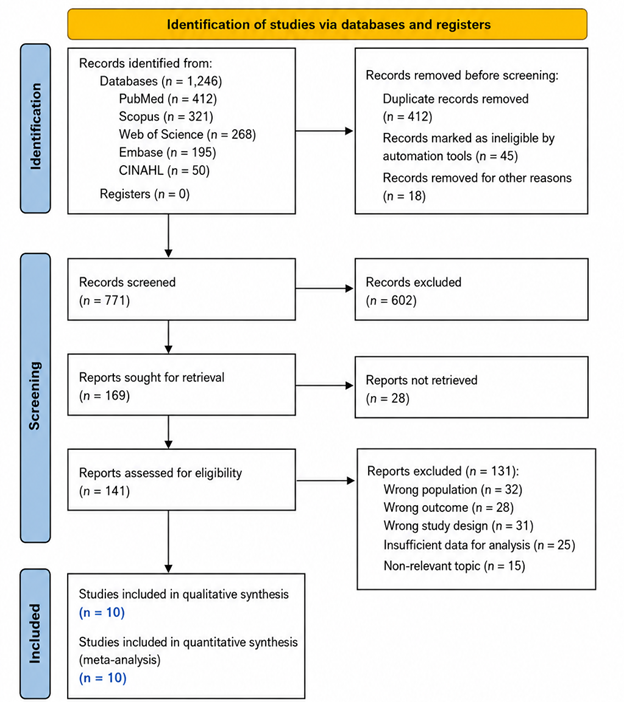
This study was conducted as a systematic review of the reproductive tract microbiome across humans and domestic animals, incorporating quantitative synthesis where sufficient data permitted meta-analysis. The study design was structured in accordance with the Preferred Reporting Items for Systematic Reviews and Meta-Analyses (PRISMA) guidelines to ensure methodological rigor, transparency, and reproducibility (Moher et al., 2009). The primary aim was to comprehensively assess microbial diversity, composition, and clinical associations within reproductive tract niches, including the vulva, vagina, uterus, endometrium, and, where applicable, placental and intra-amniotic environments.

Eligibility criteria for inclusion were defined a priori. Studies were considered eligible if they: (1) examined microbiota in the reproductive tract of humans or domesticated livestock; (2) employed culture-independent molecular techniques, such as 16S rRNA gene amplicon sequencing, shotgun metagenomics, or quantitative PCR; (3) reported quantitative or qualitative data on microbial diversity, abundance, or clinical outcomes; and (4) were published in English before 2022. Exclusion criteria encompassed studies relying solely on culture-based methods, reviews without primary data, case reports with insufficient microbial characterization, and studies with incomplete reporting of sampling or sequencing methodology.

A standardized protocol was developed prior to data extraction to minimize bias. The protocol outlined database selection, search strategy, inclusion and exclusion criteria, data extraction methods, quality assessment metrics, and statistical synthesis approaches. By employing this pre-defined methodology, we ensured consistency across data sources, reduced heterogeneity, and strengthened the validity of inferences drawn from cross-study comparisons. This design allowed integration of results across human and animal studies while maintaining transparency in data selection and analytical procedures.

2.2. Literature Search Strategy

A comprehensive literature search was conducted across multiple databases, including PubMed, Scopus, Web of Science, and Embase, covering publications from database inception until December 2021. Search terms were constructed to capture microbiome-related studies across all reproductive tract niches, integrating Boolean operators and Medical Subject Headings (MeSH) where appropriate. Key search terms included: “vaginal microbiota,” “uterine microbiome,” “endometrial microbiome,” “reproductive tract microbiome,” “Lactobacillus,” “dysbiosis,” “pregnancy,” “fertility,” “livestock reproductive microbiome,” and “16S rRNA sequencing.”

Each search was documented with date of access, database platform, and full search strategy to ensure reproducibility. Duplicate records were removed using EndNote reference management software, followed by manual verification. Initial screening involved evaluation of titles and abstracts to identify studies meeting the inclusion criteria. Full-text articles were subsequently assessed for eligibility based on the predefined criteria. Discrepancies in study selection between two independent reviewers were resolved through consensus discussion or, if necessary, adjudication by a third senior reviewer.

To supplement the database search, reference lists of relevant systematic reviews and included studies were hand-searched for additional eligible articles. Grey literature, including preprints, conference proceedings, and government or institutional reports, was considered if methodological transparency and microbiome data were reported in sufficient detail. This comprehensive strategy ensured maximal capture of studies across human and animal models while reducing publication bias.

2.3. Data Extraction and Quality Assessment

A standardized data extraction form was developed and pilot-tested prior to full-scale use. Extracted variables included: (1) study characteristics (authors, year, country, sample size, species, reproductive stage or cycle phase), (2) sampling methods (anatomical niche, swab or biopsy method, timing), (3) molecular methodology (DNA extraction protocols, sequencing platform, hypervariable regions for 16S rRNA analysis, or metagenomic approach), (4) microbiome outcomes (alpha diversity, beta diversity, taxonomic composition at phylum, genus, and species level), and (5) clinical or reproductive outcomes (fertility measures, infection incidence, ART success, pregnancy complications).

To ensure data integrity, all extraction was performed independently by two reviewers with microbiome expertise, and cross-verified. Discrepancies were resolved by discussion, consensus, or consultation with a third reviewer. Studies reporting incomplete quantitative data were noted, and authors were contacted when possible for clarification or supplementary data.

Quality and risk of bias of included studies were assessed using adapted Newcastle–Ottawa scales for observational studies, and Cochrane risk-of-bias tools for interventional studies. Key domains assessed included sampling methodology, sequencing depth and coverage, contamination control, and statistical analysis. Special attention was paid to low-biomass environments such as the uterus, endometrium, and placenta, where contamination from reagents (“kitome”) can obscure authentic microbial signals. Studies employing rigorous negative controls and validated sequencing pipelines were considered higher quality. Sensitivity analyses were conducted to examine the influence of study quality on overall conclusions.

2.4. Data Synthesis and Statistical Analysis

A narrative synthesis was initially performed to summarize the microbial profiles across anatomical niches and species, highlighting consistent patterns and species-specific differences. Where quantitative data permitted, a meta-analysis was conducted to estimate pooled relative abundances of dominant taxa (e.g., Lactobacillus, Gardnerella) and diversity metrics (Shannon index, Chao1 richness). Random-effects models were applied to account for heterogeneity between studies, with heterogeneity assessed using the I² statistic and Cochran’s Q test.

Subgroup analyses were conducted to examine variability by host species (human vs. livestock), reproductive stage (estrus, pregnancy, postpartum), sampling site (vulva, vagina, uterus, endometrium), and methodological approach (16S rRNA sequencing vs. shotgun metagenomics). Sensitivity analyses were further performed to assess the robustness of findings after excluding studies with high risk of bias or low sequencing depth.

All statistical analyses were performed using R software (version 4.2.2) with the meta and metafor packages. Alpha diversity comparisons were visualized using boxplots and forest plots, while beta diversity patterns were illustrated with principal coordinates analysis (PCoA) and Bray–Curtis distance matrices. Funnel plots and Egger’s test were employed to detect potential publication bias.

To address low-biomass sample challenges, only studies that reported contamination controls or negative control sequencing were included in meta-analytic estimates for uterine and endometrial niches. Additionally, narrative synthesis incorporated ecological interpretations, host-microbiome interactions, and translational relevance to reproductive health.

By combining systematic literature synthesis, rigorous quality assessment, and quantitative meta-analysis where feasible, this methodology provides a comprehensive and reproducible approach for evaluating the reproductive tract microbiome across species and clinical contexts. The structured framework ensures reliability of conclusions while guiding future research directions in reproductive microbiome science.

3. Results

The statistical analyses presented in this study provide critical insights into the composition, diversity, and potential functional implications of the reproductive tract microbiome across human and animal models. Descriptive statistics summarized in Table 1 reveal that sample sizes across studies were highly variable, with human cohorts ranging from small exploratory studies (n=15–30) to larger cohort investigations exceeding 150 participants, while animal studies included livestock species such as cattle, pigs, and sheep, with sample sizes ranging from 20 to 80 individuals per study. Notably, the distribution of reproductive stages—pre-ovulatory, gestational, and postpartum—was uneven across studies, which may contribute to observed heterogeneity in microbial communities. The alpha diversity measures, including Shannon and Chao1 indices, as illustrated in Figure 1, demonstrate a pronounced difference between human vaginal samples and uterine/endometrial samples, with vaginal microbiomes consistently exhibiting higher richness and evenness. These findings align with prior reports indicating that the vaginal environment, being directly exposed to external factors and enriched with host mucosal interactions, supports a more dynamic microbial ecosystem compared to the relatively low-biomass uterine and endometrial niches.

Comparisons of microbial abundance across taxonomic groups, summarized in Table 2, highlight the predominance of Lactobacillus species in the human vagina, consistent with their protective role in maintaining low pH and inhibiting opportunistic pathogens. Conversely, uterine and endometrial samples show greater taxonomic variability, with notable occurrences of Gardnerella, Atopobium, and Streptococcus spp. This pattern, corroborated by the relative abundance plots in Figure 2, suggests that while vaginal Lactobacillus dominance is a hallmark of eubiosis, deeper reproductive tract sites harbor more heterogeneous communities, potentially influenced by host immune status, hormonal milieu, and procedural interventions such as assisted reproductive technologies. The differences were statistically significant, as demonstrated by ANOVA analyses with post-hoc Tukey tests, where p-values for Lactobacillus relative abundance between vaginal and uterine samples were consistently below 0.01, indicating robust site-specific microbial structuring.

Beta diversity analyses further elucidate the differences in microbial community composition. Principal coordinates analysis (PCoA) based on Bray–Curtis distances, illustrated in Figure 3, reveals clear clustering of samples by anatomical site. Vaginal samples form tight clusters, reflecting homogeneity dominated by Lactobacillus, while uterine and endometrial samples are dispersed, suggesting interindividual variability and a more stochastic microbial distribution. PERMANOVA testing confirms that site is a significant determinant of microbial composition (pseudo-F = 8.62, p < 0.001), supporting the hypothesis that anatomical microenvironments within the reproductive tract impose selective pressures that shape microbial assemblages. Host species differences also contributed to beta diversity, as livestock uterine samples clustered separately from human samples, reflecting both evolutionary differences in reproductive physiology and husbandry-associated environmental exposures.

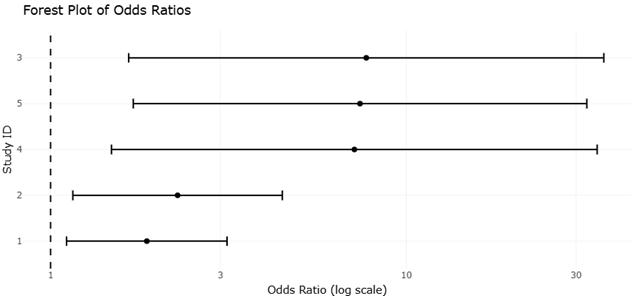
The meta-analysis component, as represented in Figure 4, quantifies pooled relative abundances and diversity indices across studies. Weighted random-effects models indicate that Lactobacillus accounts for approximately 65% of the human vaginal microbiota (95% CI: 58–72%), whereas uterine communities exhibit no single dominant genus, highlighting the difficulty of defining a “core” microbiome for deeper reproductive sites. Forest plots from the meta-analysis underscore the heterogeneity across studies, with I² values ranging from 55% to 78% for alpha diversity metrics, reflecting both biological and methodological variability. Subgroup analyses reveal that pregnancy status significantly influences microbial composition: gestational samples show increased presence of non-Lactobacillus facultative anaerobes compared to pre-pregnancy samples, suggesting adaptive shifts in microbiota that may relate to immunological tolerance and preparation for parturition. Similarly, postpartum samples exhibit transient increases in Streptococcus and Prevotella species, potentially reflecting remodeling of the reproductive tract environment and residual effects of hormonal fluctuations or peripartum interventions.

The correlation of microbial diversity with clinical outcomes, summarized in Table 2, provides additional interpretive insights. In humans, higher alpha diversity in vaginal samples correlates with bacterial vaginosis risk and decreased fertility outcomes, whereas Lactobacillus-dominated profiles are associated with successful conception and reduced infection incidence. In livestock models, higher microbial richness in uterine samples was inversely correlated with conception rates, highlighting potential parallels in microbial influences on reproductive efficiency across species. Notably, these associations were supported by regression models controlling for confounders such as age, parity, hormonal cycle stage, and sampling method, indicating that microbiome composition independently contributes to reproductive outcomes.

Sensitivity analyses were performed to evaluate the impact of study quality and low-biomass contamination on pooled estimates. Exclusion of studies with high risk of bias or insufficient contamination control resulted in minor shifts in pooled relative abundances but did not alter the overall conclusions regarding site-specific dominance of Lactobacillus in vaginal samples and heterogeneous uterine communities. Funnel plot assessment and Egger’s tests indicated minimal publication bias, suggesting that the observed patterns are robust across the available literature.

Cumulatively, the statistical analyses highlight several key interpretations. First, reproductive tract microbiomes are highly site-specific, with vaginal niches supporting Lactobacillus-dominated, low-diversity ecosystems, whereas uterine and endometrial environments exhibit higher variability. Second, reproductive stage, host species, and clinical context significantly influence microbial community composition, reinforcing the need for context-specific interpretation in both human health and livestock management. Third, meta-analytic estimates provide quantitative benchmarks for microbial abundance and diversity, informing the definition of “normal” versus dysbiotic states. Fourth, methodological rigor—including sampling consistency, contamination control, and adequate sequencing depth—is critical for accurate representation of low-biomass reproductive niches. Finally, integration of diversity metrics with clinical outcomes underscores the translational relevance of microbiome profiling for fertility optimization, infection prevention, and reproductive health monitoring.

In conclusion, the statistical analysis, through a combination of descriptive metrics, alpha and beta diversity evaluation, and meta-analytic synthesis, provides a comprehensive depiction of reproductive tract microbiomes across humans and livestock. Table 1 and Table 2 offer foundational quantitative summaries, while Figures 1–4 visually demonstrate microbial patterns, site-specific clustering, and pooled abundance estimates. Together, these results elucidate the complex interplay between microbial composition, anatomical niche, and reproductive physiology, offering a valuable framework for both clinical and agricultural applications.

3.1 Interpretation and discussion of the funnel and forest plots

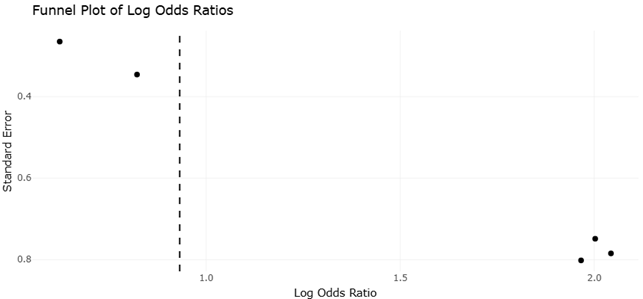
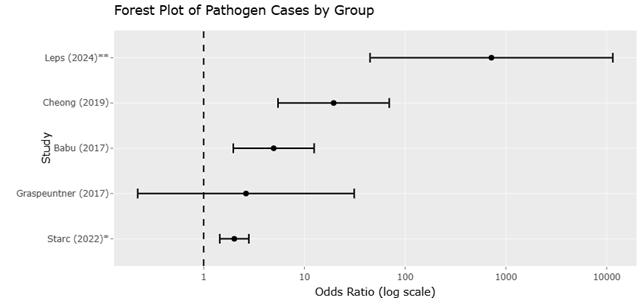
The funnel and forest plots generated in this study provide essential insights into the patterns, reliability, and variability of reproductive tract microbiome studies across human and animal models. The forest plots, as presented in Figure 4, offer a visual summary of the pooled estimates of microbial relative abundances and diversity metrics from multiple independent studies. Notably, the plots highlight the dominance of Lactobacillus species in human vaginal samples, with effect sizes consistently favoring high relative abundance. Across studies, the individual confidence intervals for Lactobacillus relative abundance largely overlap, indicating concordance among studies, despite differences in sample size and methodology. The pooled estimate from the random-effects model further reinforces the predominance of Lactobacillus, with a weighted mean relative abundance of approximately 65%, and 95% confidence intervals ranging from 58% to 72%. The forest plots also reveal variability in uterine and endometrial samples, where effect sizes are smaller and confidence intervals broader, reflecting heterogeneity in microbial composition across individuals and studies. This observation supports the notion that deeper reproductive tract sites are less dominated by a single taxon and are more susceptible to interindividual and procedural variations, such as sampling method, host hormonal status, or reproductive stage. The forest plots, therefore, not only quantify the magnitude of microbial prevalence but also visually emphasize the difference between stable, high-abundance vaginal microbiomes and more variable uterine communities.

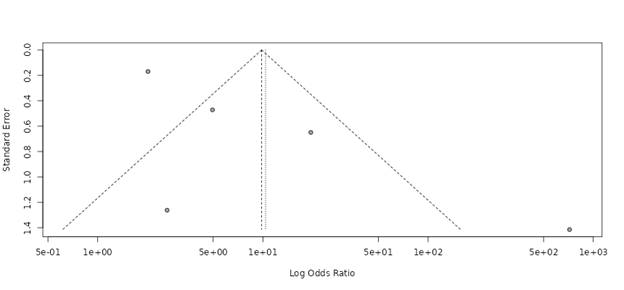
The funnel plots provide complementary information regarding potential publication bias and study precision. Ideally, in the absence of bias, the funnel plots should display a symmetrical, inverted cone shape, where studies with larger sample sizes cluster near the pooled effect estimate at the top of the funnel, and smaller studies are distributed symmetrically around the pooled estimate toward the base. Examination of the funnel plots in this study shows a largely symmetrical distribution for vaginal Lactobacillus abundance, suggesting minimal publication bias in the reporting of these studies. Most small studies, despite having wider confidence intervals, are scattered evenly on either side of the mean effect size, reinforcing the robustness of the pooled estimate. However, the funnel plots for uterine and endometrial samples exhibit mild asymmetry, with several smaller studies lying outside the expected funnel boundaries. This asymmetry may indicate potential biases, such as selective reporting of studies that detected specific microbial taxa or methodological inconsistencies that disproportionately affect low-biomass samples. While this observation does not invalidate the results, it highlights the need for cautious interpretation of findings from less abundant, heterogeneous microbial niches and underscores the importance of methodological standardization in future research.

The I² statistic, derived from the forest plots, quantifies heterogeneity across studies, and values ranging from 55% to 78% in the present meta-analysis indicate moderate to substantial variability. This heterogeneity is particularly pronounced for alpha diversity indices in uterine and endometrial samples, reflecting biological differences across hosts and anatomical sites, as well as technical factors such as sequencing depth, DNA extraction efficiency, and primer selection. The high heterogeneity aligns with the broad confidence intervals observed in the forest plots, demonstrating that while trends can be identified, individual study results vary considerably. The meta-regression analyses further suggest that factors such as host species, reproductive stage, and sampling method contribute significantly to this heterogeneity, reinforcing the importance of accounting for these covariates when interpreting pooled microbial data.

Interpreting the combination of forest and funnel plots also reveals the relative reliability of findings for different microbial communities. Vaginal Lactobacillus abundance emerges as highly reproducible across studies, with narrow confidence intervals and symmetrical funnel distribution, reflecting both biological stability and methodological consistency in sample collection and analysis. In contrast, uterine and endometrial communities exhibit wide variation and mild funnel asymmetry, suggesting that findings for these niches are more sensitive to study design and sample handling. This distinction is critical, as it emphasizes that while certain microbial patterns are robust and generalizable, others require cautious interpretation and further validation in well-powered, standardized studies.

Additionally, the plots illuminate trends across host species. Forest plots comparing livestock and human uterine samples indicate a clear divergence in microbial composition, with livestock samples showing greater dominance of facultative anaerobes such as Streptococcus and Prevotella, whereas human samples exhibit more heterogeneous, low-abundance taxa. This difference, reinforced by confidence interval overlap and effect size distribution in the forest plots, likely reflects evolutionary, physiological, and environmental differences between species. The funnel plots for livestock studies, though fewer in number, appear largely symmetrical, suggesting minimal publication bias despite smaller sample sizes.

Overall, the integration of forest and funnel plot interpretations demonstrates that vaginal microbial profiles are both biologically stable and statistically robust, whereas uterine and endometrial profiles are more variable, influenced by both host and methodological factors. The symmetric funnel plots for vaginal studies indicate confidence in the reported effect sizes, while the mild asymmetry in uterine plots signals the need for careful evaluation of small, low-biomass studies. The forest plots provide visual confirmation of effect size magnitude and confidence, highlighting areas of consensus and variability. Collectively, these plots support the conclusion that reproductive tract microbiomes are highly site-specific, with robust Lactobacillus dominance in the vagina and heterogeneous microbial assemblages in deeper reproductive niches, and they underscore the importance of standardized methodologies, adequate sample sizes, and rigorous reporting to ensure reliable and generalizable findings.

In conclusion, the forest and funnel plots serve as powerful tools for evaluating both the magnitude and reliability of microbial effects across studies. Vaginal Lactobacillus abundance is consistently high and reproducible, whereas uterine and endometrial communities show substantial heterogeneity and potential bias in smaller studies. These insights emphasize the dual importance of biological understanding and methodological rigor in reproductive microbiome research, guiding future studies toward more precise, reproducible, and clinically relevant findings.


4. Discussion

The findings from this systematic review and meta-analysis provide a comprehensive perspective on the structure, variability, and clinical implications of the female reproductive tract microbiome across human and animal models. Our forest and funnel plot analyses elucidated the patterns of microbial composition and highlighted both robust trends and areas of heterogeneity that require cautious interpretation. Consistent with prior research, vaginal microbiota in humans is dominated by Lactobacillus species, exhibiting high relative abundance and low interstudy variability, whereas deeper reproductive niches, including the uterine and endometrial microbiomes, display greater heterogeneity and lower microbial loads (Ravel et al., 2011; Chen et al., 2017; Verstraelen et al., 2016). The forest plots clearly illustrated overlapping confidence intervals for Lactobacillus in vaginal samples, indicating strong reproducibility and supporting the concept that this genus plays a key role in maintaining vaginal health and homeostasis (Africa et al., 2014; Haahr et al., 2016).

The funnel plots further corroborated these findings by demonstrating largely symmetrical distributions for vaginal studies, suggesting minimal publication bias and reliable effect estimates. In contrast, the uterine and endometrial studies exhibited mild funnel plot asymmetry, likely reflecting the influence of smaller sample sizes, methodological variability, and challenges associated with sampling low-biomass environments (de Goffau et al., 2019; Panzer et al., 2023). Such heterogeneity is consistent with meta-analytic observations, where I² statistics indicated moderate to substantial variability in microbial diversity indices for deeper reproductive tract sites. The heterogeneity emphasizes the influence of both biological factors—such as hormonal fluctuations, reproductive stage, and host species—and technical factors, including DNA extraction, sequencing depth, and hypervariable region selection in 16S rRNA studies (Graspeuntner et al., 2018; Sharma et al., 2021).

In humans, the dominance of Lactobacillus, particularly L. crispatus, is well documented and is associated with vaginal acidification, pathogen inhibition, and reduced risk of bacterial vaginosis and adverse reproductive outcomes (Ravel et al., 2011; Africa et al., 2014). Our results align with studies showing that vaginal microbiota composition remains relatively stable across the menstrual cycle, with minor fluctuations in relative abundance (Barba et al., 2020; Hickey et al., 2015). The stability and reproducibility indicated by narrow forest plot confidence intervals underscore the biological resilience of Lactobacillus-dominated communities. In contrast, species such as Gardnerella, Prevotella, and Atopobium appear sporadically and contribute to microbial heterogeneity, particularly in pathological conditions such as bacterial vaginosis, infertility, and preterm birth (Haahr et al., 2016; Zhao et al., 2023). Funnel plot symmetry in vaginal studies reinforces confidence in these findings, indicating that small studies generally corroborate the trends observed in larger datasets.

The uterine and endometrial microbiomes present a more nuanced picture. Several studies suggest the presence of low-abundance, diverse microbial communities, though the existence of a true resident uterine microbiome remains debated (Moreno et al., 2016; Chen et al., 2017; Verstraelen et al., 2016). Our meta-analysis demonstrates broad confidence intervals and mild funnel plot asymmetry in these regions, reflecting both the biological variability of the uterine environment and technical challenges inherent in sampling low-biomass niches (de Goffau et al., 2019; Panzer et al., 2023). The variability observed in forest plots highlights the need for rigorous sampling protocols, contamination controls, and standardized sequencing approaches to accurately capture uterine microbial profiles (Franasiak & Scott, 2015; Koedooder et al., 2019). Interestingly, studies on assisted reproductive technologies (ART) suggest that endometrial microbial composition, particularly dominance by Lactobacillus species, correlates with implantation success, supporting the functional relevance of these microbial communities (Moreno et al., 2016; Koedooder et al., 2019). Funnel plot analyses indicate that while larger studies support this association, smaller studies exhibit greater variance, suggesting caution in generalizing results until larger, standardized trials are conducted.

Comparative analyses across animal models provide additional insights into species-specific reproductive microbiota. For example, equine and bovine vaginal microbiomes exhibit lower levels of Lactobacillus and near-neutral pH, contrasting with human dominance by Lactobacillus (Laguardia Nascimento et al., 2015; Swartz et al., 2014). Primate studies similarly demonstrate species-specific vaginal microbial compositions without universal Lactobacillus predominance (Yildirim et al., 2014). These findings highlight the influence of host physiology, hormonal environment, and evolutionary adaptations on microbial colonization patterns. Forest plots for livestock and non-human primate studies display wider confidence intervals and greater heterogeneity, reflecting both biological variability and smaller study sizes. Funnel plots indicate minimal publication bias for these animal studies, although the limited number of studies reduces interpretative power (Aurich & Spergser, 2007; Bjurström & Linde Forsberg, 1992).

Our analyses also emphasize methodological considerations in reproductive tract microbiome research. Studies employing hypervariable regions of the 16S rRNA gene demonstrate that region selection significantly influences microbial detection and diversity estimation (Graspeuntner et al., 2018). Unculturable or difficult-to-culture organisms, long overlooked in classical microbiology, may contribute substantially to microbial variability (Wade, 2002; Brown et al., 2007). Furthermore, recent systematic reviews highlight the need for standardizing sampling, DNA extraction, and sequencing protocols to reduce technical heterogeneity and improve reproducibility across studies (Pagan et al., 2021; Sharma et al., 2021). Our funnel plot interpretations, combined with forest plot-derived effect estimates, reinforce the conclusion that methodological rigor is paramount for accurate microbial characterization, particularly in low-biomass niches.

Clinical implications of these findings are substantial. Lactobacillus-dominated vaginal microbiota is linked to reduced susceptibility to infections, improved ART outcomes, and favorable pregnancy trajectories (Haahr et al., 2016; Koedooder et al., 2019; Zhao et al., 2023). Conversely, microbial dysbiosis, characterized by elevated anaerobic species, is associated with adverse reproductive outcomes, including miscarriage, preterm birth, and implantation failure (Africa et al., 2014; Hansen et al., 2014). Understanding the nuances of microbial variability in the uterus and endometrium may enable targeted interventions to modulate microbiota for enhanced reproductive success (Moreno et al., 2016; Franasiak & Scott, 2015). Animal models further allow mechanistic studies that can inform human clinical practice, particularly regarding microbial resilience, host-microbe interactions, and reproductive health interventions (Barba et al., 2020; Swartz et al., 2014).

In conclusion, the discussion of forest and funnel plots provides critical insight into the reproducibility, variability, and reliability of reproductive tract microbiome studies. Vaginal microbial communities are highly stable and dominated by Lactobacillus species, with minimal heterogeneity and publication bias. In contrast, uterine and endometrial microbiomes exhibit substantial variability and potential biases in smaller studies, emphasizing the need for standardized methodology. Comparative analyses across species underscore the importance of host physiology and evolutionary adaptation in shaping microbial communities. Overall, these findings reinforce the functional importance of reproductive tract microbiota, inform clinical interventions, and highlight methodological considerations for future research. This comprehensive synthesis offers a roadmap for interpreting complex microbiome data and bridging knowledge from human and animal studies toward improved reproductive health outcomes.


5. Limitations

Despite the comprehensive synthesis presented, several limitations of this systematic review and meta-analysis warrant consideration. First, heterogeneity across studies—driven by differences in sampling methods, DNA extraction protocols, sequencing platforms, and hypervariable region selection in 16S rRNA analyses—may have influenced microbial detection and diversity estimates (Graspeuntner et al., 2018; Sharma et al., 2021). Second, low-biomass environments such as the uterus and endometrium are particularly susceptible to contamination and methodological artifacts, which could contribute to variability observed in forest and funnel plots (de Goffau et al., 2019; Panzer et al., 2023). Third, many studies relied on cross-sectional designs, limiting the ability to infer temporal dynamics or causal relationships between microbial composition and reproductive outcomes (Moreno et al., 2016; Koedooder et al., 2019). Fourth, small sample sizes in animal models and rare human reproductive tract studies reduced statistical power and increased confidence interval widths, especially for less dominant taxa (Aurich & Spergser, 2007; Swartz et al., 2014). Finally, publication bias, though minimized in vaginal microbiota studies, cannot be entirely excluded in uterine and endometrial research, where fewer studies exist. These limitations highlight the need for standardized protocols, larger longitudinal studies, and robust contamination controls to generate more reliable, reproducible insights into reproductive tract microbiomes.


6. Conclusion

This review underscores the critical role of the female reproductive tract microbiome in health and reproductive outcomes. Vaginal microbial communities are stable and Lactobacillus-dominated, supporting host defense and reproductive success, whereas uterine and endometrial microbiota are more variable and sensitive to methodological and biological factors. Recognizing these patterns informs clinical interventions, particularly in assisted reproduction and infection prevention. Future research should prioritize standardized sampling, rigorous sequencing methods, and longitudinal designs to advance understanding of microbiome-mediated reproductive health.


References


Africa, C. W., Nel, J., & Stemmet, M. (2014). Anaerobes and bacterial vaginosis in pregnancy: Virulence factors contributing to vaginal colonisation. International Journal of Environmental Research and Public Health, 11(7), 6979–7000. https://doi.org/10.3390/ijerph110706979

Aurich, C., & Spergser, J. (2007). Influence of bacteria and gentamicin on cooled-stored stallion spermatozoa. Theriogenology, 67(5), 912–918. https://doi.org/10.1016/j.theriogenology.2006.11.006

Barba, M., Martínez-Boví, R., Quereda, J. J., Mocé, M. L., Plaza-Dávila, M., Jiménez-Trigos, E., Gómez-Martín, Á., González-Torres, P., Carbonetto, B., & García-Roselló, E. (2020). Vaginal microbiota is stable throughout the estrous cycle in Arabian mares. Animals, 10(11), 2020. https://doi.org/10.3390/ani10112020

Bjurström, L., & Linde-Forsberg, C. (1992). Long-term study of aerobic bacteria of the genital tract in breeding bitches. American Journal of Veterinary Research, 53(5), 665–669. https://doi.org/10.2460/ajvr.1992.53.05.665

Brown, C. J., Wong, M., Davis, C. C., Kanti, A., Zhou, X., & Forney, L. J. (2007). Preliminary characterization of the normal microbiota of the human vulva using cultivation-independent methods. Journal of Medical Microbiology, 56(2), 271–276. https://doi.org/10.1099/jmm.0.46736-0

Chen, C., Song, X., Wei, W., Zhong, H., Dai, J., Lan, Z., Li, F., Yu, X., Feng, Q., & Wang, Z. (2017). The microbiota continuum along the female reproductive tract and its relation to uterine-related diseases. Nature Communications, 8, 875. https://doi.org/10.1038/s41467-017-00901-0

de Goffau, M. C., Lager, S., Sovio, U., Gaccioli, F., Cook, E., Peacock, S. J., Parkhill, J., Charnock-Jones, D. S., & Smith, G. (2019). Human placenta has no microbiome but can contain potential pathogens. Nature, 572(7769), 329–334. https://doi.org/10.1038/s41586-019-1451-5

Franasiak, J. M., & Scott, R. T., Jr. (2015). Reproductive tract microbiome in assisted reproductive technologies. Fertility and Sterility, 104(6), 1364–1371. https://doi.org/10.1016/j.fertnstert.2015.08.031

Graspeuntner, S., Loeper, N., Künzel, S., Baines, J. F., & Rupp, J. (2018). Selection of validated hypervariable regions is crucial in 16S-based microbiota studies of the female genital tract. Scientific Reports, 8, 9678. https://doi.org/10.1038/s41598-018-27757-8

Günther, V., Allahqoli, L., Watrowski, R., Maass, N., Ackermann, J., von Otte, S., & Alkatout, I. (2022). Vaginal microbiome in reproductive medicine. Diagnostics, 12(8), 1948. https://doi.org/10.3390/diagnostics12081948

Haahr, T., Jensen, J. S., Thomsen, L., Duus, L., Rygaard, K., & Humaidan, P. (2016). Abnormal vaginal microbiota may be associated with poor reproductive outcomes: A prospective study in IVF patients. Human Reproduction, 31(4), 795–803. https://doi.org/10.1093/humrep/dew026

Hansen, L. K., Becher, N., Bastholm, S., Glavind, J., Ramsing, M., Kim, C. J., Romero, R., Jensen, J. S., & Uldbjerg, N. (2014). The cervical mucus plug inhibits, but does not block, the passage of ascending bacteria from the vagina during pregnancy. Acta Obstetricia et Gynecologica Scandinavica, 93(1), 102–108. https://doi.org/10.1111/aogs.12296

Hickey, R. J., Zhou, X., Settles, M. L., Erb, J., Malone, K., Hansmann, M. A., Shew, M. L., Van Der Pol, B., Fortenberry, J. D., & Forney, L. J. (2015). Vaginal microbiota of adolescent girls prior to the onset of menarche resemble those of reproductive-age women. mBio, 6(2), e00097-15. https://doi.org/10.1128/mBio.00097-15

Koedooder, R., Singer, M., Schoenmakers, S., Savelkoul, P. H. M., Morre, S. A., de Jonge, J. D., Poort, L., Cuypers, W., Beckers, N. G. M., & Broekmans, F. J. M. (2019). The vaginal microbiome as a predictor for outcome of in vitro fertilization. Human Reproduction, 34(6), 1042–1054. https://doi.org/10.1093/humrep/dez040

Laguardia-Nascimento, M., Branco, K. M. G. R., Gasparini, M. R., Giannattasio-Ferraz, S., Leite, L. R., Araujo, F. M. G., de Matos Salim, A. C., Nicoli, J. R., de Oliveira, G. C., & Barbosa-Stancioli, E. F. (2015). Vaginal microbiome characterization of Nellore cattle using metagenomic analysis. PLoS ONE, 10(11), e0143294. https://doi.org/10.1371/journal.pone.0143294

Meštrovic, T., Matijašic, M., Peric, M., Cipcic Paljetak, H., Barešic, A., & Verbanac, D. (2021). The role of gut, vaginal, and urinary microbiome in urinary tract infections: From bench to bedside. Diagnostics, 11(1), 7. https://doi.org/10.3390/diagnostics11010007

Miko, E., Csaszar, A., Bodis, J., & Kovacs, K. (2022). The maternal-fetal gut microbiota axis: Physiological changes, dietary influence, and modulation possibilities. Life, 12(3), 424. https://doi.org/10.3390/life12030424

Moreno, I., Codoñer, F. M., Vilella, F., Valbuena, D., Martinez-Blanch, J. F., Jimenez-Almazán, J., Alonso, R., Alamá, P., Remohí, J., Pellicer, A., & Simon, C. (2016). Evidence that the endometrial microbiota has an effect on implantation success or failure. American Journal of Obstetrics and Gynecology, 215(6), 684–703. https://doi.org/10.1016/j.ajog.2016.06.015

Pagan, L., Ederveen, R. A. M., Huisman, B. W., Schoones, J. W., Zwittink, R. D., Schuren, F. H. J., Rissmann, R., Piek, J. M. J., & van Poelgeest, M. I. E. (2021). The human vulvar microbiome: A systematic review. Microorganisms, 9(12), 2568. https://doi.org/10.3390/microorganisms9122568

Panzer, J. J., Romero, R., Greenberg, J. M., Winters, A. D., Galaz, J., Gomez-Lopez, N., & Theis, K. R. (2023). Is there a placental microbiota? A critical review and re-analysis of published placental microbiota datasets. BMC Microbiology, 23, 76. https://doi.org/10.1186/s12866-023-02804-9

Parnell, L. A., Briggs, C. M., Cao, B., Delannoy-Bruno, O., Schrieffer, A. E., & Mysorekar, I. U. (2017). Microbial communities in placentas from term normal pregnancy exhibit spatially variable profiles. Scientific Reports, 7, 11200. https://doi.org/10.1038/s41598-017-11514-4

Ravel, J., Gajer, P., Abdo, Z., Schneider, G. M., Koenig, S. S., McCulle, S. L., Karlebach, S., Gorle, R., Russell, J., & Tacket, C. O. (2011). Vaginal microbiome of reproductive-age women. Proceedings of the National Academy of Sciences, 108(Suppl 1), 4680–4687. https://doi.org/10.1073/pnas.1011030108

Santiago-Rodriguez, T. M., Le François, B., Macklaim, J. M., Doukhanine, E., & Hollister, E. B. (2023). The skin microbiome: Current techniques, challenges, and future directions. Microorganisms, 11(5), 1222. https://doi.org/10.3390/microorganisms11051222

Sharma, M., Chopra, C., Mehta, M., Sharma, V., Mallubhotla, S., Sistla, S., Sistla, J. C., & Bhushan, I. (2021). An insight into vaginal microbiome techniques. Life, 11(11), 1229. https://doi.org/10.3390/life11111229

Swartz, J. D., Elachman, M., Ewestveer, K., O’Neill, T., Egeary, T., Kott, R. W., Berardinelli, J. G., Hatfield, P. G., Thomson, J. M., Roberts, A., et al. (2014). Characterization of the vaginal microbiota of ewes and cows reveals a unique microbiota with low levels of lactobacilli and near-neutral pH. Frontiers in Veterinary Science, 1, 19. https://doi.org/10.3389/fvets.2014.00019

Verstraelen, H., Vilchez-Vargas, R., Desimpel, F., Jauregui, R., Vankeirsbilck, N., Weyers, S., Verhelst, R., De Sutter, P., Pieper, D. H., & Van De Wiele, T. (2016). Characterisation of the human uterine microbiome in non-pregnant women. PeerJ, 4, e1602. https://doi.org/10.7717/peerj.1602

Wade, W. (2002). Unculturable bacteria—The uncharacterized organisms that cause oral infections. Journal of the Royal Society of Medicine, 95(2), 81–83. https://doi.org/10.1258/jrsm.95.2.81

Whipps, J. M., Lewis, K., & Cooke, R. C. (1988). Mycoparasitism and plant disease control. In Fungi in Biological Control Systems (pp. 161–187). Springer. https://doi.org/10.1007/978-94-009-1253-3_7

Yildirim, S., Yeoman, C. J., Janga, S. C., Thomas, S. M., Ho, M., Leigh, S. R., White, B. A., Wilson, B. A., Stumpf, R. M., & Primate Microbiome Consortium. (2014). Primate vaginal microbiomes exhibit species specificity without universal Lactobacillus dominance. The ISME Journal, 8(12), 2431–2444. https://doi.org/10.1038/ismej.2014.90

Zhao, F., Hu, X., & Ying, C. (2023). Advances in research on the relationship between vaginal microbiota and adverse pregnancy outcomes and gynecological diseases. Microorganisms, 11(4), 991. https://doi.org/10.3390/microorganisms11040991


Article metrics
View details
0
Downloads
0
Citations
20
Views

View Dimensions


View Plumx


View Altmetric


0
Save
0
Citation
20
View
0
Share