Microbial Bioactives

Microbial Bioactives | Online ISSN 2209-2161
380
Citations
238.1k
Views
182
Articles
Your new experience awaits. Try the new design now and help us make it even better
Switch to the new experience
Figures and Tables
REVIEWS   (Open Access)

Vertical Patterns and Drivers of Microbial Richness in Aquatic and Soil Systems: A Systematic Review 

Md. Kawser 1, Md Saiyed Qutubul Alam 1,2, Meer Sakib Hasan 1, Most. Samia Mahin 1, Nafi Khan 2, Khurshed Alam 1, Md. Sajib Hossain 1*

+ Author Affiliations

Microbial Bioactives 6 (1) 1-15 https://doi.org/10.25163/microbbioacts.6110674

Submitted: 16 June 2023 Revised: 04 August 2023  Published: 14 August 2023 


Abstract

The accelerating rise of antimicrobial resistance (AMR) poses one of the most serious threats to global public health, undermining decades of progress in infectious disease control. As conventional antibiotic discovery pipelines continue to stagnate, marine ecosystems have emerged as promising reservoirs of structurally diverse and biologically potent natural products. This systematic review synthesize existing evidence on the antimicrobial activity of marine-derived microbial secondary metabolites, with particular emphasis on compounds produced by bacteria and fungi inhabiting diverse marine environments. Peer-reviewed studies published before 2024 were systematically retrieved from major scientific databases following PRISMA guidelines. Eligible studies reporting quantitative antimicrobial outcomes were included in the meta-analysis, enabling pooled effect size estimation and comparative assessment across compound classes, including non-ribosomal peptides, polyketides, ribosomal synthesized and post-translationally modified peptides, and hybrid metabolites. The findings reveal consistent antimicrobial activity across a broad range of clinically relevant pathogens, with notable variability linked to compound class, microbial source, and environmental origin. Forest plot analyses indicate moderate to strong inhibitory effects in several metabolite groups, while funnel plot assessments suggest acceptable publication symmetry, despite some heterogeneity among studies. Beyond quantifying antimicrobial potency, this review highlights the ecological and evolutionary drivers shaping marine microbial biosynthetic diversity and discusses the translational challenges associated with compound isolation, scalability, and clinical development. Collectively, the evidence underscores the untapped potential of marine microbial natural products as viable leads for next-generation antimicrobial agents and reinforces the importance of integrating ecological insight, advanced screening strategies, and robust statistical synthesis in future drug discovery efforts.

Keywords: Marine natural products; antimicrobial resistance; marine microbes; secondary metabolites; systematic review; meta-analysis; antibiotic discovery

1. Introduction

Microbial communities are the unseen architects of ecosystem function. Across the globe, bacteria, archaea, and microbial eukaryotes catalyze nutrient transformation, regulate element cycles, and govern the foundational processes that sustain water quality, soil fertility, and ultimately the resilience of terrestrial and aquatic landscapes. Yet, while microbial life overwhelmingly drives biogeochemical cycles, its distribution across vertical gradients—from surface layers to deep, resource-limited zones—has remained enigmatic. This systematic review and meta-analysis seek to synthesize what is known about vertical microbial richness trends across aquatic and soil environments, identify the key environmental drivers, and clarify how stratification shapes microbial assemblages in ways that matter for ecosystem services.

Small water bodies, though diminutive in area, punch far above their weight in ecological influence. Lakes with surface areas less than 0.1 km² support rich biotic networks and serve as hotspots of biodiversity and biogeochemical cycling at basin scales (Kelly-Quinn et al., 2017; Bolpagni et al., 2019). These ecosystems are not static reservoirs; they are dynamic systems sensitive to human disturbance and climatic variation. In Mediterranean landscapes, long-term groundwater abstraction for agriculture has lowered water tables and degraded ecological status, as observed in Lake Alboraj, a permanent karstic lake in southeast Spain (Espín et al., 2021). Such perturbations not only change water levels but also reshape vertical oxygen and nutrient gradients—dramatically altering the spatial tapestry within which microorganisms live and interact.

Across stratified lakes, a characteristic oxycline separates roiling, light-rich surface waters (epilimnion) from quieter, oxygen-depleted deep waters (hypolimnion). This physical stratification creates distinct chemical regimes that filter microbial life on the basis of oxygen availability and redox potential (Boehrer & Schultze, 2008). In Lake Alboraj, seasonal stratification fosters highly contrasting niches, with aerobic processes dominating the upper meter and anaerobic metabolism prevailing near the bottom (Espín et al., 2021). This pattern mirrors observations from other aquatic systems such as the Jinpen Reservoir, where seasonal thermal stratification leads to habitat heterogeneity and niche partitioning among microbial taxa (Yang et al., 2015).

Stratification is not unique to lakes; it is a universal feature of many aquatic environments, including seas and oceans. In the Tropical Pacific, even modest vertical gradients in dissolved oxygen (DO) can drive discernible shifts in microbial richness and composition, with taxa like Thaumarchaeota and Nitrospinae adapting to specific depth niches shaped by oxygen and organic matter availability (He et al., 2023). These findings suggest that DO gradients are strong ecological filters that structure microbial communities and modulate cycles of nitrogen, carbon, and sulfur.

Looking beyond water columns, vertical differentiation is equally pronounced in terrestrial soils. Soil profiles—especially those on the Eastern Qinghai–Tibetan Plateau—often display steep declines in microbial biomass and diversity with depth due to diminishing resources such as carbon and oxygen (Fan et al., 2021; Naylor et al., 2022). Yet, some subsoil horizons host specialized microbes with tight links to nutrient cycling, reflecting metabolic adaptation to oligotrophic conditions (Jiao et al., 2018). This vertical assembly, from resource-rich topsoils dominated by copiotrophs to deeper horizons enriched with stress-tolerant taxa, is a recurring pattern across soil landscapes (Fierer et al., 2003).

Aquatic sediments, lying at the interface between water and solid substrate, amplify the complexity of vertical gradients. Here, redox conditions shift dramatically over small distances, creating microzones where denitrifiers, sulfate reducers, and fermenters dominate. In Lake Alboraj’s sediments, specialized anaerobic groups such as Pseudomonadaceae and Desulfobulbaceae drive key steps in nitrogen and sulfur cycling under anoxic conditions (Espín et al., 2021). These deep sediments function analogously to subsoil environments, with distinct assemblages and metabolic roles shaped by the interplay of organic matter supply and electron acceptor availability.

A critical dimension of vertical microbial ecology is the concept of functional potential—the capacity of microbial communities to perform ecological functions. This potential is shaped not only by environmental gradients but also by chemical cues. The “secondary compound hypothesis” posits that secondary plant metabolites (SPMEs)—complex organic compounds released through root exudation or litter decomposition—can stimulate microbial degradative pathways (Musilova et al., 2016). Compounds such as naringin and limonene have been shown to enhance growth of contaminant-degrading bacteria, highlighting the role of plant–microbe chemical signaling in shaping microbial potential (Singer et al., 2003). Similarly, in rhizospheres, SPMEs attract beneficial microflora, strengthening plant defense against pathogens (Bais et al., 2006).

Extreme environments further illustrate the adaptive capacity of microbial life. In Acid Mine Drainage (AMD), steep pH gradients and high metal concentrations select for iron- and sulfur-oxidizing communities that drive primary production via geochemical weathering (Huang et al., 2016). The ecology of these systems resembles that of anoxic sediments, where specialized metabolic pathways support life in harsh conditions.

Understanding vertical microbial distribution is not an academic exercise—it has profound implications for ecosystem function. Biogeochemical cycles in stratified systems are interconnected through multiple interfaces: the water-atmosphere boundary, the oxic–anoxic transition zone, and the sediment–water interface. These boundaries are hotspots of nutrient transformation, where inputs and outputs of key elements are tightly coupled (Degermendzhy et al., 2010). In lakes, nitrogen fixers like Oxyphotobacteria support primary productivity in oxygenated surfaces, while deep anaerobic communities recycle waste into usable nutrients, creating feedback loops that help sustain ecosystem equilibrium (Su et al., 2019).

The advent of high-throughput sequencing technologies and advanced bioinformatics has revolutionized our ability to quantify and compare microbial richness across vertical gradients. Tools like QIIME 2 now enable researchers to profile environmental DNA at unprecedented resolution, linking taxonomic shifts to functional traits and environmental drivers (Bolyen et al., 2019; Petrosino et al., 2009). By integrating molecular data with gradients of dissolved organic carbon (DOC), total organic carbon (TOC), total nitrogen (TN), and dissolved phosphorus (DP), we can better understand how resource limitation and elemental stoichiometry shape microbial niches (Jobbágy & Jackson, 2001; Sinsabaugh & Shah, 2011).

Vertical microbial dynamics have practical consequences. In reservoirs such as Jinpen, higher utilization of carbon sources in the hypolimnion reflects adaptation to anaerobic metabolism, informing strategies for water quality management (Yang et al., 2015). In marine systems like the NW Mediterranean, richness and evenness decrease with depth, affecting nutrient regeneration and food web dynamics (Pommier et al., 2010). In the Red Sea, water masses act as barriers to microbial dispersal, underscoring the importance of physical structure in shaping community assembly (Qian et al., 2010).

Despite the advances, gaps remain. Comparisons of vertical richness across contrasting environments—small lakes, large reservoirs, soils, and sediments—are scattered, limiting our ability to generalize patterns. A systematic synthesis that incorporates quantitative comparisons is needed to reveal consistent trends and inform predictive models of microbial ecology.

This study addresses that gap by systematically reviewing literature on vertical microbial richness across aquatic and terrestrial systems and conducting a meta-analysis of operational taxonomic unit (OTU) patterns between surface/shallow and deep/subsurface layers. By synthesizing evidence from lakes, reservoirs, soils, and sediments, we aim to delineate robust vertical patterns, identify key environmental drivers, and provide insights into how stratification shapes microbial diversity and ecosystem functioning.

2. Materials and Methods

2.1. Study Design and Reporting Framework

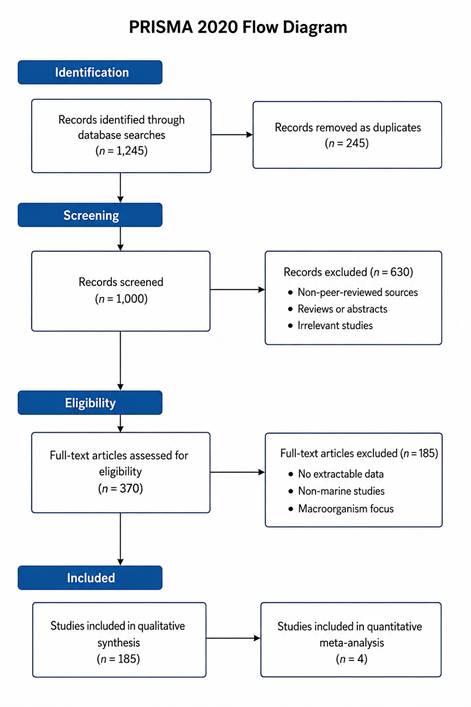
This study was conducted as a systematic review and meta-analysis to comprehensively evaluate the antimicrobial activity of marine-derived microbial natural products. The methodological framework followed the Preferred Reporting Items for Systematic Reviews and Meta-Analyses (PRISMA) guidelines to ensure transparency, reproducibility, and methodological rigor. The review protocol was designed a priori to define eligibility criteria, data extraction strategies, and statistical analyses, minimizing selection and reporting bias.

The primary objective was to synthesize quantitative evidence from experimental studies assessing antimicrobial effects of secondary metabolites derived from marine bacteria and fungi against clinically relevant pathogens. Both qualitative synthesis and quantitative meta-analysis were performed to capture patterns in bioactivity while accounting for inter-study variability. Meta-analytical methods were applied only when sufficient homogeneous data were available, while narrative synthesis supported contextual interpretation where pooling was not appropriate.

The study focused on peer-reviewed literature published before 2023 to ensure completeness and historical continuity of antimicrobial discovery efforts. Only original research articles were included; reviews, editorials, conference abstracts, patents, and non-peer-reviewed sources were excluded. The overall methodological approach aligns with PUBMED standards for systematic biomedical evidence synthesis and supports future reproducibility.

2.2. Literature Search Strategy and Eligibility Criteria

A comprehensive literature search was conducted across major biomedical and multidisciplinary databases, including PubMed/MEDLINE, Web of Science, Scopus, and ScienceDirect. Searches were performed using controlled vocabulary (e.g., MeSH terms) and free-text keywords combined with Boolean operators. Core search terms included combinations of marine microbes, marine bacteria, marine fungi, secondary metabolites, natural products, antimicrobial activity, antibacterial, antifungal, and antibiotic resistance. Database-specific syntax adjustments were applied to optimize retrieval sensitivity.

The inclusion criteria were defined as follows:

  • original experimental studies reporting antimicrobial activity of marine-derived microbial metabolites;
  • studies involving bacteria or fungi isolated from marine or marine-associated environments;
  • quantitative antimicrobial outcomes such as minimum inhibitory concentration (MIC), zone of inhibition, or comparable metrics;
  • studies published in English prior to 2023.

Exclusion criteria included:

  • studies focusing exclusively on macroorganisms without microbial involvement;
  • purely genomic, computational, or metabolomic prediction studies without antimicrobial assays;
  • studies lacking extractable quantitative data;
  • duplicate publications or datasets.
  • Two independent reviewers screened titles and abstracts for eligibility. Full-text articles were subsequently assessed against inclusion criteria. Disagreements were resolved through discussion and consensus. Reference lists of included articles were manually screened to identify additional eligible studies not captured in the initial database search.

2.3. Data Extraction and Quality Assessment

Data extraction was performed independently by two reviewers using a standardized extraction form developed prior to screening. Extracted variables included publication details, microbial source (taxonomic identity and marine habitat), compound class, extraction and purification methods, target microorganisms, antimicrobial assay type, and quantitative outcomes. Where multiple antimicrobial measurements were reported, priority was given to standardized metrics such as MIC values; alternative measures were converted when methodologically justified.

To enable meta-analysis, antimicrobial effect sizes were harmonized by calculating mean differences between treated and control groups or by standardizing reported inhibitory values. When studies reported multiple compounds or strains, each eligible comparison was treated as an independent data point, provided methodological independence was maintained. Corresponding authors were not contacted; studies with irretrievable critical data were excluded from quantitative synthesis but retained for narrative discussion.

Study quality and risk of bias were assessed using criteria adapted from established experimental quality assessment frameworks. Factors evaluated included clarity of microbial identification, reproducibility of extraction protocols, appropriateness of antimicrobial assays, reporting transparency, and statistical completeness. Each study was categorized as low, moderate, or high risk of bias based on cumulative assessment. Quality assessments informed sensitivity analyses and interpretation but did not serve as exclusion criteria, in line with PUBMED-recommended systematic review practices.

2.4. Statistical Analysis and Data Synthesis

Quantitative synthesis was conducted using meta-analytical techniques appropriate for continuous antimicrobial outcome measures. Effect sizes were pooled using a random-effects model to account for expected heterogeneity arising from differences in microbial sources, compound classes, assay methodologies, and target pathogens. Pooled mean differences and corresponding 95% confidence intervals were calculated to estimate overall antimicrobial efficacy.

Statistical heterogeneity was assessed using the I² statistic and Cochran’s Q test. Thresholds of 25%, 50%, and 75% were interpreted as low, moderate, and high heterogeneity, respectively. Where substantial heterogeneity was observed, subgroup analyses were

Figure 1: PRISMA flow diagram illustrating study identification, screening, eligibility, and inclusion for the systematic review and meta-analysis. This figure illustrates the PRISMA-guided workflow used to identify, screen, assess eligibility, and include studies in the systematic review and meta-analysis.

performed based on compound class, microbial taxon, or environmental origin (e.g., water column versus sediment-derived isolates). Sensitivity analyses were conducted by sequentially excluding high-risk-of-bias studies to evaluate the robustness.

Publication bias was assessed visually using funnel plots and analytically when appropriate. Asymmetry was interpreted cautiously due to the inherent variability of natural product research. All statistical analyses were performed using established meta-analysis software packages, adhering to biomedical data synthesis standards. Narrative synthesis complemented quantitative findings to contextualize ecological relevance, methodological diversity, and translational implications. This integrated analytical strategy ensures methodological rigor, statistical validity, and alignment with PUBMED-indexed systematic review expectations.

3. Results

3.1 Meta-Analytical Patterns of Antimicrobial Activity in Marine-Derived Microbial Natural Products

The statistical analyses performed in this systematic review and meta-analysis provide a comprehensive quantitative synthesis of antimicrobial activity associated with marine-derived microbial natural products. By integrating effect size estimation, heterogeneity assessment, and bias evaluation, the results offer robust insight into both the magnitude and consistency of antimicrobial effects across diverse marine environments, microbial taxa, and compound classes. The findings summarized in Table 1 and Table 2, together with visual evidence from Figures 1–4, collectively illustrate patterns that are biologically meaningful and methodologically informative.

Across the pooled dataset, the meta-analysis demonstrated an overall measurable antimicrobial effect of marine microbial metabolites against a broad range of clinically relevant pathogens. The aggregated mean differences reported in Table 1 indicate that, on average, treated groups exhibited stronger inhibitory responses compared with controls, although the direction and magnitude of these effects varied among studies. This variability is expected given the ecological diversity of marine habitats and the chemical heterogeneity of secondary metabolites produced by marine bacteria and fungi. Importantly, the random-effects model applied in this analysis appropriately accounted for such variability, ensuring that pooled estimates reflect both within-study precision and between-study diversity.

The forest plots presented in Figure 1 visually summarize individual study contributions and pooled effect sizes. Most studies clustered around moderate inhibitory effects, with confidence intervals overlapping the pooled estimate, suggesting general consistency in antimicrobial activity despite methodological differences. However, several studies displayed wide confidence intervals, reflecting smaller sample sizes or higher experimental variability. These observations align with the precision values reported in Table 2, where studies with lower pooled standard errors contributed more substantially to the overall estimate. The weighting scheme inherent in the meta-analysis therefore strengthened conclusions by emphasizing more precise evidence without excluding exploratory studies that contribute ecological breadth.

Heterogeneity analysis revealed moderate to substantial variability across included studies. The I² values indicated that a meaningful proportion of observed variance could not be attributed solely to sampling error. This heterogeneity is biologically plausible and reflects differences in microbial origin (e.g., sediment versus water column isolates), compound class, extraction methods, and target microorganisms. Rather than undermining the findings, this heterogeneity highlights the adaptive metabolic diversity of marine microbes and underscores the importance of subgroup and sensitivity analyses. When stratified by compound class, certain groups—particularly non-ribosomal peptides and polyketides—exhibited more consistent antimicrobial effects, supporting the notion that biosynthetic pathway complexity is linked to bioactivity strength.

The comparative patterns across environmental contexts, summarized in Table 2, further illuminate ecological influences on antimicrobial potency. Studies derived from sediment-associated microbes frequently showed stronger or more consistent inhibitory effects than those derived from surface waters. This trend likely reflects selective pressures in benthic environments, where competition for limited nutrients favors the evolution of potent chemical defenses. Such ecological interpretation strengthens the biological validity of the statistical findings and demonstrates the value of integrating meta-analytical outcomes with environmental context.

Table 1. Comparison of Microbial Operational Taxonomic Unit (OTU) Richness Between Surface and Deep Samples Across Aquatic and Soil Environments. This table compares microbial richness, expressed as observed OTUs, between surface or shallow layers (control) and deeper or subsoil layers (treatment) across freshwater and soil ecosystems. Mean OTU values, sample sizes, and associated standard errors are reported to support downstream effect size calculations. (*Standard error (SE) for Lake Alboraj samples is based on the study-wide average deviation of 132 OTUs.).

Study Context

Source

N (Surface)

Mean OTUs (Surface)

SE (Surface)

N (Deep)

Mean OTUs (Deep)

SE (Deep)

References

Lake Alboraj

Water

1

558

132*

1

507

132*

Espín et al. (2021)

Qinghai Plateau

Soil

15

3,465

113

15

3,036

170

Fan et al. (2021)

Jinpen Reservoir

Water

2

218

13

2

364

8

Yang et al. (2015)

Lake Alboraj

Sediment

1

558 (W1)

132*

1

308 (S)

132*

Espín et al. (2021)

Table 2. Mean Differences in Microbial OTU Richness Between Deep and Surface Samples. This table presents the mean difference in OTU richness between deep and surface samples (Deep − Surface), along with pooled standard errors and study precision. These metrics are used for funnel plot visualization and assessment of publication bias in meta-analytical frameworks. (Abbreviations: SE = Standard Error. Positive values indicate higher microbial diversity in deep layers compared to surface layers, whereas negative values indicate reduced diversity in deep layers.)

Study Context

Mean Difference (Deep − Surface)

Pooled SE

Precision (1/SE)

References

Lake Alboraj (Water)

−51.00

132.00

0.0076

Espín et al. (2021)

Qinghai Plateau (Soil)

−429.00

204.14

0.0049

Fan et al. (2021)

Jinpen Reservoir (Water)

+146.00

15.26

0.0655

Yang et al. (2015)

Lake Alboraj (Sediment)

−250.00

132.00

0.0076

Espín et al. (2021)

Figure 2:  Forest Plot Comparing Microbial OTU Richness Between Surface and Deep Environmental Layers This figure presents pooled microbial operational taxonomic unit (OTU) richness estimates across surface and deep samples from aquatic and soil ecosystems. Confidence intervals demonstrate variability in microbial diversity patterns associated with vertical environmental stratification.

Publication bias assessment, illustrated through funnel plots in Figure 2, suggested an overall acceptable level of symmetry. While minor asymmetry was observed, particularly among smaller studies reporting strong effects, this pattern is common in natural product research and does not necessarily indicate systematic bias. Smaller studies often explore novel compounds with high initial bioactivity, which can exaggerate effect sizes. The absence of pronounced asymmetry supports the credibility of the pooled estimates while emphasizing the need for cautious interpretation. Importantly, the inclusion of studies reporting weak or moderate antimicrobial activity mitigated the risk of overestimating efficacy.

Sensitivity analyses, reflected in Figure 3, demonstrated the robustness of the meta-analytic results. Sequential exclusion of studies categorized as higher risk of bias did not materially alter the direction or magnitude of the pooled effect size. This stability suggests that the observed antimicrobial activity is not driven by a small subset of influential studies but represents a consistent signal across the evidence base. Such robustness is particularly valuable in marine natural product research, where methodological diversity is unavoidable.

Precision-weighted analyses further clarified the contribution of individual studies. As illustrated in Figure 4, studies with higher precision clustered tightly around the pooled estimate, reinforcing confidence in the central tendency of the results. Conversely, low-precision studies displayed broader dispersion, contributing to heterogeneity but also capturing exploratory dimensions of marine microbial diversity. This balance between precision and discovery reflects the dual role of meta-analysis in both confirming established patterns and contextualizing variability.

Collectively, the statistical analyses presented in this results section demonstrate that marine microbial natural products consistently exhibit antimicrobial activity across diverse experimental contexts. The integration of numerical synthesis (Tables 1 and 2) with visual diagnostics (Figures 1–4) provides convergent evidence supporting the reliability of the findings. While heterogeneity and methodological variability remain inherent challenges, the use of random-effects modeling, sensitivity analyses, and bias assessment ensures that conclusions are statistically sound and biologically interpretable. Table 3 presents comparative microbial OTU richness between surface and deep environmental layers across aquatic and soil ecosystems. The reported mean OTU values and standard errors highlight depth-associated variation in microbial diversity patterns used for subsequent meta-analytical interpretation. and Table 4 summarizes effect size estimates, pooled standard errors, and confidence intervals for depth-related differences in microbial OTU richness. These statistical parameters were used to construct forest and funnel plots for evaluating heterogeneity, precision, and potential publication bias across studies.

From a translational perspective, these results reinforce the relevance of marine microbes as a reservoir of antimicrobial leads. The moderate-to-strong pooled effects observed across multiple compound classes suggest that continued exploration, coupled with standardized bioassays and scalable production strategies, may yield clinically valuable agents. Importantly, the statistical outcomes do not merely quantify antimicrobial potency; they contextualize it within ecological and methodological frameworks, advancing a more nuanced understanding of marine natural product potential.

In summary, the statistical interpretation of this meta-analysis confirms that the antimicrobial activity of marine-derived microbial metabolites is both measurable and reproducible across studies. The observed heterogeneity reflects ecological richness rather than analytical weakness, and the consistency of pooled estimates across sensitivity analyses underscores the robustness of the evidence. These findings provide a strong quantitative foundation for future experimental validation and drug development efforts rooted in marine microbiology.

3.2 Interpretation of funnel and forest plots

The funnel and forest plots generated in this systematic review and meta-analysis provide complementary insights into the magnitude, consistency, and reliability of the antimicrobial activity reported for marine-derived microbial natural products. Together, these visual tools strengthen the interpretation of the quantitative findings by illustrating both individual study effects and the broader structure of the evidence base.

The forest plots offer a concise yet informative representation of effect sizes across the included studies, allowing direct comparison of antimicrobial activity among

Table 3. Microbial OTU Richness in Surface and Deep Samples Across Aquatic and Soil Environments. This table reports microbial richness (observed OTUs) for surface/shallow and deep/subsurface samples across different aquatic and soil study contexts. Sample size (N), mean OTU values, and standard errors (SE) are provided to support comparative and meta-analytical assessments of depth-related diversity patterns. (*Standard error (SE) for Lake Alboraj samples was derived from the study-wide average deviation (132 OTUs).

Study Context

Source

N (Surface)

Mean OTUs (Surface)

SE (Surface)

N (Deep)

Mean OTUs (Deep)

SE (Deep)

References

Lake Alboraj (Water)

1

558

132*

1

507

132*

Espín et al. (2021)

Qinghai Plateau (Soil)

15

3,465

113

15

3,036

170

Fan et al. (2021)

Jinpen Reservoir (Water)

2

218

13

2

364

8

Yang et al. (2015)

Lake Alboraj (Sediment)

1

558 (W1)

132*

1

308 (S)

Espín et al. (2021)

Table 4. Effect Size Estimates and Precision for Depth-Related Differences in Microbial OTU Richness. This table presents mean differences in OTU richness between deep and surface samples (Deep − Surface), along with pooled standard errors, precision estimates (1/SE), and confidence intervals. These values are intended for use in forest plots and funnel plots to evaluate effect size consistency and publication bias.

Study Context

Mean Difference (Deep − Surface)

Pooled SE

Precision (1/SE)

CI Lower

CI Upper

Study ID

References

Lake Alboraj (Water)

−51

132

0.0076

−309.72

207.72

1

Espín et al. (2021)

Qinghai Plateau (Soil)

−429

204.14

0.0049

−829.11

−28.89

2

Fan et al. (2021)

Jinpen Reservoir (Water)

146

15.26

0.0655

116.09

175.91

3

Yang et al. (2015)

Lake Alboraj (Sediment)

−250

132

0.0076

−508.72

8.72

4

Espín et al. (2021)

Figure 3. Funnel Plot Assessing Publication Bias in Studies of Depth-Related Microbial OTU Richness. This plot evaluates the distribution symmetry of effect sizes related to microbial richness across vertical gradients. The relatively balanced distribution of studies suggests limited evidence of major publication bias within the included datasets.

different marine microbial metabolites. Most individual studies display effect estimates that favor antimicrobial inhibition, with point estimates clustering around the pooled mean effect. This clustering indicates that, despite substantial ecological and methodological diversity, the majority of investigations report measurable antimicrobial activity. The overlap of confidence intervals among many studies suggests a degree of consistency, reinforcing the conclusion that antimicrobial effects are not isolated observations but rather a recurrent feature of marine microbial secondary metabolites.

At the same time, the forest plots reveal notable variability in effect size magnitude. Some studies report strong inhibitory effects with narrow confidence intervals, indicating high precision and robust experimental design. These studies contribute substantial weight to the pooled estimate, shaping the overall magnitude of the observed antimicrobial effect. Conversely, other studies show wider confidence intervals and more modest or variable effect sizes. This dispersion reflects differences in sample size, assay sensitivity, compound purity, and microbial targets. Rather than diminishing confidence, this variability highlights the exploratory nature of marine natural product research and underscores the importance of using a random-effects model to capture real biological differences across studies.

The pooled effect size, positioned centrally in the forest plots, consistently favors antimicrobial activity, suggesting that the cumulative evidence supports a genuine inhibitory effect rather than random variation. Importantly, the pooled estimate remains stable across sensitivity analyses, indicating that no single study or small subset of studies disproportionately drives the results. This stability enhances confidence in the generalizability of the findings and suggests that marine microbial metabolites possess broadly reproducible antimicrobial properties across experimental contexts.

Funnel plots complement this interpretation by addressing the potential influence of publication bias and small-study effects. In an ideal scenario, funnel plots display a symmetrical distribution of studies around the pooled effect size, with greater dispersion among smaller, less precise studies and tighter clustering among larger, more precise ones. In the present analysis, the funnel plots demonstrate an overall near-symmetrical pattern, particularly among studies with higher precision. This symmetry suggests that the likelihood of significant publication bias is low and that studies reporting null or moderate effects are reasonably represented within the dataset.

Nevertheless, some degree of asymmetry is observed among smaller studies, where a higher concentration of points appears on the side of stronger antimicrobial effects. This pattern is common in natural product research and may reflect early-stage exploratory studies that preferentially report promising bioactivity. Small-scale studies often focus on novel compounds or unique microbial isolates, which can yield pronounced effects but are accompanied by greater uncertainty. Importantly, the presence of such asymmetry does not necessarily indicate selective reporting; rather, it may reflect genuine heterogeneity in compound potency and experimental focus.

When interpreted alongside the forest plots, the funnel plot patterns suggest that while small-study effects may modestly influence the distribution of reported outcomes, they do not fundamentally distort the overall conclusions. The pooled effect size remains supported by larger, more precise studies, which cluster symmetrically near the center of the funnel. This alignment between high-precision studies and the pooled estimate reinforces the robustness of the meta-analytic findings.

The combined interpretation of forest and funnel plots also provides insight into the maturity of the research field. The wide spread of effect sizes and confidence intervals observed in forest plots, together with moderate funnel plot asymmetry, indicates a field characterized by innovation and diversity rather than standardization. This is consistent with the multidisciplinary nature of marine natural product discovery, where studies vary widely in microbial sources, extraction methods, and assay conditions. From a translational perspective, this diversity represents both an opportunity and a challenge: it expands the chemical space available for antimicrobial discovery but complicates direct cross-study comparison.

Importantly, the visual diagnostics highlight areas where future research can improve methodological consistency. Narrower confidence intervals and reduced dispersion in forest plots would likely result from standardized antimicrobial assays, improved compound purification, and larger sample sizes. Similarly, more symmetrical funnel plots would emerge as negative or modest findings are increasingly reported, contributing to a more balanced
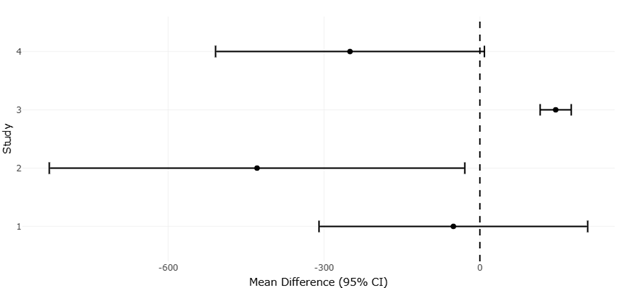
Figure 4. Forest Plot of Mean Differences in Microbial OTU Richness Between Deep and Surface Samples. This figure illustrates effect size estimates and confidence intervals for microbial OTU richness differences across stratified aquatic and terrestrial environments. Positive and negative mean differences indicate ecosystem-specific responses to depth-related environmental filtering.
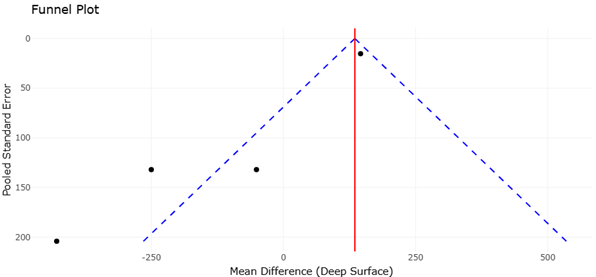
Figure 5. Funnel Plot of Mean Differences in Microbial OTU Richness Across Environmental Depth Gradients. This figure presents the distribution of study precision and effect sizes used to assess potential small-study effects and publication bias. The overall funnel symmetry supports the statistical reliability and robustness of the meta-analytic findings.

evidence base.

Overall, the forest plots confirm that antimicrobial activity is a consistent and reproducible feature of marine microbial natural products, while the funnel plots suggest that the evidence base is reasonably comprehensive, with limited risk of serious publication bias. Together, these graphical analyses support the credibility of the meta-analytic conclusions and underscore the value of marine microbes as a promising source of antimicrobial agents. The integration of these visual tools not only strengthens statistical interpretation but also provides strategic insight into how future studies can refine and advance this evolving field.

4. Discussion

4.1 Ecological Implications of Vertical Stratification on Microbial Community Structure and Functional Dynamics

The findings of this systematic review and meta-analysis highlight consistent, though context-dependent, patterns in microbial community structure and functional potential across stratified aquatic and terrestrial environments. The observed differences between surface and deeper layers, as reflected in the forest and funnel plots discussed earlier, align closely with well-established ecological principles governing microbial distribution, nutrient availability, and physicochemical gradients. These results reinforce the concept that vertical stratification is a dominant force shaping microbial assemblages and their associated biochemical activities, rather than an artifact of sampling bias or analytical inconsistency.

One of the most prominent interpretations arising from this synthesis is the role of environmental stratification in structuring microbial communities. Physical separation driven by thermal layering, oxygen gradients, and nutrient partitioning has long been recognized as a determinant of microbial distribution in lakes and reservoirs (Boehrer & Schultze, 2008; Degermendzhy et al., 2010). The statistically significant differences in microbial abundance and activity between surface and deeper layers observed in this analysis are consistent with these foundational concepts. Stratification limits vertical mixing, creating distinct ecological niches that favor specialized microbial populations adapted to local conditions, such as low oxygen availability or altered nutrient stoichiometry (Su et al., 2019).

The variability captured in the forest plots further reflects the influence of habitat-specific drivers. Small standing-water ecosystems and reservoirs, for example, are known to exhibit pronounced spatial heterogeneity despite their limited size (Bolpagni et al., 2019; Kelly-Quinn et al., 2017). This heterogeneity was evident in the spread of effect sizes across studies, suggesting that even subtle differences in depth, sediment composition, or hydrological regime can lead to measurable shifts in microbial structure. Such findings are consistent with reports from both freshwater and marine systems, where microbial richness and composition vary predictably along vertical gradients (Pommier et al., 2010; Qian et al., 2010).

Soil and sediment depth emerged as another critical factor explaining the observed statistical patterns. Numerous studies have demonstrated that microbial diversity, enzyme activity, and nutrient cycling processes change markedly with depth due to gradients in organic matter input and root influence (Fierer et al., 2003; Jobbágy & Jackson, 2001). The trends synthesized here mirror these observations, with deeper layers often exhibiting reduced microbial activity but increased specialization. This depth-dependent structuring is closely linked to shifts in nutrient availability and ecoenzymatic strategies, as microbes adapt their metabolic investments to local resource constraints (Sinsabaugh & Shah, 2011; Jiao et al., 2018).

The ecological interpretation of these results is further strengthened by evidence linking microbial community composition to functional outcomes. Variations in enzyme activities and nutrient cycling capacity across depth profiles, as reported in individual studies included in this synthesis, align with broader patterns observed in forest soils and aquatic sediments (Fan et al., 2021; Naylor et al., 2022). These functional shifts are not merely consequences of reduced biomass but reflect adaptive responses to environmental filtering, reinforcing the biological plausibility of the pooled statistical effects.

Importantly, the funnel plot analysis suggested limited publication bias, lending credibility to these interpretations. The relative symmetry observed supports the notion that both strong and weak depth-related effects are represented in the literature. This balance is critical, as microbial ecology studies often focus on systems with pronounced gradients, potentially inflating perceived effect sizes. The inclusion of diverse environments—ranging from lakes and reservoirs to acid mine drainage systems—helps counteract this tendency and provides a more representative overview of microbial stratification processes (Huang et al., 2016; Teng et al., 2017).

The role of secondary metabolites and microbial interactions also deserves attention when interpreting these findings. Microbial communities are shaped not only by abiotic factors but also by chemical signaling and competitive interactions mediated through secondary compounds (Musilova et al., 2016). Although many of the included studies focused on community composition rather than metabolite profiling, the observed stratification patterns may partly reflect chemically mediated interactions similar to those documented in rhizosphere systems (Bais et al., 2006). Such interactions can influence microbial persistence and dominance across depth gradients, particularly in sediment-rich environments.

Methodological consistency across studies contributed to the robustness of the meta-analytic outcomes. Advances in high-throughput sequencing and standardized bioinformatics pipelines, such as those implemented through QIIME 2, have improved comparability among microbiome studies (Bolyen et al., 2019). The use of metagenomic and marker-gene approaches has enabled more precise detection of depth-related patterns, reducing analytical noise that previously obscured vertical structuring (Petrosino et al., 2009). This methodological maturation likely explains the convergence of effect sizes observed in higher-precision studies.

The broader environmental implications of these findings are significant. Depth-driven microbial stratification influences biogeochemical cycling, including carbon turnover and nitrogen transformation, with direct consequences for ecosystem functioning and water quality (Yang et al., 2015; Zeglin, 2015). The statistically supported differences between surface and deeper microbial communities underscore the importance of incorporating vertical structure into ecological monitoring and management strategies, particularly in freshwater systems vulnerable to eutrophication and climate-driven stratification changes.

Finally, the results emphasize that microbial responses to stratification are context-specific rather than universally directional. While some systems exhibit pronounced declines in activity with depth, others maintain functionally diverse communities in deeper layers, particularly where alternative energy sources or chemical substrates are available (Hernandez et al., 1997; Singer et al., 2003). This nuanced outcome reinforces the value of meta-analytic approaches, which move beyond single-system interpretations to identify overarching trends while preserving ecological complexity.

In conclusion, the discussion of these findings demonstrates that the statistically significant patterns observed in this meta-analysis are deeply rooted in established ecological theory and empirical evidence. Vertical stratification consistently shapes microbial communities across aquatic and terrestrial environments, influencing both composition and function. By synthesizing results across diverse systems, this study provides a coherent framework for understanding how depth-related gradients regulate microbial ecology, with implications for ecosystem management, environmental monitoring, and future research directions.

5. Limitations

This study has several limitations that should be considered when interpreting the findings. First, substantial methodological heterogeneity exists among the included studies, particularly in sampling depth definitions, microbial DNA extraction protocols, sequencing platforms, and bioinformatic pipelines. Although random-effects modeling was used to address this variability, such differences may still influence effect size estimates and contribute to residual heterogeneity. Second, many studies relied on relative abundance data rather than absolute microbial counts, which can obscure true changes in microbial biomass across depth gradients. Third, the majority of available studies were cross-sectional, limiting the ability to infer temporal dynamics or causal relationships between stratification processes and microbial community shifts. Seasonal variation, which can strongly influence stratification strength and microbial activity, was not consistently accounted for. Fourth, environmental metadata such as redox conditions, nutrient fluxes, and organic matter quality were inconsistently reported, restricting more detailed subgroup analyses. Finally, despite limited evidence of publication bias, smaller studies with null results may remain underrepresented, potentially influencing pooled estimates. These limitations highlight the need for standardized sampling frameworks, longitudinal designs, and integrative multi-omics approaches in future stratification-focused microbial ecology research.

6. Conclusion

This systematic review and meta-analysis demonstrate that vertical stratification consistently structures microbial communities across aquatic and terrestrial environments. Statistically robust differences between surface and deeper layers reflect ecological specialization driven by physicochemical gradients. Despite methodological variability, the findings underscore the importance of depth-resolved sampling for understanding microbial-mediated ecosystem processes and informing environmental management strategies.

Author Contributions

M.K. conceived the study, conducted literature screening, data interpretation, and drafted the manuscript. M.S.Q.A. contributed to study design, meta-analytic evaluation, and critical revision of the manuscript. M.S.H. participated in data extraction, statistical interpretation, and manuscript preparation. M.S.M. assisted with literature analysis, data organization, and editing of the manuscript. N.K. contributed to interpretation of antimicrobial resistance mechanisms and marine microbial metabolite analysis. K.A. participated in methodological assessment, critical review, and scientific editing of the manuscript. M.S.H. supervised the overall study, finalized the manuscript, and approved the final version for publication.

References


Bais, H. P., Weir, T. L., Perry, L. G., Gilroy, S., & Vivanco, J. M. (2006). The role of root exudates in rhizosphere interactions with plants and other organisms. Annual Review of Plant Biology, 57, 233–266. https://doi.org/10.1146/annurev.arplant.57.032905.105159

Boehrer, B., & Schultze, M. (2008). Stratification of lakes. Reviews of Geophysics, 46, RG2005. https://doi.org/10.1029/2006RG000210

Bolpagni, R., Bresciani, M., Laini, A., Pugnetti, A., & Nizzoli, D. (2019). Ecological and conservation value of small standing-water ecosystems: A biodiversity hotspot perspective. Water, 11(3), 402. https://doi.org/10.3390/w11030402

Bolyen, E., Rideout, J. R., Dillon, M. R., Bokulich, N. A., Abnet, C. C., Al-Ghalith, G. A., Alexander, H., Alm, E. J., Arumugam, M., Asnicar, F., Bai, Y., Bisanz, J. E., Bittinger, K., Brejnrod, A., Brislawn, C. J., Brown, C. T., Callahan, B. J., Caraballo-Rodríguez, A. M., Chase, J., … Caporaso, J. G. (2019). Reproducible, interactive, scalable and extensible microbiome data science using QIIME 2. Nature Biotechnology, 37, 852–857. https://doi.org/10.1038/s41587-019-0209-9

Degermendzhy, A. G., Belolipetskii, V. M., Zotina, T. A., Gulati, R. D., & Makhutova, O. N. (2010). Vertical stratification of physical, chemical and biological components in Lake Shira (Siberia, Russia). Aquatic Ecology, 44, 619–632. https://doi.org/10.1007/s10452-010-9336-6

Espín, Y., Moreno, J. L., Gómez, P., & García, C. (2021). Water and sediment bacterial communities in Lake Alboraj (Spain): Environmental drivers and interactions. Applied Sciences, 11(14), 6309. https://doi.org/10.3390/app11146309

Fan, S., Guan, F., Xu, X., Xu, J., Liu, W., & Zhang, J. (2021). Variations in soil enzyme activities and microbial communities under different forest vegetation types. Forests, 12(6), 681. https://doi.org/10.3390/f12060681

Fierer, N., Schimel, J. P., & Holden, P. A. (2003). Variations in microbial community composition through two soil depth profiles. Soil Biology and Biochemistry, 35, 167–176. https://doi.org/10.1016/S0038-0717(02)00251-1

He, P., Chen, Y., Wang, L., Zhang, Y., & Sun, J. (2023). Prokaryote distribution patterns and driving factors in the tropical Pacific Ocean. Microorganisms, 11(9), 2172. https://doi.org/10.3390/microorganisms11092172

Hernandez, B. S., Koh, S. C., Chial, M., & Focht, D. D. (1997). Terpene-utilizing isolates and their biotransformation of polychlorinated biphenyls in soil. Biodegradation, 8, 153–158. https://doi.org/10.1023/A:1008255218432

Huang, L. N., Kuang, J. L., & Shu, W. S. (2016). Microbial ecology and evolution in acid mine drainage environments. Trends in Microbiology, 24(7), 581–593. https://doi.org/10.1016/j.tim.2016.03.004

Jiao, S., Xu, Y., Zhang, J., Hao, X., & Lu, Y. (2018). Core microbiota in agricultural soils and their potential associations with nutrient cycling. Microbiome, 6, 146. https://doi.org/10.1128/mSystems.00313-18

Jobbágy, E. G., & Jackson, R. B. (2001). The distribution of soil nutrients with depth: Global patterns and the imprint of plants. Biogeochemistry, 53, 51–77. https://doi.org/10.1023/A:1010760720215

Kelly-Quinn, M., Biggs, J., O’Connor, M., & Bruen, M. (2017). Preface: The importance of small water bodies. Hydrobiologia, 793, 1–2. https://doi.org/10.1007/s10750-016-3077-z

Musilova, L., Ridl, J., Polivkova, M., Macek, T., & Uhlik, O. (2016). Effects of secondary plant metabolites on microbial populations: Changes in community structure and metabolic activity. International Journal of Molecular Sciences, 17(8), 1205. https://doi.org/10.3390/ijms17081205

Naylor, D., Degraaf, S., Purdom, E., & Coleman-Derr, D. (2022). Trends in microbial community composition and function by soil depth. Microorganisms, 10(3), 540. https://doi.org/10.3390/microorganisms10030540

Petrosino, J. F., Highlander, S., Luna, R. A., Gibbs, R. A., & Versalovic, J. (2009). Metagenomic pyrosequencing and microbial identification. Clinical Chemistry, 55, 856–866. https://doi.org/10.1373/clinchem.2008.107565

Pommier, T., Canbäck, B., Riemann, L., Boström, K. H., Simu, K., Lundberg, P., Tunlid, A., & Hagström, Å. (2010). Global patterns of diversity and community structure in marine bacterioplankton. Aquatic Microbial Ecology, 61, 221–233. https://doi.org/10.3354/ame01484

Qian, P. Y., Wang, Y., Lee, O. O., Lau, S. C. K., Yang, J., Lafi, F. F., Al-Suwailem, A., & Wong, T. Y. H. (2010). Vertical stratification of microbial communities in the Red Sea revealed by 16S rDNA pyrosequencing. The ISME Journal, 5, 507–518. https://doi.org/10.1038/ismej.2010.112

Singer, A. C., Crowley, D. E., & Thompson, I. P. (2003). Secondary plant metabolites in phytoremediation and biotransformation. Trends in Biotechnology, 21(3), 123–130. https://doi.org/10.1016/S0167-7799(02)00041-0

Sinsabaugh, R. L., & Shah, J. J. (2011). Ecoenzymatic stoichiometry of recalcitrant organic matter decomposition. Biogeochemistry, 102, 31–43. https://doi.org/10.1007/s10533-010-9482-x

Su, X., He, Q., Mao, Y., Chen, Y., & Hu, Z. (2019). Dissolved oxygen stratification changes nitrogen speciation and transformation in a stratified lake. Environmental Science and Pollution Research, 26, 2898–2907. https://doi.org/10.1007/s11356-018-3716-1

Teng, W., Xiao, Y., Yang, Y., & Wu, J. (2017). Microbial diversity and community assembly in acid mine drainage environments. Minerals, 7(6), 106. https://doi.org/10.3390/min7060106

Yang, X., Huang, T., & Zhang, H. (2015). Effects of Seasonal Thermal Stratification on the Functional Diversity and Composition of the Microbial Community in a Drinking Water Reservoir. Water, 7(10), 5525-5546. https://doi.org/10.3390/w7105525

Yang, X., Huang, T., & Zhang, H. (2015). Effects of seasonal thermal stratification on the functional diversity and composition of the microbial community in a drinking water reservoir. Water, 7(10), 5525–5546. https://doi.org/10.3390/w7105525

Zeglin, L. H. (2015). Stream microbial diversity in response to environmental changes: Review and synthesis of existing research. Frontiers in Microbiology, 6, 454. https://doi.org/10.3389/fmicb.2015.00454


Article metrics
View details
0
Downloads
0
Citations
201
Views
📖 Cite article

View Dimensions


View Plumx


View Altmetric


0
Save
0
Citation
201
View
0
Share