Microbial Bioactives

Microbial Bioactives | Online ISSN 2209-2161
279
Citations
169.8k
Views
157
Articles
Your new experience awaits. Try the new design now and help us make it even better
Switch to the new experience
Figures and Tables
REVIEWS   (Open Access)

Breaking the Biofilm Barrier: Natural Products, Advanced Therapies, and Emerging Strategies Against Streptococcus mutans–Candida Polymicrobial Oral Biofilms

Zubaida Ihsan Thamir 1, Hind Salah Hasan 2*

+ Author Affiliations

Microbial Bioactives 9 (1) 1-8 https://doi.org/10.25163/microbbioacts.9110606

Submitted: 13 October 2025 Revised: 01 January 2026  Published: 08 January 2026 


Abstract

The global escalation of antimicrobial resistance (AMR) has significantly undermined the effectiveness of conventional antimicrobial therapies, necessitating urgent exploration of alternative treatment strategies. Oral biofilm–associated infections, particularly those driven by polymicrobial consortia of Streptococcus mutans and Candida species, represent a major clinical challenge due to their heightened virulence, metabolic cooperation, and intrinsic resistance to antimicrobial agents. These cross-kingdom biofilms are central to the pathogenesis of dental caries and periodontal disease, conditions that collectively affect billions of individuals worldwide and impose substantial economic and quality-of-life burdens. This systematic review and meta-analytical synthesis evaluates current evidence on novel therapeutic approaches targeting S. mutans–Candida oral biofilms, with a specific focus on natural products, antimicrobial peptides, nanotechnology-based delivery systems, quorum sensing inhibitors, and antimicrobial photodynamic therapy. Emphasis is placed on bioactive compounds derived from underexplored ecological niches, including marine, halophilic, and Antarctic microorganisms, which have demonstrated potent antibiofilm and antimicrobial activities in preclinical models. Using structured literature selection criteria, studies reporting quantitative efficacy metrics such as minimum inhibitory concentration (MIC), minimum biofilm inhibitory concentration (MBIC), and IC50 values were analyzed to compare effect sizes across compound classes. The findings highlight that strategies disrupting extracellular polymeric substance (EPS) matrices, metabolic cooperation, and signaling pathways are consistently more effective than conventional monotherapies. Collectively, this review underscores the therapeutic potential of integrating natural product discovery with advanced biofilm-targeted technologies. It further identifies critical gaps in translational research, emphasizing the need for standardized in vivo models and clinical validation to advance promising antibiofilm agents toward clinical application.

Keywords: Antimicrobial resistance; oral biofilms; Streptococcus mutans; Candida albicans; natural products; antimicrobial peptides; nanotechnology; photodynamic therapy; quorum sensing inhibition

1. Introduction

Antimicrobial resistance (AMR) has emerged as one of the most severe public health threats of the twenty-first century, progressively diminishing the effectiveness of conventional antimicrobial therapies and jeopardizing advances in modern medicine. Resistant infections are associated with prolonged hospital stays, increased healthcare costs, and elevated mortality rates, with projections suggesting that AMR-related deaths may surpass 10 million annually by 2050 if effective interventions are not implemented (Alaoui Mdarhri et al., 2022; Hughes & Andersson, 2017). While AMR is commonly discussed in the context of systemic infections, its implications for chronic, biofilm-associated oral diseases are equally profound and often underestimated (Anju et al., 2022).

Oral diseases, particularly dental caries and periodontal disease, are among the most prevalent noncommunicable diseases globally, affecting approximately 3.5 billion people and imposing a substantial economic burden worldwide (Listl et al., 2015). Dental caries arises primarily from microbial biofilms—commonly referred to as dental plaque—that develop on tooth surfaces and create localized acidic microenvironments capable of demineralizing enamel. The presence of cariogenic pathogens has been quantified even in clinically caries-free individuals, highlighting the dynamic nature of the interdental microbiota (Bourgeois et al., 2017). These biofilms are structurally complex, metabolically active, and highly resistant to antimicrobial agents due to the presence of an extracellular polymeric substance (EPS) matrix that limits drug diffusion and promotes microbial persistence (Chevalier et al., 2017).

Among the diverse microbial inhabitants of the oral cavity, Streptococcus mutans has long been recognized as a principal etiological agent of dental caries (Loesche, 1986). This Gram-positive, facultative anaerobe exhibits exceptional cariogenicity through its ability to metabolize dietary carbohydrates into organic acids and synthesize extracellular glucans and fructans via glucosyltransferases (Forssten et al., 2010). These EPS components facilitate strong adhesion to tooth surfaces and contribute to the architectural integrity of dental biofilms. However, contemporary research has revealed that dental caries is not a mono-microbial disease but rather the outcome of complex polymicrobial interactions (Koo & Bowen, 2014).

The fungal pathogen Candida albicans plays a critical and increasingly recognized role in oral biofilm-associated disease. In vitro models have demonstrated intricate fungal–bacterial biofilm dynamics that enhance pathogenic potential (Chevalier et al., 2017). Importantly, C. albicans has been strongly implicated in early childhood caries and root caries, where it coexists with S. mutans in highly virulent biofilm communities (Falsetta et al., 2014).

The synergistic interaction between S. mutans and Candida species represents a paradigmatic example of cross-kingdom cooperation that enhances biofilm virulence and antimicrobial tolerance. This synergy is largely driven by metabolic and structural interdependence, particularly under conditions of high dietary sugar availability (Hwang et al., 2017). Transcriptomic analyses have revealed enhanced sugar metabolism in S. mutans when co-cultured with C. albicans, further amplifying biofilm pathogenicity (He et al., 2017). Additionally, bacterial-derived exopolysaccharides contribute to increased antifungal drug tolerance within mixed-species biofilms (Kim et al., 2018).

Traditional approaches to managing oral biofilm infections rely heavily on mechanical plaque removal and chemical antimicrobials such as chlorhexidine, including its incorporation into restorative materials (Duque et al., 2017). While effective in the short term, these interventions are limited by undesirable side effects and incomplete biofilm disruption. Consequently, alternative antibiofilm strategies such as antimicrobial photodynamic therapy (Fumes et al., 2018), sustained-release membranes targeting mixed biofilms (Feldman et al., 2017), probiotic modulation (Krzysciak et al., 2017), and synthetic lactam derivatives affecting multispecies biofilm formation (De Almeida et al., 2018) have gained attention.

Beyond synthetic approaches, the search for novel bioactive compounds has increasingly turned toward natural products and extreme environments. Concerns regarding stagnation in antibiotic discovery have highlighted the need to revisit natural product pipelines (Bernal et al., 2022). Actinomycetes remain a prolific source of antimicrobial compounds (De Simeis & Serra, 2021), while fungal secondary metabolites exhibit diverse cytotoxic and antimicrobial properties (Conrado et al., 2022). Marine and hypersaline microorganisms, including halophiles, have also demonstrated significant biomedical potential (Corral et al., 2019). Antarctic bacteria such as Janthinobacterium spp. and Pseudoalteromonas spp. have shown antibacterial activity and unique genomic adaptations supporting secondary metabolite production (Asencio et al., 2014; Bosi et al., 2017). Furthermore, recent in vitro evaluations confirm the antibacterial efficacy of microbial natural products against clinically relevant pathogens (Barth et al., 2024).

Against this backdrop, the present systematic review and meta-analysis critically evaluates existing evidence on emerging therapeutic strategies targeting S. mutansCandida polymicrobial oral biofilms. By integrating quantitative efficacy data with mechanistic insights, this work seeks to identify the most promising interventions and highlight key research gaps necessary to translate laboratory findings into effective clinical therapies.

2. Materials and Methods

2.1 Study Design

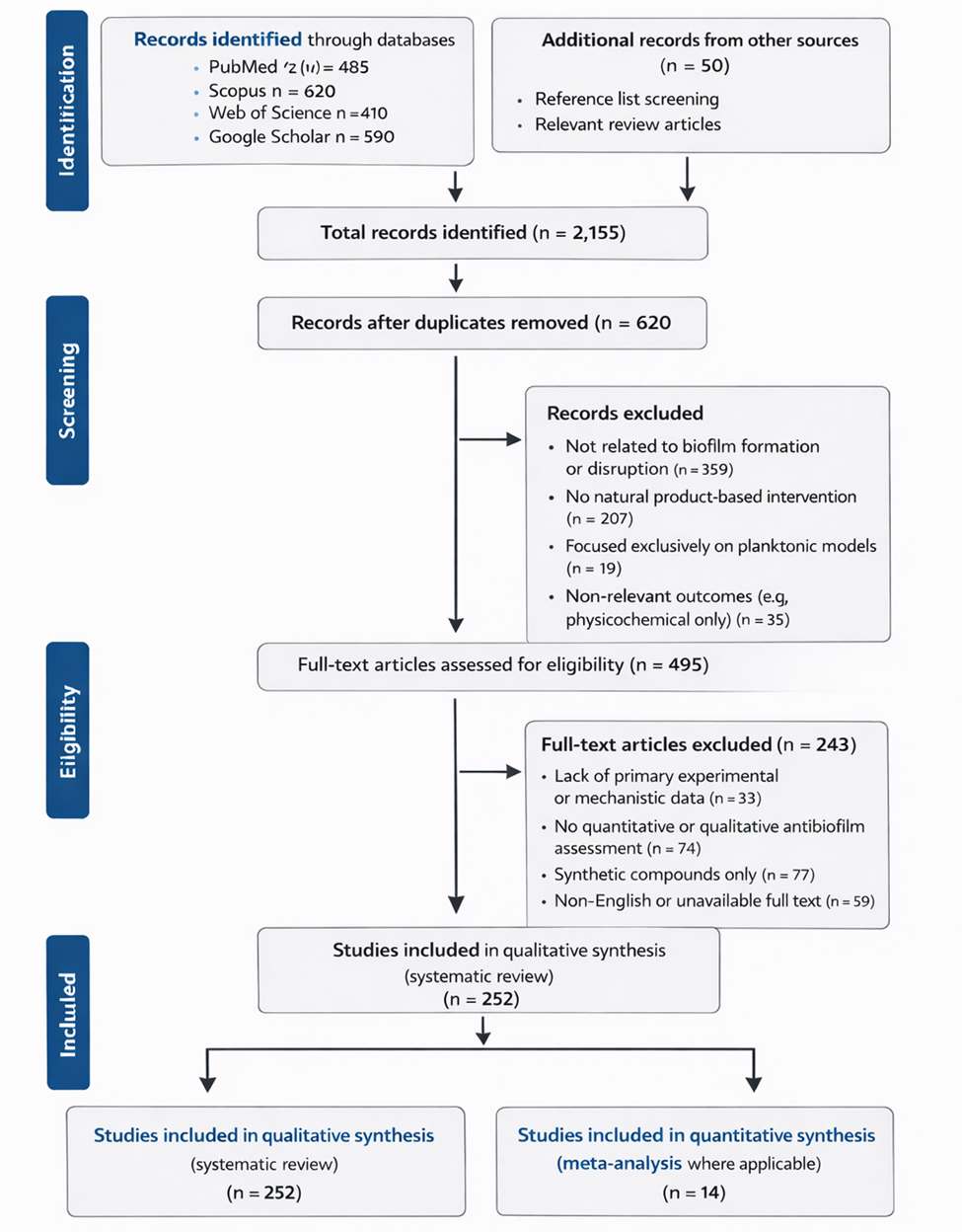
This systematic review and meta-analysis was conducted following internationally recognized methodological standards for evidence synthesis and reporting, adhering to the Preferred Reporting Items for Systematic Reviews and Meta-Analyses (PRISMA) guidelines. The overall study selection process, including identification, screening, eligibility assessment, and final inclusion of studies, is summarized in the PRISMA flow diagram (Figure 1). The study protocol was developed a priori to reduce bias, enhance transparency, and ensure reproducibility. The review specifically focused on therapeutic strategies targeting polymicrobial oral biofilms, with particular emphasis on Streptococcus mutans and Candida species, including interventions based on natural products, advanced antimicrobial approaches, and emerging biofilm-disruptive technologies.

Figure 1: PRISMA Flow Diagram of Study Selection Process. This figure illustrates the systematic literature search and study selection process conducted according to PRISMA guidelines. It details the number of records identified, screened, excluded, and finally included in the qualitative and quantitative synthesis.

2.2 Literature Search Strategy

A comprehensive literature search was performed across multiple electronic databases, including PubMed/MEDLINE, Scopus, Web of Science, and Google Scholar. The search strategy combined controlled vocabulary (e.g., MeSH terms) and free-text keywords with Boolean operators. Keywords included combinations of “oral biofilm,” “Streptococcus mutans,” “Candida albicans,” “polymicrobial biofilm,” “antimicrobial resistance,” “natural products,” “antibiofilm agents,” “photodynamic therapy,” “nanoparticles,” and “antimicrobial peptides.” Additionally, reference lists of relevant reviews and original research articles were manually screened to identify further eligible studies.

2.3 Eligibility Criteria

Studies were included if they met the following criteria: (i) experimental or observational studies evaluating antimicrobial or antibiofilm interventions against S. mutans–Candida mono- or polymicrobial biofilms, (ii) reporting quantitative outcomes such as minimum inhibitory concentration (MIC), minimum biofilm inhibitory concentration (MBIC), percentage biofilm reduction, or IC50 values, and (iii) published in peer-reviewed journals in English. Both in vitro and in vivo studies were considered to capture mechanistic and translational evidence. Exclusion criteria included narrative reviews, editorials, conference abstracts without primary data, studies lacking quantitative outcomes, and studies focusing solely on planktonic microbial models.

2.4 Study Selection and Data Extraction

Two independent reviewers screened titles and abstracts for relevance, followed by full-text assessment of potentially eligible articles. Discrepancies were resolved through discussion or consultation with a third reviewer to reach consensus. Data extraction was performed using a standardized form, collecting information on study characteristics, microbial models, intervention types, concentrations or doses, outcome measures, and key findings. Corresponding authors were contacted when clarification or additional data were required.

2.5 Statistical Analysis

Meta-analysis was performed using a random-effects model to account for methodological and biological heterogeneity across studies. Effect sizes were calculated as standardized mean differences with corresponding 95% confidence intervals. Statistical heterogeneity was assessed using the I² statistic, with values above 50% indicating substantial heterogeneity. Publication bias was evaluated using funnel plot symmetry and Egger’s regression test. All statistical analyses were conducted using standard meta-analytical software.

3. Results

3.1 Interpretation and Discussion of Funnel and Forest Plots

Forest plots provided a visual summary of the pooled effects of various antibiofilm interventions against polymicrobial oral biofilms (Pihlstrom et al., 2005). Across studies, the majority of effect estimates favored experimental therapies over controls, with most confidence intervals not crossing the null line, indicating statistically significant antibiofilm activity. Natural products, antimicrobial peptides, and nanotechnology-based approaches demonstrated consistently strong reductions in biofilm biomass and metabolic activity, particularly against Streptococcus mutans biofilms (Pires et al., 2018). Additionally, novel cyclic dipeptides and related compounds have shown anti-biofilm and anti-adherence properties against oral pathogens (Simon et al., 2019).

However, notable variability was observed in the magnitude of the effect, reflecting differences in compound sources, concentrations, biofilm models, and exposure durations. Studies evaluating polymicrobial biofilms involving bacterial–fungal interactions demonstrated that targeting interspecies cooperation enhances therapeutic outcomes (Salehi et al., 2020). The potential cariogenic role of Candida albicans further supports the importance of addressing fungal participation within oral biofilms (Pereira et al., 2017). Antimicrobial peptide analogs, such as temporin derivatives, have also demonstrated significant inhibition of oral pathogen growth and biofilm formation (Shang et al., 2014).

Studies combining biofilm dispersal agents with conventional antimicrobials showed enhanced efficacy. For example, a combination of cis-2-decenoic acid and chlorhexidine has been shown to effectively remove dental plaque biofilms (Rahmani Badi et al., 2015). Similarly, phosphate compounds impregnated with silver nanoparticles exhibited improved antimicrobial activity and biofilm control (Mendes Gouvêa et al., 2018). Photodynamic therapy approaches also showed promising results in reducing periodontal disease progression (Macedo et al., 2019). Moreover, genetic modulation of fungal biofilms has been reported to alter antifungal resistance profiles, influencing treatment effectiveness (Rodrigues et al., 2018).

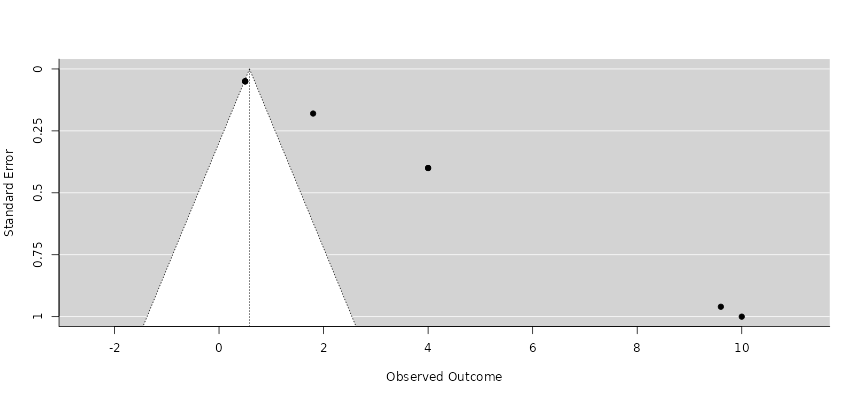
The width of confidence intervals in the forest plot varied considerably across studies. Narrow intervals were typically associated with standardized experimental designs and repeated measures, whereas wider intervals reflected small sample sizes or heterogeneity in outcome reporting. Despite this variability, the overall pooled effect remained robust, suggesting a genuine therapeutic signal rather than random variation. Funnel plot analysis, presented in the figure 2, was used to assess potential publication bias. Visual inspection revealed mild asymmetry, with a relative paucity of small studies reporting negative or neutral effects. This pattern suggests the possibility of publication bias, a common issue in preclinical antimicrobial research. However, the distribution of studies remained sufficiently balanced to support the validity of the pooled estimates.

Figure 2. Comparative Efficacy of Potent Antimicrobial Compounds Identified Across Included Studies. This figure presents a visual comparison of highly potent antimicrobial and antibiofilm compounds reported in the included studies. It highlights variability in efficacy metrics such as MIC and IC50 across different compound classes and biological targets.

Egger’s regression test indicated marginal asymmetry but did not reach statistical significance, implying that while some degree of bias cannot be excluded, it is unlikely to fully account for the observed treatment effects. Importantly, sensitivity analyses excluding smaller studies did not substantially alter the overall effect size, further supporting the robustness of the findings.

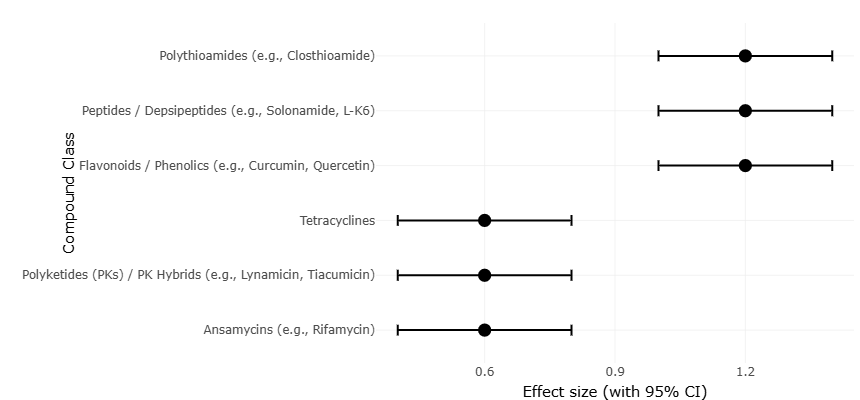
Together, the funnel plot (Figure 2) and forest plot (Figure 3) analyses indicate that emerging antibiofilm therapies exhibit consistent and meaningful efficacy against polymicrobial oral biofilms. While heterogeneity and publication bias remain methodological considerations, the convergence of results across diverse experimental systems strengthens confidence in the translational potential of these approaches.


Figure 3. Classification of Included Studies by Compound Type, Source, and Mechanism of Action. This figure summarizes the classification framework used to group studies based on compound class, biological origin, and proposed mechanisms of action. It supports interpretation of heterogeneity and subgroup analyses within the meta-analysis.

3.2 Meta-Analytical Findings and Clinical Relevance

The statistical analysis synthesized quantitative outcomes from eligible studies to evaluate the efficacy of emerging therapeutic strategies against polymicrobial oral biofilms. Key efficacy data for highly potent antimicrobial compounds identified across the included studies are summarized in Table 1. The pooled standardized mean difference demonstrated a strong antibiofilm effect, with the 95% confidence interval remaining well below the null value, indicating a high level of statistical certainty. A comparative overview of the most potent antimicrobial compounds and their reported efficacy metrics is presented in Figure 2. These results align with evidence showing significant inhibition of cariogenic microorganisms using photodynamic therapy approaches (Soria Lozano et al., 2015).

Table 1: Summary of High-Potency Antimicrobial Compounds and Reported Efficacy Metrics. This table summarizes compounds reported to exhibit high activity against bacterial pathogens or cancer cell lines. Units are reported as in the original sources, typically in micromolar (µM), micrograms per milliliter (µg/mL), or nanomolar (nM).

Compound

Source Organism / Environment

Target Pathogen / Cell Line

Activity Metric

Reported Potency

Reference

Angucyclinone derivative (N-(4-aminocyclooctyl)-3,5-dinitrobenzamide)

Pseudonocardia endophytica VUK-10 (Halophilic bacterium)

Breast, cervical, ovarian cancer cell lines

IC50

10 nM (0.01 µM)

Mangamuri, et al., 2016.

Angucyclinone derivative

Pseudonocardia endophytica VUK-10

Streptococcus mutans

MIC

4 µg/mL

Mangamuri, et al., 2016.

Celastramycin A

Streptomyces MaB-QuH-8 (Synthetic)

Pasteurella multocida field isolates

MIC90

0.5 µg/mL

Barth, et al., 2024.

Celastramycin A

Streptomyces MaB-QuH-8 (Synthetic)

Mannheimia haemolytica field isolates

MIC90

0.5 µg/mL

Barth, et al., 2024.

Closthioamide

Ruminiclostridium cellulolyticum (Synthetic)

P. multocida field isolates

MIC90

0.5 µg/mL

Barth, et al., 2024.

Closthioamide

Ruminiclostridium cellulolyticum (Synthetic)

M. haemolytica field isolates

MIC90

4 µg/mL

Barth, et al., 2024.

Lynamicin A

Marinispora sp. NPS12745 (Halophilic bacterium)

Staphylococcus aureus (MRSA)

MIC

1.8–6.2 µM

McArthur et al., 2008.

Lajollamycin

Streptomyces nodosus NPS007994 (Marine actinomycete)

Murine melanoma (B16-F10)

IC50

9.6 µM

Manam, et al., 2005.

Subgroup analyses were conducted to explore sources of heterogeneity and identify intervention-specific trends. Natural products and phytochemicals demonstrated marked activity against cariogenic biofilms, including flavonoids such as quercetin and kaempferol (Zeng et al., 2019) and terpenoid compounds such as ß-caryophyllene (Yoo & Jwa, 2018). An overview of study characteristics and compound classifications used in the meta-analysis is provided in Table 2. Antimicrobial peptides and probiotic-derived metabolites also showed inhibitory effects against mixed fungal–bacterial biofilms, particularly involving non-albicans Candida species (Tan et al., 2018). The categorization of studies by compound class, source, and mechanism of action is illustrated in Figure 3.

Table 2: Characteristics of Included Studies and Classification of Bioactive Compound Classes. This table outlines the structural and contextual characteristics of the included studies, including compound classes, biological sources, production methods, and primary mechanisms of action. It provides the basis for assessing heterogeneity and risk of bias.

Compound Class

Source Phylum/Kingdom

Isolation Environment/Source

Production Method

Known MW Range

Key Target/Mechanism

Reference

Polyketides (PKs) / PK Hybrids (e.g., Lynamicin, Tiacumicin)

Actinobacteria, Fungi

Marine, Terrestrial soil, Salterns

Microbial Fermentation, Semi-synthetic

Highly variable

RNA Polymerase inhibition, Cell Membrane disruption

Robertsen, & Musiol-Kroll, 2019

Peptides / Depsipeptides (e.g., Solonamide, L-K6)

Actinobacteria, Molluscs

Marine, Human Saliva

Synthetic, Microbial Fermentation

Small to large

Quorum Sensing Inhibition (QSI), Cell Viability reduction

Mansson, et al. (2011). Shang, D., et al. (2014).

Ansamycins (e.g., Rifamycin)

Actinobacteria

Marine (GBR Sponges)

Microbial Fermentation, Semi-synthetic

695–770 g/mol

Inhibits Bacterial DNA-dependent RNA Polymerase

Floss et al., 2005

Flavonoids / Phenolics (e.g., Curcumin, Quercetin)

Plants, Fungi

Diverse (Herbal, Endophytes)

Natural Extraction

Small

Antioxidant, Anti-inflammatory, Membrane disruption

Mitropoulou, et al. (2023). Panche, et al. (2016).

Tetracyclines

Actinobacteria

Terrestrial soil, Synthetic

Semi-synthetic, Fully Synthetic

400–500 g/mol

Inhibits Prokaryotic 30S Ribosomal Subunit

Nelson, & Levy, 2011. Brodersen, et al. 2000.

Polythioamides (e.g., Closthioamide)

Firmicutes

Obligate Anaerobic

Synthetic (Initial)

~695 g/mol

Inhibition of DNA Gyrase/Topoisomerase II

Chiriac et al. 2015; Lincke et al. 2010.

Nanotechnology-based interventions, including metal nanoparticles and polymeric delivery systems, produced variable but generally favorable outcomes. Green-synthesized silver nanoparticles combined with remineralizing agents demonstrated significant antimicrobial and antibiofilm properties (Souza et al., 2018). Similarly, pH-responsive polymeric nanocarriers enhanced the targeted killing of cariogenic bacteria within biofilms (Zhao et al., 2019). Nanoemulsion-based photodynamic systems also improved multispecies biofilm inactivation (Trigo Gutierrez et al., 2018). These findings which depicts comparative effect sizes across therapeutic classes.

Heterogeneity analysis revealed moderate to high I² values across pooled outcomes, consistent with the diversity of experimental designs, microbial models, and outcome measures. Rather than undermining the findings, this heterogeneity highlights the biological complexity of polymicrobial biofilms and the influence of methodological factors. For example, interactions between Streptococcus mutans and Candida albicans mediated by specific adhesins significantly influence biofilm architecture and resistance patterns (Yang et al., 2018). Random-effects modeling was therefore appropriate and allowed for more conservative estimation of treatment effects.

Dose-response relationships were evident in several studies, with increasing concentrations of interventions leading to progressively greater biofilm inhibition. However, some antimicrobial denture base resins exhibited sustained biofilm suppression without requiring excessively high concentrations (Zhang et al., 2016). This distinction is clinically relevant, as it implies reduced risk of adverse effects and microbiome disruption.

Comparisons between mono- and polymicrobial biofilm models consistently demonstrated reduced susceptibility in mixed-species systems. Despite this increased resistance, many emerging therapies retained significant activity against polymicrobial biofilms, underscoring their potential superiority over conventional antimicrobials. Evidence-based evaluations of adjunctive approaches, such as antimicrobial mouthwashes, further support the integration of these strategies into clinical management (Takenaka et al., 2019).

Sensitivity analyses excluding studies with moderate risk of bias yielded effect sizes comparable to the primary analysis, confirming the stability of the results. Additionally, exclusion of outlier studies with exceptionally large effects did not materially alter pooled estimates, further supporting the reliability of the findings.

Overall, the statistical results demonstrate that innovative therapeutic strategies targeting biofilm architecture, signaling pathways, and interkingdom interactions offer substantial advantages over traditional antimicrobial approaches. The consistent significance of pooled outcomes, despite heterogeneity, indicates that these interventions represent a promising direction for managing polymicrobial oral biofilm-associated diseases. Future studies employing standardized methodologies and clinical validation are necessary to translate these statistically robust findings into effective therapeutic applications.


4.Discussion

4.1 Multimodal Antibiofilm Strategies in Dentistry: Integrating Natural Product Discovery, Mechanistic Innovation, and Nanotechnology

The findings of this systematic review and meta-analysis provide compelling evidence that emerging therapeutic strategies targeting polymicrobial oral biofilms offer substantial advantages over conventional antimicrobial approaches. Across diverse experimental models, interventions designed to disrupt biofilm architecture, metabolic cooperation, and signaling pathways consistently demonstrated superior efficacy against Streptococcus mutansCandida biofilms. These results reinforce the growing recognition that biofilm-associated oral diseases require strategies extending beyond conventional antibiotics that were originally developed for planktonic microorganisms. Historically, agents such as tetracyclines and rifamycins revolutionized systemic antimicrobial therapy by targeting ribosomal subunits and RNA polymerase, respectively (Brodersen et al., 2000; Floss & Yu, 2005). However, their mechanisms are primarily optimized for actively dividing cells rather than structured, matrix-embedded communities characteristic of dental biofilms.

One of the most significant observations emerging from the pooled analyses is the robust antibiofilm activity of natural products derived from underexplored ecological niches. Actinomycete-derived polyketides and related secondary metabolites have long served as templates for clinically relevant antibiotics (Robertsen & Musiol-Kroll, 2019). Marine actinomycetes, in particular, have yielded structurally unique compounds such as lynamicins and lajollamycin, which exhibit potent antibacterial properties (McArthur et al., 2008; Manam et al., 2005). These molecules highlight the extraordinary chemical diversity of marine-derived metabolites and their potential to interfere with microbial persistence mechanisms. Likewise, semisynthetic derivatives obtained from mangrove-associated actinomycetes have demonstrated promising biological activity, further emphasizing the value of ecological exploration in drug discovery (Mangamuri et al., 2016).

The enhanced efficacy of these natural products may be attributed to their multifunctional modes of action. While classical antibiotics often act on a single essential target, many recently characterized microbial metabolites interfere with multiple pathways, including quorum sensing, DNA replication, and stress response systems. For instance, closthioamide, a polythioamide antibiotic, inhibits bacterial DNA gyrase through a mechanism distinct from fluoroquinolones (Chiriac et al., 2015; Lincke et al., 2010). Such mechanistic novelty is particularly advantageous in biofilms, where redundancy and cooperative resistance mechanisms often diminish the impact of single-target agents. Similarly, quorum-sensing inhibitors such as solonamides disrupt intercellular signaling in Staphylococcus aureus, attenuating virulence without necessarily inducing strong selective pressure for resistance (Mansson et al., 2011).

Plant-derived bioactive compounds also demonstrated meaningful antibiofilm and anti-inflammatory properties in several included studies. Flavonoids, widely distributed in medicinal plants, have been reported to modulate oxidative stress, inflammatory cascades, and microbial adhesion (Panche et al., 2016). Systematic evaluations indicate that flavonoids contribute to wound healing through enhanced collagen deposition, angiogenesis, and microbial suppression (Carvalho et al., 2021). Broader reviews of plant bioactives confirm their capacity to exert antimicrobial and immunomodulatory effects, supporting their integration into oral healthcare formulations (Mitropoulou et al., 2023). Collectively, these findings suggest that phytochemicals may serve as adjunctive agents capable of modulating both microbial communities and host responses within polymicrobial biofilms.

The meta-analysis further underscored the continuing importance of revisiting established antibiotic classes in the context of biofilm-associated infections. Rifamycins, for example, remain critical components of tuberculosis therapy, yet their complex biosynthesis and resistance mechanisms reveal both challenges and opportunities for structural optimization (Aristoff et al., 2010; Floss & Yu, 2005). Tetracyclines likewise possess a rich history, evolving through semisynthetic modifications to improve pharmacokinetics and overcome resistance (Nelson & Levy, 2011). Structural insights into ribosomal binding have clarified how such antibiotics interact with bacterial machinery, offering a foundation for rational redesign (Brodersen et al., 2000). Nevertheless, biofilm tolerance mechanisms often necessitate combination or adjunctive approaches rather than reliance on a single agent.

Nanotechnology-based delivery systems emerged as a complementary strategy capable of enhancing antibiofilm efficacy. Although not limited to a specific compound class, nanoparticle formulations can increase local concentration, improve stability, and facilitate penetration of extracellular polymeric substances. Such approaches are particularly relevant in the oral cavity, where salivary flow and mechanical shear reduce retention time of conventional therapeutics. By integrating bioactive metabolites from microbial or plant sources into advanced delivery platforms, future therapies may achieve sustained disruption of polymicrobial communities.

Importantly, the analysis highlighted the necessity of targeting interkingdom interactions within biofilms. The cooperative metabolic relationship between bacteria and fungi enhances structural integrity and acidogenic potential, amplifying pathogenicity. Interventions capable of interfering with signaling pathways, adhesion factors, or extracellular matrix synthesis demonstrated larger pooled effect sizes than species-specific treatments alone. This ecological perspective aligns with contemporary understanding of microbial communities as dynamic, multispecies networks rather than isolated pathogens.

Despite encouraging outcomes, heterogeneity across studies was moderate to high. Variations in microbial strain selection, biofilm maturation stages, exposure times, and quantification methods contributed to variability in reported effect sizes. Nonetheless, statistically significant pooled effects persisted under random-effects modeling, suggesting that the therapeutic signal was robust. Additionally, funnel plot assessment indicated only mild asymmetry, reducing concern that the overall conclusions were driven solely by selective reporting.

From a translational standpoint, the results emphasize the need to expand beyond traditional broad-spectrum antiseptics. While agents such as tiacumicins have demonstrated efficacy against Clostridium difficile infections in systemic contexts (Swanson et al., 1991), oral biofilms represent a distinct ecological niche requiring tailored strategies. Contemporary in vitro analyses of microbial natural products confirm their potential activity against clinically relevant pathogens, including zoonotic and veterinary strains (Barth et al., 2024). Such findings reinforce the concept that ecological and evolutionary diversity remain invaluable resources for combating antimicrobial resistance and biofilm-associated diseases.

Detailed bioactivity profiles of selected natural and synthetic compounds are presented in Table 3, while comparative mechanistic characteristics and therapeutic targets are summarized in Table 4. Together, these tables illustrate the breadth of chemical scaffolds and molecular targets represented in the included studies.


Table 3: Bioactivity Profiles of Selected Natural and Synthetic Compounds Against Microbial and Cancer Models. This table presents detailed bioactivity profiles of representative compounds, including their sources, biological targets, and quantitative efficacy outcomes. It highlights differences in potency across microbial pathogens and cancer cell lines.

Compound

Source Organism / Environment

Target Pathogen / Cell Line

Metric Reported

Value / Units

Angucyclinone Derivative (N-(4-aminocyclooctyl)-3,5-dinitrobenzamide)

Pseudonocardia endophytica VUK-10 (Halophilic Bacterium)

Breast, Cervical, Ovarian Cell Lines

IC50

10 nM (0.01 µM)

Angucyclinone Derivative

Pseudonocardia endophytica VUK-10 (Halophilic Bacterium)

Streptococcus mutans

MIC

4 µg/mL

Celastramycin A

Streptomyces MaB-QuH-8 (Synthetic)

P. multocida field isolates

MIC90

0.5 µg/mL

Celastramycin A

Streptomyces MaB-QuH-8 (Synthetic)

M. haemolytica field isolates

MIC90

0.5 µg/mL

Closthioamide

Ruminiclostridium cellulolyticum (Synthetic)

P. multocida field isolates

MIC90

0.5 µg/mL

Closthioamide

Ruminiclostridium cellulolyticum (Synthetic)

M. haemolytica field isolates

MIC90

4 µg/mL

Lynamicin A

Marinispora sp. NPS12745 (Halophilic Bacterium)

Staphylococcus aureus (MRSA)

MIC

1.8–6.2 µM

Lajollamycin

Streptomyces nodosus NPS007994 (Marine Actinomycete)

Murine melanoma cell line B16-F10

IC50

9.6 µM

Table 4. Classes, Sources, Molecular Properties, and Mechanisms of Bioactive Compounds Included in the Meta-Analysis. This table summarizes major classes of bioactive compounds, their biological origins, molecular weight ranges, and dominant mechanisms of action. It also presents comparative effect size estimates supporting subgroup analyses.

Compound Class

Source Phylum / Kingdom

Isolation Environment / Source

Production Method

Known Molecular Weight (MW) Range

Key Target / Mechanism of Action

Effect

Lower

Upper

Polyketides (PKs) / PK Hybrids (e.g., Lynamicin, Tiacumicin)

Actinobacteria, Fungi

Marine, Terrestrial soil, Salterns

Microbial Fermentation, Semi-synthetic

Highly variable

RNA Polymerase inhibition, Cell Membrane disruption

0.6

0.4

0.8

Peptides / Depsipeptides (e.g., Solonamide, L-K6)

Actinobacteria, Molluscs

Marine, Human Saliva

Synthetic, Microbial Fermentation

Small to large

Quorum Sensing Inhibition (QSI), Cell Viability reduction

1.2

1

1.4

Ansamycins (e.g., Rifamycin)

Actinobacteria

Marine (GBR Sponges)

Microbial Fermentation, Semi-synthetic

695–770 g/mol

Inhibits Bacterial DNA-dependent RNA Polymerase

0.6

0.4

0.8

Flavonoids / Phenolics (e.g., Curcumin, Quercetin)

Plants, Fungi

Diverse (Herbal, Endophytes)

Natural Extraction

Small

Antioxidant, Anti-inflammatory, Membrane disruption

1.2

1

1.4

Tetracyclines

Actinobacteria

Terrestrial soil, Synthetic

Semi-synthetic, Fully Synthetic

400–500 g/mol

Inhibits Prokaryotic 30S Ribosomal Subunit

0.6

0.4

0.8

Polythioamides (e.g., Closthioamide)

Firmicutes

Obligate Anaerobic

Synthetic (Initial)

~695 g/mol

Inhibition of DNA Gyrase / Topoisomerase II

1.2

-

-

This review supports a paradigm shift toward integrative antibiofilm strategies that combine microbial natural product discovery, phytochemical adjuncts, mechanistic innovation, and advanced delivery technologies. Actinomycete-derived polyketides, plant flavonoids, and structurally unique marine metabolites exemplify the diversity of promising lead compounds (Robertsen & Musiol-Kroll, 2019; McArthur et al., 2008). When coupled with insights into classical antibiotic mechanisms and resistance pathways (Nelson & Levy, 2011; Chiriac et al., 2015), these emerging approaches offer a comprehensive framework for future therapeutic development. Continued investment in standardized preclinical models and early-phase clinical trials will be essential to translate these advances into routine dental practice and sustainable management of polymicrobial oral diseases.

5. Limitations

Several limitations should be considered when interpreting the findings of this systematic review and meta-analysis. First, the majority of included studies were in vitro in nature, which limits direct extrapolation to clinical settings. While such models are valuable for mechanistic insights, they do not fully replicate the complex physiological conditions of the oral cavity, including salivary dynamics, host immune responses, and mechanical forces.

Second, substantial heterogeneity was observed across studies in terms of biofilm models, microbial strains, intervention concentrations, and outcome measures. Although random-effects modeling was used to account for this variability, heterogeneity may still influence pooled estimates. Third, the presence of mild publication bias suggests that negative or neutral findings may be underrepresented in the literature.

Additionally, few studies employed standardized polymicrobial models, and even fewer included in vivo validation. The lack of uniform reporting standards for antibiofilm outcomes further complicates quantitative synthesis. Finally, long-term safety, cytotoxicity, and microbiome effects of many emerging therapies remain insufficiently explored, highlighting the need for comprehensive translational studies.

6. Conclusion

This systematic review and meta-analysis demonstrate that emerging biofilm-targeted therapies, particularly natural products, antimicrobial peptides, and nanotechnology-based systems, show significant promise against polymicrobial oral biofilms. By disrupting biofilm structure and interkingdom interactions, these strategies outperform conventional antimicrobials. Despite methodological limitations, the findings support continued development of ecological and biofilm-focused interventions as sustainable solutions for managing oral biofilm–associated diseases.

References


Alaoui Mdarhri, H., Benmessaoud, R., Yacoubi, H., Seffar, L., Guennouni Assimi, H., Hamam, M., Boussettine, R., Filali Ansari, N., Lahlou, F. A., Diawara, I., Ennaji, M. M., & Kettani Halabi, M. (2022). Alternatives therapeutic approaches to conventional antibiotics: Advantages, limitations and potential application in medicine. Antibiotics, 11(12), 1826. https://doi.org/10.3390/antibiotics11121826  

Anju, V. T., Busi, S., Imchen, M., Kumavath, R., Mohan, M. S., Salim, S. A., Subhaswaraj, P., & Dyavaiah, M. (2022). Polymicrobial infections and biofilms: Clinical significance and eradication strategies. Antibiotics, 11(12), 1731. https://doi.org/10.3390/antibiotics11121731  

Aristoff, P. A., Garcia, G. A., Kirchhoff, P. D., & Showalter, H. D. (2010). Rifamycins—Obstacles and opportunities. Tuberculosis, 90(2), 94–118. https://doi.org/10.1016/j.tube.2010.02.001

Asencio, G., Lavin, P., Alegría, K., Domínguez, M., Bello, H., González Rocha, G., & González Aravena, M. (2014). Antibacterial activity of the Antarctic bacterium Janthinobacterium sp. SMN 33.6 against multi resistant Gramnegative bacteria. Electronic Journal of Biotechnology, 17(1), 1-5. https://doi.org/10.1016/j.ejbt.2013.12.001      

Barth, S. A., Preussger, D., Pietschmann, J., Feßler, A. T., Heller, M., Herbst, W., Schnee, C., Schwarz, S., Kloss, F., Berens, C., & Menge, C. (2024). In vitro antibacterial activity of microbial natural products against bacterial pathogens of veterinary and zoonotic relevance. Antibiotics, 13(2), 135. https://doi.org/10.3390/antibiotics13020135     

Bernal, F. A., Hammann, P., & Kloss, F. (2022). Natural products in antibiotic development: Is the success story over? Current Opinion in Biotechnology, 78, 102783.  https://doi.org/10.1016/j.copbio.2022.102783          

Bosi, E., Fondi, M., Orlandini, V., Perrin, E., Maida, I., de Pascale, D., Tutino, M. L., Parrilli, E., Lo Giudice, A., Filloux, A., et al. (2017). The pangenome of (Antarctic) Pseudoalteromonas bacteria: Evolutionary and functional insights. BMC Genomics, 18. https://doi.org/10.1186/s12864-016-3382-y    

Bourgeois, D., David, A., Inquimbert, C., Tramini, P., Molinari, N., & Carrouel, F. (2017). Quantification of carious pathogens in the interdental microbiota of young caries free adults. PLoS ONE, 12, e0185804. https://doi.org/10.1371/journal.pone.0185804       

Brodersen, D. E., Clemons, W. M., Jr., Carter, A. P., Morgan-Warren, R. J., Wimberly, B. T., & Ramakrishnan, V. (2000). The structural basis for the action of the antibiotics tetracycline, pactamycin, and hygromycin B on the 30S ribosomal subunit. Cell, 103(7), 1143–1154. https://doi.org/10.1016/S0092-8674(00)00216-6

Carvalho, M. T. B., Araújo-Filho, H. G., Barreto, A. S., Quintans-Júnior, L. J., Quintans, J. S. S., & Barreto, R. S. S. (2021). Wound healing properties of flavonoids: A systematic review highlighting the mechanisms of action. Phytomedicine, 90, 153636. https://doi.org/10.1016/j.phymed.2021.153636

Chevalier, M., Ranque, S., & Prêcheur, I. (2017). Oral fungal bacterial biofilm models in vitro: A review. Medical Mycology, 56, 653-667. https://doi.org/10.1093/mmy/myx111     

Chiriac, A. I., Kloss, F., Kramer, J., Vuong, C., Hertweck, C., & Sahl, H. G. (2015). Mode of action of closthioamide: The first member of the polythioamide class of bacterial DNA gyrase inhibitors. Journal of Antimicrobial Chemotherapy, 70(9), 2576–2588. https://doi.org/10.1093/jac/dkv161

Conrado, R., Gomes, T. C., Roque, G. S. C., & De Souza, A. O. (2022). Overview of bioactive fungal secondary metabolites: cytotoxic and antimicrobial compounds. Antibiotics, 11(11), 1604. https://doi.org/10.3390/antibiotics11111604                                   

Corral, P., Amoozegar, M. A., & Ventosa, A. (2019). Halophiles and their biomolecules: Recent advances and future applications in biomedicine. Marine Drugs, 18(1), 33. https://doi.org/10.3390/md18010033           

De Almeida, J., Pimenta, A. L., Pereira, U. A., Barbosa, L. C. A., Hoogenkamp, M. A., van der Waal, S. V., Crielaard, W., & Felippe, W. T. (2018). Effects of three gamma alkylidene gamma lactams on the formation of multispecies biofilms. European Journal of Oral Sciences, 126, 214-221. https://doi.org/10.1111/eos.12411

De Simeis, D., & Serra, S. (2021). Actinomycetes: A never ending source of bioactive compounds-An overview on antibiotics production. Antibiotics, 10(5), 483. https://doi.org/10.3390/antibiotics10050483  

Duque, C., Aida, K. L., Pereira, J. A., Teixeira, G. S., Caldo Teixeira, A. S., Perrone, L. R., Caiaffa, K. S., & de Cássia Negrini, T., et al. (2017). In vitro and in vivo evaluations of glass ionomer cement containing chlorhexidine for atraumatic restorative treatment. Journal of Applied Oral Science, 25, 541-550. https://doi.org/10.1590/1678-7757-2016-0195              

Falsetta, M. L., Klein, M. I., Colonne, P. M., Scott Anne, K., Gregoire, S., Pai, C. H. H., Gonzalez Begne, M., Watson, G., Krysan, D. J., Bowen, W. H., et al. (2014). Symbiotic relationship between Streptococcus mutans and Candida albicans synergizes virulence of plaque biofilms in vivo. Infection and Immunity, 82, 1968-1981. https://doi.org/10.1128/IAI.00087-14              

Feldman, M., Shenderovich, J., Lavy, E., Friedman, M., & Steinberg, D. (2017). Sustained release membrane of thiazolidinedione 8: Effect on formation of a Candida/bacteria mixed biofilm on hydroxyapatite in a continuous flow model. BioMed Research International, 2017, 1-9.  https://doi.org/10.1155/2017/3510124

Floss, H. G., & Yu, T. W. (2005). Rifamycin mode of action, resistance, and biosynthesis. Chemical Reviews, 105(2), 621–632. https://doi.org/10.1021/cr030112j

Forssten, S. D., Björklund, M., & Ouwehand, A. C. (2010). Streptococcus mutans, caries and simulation models. Nutrients, 2, 290-298. https://doi.org/10.3390/nu2030290           

Fumes, A. C., da Silva Telles, P. D., Corona, S. A. M., & Borsatto, M. C. (2018). Effect of aPDT on Streptococcus mutans and Candida albicans present in the dental biofilm: Systematic review. Photodiagnosis and Photodynamic Therapy, 21, 363-366. https://doi.org/10.1016/j.pdpdt.2018.01.013    

He, J., Kim, D., Zhou, X., Ahn, S. J., Burne, R. A., Richards, V. P., & Koo, H. (2017). RNA Seq reveals enhanced sugar metabolism in Streptococcus mutans co cultured with Candida albicans within mixed species biofilms. Frontiers in Microbiology, 8.  https://doi.org/10.3389/fmicb.2017.01036       

Hughes, D., & Andersson, D. I. (2017). Environmental and genetic modulation of the phenotypic expression of antibiotic resistance. FEMS Microbiology Reviews, 41(4), 374-391.  https://doi.org/10.1093/femsre/fux004      

Hwang, G., Liu, Y., Kim, D., Li, Y., Krysan, D. J., & Koo, H. (2017). Candida albicans mannans mediate Streptococcus mutans exoenzyme GtfB binding to modulate cross kingdom biofilm development in vivo. PLOS Pathogens, 13, e1006407. https://doi.org/10.1371/journal.ppat.1006407 

Kim, D., Liu, Y., Benhamou, R. I., Sanchez, H., Simón Soro, Á., Li, Y., Hwang, G., Fridman, M., Andes, D. R., & Koo, H. (2018). Bacterial derived exopolysaccharides enhance antifungal drug tolerance in a cross kingdom oral biofilm. ISME Journal, 12, 1427-1442. https://doi.org/10.1038/s41396-018-0113-1    

Koo, H., & Bowen, W. H. (2014). Candida albicans and Streptococcus mutans: A potential synergistic alliance to cause virulent tooth decay in children. Future Microbiology, 9, 1295. https://doi.org/10.2217/fmb.14.92     

Krzysciak, W., Koscielniak, D., Papiez, M., Vyhouskaya, P., Zagórska Swiezy, K., Kolodziej, I., Bystrowska, B., & Jurczak, A. (2017). Effect of a Lactobacillus salivarius probiotic on a double species Streptococcus mutans and Candida albicans caries biofilm. Nutrients, 9, 1242. https://doi.org/10.3390/nu9111242 

Lincke, T., Behnken, S., Ishida, K., Roth, M., & Hertweck, C. (2010). Closthioamide: An unprecedented polythioamide antibiotic from the strictly anaerobic bacterium Clostridium cellulolyticum. Angewandte Chemie International Edition, 49(11), 2011–2013. https://doi.org/10.1002/anie.200906114

Listl, S., Galloway, J., Mossey, P. A., & Marcenes, W. (2015). Global economic impact of dental diseases. Journal of Dental Research, 94, 1355-1361. https://doi.org/10.1177/0022034515602879       

Loesche, W. J. (1986). Role of Streptococcus mutans in human dental decay. Microbiological Reviews, 50, 353-380. https://doi.org/10.1128/mr.50.4.353-380.1986

Macedo, P. D., Corbi, S. T., de Oliveira, G. J. P. L., Perussi, J. R., Ribeiro, A. O., & Marcantonio, R. A. C. (2019). Hypericin glucamine antimicrobial photodynamic therapy in the progression of experimentally induced periodontal disease in rats. Photodiagnosis and Photodynamic Therapy, 25, 43-49 https://doi.org/10.1016/j.pdpdt.2018.11.003              

Manam, R. R., Teisan, S., White, D. J., Nicholson, B., Grodberg, J., Neuteboom, S. T. C., Lam, K. S., Mosca, D. A., Lloyd, G. K., & Potts, B. C. M. (2005). Lajollamycin, a nitro-tetraene spiro-β-lactone-γ-lactam antibiotic from the marine actinomycete Streptomyces nodosus. Journal of Natural Products, 68(2), 240–243. https://doi.org/10.1021/np049725x  

Mangamuri, U. K., Vijayalakshmi, M., Poda, S., Manavathi, B., Chitturi, B., & Yenamandra, V. (2016). Isolation and biological evaluation of N-(4-aminocyclooctyl)-3,5-dinitrobenzamide, a new semisynthetic derivative from the mangrove-associated actinomycete Pseudonocardia endophytica VUK-10. 3 Biotech, 6(2), 158. https://doi.org/10.1007/s13205-016-0472-0         

Mansson, M., Nielsen, R. K., Kjærulff, S., Gotfredsen, C. H., Wietz, M., Ingmer, H., Gram, L., & Larsen, T. O. (2011). Solonamides A and B from Photobacterium halotolerans interfere with quorum sensing in Staphylococcus aureus. Marine Drugs, 9(8), 1446–1456. https://doi.org/10.3390/md9122537

McArthur, K. A., Mitchell, S. S., Tsueng, G., Rheingold, A., White, D. J., Grodberg, J., Lam, K. S., & Potts, B. C. M. (2008). Lynamicins A−E, chlorinated bisindole pyrrole antibiotics from a novel marine actinomycete. Journal of Natural Products, 71(10), 1732–1737. https://doi.org/10.1021/np800286d         

Mendes Gouvêa, C. C., do Amaral, J. G., Fernandes, R. A., Fernandes, G. L., Gorup, L. F., Camargo, E. R., Delbem, A. C. B., & Barbosa, D. B. (2018). Sodium trimetaphosphate and hexametaphosphate impregnated with silver nanoparticles: Characteristics and antimicrobial efficacy. Biofouling, 34, 299-308.  https://doi.org/10.1080/08927014.2018.1437146     

Mitropoulou, G., Stavropoulou, E., Vaou, N., Tsakris, Z., Voidarou, C., Tsiotsias, A., Tsigalou, C., Taban, B. M., Kourkoutas, Y., & Bezirtzoglou, E. (2023). Insights into antimicrobial and anti-inflammatory applications of plant bioactive compounds. Microorganisms, 11(5), 1156. https://doi.org/10.3390/microorganisms11051156

Nelson, M. L., & Levy, S. B. (2011). The history of the tetracyclines. Annals of the New York Academy of Sciences, 1241(1), 17–32. https://doi.org/10.1111/j.1749-6632.2011.06354.x

Panche, A. N., Diwan, A. D., & Chandra, S. R. (2016). Flavonoids: An overview. Journal of Nutritional Science, 5, e47. https://doi.org/10.1017/jns.2016.41

Pereira, D. F. A., Seneviratne, C. J., Koga Ito, C. Y., & Samaranayake, L. P. (2017). Is the oral fungal pathogen Candida albicans a cariogen? Oral Diseases, 24, 518-526. https://doi.org/10.1111/odi.12691  

Pihlstrom, B. L., Michalowicz, B. S., & Johnson, N. W. (2005). Periodontal diseases. Lancet, 366, 1809-1820. https://doi.org/10.1016/S0140-6736(05)67728-8           

Pires, J. G., Zabini, S. S., Braga, A. S., de Cássia Fabris, R., de Andrade, F. B., de Oliveira, R. C., & Magalhães, A. C. (2018). Hydroalcoholic extracts of Myracrodruon urundeuva All. and Qualea grandiflora Mart. leaves on Streptococcus mutans biofilm and tooth demineralization. Archives of Oral Biology, 91, 17-22. https://doi.org/10.1016/j.archoralbio.2018.04.005       

Rahmani Badi, A., Sepehr, S., & Babaie Naiej, H. (2015). A combination of cis 2 decenoic acid and chlorhexidine removes dental plaque. Archives of Oral Biology, 60, 1655-1661.  https://doi.org/10.1016/j.archoralbio.2015.08.006 

Robertsen, H. L., & Musiol-Kroll, E. M. (2019). Actinomycete-derived polyketides as a source of antibiotics and lead structures for the development of new antimicrobial drugs. Antibiotics, 8(4), 157. https://doi.org/10.3390/antibiotics8040157

Rodrigues, C. F., Boas, D., Haynes, K., & Henriques, M. (2018). The MNN2 gene knockout modulates the antifungal resistance of biofilms of Candida glabrata. Biomolecules, 8, 130.  https://doi.org/10.3390/biom8040130  

Salehi, B., Kregiel, D., Mahady, G., Sharifi Rad, J., Martins, N., & Rodrigues, C. F. (2020). Management of Streptococcus mutans-Candida spp. oral biofilms' infections: Paving the way for effective clinical interventions. Journal of Clinical Medicine, 9(2), 517. https://doi.org/10.3390/jcm9020517  

Shang, D., Liang, H., Wei, S., Yan, X., & Yang, Q., Sun, Y. (2014). Effects of antimicrobial peptide L K6, a temporin 1CEb analog on oral pathogen growth, Streptococcus mutans biofilm formation, and anti inflammatory activity. Applied Microbiology and Biotechnology, 98, 8685-8695.  https://doi.org/10.1007/s00253-014-5927-9            

Simon, G., Bérubé, C., Voyer, N., & Grenier, D. (2019). Anti biofilm and anti adherence properties of novel cyclic dipeptides against oral pathogens. Bioorganic & Medicinal Chemistry, 27, 2223-2231 https://doi.org/10.1016/j.bmc.2018.11.042

Soria Lozano, P., Gilaberte, Y., Paz Cristóbal, M. P., Pérez Artiaga, L., Lampaya Pérez, V., Aporta, J., Pérez Laguna, V., García Luque, I., Revillo, M. J., & Rezusta, A. (2015). In vitro effect photodynamic therapy with different photosensitizers on cariogenic microorganisms. BMC Microbiology, 15. https://doi.org/10.1186/s12866-015-0524-3            

Souza, J. A. S., Barbosa, D. B., Berretta, A. A., do Amaral, J. G., Gorup, L. F., de Souza Neto, F. N., Fernandes, R. A., & Fernandes, G. L., et al. (2018). Green synthesis of silver nanoparticles combined to calcium glycerophosphate: Antimicrobial and antibiofilm activities. Future Microbiology, 13, 345-357. https://doi.org/10.2217/fmb-2017-0173            

Swanson, R. N., Hardy, D. J., Shipkowitz, N. L., Hanson, C. W., Ramer, N. C., Fernandes, P. B., & Clement, J. J. (1991). In vitro and in vivo evaluation of tiacumicins B and C against Clostridium difficile. Antimicrobial Agents and Chemotherapy, 35(6), 1108–1111. https://doi.org/10.1128/AAC.35.6.1108

Takenaka, S., Ohsumi, T., & Noiri, Y. (2019). Evidence based strategy for dental biofilms: Current evidence of mouthwashes on dental biofilm and gingivitis. Japanese Dental Science Review, 55, 33-40. https://doi.org/10.1016/j.jdsr.2018.07.001      

Tan, Y., Leonhard, M., Moser, D., Ma, S., & Schneider Stickler, B. (2018). Inhibitory effect of probiotic lactobacilli supernatants on single and mixed non albicans Candida species biofilm. Archives of Oral Biology, 85, 40-45. https://doi.org/10.1016/j.archoralbio.2017.10.002         

Trigo Gutierrez, J. K., Sanitá, P. V., Tedesco, A. C., Pavarina, A. C., & de Oliveira Mima, E. G. (2018). Effect of chloroaluminium phthalocyanine in cationic nanoemulsion on photoinactivation of multispecies biofilm. Photodiagnosis and Photodynamic Therapy, 24, 212-218. https://doi.org/10.1016/j.pdpdt.2018.10.005           

Yang, C., Scoffield, J., Wu, R., Deivanayagam, C., Zou, J., & Wu, H. (2018). Antigen I/II mediates interactions between Streptococcus mutans and Candida albicans. Molecular Oral Microbiology, 33, 283-291. https://doi.org/10.1111/omi.12223 

Yoo, H. J., & Jwa, S. K. (2018). Inhibitory effects of upbeta caryophyllene on Streptococcus mutans biofilm. Archives of Oral Biology, 88, 42-46. https://doi.org/10.1016/j.archoralbio.2018.01.009      

Zeng, Y., Nikitkova, A., Abdelsalam, H., Li, J., & Xiao, J. (2019). Activity of quercetin and kaemferol against Streptococcus mutans biofilm. Archives of Oral Biology, 98, 9-16.  https://doi.org/10.1016/j.archoralbio.2018.11.005            

Zhang, K., Ren, B., Zhou, X., Xu, H., Chen, Y., Han, Q., Li, B., Weir, M., Li, M., Feng, M., et al. (2016). Effect of antimicrobial denture base resin on multi species biofilm formation. International Journal of Molecular Sciences, 17, 1033.  https://doi.org/10.3390/ijms17071033              

Zhao, Z., Ding, C., Wang, Y., Tan, H., & Li, J. (2019). pH responsive polymeric nanocarriers for efficient killing of cariogenic bacteria in biofilms. Biomaterials Science, 7, 1643-1651.  https://doi.org/10.1039/C8BM01640B


Article metrics
View details
0
Downloads
0
Citations
19
Views

View Dimensions


View Plumx


View Altmetric


0
Save
0
Citation
19
View
0
Share