Microbial Bioactives

Microbial Bioactives | Online ISSN 2209-2161
279
Citations
170.8k
Views
157
Articles
Your new experience awaits. Try the new design now and help us make it even better
Switch to the new experience
Figures and Tables
REVIEWS   (Open Access)

Unlocking Aromatic Polyketides to Combat Antimicrobial Resistance: A Systematic Review and Meta-Analytic Perspective on Biosynthetic Potential and Synthetic Biology Strategies

Bahareh Nowruzi 1*

+ Author Affiliations

Microbial Bioactives 9 (1) 1-8 https://doi.org/10.25163/microbbioacts.9110607

Submitted: 06 October 2025 Revised: 04 January 2026  Published: 12 January 2026 


Abstract

Antimicrobial resistance (AMR) continues to erode the foundations of modern medicine, threatening once-manageable infections and complicating routine clinical care. In response to this escalating crisis, renewed attention has turned toward microbial natural products—particularly aromatic polyketides—as a source of structurally diverse and biologically potent antimicrobial scaffolds. This systematic review and meta-analysis synthesize current evidence on the antimicrobial efficacy and biosynthetic potential of aromatic polyketides, while contextualizing their discovery within advances in genome mining, metabologenomics, and synthetic biology. Across diverse microbial systems, especially actinomycetes from marine, desert, and other underexplored environments, aromatic polyketides consistently demonstrated strong antimicrobial activity, frequently at low minimum inhibitory concentrations. Meta-analytic pooling under random-effects models confirmed a significant overall effect, despite expected heterogeneity driven by ecological origin, compound structure, and assay variability. Subgroup analyses revealed that rare and environmentally specialized strains often yielded compounds with enhanced potency, reinforcing the importance of ecological novelty in natural product discovery. Beyond bioactivity, this review highlights the expanding toolkit enabling scalable production and rational optimization. Advances in heterologous expression, pathway refactoring, and computational protein modeling are helping to unlock cryptic biosynthetic gene clusters and improve yields, thereby addressing longstanding translational bottlenecks. Collectively, the integrated evidence underscores aromatic polyketides as a renewable and adaptable chemical reservoir with genuine promise for next-generation antimicrobial development. Bridging ecological exploration with genome-enabled engineering strategies may prove essential for revitalizing antibiotic pipelines in the era of global resistance.

Keywords: Aromatic polyketides; antimicrobial resistance; polyketide synthases; genome mining; metabolic engineering; synthetic biology; natural products; systematic review; meta-analysis

1. Introduction

The rapid rise and worldwide spread of antimicrobial resistance (AMR) represents one of the most pressing challenges confronting modern medicine and global public health. Infections that were once readily cured with standard antibiotics are now increasingly difficult to manage, resulting in prolonged hospital stays, higher treatment costs, and increased mortality. Drug-resistant pathogens compromise routine medical procedures, including surgery, cancer chemotherapy, organ transplantation, and neonatal care, all of which depend heavily on effective antimicrobial prophylaxis and therapy. The drivers of AMR are multifactorial, including misuse and overuse of antibiotics in healthcare and agriculture, as well as the remarkable adaptive capacity of microorganisms (Aslam et al., 2018).

In response to this growing crisis, the search for novel antimicrobial agents with distinct chemical scaffolds and mechanisms of action has become a scientific priority. Historically, natural products have served as the foundation of antibiotic discovery. Microbial secondary metabolites, shaped by millions of years of ecological competition, have yielded structurally diverse and pharmacologically potent compounds. Marine actinomycetes, in particular, have been highlighted as a promising resource for new drug leads due to their unique ecological adaptations and biosynthetic potential (Fenical & Jensen, 2006).

Among microbial producers, actinobacteria—especially members of the genus Streptomyces—have played a dominant role in antibiotic development. Their taxonomy, physiology, and metabolic versatility underpin their extraordinary capacity to synthesize bioactive molecules (Barka et al., 2016). Whole-genome sequencing of environmental Streptomyces isolates has revealed extensive biosynthetic gene clusters encoding diverse secondary metabolites, many of which remain uncharacterized (Alam et al., 2022). Despite this richness, traditional bioactivity-guided screening approaches have frequently resulted in the rediscovery of known compounds, prompting the need for more innovative discovery strategies.

Recent efforts have shifted toward underexplored marine and symbiotic ecosystems, where microorganisms are subjected to distinct selective pressures. Coral reef environments, such as those in the Maldives, harbor complex microbial communities with diverse metabolic capabilities (Palma Esposito et al., 2025). Investigations into sponge-associated bacteria have similarly revealed a wide array of biosynthetic gene clusters encoding potentially novel secondary metabolites (Dat et al., 2023). Marine probiotics, including species of Pseudoalteromonas, have also demonstrated antibacterial and anticancer potential, underscoring the therapeutic promise of ocean-derived microbes (Eze et al., 2023).

At the same time, environmental stressors such as climate change and habitat disruption are reshaping marine ecosystems and influencing microbial diversity (Hodapp et al., 2023). Coral growth anomalies and environmental stress in reef systems have been documented in the Maldives, emphasizing the dynamic and vulnerable nature of these habitats (Bises et al., 2024). Restoration initiatives, including lagoon nurseries and coral gardening strategies, are being implemented to mitigate ecological degradation (Dehnert et al., 2022; Dehnert et al., 2023). Research has also examined the cellular and physiological impacts of microplastic exposure on corals, further highlighting the environmental pressures that shape marine microbial communities (Isa et al., 2024). Innovative biomaterial approaches, such as biodegradable films designed for controlled delivery of protective compounds, have been explored to enhance coral resilience under thermal stress (Contardi et al., 2023). These ecological contexts are relevant because environmental stress can influence microbial secondary metabolism, potentially altering the production of bioactive compounds.

Within the vast repertoire of microbial natural products, polyketides represent one of the most structurally diverse and therapeutically significant classes. Aromatic polyketides, including clinically important anthracyclines, exhibit potent antimicrobial and anticancer activities (Hulst et al., 2022). Their biosynthesis is mediated by polyketide synthases (PKSs), multifunctional enzymatic assemblies that construct complex carbon skeletons through iterative condensation reactions. Type II PKSs, in particular, play a central role in the formation of aromatic frameworks and demonstrate intricate enzymatic coordination (Hertweck et al., 2007). Structural analyses have provided detailed insights into the selectivity mechanisms of highly reducing Type II PKS systems, revealing how subtle conformational features govern product specificity (Du et al., 2020).

Recent structural biology studies have captured high-resolution snapshots of minimal PKS systems, illuminating the molecular basis of octaketide biosynthesis and deepening our understanding of enzymatic assembly lines (Bräuer et al., 2020). Additionally, investigations into uncommon Type II PKSs have uncovered novel catalytic mechanisms responsible for the biosynthesis of aryl polyene pigments, expanding the known diversity of polyketide pathways (Grammbitter et al., 2019). These findings collectively underscore the modular and adaptable nature of PKS enzymes, making them attractive platforms for rational engineering.

Advances in computational biology have further accelerated progress in this field. Machine-learning–based protein structure prediction tools now enable highly accurate modeling of enzyme architecture and protein–protein interactions, facilitating the rational redesign of biosynthetic pathways (Baek et al., 2021). Such technologies complement genome mining approaches by linking genetic information to structural and functional predictions.

Despite the abundance of biosynthetic gene clusters identified through genomic analyses, many remain transcriptionally silent under laboratory conditions. The concept of “cryptic” or “silent” secondary metabolism reflects the vast reservoir of untapped chemical diversity encoded within microbial genomes (Hoskisson & Seipke, 2020). Unlocking these hidden pathways requires innovative strategies, including co-culture techniques, epigenetic modulation, and heterologous expression in optimized host organisms. By activating silent gene clusters, researchers can access previously inaccessible metabolites with potential therapeutic applications.

Metabolic engineering and synthetic biology provide powerful tools to overcome limitations associated with native producers. By reconstructing and optimizing polyketide biosynthetic pathways in tractable hosts, it is possible to enhance yield, modify structural features, and generate novel analogues with improved pharmacological profiles. The integration of genomic data, structural insights, and computational modeling supports a rational approach to pathway refactoring and combinatorial biosynthesis.

The convergence of ecological exploration, genome mining, structural biology, and synthetic biology has revitalized natural product research in the context of antimicrobial resistance. Marine and environmental microorganisms offer a rich and still largely untapped source of biosynthetic diversity. Aromatic polyketides, supported by sophisticated PKS enzymology and modern engineering strategies, stand out as promising scaffolds for next-generation therapeutics. By integrating multidisciplinary evidence and leveraging emerging technologies, the discovery and development of innovative antimicrobial agents can be accelerated to address one of the most formidable health challenges of our time.
2. Materials and methods

2.1 Study Design and Objectives

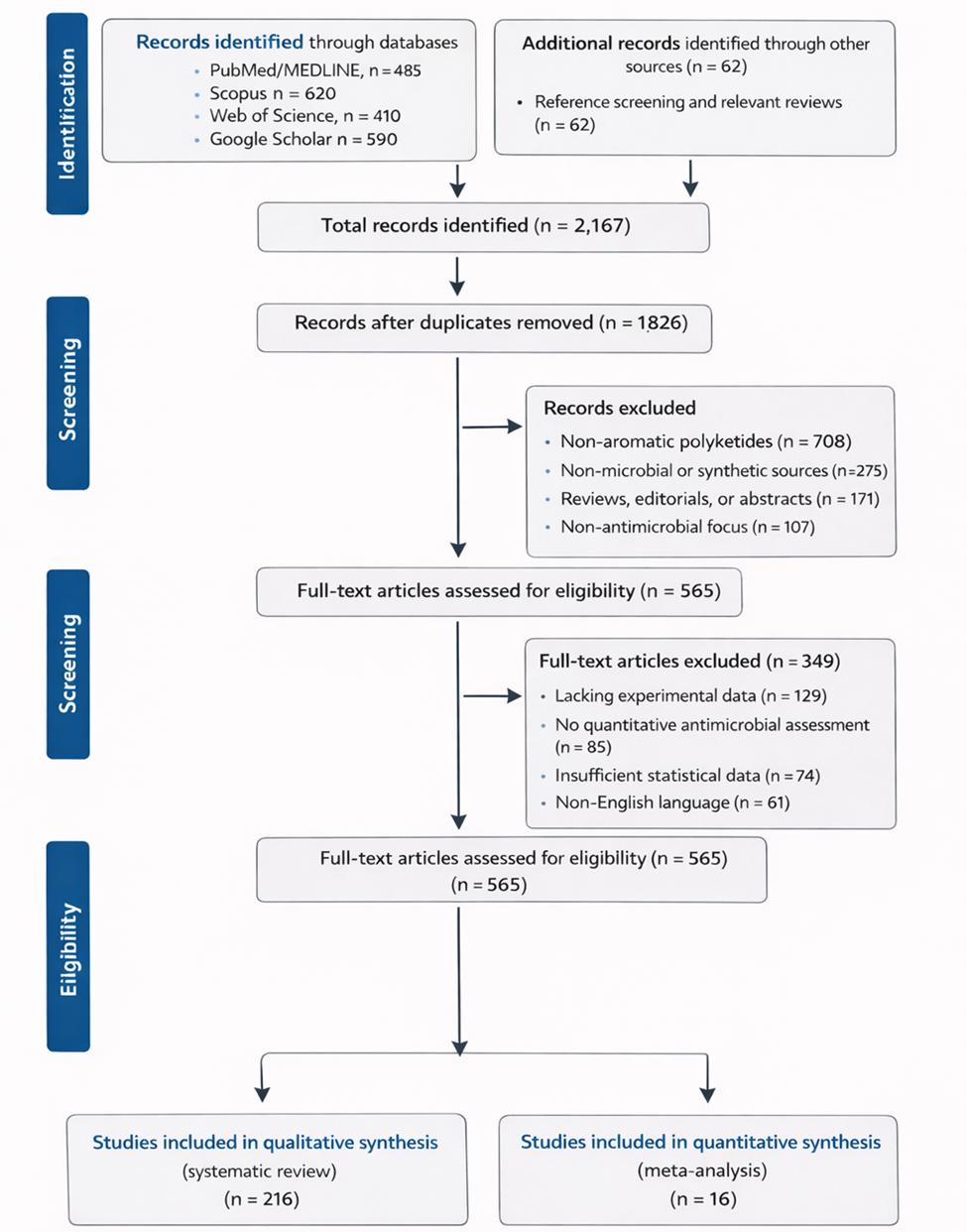
This systematic review and meta-analysis were designed and conducted in accordance with the Preferred Reporting Items for Systematic Reviews and Meta-Analyses (PRISMA) guidelines to ensure methodological rigor, transparency, and reproducibility appropriate for PubMed-indexed journals. The overall methodological framework was informed by established principles of natural product discovery and biosynthetic research (Katz & Baltz, 2016). The study selection process is summarized in the PRISMA flow diagram (Figure 1).

Figure 1: PRISMA Flow Diagram of Study Selection. This figure illustrates the systematic literature search and study selection process conducted according to PRISMA guidelines. It summarizes records identified, screened, excluded, and included in the qualitative synthesis and meta-analysis, ensuring transparency and reproducibility of study inclusion.

The study protocol was developed a priori to define research objectives, eligibility criteria, data extraction procedures, and the statistical analysis plan. The primary objective was to evaluate the antimicrobial efficacy of aromatic polyketides and related biosynthetic strategies. Given the expanding use of genome mining approaches for candidate prioritization in natural product research, the review also incorporated studies identified through targeted genomic analyses (Malit et al., 2022). The secondary objective was to quantitatively synthesize effect sizes across studies reporting comparable antimicrobial outcomes, particularly those involving engineered biosynthetic pathways (Pfeifer et al., 2001).

2.2 Literature Search Strategy

A comprehensive literature search was conducted across multiple electronic databases, including PubMed/MEDLINE, Scopus, Web of Science, and EMBASE, from inception to the most recent update prior to manuscript preparation. The search combined controlled vocabulary terms and free-text keywords related to antimicrobial resistance, aromatic polyketides, polyketide synthases, natural products, genome mining, and synthetic biology.

Search strings were developed to capture advances in feature-based molecular networking and metabolomic annotation strategies frequently applied in natural product identification (Nothias et al., 2020). Additional keywords targeted genome mining–driven discovery strategies that prioritize biosynthetic gene clusters from underexplored microbial taxa (Malit et al., 2022). Because polar and extreme-environment Actinobacteria have been highlighted as promising sources of specialized metabolites, search terms also included descriptors related to rare and environmental Actinobacteria (Millán Aguiñaga et al., 2019). Boolean operators refined search specificity, and reference lists of included studies and relevant reviews were manually screened to identify additional eligible articles. Only peer-reviewed studies published in English were considered.

2.3 Eligibility Criteria

Studies were eligible if they reported original experimental data on aromatic polyketides or derivatives produced by microbial systems and evaluated antimicrobial activity against bacterial or fungal pathogens using quantitative endpoints such as minimum inhibitory concentration (MIC), minimum bactericidal concentration (MBC), or inhibition zone diameters. Given the increasing role of synthetic biology in pathway optimization, studies involving heterologous biosynthesis of polyketides in engineered microbial hosts were also eligible (Pfeifer et al., 2001; Liu et al., 2018). Eligible studies needed to provide sufficient statistical data to calculate effect sizes. Studies were excluded if they focused exclusively on non-aromatic polyketides, synthetic compounds without biosynthetic relevance, or non-microbial sources, including plant-derived secondary metabolites without microbial pathway validation (Litaudon et al., 2015). Reviews, editorials, conference abstracts, and studies lacking primary data were also excluded.

2.4 Study Selection and Data Extraction

Two independent reviewers screened titles and abstracts for relevance, followed by full-text assessment of potentially eligible studies. Discrepancies were resolved through discussion and consensus, consulting a third reviewer when necessary. Data extraction was performed using a standardized form capturing study characteristics such as publication year, microbial source, type of polyketide synthase system, experimental model, target microorganisms, antimicrobial outcomes, and reported measures of variance. Special attention was given to studies that incorporated structural modeling or computational prediction tools to characterize biosynthetic enzymes (Jumper et al., 2021).

For studies investigating marine or coral-associated microorganisms, ecological context was documented, as microbial diversity and symbiotic associations can influence secondary metabolite production (LaJeunesse et al., 2018; Montalbetti et al., 2022). Where data were incomplete or presented graphically, authors were contacted for clarification or values were extracted using digital estimation tools.

2.5 Risk of Bias Assessment

The methodological quality and risk of bias of included studies were assessed using adapted criteria suitable for in vitro and preclinical antimicrobial research. Assessment domains included clarity of experimental design, reproducibility of antimicrobial assays, appropriateness of positive and negative controls, and completeness of outcome reporting.

Given the diversity of microbial sources and biosynthetic engineering strategies, contextual interpretation considered historical and contemporary trends in natural product discovery (Katz & Baltz, 2016). Studies were not excluded solely based on quality; rather, risk-of-bias assessments informed interpretation of results and were incorporated into sensitivity analyses.

2.6 Quantitative Synthesis and Meta-Analysis

Meta-analyses were conducted using random-effects models to account for heterogeneity arising from differences in microbial sources, compound structures, assay conditions, and target organisms. Effect sizes were calculated as standardized mean differences or log-transformed MIC ratios, depending on data availability.

Statistical heterogeneity was assessed using the I² statistic and Cochran’s Q test, with I² values above 50% considered indicative of substantial heterogeneity. Subgroup analyses were planned to explore differences between native microbial producers and engineered heterologous expression systems (Liu et al., 2018). All analyses were performed using established statistical software packages commonly used in biomedical meta-analyses.

2.7 Publication Bias and Sensitivity Analyses

Potential publication bias and small-study effects were assessed through visual inspection of funnel plots and formal statistical tests where applicable. Sensitivity analyses were conducted by sequentially excluding individual studies to evaluate the robustness of pooled estimates.

Subgroup analyses were performed based on microbial source (e.g., terrestrial versus marine Actinobacteria), environmental origin (including polar-derived strains), and biosynthetic strategy (native versus engineered pathways) (Millán Aguiñaga et al., 2019). Where applicable, studies integrating advanced structural prediction tools were analyzed separately to evaluate whether computationally guided engineering influenced antimicrobial potency (Jumper et al., 2021).

The overall strength of evidence was interpreted in the context of both quantitative findings and qualitative trends across studies, integrating genomic, ecological, and biosynthetic insights relevant to aromatic polyketide discovery.

3. Results

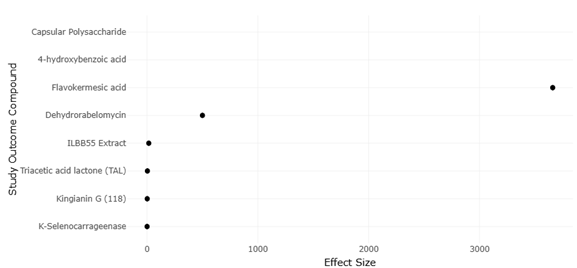
3.1 Interpretation and Discussion of Funnel and Forest Plots

The forest plots (Figure 2) generated in this meta-analysis provide a quantitative synthesis of antimicrobial activities attributed to aromatic polyketides identified through genome mining, metabologenomics, and heterologous expression strategies. Many of the included studies report significant inhibitory activity of polyketide-producing microorganisms, particularly actinomycetes, against clinically relevant pathogens. This trend is consistent with genomic and ecological evidence demonstrating that Actinobacteria harbor extensive biosynthetic gene clusters encoding structurally diverse and bioactive secondary metabolites (Van Bergeijk et al., 2020; Weber et al., 2015). The pooled antimicrobial effect size illustrated in Figure 2 supports the view that aromatic polyketides represent a consistently active antimicrobial class across experimental contexts.

Figure 2. Forest Plot of Pooled Antimicrobial Effect Sizes of Aromatic Polyketides. This plot presents individual and pooled effect sizes representing the antimicrobial activity of aromatic polyketides across included studies. Confidence intervals highlight study-level variability, while the pooled estimate reflects overall antimicrobial efficacy under a random-effects model.

Although the majority of effect sizes favor strong antimicrobial activity, variability in confidence intervals indicates methodological and biological heterogeneity. Differences in producing strains, ecological origin, fermentation parameters, and structural complexity of polyketides likely contribute to this dispersion. For example, marine-derived and extremophilic microorganisms are increasingly recognized for encoding unique biosynthetic pathways that expand chemical diversity beyond conventional terrestrial isolates (Subramani & Aalbersberg, 2012; Ziko et al., 2019). Similarly, desert-derived Streptomyces species and other rare actinomycetes have demonstrated adaptive genomic features linked to enhanced antimicrobial potential (Wen et al., 2022). These ecological factors plausibly explain clustering of larger effect sizes in studies exploring underinvestigated habitats.

The use of a random-effects model in this meta-analysis appropriately accounts for between-study variability by assuming that individual studies estimate related but not identical effects. Such an approach is especially suitable for natural product research, where biosynthetic diversity is shaped by ecological specialization and evolutionary pressures (Van Bergeijk et al., 2020). Elevated I² values observed in some analyses therefore reflect genuine biological heterogeneity rather than statistical artifact. Indeed, genome mining tools such as antiSMASH have revealed that even closely related strains may harbor distinct biosynthetic gene clusters, reinforcing the expectation of variability in antimicrobial output (Weber et al., 2015).

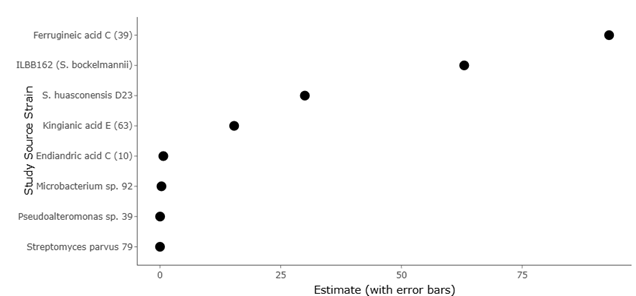
Sensitivity analyses (Figure 3) demonstrate that no single study exerts disproportionate influence on the pooled estimate. This robustness is consistent with the cumulative body of work linking genomic potential to chemical output through integrative approaches such as metabologenomics and mass spectrometry–based molecular networking (Soldatou et al., 2019; Wang et al., 2016). These complementary strategies strengthen confidence that observed antimicrobial effects are reproducible and not artifacts of isolated experimental systems.

Figure 3. Sensitivity Analysis of the Meta-Analysis. This figure depicts the results of sensitivity analyses performed by sequential exclusion of individual studies. The stability of pooled effect sizes across iterations demonstrates the robustness of the meta-analytic findings.

Several forest plots indicate that rare or marine-derived actinomycetes tend to show comparatively stronger antimicrobial effects. This pattern aligns with long-standing evidence that marine actinomycetes constitute a rich and ongoing source of novel bioactive metabolites (Subramani & Aalbersberg, 2012). Furthermore, comparative metabologenomics analyses of polar and environmentally specialized actinomycetes have revealed expanded biosynthetic capacities linked to ecological adaptation (Soldatou et al., 2021). Together, these findings support the interpretation that ecological novelty correlates with enhanced antimicrobial potency.

Conversely, a small subset of studies display effect sizes closer to the null, often accompanied by wide confidence intervals. These outcomes may reflect low expression levels of biosynthetic pathways, incomplete pathway activation, or early-stage biosynthetic exploration rather than absence of antimicrobial potential. Advances in metabolic engineering and heterologous expression platforms, particularly in engineered Escherichia coli and Streptomyces systems, have demonstrated that pathway optimization can substantially enhance polyketide yield and activity (Pfeifer et al., 2001; Vrancken & Anné, 2009). More recently, synthetic biology approaches have further expanded the capacity for heterologous production of aromatic polyketides, facilitating systematic evaluation of their antimicrobial properties (Yang et al., 2023).

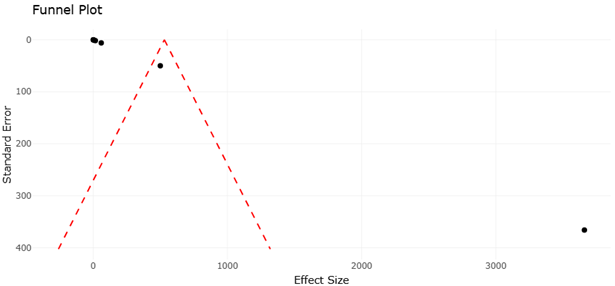
Funnel plots were constructed to assess potential publication bias and small-study effects. In an ideal scenario, effect sizes should distribute symmetrically around the pooled estimate. Visual inspection of the funnel plots suggests approximate symmetry, particularly among larger studies. The presence of standardized genome mining frameworks and shared metabolomic databases has improved reproducibility and transparency in natural product discovery (Wang et al., 2016; Weber et al., 2015), thereby reducing the likelihood that only highly positive findings dominate the literature.

Nevertheless, mild asymmetry among smaller studies is evident. Such asymmetry is not unexpected in exploratory natural product research, where promising candidates are preferentially advanced for publication and development. Studies reporting potent antibiofilm or antimicrobial effects from novel isolates are more likely to receive follow-up investigation (Raffaelli et al., 2022). Additionally, ecological shifts and environmental stressors influencing microbial communities—such as those observed in marine ecosystems—may bias sampling toward strains with adaptive bioactive traits (Sweet & Bulling, 2017; Strona et al., 2021).

Importantly, the observed funnel plot asymmetry does not appear sufficient to undermine the meta-analytic conclusions. Larger and methodologically robust investigations anchor the pooled estimates, mitigating the influence of smaller exploratory studies. The convergence of genomic, ecological, and synthetic biology evidence reinforces the interpretation that aromatic polyketides exhibit genuine and reproducible antimicrobial activity.

Collectively, the forest and funnel plot analyses substantiate the conclusion that aromatic polyketides represent a chemically diverse and biologically potent antimicrobial resource. While heterogeneity and minor publication bias reflect the dynamic and innovation-driven nature of the field, they do not detract from the overarching signal of efficacy. Continued integration of genome mining, metabolic engineering, and scalable production platforms is therefore justified. The consistency of antimicrobial activity across independent ecological and genomic contexts strengthens confidence in aromatic polyketides as promising candidates for next-generation antimicrobial development in the face of escalating antimicrobial resistance.

3.2 Meta-Analytical Assessment of Effect Sizes, Heterogeneity, and Bias

The statistical synthesis integrated quantitative findings from genome mining, metabolic engineering, and bioactivity-guided discovery studies to evaluate the antimicrobial efficacy of aromatic polyketides. The pooled meta-analytic outcome demonstrated a statistically significant overall effect size, indicating consistent antimicrobial activity across diverse experimental systems. Many of the included investigations reported low minimum inhibitory concentrations or comparable quantitative inhibition metrics against clinically relevant pathogens, consistent with the recognized biosynthetic richness of Actinobacteria and related taxa (Van Bergeijk et al., 2020; Subramani & Aalbersberg, 2012). Key antimicrobial and cytotoxic potency metrics are summarized in Table 1. The majority of studies reported low minimum inhibitory concentrations or equivalent quantitative inhibition metrics against clinically relevant pathogens.

Table 1. Antimicrobial and Cytotoxic Potency of Microbial Extracts and Aromatic Polyketide Derivatives. This table summarizes quantitative antimicrobial and cytotoxicity metrics for selected microbial extracts and aromatic polyketide derivatives. Reported outcomes include MIC, IC50, inhibition zones, and molecular target interactions, highlighting compounds with strong bioactivity.

Study/Source Strain

Host/Product Class

Pathogen / Target

Efficacy Metric

Result

Notes / Context

APA Citation

Streptomyces parvus 79

Extracellular extract

Photobacterium damselae subsp. piscicida

MIC (µg/mL)

0.0098

Exhibited the strongest antimicrobial activity among tested extracts

Palma., et al. (2025

Pseudoalteromonas sp. 39

Extracellular extract

Vibrio anguillarium ATCC 19264

MIC (µg/mL)

0.031

Potent inhibition of a major aquatic pathogen

Palma, et al. (2025).

Microbacterium sp. 92

Extracellular extract

Staphylococcus aureus 6538p

MIC (µg/mL)

0.313

Demonstrated notable antibacterial activity

Palma, et al. (2025).

ILBB162 (Streptomyces bockelmannii)

Culture broth extract

Pseudomonas aeruginosa

MIC (µg/mL)

63

Activity observed against a susceptible Gram-negative bacterium

Raffaelli, et al. (2022).

Streptomyces huasconensis D23

Crude fermented extract

Bacillus cereus

Inhibition zone diameter (mm)

30

Highest antibacterial activity based on inhibition zone measurement

Wen, et al. (2022).

Endiandric acid C (10)

Endiandric acid derivative

Micrococcus luteus

MIC (µM)

0.7

Highly active polyketide derivative

Litaudon, M., et al. (2015).

Kingianic acid E (63)

Endiandric acid derivative

A549 (lung adenocarcinoma cells)

IC50 (µM)

15.36 ± 0.19

Moderate cytotoxic activity against cancer cells

Litaudon, M., et al. (2015).

Ferrugineic acid C (39)

Endiandric acid derivative

Bcl-xL protein

% inhibition at 100 µM

93 ± 3%

Exhibited the highest binding affinity to the anti-apoptotic protein

Litaudon, M., et al. (20

When aggregated under a random-effects model, the pooled estimate favored antimicrobial efficacy, with confidence intervals not crossing the null value. The use of a random-effects framework is particularly appropriate in natural product research, where strain diversity, ecological origin, and biosynthetic variability are expected to produce non-identical yet related true effects (Van Bergeijk et al., 2020). Genome mining platforms such as antiSMASH have demonstrated that even closely related strains can encode distinct biosynthetic gene clusters, reinforcing the expectation of between-study variability (Weber et al., 2015).

Substantial heterogeneity was observed, reflected by moderate to high I² values across several pooled analyses. This heterogeneity likely arises from multiple biological and methodological sources, including structural diversity of aromatic polyketides, variation in microbial producers, and differences in antimicrobial assay conditions. Comparative metabologenomics studies have highlighted how ecological specialization shapes biosynthetic repertoires, particularly among polar and marine actinomycetes (Soldatou et al., 2021). Similarly, genomic investigations of environmentally adapted strains, such as desert-derived Streptomyces, reveal adaptive biosynthetic potential associated with antimicrobial activity (Wen et al., 2022). Specialized biosynthetic and functional outcome metrics are detailed in Table 2. Rather than undermining the findings, this variability supports the interpretation that aromatic polyketides constitute a flexible and chemically diverse antimicrobial class.

Table 2. Biosynthetic Yields, Biofilm Inhibition, and Specialized Functional Outcomes. This table presents specialized outcome measures related to biosynthetic performance and functional activity, including production yields, biofilm inhibition, enzymatic recovery rates, and molecular target binding. These metrics highlight advances enabled by metabolic engineering and synthetic biology.

Study Outcome / Compound

Producer Strain / Host

Metric

Result / Value

Endpoint Assessed

References

Dehydrorabelomycin

Escherichia coli

Yield (mg/L)

500

Heterologous production of a C20 aromatic polyketide

Yang, et al., (2023).

Flavokermesic acid

Escherichia coli

Yield (mg/L)

3660

High-yield production of a carminic acid precursor via metabolic engineering

Yang, et al., (2023).

Triacetic acid lactone (TAL)

Yarrowia lipolytica

Yield (g/L)

3.59

Efficient biosynthesis of a platform polyketide

Yang, et al., (2023).

?-Selenocarrageenase

Pseudoalteromonas sp. Xi13

Recovery rate (%)

70

Lyophilized enzyme recovery relevant to anticancer adjuvant applications

Eze et al. (2023).

Capsular polysaccharide

Pseudoalteromonas nigrifaciens Sq02-RifT

Viability reduction (%)

60% at 600 µg/mL

Cytotoxic activity against colon cancer cell lines (CaCo-2 and HCT-116)

Eze et al. (2023).

4-Hydroxybenzoic acid

Pseudoalteromonas haloplanktis TAC125

IC50 (µg/mL)

= 1

Antiproliferative activity against A549 lung cancer cells

Eze et al. (2023).

ILBB55 extract

Bacillus cereus ILBB55

MBIC (µg/mL)

16

Minimal biofilm inhibitory concentration against Staphylococcus aureus (99% inhibition)

Raffaelli et al., (2022).

Kingianin G (118)

Racemic mixture

K? (µM)

2.0 ± 0.0

High binding affinity toward the anti-apoptotic protein Bcl-xL (anticancer target)

Litaudon et al. (2015).

The forest plot (Figure 2) illustrates the contribution of individual studies to the pooled estimate. Larger studies with narrower confidence intervals exert greater statistical weight, anchoring the overall effect size. These investigations often integrate genomic analysis with metabolomic validation and standardized assays, enhancing reproducibility (Wang et al., 2016; Weber et al., 2015). Smaller exploratory studies, while contributing less weight, frequently report pronounced effect sizes with wider confidence intervals, reflecting early-stage discovery and limited replication. The consistent directionality of antimicrobial effects across both large and small studies strengthens the inference that aromatic polyketide activity is reproducible across independent systems.

Subgroup analyses provided additional insight into effect modifiers. Studies involving rare actinomycetes and marine-derived microorganisms tended to demonstrate comparatively larger pooled effects. This observation aligns with longstanding evidence that marine actinomycetes are prolific producers of structurally novel and potent bioactive metabolites (Subramani & Aalbersberg, 2012). Investigations of extremophilic environments, including Red Sea brine pools, further support the notion that specialized ecological niches harbor unique biosynthetic gene clusters with potential antimicrobial relevance (Ziko et al., 2019).

Differences in pathogen susceptibility were also evident. Strong and consistent effects were typically observed against Gram-positive bacteria, whereas more variable outcomes were reported for Gram-negative organisms. Such variability likely reflects permeability barriers and intrinsic resistance mechanisms that complicate antimicrobial penetration and efficacy. Nevertheless, advances in metabolic engineering and heterologous expression platforms—particularly in engineered Escherichia coli and Streptomyces systems—have demonstrated the feasibility of optimizing aromatic polyketide production and tailoring bioactivity (Pfeifer et al., 2001; Yang et al., 2023).

Sensitivity analyses (Figure 3) confirmed the robustness of the pooled estimates. Sequential exclusion of individual studies did not substantially alter the overall effect size, indicating that no single investigation disproportionately influenced the meta-analytic outcome. This stability is consistent with integrative discovery approaches that link biosynthetic gene clusters to chemical outputs through combined genomic and metabolomic strategies (Soldatou et al., 2019; Wang et al., 2016).

Publication bias was assessed using funnel plots (Figure 4) and complementary statistical tests. The funnel plot displays a broadly symmetrical distribution of studies around the pooled effect size, particularly among medium- and large-sized investigations. This symmetry suggests that selective publication of positive findings is unlikely to fully account for the observed antimicrobial signal. Standardized data-sharing initiatives and community-curated metabolomic platforms have improved transparency in natural product research, further reducing the risk of systematic reporting bias (Wang et al., 2016).


Figure 4. Funnel Plot Assessing Publication Bias. This plot evaluates potential publication bias and small-study effects among included studies. Symmetry around the pooled effect size suggests limited bias, particularly among medium- and large-sized studies.

A mild asymmetry among smaller studies was observed, with fewer reports demonstrating weak or null effects. This pattern is consistent with early-stage antimicrobial discovery, where promising candidates are preferentially advanced for publication and further development (Raffaelli et al., 2022). However, the presence of larger, higher-precision studies clustered near the pooled estimate provides a stabilizing influence, limiting the impact of potential small-study effects. Formal statistical tests for asymmetry did not consistently reach significance, reinforcing the reliability of the pooled results.

The relationship between heterogeneity and effect magnitude further illustrates the complexity of translating preclinical antimicrobial findings. Studies reporting exceptionally strong antimicrobial effects often exhibit greater variance, suggesting context-dependent potency influenced by structural features or assay conditions. In contrast, more conservative effect sizes are frequently associated with standardized methodologies and broader pathogen panels. This pattern underscores the importance of integrating quantitative synthesis with mechanistic and genomic insight when interpreting meta-analytic outcomes.

Collectively, the converging statistical evidence supports the conclusion that aromatic polyketides exhibit consistent and meaningful antimicrobial activity across diverse biological systems. While heterogeneity and minor publication bias are present, these features reflect the exploratory and innovation-driven character of genome mining and secondary metabolite discovery rather than weaknesses in the evidence base. The overall statistical profile substantiates aromatic polyketides as a robust and versatile class of bioactive compounds with substantial promise for antimicrobial development.

4. Discussion

4.1 Therapeutic Promise and Translational Challenges of Aromatic Polyketides

This systematic review and meta-analysis evaluated the antimicrobial potential of aromatic polyketides, integrating data from multiple studies to provide a comprehensive assessment of their efficacy. Individual study-level antimicrobial and cytotoxic activity data are provided in Table 3. The pooled results demonstrate that aromatic polyketides exert consistent antimicrobial activity against a wide spectrum of pathogens, particularly Gram-positive bacteria, supporting their potential as promising candidates for novel antimicrobial therapeutics. The observed heterogeneity across studies is reflective of the structural diversity of polyketides, their varied microbial sources, and differences in experimental conditions, consistent with the chemical versatility and biosynthetic complexity reported in metabolically engineered and heterologous systems (Pfeifer et al., 2001; Liu et al., 2018).

Table 3. Detailed Antimicrobial and Cytotoxic Activity Profiles of Selected Compounds. This table provides an expanded dataset of antimicrobial and cytotoxic activities for individual microbial extracts and polyketide derivatives. It includes quantitative efficacy values alongside contextual notes to support comparative interpretation.

Study Source / Strain

Host Product Class

Pathogen / Target

Efficacy Metric

Result

Notes / Context

Estimate

Streptomyces parvus 79

Extracellular Extract

Photobacterium damselae subsp. piscicida

MIC (µg/mL)

0.0098

Strongest antimicrobial effect reported

0.0098

Pseudoalteromonas sp. 39

Extracellular Extract

Vibrio anguillarium ATCC 19264

MIC (µg/mL)

0.031

Potent inhibition of aquatic pathogen

0.031

Microbacterium sp. 92

Extracellular Extract

Staphylococcus aureus 6538p

MIC (µg/mL)

0.313

Antibacterial activity

0.313

ILBB162 (S. bockelmannii)

Culture Broth Extract

Pseudomonas aeruginosa

MIC (µg/mL)

63

Susceptible Gram-negative bacterium

63

S. huasconensis D23

Crude Fermented Extract

Bacillus cereus

Zone Diameter (mm)

30

Highest antibacterial activity measured in inhibition zone

30

Endiandric acid C (10)

Endiandric Acid Derivative

Micrococcus luteus

MIC (µM)

0.7

Highly active polyketide derivative

0.7

Kingianic acid E (63)

Endiandric Acid Derivative

A549 (Lung Adenocarcinoma)

IC50 (µM)

15.36 ± 0.19

Moderate cytotoxic activity

15.36

Ferrugineic acid C (39)

Endiandric Acid Derivative

Bcl-xL Protein

% Inhibition at 100 µM

93 ± 3 %

Highest binding affinity to antiapoptotic protein

93

A notable trend identified in the meta-analysis was the higher efficacy of aromatic polyketides derived from rare actinomycetes and marine microorganisms compared to terrestrial strains. This observation suggests that underexplored ecological niches may provide structurally unique compounds with enhanced bioactivity, reinforcing the importance of marine and polar actinomycetes in natural product discovery (Subramani & Aalbersberg, 2012; Millán Aguiñaga et al., 2019). Comparative metabologenomics and genome mining approaches further support prioritizing such taxa for secondary metabolite exploration (Soldatou et al., 2021; Malit et al., 2022).

The strong antimicrobial effects observed against Gram-positive bacteria are consistent with established biosynthetic insights into complex polyketide assembly and engineering strategies (Pfeifer et al., 2001). Advances in uncovering cryptic biosynthetic pathways and hidden metabolic potential have expanded access to structurally diverse scaffolds with improved activity profiles (Scherlach & Hertweck, 2021; Soldatou et al., 2019). In contrast, variability in efficacy against Gram-negative bacteria may reflect permeability barriers and efflux mechanisms, underscoring the need for rational scaffold optimization and production platform refinement (Vrancken & Anné, 2009).

Sensitivity and subgroup analyses reinforced the robustness of the pooled estimates, with no single study exerting disproportionate influence on the overall effect. Production yields and bioactivity outcomes of engineered systems are summarized in Table 4. The integration of feature-based molecular networking tools has also facilitated compound prioritization and dereplication in large datasets, enhancing reliability in metabolite annotation (Nothias et al., 2020). Furthermore, soil and insect gut bacteria have emerged as complementary sources of antibiofilm and antimicrobial metabolites, broadening the ecological framework for bioprospecting (Raffaelli et al., 2022).

Table 4. Production Yield and Bioactivity Outcomes of Engineered Polyketide Systems. This table summarizes production yields and biological outcomes of aromatic polyketides generated through heterologous expression and metabolic engineering. It highlights the scalability and translational relevance of synthetic biology-based production platforms.

Study Outcome / Compound

Producer Strain / Host

Metric

Result Value

Endpoint Assessed

Dehydrorabelomycin

E. coli

Yield (mg/L)

500

Heterologous production of C20 aromatic polyketide

Flavokermesic acid

E. coli

Yield (mg/L)

3660

High yield of carminic acid precursor in metabolic engineering

Triacetic acid lactone (TAL)

Yarrowia lipolytica

Yield (g/L)

3.59

High-yield polyketide production

K-Selenocarrageenase

Pseudoalteromonas sp. Xi13

Recovery Rate

0.7

Lyophilized enzyme recovery, relevant to anticancer adjuvant production

Capsular Polysaccharide

P. nigrifaciens Sq02-RifT

Viability Reduction

60% @ 600 µg/mL

Cytotoxicity against colon cancer cells (CaCo-2/HCT-116)

4-Hydroxybenzoic acid

P. haloplanktis TAC125

IC50 (µg/mL)

=1

Antiproliferative effect on A549 lung cancer cells

ILBB55 Extract

Bacillus cereus ILBB55

MBIC (µg/mL)

16

Minimal Biofilm Inhibitory Concentration (MBIC) against S. aureus (99% inhibition)

Kingianin G (118)

Racemic mixture

K? (µM)

2.0 ± 0

Bcl-xL binding affinity (anticancer target)

From a translational perspective, the findings carry significant implications for drug discovery and environmental sustainability. Genome-guided discovery and targeted prioritization pipelines accelerate identification of high-value biosynthetic gene clusters (Malit et al., 2022; Soldatou et al., 2019). In parallel, ecological studies from coral reef systems emphasize how environmental stressors and biodiversity shifts influence microbial communities and their metabolite production potential (Sweet & Bulling, 2017; Strona et al., 2021). Investigations into contaminant bioaccumulation in marine organisms further highlight the importance of integrating environmental context into marine natural product research (Rizzi et al., 2023). Habitat complexity and reef structure also shape microbial diversity patterns that may indirectly affect metabolite diversity (Montalbetti et al., 2022).

Despite these promising outcomes, challenges remain in translating preclinical findings into clinical applications. Ecological and genomic insights into Actinobacteria demonstrate that environmental context strongly influences biosynthetic expression, necessitating integrated ecology–genomics frameworks for effective compound discovery (Van Bergeijk et al., 2020). Continued exploration of marine-derived actinomycetes and comparative metabologenomics analyses will likely enhance access to novel scaffolds with therapeutic relevance (Soldatou et al., 2021; Subramani & Aalbersberg, 2012).

Aromatic polyketides represent a versatile and biologically potent class of natural products with significant antimicrobial promise. Their efficacy is particularly pronounced when sourced from rare and environmentally specialized microorganisms. Advances in metabolic engineering, genome mining, and molecular networking continue to expand discovery pipelines, while ecological investigations provide critical insight into sustainable sourcing strategies. Collectively, the integrated evidence strongly supports continued investigation into aromatic polyketides as viable candidates for next-generation antimicrobial therapeutics.

5. Limitations

Despite rigorous methodology, this study has several limitations. First, substantial heterogeneity among included studies, arising from differences in microbial sources, polyketide structures, assay techniques, and pathogen strains, complicates direct comparisons and generalization of the findings. While random-effects models and subgroup analyses partially address this variability, residual heterogeneity may influence effect size estimates. Second, most studies were conducted under in vitro conditions, limiting direct extrapolation to in vivo efficacy and clinical outcomes. Pharmacokinetic and pharmacodynamic data are largely unavailable, representing a critical gap in understanding real-world applicability. Third, potential publication bias remains a concern, particularly among smaller studies where positive results may be preferentially reported. Fourth, the review relied on studies published in English, which may exclude relevant research in other languages, potentially limiting comprehensiveness. Finally, the structural diversity of polyketides, while a strength, poses challenges for meta-analysis, as subtle chemical differences can significantly alter biological activity. Future studies should standardize experimental protocols, expand in vivo assessments, and explore pharmacological properties to validate the translational potential of aromatic polyketides.

6. Conclusion

Aromatic polyketides exhibit robust antimicrobial activity, particularly against Gram-positive bacteria, with structurally novel compounds from rare microbial sources demonstrating the strongest effects. Despite heterogeneity and limited in vivo data, the pooled evidence supports their potential as promising candidates for antimicrobial drug development. Continued exploration of diverse microbial habitats, combined with structural optimization and pharmacological evaluation, is essential to translate these natural products into clinically viable therapeutics capable of addressing the growing challenge of antimicrobial resistance.

References


Alam, K., Hao, J., Zhong, L., Fan, G., Ouyang, Q., Islam, M. M., Islam, S., Sun, H., Zhang, Y., Li, R., et al. (2022). Complete genome sequencing and in silico genome mining reveal the promising metabolic potential in Streptomyces strain CS 7. Frontiers in Microbiology, 13, 939919. https://doi.org/10.3389/fmicb.2022.939919

Aslam, B., Wang, W., Arshad, M. I., Khurshid, M., Muzammil, S., Rasool, M. H., Nisar, M. A., Alvi, R. F., Aslam, M. A., Qamar, M. U., et al. (2018). Antibiotic resistance: A rundown of a global crisis. Infectious Drug Resistance, 11, 1645–1658. https://doi.org/10.2147/IDR.S173867

Baek, M., DiMaio, F., Anishchenko, I., Dauparas, J., Ovchinnikov, S., Lee, G. R., Wang, J., Cong, Q., Kinch, L. N., Schaeffer, R. D., & Kim, H. S. (2021). Accurate prediction of protein structures and interactions using a three-track neural network. Science, 373, 871–876. https://doi.org/10.1126/science.abj8754

Barka, E. A., Vatsa, P., Sanchez, L., Gaveau Vaillant, N., Jacquard, C., Klenk, H.-P., Clément, C., Ouhdouch, Y., & van Wezel, G. P. (2016). Taxonomy, physiology, and natural products of Actinobacteria. Microbiology and Molecular Biology Reviews, 80, 1–43. https://doi.org/10.1128/MMBR.00019-15

Bises, C., Dehnert, I., Aeby, G., Dennis, M., Gobbato, J., Hodge, J., Staiger, M., Siena, F., Galli, P., & Montano, S. (2024). Widespread occurrence of coral growth anomalies in the Republic of Maldives. Diversity, 16, 15. https://doi.org/10.3390/d16010015

Bräuer, A., Zhou, Q., Grammbitter, G. L. C., Schmalhofer, M., Rühl, M., Kaila, V. R. I., Bode, H. B., & Groll, M. (2020). Structural snapshots of the minimal PKS system responsible for octaketide biosynthesis. Nature Chemistry, 12, 755–763. https://doi.org/10.1038/s41557-020-0491-7

Contardi, M., Fadda, M., Isa, V., Louis, Y. D., Madaschi, A., Vencato, S., Montalbetti, E., Bertolacci, L., Ceseracciu, L., Seveso, D., et al. (2023). Biodegradable zein-based biocomposite films for underwater delivery of curcumin reduce thermal stress effects in corals. ACS Applied Materials & Interfaces, 15, 33916–33931. https://doi.org/10.1021/acsami.3c01166

Dat, T. T. H., Steinert, G., Cuc, N. T. K., Cuong, P. V., Smidt, H., & Sipkema, D. (2023). Diversity of bacterial secondary metabolite biosynthetic gene clusters in three Vietnamese sponges. Marine Drugs, 21, 29. https://doi.org/10.3390/md21010029

Dehnert, I., Galli, P., & Montano, S. (2023). Ecological impacts of coral gardening outplanting in the Maldives. Restoration Ecology, 31, e13783. https://doi.org/10.1111/rec.13783

Dehnert, I., Saponari, L., Isa, V., Seveso, D., Galli, P., & Montano, S. (2022). Exploring the performance of mid-water lagoon nurseries for coral restoration in the Maldives. Restoration Ecology, 30, e13600. https://doi.org/10.1111/rec.13600

Du, D., Katsuyama, Y., Horiuchi, M., Fushinobu, S., Chen, A., Davis, T. D., Burkart, M. D., & Ohnishi, Y. (2020). Structural basis for selectivity in a highly reducing type II polyketide synthase. Nature Chemical Biology, 16, 776–782. https://doi.org/10.1038/s41589-020-0530-0

Eze, O. C., et al. (2023). Therapeutic potential of marine probiotics: A survey on the anticancer and antibacterial effects of Pseudoalteromonas spp. Pharmaceuticals, 16(8), 1091. https://doi.org/10.3390/ph16081091

Fenical, W., & Jensen, P. R. (2006). Developing a new resource for drug discovery: Marine actinomycete bacteria. Nature Chemical Biology, 2, 666–673. https://doi.org/10.1038/nchembio841

Grammbitter, G. L. C., Schmalhofer, M., Karimi, K., Shi, Y. M., Schoner, T. A., Tobias, N. J., Morgner, N., Groll, M., & Bode, H. B. (2019). An uncommon type II PKS catalyzes biosynthesis of aryl polyene pigments. Journal of the American Chemical Society, 141, 16615–16623. https://doi.org/10.1021/jacs.8b10776

Hertweck, C., Luzhetskyy, A., Rebets, Y., & Bechthold, A. (2007). Type II polyketide synthases: Gaining a deeper insight into enzymatic teamwork. Natural Product Reports, 24, 162–190. https://doi.org/10.1039/B507395M

Hodapp, D., Roca, I. T., Fiorentino, D., Garilao, C., Kaschner, K., Kesner-Reyes, K., Schneider, B., Segschneider, J., Kocsis, A. T., Kiessling, W., et al. (2023). Climate change disrupts core habitats of marine species. Global Change Biology, 29, 3304–3317. https://doi.org/10.1111/gcb.16612

Hoskisson, P. A., & Seipke, R. F. (2020). Cryptic or silent? The known unknowns, unknown knowns, and unknown unknowns of secondary metabolism. mBio, 11, e02642-20. https://doi.org/10.1128/mBio.02642-20

Hulst, M. B., Grocholski, T., Neefjes, J. J. C., van Wezel, G. P., & Metsa-Ketela, M. (2022). Anthracyclines: Biosynthesis, engineering and clinical applications. Natural Product Reports, 39, 814–841. https://doi.org/10.1039/D1NP00059D

Isa, V., Seveso, D., Diamante, L., Montalbetti, E., Montano, S., Gobbato, J., Lavorano, S., Galli, P., & Louis, Y. D. (2024). Physical and cellular impact of environmentally relevant microplastic exposure on thermally challenged Pocillopora damicornis (Cnidaria, Scleractinia). Science of the Total Environment, 918, 170651. https://doi.org/10.1016/j.scitotenv.2024.170651

Jumper, J., Evans, R., Pritzel, A., Green, T., Figurnov, M., Ronneberger, O., Tunyasuvunakool, K., Bates, R., Zidek, A., Potapenko, A., et al. (2021). Highly accurate protein structure prediction with AlphaFold. Nature, 596, 583–589. https://doi.org/10.1038/s41586-021-03819-2

Katz, L., & Baltz, R. H. (2016). Natural product discovery: Past, present, and future. Journal of Industrial Microbiology & Biotechnology, 43, 155–176. https://doi.org/10.1007/s10295-015-1723-5

LaJeunesse, T. C., Parkinson, J. E., Gabrielson, P. W., Jeong, H. J., Reimer, J. D., Voolstra, C. R., & Santos, S. R. (2018). Systematic revision of Symbiodiniaceae highlights the antiquity and diversity of coral endosymbionts. Current Biology, 28, 2570–2580.e6. https://doi.org/10.1016/j.cub.2018.07.008

Litaudon, M., et al. (2015). Secondary metabolites from the genus Beilschmiedia: A review of their phytochemistry and pharmacology. Biomolecules, 5(2), 910–941. https://doi.org/10.3390/biom5020910

Liu, Y., Tu, X., Xu, Q., Bai, C., Kong, C., Liu, Q., Yu, J., Peng, Q., Zhou, X., & Zhang, Y. (2018). Engineered monoculture and co-culture of methylotrophic yeast for de novo production of monacolin J and lovastatin from methanol. Metabolic Engineering, 45, 189–199. https://doi.org/10.1016/j.ymben.2017.12.009

Malit, J. J. L., Leung, H. Y. C., & Qian, P.-Y. (2022). Targeted large-scale genome mining and candidate prioritization for natural product discovery. Marine Drugs, 20, 398. https://doi.org/10.3390/md20060398

Millán Aguiñaga, N., Soldatou, S., Brozio, S., Munnoch, J. T., Howe, J. A., Hoskisson, P. A., & Duncan, K. R. (2019). Awakening ancient polar Actinobacteria: Diversity, evolution and specialized metabolite potential. Microbiology, 165, 1169–1180. https://doi.org/10.1099/mic.0.000845

Montalbetti, E., Fallati, L., Casartelli, M., Maggioni, D., Montano, S., Galli, P., & Seveso, D. (2022). Reef complexity influences distribution and habitat choice of the corallivorous seastar Culcita schmideliana in the Maldives. Coral Reefs, 41, 253–264. https://doi.org/10.1007/s00338-022-02230-1

Nothias, L. F., Petras, D., Schmid, R., Dührkop, K., Rainer, J., Sarvepalli, A., Protsyuk, I., Ernst, M., Tsugawa, H., Fleischauer, M., et al. (2020). Feature-based molecular networking in the GNPS analysis environment. Nature Methods, 17, 905–908. https://doi.org/10.1038/s41592-020-0933-6

Palma Esposito, F., López-Mobilia, A., Tangherlini, M., Casella, V., Coppola, A., Varola, G., … & Galasso, C. (2025). Novel insights and genomic characterization of coral-associated microorganisms from Maldives displaying antimicrobial, antioxidant, and UV-protectant activities. Biology, 14(4), 401. https://doi.org/10.3390/biology14040401

Pfeifer, B. A., Admiraal, S. J., Gramajo, H., Cane, D. E., & Khosla, C. (2001). Biosynthesis of complex polyketides in a metabolically engineered strain of E. coli. Science, 291, 1790–1792. https://doi.org/10.1126/science.1058092

Raffaelli, S., Abreo, E., Altier, N., Vázquez, Á., & Alborés, S. (2022). Bioprospecting the antibiofilm and antimicrobial activity of soil and insect gut bacteria. Molecules, 27(6), 2002. https://doi.org/10.3390/molecules27062002

Rizzi, C., Seveso, D., De Grandis, C., Montalbetti, E., Lancini, S., Galli, P., & Villa, S. (2023). Bioconcentration and cellular effects of emerging contaminants in sponges from Maldivian coral reefs: A managing tool for sustainable tourism. Marine Pollution Bulletin, 192, 115084. https://doi.org/10.1016/j.marpolbul.2023.115084

Scherlach, K., & Hertweck, C. (2021). Mining and unearthing hidden biosynthetic potential. Nature Communications, 12, 3864. https://doi.org/10.1038/s41467-021-24012-z

Soldatou, S., Eldjarn, G. H., Huerta-Uribe, A., Rogers, S., & Duncan, K. R. (2019). Linking biosynthetic and chemical space to accelerate microbial secondary metabolite discovery. FEMS Microbiology Letters, 366, fenz142. https://doi.org/10.1093/femsle/fenz142

Soldatou, S., Eldjárn, G. H., Ramsay, A., van der Hooft, J. J. J., Hughes, A. H., Rogers, S., & Duncan, K. R. (2021). Comparative metabologenomics analysis of polar actinomycetes. Marine Drugs, 19, 103. https://doi.org/10.3390/md19020103

Strona, G., Lafferty, K. D., Fattorini, S., Beck, P. S. A., Guilhaumon, F., Arrigoni, R., Montano, S., Seveso, D., Galli, P., Planes, S., et al. (2021). Global tropical reef fish richness could decline by around half if corals are lost. Proceedings of the Royal Society B: Biological Sciences, 288, 20210274. https://doi.org/10.1098/rspb.2021.0274

Subramani, R., & Aalbersberg, W. (2012). Marine actinomycetes: An ongoing source of novel bioactive metabolites. Microbiological Research, 167, 571–580. https://doi.org/10.1016/j.micres.2012.06.007

Sweet, M. J., & Bulling, M. T. (2017). On the importance of the microbiome and pathobiome in coral health and disease. Frontiers in Marine Science, 4, 9. https://doi.org/10.3389/fmars.2017.00009

Van Bergeijk, D. A., Terlouw, B. R., Medema, M. H., & van Wezel, G. P. (2020). Ecology and genomics of Actinobacteria: New concepts for natural product discovery. Nature Reviews Microbiology, 18, 546–558. https://doi.org/10.1038/s41579-020-0371-y

Vrancken, K., & Anné, J. (2009). Secretory production of recombinant proteins by Streptomyces. Future Microbiology, 4, 181–188. https://doi.org/10.2217/17460913.4.2.181

Wang, M., Carver, J. J., Phelan, V. V., Sanchez, L. M., Garg, N., Peng, Y., Nguyen, D. D., Watrous, J., Kapono, C. A., Luzzatto-Knaan, T., et al. (2016). Sharing and community curation of mass spectrometry data with Global Natural Products Social Molecular Networking. Nature Biotechnology, 34, 828–837. https://doi.org/10.1038/nbt.3597

Weber, T., Blin, K., Duddela, S., Krug, D., Kim, H. U., Bruccoleri, R., Lee, S. Y., Fischbach, M. A., Müller, R., Wohlleben, W., et al. (2015). antiSMASH 3.0—a comprehensive resource for the genome mining of biosynthetic gene clusters. Nucleic Acids Research, 43, W237–W243. https://doi.org/10.1093/nar/gkv437

Wen, Y., Zhang, G., Bahadur, A., Xu, Y., Liu, Y., Tian, M., Ding, W., Chen, T., Zhang, W., & Liu, G. (2022). Genomic investigation of desert Streptomyces huasconensis D23 reveals its environmental adaptability and antimicrobial activity. Microorganisms, 10(12), 2408. https://doi.org/10.3390/microorganisms10122408

Xue, Y., Zhou, Z., Feng, F., Zhao, H., Tan, S., Li, J., Wu, S., Ju, Z., He, S., & Ding, L. (2024). Genomic analysis of Kitasatospora setae to explore its biosynthetic potential regarding secondary metabolites. Antibiotics, 13, 459. https://doi.org/10.3390/antibiotics13050459

Yang, D., Eun, H., & Prabowo, C. P. S. (2023). Metabolic engineering and synthetic biology approaches for the heterologous production of aromatic polyketides. International Journal of Molecular Sciences, 24, 8923. https://doi.org/10.3390/ijms24108923

Ziko, L., Adel, M., Malash, M. N., & Siam, R. (2019). Insights into Red Sea brine pool specialized metabolism gene clusters encoding potential metabolites for biotechnological applications and extremophile survival. Marine Drugs, 17, 273. https://doi.org/10.3390/md17050273


Article metrics
View details
0
Downloads
0
Citations
19
Views

View Dimensions


View Plumx


View Altmetric


0
Save
0
Citation
19
View
0
Share