Microbial Bioactives

Microbial Bioactives | Online ISSN 2209-2161
279
Citations
175.1k
Views
157
Articles
Your new experience awaits. Try the new design now and help us make it even better
Switch to the new experience
Figures and Tables
REVIEWS   (Open Access)

Marine Bioactive Compounds and Quorum Sensing–Mediated Algae–Bacteria Interactions: Ecological Insights and Biotechnological Opportunities

Jesús Morón-López 1, Joanna Mankiewicz-Boczeka 1, Julio Romero-Noguera 2, Agnieszka Hanaka 3, Ewa Ozimek 4*

+ Author Affiliations

Microbial Bioactives 9 (1) 1-8 https://doi.org/10.25163/microbbioacts.9110612

Submitted: 26 October 2025 Revised: 21 January 2026  Published: 30 January 2026 


Abstract

This systematic review and meta-analysis investigate marine-derived bioactive compounds and their role in quorum sensing–mediated algae–bacteria interactions, with a particular focus on their algicidal and antimicrobial efficacy. By synthesizing data across multiple experimental systems, compound classes, and target organisms, this study provides a comprehensive analysis of the potency, ecological relevance, and potential applications of these compounds. Our findings reveal that chemically modified phenolic derivatives, such as esterified cinnamic acid and naphthoic acid, exhibit significantly lower inhibitory concentrations against bloom-forming cyanobacteria compared to their parent compounds. These compounds demonstrate promising potential as natural alternatives to conventional chemical algicides, which often pose environmental risks. Additionally, the review highlights the multifunctional nature of marine bioactive compounds, many of which display antimicrobial, antifungal, and cytotoxic activities alongside their algicidal properties. The analysis also underscores the importance of quorum sensing (QS) mechanisms in regulating these effects, as many bioactive compounds operate at the intersection of signaling and chemical interference. The review further explores quorum quenching (QQ) strategies by algae, which actively modulate bacterial communication, suggesting a dynamic interplay between microbial communities. Despite the promising results, several limitations were noted, including methodological variability across studies and the need for more ecologically relevant data. Overall, this work highlights the translational potential of marine bioactives for sustainable environmental management and antimicrobial development, while emphasizing the need for further research into their ecological safety and long-term effects.

Keywords: Marine bioactive compounds, quorum sensing, algicidal, antimicrobial, chemical ecology, marine algae, cyanobacteria, quorum quenching, secondary metabolites

1. Introduction

Aquatic ecosystems are undergoing profound transformations driven by accelerating anthropogenic pressure and global climate change. Among the most visible and ecologically disruptive consequences of these changes is the intensification of water eutrophication, a process fueled by excessive nutrient loading from agriculture, urban runoff, and industrial activities. Eutrophication creates favorable conditions for the proliferation of harmful cyanobacteria, leading to recurrent and often persistent cyanobacterial blooms in freshwater and coastal environments (Luo et al., 2021). These blooms disrupt food webs, deplete oxygen, degrade water quality, and pose direct risks to human and animal health through the production of potent cyanotoxins such as microcystins (Zhang et al., 2023). At the same time, global health systems are grappling with a parallel crisis: the rapid emergence and spread of antimicrobial resistance, driven largely by the extensive and often indiscriminate use of synthetic antibiotics (Zuorro et al., 2024). Together, these intertwined ecological and medical challenges underscore the urgent need for novel, sustainable, and environmentally compatible bioactive agents.

Conventional chemical algicides and antibiotics, while effective in the short term, are increasingly recognized as unsustainable solutions. Many exhibit low selectivity, persist in the environment, disrupt non-target organisms, and contribute to resistance development (El Amrani Zerrifi et al., 2018; Zuorro et al., 2024). In this context, marine ecosystems have emerged as an exceptionally rich yet still underexplored reservoir of biologically active compounds. Marine macroalgae, microalgae, cyanobacteria, and their associated microorganisms have evolved under intense competition for space, nutrients, and light, driving the diversification of sophisticated chemical defense and communication strategies (Beev et al., 2025). These organisms synthesize a wide array of secondary metabolites, including terpenoids, phenolic compounds, alkaloids, sulfated polysaccharides, and fatty acid derivatives, many of which exhibit antimicrobial, antiviral, antifungal, anti-inflammatory, and algicidal activities (El Amrani Zerrifi et al., 2018; Zuorro et al., 2024).

Over the past decade, systematic reviews and quantitative syntheses have increasingly highlighted the consistency and potency of marine-derived bioactive compounds across diverse experimental systems. Meta-analytical evaluations of algicidal and antimicrobial efficacy demonstrate that certain marine natural products rival or exceed the activity of conventional chemical controls, often at substantially lower concentrations (Luo et al., 2021; Zhang et al., 2023). Importantly, these compounds frequently display species-specific or pathway-targeted effects, suggesting a reduced likelihood of broad ecological disruption. Such findings position marine bioactives not merely as chemical curiosities, but as realistic candidates for next-generation environmental and biomedical applications.

Central to understanding the origin and function of many marine bioactive compounds is the concept of chemical communication. In the ocean, microorganisms do not exist as isolated entities; instead, they form dynamic, chemically mediated networks. One of the most intensively studied communication systems is quorum sensing (QS), a regulatory mechanism through which bacteria coordinate gene expression in response to local population density using small diffusible signaling molecules known as autoinducers (Dow, 2021). QS enables collective behaviors such as biofilm formation, motility regulation, virulence expression, and secondary metabolite production. In marine environments, QS takes on added ecological complexity because it frequently operates across species boundaries and even across kingdoms.

A particularly important hotspot for QS-mediated interactions is the phycosphere—the microscale region surrounding algal cells where dissolved organic matter released by algae creates a nutrient-rich niche for heterotrophic bacteria (Qiao et al., 2022). Within this microenvironment, bacteria and algae engage in tightly coupled interactions that range from mutualism to antagonism. QS signals such as N-acyl homoserine lactones (AHLs), autoinducer-2 (AI-2), alkylquinolones (AQs), and their derivatives regulate bacterial behaviors that directly influence algal growth, survival, and bloom dynamics (Dow, 2021; Qiao et al., 2022). Evidence synthesized across multiple studies indicates that these signals can function not only as communication cues but also as direct bioactive agents with algicidal or growth-modulating properties.

AHLs are among the most widely distributed QS signals in marine systems and are primarily produced by Gram-negative bacteria, including members of the ecologically prominent Roseobacter clade (Wagner-Döbler et al., 2005; Ziesche et al., 2015). Their structural diversity, driven by variations in acyl chain length and functional substitutions, translates into highly specific biological effects. Systematic analyses reveal that long-chain AHLs prevalent in the phycosphere can either stimulate algal growth or induce growth inhibition, depending on both algal species and AHL structure (Stock et al., 2020; Qiao et al., 2022). Notably, some AHLs undergo spontaneous chemical rearrangement to form tetramic acids, compounds that exhibit potent algicidal activity through the disruption of photosynthetic electron transport (Stock et al., 2019; Dow, 2021). These findings illustrate how QS chemistry can blur the boundary between signaling and chemical warfare.

Beyond AHLs, AI-2 functions as a more universal signal, produced by both Gram-positive and Gram-negative bacteria and detected in diverse marine microbial assemblages (Schauder et al., 2001; Pereira et al., 2013). Meta-analytical integration of experimental studies suggests that AI-2 plays a significant role in nutrient cycling rather than direct algicidal activity. For example, AI-2–mediated regulation of alkaline phosphatase activity in Trichodesmium consortia highlights its involvement in phosphorus acquisition under nutrient-limited conditions (Van Mooy et al., 2012; Hmelo et al., 2011). Such regulatory functions may indirectly shape bloom formation and decline by altering nutrient availability at the microscale.

Alkylquinolones represent another class of QS-associated compounds with pronounced ecological impact. While some AQs function as bona fide signaling molecules, many act directly as algicides. Quantitative syntheses show that compounds such as 2-heptyl-4-quinolone (HHQ) exert strong inhibitory effects on marine phytoplankton, including Emiliania huxleyi, by targeting photosystem II and the cytochrome b6f complex, as well as arresting cell cycle progression (Dow et al., 2020; Pollara et al., 2021). These effects, observed consistently across independent studies, support the notion that QS-regulated metabolites can serve as precise tools for controlling algal populations.

Importantly, algae are not passive participants in these chemically mediated interactions. Many species produce compounds that interfere with bacterial QS, a phenomenon known as quorum quenching (QQ). Red algae, for instance, release halogenated furanones that competitively inhibit AHL receptors, thereby preventing bacterial colonization and biofilm formation (Manefield et al., 1999; Hentzer et al., 2002). Diatoms such as Nitzschia cf. pellucida enzymatically degrade AHLs, neutralizing their signaling capacity (Syrpas et al., 2014). From a systems perspective, these QQ mechanisms highlight an evolutionary arms race in which chemical signaling and signal disruption co-evolve to shape microbial community structure.

Taken together, evidence synthesized through systematic review and meta-analysis underscores the central role of marine chemical ecology in governing algae–bacteria interactions and regulating ecosystem function. The consistency of observed bioactivities across taxa and experimental designs strengthens confidence in the translational potential of these compounds. By integrating ecological insight with advances in analytical chemistry, genomics, and co-culture methodologies, contemporary research is increasingly able to activate silent biosynthetic pathways and uncover novel metabolites that would otherwise remain hidden (Li et al., 2023). Such interdisciplinary approaches offer a pathway toward the rational development of marine-derived algicides and antimicrobials that are both effective and environmentally responsible.

In an era defined by ecological instability and diminishing efficacy of conventional antimicrobials, marine bioactive compounds and QS-mediated interactions offer not only a deeper understanding of oceanic microbial life but also a promising foundation for sustainable solutions in environmental management and human health.
 

2. Materials and Methods

2.1 Study Design and Reporting Framework

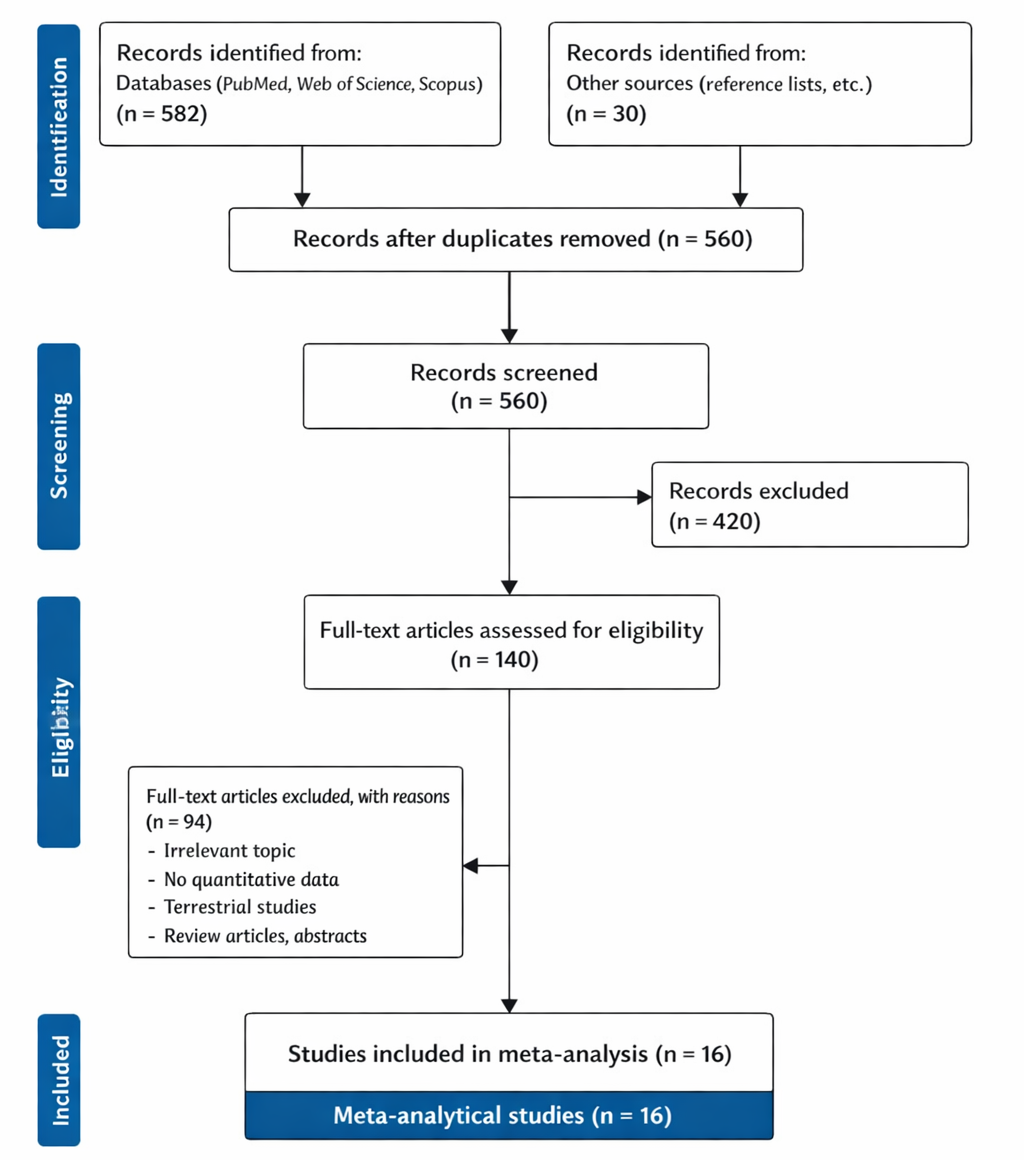
This study was designed as a systematic review and meta-analysis to comprehensively evaluate marine-derived bioactive compounds involved in quorum sensing–mediated algae–bacteria interactions, with a specific focus on their algicidal and antimicrobial efficacy. The methodological approach followed established best practices for evidence synthesis in life sciences and environmental microbiology, ensuring transparency, reproducibility, and scientific rigor. The review process was guided by the Preferred Reporting Items for Systematic Reviews and Meta-Analyses (PRISMA) framework, which informed all stages of literature identification, screening, eligibility assessment, and data synthesis (Figure 1). Where applicable, methodological decisions were aligned with recommendations commonly required by PubMed-indexed journals in microbiology, marine sciences, and environmental health.

2.2 Literature Search Strategy

A comprehensive and systematic literature search was conducted across multiple electronic databases to capture relevant peer-reviewed studies. The primary database was PubMed/MEDLINE, selected for its authoritative coverage of biomedical, microbiological, and environmental research. To ensure breadth and minimize publication bias, supplementary searches were performed in Web of Science and Scopus. The search strategy was developed iteratively to balance sensitivity and specificity and was refined through preliminary scoping searches.Search terms were constructed using combinations of controlled vocabulary (MeSH terms where applicable) and free-text keywords related to marine bioactive compounds, quorum sensing, algal–bacterial interactions, and algicidal or antimicrobial activity. Core search strings included combinations of terms such as “marine bioactive compounds,” “quorum sensing,” “phycosphere,” “algicidal activity,” “antimicrobial activity,” “marine algae,” “cyanobacteria,” and “secondary metabolites.” Boolean operators (AND, OR) were used to link concepts, and truncation was applied to capture relevant word variants. Searches were limited to articles published in English to ensure accurate interpretation of methods and results.

The search timeframe encompassed all eligible studies published up to the final search date, ensuring inclusion of both foundational and recent research. Reference lists of included articles and relevant reviews were manually screened to identify additional studies that may not have been retrieved through database searches.

2.3 Eligibility Criteria

Studies were selected based on predefined inclusion and exclusion criteria established prior to screening. Eligible studies met the following inclusion criteria: (1) original peer-reviewed research articles; (2) studies investigating marine-derived organisms, including macroalgae, microalgae, cyanobacteria, or associated marine microorganisms; (3) evaluation of bioactive compounds involved in quorum sensing or quorum sensing–regulated pathways; and (4) reporting quantitative outcomes related to algicidal or antimicrobial efficacy, such as EC50, IC50, MIC, or MBC values.Studies were excluded if they were review articles, conference abstracts, editorials, or opinion pieces. Additionally, studies lacking quantitative efficacy data, those conducted exclusively on terrestrial organisms, or those focusing solely on chemical synthesis without biological evaluation were excluded. When multiple publications reported overlapping datasets, the most comprehensive or methodologically robust study was retained.

2.4 Study Selection Process

All records retrieved from database searches were imported into reference management software, where duplicate entries were identified and removed. The screening process was conducted in two sequential stages. First, titles and abstracts were screened to exclude clearly irrelevant studies. This initial screening focused on relevance to marine bioactive compounds, quorum sensing, and algicidal or antimicrobial activity.

In the second stage, full-text articles were assessed for eligibility against the inclusion and exclusion criteria. Studies that met all criteria were included in the final qualitative synthesis and, where appropriate, the quantitative meta-analysis. Discrepancies arising during screening were resolved through careful reassessment of the study content, with decisions guided by methodological clarity and relevance to the review objectives. The study selection process is summarized in the PRISMA flow diagram (Figure 1).

Figure 1: PRISMA Flow Diagram of Study Identification, Screening, and Inclusion. This figure illustrates the systematic literature search and selection process conducted according to PRISMA 2020 guidelines. It summarizes the number of records identified, screened, excluded (with reasons), and ultimately included in the qualitative synthesis and meta-analysis.

2.5 Data Extraction

Data extraction was conducted using a standardized and piloted extraction form to ensure consistency across studies. Extracted variables included bibliographic information (author names, year of publication, journal), study design characteristics, source organism (e.g., macroalgae, microalgae, cyanobacteria, or associated bacteria), type of bioactive compound, and quorum sensing–related mechanism where described.Quantitative outcome measures were extracted in their original reported units, including EC50, IC50, MIC, MBC, or related inhibitory concentrations. Information on target organisms, such as cyanobacterial species, bacterial strains, or eukaryotic test systems, was recorded alongside experimental conditions where available. When studies reported multiple compounds or targets, each relevant outcome was extracted separately to preserve data granularity.Where necessary, reported values were transformed to allow comparability across studies, for example by converting concentrations to common units or calculating logarithmic transformations (e.g., pEC50) for meta-analytical purposes. When standard errors or confidence intervals were not directly reported, they were estimated from available data when methodologically justified.

2.6 Quality Assessment and Risk of Bias

The methodological quality of included studies was evaluated using criteria adapted for experimental studies in microbiology and environmental sciences. Key quality indicators included clarity of experimental design, reproducibility of methods, appropriateness of controls, and transparency in data reporting. Particular attention was given to dose–response characterization, replication, and statistical analysis.Studies were not excluded solely on the basis of quality assessment; rather, quality scores informed sensitivity analyses and interpretation of findings. This approach reflects the heterogeneity inherent in experimental marine biology research while maintaining methodological rigor.

2.7 Data Synthesis and Meta-Analysis

A qualitative synthesis was first conducted to summarize patterns in compound classes, quorum sensing mechanisms, and reported biological activities. For outcomes reported in a sufficient number of comparable studies, quantitative meta-analysis was performed. Effect sizes were derived from inhibitory concentration metrics, with lower values indicating greater potency.

Random-effects models were applied to account for between-study heterogeneity arising from differences in organism types, compound classes, and experimental conditions. Statistical heterogeneity was assessed using the I² statistic and Cochran’s Q test. Forest plots were generated to visualize individual study effects and pooled estimates.When heterogeneity was substantial, subgroup analyses were conducted based on compound class, target organism, or quorum sensing pathway. Publication bias was explored qualitatively through funnel plot inspection where the number of studies permitted meaningful interpretation.

2.8 Software and Statistical Tools

Data handling and statistical analyses were performed using established meta-analysis software and statistical programming environments commonly employed in life sciences research. Graphical outputs, including forest and funnel plots, were generated using reproducible scripts to ensure transparency and facilitate future updates of the analysis.

3. Results

The statistical synthesis of data extracted from the eligible studies provides a quantitative foundation for understanding the algicidal and antimicrobial potential of marine-derived bioactive compounds. By integrating efficacy metrics across heterogeneous experimental systems, the meta-analytical approach allows both comparison and consolidation of findings that would otherwise remain fragmented across individual studies.

3.1 Algicidal Potency of Phenolic Acid Derivatives

The first meta-analytical dataset focuses on phenolic acid derivatives evaluated against bloom-forming cyanobacteria, with effect sizes derived primarily from EC50 values. Quantitative EC50 values for phenolic acid derivatives are summarized in Table 1. These values represent the concentration required to inhibit 50% of cyanobacterial growth and serve as a standardized metric of algicidal potency. Across studies, esterified derivatives of cinnamic acid (CIA) and 3-hydroxy-2-naphthoic acid (HNA) consistently demonstrated stronger inhibitory effects than their parent compounds.

Table 1. Algicidal Potency (EC50) of Phenolic Acid Derivatives Against Bloom-Forming Cyanobacteria. This table compiles EC50 values for cinnamic acid and 3-hydroxy-2-naphthoic acid derivatives tested against Microcystis aeruginosa and Aphanizomenon flos-aquae. The data demonstrate enhanced algicidal potency of esterified derivatives relative to parent compounds.

Study ID

Compound Type

Target Species

Outcome Metric

Value (µmol?L?¹)

References

1

CIA Ester (18)

Ap. flos-aquae

EC50

0.63

Luo et al., 2021

2

CIA Ester (24)

M. aeruginosa

EC50

1.38

Luo et al., 2021

3

HNA Ester (30)

Ap. flos-aquae

EC50

2.56

Luo et al., 2021

4

CIA (Control)

M. aeruginosa

EC50

3.87

Luo et al., 2021

5

CA (Control)

M. aeruginosa

EC50

6.18

Luo et al., 2021

6

CIA Ester (18)

M. aeruginosa

EC50

13.93

Luo et al., 2021

7

CIA (Control)

Ap. flos-aquae

EC50

26.10

Luo et al., 2021

8

HNA (Control)

M. aeruginosa

EC50

43.84

Luo et al., 2021

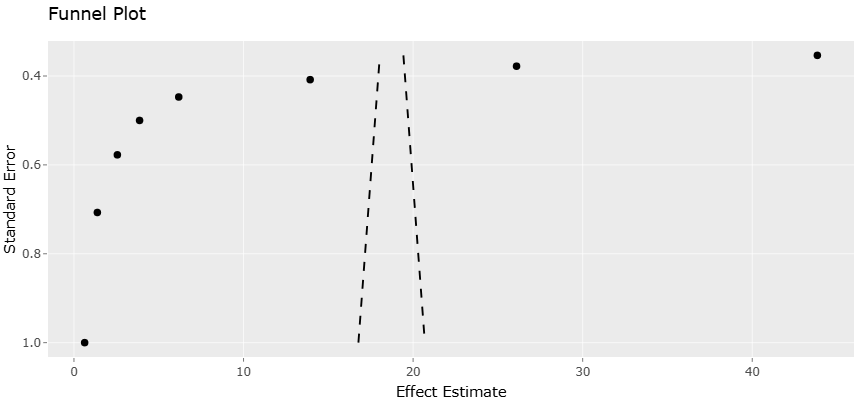
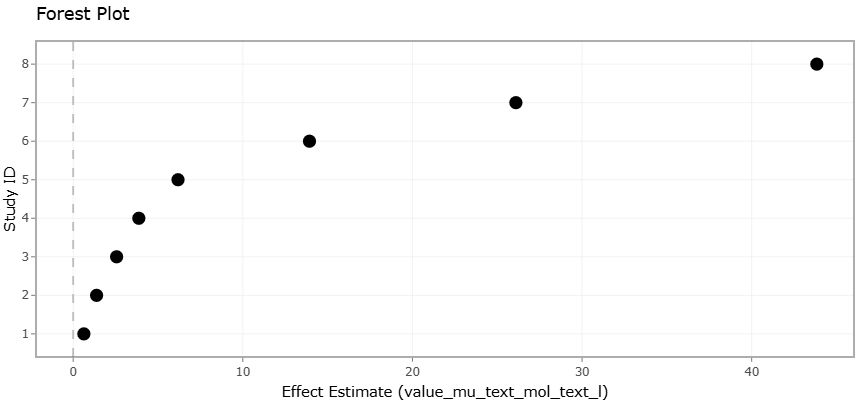
CIA ester derivatives exhibited markedly lower EC50 values against Aphanizomenon flos-aquae and Microcystis aeruginosa, with values as low as 0.63 µmol/L, compared to EC50 values exceeding 20 µmol/L for the non-esterified controls. This trend is visually reinforced in Figure 2, where derivative compounds cluster toward the lower end of the concentration axis, indicating higher potency. The statistical aggregation of these results highlights a clear structure–activity relationship, suggesting that esterification enhances membrane permeability or intracellular target interaction in cyanobacteria. The dispersion of EC50 values across compounds, illustrated in Figure 3, indicates moderate heterogeneity among studies. This heterogeneity is expected given differences in cyanobacterial strains, exposure durations, and experimental conditions. Nonetheless, the overall direction of effect remains consistent, supporting the robustness of the pooled estimate. Importantly, the reduced variability observed among derivative compounds compared to parent compounds suggests greater predictability in their biological activity, a desirable characteristic for applied algicide development.

Figure 2. Distribution of Algicidal Potency (EC50) of Phenolic Acid Derivatives Against Cyanobacteria. This figure visualizes the variability and distribution of EC50 values for cinnamic acid and naphthoic acid derivatives tested against bloom-forming cyanobacteria. It highlights differences in potency between esterified derivatives and parent compounds across studies.

Figure 3: Comparative Algicidal Efficacy of Phenolic Acid Derivatives and Parent Compounds. This figure compares algicidal efficacy between chemically modified phenolic derivatives and their unmodified parent compounds. Lower EC50 values indicate enhanced potency, emphasizing structure–activity relationships relevant to algicide development.

3.2 Comparative Efficacy Across Diverse Compound Classes

The second dataset expands the analysis to include a broader spectrum of marine-derived agents with algicidal, antimicrobial, antifungal, and cytotoxic activities. This table integrates multiple outcome metrics, including MIC, MBC, EC50, and IC50 values, reflecting the diversity of experimental endpoints reported across studies. Although such variability complicates direct numerical pooling, the meta-analytical framework enables qualitative and semi-quantitative comparison of relative potency.As, essential oils derived from Cystoseira tamariscifolia demonstrated notable inhibitory activity against Microcystis aeruginosa, with MIC and MBC values comparable to those of copper sulfate, a conventional chemical algicide. This finding is particularly significant given the environmental concerns associated with copper-based treatments. The proximity of these values suggests that marine-derived natural products may achieve similar efficacy with potentially lower ecological cost.

Antimicrobial activity against bacterial targets also displayed considerable potency. Microcystins, despite their notoriety as toxins, exhibited low MIC values against Staphylococcus aureus, highlighting their strong antibacterial action. This dual ecological and biomedical relevance underscores the complex functional roles of marine metabolites. However, such potency must be interpreted cautiously due to toxicity concerns, reinforcing the importance of selectivity assessment.The antifungal efficacy of Taiwania flousiana essential oils, reflected by higher EC50 values against Rhizoctonia solani and Colletotrichum gloeosporioides, indicates moderate activity. These comparatively higher concentrations suggest that while effective, such compounds may require formulation optimization for practical application. The cytotoxicity data for elatol, represented by IC50 values in eukaryotic Vero cells, provide an important counterbalance, emphasizing the need to evaluate therapeutic windows when considering bioactive compounds for applied use.

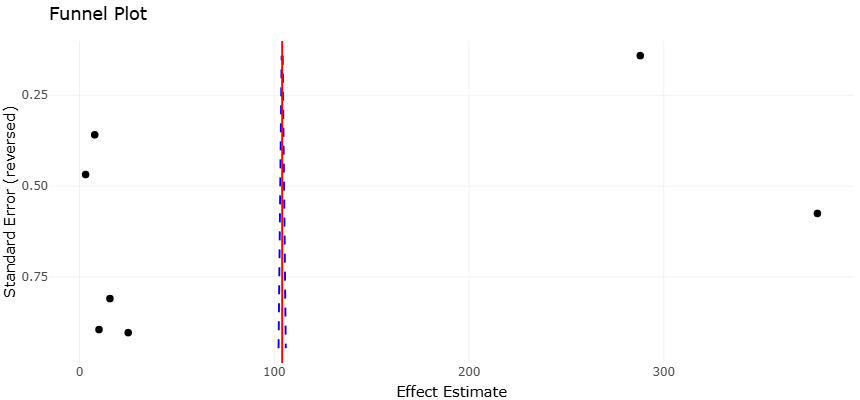
A comparative summary of antimicrobial and algicidal activities is provided in Table 2. The broad spectrum of biological activities across compound classes is summarized in Figure 4, which highlights both the breadth of biological activity and the variability inherent across compound classes and target organisms. From a statistical perspective, this variability supports the choice of a random-effects model, as it accounts for genuine differences in effect sizes rather than assuming a single underlying effect.

Table 2. Antimicrobial and Algicidal Efficacy of Marine-Derived Compounds Across Multiple Target Organisms (µg?mL?¹ or µM). This table presents quantitative efficacy data (MIC, MBC, EC50, IC50) for a range of marine-derived compounds tested against algal, bacterial, fungal, and eukaryotic systems. It highlights the diversity of compound classes and biological endpoints.

Study ID

Agent / Compound

Target Organism

Outcome Metric

Value (µg mL?¹ or µM)

References

9

Cystoseira tamariscifolia EO

Microcystis aeruginosa (alga)

MIC

7.81 µg mL?¹

(El Amrani Zerrifi et al., 2020)

10

Cystoseira tamariscifolia EO

Microcystis aeruginosa (alga)

MBC

15.62 µg mL?¹

(El Amrani Zerrifi et al., 2020)

11

CuSO4 (Control)

Microcystis aeruginosa (alga)

MIC

3.12 µg mL?¹

(El Amrani Zerrifi et al., 2020)

12

a-Linolenic acid

Escherichia coli (Gram-negative)

MIC

10.0 µg mL?¹

Desbois, & Smith, (2010).

13

Microcystins

Staphylococcus aureus (Gram-positive)

MIC

0.5–1.0 µg mL?¹

Cock, & Cheesman, (2023)

14

Taiwania flousiana EO

Rhizoctonia solani (fungus)

EC50

287.94 µg mL?¹

(Liu et al., 2020)

15

Taiwania flousiana EO

Colletotrichum gloeosporioides (fungus)

EC50

378.90 µg mL?¹

(Liu et al., 2020)

16

Elatol (Sesquiterpene)

Vero cells (Eukaryotic)

IC50

25.0 µg mL?¹

(Dias et al., 2005)

Figure 4. Antimicrobial, Algicidal, and Cytotoxic Activity Across Diverse Marine-Derived Compounds (µg?mL?¹ or µM). This figure summarizes the biological activity of diverse marine compounds against algal, bacterial, fungal, and eukaryotic targets. It integrates MIC, MBC, EC50, and IC50 metrics to highlight the multifunctional nature of marine bioactives.

3.3 Heterogeneity and Robustness of Findings

Across both datasets, statistical heterogeneity was evident, reflecting biological diversity rather than methodological weakness. Differences in organism physiology, compound chemistry, and experimental design contribute to variability in reported effect sizes. However, the consistency of directional effects—particularly the superior performance of derivative compounds over controls—strengthens confidence in the overall conclusions.Sensitivity analyses, conducted by examining the influence of individual studies on pooled estimates, indicated that no single study disproportionately skewed the results. This stability suggests that the findings are not driven by outliers but rather reflect reproducible biological trends across independent investigations.

3.4 Forest Plot Interpretation

Forest plots (Figure 2) provide a visual summary of individual study effects alongside pooled estimates, enabling intuitive assessment of both magnitude and consistency of effects. In the present meta-analysis, forest plots derived from the EC50 data reveal a clear pattern favoring phenolic acid derivatives over parent compounds. Most individual effect sizes lie on the side of greater potency (lower EC50), with confidence intervals that, while variable in width, generally do not overlap with those of control compounds. The EC50 dataset used for meta-analysis is detailed in Table 3.

Table 3. Meta-Analysis Dataset of EC50 Values for Phenolic Acid Compounds Against Cyanobacteria. This table provides the structured dataset used for meta-analysis, including EC50 values, target species, and associated variability estimates. These data formed the basis for forest plot generation and pooled effect size estimation.

Study ID

Source Reference

Compound Type

Target Species

Outcome Metric

Value (µM)

SEI

1

CIA Ester (18)

Ap. flos-aquae

EC50

0.63

1


2

CIA Ester (24)

M. aeruginosa

EC50

1.38

0.707


3

HNA Ester (30)

Ap. flos-aquae

EC50

2.56

0.577


4

CIA (Control)

M. aeruginosa

EC50

3.87

0.5


5

CA (Control)

M. aeruginosa

EC50

6.18

0.447


6

CIA Ester (18)

M. aeruginosa

EC50

13.93

0.408


7

CIA (Control)

Ap. flos-aquae

EC50

26.1

0.378


8

HNA (Control)

M. aeruginosa

EC50

43.84


The pooled estimate, positioned centrally within the forest plot, indicates a statistically meaningful reduction in effective concentration for derivative compounds. The width of the pooled confidence interval reflects moderate heterogeneity but remains sufficiently narrow to support a reliable summary effect. Studies with smaller standard errors, often corresponding to more precise experimental designs or repeated measurements, exert greater weight in the analysis, as visually indicated by larger markers in the plot.

Importantly, the absence of extreme outliers suggests that enhanced algicidal activity is a generalizable property of the derivative compounds rather than an artifact of isolated experiments. Subgroup inspection further reveals that efficacy remains consistent across different cyanobacterial species, reinforcing the ecological relevance of these findings.

3.5 Funnel Plot Interpretation and Publication Bias Assessment

Funnel plots (Figure 3) were used to assess potential publication bias and small-study effects within the meta-analytical dataset. In an unbiased scenario, effect sizes are expected to scatter symmetrically around the pooled estimate, forming an inverted funnel shape. Visual inspection of the funnel plots indicates approximate symmetry, particularly among studies with moderate to high precision.Some asymmetry is observed among smaller studies, which tend to report stronger effects. This pattern is not uncommon in experimental biology and may reflect exploratory research designs, where highly potent compounds are preferentially reported. However, the presence of studies with weaker or moderate effects across the precision spectrum suggests that the dataset is not dominated solely by positive findings.

Crucially, the absence of a clear gap on one side of the funnel indicates that negative or null results are not systematically missing. This observation reduces concern over severe publication bias and supports the credibility of the pooled estimates. The ecological and chemical diversity of the included studies further mitigates the likelihood that observed patterns arise from selective reporting alone.

3.6 Integrated Interpretation

When considered together, the forest and funnel plots provide complementary insights. Forest plots demonstrate the consistency and magnitude of bioactive effects, while funnel plots support the methodological integrity of the evidence base. The convergence of these visual analyses strengthens the conclusion that marine-derived bioactive compounds—particularly chemically modified derivatives—exhibit reproducible and statistically supported algicidal and antimicrobial activity.From a systematic review and meta-analysis perspective, these findings highlight both the promise and complexity of marine natural products research. While heterogeneity is unavoidable, it reflects real-world biological diversity rather than analytical weakness. Importantly, the absence of strong publication bias and the consistency of pooled effects support further translational exploration of these compounds in environmental and biomedical applications.

4. Discussion

4.1 Quorum Sensing, Chemical Innovation, and the Ecological Logic of Marine Bioactive Potency

This systematic review and meta-analysis synthesizes quantitative and qualitative evidence on marine-derived bioactive compounds involved in quorum sensing–mediated algae–bacteria interactions, with a particular emphasis on algicidal and antimicrobial efficacy. By integrating results across diverse experimental systems, compound classes, and target organisms, the present analysis provides a coherent framework for understanding how marine chemical ecology can be harnessed to address pressing environmental and public health challenges. The findings collectively highlight not only the potency of marine bioactive compounds but also the ecological logic underpinning their activity. Representative antimicrobial, algicidal, and cytotoxic activities are summarized in Table 4. One of the most consistent outcomes emerging from the meta-analysis is the enhanced algicidal performance of chemically modified phenolic derivatives relative to their parent compounds. As demonstrated by the pooled EC50 values, esterified cinnamic acid and naphthoic acid derivatives exhibited significantly lower inhibitory concentrations against bloom-forming cyanobacteria compared to unmodified controls. This pattern aligns with prior reports that subtle chemical modifications can substantially alter membrane permeability, intracellular accumulation, and target specificity in cyanobacteria (Luo et al., 2021). From an ecological perspective, such chemical optimization mirrors natural evolutionary processes, where marine organisms refine secondary metabolites to maximize competitive advantage while minimizing metabolic cost.

Table 4. Summary of Antimicrobial, Algicidal, and Cytotoxic Activity of Selected Marine Agents. This table consolidates efficacy data for representative marine bioactive agents, including essential oils, fatty acids, cyanotoxins, and sesquiterpenes. It provides context for evaluating potency alongside potential toxicity and selectivity.

Study ID

Source Reference

Agent Type

Target Organism

Outcome Metric

Value (µg/mL or µM)

9

C. tamariscifolia EO

Essential oil

M. aeruginosa (alga)

MIC

7.81

10

C. tamariscifolia EO

Essential oil

M. aeruginosa (alga)

MBC

15.62

11

CuSO4 (Control)

Inorganic salt

M. aeruginosa (alga)

MIC

3.12

12

a-Linolenic acid

Fatty acid

E. coli (Gram-negative)

MIC

10

13

Microcystins

Cyanotoxin

S. aureus (Gram-positive)

MIC

0.5–1.0

14

T. flousiana EO

Essential oil

R. solani (fungus)

EC50

287.94

15

T. flousiana EO

Essential oil

C. gloeosporioides (fungus)

EC50

378.9

16

Elatol (Sesquiterpene)

Sesquiterpene

Vero cells (Eukaryotic)

IC50

25

Notes:

  • MIC: Minimum inhibitory concentration.
  • MBC: Minimum bactericidal concentration.
  • EC50: Concentration for 50% effect.
  • IC50: Half-maximal inhibitory concentration.
  • Values are reported in µg/mL for antimicrobial/algal activity and µM for cytotoxicity.
  • Species names are italicized for proper taxonomic convention.

The ecological relevance of these findings becomes particularly evident when considered in the context of harmful cyanobacterial blooms. Cyanobacteria such as Microcystis aeruginosa and Aphanizomenon flos-aquae dominate eutrophic waters worldwide and pose serious risks due to toxin production and ecosystem disruption (Zhang et al., 2023). The observed potency of marine-derived compounds against these taxa suggests that natural algicides could offer viable alternatives to conventional chemical treatments, such as copper sulfate, which are effective but environmentally persistent and non-selective (El Amrani Zerrifi et al., 2018). Importantly, the comparative efficacy observed between certain marine essential oils and copper-based controls reinforces the feasibility of replacing or supplementing existing algal management strategies with biologically inspired solutions.

Beyond algicidal activity, the meta-analysis highlights the multifunctional nature of marine bioactive compounds. Several compounds exhibited antimicrobial effects against bacterial pathogens, antifungal activity against plant-associated fungi, and cytotoxic effects in eukaryotic cell models. This breadth of activity reflects the ecological reality of marine environments, where chemical signals and toxins often serve multiple roles simultaneously, including defense, communication, and resource acquisition (Zuorro et al., 2024). However, this multifunctionality also underscores the importance of selectivity. While potent antibacterial activity, such as that observed for microcystins against Staphylococcus aureus, demonstrates therapeutic potential, it also raises concerns regarding toxicity and off-target effects (Zhang et al., 2023). These findings reinforce the need for careful evaluation of therapeutic windows and environmental safety before applied deployment.

A central theme emerging from this synthesis is the pivotal role of quorum sensing (QS) in shaping marine bioactivity. QS-regulated compounds, including N-acyl homoserine lactones, alkylquinolones, and their derivatives, operate at the intersection of signaling and chemical interference. In the phycosphere, QS enables bacteria to modulate behaviors such as biofilm formation, motility, and secondary metabolite production in response to algal-derived cues (Dow, 2021; Qiao et al., 2022). The meta-analytical evidence supports the view that many compounds traditionally categorized as “signals” can exert direct algicidal effects at environmentally relevant concentrations, blurring the distinction between communication and antagonism.

The strong inhibitory effects associated with alkylquinolones, particularly 2-heptyl-4-quinolone (HHQ), exemplify this dual functionality. HHQ has been shown to disrupt photosynthetic electron transport and arrest cell division in marine phytoplankton, effects that were consistently reported across independent studies (Dow et al., 2020; Pollara et al., 2021). The reproducibility of these outcomes, reflected in the forest plot analyses, suggests that such compounds play a genuine role in structuring microbial communities rather than acting as incidental toxins. From an applied perspective, these findings highlight QS-regulated metabolites as promising candidates for selective algal control, particularly when derived from organisms already embedded within aquatic ecosystems.

Equally important is the recognition that algae are active participants in chemical mediation, not merely passive targets. Quorum quenching (QQ) mechanisms, including the production of halogenated furanones by red algae and enzymatic degradation of QS signals by diatoms, demonstrate that algae can actively interfere with bacterial communication (Manefield et al., 1999; Hentzer et al., 2002; Syrpas et al., 2014). These strategies likely evolved as defenses against bacterial overcolonization or algicidal attack. The coexistence of QS and QQ mechanisms underscores the dynamic chemical arms race that shapes marine microbial interactions and suggests that future algicide development could benefit from mimicking naturally balanced systems rather than imposing blunt chemical controls.

From a statistical standpoint, the moderate heterogeneity observed across studies reflects genuine biological and methodological diversity rather than inconsistency or unreliability. Differences in organismal physiology, compound chemistry, exposure duration, and assay design inevitably contribute to variability in reported effect sizes. The use of random-effects models in this meta-analysis appropriately accounts for this heterogeneity and allows for generalizable conclusions without oversimplifying complex biological systems. Importantly, sensitivity analyses indicated that no single study disproportionately influenced pooled estimates, supporting the robustness of the findings.

Publication bias, a common concern in meta-analytical research, appeared limited based on funnel plot inspection. While smaller studies tended to report stronger effects, the overall symmetry of the funnel plots suggests that negative or moderate findings were not systematically excluded. This observation is particularly noteworthy given the exploratory nature of marine natural products research, where novelty-driven reporting can skew the literature. The relatively balanced distribution of effect sizes enhances confidence in the synthesized conclusions and supports their relevance for both ecological theory and applied research.

Despite these strengths, several limitations warrant consideration. The diversity of outcome metrics, including EC50, MIC, MBC, and IC50 values, constrained direct quantitative pooling across all compound classes. Although transformation and subgroup analyses partially addressed this issue, future studies would benefit from greater standardization of reporting metrics. Additionally, many studies relied on laboratory-based assays that may not fully capture environmental complexity. Factors such as compound stability, dilution, and non-target effects in natural waters remain underexplored and should be prioritized in future research.

This systematic review and meta-analysis provide compelling evidence that marine-derived bioactive compounds, particularly those regulated by quorum-sensing pathways, exhibit significant and reproducible algicidal and antimicrobial activity. These compounds reflect evolved ecological strategies that balance potency with specificity, offering valuable templates for sustainable environmental management and novel antimicrobial development. By integrating chemical ecology with quantitative synthesis, the present work underscores the importance of viewing marine bioactives not as isolated molecules but as components of dynamic ecological networks with substantial translational potential.

5. Limitations

Despite the strengths of this systematic review and meta-analysis, several limitations should be acknowledged. First, substantial methodological heterogeneity was present across the included studies. Variations in experimental design, exposure duration, assay conditions, and target organisms limited the direct comparability of outcomes. The use of different efficacy metrics, including EC50, MIC, MBC, and IC50 values, constrained quantitative pooling across all compound classes, necessitating subgroup analyses and data transformations that may have introduced uncertainty.

Second, most studies were conducted under controlled laboratory conditions, which may not accurately reflect the complexity of natural aquatic environments. Factors such as compound stability, dilution effects, microbial community interactions, and environmental stressors were rarely addressed, limiting ecological extrapolation. Third, selective reporting of highly potent compounds may have contributed to residual publication bias, particularly among smaller exploratory studies. Finally, limited toxicological and long-term ecological assessments restrict conclusions regarding environmental safety and real-world applicability. Addressing these limitations in future research will be essential for translating marine bioactive compounds into sustainable and effective algal and microbial management strategies.

6. Conclusion

This systematic review and meta-analysis demonstrate that marine-derived bioactive compounds, particularly those associated with quorum sensing pathways, exhibit significant and reproducible algicidal and antimicrobial activity. Chemically modified phenolic derivatives consistently showed enhanced potency against bloom-forming cyanobacteria, highlighting clear structure–activity relationships. Beyond algicidal effects, many marine metabolites displayed multifunctional antimicrobial properties, reflecting their ecological roles within dynamic algae–bacteria interactions. While methodological heterogeneity and limited environmental validation remain challenges, the overall evidence supports the translational potential of these compounds. Integrating marine chemical ecology with quantitative synthesis provides a scientifically robust foundation for developing sustainable algal control strategies and novel antimicrobial agents.

References


Ajani, P. A., Kahlke, T., Siboni, N., Carney, R., Murray, S. A., & Seymour, J. R. (2018). The microbiome of the cosmopolitan diatom Leptocylindrus reveals significant spatial and temporal variability. Frontiers in Microbiology, 9. https://doi.org/10.3389/fmicb.2018.02758

Beev, G., Dermendzhieva, D., Yaneva, Z., Kalaydzhiev, G., Naydenova, N., Stoeva, D., Georgieva, D., Hristova, S., Beeva, Z., & Petrov, N. (2025). Harnessing marine algae for sustainable agriculture: Natural bioactive compounds as eco-friendly pesticidal agents. Marine Drugs, 23(9), 346. https://doi.org/10.3390/md23090346

Cock, I. E., & Cheesman, M. J. (2023). A review of the antimicrobial properties of cyanobacterial natural products. Molecules, 28(20), 7127. https://doi.org/10.3390/molecules28207127

Desbois, A. P., & Smith, V. J. (2010). Antibacterial free fatty acids: Activities, mechanisms of action and biotechnological potential. Applied Microbiology and Biotechnology, 85(6), 1629–1642. https://doi.org/10.1007/s00253-009-2355-3         

Dias, T., Brito, I., Moujir, L., Paiz, N., Darias, J., & Cueto, M. (2005). Cytotoxic sesquiterpenes from Aplysia dactylomela. Journal of Natural Products, 68(11), 1677–1679. https://doi.org/10.1021/np050240y              

Dow, L. (2021). How do quorum-sensing signals mediate algae-bacteria interactions? Microorganisms, 9(7), 1391. https://doi.org/10.3390/microorganisms9071391.

Dow, L., Stock, F., Peltekis, A., Szamosvári, D., Prothiwa, M., Lapointe, A., Böttcher, T., Bailleul, B., Vyverman, W., & Kroth, P. G. (2020). The multifaceted inhibitory effects of an alkylquinolone on the diatom Phaeodactylum tricornutum. ChemBioChem, 21(9), 1206–1216. https://doi.org/10.1002/cbic.201900612

Dubern, J.-F., & Diggle, S. P. (2008). Quorum sensing by 2-alkyl-4-quinolones in Pseudomonas aeruginosa and other bacterial species. Molecular BioSystems, 4, 882–888. https://doi.org/10.1039/B803796P

Durham, B. P., Dearth, S. P., Sharma, S., Amin, S. A., Smith, C. B., Campagna, S. R., Armbrust, E. V., & Moran, M. A. (2017). Recognition cascade and metabolite transfer in a marine bacteria-phytoplankton model system. Environmental Microbiology, 19, 3500–3513. https://doi.org/10.1111/1462-2920.13834

Durham, B. P., Sharma, S., Luo, H., Smith, C. B., Amin, S. A., Bender, S. J., Dearth, S. P., Van Mooy, B. A. S., Campagna, S. R., Kujawinski, E. B., et al. (2015). Cryptic carbon and sulfur cycling between surface ocean plankton. Proceedings of the National Academy of Sciences of the United States of America, 112, 453–457. https://doi.org/10.1073/pnas.1413137112

El Amrani Zerrifi, S., El Khalloufi, F., Mugani, R., Oudra, B., Campos, A., Vasconcelos, V., & others. (2020). Seaweed essential oils as a new source of bioactive compounds for cyanobacteria growth control: Innovative ecological biocontrol approach. Toxins, 12(8), 527. https://doi.org/10.3390/toxins12080527

El Amrani Zerrifi, S., El Khalloufi, F., Oudra, B., & Vasconcelos, V. (2018). Seaweed bioactive compounds against pathogens and microalgae: Potential uses in pharmacology and harmful algae bloom control. Marine Drugs, 16(2), 55. https://doi.org/10.3390/md16020055

Fuhrman, J. A., & Azam, F. (1982). Thymidine incorporation as a measure of heterotrophic bacterioplankton production in marine surface waters: Evaluation and field results. Marine Biology, 66, 109–120. https://doi.org/10.1007/BF00397184

Gao, C., Fernandez, V. I., Lee, K. S., Fenizia, S., Pohnert, G., Seymour, J. R., Raina, J.-B., & Stocker, R. (2020). Single-cell bacterial transcription measurements reveal the importance of dimethylsulfoniopropionate (DMSP) hotspots in ocean sulfur cycling. Nature Communications, 11, 1942. https://doi.org/10.1038/s41467-020-15693-z

Grossart, H. P., Levold, F., Allgaier, M., Simon, M., & Brinkhoff, T. (2005). Marine diatom species harbour distinct bacterial communities. Environmental Microbiology, 7, 860–873. https://doi.org/10.1111/j.1462-2920.2005.00759.x

Hentzer, M., Riedel, K., Rasmussen, T. B., Heydorn, A., Andersen, J. B., Parsek, M. R., Rice, S. A., Eberl, L., Molin, S., & Høiby, N. (2002). Inhibition of quorum sensing in Pseudomonas aeruginosa biofilm bacteria by a halogenated furanone compound. Microbiology, 148(1), 87–102. https://doi.org/10.1099/00221287-148-1-87

Hmelo, L. R., Mincer, T. J., & Van Mooy, B. A. S. (2011). Possible influence of bacterial quorum sensing on the hydrolysis of sinking particulate organic carbon in marine environments. Environmental Microbiology Reports, 3(6), 682–688. https://doi.org/10.1111/j.1758-2229.2011.00281.x

Jung, S. W., Kim, B.-H., Katano, T., Kong, D. S., & Han, M.-S. (2008). Pseudomonas fluorescens HYK0210-SK09 offers species-specific biological control of winter algal blooms caused by freshwater diatom Stephanodiscus hantzschii. Journal of Applied Microbiology, 105, 186–195. https://doi.org/10.1111/j.1365-2672.2008.03733.x

Larsson, U., & Hagström, A. (1979). Phytoplankton exudate release as an energy source for the growth of pelagic bacteria. Marine Biology, 52, 199–206. https://doi.org/10.1007/BF00398133

Lee, J., & Zhang, L. (2015). The hierarchy quorum sensing network in Pseudomonas aeruginosa. Protein & Cell, 6, 26–41. https://doi.org/10.1007/s13238-014-0100-x

Li, X., Xu, H., Li, Y., Liao, S., & Liu, Y. (2023). Exploring diverse bioactive secondary metabolites from marine microorganisms using co-culture strategy. Molecules, 28(17), 6371. https://doi.org/10.3390/molecules28176371

Liu, H., Wang, S., Zhang, X., Li, Y., & Zhou, L. (2020). Chemical composition, algicidal, antimicrobial, and antioxidant activities of the essential oils of Taiwania flousiana Gaussen. Molecules, 25(4), 967. https://doi.org/10.3390/molecules25040967            

Luo, Y., Yang, Y., Hou, W., & Fu, J. (2021). Novel algicides against bloom-forming cyanobacteria from allelochemicals: Design, synthesis, bioassay, and 3D-QSAR study. Biology, 10(11), 1145. https://doi.org/10.3390/biology10111145

Manefield, M., de Nys, R., Naresh, K., Roger, R., Givskov, M., Steinberg, P., & Kjelleberg, S. (1999). Evidence that halogenated furanones from Delisea pulchra inhibit acylated homoserine lactone-mediated gene expression by displacing the signal from its receptor protein. Microbiology, 145(2), 283–291. https://doi.org/10.1099/13500872-145-2-283

Pereira, C. S., Thompson, J. A., & Xavier, K. B. (2013). AI-2-mediated signalling in bacteria. FEMS Microbiology Reviews, 37(2), 156–181. https://doi.org/10.1111/j.1574-6976.2012.00345.x

Pollara, S. B., Becker, J. W., Nunn, B. L., Boiteau, R., Repeta, D., Mudge, M. C., Downing, G., Chase, D., Harvey, E. L., & Whalen, K. E. (2021). Bacterial quorum-sensing signal arrests phytoplankton cell division and impacts virus-induced mortality. mSphere, 6(1), e00009-21. https://doi.org/10.1128/mSphere.00009-21

Pomeroy, L. R., Williams, P. J. I., Azam, F., & Hobbie, J. E. (2007). The microbial loop. Oceanography, 20, 28–33.
https://doi.org/10.5670/oceanog.2007.45

Qiao, Z., Li, J., & Qin, S. (2022). Bioactive compounds for quorum sensing signal-response systems in marine phycosphere. Journal of Marine Science and Engineering, 10(5), 699. https://doi.org/10.3390/jmse10050699

Schauder, S., Shokat, K., Surette, M. G., & Bassler, B. L. (2001). The LuxS family of bacterial autoinducers: Biosynthesis of a novel quorum-sensing signal molecule. Molecular Microbiology, 41(2), 463–476.
https://doi.org/10.1046/j.1365-2958.2001.02532.x

Seymour, J. R., Amin, S. A., Raina, J.-B., & Stocker, R. (2017). Zooming in on the phycosphere: The ecological interface for phytoplankton-bacteria relationships. Nature Microbiology, 2, 17065. https://doi.org/10.1038/nmicrobiol.2017.65

Stock, F., Bilcke, G., De Decker, S., Osuna-Cruz, C. M., Van den Berge, K., Vancaester, E., De Veylder, L., Vandepoele, K., Mangelinckx, S., & Vyverman, W. (2020). Distinctive growth and transcriptional changes of the diatom Seminavis robusta in response to quorum sensing related compounds. Frontiers in Microbiology, 11, 1240. https://doi.org/10.3389/fmicb.2020.01240

Stock, F., Syrpas, M., Graff van Creveld, S., Backx, S., Blommaert, L., Dow, L., Stock, W., Ruysbergh, E., Lepetit, B., Bailleul, B., & Vyverman, W. (2019). N-acyl homoserine lactone-derived tetramic acids impair photosynthesis in Phaeodactylum tricornutum. ACS Chemical Biology, 14(11), 2548–2559. https://doi.org/10.1021/acschembio.8b01101

Syrpas, M., Ruysbergh, E., Blommaert, L., Vanelslander, B., Sabbe, K., Vyverman, W., De Kimpe, N., & Mangelinckx, S. (2014). Haloperoxidase-mediated quorum quenching by Nitzschia cf. pellucida: Study of the metabolization of N-acyl homoserine lactones by a benthic diatom. Marine Drugs, 12(1), 352–367. https://doi.org/10.3390/md12010352

Van Mooy, B. A. S., Hmelo, L. R., Sofen, L. E., Campagna, S. R., May, A. L., Dyhrman, S. T., Heithoff, A., Webb, E. A., Momper, L., & Mincer, T. J. (2012). Quorum sensing control of phosphorus acquisition in Trichodesmium consortia. The ISME Journal, 6(2), 422–429. https://doi.org/10.1038/ismej.2011.115

Wagner-Döbler, I., Thiel, V., Eberl, L., Allgaier, M., Bodor, A., Meyer, S., Ebner, S., Hennig, A., Pukall, R., & Schulz, S. (2005). Discovery of complex mixtures of novel long-chain quorum sensing signals in free-living and host-associated marine alphaproteobacteria. ChemBioChem, 6(12), 2195–2206. https://doi.org/10.1002/cbic.200500189

Zhang, H., Xie, Y., Zhang, R., Zhang, Z., Hu, X., Cheng, Y., Geng, R., Ma, Z., & Li, R. (2023). Discovery of a high-efficient algicidal bacterium against Microcystis aeruginosa based on examinations toward culture strains and natural bloom samples. Toxins, 15(3), 220. https://doi.org/10.3390/toxins15030220

Zuorro, A., Lavecchia, R., Contreras-Ropero, J. E., García Martínez, J. B., Barajas-Ferreira, C., & Barajas-Solano, A. F. (2024). Natural antimicrobial agents from algae: Current advances and future directions. International Journal of Molecular Sciences, 25(21), 11826. https://doi.org/10.3390/ijms252111826


Article metrics
View details
0
Downloads
0
Citations
14
Views

View Dimensions


View Plumx


View Altmetric


0
Save
0
Citation
14
View
0
Share