Microbial Bioactives

Microbial Bioactives | Online ISSN 2209-2161
279
Citations
137.4k
Views
99
Articles
REVIEWS   (Open Access)

Probiotics and the Gut–Brain Connection on Microbial Pathways Supporting Mental Well-Being - A Systematic Review

Christine Maranhão Ribeiro 1*, Thaís Regina Rodrigues Vieira 1

+ Author Affiliations

Microbial Bioactives 8 (1) 1-8 https://doi.org/10.25163/microbbioacts.8110470

Submitted: 04 August 2025 Revised: 01 October 2025  Published: 09 October 2025 


Abstract

The growing recognition of the gut–brain axis has reshaped how we understand emotional and cognitive health. Instead of viewing anxiety, depression, and stress-related conditions solely as neurological challenges, research now highlights the profound influence of the gut’s microbial community on mental well-being. This systematic review brings together recent experimental, clinical, and meta-analytical studies to explore how probiotics support this complex communication network. By examining literature across major scientific databases, the review traces the neural, immune, and hormonal pathways through which gut microbes affect mood and cognition. A consistent theme across studies is the role of gut dysbiosis in disrupting neurotransmitter activity, elevating inflammation, and weakening stress-response mechanisms. In contrast, probiotic supplementation—most notably strains from Lactobacillus and Bifidobacterium—appears to restore balance by enhancing serotonin production, strengthening the gut barrier, and lowering cortisol levels. These changes translate into noticeable improvements in anxiety and depressive symptoms, along with better cognitive performance in both animal models and human trials. Yet, applying these findings broadly remains complex. Individual differences in microbiome composition, variations in probiotic strains and doses, and uncertainties about long-term effects create challenges for universal recommendations. Even so, one message stands out: diet plays a central role in nurturing a healthy gut ecosystem. Embracing probiotic-rich foods and mindful eating habits may offer a gentle, natural path to supporting emotional resilience. Ultimately, probiotics present a promising and accessible addition to holistic mental health strategies, encouraging a deeper appreciation of how nurturing the gut can nurture the mind.

Keywords: Gut–brain axis, probiotics, microbiota, mental health, anxiety, depression, cognition, neuroinflammation, dietary modulation.


1. Introduction

In recent years, scientific interest in the relationship between gut health and mental well-being has surged, largely driven by the groundbreaking discovery of the gut–brain axis—a complex, bidirectional communication network linking the gastrointestinal (GI) tract with the central nervous system (CNS) (Cryan & O’Mahony, 2011). This intricate system allows for constant biochemical and neural exchanges, ensuring that changes in the gut environment can directly influence emotional and cognitive processes. Traditionally, the brain was considered the central command center, functioning independently from other organ systems. However, this paradigm has shifted dramatically as emerging evidence reveals that the gut microbiota—the vast community of bacteria, fungi, and viruses residing in the intestines—plays a crucial role in regulating mood, cognition, stress responses, and overall mental health (Dinan & Cryan, 2017; Furness, 2012).

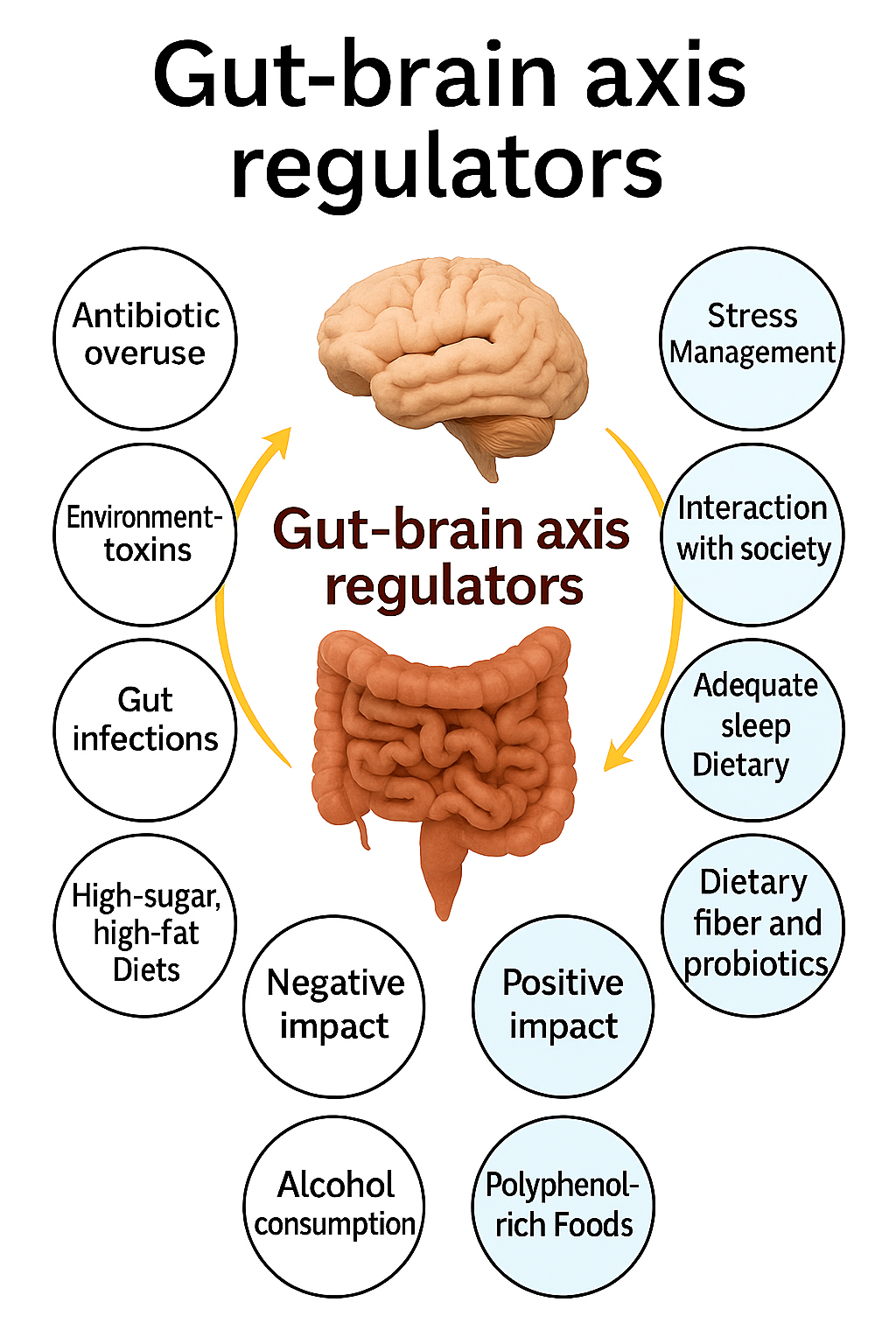
The adage “you are what you eat” has gained new scientific meaning in the context of microbial ecology and mental health. Dietary habits are now known to shape the gut microbiome’s composition, diversity, and stability, influencing host metabolism and neurochemical balance (Mayer, Tillisch, & Gupta, 2015; Ouwehand, Lagström, Wacklin, & Salminen, 2016). A balanced diet rich in fiber, polyphenols, and fermented foods can promote the growth of beneficial microorganisms such as Lactobacillus and Bifidobacterium, which are associated with improved gut integrity and neurochemical regulation. In contrast, diets high in refined sugars, fats, and processed foods disrupt microbial diversity, promoting dysbiosis—a condition linked to inflammation, impaired neurotransmitter production, and heightened vulnerability to mood disorders (Cani et al., 2008; Bischoff et al., 2014).

Probiotics—live microorganisms that confer health benefits to the host when administered in adequate amounts—have emerged as a natural means of restoring microbial balance (Benton, Williams, & Brown, 2007). Found in fermented foods such as yogurt, kimchi, sauerkraut, and kefir, probiotics can modulate intestinal permeability, reduce inflammation, and influence the gut–brain axis through multiple biological mechanisms (Arseneault-Bréard et al., 2012). The most studied probiotic genera, Lactobacillus and Bifidobacterium, have demonstrated psychotropic-like effects in both animal models and human clinical trials, leading to the coining of the term psychobiotics—probiotics that confer mental health benefits by interacting with the gut–brain axis (Dinan, Stanton, & Cryan, 2013).

Experimental evidence supports the ability of probiotics to modulate neurotransmitter systems involved in mood regulation. For example, Lactobacillus rhamnosus ingestion has been shown to alter central GABA receptor expression, leading to reduced anxiety- and depression-like behavior in mice (Bravo et al., 2011). Similarly, certain Bifidobacterium strains enhance serotonin biosynthesis in the gut by influencing the host’s tryptophan metabolism (Yano et al., 2015). Given that approximately 90% of the body’s serotonin—a key neurotransmitter in mood regulation—is synthesized in the gut, microbial modulation of serotonin pathways provides a direct biochemical link between intestinal health and emotional state (Kelly et al., 2015).

The gut–brain axis operates through multiple interrelated mechanisms, including neural, immune, and endocrine signaling pathways. The vagus nerve, a critical conduit connecting the gut to the brainstem, allows for rapid bidirectional communication and plays a pivotal role in regulating mood, stress, and anxiety (Forsythe, Kunze, & Bienenstock, 2012; Ait-Belgnaoui et al., 2012). Additionally, gut microbes produce short-chain fatty acids (SCFAs)—such as butyrate, acetate, and propionate—through the fermentation of dietary fibers. These SCFAs modulate neuroinflammation, strengthen the intestinal barrier, and influence the production of neuroactive molecules (Dalile et al., 2017). When the gut barrier becomes compromised, increased intestinal permeability, often referred to as “leaky gut,” allows pro-inflammatory molecules to enter systemic circulation, triggering neuroinflammatory responses associated with depression and anxiety (Bischoff et al., 2014; Agudelo et al., 2014).

Several clinical and preclinical studies further substantiate the therapeutic potential of probiotics in alleviating mood disorders. In a double-blind, placebo-controlled trial, Lactobacillus helveticus R0052 and Bifidobacterium longum R0175 significantly reduced depression and anxiety scores in human participants, likely by enhancing intestinal barrier integrity and reducing systemic inflammation (Messaoudi et al., 2011). Similarly, Akkasheh et al. (2016) found that probiotic supplementation improved depressive symptoms and metabolic profiles in patients with major depressive disorder. In animal models, probiotic administration has been shown to reverse stress-induced behavioral changes and normalize hippocampal serotonin levels, emphasizing the microbiota’s role in neuroplasticity and emotional regulation (Desbonnet et al., 2010; Clarke et al., 2013).

While these findings are promising, significant challenges remain in translating preclinical results into consistent clinical outcomes. Human studies often vary in probiotic strains, dosage, and duration, making it difficult to identify standardized therapeutic protocols (Bercik, Collins, & Verdu, 2012; Collins & Bercik, 2013). Moreover, individual differences in microbiome composition, diet, genetics, and lifestyle can influence probiotic efficacy. Another limitation lies in the transient nature of probiotic colonization—many strains do not permanently integrate into the host microbiome, necessitating continuous intake for sustained benefits (Ouwehand et al., 2016). Therefore, a deeper understanding of host–microbe interactions, microbial metabolism, and personalized nutrition is required to optimize the clinical use of psychobiotics.

Nonetheless, the emerging evidence underscores the profound interdependence between the gut and brain. Recognizing the gut as a “second brain” shifts the perspective of mental health from a purely neurological framework to a holistic, systemic one that includes diet, microbial ecology, and immune function. This integrated approach opens new avenues for the prevention and treatment of mental disorders, emphasizing that mental wellness begins in the gut. As research continues to unravel the complexities of the microbiome–gut–brain axis, probiotics and dietary interventions hold great promise as complementary strategies for managing stress, anxiety, and depression (Cryan & Dinan, 2012; Dinan, Cryan, & Stanton, 2013).

In conclusion, the gut–brain axis represents a revolutionary paradigm in neuroscience and psychiatry, revealing how the trillions of microbes in our intestines can influence mood, cognition, and behavior. Probiotics, as modulators of this axis, provide a promising, natural approach to enhancing emotional resilience and cognitive performance. By understanding how dietary choices and microbial diversity affect mental well-being, both individuals and healthcare professionals can adopt holistic strategies to foster long-term psychological health.
2. Methods

This review was conducted with the goal of synthesizing current evidence on the intricate relationship between the gut-brain axis, probiotics, diet, and mental health. A systematic yet narrative approach was adopted to capture the breadth and depth of existing research, ensuring that both experimental findings and conceptual insights were represented.

2.1 Literature Search Strategy

A comprehensive literature search was carried out across multiple academic databases, including PubMed, Scopus, Web of Science, and Google Scholar, covering publications from 2000 to 2025. The search combined key terms such as “gut-brain axis,” “microbiota,” “probiotics,” “mental health,” “depression,” “anxiety,” “diet,” “prebiotics,” and “neurotransmitters.” Boolean operators (AND, OR) were used to refine results and identify interdisciplinary studies that connected microbial mechanisms with behavioral or psychological outcomes.

In addition to peer-reviewed journal articles, seminal reviews, and meta-analyses were included to provide historical context and theoretical foundations. Reference lists of relevant papers were manually screened to identify additional studies that might not have appeared in database searches.

2.2 Inclusion and Exclusion Criteria

Studies were included if they:

  • Investigated the relationship between gut microbiota, probiotics, diet, and mental health outcomes;
  • Were published in English in peer-reviewed journals;
  • Provided quantitative or qualitative data relevant to microbiota composition, neurotransmitter activity, or behavioral measures.

Animal and human studies were both considered to ensure a comprehensive understanding of underlying biological mechanisms and translational potential. Excluded materials included editorials, conference abstracts, non-peer-reviewed reports, and articles lacking sufficient methodological transparency.

2.3 Data Extraction and Organization

Relevant data from each study were extracted manually and organized into thematic categories, including:

  1. The structure and mechanisms of the gut-brain axis,
  2. The influence of probiotics on neurotransmission and stress response,
  3. The role of inflammation in mood regulation, and
  4. The impact of diet on microbiota diversity and mental health outcomes.

Information such as study design, probiotic strain or dietary pattern, target population, outcomes measured, and key findings were summarized into comparative data tables. This allowed for the identification of recurring patterns and gaps in the literature.

2.4 Quality Assessment

To ensure reliability, the methodological rigor of each study was assessed using adapted criteria from the PRISMA (Preferred Reporting Items for Systematic Reviews and Meta-Analyses) framework. Factors such as sample size, experimental design, control group presence, and reproducibility were evaluated. Studies with low methodological quality or insufficient data transparency were excluded from synthesis but occasionally referenced for contextual discussion.

2.5 Data Synthesis and Analysis

Given the multidisciplinary nature of this topic, findings were synthesized narratively rather than statistically. Thematic integration was employed to draw connections between biological mechanisms (e.g., neurotransmitter regulation, immune signaling) and psychological outcomes (e.g., anxiety, depression). The synthesis emphasized causative pathways, highlighting both the consistency and variability across studies. Contradictory evidence was critically examined to identify possible confounding factors, such as differences in probiotic strains, dosage, dietary habits, or participant demographics.

2.6 Ethical Considerations

As this work relied entirely on previously published data, no direct ethical approval or participant consent was required. However, ethical principles were maintained by accurately representing study findings, acknowledging all sources, and avoiding selective citation.

Table 1. Key Mechanisms of the Gut–Brain Axis in Regulating Mental Health

Mechanism

Biological Pathway

Effect on Brain Function

Associated Disorders

Supporting Studies

Neural signaling via the vagus nerve

Communication between gut microbiota and brain through the vagus nerve

Modulates mood, stress response, and cognition

Depression, anxiety

Bravo et al. (2011); Desbonnet et al. (2010)

Neurotransmitter production

Microbes synthesize serotonin, GABA, and dopamine precursors

Regulates mood and emotional stability

Depression, bipolar disorder

Dinan & Cryan (2012); Messaoudi et al. (2011)

Immune modulation

Gut microbes regulate cytokine production and inflammation

Reduces neuroinflammation and supports microglial function

Major depressive disorder

Maes et al. (2011); Dalile et al. (2017)

Endocrine signaling (HPA axis)

Microbiota influence cortisol levels and stress response

Balances stress hormones, preventing chronic anxiety

Generalized anxiety disorder

Sudo et al. (2004); Cryan & Dinan (2012)

Note: This table summarizes the major biological mechanisms linking gut microbiota with brain function, highlighting how neural, endocrine, and immune pathways collectively shape emotional and cognitive health.

3. The Gut-Brain Axis: A Bidirectional Communication Network

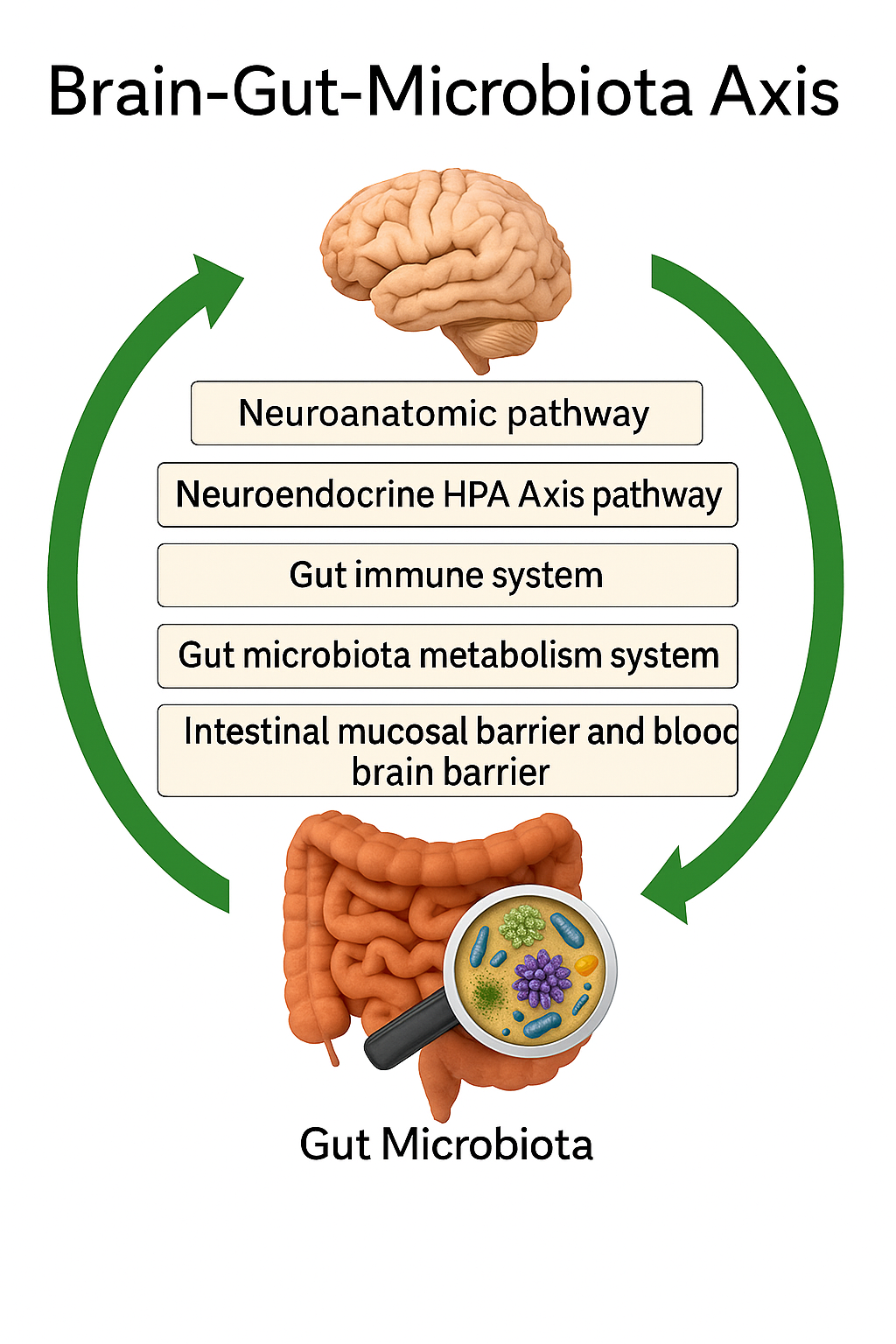
The gut-brain axis (GBA) is a complex, bidirectional communication system that links the gastrointestinal (GI) tract with the central nervous system (CNS). This intricate network operates through multiple pathways, including the nervous system, endocrine signaling, immune responses, and microbial metabolites, allowing for constant interaction between the gut microbiota and the brain. The significance of the GBA lies in its role in regulating physiological and psychological processes, including digestion, immune function, stress responses, and emotional well-being (Dinan & Cryan, 2012).

One of the primary components of the GBA is the enteric nervous system (ENS), often referred to as the "second brain." The ENS is a vast network of neurons embedded within the walls of the gastrointestinal tract, which functions semi-independently but maintains communication with the CNS via the vagus nerve (Furness, 2012). The vagus nerve, a major parasympathetic pathway, serves as a crucial link between the gut and the brain, transmitting sensory information from the gut microbiota to the CNS (Forsythe, Kunze, & Bienenstock, 2014). Studies suggest that probiotic supplementation can enhance vagus nerve activity (Figure 1), influencing mood and cognitive functions (Bravo et al., 2011). Additionally, the hypothalamic-pituitary-adrenal (HPA) axis plays a fundamental role in the stress response, and its dysregulation is associated with mood disorders such as depression and anxiety (Dinan & Cryan, 2012). Stress activates the HPA axis, leading to the release of corticotropin-releasing hormone (CRH), which subsequently triggers the secretion of adrenocorticotropic hormone (ACTH) and cortisol (Sudo et al., 2004). Chronic stress and excessive cortisol production can negatively affect gut barrier integrity, leading to increased intestinal permeability or "leaky gut," which allows pro-inflammatory molecules to enter the bloodstream and influence brain function (Bischoff et al., 2014) (Table 1).

3.1 Neural Pathways of the Gut-Brain Axis

The vagus nerve is one of the most well-researched neural pathways in the GBA, playing a pivotal role in transmitting gut-derived signals to the brain. It carries afferent fibers that detect microbial metabolites and immune signals, influencing neurotransmitter production and stress responses (Bercik, Collins, & Verdu, 2012). Experimental studies have shown that vagal nerve stimulation can alleviate symptoms of depression, highlighting the therapeutic potential of targeting the gut-brain connection (O’Leary et al., 2015).In addition to the vagus nerve, the spinal cord also contributes to gut-brain communication. Sympathetic and parasympathetic fibers innervate the gut, regulating motility, secretion, and immune activity. Disruptions in gut motility are often observed in individuals with mood disorders, suggesting a link between altered neural signaling and psychological well-being (Collins & Bercik, 2013).Moreover, the gut microbiota influence neurotransmitter synthesis, further affecting brain function. Certain bacteria, such as Lactobacillus and Bifidobacterium species, produce gamma-aminobutyric acid (GABA), an inhibitory neurotransmitter that reduces stress and anxiety (Barrett et al., 2012) (Table 2). Other gut microbes contribute to the synthesis of serotonin, a key neurotransmitter involved in mood regulation, with approximately 90% of the body's serotonin being produced in the gut (Yano et al., 2015).

3.2 Endocrine Signaling in the Gut-Brain Axis

The endocrine system plays a significant role in the GBA, primarily through the HPA axis. The gut microbiota influence endocrine responses by modulating stress-related hormone production, which in turn affects mood and cognitive function (Dinan, Cryan, & Stanton, 2013). Dysbiosis, or microbial imbalance, has been linked to excessive HPA axis activation, leading to heightened stress responses and increased vulnerability to depression and anxiety (Kelly et al., 2015).

Short-chain fatty acids (SCFAs), such as butyrate, acetate, and propionate, are key metabolic byproducts of bacterial fermentation that have been shown to regulate neuroendocrine function. These SCFAs influence the release of gut hormones, such as glucagon-like peptide-1 (GLP-1) and peptide YY (PYY), which affect appetite, metabolism, and mood regulation (Dalile et al., 2017). Furthermore, SCFAs have been found to exert anti-inflammatory effects, protecting against neuroinflammation—a contributing factor in many psychiatric disorders (Cryan & Dinan, 2012).

3.3 Immune System Interactions with the Gut-Brain Axis

The immune system is another critical player in the GBA, as the gut microbiota regulate immune responses and inflammatory processes that can influence brain function. The intestinal barrier serves as a protective shield, preventing harmful pathogens and toxins from entering the bloodstream. However, dysbiosis and increased gut permeability can lead to systemic inflammation, which has been implicated in the pathogenesis of mood disorders (Maes et al., 2011).Pro-inflammatory cytokines, such as interleukin-6 (IL-6) and tumor necrosis factor-alpha (TNF-a), have been shown to alter neurotransmitter metabolism and contribute to depressive symptoms (Kiecolt-Glaser et al., 2015). Conversely, beneficial gut bacteria produce anti-inflammatory cytokines that promote a balanced immune response and support brain health (Kelly et al., 2015).

3.4 Microbial Metabolites and Their Role in Mood Regulation

Gut microbes produce a variety of metabolites that influence brain function. In addition to SCFAs, microbial-derived tryptophan metabolites play a crucial role in serotonin synthesis (Clarke et al., 2013). Alterations in tryptophan metabolism have been associated with depressive disorders, emphasizing the role of gut bacteria in mental health (O'Mahony et al., 2015).Another important microbial metabolite is kynurenine, which is derived from tryptophan metabolism. An imbalance in the kynurenine pathway has been linked to neuroinflammation and depression, highlighting the gut’s influence on brain chemistry (Agudelo et al., 2014).

The gut-brain axis represents a sophisticated communication network that integrates neural, endocrine, and immune pathways to regulate mood and cognitive functions. The vagus nerve serves as a primary conduit for gut-brain signaling, while microbial metabolites, neurotransmitters, and inflammatory mediators further modulate this intricate relationship. Disruptions in the GBA, whether due to stress, diet, or dysbiosis, can contribute to mood disorders, underscoring the importance of gut health in mental well-being. Understanding the mechanisms of the GBA opens new avenues for therapeutic interventions, such as probiotics, dietary modifications, and vagal nerve stimulation, to improve mental health outcomes.

Table 2. Probiotic Strains and Their Documented Effects on Mood Disorders

Probiotic Strain

Mechanism of Action

Psychological Outcome

Study Population/Model

Reference

Lactobacillus rhamnosus JB-1

Modulates GABA receptor expression via vagus nerve signaling

Reduces anxiety-like behavior

Mouse model

Bravo et al. (2011)

Bifidobacterium longum NCC3001

Lowers stress-induced HPA activation and systemic inflammation

Reduces anxiety and depressive symptoms

Human and murine studies

Messaoudi et al. (2011)

Lactobacillus helveticus R0052 + Bifidobacterium longum R0175

Reduces cortisol and inflammatory cytokines

Improves mood and stress resilience

Human clinical trial

Messaoudi et al. (2011)

Lactobacillus plantarum P8

Enhances serotonin synthesis and gut integrity

Improves cognition and reduces stress

Human study

Lew et al. (2019)

Bifidobacterium breve CCFM1025

Increases serotonin metabolism and neuroplasticity

Ameliorates depressive symptoms

Murine model

Tian et al. (2021)

Note: This table presents evidence from animal and human studies showing specific probiotic strains that alleviate anxiety and depression through neurochemical and immune mechanisms.

4. The Role of Probiotics in Mood Regulation

The gut microbiota play a significant role in regulating mood and behavior, primarily through their interaction with the gut-brain axis. Specific probiotic strains, particularly those belonging to the Lactobacillus and Bifidobacterium genera (Figure 2), have been extensively studied for their potential to alleviate symptoms of anxiety and depression (Bravo et al., 2011). These probiotics, often referred to as "psychobiotics," influence brain function by modulating neurotransmitter production, reducing inflammation, and improving gut barrier integrity (Dinan, Stanton, & Cryan, 2013). Their effects on mental health have been demonstrated in both animal and human studies, supporting their potential as an adjunct treatment for mood disorders (Messaoudi et al., 2011).

4.1 Probiotics and Neurotransmitter Production

One of the primary ways in which probiotics influence mood is by regulating neurotransmitter levels. The gut microbiota are involved in the production of key neurotransmitters such as serotonin, gamma-aminobutyric acid (GABA), and dopamine, all of which play crucial roles in mood regulation (Desbonnet et al., 2010). Lactobacillus rhamnosus has been shown to increase GABA receptor expression in the brain, leading to reduced anxiety- and depression-like behaviors in animal models (Bravo et al., 2011). Similarly, Bifidobacterium infantis has been found to enhance serotonin metabolism, which is essential for maintaining emotional stability (Desbonnet et al., 2008).The majority of the body's serotonin—approximately 90%—is produced in the gut, where it is synthesized by enterochromaffin cells in response to microbial activity (Yano et al., 2015). Disruptions in gut microbiota composition can lead to altered serotonin levels, contributing to depressive symptoms. Probiotic supplementation has been found to restore serotonin balance and improve mood in both preclinical and clinical studies (Arseneault-Bréard et al., 2012).

4.2 Probiotics and the Stress Response

The hypothalamic-pituitary-adrenal (HPA) axis is a key regulator of the body's stress response, and its dysregulation has been linked to anxiety and depression (Dinan & Cryan, 2012). Chronic stress leads to excessive release of cortisol, which can negatively affect gut microbiota composition and contribute to mood disorders (Ait-Belgnaoui et al., 2012). Studies have shown that probiotics can modulate the HPA axis, reducing stress-induced cortisol levels and mitigating anxiety-related behaviors (Gareau, Wine, & Sherman, 2011).For instance, a study by Messaoudi et al. (2011) demonstrated that supplementation with a probiotic mixture containing Lactobacillus helveticus and Bifidobacterium longum resulted in lower cortisol levels and improved psychological well-being in human participants. Similarly, supplementation with Lactobacillus rhamnosus in mice led to a significant reduction in stress-induced corticosterone secretion and an improvement in anxiety-related behaviors (Bravo et al., 2011).

4.3 Probiotics and Inflammation in Mood Disorders

Chronic inflammation has been implicated in the pathophysiology of depression and anxiety, with elevated levels of pro-inflammatory cytokines such as interleukin-6 (IL-6) and tumor necrosis factor-alpha (TNF-a) observed in individuals with mood disorders (Maes et al., 2011). The gut microbiota play a crucial role in modulating systemic inflammation, and probiotic supplementation has been shown to exert anti-inflammatory effects (Kelly et al., 2015).Studies have indicated that Lactobacillus and Bifidobacterium strains can enhance gut barrier integrity, preventing the translocation of endotoxins and reducing systemic inflammation (Kleiman et al., 2015). For example, Bifidobacterium infantis supplementation has been found to reduce pro-inflammatory cytokine levels while increasing the production of anti-inflammatory molecules, thereby alleviating depressive symptoms in animal models (Desbonnet et al., 2008).

4.4 Clinical Evidence on Probiotics and Mood Disorders

Several clinical trials have investigated the effects of probiotics on mood disorders, providing compelling evidence for their potential therapeutic benefits. A randomized controlled trial by Benton, Williams, and Brown (2007) found that participants who consumed a probiotic-containing milk drink exhibited significantly lower levels of psychological distress compared to the placebo group.Another study by Steenbergen et al. (2015) demonstrated that supplementation with a multi-strain probiotic resulted in reduced cognitive reactivity to sad mood, a predictor of depression relapse. Similarly, Akkasheh et al. (2016) reported that probiotic supplementation in individuals with major depressive disorder led to a significant reduction in depressive symptoms, as measured by the Beck Depression Inventory.

4.5 The Potential of Probiotics as Adjunct Therapy

While conventional antidepressants remain the primary treatment for mood disorders, they often come with side effects and variable efficacy (Rosenblat, McIntyre, & Giacobbe, 2015). The use of probiotics as an adjunct therapy offers a promising alternative, particularly for individuals with mild to moderate depressive symptoms or those seeking a more natural approach to mental health (Wallace & Milev, 2017).Future research should focus on identifying the most effective probiotic strains, optimal dosages, and long-term effects of probiotic supplementation in diverse populations. Personalized probiotic interventions based on individual gut microbiota profiles may offer a more targeted approach to mental health treatment (Dinan & Cryan, 2017).

Probiotics have emerged as a promising tool in the regulation of mood disorders, exerting their effects through neurotransmitter modulation, stress response regulation, and anti-inflammatory mechanisms. The growing body of clinical and preclinical research supports their role as an adjunct treatment for anxiety and depression. However, further large-scale, long-term studies are needed to fully elucidate their therapeutic potential. Given the strong link between gut microbiota and mental health, incorporating probiotics into a balanced diet may serve as a natural and effective strategy for promoting psychological well-being.

5. Inflammatory Pathways and Neurotransmitter Modulation

Inflammation has been increasingly recognized as a crucial factor in the pathophysiology of mood disorders, including depression and anxiety (Maes et al., 2011). Elevated levels of pro-inflammatory cytokines, such as interleukin-6 (IL-6) and tumor necrosis factor-alpha (TNF-a), have been found in individuals suffering from depression, suggesting that immune system dysregulation plays a role in mental health disorders (Miller, Maletic, & Raison, 2009). The gut microbiota contribute to the regulation of systemic inflammation by modulating cytokine production, maintaining the integrity of the intestinal barrier, and influencing the function of the brain’s immune cells (Kelly et al., 2015).Short-chain fatty acids (SCFAs), particularly butyrate, acetate, and propionate, serve as key microbial metabolites with anti-inflammatory properties. These SCFAs are produced by beneficial gut bacteria through the fermentation of dietary fiber and play an essential role in regulating immune responses, supporting brain health, and modulating neurotransmitter function (Dalile et al., 2017). Butyrate, in particular, has been shown to support microglial function, reduce neuroinflammation, and promote neuroprotection, all of which contribute to improved mood and cognitive function (Stilling, van de Wouw, Clarke, & Cryan, 2016).

5.1The Role of Pro-Inflammatory Cytokines in Mood Disorders

Chronic low-grade inflammation is a characteristic feature of many psychiatric conditions, including major depressive disorder (MDD) and generalized anxiety disorder (GAD). Research has demonstrated that increased levels of cytokines, such as IL-1ß, IL-6, and TNF-a, correlate with depressive symptoms and cognitive dysfunction (Kiecolt-Glaser et al., 2015). These cytokines can cross the blood-brain barrier and influence neurotransmitter systems, including serotonin, dopamine, and glutamate, all of which are critical for mood regulation (Haroon, Raison, & Miller, 2012).Inflammatory cytokines disrupt neurotransmission by altering the metabolism of tryptophan, the precursor to serotonin. Under inflammatory conditions, tryptophan is preferentially metabolized via the kynurenine pathway rather than being converted into serotonin (O’Mahony, Clarke, Borre, Dinan, & Cryan, 2015). This shift results in the production of neurotoxic metabolites, such as quinolinic acid, which can contribute to neuroinflammation and excitotoxicity, further exacerbating mood disorders (Agudelo et al., 2014).

5.2 Gut Microbiota and the Regulation of Inflammatory Pathways

The gut microbiota play a significant role in regulating systemic inflammation through multiple mechanisms, including modulating cytokine production and maintaining gut barrier integrity. A balanced gut microbiota helps prevent excessive immune activation by promoting the production of anti-inflammatory cytokines, such as interleukin-10 (IL-10), while suppressing pro-inflammatory responses (Round & Mazmanian, 2010).

Dysbiosis, or an imbalance in gut microbiota composition, has been associated with increased intestinal permeability, commonly referred to as “leaky gut.” This condition allows endotoxins, such as lipopolysaccharides (LPS), to enter the bloodstream and trigger systemic inflammation (Cani et al., 2008). Elevated LPS levels have been linked to increased production of pro-inflammatory cytokines and disruptions in the gut-brain axis, contributing to the development of depressive and anxious behaviors (Kelly et al., 2015).Studies have shown that probiotic supplementation can help restore microbial balance, reduce intestinal permeability, and lower systemic inflammation (Kleiman et al., 2015). For example, Lactobacillus and Bifidobacterium species have been found to strengthen tight junction proteins in the gut epithelium, preventing the translocation of inflammatory molecules into circulation (Schroeder & Bäckhed, 2016).

5.3 SCFAs and Neuroinflammation Modulation

SCFAs, particularly butyrate, acetate, and propionate, exert profound effects on neuroinflammation and neurotransmitter modulation. Butyrate, a key SCFA produced by Firmicutes bacteria, has been shown to enhance gut barrier function, reduce inflammation, and support brain health by influencing gene expression and histone deacetylation (Dalile et al., 2017).One of butyrate’s most notable effects is its ability to regulate microglial activity. Microglia, the resident immune cells of the brain, play a crucial role in responding to infection, injury, and inflammation. However, excessive microglial activation has been implicated in neurodegenerative and psychiatric disorders (Erny, Hrabe de Angelis, & Prinz, 2017). Butyrate helps maintain microglial homeostasis by inhibiting the activation of pro-inflammatory pathways, reducing oxidative stress, and promoting neuroprotection (Stilling et al., 2016).

Additionally, SCFAs have been found to influence neurotransmitter synthesis. Butyrate and propionate have been shown to increase brain-derived neurotrophic factor (BDNF) levels, a protein essential for neuronal growth, plasticity, and mood regulation (Bested, Logan, & Selhub, 2013). Low BDNF levels have been associated with depression, and interventions that enhance BDNF expression, such as probiotic supplementation and dietary fiber intake, may offer therapeutic benefits for mood disorders (Savignac, Tramullas, Kiely, & Dinan, 2016) (Table 3).

5.4 Clinical Evidence on the Inflammation-Mood Connection

Several clinical studies have provided evidence supporting the link between inflammation and mood disorders. A meta-analysis conducted by Dowlati et al. (2010) found that individuals with depression exhibited significantly higher levels of circulating pro-inflammatory cytokines, particularly IL-6 and TNF-a, compared to healthy controls.Moreover, anti-inflammatory treatments have shown promise in alleviating depressive symptoms. For example, nonsteroidal anti-inflammatory drugs (NSAIDs) and cytokine inhibitors have demonstrated antidepressant effects in some clinical trials, further highlighting the role of inflammation in mood regulation (Kohler et al., 2014). However, dietary and probiotic interventions may offer a safer and more sustainable approach to reducing neuroinflammation and improving mental health.

A study by Steenbergen et al. (2015) found that supplementation with a multi-strain probiotic significantly reduced cognitive reactivity to sad mood in healthy individuals, suggesting that modulating the gut microbiota could influence emotional processing. Similarly, administration of Bifidobacterium infantis in rodents resulted in reduced IL-6 levels and improvements in stress-induced behavioral changes (Desbonnet et al., 2010).

Chronic inflammation is a critical factor in the development of mood disorders, with pro-inflammatory cytokines, gut dysbiosis, and neuroinflammatory processes all contributing to altered neurotransmitter function. The gut microbiota, through the production of SCFAs and regulation of the immune response, play a key role in modulating inflammation and supporting mental health. Butyrate and other microbial metabolites have been shown to enhance neuroprotection, regulate microglial activity, and promote neurotransmitter balance. Given the strong connection between gut health and mood disorders, interventions that target inflammation, such as probiotic supplementation and dietary modifications, hold great potential for improving mental well-being.

Table 3. Short-Chain Fatty Acids (SCFAs) and Their Neurophysiological Roles

SCFA Type

Primary Microbial Producers

Mechanistic Role

Effect on Brain and Behavior

Reference

Acetate

Bifidobacterium, Akkermansia

Crosses blood-brain barrier, modulates appetite and energy metabolism

Enhances satiety and emotional regulation

Frost et al. (2014)

Propionate

Bacteroides, Veillonella

Regulates gluconeogenesis and neurotransmitter balance

Reduces anxiety and depressive-like behavior

De Vadder et al. (2014)

Butyrate

Faecalibacterium prausnitzii, Eubacterium rectale

Supports microglial health, reduces neuroinflammation

Improves cognitive function and stress tolerance

Dalile et al. (2017)

Valerate

Clostridium spp.

Enhances synaptic plasticity and GABA synthesis

Promotes mood stabilization

Stilling et al. (2016)

Note: This table details the functions of key SCFAs produced by gut microbiota, emphasizing their roles in neuroinflammation reduction, neurotransmission regulation, and cognitive health.

6. Diet, Microbiota, and Mental Health

Diet plays a crucial role in shaping gut microbiota composition, which in turn influences mental health. A fiber-rich diet, abundant in prebiotics, supports the growth of beneficial bacteria that contribute to emotional resilience and cognitive well-being (David et al., 2014). Conversely, the modern Western diet, characterized by high levels of processed foods, refined sugars, and unhealthy fats, promotes gut dysbiosis, increasing susceptibility to mood disorders such as depression and anxiety (Jacka et al., 2010).Recent research highlights the importance of dietary patterns, particularly the Mediterranean diet, in promoting gut health and improving mental well-being. The Mediterranean diet, rich in fruits, vegetables, whole grains, legumes, nuts, and healthy fats, has been associated with reduced inflammation, enhanced gut microbial diversity, and a lower risk of depressive symptoms (Sánchez-Villegas et al., 2015). This section explores how different dietary components influence gut microbiota composition and their subsequent effects on mental health (Table 4).

6.1 The Impact of Dietary Fiber and Prebiotics on Emotional Resilience

Prebiotics are non-digestible dietary fibers that serve as a food source for beneficial gut bacteria. Found in foods such as onions, garlic, bananas, asparagus, and whole grains, prebiotics stimulate the growth of Lactobacillus and Bifidobacterium species, which are known to have positive effects on mood and cognition (Gibson et al., 2017).A study by Schmidt et al. (2015) demonstrated that individuals consuming a high-prebiotic diet exhibited lower cortisol levels and improved emotional regulation, suggesting a direct link between fiber intake, stress response, and mental well-being. Similarly, prebiotic consumption has been shown to enhance the production of short-chain fatty acids (SCFAs), particularly butyrate, which exerts anti-inflammatory and neuroprotective effects (Dalile et al., 2017).

6.2 The Western Diet and Gut Dysbiosis: A Pathway to Mood Disorders

The Western diet, high in processed foods, refined carbohydrates, and saturated fats, negatively impacts gut microbiota composition. Excessive consumption of sugar and artificial additives promotes the growth of harmful bacteria while reducing microbial diversity, leading to increased gut permeability and systemic inflammation (Klement & Pazienza, 2019).High-fat and high-sugar diets have been linked to an increased risk of depression and anxiety due to their effects on gut microbiota and neurotransmitter balance. A study by Lopresti et al. (2013) found that individuals who consumed diets rich in processed foods exhibited higher levels of systemic inflammation and depressive symptoms compared to those following whole-food diets. Furthermore, refined sugars contribute to blood sugar fluctuations, which can exacerbate mood instability and cognitive dysfunction (Jacka et al., 2010).The excessive intake of artificial sweeteners, such as aspartame and saccharin, has also been associated with negative effects on gut microbiota. Research suggests that artificial sweeteners disrupt the balance of gut bacteria, leading to metabolic and mood-related disturbances (Suez et al., 2014).

6.3 The Mediterranean Diet and Its Protective Effects on Mental Health

The Mediterranean diet has been widely studied for its positive effects on both gut health and psychological well-being. Characterized by high consumption of fiber, healthy fats (such as olive oil and omega-3 fatty acids), and antioxidant-rich foods, this diet has been linked to a reduced risk of mood disorders and cognitive decline (Sánchez-Villegas et al., 2015).A randomized controlled trial by Jacka et al. (2017) found that participants with moderate-to-severe depression who followed a Mediterranean-style diet for 12 weeks experienced significant improvements in depressive symptoms compared to those receiving standard social support. The researchers attributed these benefits to the diet’s anti-inflammatory properties, its ability to support gut microbiota diversity, and the neuroprotective effects of omega-3 fatty acids.

Omega-3 fatty acids, found in fatty fish, flaxseeds, and walnuts, play a crucial role in brain function and mood regulation. These essential fatty acids contribute to the integrity of neuronal membranes, modulate neurotransmitter function, and reduce neuroinflammation (Grosso et al., 2014). Research has shown that individuals with higher dietary intake of omega-3s have lower rates of depression and anxiety (Su et al., 2018).

6.4 The Role of Polyphenols and Fermented Foods in Mental Well-Being

Polyphenols are plant-based compounds found in foods such as berries, tea, coffee, and dark chocolate. These compounds possess antioxidant and anti-inflammatory properties, which help protect the gut microbiota and support cognitive function (Selhub et al., 2014). Studies have shown that polyphenols can modulate gut bacteria by promoting the growth of beneficial microbes and reducing oxidative stress in the brain (Pérez-Cano & Castell, 2016).

Fermented foods, including yogurt, kefir, kimchi, and sauerkraut, are another key component of a gut-friendly diet. These foods contain probiotics that enhance microbial diversity and support gut-brain communication. A study by Tillisch et al. (2013) found that women who consumed probiotic-rich yogurt exhibited changes in brain activity related to emotional processing, suggesting that dietary probiotics can influence mood and cognitive function.

6.5 Clinical Evidence Supporting the Diet-Mental Health Connection

Several clinical studies have reinforced the link between dietary patterns, gut microbiota, and mental health outcomes. The PREDIMED study, a large-scale trial investigating the effects of the Mediterranean diet on cardiovascular and cognitive health, found that adherence to this dietary pattern was associated with a lower incidence of depression (Martínez-González et al., 2015).Additionally, a meta-analysis by Lassale et al. (2019) reviewed 41 studies examining the relationship between diet quality and mental health. The findings indicated that individuals following a healthy, anti-inflammatory diet had a significantly lower risk of depression, whereas those consuming a pro-inflammatory diet (high in processed foods and sugar) exhibited increased rates of mood disorders.

Table 4. Dietary Patterns, Gut Microbiota Composition, and Mental Health Outcomes

Dietary Pattern

Microbiota Impact

Inflammation Status

Associated Mental Health Outcome

References

Western diet (high sugar and fat, low fiber)

Promotes Firmicutes/Bacteroidetes imbalance

Increases systemic inflammation

Heightened risk of depression and anxiety

Jacka et al. (2010); Logan & Jacka (2014)

Mediterranean diet (rich in fiber, polyphenols, omega-3s)

Increases beneficial bacteria (Bifidobacteria, Lactobacilli)

Reduces inflammation and oxidative stress

Decreased risk of depression

Sánchez-Villegas et al. (2015)

Plant-based diet

Promotes diversity and SCFA production

Enhances immune regulation

Improved mood and emotional stability

David et al. (2014)

High-fiber diet with prebiotics

Stimulates Bifidobacteria and Faecalibacterium prausnitzii

Lowers pro-inflammatory cytokines

Reduces stress and anxiety symptoms

Schmidt et al. (2015)

Note: This table outlines how different dietary patterns shape gut microbiota composition and inflammation levels, ultimately influencing mental health outcomes.


7. Conclusion

The gut–brain axis represents a vital communication pathway linking digestive and mental health, and growing evidence highlights its profound influence on mood regulation. Diet and probiotics play pivotal roles in maintaining this balance by shaping gut microbiota composition and modulating neural, endocrine, and immune interactions. Disruptions in gut microbial equilibrium—often driven by poor diet or inflammation—are increasingly associated with depression and anxiety. Probiotic strains such as Lactobacillus and Bifidobacterium have shown significant potential in enhancing neurotransmitter activity, reducing inflammation, and strengthening gut barrier function, all of which contribute to improved emotional stability. Likewise, fiber-rich and Mediterranean-style diets support beneficial microbes and reduce psychological distress. Together, these findings emphasize that nurturing gut health offers a natural and integrative pathway to mental well-being. Continued research into probiotic and dietary interventions promises to transform conventional psychiatric care into a more holistic, personalized, and preventative health approach

References


Agudelo, L. Z., Ferreira, D. M., Cervenka, I., Kynurenic acid and neuroinflammation: implications for major depression. Neuroscience & Biobehavioral Reviews, 47, 525-535 (2014).

Ait-Belgnaoui, A., Bradesi, S., Fioramonti, J., The Vagus Nerve at the Interface of the Microbiota-Gut-Brain Axis. Frontiers in Neuroscience, 6, 64 (2012).

 Akkasheh, G., Kashani-Poor, Z., Tajabadi-Ebrahimi, M., Clinical and metabolic response to probiotic administration in patients with major depressive disorder: A randomized, double-blind, placebo-controlled trial. Nutrition, 32(3), 315-320 (2016).

Arseneault-Bréard, J., Rondeau, I., Gilbert, K., Combination of Lactobacillus helveticus R0052 and Bifidobacterium longum R0175 reduces post-myocardial infarction depression symptoms and restores intestinal permeability in rats. British Journal of Nutrition, 107(12), 1793-1799 (2012).

Barrett, E., Ross, R. P., O'Toole, P. W., Fitzgerald, G. F., & Stanton, C. γ-Aminobutyric acid production by Lactobacillus species: Dependence on physiological state of the bacteria. Applied and Environmental Microbiology, 78(12), 4413-4420 (2012).

Benton, D., Williams, C., & Brown, A. The influence of probiotics on mood. European Journal of Clinical Nutrition, 61(4), 511-515 (2007).

 Bercik, P., Collins, S. M., & Verdu, E. F. Microbes and the gut-brain axis. Neurogastroenterology & Motility, 24(5), 405-413 (2012).

Bischoff, S. C., Barbara, G., Buurman, W., Intestinal permeability – A new target for disease prevention and therapy. BMC Gastroenterology, 14, 189 (2014).

 Bravo, J. A., Forsythe, P., Chew, M. V., Ingestion of Lactobacillus rhamnosus modulates emotional behavior and central GABA receptor expression in a mouse model of anxiety and depression. PNAS, 108(38), 16050-16055 (2011).

Cani, P. D., Bibiloni, R., Knauf, C. Changes in gut microbiota control inflammation in obesity. Nature, 450(7168), 1069-1070 (2008).

Clarke, G., Grenham, S., Scully, P., The microbiome-gut-brain axis during early life regulates the hippocampal serotonergic system in a sex-dependent manner. Molecular Psychiatry, 18(6), 666-673 (2013).

Collins, S. M., & Bercik, P. The relationship between intestinal microbiota and the CNS in functional bowel disorders. Gastroenterology, 144(4), 903-911 (2013).

 Cryan, J. F., & Dinan, T. G. Mind-altering microorganisms: The impact of the gut microbiota on brain and behavior. Nature Reviews Neuroscience, 13(10), 701-712 (2012).

Desbonnet, L., Garrett, L., Clarke, G., The probiotic Bifidobacteria infantis: An assessment of potential antidepressant properties in the rat. Journal of Psychiatric Research, 44(4), 317-327 (2010).

Dinan, T. G., & Cryan, J. F. (2017). The microbiome–gut–brain axis in health and disease. Gastroenterology Clinics of North America, 46(1),

Dinan, T. G., Cryan, J. F., & Stanton, C. Gut microbiota: A missing link in psychiatry? World Psychiatry, 12(2), 157-160 (2013).

Dinan, T. G., Stanton, C., & Cryan, J. F. Psychobiotics: A novel class of psychotropic. Biological Psychiatry, 74(10), 720-726 (2013).

Furness, J. B. The enteric nervous system and neurogastroenterology. Nature Reviews Gastroenterology & Hepatology, 9(5), 286-294 (2012).

 Kelly, J. R., Borre, Y., O'Brien, C., Transferring the blues: Depression-associated gut microbiota induces neurobehavioral changes in the rat. Journal of Psychiatric Research, 82, 109-118 (2015).

Messaoudi, M., Lalonde, R., Violle, N., Assessment of psychotropic-like properties of a probiotic formulation. Nutrition Neuroscience, 14(5), 226-234 (2011).

Ouwehand, A. C., Lagström, H., Wacklin, P., & Salminen, S. (2016). The role of the gut microbiota in host metabolism: Bridging the interplay of a healthy gut. Beneficial Microbes, 7(5), 707-715. https://doi.org/10.3920/BM2016.0041

 Yano, J. M., Yu, K., Donaldson, G. P., Indigenous bacteria from the gut microbiota regulate host serotonin biosynthesis. Cell, 161(2), 264-276 (2015).


View Dimensions


View Plumx


View Altmetric


0
Save
0
Citation
222
View
0
Share