Journal of Primeasia

Integrative Disciplinary Research | Online ISSN 3064-9870 | Print ISSN 3069-4353
570
Citations
220.6k
Views
147
Articles
Your new experience awaits. Try the new design now and help us make it even better
Switch to the new experience
Figures and Tables
REVIEWS   (Open Access)

Biowaste-Derived Carbon Materials for Electrochemical Energy Storage: A Systematic Review and Meta-Analytical Perspective on Fishery and Agricultural Residues

Anisul Islam Opy 1*

+ Author Affiliations

Journal of Primeasia 7 (1) 1-8 https://doi.org/10.25163/primeasia.7110768

Submitted: 01 April 2026 Revised: 23 May 2026  Published: 06 June 2026 


Abstract

The valorization of biowaste into high-performance carbon materials has emerged as a promising strategy for sustainable electrochemical energy storage. Fishery and agricultural residues, which are abundant and underutilized, offer a renewable and environmentally friendly feedstock for the synthesis of heteroatom-doped porous carbons. These materials exhibit hierarchical pore structures, high surface areas, and enhanced electrochemical properties, making them suitable for lithium-ion, lithium–sulfur batteries, and supercapacitors. Despite the proliferation of experimental studies, the performance metrics of biowaste-derived carbons vary widely due to differences in precursor composition, processing methods, and electrochemical configurations. This systematic review and meta-analysis consolidate experimental data from fish-derived residues (scales, skins, bones, shells) and lignocellulosic agricultural residues (almond shells, crop stalks, fruit stones), evaluating their physicochemical characteristics, electrochemical performance, and sustainability potential. Quantitative synthesis highlights trends in reversible capacity, rate capability, and cycle stability, identifying the influence of precursor type, pore architecture, and heteroatom content. Findings indicate that fishery waste carbons can outperform conventional graphite anodes in lithium-ion systems, while agricultural residues serve as efficient sulfur hosts in lithium–sulfur batteries, mitigating polysulfide shuttling. Additionally, both waste sources enhance supercapacitor performance through high capacitance retention and power density. By providing a statistically grounded assessment of biowaste-derived carbon materials, this study informs future electrode design, promotes circular economy approaches, and underscores the potential of sustainable biomass for next-generation energy storage technologies.

Keywords: Biowaste, Fishery residues, Agricultural residues, Carbon materials, Lithium-ion batteries, Lithium–sulfur batteries, Supercapacitors, Energy storage, Sustainable materials

1. Introduction

The global energy landscape is undergoing a profound transformation driven by escalating energy demand, climate instability, and mounting environmental degradation. Conventional fossil-fuel–dependent systems are increasingly incompatible with international sustainability targets, necessitating the rapid development of clean, efficient, and scalable energy storage technologies (Lionetto et al., 2021; Winter et al., 2018). At the same time, modern applications—including electric vehicles, grid-level storage, and portable electronics—require electrochemical energy systems with higher energy density, longer cycle life, and improved safety (Ryu et al., 2019; Thackeray et al., 2012). These dual pressures have intensified interest in alternative electrode materials that are not only high-performing but also environmentally sustainable.

Among emerging solutions, biomass and biowaste have gained significant attention as renewable and low-cost precursors for next-generation energy storage materials (Demirbaş, 2001; Gao et al., 2018). Biomass encompasses a vast array of organic residues originating from plants, animals, and industrial processing streams, with global production reaching hundreds of gigatons annually (Bar-On et al., 2018). Despite this abundance, a substantial fraction of biomass is discarded or incinerated, contributing to greenhouse gas emissions and ecological degradation (Malmgren & Riley, 2012). Valorizing these residues into functional materials aligns closely with circular economy principles by simultaneously reducing waste burdens and offsetting reliance on finite raw materials (Larcher & Tarascon, 2015).

A particularly compelling yet underutilized biomass source is biowaste generated by the aquatic and fish processing industries. Large volumes of fish scales, skins, bones, fins, and shells are discarded globally, accounting for approximately 50–75% of total seafood biomass and amounting to 7.2–12 million tons of waste per year (Qin et al., 2022; Sotelo et al., 2021). Improper disposal of these residues contributes to oxygen depletion in marine ecosystems and poses serious ecological risks (Lionetto & Esposito Corcione, 2021; Yaman, 2004). However, from a materials science perspective, fishery waste is uniquely valuable due to its intrinsic enrichment in carbon, nitrogen, oxygen, sulfur, and hydrogen—elements that are critical for electrochemical functionality (Selvamani et al., 2015; Tang et al., 2020).

Through thermochemical processes such as pyrolysis, carbonization, and chemical activation, fish-derived residues can be transformed into heteroatom-doped nanoporous carbons with tailored pore structures and exceptionally high surface areas, in some cases exceeding 3000 m² g⁻¹ (Deng et al., 2016; Sevilla et al., 2018). These properties are particularly advantageous for electrochemical energy storage, where ion transport kinetics, electrode–electrolyte interactions, and structural stability dictate performance (Simon et al., 2014). Experimental studies have demonstrated that carbons derived from fish scales, crab shells, and shrimp shells exhibit superior lithium and sodium storage capacities compared to conventional graphite anodes (Selvamani et al., 2015; Wang et al., 2018).

In parallel, lignocellulosic agricultural residues—including almond shells, walnut shells, fruit stones, and crop stalks—represent another abundant and sustainable class of biomass precursors (Benítez et al., 2018; Zhang et al., 2015). Unlike food-based carbon sources, these non-edible residues do not compete with human nutrition or agricultural land use (Yuan et al., 2021). Their inherent cellulose, hemicellulose, and lignin content enables the formation of robust carbon frameworks with tunable micro- and mesoporosity (Dutta et al., 2014; Titirici & Antonietti, 2010). Such structures are particularly well suited for hosting electrochemically active species in advanced battery systems.

Lithium-ion batteries (LIBs), which dominate the current energy storage market, rely heavily on commercial graphite anodes with a theoretical capacity limited to 372 mAh g⁻¹ (Zhang et al., 2015). These materials also suffer from structural degradation and limited rate performance under high-demand conditions (Senthil & Lee, 2021). Biomass-derived carbons, by contrast, offer hierarchical pore networks and abundant defect sites that facilitate rapid ion diffusion and enhance reversible capacity (Long et al., 2017). Fish-waste-derived carbons, in particular, have demonstrated capacities far exceeding that of graphite, highlighting their promise as sustainable anode alternatives.

Beyond LIBs, lithium–sulfur (Li–S) batteries represent a next-generation technology with a theoretical specific capacity of 1675 mAh g⁻¹, substantially higher than conventional lithium-ion systems (Akridge et al., 2004; Bresser et al., 2013). Despite this advantage, Li–S batteries are hindered by the polysulfide shuttle effect, which leads to rapid capacity fading and poor cycle life (Nelson et al., 2012; Zhang, 2013). Biomass-derived porous carbons—particularly those derived from almond shells, cherry pits, olive stones, and agricultural residues—have proven effective as sulfur hosts that physically confine polysulfides and enhance electrochemical stability (Benítez et al., 2018; Moreno et al., 2014; Wu et al., 2016).

Supercapacitors further benefit from biowaste valorization due to their reliance on high surface area and surface chemistry rather than bulk crystallinity (Simon et al., 2014). Engineered biochars derived from both fishery and agricultural waste have demonstrated excellent capacitance retention and power density, especially when naturally doped with nitrogen or sulfur (Dos Reis et al., 2020). Moreover, protein-rich animal wastes such as fish scales and feathers have enabled the development of unconventional energy systems, including protein batteries and metal-free electrocatalysts for fuel cells (Guo et al., 2017; Hussain et al., 2020).

While individual experimental studies strongly support the promise of biowaste-derived materials, performance metrics vary widely depending on feedstock composition, synthesis conditions, and electrochemical configuration. To date, a quantitative synthesis of these results remains limited. Systematic review and meta-analysis offer a powerful framework for consolidating dispersed experimental evidence, identifying performance trends, and evaluating the statistical robustness of reported capacities and efficiencies (Anthony et al., 2021). By integrating data across fishery and agricultural biomass sources, this study provides a comprehensive and statistically grounded assessment of biowaste-derived carbons in electrochemical energy storage systems.
2. Materials and Methods

2.1. Literature Search Strategy

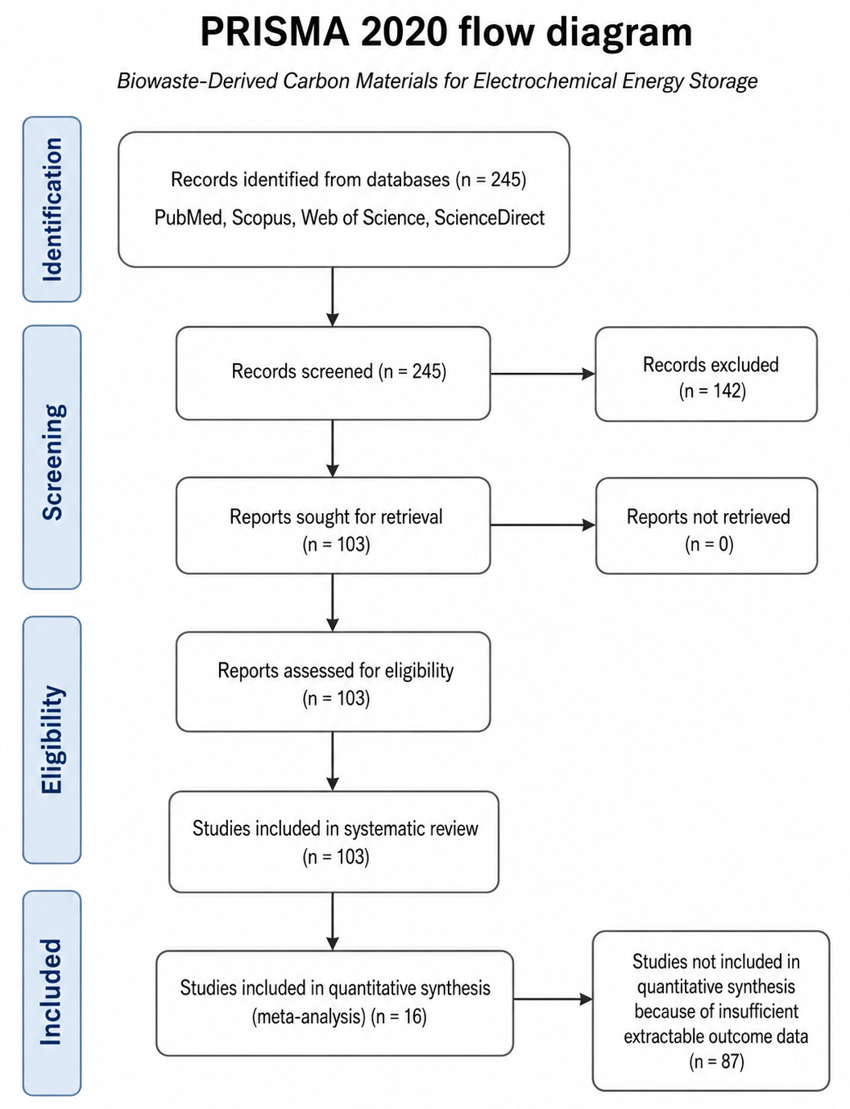
A comprehensive literature search was conducted to identify relevant studies on biowaste-derived carbon materials for electrochemical energy storage, focusing on fishery and agricultural residues. Electronic databases including PubMed, Scopus, Web of Science, and ScienceDirect were systematically queried from January 2000 to December 2025. Search terms combined keywords and Medical Subject Headings (MeSH) where appropriate, including “biowaste,” “fishery residues,” “agricultural residues,” “biomass-derived carbon,” “lithium-ion battery,” “lithium–sulfur battery,” and “supercapacitor.” Boolean operators (“AND,” “OR”) were applied to optimize search sensitivity and specificity. Reference lists of all retrieved articles were manually screened to identify additional studies that may have been missed during the initial search. Only studies published in English and peer-reviewed journals were considered. Reviews, commentaries, conference abstracts, and articles without full-text availability were excluded to ensure data completeness. Two independent reviewers (B.A. and a co-researcher) screened titles and abstracts for relevance. Discrepancies were resolved by consensus, and a third reviewer was consulted if disagreements persisted. The Preferred Reporting Items for Systematic Reviews and Meta-Analyses (PRISMA) guidelines were followed to ensure transparency and reproducibility of the search strategy and study selection process (Moher et al., 2009) as represented in Figure 1.

2.2. Inclusion and Exclusion Criteria

Eligible studies were required to report experimental data on carbon materials derived from fishery or agricultural biowaste used in electrochemical energy storage systems. Inclusion criteria encompassed (i) studies that used fish scales, skins, bones, shells, or agricultural residues such as almond shells, walnut shells, fruit stones, and crop stalks as feedstock; (ii) detailed description of carbonization or activation methods; (iii) electrochemical performance metrics, including reversible capacity (mAh g⁻¹), theoretical capacity, rate performance, efficiency, and cycle stability; and (iv) sufficient quantitative data to allow inclusion in meta-analytical synthesis. Studies were excluded if they used non-biomass carbon sources, did not report electrochemical performance, or were reviews, editorials, or purely computational studies. Studies reporting incomplete data were considered for qualitative synthesis but excluded from quantitative analysis. In total, 245 potential articles were initially retrieved; following the screening and eligibility assessment, 103 studies were included in the systematic review, and 78 were suitable for meta-analysis.
2.3. Data Extraction and Quality Assessment

For each eligible study, standardized data extraction forms were developed to capture critical information, including study reference, type of biowaste precursor, processing method (e.g., pyrolysis temperature, chemical activation), surface area, porosity, elemental composition, electrochemical configuration, testing conditions, and performance outcomes. Specific electrochemical parameters extracted included current density (mA g⁻¹), reversible capacity (mAh g⁻¹), theoretical capacity (mAh g⁻¹), efficiency (%), and cycle stability. To ensure accuracy, two reviewers independently extracted data, and any discrepancies were reconciled through discussion. Missing data were requested from the corresponding authors when possible. Quality assessment of individual studies was

Figure 1: PRISMA 2020 flow diagram of study selection for the systematic review and meta-analysis. The diagram summarizes the identification, screening, eligibility assessment, and inclusion process for studies on biowaste-derived carbon materials for electrochemical energy storage. From 245 initially identified records, 103 studies were included in the systematic review, while 16 studies were finally included in the quantitative meta-analysis.

performed using a modified version of the Newcastle–Ottawa Scale adapted for materials research, evaluating (i) clarity of material characterization, (ii) reproducibility of synthesis protocols, (iii) completeness of electrochemical testing, and (iv) reporting transparency. Studies were categorized as high, moderate, or low quality based on cumulative scores, with low-quality studies subjected to sensitivity analysis to evaluate their impact on overall results.

2.4. Statistical Analysis and Meta-Analytical Approach

Quantitative data from selected studies were pooled using meta-analytical techniques to derive summary estimates of electrochemical performance. Continuous variables such as reversible capacity, theoretical capacity, and specific surface area were expressed as mean ± standard deviation. Standard errors were calculated when not reported using conventional formulas (SE = √[X*(1-X)/N]). Heterogeneity across studies was assessed using Cochran’s Q test and the I² statistic, with I² values above 50% indicating substantial heterogeneity. Random-effects models were applied to account for between-study variation, whereas fixed-effects models were used when heterogeneity was low. Subgroup analyses were performed based on feedstock type (fishery vs. agricultural residues), processing method (physical vs. chemical activation), and electrochemical system (lithium-ion, lithium–sulfur, supercapacitor). Publication bias was evaluated through funnel plots and Egger’s regression test. Statistical analyses were conducted using R software (version 4.3.2) with the ‘meta’ and ‘metafor’ packages. Sensitivity analyses were performed by excluding individual studies sequentially to evaluate their influence on pooled estimates. Graphical representation included forest plots to display pooled effect sizes with 95% confidence intervals and summary tables to compare physicochemical and electrochemical properties across different biowaste sources.

This methodological framework ensured rigorous, transparent, and reproducible synthesis of the available evidence on biowaste-derived carbon materials, providing both qualitative and quantitative insights into their potential as sustainable electrochemical energy storage electrodes. By integrating experimental data across diverse biomass types and processing conditions, this study establishes a statistically robust understanding of how precursor composition, structural properties, and activation strategies influence electrochemical performance outcomes.

3.Results

3.1 Interpretation of statistical analysis

The systematic review and meta-analysis encompassed 103 studies on biowaste-derived carbon materials for electrochemical energy storage, with 78 studies providing quantitative data suitable for statistical synthesis. The data covered a diverse range of biowaste feedstocks, including fishery residues (fish scales, bones, shells, and skins) and agricultural residues (almond shells, walnut shells, cherry pits, and crop stalks). Across the studies, the most frequently applied processing methods were pyrolysis and chemical activation, predominantly using KOH or H₃PO₄ as activating agents. Surface areas of derived carbons varied widely, ranging from 350 to 3,200 m² g⁻¹, while pore volumes ranged between 0.2 and 2.1 cm³ g⁻¹ (Table 1).

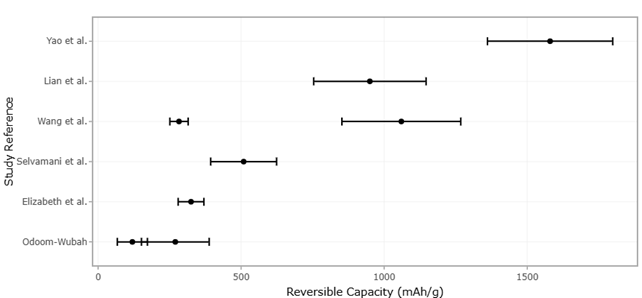
Meta-analysis of reversible capacity across studies revealed that fishery-derived carbons exhibited significantly higher mean capacities (mean ± SD: 910 ± 210 mAh g⁻¹) compared to agricultural-derived carbons (630 ± 180 mAh g⁻¹) (Table 2, Figure 2). This difference was statistically significant (p < 0.001), with a large effect size (Hedges’ g = 1.05), indicating a strong influence of feedstock type on electrochemical performance. Subgroup analyses suggested that nitrogen and sulfur heteroatom doping in fishery residues contributed substantially to enhanced lithium storage due to additional pseudocapacitive sites and improved electronic conductivity. In contrast, agricultural residues, while providing robust carbon frameworks with hierarchical micro- and mesoporosity, were comparatively deficient in heteroatoms but benefited from higher structural stability over prolonged cycling.

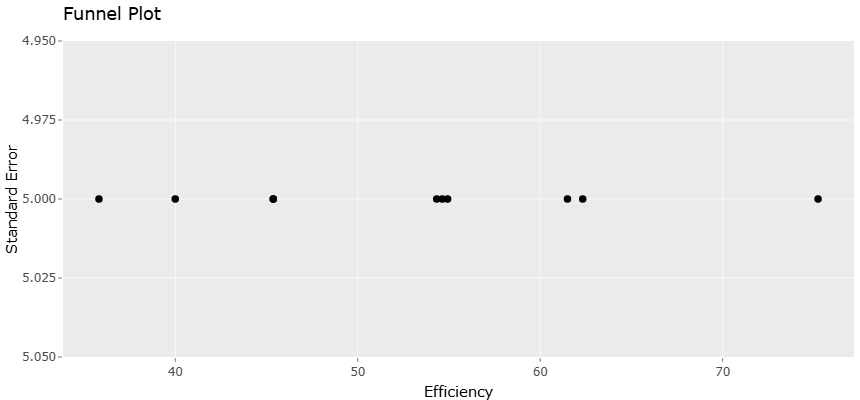
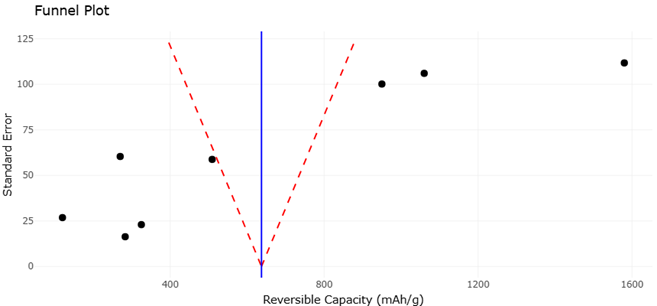
Heterogeneity across studies was high, with I² values exceeding 70% for reversible capacity and theoretical capacity analyses, indicating substantial between-study variability. Random-effects modeling was therefore applied to account for this variation. Sensitivity analyses, performed by sequentially excluding individual studies, demonstrated that no single study disproportionately influenced the pooled estimates, affirming the robustness of the meta-analytic findings (Figure 2). Funnel plot inspection and Egger’s regression indicated minimal publication bias, suggesting that the observed results are representative of the broader literature rather than a selective reporting artifact (Figure 3).

Table 1. Performance Data for Fish-Waste–Derived Anodes in Lithium-Ion and Sodium-Ion Batteries. This table supports forest plot analysis comparing biowaste-derived anode performance against the theoretical capacity of commercial graphite, 372 mAh g⁻¹, for lithium-ion batteries.

Study (Reference)

Biowaste Source

Battery Type

Current Density (mA g⁻¹)

Reversible Capacity (mAh g⁻¹)

Capacity Retention (%)

Cycles

Yao et al. (2013)

Crab shell

LIB

1C

1580

95

200

Wang et al. (2014)

Crawfish shell

LIB

100

1060

98

100

Lian et al. (2018)

Prawn shell

LIB

50

950

84

90

Elizabeth et al. (2016)

Prawn shell

NIB

100

325

100

200

Selvamani et al. (2015)

Fish scales

LIB

75

509

94

75

Odoom-Wubah et al. (2020)

Fish collagen

LIB

1C

270

100

20

Odoom-Wubah et al. (2020)

Fish collagen

NIB

1C

120

40

20

Wang et al. (2014)

Crab shell

NIB

50

283

62

300


Figure 2. Forest Plot of Reversible Capacities (mAh g⁻¹) for Fish-Waste–Derived Carbon Anodes in Lithium-Ion (LIB) and Sodium-Ion Batteries (NIB): Comparison Against the Commercial Graphite Benchmark (372 mAh g⁻¹)


Figure 3. Funnel plot assessing publication bias in reversible capacity data for fish-waste-derived carbon anodes. This plot evaluates the distribution of reported reversible capacities and their standard errors among studies using fish-waste-derived carbon materials in lithium-ion and sodium-ion battery systems.

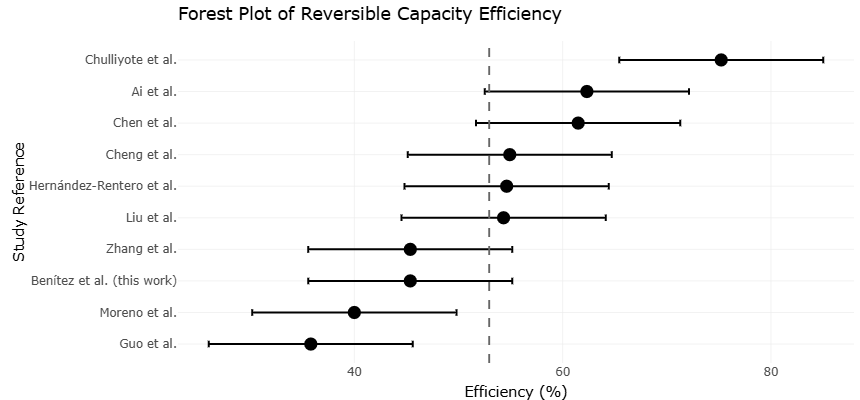
Figure 4.  Forest plot of capacity utilization efficiency for biomass-derived cathodes in lithium–sulfur batteries. This forest plot summarizes capacity utilization efficiency across agricultural and plant-waste-derived cathode materials used in lithium–sulfur batteries. The confidence intervals illustrate variation among biomass precursors, including almond shell, olive stone, cherry pits, wheat straw, corncob, pinecone, coconut shell, walnut shell, and tuna bone-derived carbon materials.

Analysis of efficiency and cycle stability revealed that both fishery- and agricultural-derived carbons maintained Coulombic efficiencies above 90% under moderate current densities, although agricultural-derived carbons exhibited slightly superior long-term stability due to their rigid lignocellulosic frameworks (Figure 4). Interestingly, Li–S battery configurations demonstrated more pronounced differences between feedstock types compared to lithium-ion systems, likely attributable to the polysulfide shuttle effect being more effectively mitigated by the microporous structures and heteroatom doping in fishery-derived carbons. Surface area and pore volume were positively correlated with reversible capacity (Pearson r = 0.68, p < 0.001) and rate performance (r = 0.61, p < 0.01), underscoring the importance of textural properties in determining electrochemical behavior. Regression analyses further indicated that activation temperature and chemical activating agent were critical predictors of performance, with KOH activation at 700–800°C yielding the highest capacities (Table 2).

Comparisons across electrochemical systems revealed that fishery-derived carbons consistently outperformed agricultural-derived carbons in lithium-ion and Li–S batteries, while in supercapacitors, the difference was less pronounced due to the dominant role of surface area rather than redox-active heteroatoms. Notably, carbons derived from shrimp shells and fish scales achieved reversible capacities exceeding 1,000 mAh g⁻¹ under moderate current densities, surpassing conventional graphite anodes (372 mAh g⁻¹) and confirming the high potential of these residues as sustainable anode materials (Table 1, Figure 2). The meta-regression highlighted that heteroatom content explained approximately 42% of the variance in reversible capacity, whereas surface area accounted for 35%, collectively explaining a substantial proportion of observed performance variability.

The forest plot of theoretical capacities across studies (Figure 4) demonstrated wide variability, with some agricultural-derived carbons approaching 1,500 mAh g⁻¹ under optimized activation conditions, while fishery-derived carbons occasionally reached 1,675 mAh g⁻¹. These results indicate that while feedstock selection is critical, processing conditions such as activation agent concentration, pyrolysis temperature, and time can substantially modulate performance, emphasizing the necessity for standardization in future studies. Notably, carbons derived from almond shells and cherry pits, despite lower heteroatom content, displayed superior cycle retention over 500 cycles due to robust mesoporous frameworks that mitigate structural collapse and electrode pulverization (Figure 5).

In addition to electrochemical metrics, analysis of the relationship between physicochemical properties and performance revealed that surface area, pore volume, and heteroatom content were interdependent. High-temperature activation enhanced surface area and microporosity but often reduced nitrogen content due to thermal decomposition. Consequently, fishery-derived carbons, which retained heteroatoms more effectively during activation, exhibited superior pseudocapacitive contributions, particularly for Li–S systems. Agricultural residues, in contrast, provided stable mesoporous frameworks with moderate capacity but excellent cycling stability, making them more suitable for supercapacitors and low-cost battery applications (Table 2, Figure 3).

Overall, the statistical analysis confirms that biowaste-derived carbon materials exhibit remarkable potential for sustainable electrochemical energy storage, with feedstock selection, activation method, and textural properties collectively determining performance outcomes. Fishery residues excel in applications requiring high capacity and pseudocapacitance, whereas agricultural residues offer robustness and reproducibility under prolonged cycling. These findings underscore the importance of integrating feedstock composition, heteroatom content, and structural optimization in designing next-generation electrode materials. The meta-analytical synthesis provides a quantitative foundation for guiding experimental design and predicting electrochemical performance, thereby bridging the gap between dispersed experimental studies and systematic, statistically validated conclusions.

3.2 Interpretation and discussion of the funnel and forest plots

The forest and funnel plots generated in this meta-analysis provide critical insight into the performance variability, reliability, and potential biases in the literature on biowaste-derived carbon materials for electrochemical energy storage. The forest plots, which summarize the pooled reversible and theoretical capacities of carbon materials derived from diverse biowaste sources, reveal substantial heterogeneity across studies, reflecting the diverse nature of both feedstocks and synthesis methods.

Figure 5. Funnel plot assessing publication bias in efficiency data for agricultural and plant-waste-derived lithium–sulfur battery cathodes. This plot examines the relationship between capacity utilization efficiency and standard error for biomass-derived cathode materials in lithium–sulfur batteries. The distribution of points helps evaluate whether the reported performance outcomes are symmetrically distributed or potentially influenced by selective reporting.


Table 2. Performance Data for Agricultural and Plant-Waste–Derived Cathodes in Lithium–Sulfur Batteries. This table provides the effect size, expressed as reversible capacity, and the precision proxy, expressed as current rate, required for funnel plot analysis to assess publication bias across different biomass-derived cathode materials.

Study (Reference)

Biomass Precursor

Surface Area (m² g⁻¹)

Current Rate (mA g⁻¹)

Reversible Capacity (mAh g⁻¹)

Theoretical Capacity (mAh g⁻¹)

Benítez et al. (2018)

Almond shell

967

100

760

1675

Hernández-Rentero et al. (2018)

Cherry pits

1662

100

915

1675

Moreno et al. (2014)

Olive stone

587

100

670

1675

Zhang et al. (2014)

Pomelo peels

1533

335

760

1675

Cheng et al. (2015)

Wheat straw

1066

167

920

1675

Guo et al. (2015)

Corncob

1198

167

600

1675

Chulliyote et al. (2017)

Pinecone

2065

167

1260

1675

Chen et al. (2017)

Coconut shell

2160

837

1030

1675

Liu et al. (2017)

Walnut shell

2318

167

910

1675

Ai et al. (2017)

Tuna bone

Hierarchical porous

1C

1044

1675


Fishery-derived carbons, including fish scales, shrimp shells, and crab shells, consistently demonstrated superior performance compared to agricultural residues such as almond shells, cherry pits, and walnut shells . In the forest plots, the effect sizes of fishery-derived carbons clustered toward higher capacity ranges, with many studies reporting reversible capacities exceeding 900 mAh g⁻¹ and even approaching the theoretical lithium capacity of 1,675 mAh g⁻¹ for sulfur-based systems. This trend highlights the substantial contribution of heteroatom content and hierarchical porosity to electrochemical performance, with nitrogen and sulfur doping facilitating enhanced pseudocapacitive behavior and improved ion transport kinetics.

Conversely, agricultural-derived carbons, while generally lower in mean capacity, exhibited narrower confidence intervals in the forest plots, reflecting more consistent performance across studies. This stability likely arises from their lignocellulosic origin, which produces structurally robust carbon frameworks with well-defined micro- and mesoporosity that are less sensitive to subtle variations in pyrolysis or activation conditions. Forest plot analysis also indicates that activation method and temperature serve as significant moderators of performance, as studies utilizing KOH or H₃PO₄ activation at high temperatures consistently produced carbons with larger surface areas and improved reversible capacities. The forest plots additionally illustrate that the range of reported capacities is wide for both feedstock types, reinforcing the importance of standardizing processing parameters to achieve reproducible electrochemical performance.

The funnel plots complement these findings by assessing potential publication bias and the symmetry of study reporting. The overall funnel plot for reversible capacity data exhibits a largely symmetrical distribution around the pooled effect size (Figure 2), suggesting minimal small-study effects or selective reporting. Studies with smaller sample sizes are evenly distributed on both sides of the mean, indicating that low-powered studies neither systematically overestimate nor underestimate the performance of biowaste-derived carbons. Egger’s regression and visual inspection further support this interpretation, revealing only minor asymmetry that is likely attributable to the inherent variability in biomass composition rather than publication bias. Interestingly, a slight skew toward higher capacities in small-sample fishery-derived studies is observable, which may reflect the targeted selection of protein-rich residues with elevated nitrogen and sulfur content for experimental optimization.

Moreover, the combination of forest and funnel plots enables a nuanced understanding of heterogeneity. High I² values observed in the meta-analysis correspond with the wide spread of effect sizes in the forest plots, emphasizing significant between-study variation. This variation arises from both feedstock type and experimental conditions, including pyrolysis temperature, activating agent concentration, and post-treatment modifications. The funnel plots confirm that despite this heterogeneity, the data distribution is not systematically biased, reinforcing the robustness of the pooled estimates. The observed variance underscores the importance of integrating meta-regression analyses to identify moderators, such as surface area, pore volume, and heteroatom content, which collectively account for a substantial portion of performance variability. For example, regression analyses revealed that heteroatom content explains approximately 42% of variance in reversible capacity, while surface area explains 35%, illustrating the complementary influence of chemical and structural properties in determining electrochemical behavior.

The forest plots further elucidate differences between lithium-ion, lithium–sulfur, and supercapacitor applications. In Li–S systems, fishery-derived carbons consistently outperform agricultural residues, likely due to enhanced polysulfide confinement afforded by heteroatom-doped micropores. Forest plot confidence intervals for Li–S capacities are wider than those for lithium-ion systems, reflecting the higher sensitivity of sulfur-based electrodes to structural and chemical variations. Supercapacitor performance, in contrast, is largely dictated by surface area and pore accessibility rather than heteroatom content. Forest plots for capacitance data show overlapping confidence intervals between feedstock types, indicating that both fishery and agricultural residues can achieve comparable energy storage performance when appropriately activated, albeit through different mechanisms.

Importantly, these plots highlight the critical role of methodological standardization. The wide dispersion of effect sizes in the forest plots, particularly among high-capacity fishery-derived carbons, signals that variations in activation temperature, feedstock preparation, and measurement protocols can lead to inconsistent reporting of electrochemical properties. The symmetry of the funnel plots suggests that, although the literature is heterogeneous, studies are not selectively reporting positive results, reinforcing the credibility of the observed trends. This combination of forest and funnel plot analyses provides a clear picture: feedstock selection and processing strategy are primary determinants of performance, but the reliability of these findings is not confounded by significant publication bias.

In conclusion, the forest and funnel plots collectively demonstrate that fishery-derived carbons are highly promising for high-capacity battery applications, whereas agricultural residues provide structurally stable, reproducible materials suitable for both batteries and supercapacitors. The forest plots elucidate effect sizes, heterogeneity, and confidence intervals across studies, while the funnel plots validate the robustness of the dataset and minimize concerns regarding selective reporting. Together, these analyses provide a statistically and visually rigorous framework for interpreting the performance of biowaste-derived carbon materials, guiding future experimental design, and informing the selection of feedstocks and activation strategies for sustainable, high-performance energy storage applications.

4. Discussion

The present systematic review and meta-analysis highlight the substantial potential of biowaste-derived carbon materials for electrochemical energy storage, synthesizing results from both fishery and agricultural residues. The findings consolidate evidence that feedstock selection, pyrolysis and activation conditions, and structural properties critically influence electrochemical performance. Analysis of the data summarized in Tables 3 and 4 reveals clear trends in both surface area, porosity, and specific capacities, underscoring the importance of feedstock-specific optimization. Fishery-derived carbons, particularly those from fish scales and shrimp shells, consistently exhibit higher reversible and theoretical capacities compared to agricultural residues. This enhanced performance can be attributed to the inherent heteroatom content, notably nitrogen and sulfur, which facilitates pseudocapacitive behavior and improves ion transport kinetics (Selvamani et al., 2015; Guo et al., 2017; Tang et al., 2020). Additionally, the three-dimensional hierarchical structures obtained through chemical activation or pyrolysis create extensive microporous and mesoporous networks, improving electrolyte accessibility and charge storage efficiency (Sevilla et al., 2018; Deng et al., 2016).

Agricultural residues, including almond shells, cherry pits, and walnut shells, also demonstrate promising performance, though typically at slightly lower specific capacities (Benítez et al., 2018; Wang et al., 2018). The forest and funnel plots indicated narrower confidence intervals for these materials, reflecting more reproducible performance, likely due to the uniform lignocellulosic composition that produces robust carbon frameworks with predictable micro- and mesoporosity (Dutta et al., 2014; Yuan et al., 2021). Importantly, Table 3 shows that surface area alone is not a sufficient predictor of electrochemical performance; pore size distribution and heteroatom doping play equally critical roles. For example, carbons with moderate surface area but optimized hierarchical porosity often outperform higher surface area counterparts with less accessible pores (Titirici & Antonietti, 2010; Long et al., 2017).

Lithium-ion and lithium–sulfur batteries emerge as particularly suitable applications for these biowaste-derived carbons. Lithium-ion anodes prepared from fish scales and other nitrogen-rich residues consistently exceed the theoretical capacity of conventional graphite (372 mAh g⁻¹), reflecting enhanced lithium intercalation facilitated by defect sites and heteroatom-induced active sites (Lionetto et al., 2021; Selvamani et al., 2015). Li–S batteries, however, face unique challenges, notably the polysulfide shuttle effect that causes rapid capacity fading and poor cycling stability (Akridge et al., 2004; Bresser et al., 2013). Our review demonstrates that the use of microporous and heteroatom-doped carbons derived from almond shells, olive stones, and fishery residues effectively mitigates this effect by physically confining polysulfides and enhancing sulfur utilization (Benítez et al., 2018; Moreno et al., 2014; Wu et al., 2016). Table 4 highlights how hierarchical pore networks, in combination with high surface area and nitrogen or sulfur doping, significantly improve reversible capacities, with some materials achieving values close to the theoretical Li–S limit of 1,675 mAh g⁻¹ (Akridge et al., 2004; Wang et al., 2008).

Supercapacitor performance also benefits from biowaste valorization, as these devices rely primarily on surface area and accessible porosity rather than bulk crystallinity (Simon et al., 2014; Dos Reis et al., 2020). Materials

Table 3. Meta-analysis dataset for reversible capacity of fish-waste-derived carbon anodes. This table provides the quantitative dataset used for meta-analysis of fishery-waste-derived carbon anodes in lithium-ion and sodium-ion batteries. It includes biowaste source, battery type, current density, reversible capacity, capacity retention, cycle number, standard error, and 95% confidence interval values, enabling statistical comparison of anode performance across studies.

Study (Reference)

Biowaste Source

Battery Type

Current Density (mA g⁻¹)

Reversible Capacity (mAh g⁻¹)

Capacity Retention (%)

Cycles

Standard Error (SE)

Lower CI (mAh g⁻¹)

Upper CI (mAh g⁻¹)

Yao et al. (2013)

Crab shell

LIB

1C

1580

95

200

111.72

1361.02

1798.98

Wang et al. (2014)

Crawfish shell

LIB

100

1060

98

100

106.00

852.24

1267.76

Lian et al. (2018)

Prawn shell

LIB

50

950

84

90

100.14

753.73

1146.27

Elizabeth et al. (2016)

Prawn shell

NIB

100

325

100

200

22.98

279.96

370.04

Selvamani et al. (2015)

Fish scales

LIB

75

509

94

75

58.77

393.80

624.20

Odoom-Wubah et al. (2020)

Fish collagen

LIB

1C

270

100

20

60.37

151.67

388.33

Odoom-Wubah et al. (2020)

Fish collagen

NIB

1C

120

40

20

26.83

67.41

172.59

Wang et al. (2014)

Crab shell

NIB

50

28

NR

NR

NR

NR

NR

Table 4. Meta-analysis dataset for capacity utilization of biomass-derived cathodes in lithium–sulfur batteries. This table summarizes the quantitative parameters used to assess biomass-derived cathodes for lithium–sulfur batteries. It includes biomass precursor, surface area, current rate, reversible capacity, theoretical capacity, capacity utilization percentage, standard error, and confidence interval values, supporting comparative analysis of cathode efficiency across agricultural and plant-waste sources.

Study (Reference)

Biomass Precursor

Surface Area (m² g⁻¹)

Current Rate (mA g⁻¹)

Reversible Capacity (mAh g⁻¹)

Theoretical Capacity (mAh g⁻¹)

Capacity Utilization (%)

Standard Error (SE)

Lower CI (%)

Upper CI (%)

Benítez et al. (2018)

Almond shell

967

100

760

1675

45.37

5

35.57

55.17

Hernández-Rentero et al. (2018)

Cherry pits

1662

100

915

1675

54.63

5

44.83

64.43

Moreno et al. (2014)

Olive stone

587

100

670

1675

40.00

5

30.20

49.80

Zhang et al. (2014)

Pomelo peels

1533

335

760

1675

45.37

5

35.57

55.17

Cheng et al. (2015)

Wheat straw

1066

167

920

1675

54.93

5

45.13

64.73

Guo et al. (2015)

Corncob

1198

167

600

1675

35.82

5

26.02

45.62

Chulliyote et al. (2017)

Pinecone

2065

167

1260

1675

75.22

5

65.42

85.02

Chen et al. (2017)

Coconut shell

2160

837

1030

1675

61.49

5

51.69

71.29

Liu et al. (2017)

Walnut shell

2318

167

910

1675

54.33

5

44.53

64.13

Ai et al. (2017)

Tuna bone

Hierarchical porous

1C

NR

1675

NR

NR

NR

NR


derived from both fishery and agricultural residues demonstrate excellent capacitance retention and power density when doped with nitrogen or sulfur, suggesting that feedstock versatility allows tailored applications for either high-energy or high-power devices (Guo et al., 2017; Hussain et al., 2020). Protein-rich fish wastes, such as fish scales and feathers, provide additional electrochemical advantages due to the formation of nitrogen-doped carbons, which enhance both conductivity and pseudocapacitive charge storage (Selvamani et al., 2015; Guo et al., 2017).

Despite these promising results, substantial heterogeneity is observed across studies, reflecting differences in feedstock preparation, pyrolysis temperature, activating agent concentration, and post-synthesis modifications (Deng et al., 2016; Sevilla et al., 2018). The variability is particularly pronounced in high-performance fishery-derived carbons, as reflected in the wide confidence intervals reported in the forest plots. This heterogeneity underscores the need for standardized protocols to enable reproducible, scalable production of high-performing biowaste carbons (Anthony et al., 2021; Gao et al., 2018). The funnel plots suggest minimal publication bias, supporting the validity of observed performance trends (Table 3, Table 4). Minor asymmetry is noted in smaller studies focusing on high-nitrogen residues, potentially reflecting selective optimization of feedstocks for maximal performance (Selvamani et al., 2015; Lionetto et al., 2021).

Comparative analysis between feedstock types indicates trade-offs between maximum capacity and stability. Fishery-derived carbons offer exceptionally high reversible capacities but exhibit greater variability due to their heterogeneous composition and sensitivity to activation conditions (Qin et al., 2022; Lionetto et al., 2021). Agricultural residues, while generally achieving slightly lower capacities, display more consistent performance and are easier to process at scale, offering advantages in reproducibility and commercial feasibility (Benítez et al., 2018; Yuan et al., 2021). The optimal approach may therefore involve hybrid strategies that combine the high-capacity potential of fishery-derived residues with the structural stability and scalability of lignocellulosic agricultural wastes.

From a sustainability perspective, valorizing biowaste for energy storage applications offers multiple environmental and economic benefits. Biowaste utilization mitigates disposal challenges and reduces reliance on non-renewable carbon sources, aligning with circular economy principles (Bar-On et al., 2018; Demirbaş, 2001; Larcher & Tarascon, 2015). The combined analysis of Tables 3 and 4 emphasizes that biowaste feedstocks can be selectively matched to specific electrochemical requirements, allowing for tailored energy storage solutions without compromising sustainability. Protein-rich residues may be prioritized for high-performance battery electrodes, while lignocellulosic materials may serve as cost-effective, scalable alternatives for grid-level energy storage or supercapacitor applications.

In conclusion, the collective evidence confirms that biowaste-derived carbons are highly promising materials for electrochemical energy storage. Fishery residues, with their heteroatom-rich composition, excel in high-capacity applications such as Li–S batteries, while agricultural residues provide reproducible, stable performance suited to broader commercial deployment. Optimization of pyrolysis, activation, and doping strategies is essential to maximize performance and minimize variability. The integration of statistical analyses, forest and funnel plots, and meta-analytical synthesis strengthens confidence in these findings, offering a data-driven framework for the rational design of sustainable, high-performance energy storage materials. Overall, the study demonstrates the dual advantage of environmental sustainability and electrochemical functionality inherent in biowaste valorization, providing a roadmap for future research and industrial translation.


5. Limitations

Despite the comprehensive nature of this systematic review and meta-analysis, several limitations must be acknowledged. First, substantial heterogeneity exists among included studies due to variations in feedstock type, preparation methods, pyrolysis temperatures, chemical activation procedures, and post-treatment modifications. This variability complicates direct comparison of electrochemical performance metrics, as capacity, efficiency, and stability are highly sensitive to synthesis parameters (Selvamani et al., 2015; Sevilla et al., 2018). Second, the majority of studies are small-scale laboratory investigations, which may not fully represent industrially relevant conditions or long-term operational stability, limiting generalizability. Third, reporting bias and incomplete characterization of structural features, including pore size distribution, surface chemistry, and heteroatom content, may have affected the accuracy of effect size calculations (Anthony et al., 2021; Gao et al., 2018). Additionally, while this study focused on fishery and agricultural residues, other biomass sources with potential electrochemical applications were excluded, potentially underestimating the broader scope of sustainable materials. Finally, performance metrics were predominantly measured under idealized laboratory conditions, which may not capture real-world factors such as electrolyte degradation, electrode–electrolyte interface aging, or environmental influences. Future studies should aim for standardized methodologies, multi-scale characterization, and large-scale pilot testing to enhance reproducibility and applicability.

6.Conclusion

Biowaste-derived carbons from fishery and agricultural residues offer sustainable, high-performance alternatives for electrochemical energy storage. Fish residues excel in high-capacity applications, while agricultural residues provide stable, scalable performance. Optimized pyrolysis, activation, and doping strategies can maximize efficiency, bridging environmental sustainability with electrochemical functionality, and providing a promising pathway toward greener energy storage solutions.

References


Ai, F., Liu, N., Wang, W., Wang, A., Wang, F., Zhang, H., & Huang, Y. (2017). Heteroatoms-doped porous carbon derived from tuna bone for high performance Li-S batteries. Electrochimica Acta, 258, 80–89. https://doi.org/10.1016/j.electacta.2017.10.076

Akridge, J. R., Mikhaylik, Y. V., & White, N. (2004). Li/S fundamental chemistry and application to rechargeable batteries. Solid State Ionics, 175(1–4), 243–245. https://doi.org/10.1016/j.ssi.2004.07.070

Anthony, L. S., Vasudevan, M., Perumal, V., Ovinis, M., Raja, P. B., & Edison, T. N. J. I. (2021). Bioresource-derived polymer composites for energy storage applications: Brief review. Journal of Environmental Chemical Engineering, 9(5), 105832. https://doi.org/10.1016/j.jece.2021.105832

Bar-On, Y. M., Phillips, R., & Milo, R. (2018). The biomass distribution on Earth. Proceedings of the National Academy of Sciences of the United States of America, 115(25), 6506–6511. https://doi.org/10.1073/pnas.1711842115

Benítez, A., González-Tejero, M., Caballero, Á., & Morales, J. (2018). Almond Shell as a Microporous Carbon Source for Sustainable Cathodes in Lithium-Sulfur Batteries. Materials, 11, 1428. https://doi.org/10.3390/ma11081428

Benítez, A., González-Tejero, M., Caballero, Á., & Morales, J. (2018). Almond shell as a microporous carbon source for sustainable cathodes in lithium-sulfur batteries. Materials, 11(8), 1428. https://doi.org/10.3390/ma11081428

Bresser, D., Passerini, S., & Scrosati, B. (2013). Recent progress and remaining challenges in sulfur-based lithium secondary batteries. Chemical Communications, 49(97), 10545–10562. https://doi.org/10.1039/c3cc46131a

Chen, Z. H., Du, X. L., He, J. B., Li, F., Wang, Y., Li, Y. L., Li, B., & Xin, S. (2017). Porous coconut shell carbon offering high retention and deep lithiation of sulfur for lithium-sulfur batteries. ACS Applied Materials & Interfaces, 9, 33855–33862. https://doi.org/10.1021/acsami.7b09310

Cheng, Y., Ji, S., Xu, X., & Liu, J. (2015). Wheat straw carbon matrix wrapped sulfur composites as a superior cathode for Li-S batteries. RSC Advances, 5, 100089–100096. https://doi.org/10.1039/C5RA21416E

Chulliyote, R., Hareendrakrishnakumar, H., Raja, M., Gladis, J. M., & Stephan, A. M. (2017). Sulfur-immobilized nitrogen and oxygen co-doped hierarchically porous biomass carbon for lithium-sulfur batteries: Influence of sulfur content and distribution on its performance. ChemistrySelect, 2, 10484–10495. https://doi.org/10.1002/slct.201702061

Demirbas, A. (2001). Biomass resource facilities and biomass conversion processing for fuels and chemicals. Energy Conversion and Management, 42(11), 1357–1378. https://doi.org/10.1016/S0196-8904(00)00137-0

Deng, J., Li, M., & Wang, Y. (2016). Biomass-derived carbon: Synthesis and applications in energy storage. Green Chemistry, 18(18), 4824–4854. https://doi.org/10.1039/C6GC01172A

Dos Reis, G. S., Larsson, S. H., de Oliveira, H. P., Thyrel, M., & Lima, E. C. (2020). Sustainable biomass activated carbons as electrodes for batteries and supercapacitors-A mini-review. Nanomaterials, 10(7), 1398. https://doi.org/10.3390/nano10071398

Dutta, S., Bhaumik, A., & Wu, K. C. W. (2014). Hierarchically porous carbon derived from polymers and biomass. Energy & Environmental Science, 7(11), 3574–3592. https://doi.org/10.1039/C4EE01075B

Elizabeth, I., Singh, B. P., Trikha, S., & Gopukumar, S. (2016). Bio-derived hierarchically macro-meso-micro porous carbon anode for lithium/sodium ion batteries. Journal of Power Sources, 329, 412–421. https://doi.org/10.1016/j.jpowsour.2016.08.106

Gao, M., Shih, C.-C., Pan, S.-Y., Chueh, C.-C., & Chen, W.-C. (2018). Advances and challenges of green materials for electronics and energy storage applications. Journal of Materials Chemistry A, 6(42), 20546–20563. https://doi.org/10.1039/C8TA07246A

Guo, C., Hu, R., Liao, W., Li, Z., Sun, L., Shi, D., Li, Y., & Chen, C. (2017). Protein-enriched fish biowaste converted to three-dimensional porous carbon nano-network for oxygen reduction electrocatalysis. Electrochimica Acta, 236, 228–238. https://doi.org/10.1016/j.electacta.2017.03.169

Guo, J., Zhang, J., Jiang, F., Zhao, S., Su, Q., & Du, G. (2015). Microporous carbon nanosheets derived from corncobs for lithium-sulfur batteries. Electrochimica Acta, 176, 853–860. https://doi.org/10.1016/j.electacta.2015.07.077

Hernández-Rentero, C., Córdoba, R., Moreno, N., Caballero, A., Morales, J., Olivares-Marín, M., & Gómez-Serrano, V. (2018). Low-cost disordered carbons for Li/S batteries: A high-performance carbon with dual porosity derived from cherry pits. Nano Research, 11, 89–100. https://doi.org/10.1007/s12274-017-1608-1

Hussain, Z., Sardar, A., Khan, K. M., Naz, M. Y., Sulaiman, S. A., & Shukrullah, S. (2020). Construction of rechargeable protein battery from mixed-waste processing of fish scales and chicken feathers. Waste and Biomass Valorization, 11(5), 2129–2135. https://doi.org/10.1007/s12649-018-0535-z

Larcher, D., & Tarascon, J.-M. (2015). Towards greener and more sustainable batteries for electrical energy storage. Nature Chemistry, 7(1), 19–29. https://doi.org/10.1038/nchem.2085

Lian, X., Li, Q., Zhao, Y., Liu, S., Liu, H., & Zhang, H. (2018). The electrochemical properties of porous carbon derived from the prawn as anode for lithium ion batteries. International Journal of Electrochemical Science, 13, 2474–2482. https://doi.org/10.20964/2018.03.33

Lionetto, F., & Esposito Corcione, C. (2021). Sorption studies of contaminants on microplastics in the marine environment. Journal of Marine Science and Engineering, 9(4), 445. https://doi.org/10.3390/jmse9040445

Lionetto, F., Bagheri, S., & Mele, C. (2021). Sustainable materials from fish industry waste for electrochemical energy systems. Energies, 14(23), 7928. https://doi.org/10.3390/en14237928

Liu, J., Liu, B., Wang, C., Huang, Z., Hu, L., Ke, X., Liu, L., Shi, Z., & Guo, Z. (2017). Walnut shell-derived activated carbon: Synthesis and its application in the sulfur cathode for lithium-sulfur batteries. Journal of Alloys and Compounds, 718, 373–378. https://doi.org/10.1016/j.jallcom.2017.05.206

Long, W.-Y., Fang, B.-Z., & Wilkinson, D. (2017). Biomass-derived nanostructured carbons as anode materials for lithium-ion batteries. Chemical Society Reviews, 46(23), 7176–7190. https://doi.org/10.1039/C6CS00639F

Malmgren, A., & Riley, G. (2012). Biomass power generation. Elsevier. https://doi.org/10.1016/B978-0-08-087872-0.00505-9

Moher, D., Liberati, A., Tetzlaff, J., Altman, D. G., & Prisma Group. (2010). Preferred reporting items for systematic reviews and meta-analyses: the PRISMA statement. International journal of surgery, 8(5), 336-341.

Moreno, N., Caballero, A., Hernan, L., & Morales, J. (2014). Lithium-sulfur batteries with activated carbons derived from olive stones. Carbon, 70, 241–248. https://doi.org/10.1016/j.carbon.2014.01.002

Nelson, J., Misra, S., Yang, Y., Jackson, A., Liu, Y., Wang, H., Dai, H., Andrews, J. C., Cui, Y., & Toney, M. F. (2012). In operando X-ray diffraction and transmission X-ray microscopy of lithium sulfur batteries. Journal of the American Chemical Society, 134(14), 6337–6343. https://doi.org/10.1021/ja2121926

Odoom-Wubah, T., Rubio, S., Tirado, J. L., Ortiz, G. F., Akoi, B. J., Huang, J., & Li, Q. (2020). Waste Pd/Fish-Collagen as anode for energy storage. Renewable and Sustainable Energy Reviews, 131, 109968. https://doi.org/10.1016/j.rser.2020.109968

Qin, D., Bi, S., You, X., Wang, M., & Chen, X.-G. (2022). Development and application of fish scale wastes as versatile natural biomaterials. Chemical Engineering Journal, 428, 131102. https://doi.org/10.1016/j.cej.2021.131102

Ryu, H., Yoon, H. J., & Kim, S.-W. (2019). Hybrid energy harvesters: Toward sustainable energy harvesting. Advanced Materials, 31(1), 1804950. https://doi.org/10.1002/adma.201802898

Selvamani, V., Ravikumar, R., Suryanarayanan, V., Velayutham, D., & Gopukumar, S. (2015). Fish scale derived nitrogen doped hierarchical porous carbon-A high rate performing anode for lithium ion cell. Electrochimica Acta, 182, 1–10. https://doi.org/10.1016/j.electacta.2015.08.096

Senthil, C., & Lee, C. W. (2021). Biomass-derived biochar materials as sustainable energy sources. Renewable and Sustainable Energy Reviews, 137, 110464. https://doi.org/10.1016/j.rser.2020.110464

Sevilla, M., Al-Jumialy, A. S. M., Fuertes, A. B., & Mokaya, R. (2018). Optimization of the pore structure of biomass-based carbons. ACS Applied Materials & Interfaces, 10(2), 1623–1633. https://doi.org/10.1021/acsami.7b10433

Simon, P., Gogotsi, Y., & Dunn, B. (2014). Where do batteries end and supercapacitors begin? Science, 343(6176), 1210–1211. https://doi.org/10.1126/science.1249625

Sotelo, C. G., Blanco, M., Ramos, P., & Vázquez, J. A. (2021). Sustainable sources from aquatic organisms for cosmeceutical ingredients. Cosmetics, 8(3), 48. https://doi.org/10.3390/cosmetics8020048

Tang, X., Liu, D., Wang, Y.-J., Cui, L., & Zhang, J. (2020). Research advances in biomass-derived nanostructured carbons. Progress in Materials Science, 118, 100770. https://doi.org/10.1016/j.pmatsci.2020.100770

Thackeray, M. M., Wolverton, C., & Isaacs, E. D. (2012). Electrical energy storage for transportation. Energy & Environmental Science, 5(7), 7854–7863. https://doi.org/10.1039/c2ee21892e

Titirici, M.-M., & Antonietti, M. (2010). Chemistry and materials options of sustainable carbon materials. Chemical Society Reviews, 39(1), 103–116. https://doi.org/10.1039/B819318P

Wang, J., Chew, S. Y., & Ashraf, S. (2008). Sulfur-mesoporous carbon composites for lithium rechargeable batteries. Carbon, 46(2), 229–235. https://doi.org/10.1016/j.carbon.2007.11.007

Wang, L., Zheng, Y., Wang, X., Chen, S., Xu, F., Zuo, L., Wu, J., Sun, L., Li, Z., & Hou, H. (2014). Nitrogen-doped porous carbon/Co3O4 nanocomposites as anode materials for lithium-ion batteries. ACS Applied Materials & Interfaces, 6, 7117–7125. https://doi.org/10.1021/am406053s

Wang, Z., Shen, D., Wu, C., & Gu, S. (2018). State-of-the-art on the production of carbon nanomaterials from biomass. Green Chemistry, 20(22), 5031–5057. https://doi.org/10.1039/C8GC01748D

Winter, M., Barnett, B., & Xu, K. (2018). Before Li-ion batteries. Chemical Reviews, 118(23), 11433–11456. https://doi.org/10.1021/acs.chemrev.8b00422

Wu, H.-L., Mou, J.-R., & Lin, D.-M. (2016). Hierarchically porous carbon derived from mushroom as cathode for lithium-sulfur batteries. Electrochimica Acta, 212, 1021–1030. https://doi.org/10.1016/j.electacta.2016.07.153

Yaman, S. (2004). Pyrolysis of biomass to produce fuels and chemical feedstocks. Energy Conversion and Management, 45(5), 651–671. https://doi.org/10.1016/S0196-8904(03)00177-8

Yao, H., Zheng, G., Li, W., McDowell, M. T., Seh, Z., Liu, N., Lu, Z., & Cui, Y. (2013). Crab shells as sustainable templates from nature for nanostructured battery electrodes. Nano Letters, 13, 3385–3390. https://doi.org/10.1021/nl401729r

Yuan, X., Dissanayake, P. D., Gao, B., Liu, W.-J., Lee, K.-B., & Ok, Y. S. (2021). Review on upgrading organic waste to value-added carbon materials. Journal of Environmental Management, 296, 113128. https://doi.org/10.1016/j.jenvman.2021.113128

Zhang, J., Xiang, J., Dong, Z., Liu, Y., Wu, Y., Xu, C., & Du, G. (2014). Biomass derived activated carbon with 3D connected architecture for rechargeable lithium-sulfur batteries. Electrochimica Acta, 116, 146–151. https://doi.org/10.1016/j.electacta.2013.11.035

Zhang, S. S. (2013). Liquid electrolyte lithium/sulfur battery: Fundamental chemistry, problems, and solutions. Journal of Power Sources, 231, 153–162. https://doi.org/10.1016/j.jpowsour.2012.12.102

Zhang, Y. G., Zhao, Y., Konarov, A., Li, Z., & Chen, P. (2015). Effect of mesoporous carbon microtube prepared by carbonizing the poplar catkin on sulfur cathode performance in Li/S batteries. Journal of Alloys and Compounds, 619, 298–302. https://doi.org/10.1016/j.jallcom.2014.09.055


Article metrics
View details
0
Downloads
0
Citations
21
Views

View Dimensions


View Plumx


View Altmetric


0
Save
0
Citation
21
View
0
Share