Microbial Bioactives

Microbial Bioactives | Online ISSN 2209-2161
295
Citations
199.2k
Views
157
Articles
Your new experience awaits. Try the new design now and help us make it even better
Switch to the new experience
Figures and Tables
REVIEWS   (Open Access)

Deep Mining the Microbial Biosphere: Genomics-Driven Discovery of Natural Products in the Era of Antimicrobial Resistance

Dhiraj Kumar Chaudhary 1*, Ram Hari Dahal 2, Ramesh Prasad Pandey 3

+ Author Affiliations

Microbial Bioactives 8 (1) 1-8 https://doi.org/10.25163/microbbioacts.8110649

Submitted: 20 November 2024 Revised: 13 January 2025  Published: 24 January 2025 


Abstract

The accelerating crisis of antimicrobial resistance (AMR) has exposed the limitations of conventional natural product discovery pipelines and renewed interest in microbial secondary metabolites as a foundation for future therapeutics. Historically, bioactivity-guided screening of cultivable microorganisms yielded many of today’s frontline antibiotics; however, this approach now suffers from diminishing returns due to frequent rediscovery of known compounds and a narrow exploration of microbial diversity. Advances in genome sequencing and systems-level analytics have fundamentally reshaped this landscape. This systematic review and meta-analytical synthesis examines how genomics-driven “deep mining” of the microbial biosphere has transformed natural product discovery, shifting the field from serendipity toward predictive, data-informed strategies. Evidence across diverse studies demonstrates that microbial genomes harbor a vast reservoir of cryptic biosynthetic gene clusters (BGCs), most of which remain silent under standard laboratory conditions. Genome mining, resistance-guided prioritization, metagenomics, and integrative metabolomics have collectively expanded access to this hidden biosynthetic potential. The review further highlights how marine and rare biosphere microbes contribute disproportionately to chemical novelty, reinforcing the value of underexplored environments. Recent incorporation of artificial intelligence and machine learning has improved BGC detection, dereplication, and gene–metabolite linking, increasing discovery efficiency and reducing redundancy. Meta-analytical trends indicate that integrative, genomics-centered workflows consistently outperform traditional screening in novelty yield and mechanistic insight. Despite remaining challenges in pathway activation, compound expression, and scalable production, deep mining strategies represent a robust and necessary response to the AMR crisis. Harnessing microbial genomic diversity is therefore not only a scientific opportunity but a strategic imperative for sustaining the antibiotic pipeline.

Keywords: Antimicrobial resistance; microbial natural products; genome mining; biosynthetic gene clusters; metagenomics; deep mining; artificial intelligence

1. Introduction

Microorganisms have long served as nature’s most prolific chemists. For nearly a century, microbial natural products (NPs) have underpinned modern medicine, providing the majority of clinically used antibiotics, antifungals, immunosuppressants, and anticancer agents. The discovery of penicillin from Penicillium by Alexander Fleming marked a turning point in medical history and inaugurated what is often described as the “golden age” of antibiotics (Berdy, 2012; Wright, 2014). In the decades that followed, intensive industrial screening of soil-dwelling microbes—particularly actinomycetes such as Streptomyces—yielded an extraordinary diversity of secondary metabolites, many of which remain cornerstones of contemporary therapeutics (Landwehr et al., 2016; Fischbach & Walsh, 2009). These successes firmly established microbial NPs as a privileged chemical space shaped by evolutionary pressure to interact with biological targets.

Despite this legacy, the effectiveness of traditional discovery pipelines has steadily eroded. The global rise of antimicrobial resistance (AMR) now represents one of the most pressing health challenges of the 21st century. Recent systematic analyses estimate that bacterial AMR was directly responsible for millions of deaths worldwide, with projections suggesting mortality could reach catastrophic levels if new therapies are not developed (Murray et al., 2022). Resistance is driven not only by target modification and efflux mechanisms but also by deeper metabolic rewiring that blunts antibiotic efficacy (Stokes et al., 2019; Lopatkin et al., 2021). At the same time, the antibiotic discovery pipeline has run perilously dry. Classical bioactivity-guided screening approaches increasingly rediscover known molecules rather than uncovering truly novel scaffolds, leading to diminishing returns on investment (Silver, 2008, 2011; Brown & Wright, 2016).

A central reason for this stagnation lies in the mismatch between microbial biosynthetic potential and what is observed under laboratory conditions. Genome sequencing has revealed that most microorganisms encode far more biosynthetic gene clusters (BGCs) than the number of metabolites they produce in culture. It is now widely accepted that approximately 90% of microbial BGCs are transcriptionally silent or poorly expressed under standard cultivation conditions, effectively concealing a vast reservoir of “biosynthetic dark matter” (Rutledge & Challis, 2015; Baltz, 2017). Traditional top-down discovery strategies—cultivate, extract, screen—are inherently blind to this hidden potential, as they depend on the fortuitous expression of pathways that microbes may only activate in specific ecological contexts.

In response to these limitations, microbial NP discovery has undergone a profound conceptual shift. Rather than beginning with molecules, modern strategies increasingly start with genes. Genomics-driven, or “bottom-up,” discovery leverages high-throughput sequencing to systematically explore microbial genomes for BGCs, the physical groupings of genes responsible for secondary metabolite biosynthesis (Ziemert et al., 2016; Albarano et al., 2020). This shift has transformed discovery from a largely serendipitous endeavor into a data-driven science, enabling rational prioritization of strains, pathways, and environments with the highest likelihood of yielding novel chemistry (Malit et al., 2022; Rosic, 2022).

Bioinformatic platforms such as antiSMASH have become foundational tools in this new paradigm, providing automated detection and annotation of BGCs across bacterial and fungal genomes (Ziemert et al., 2016; Meena et al., 2024). Complementary approaches now integrate resistance-gene–based logic, recognizing that producers of bioactive compounds must encode self-resistance mechanisms to avoid autotoxicity. Databases and tools such as ARTS and CARD exploit this principle, allowing researchers to infer potential modes of action directly from genomic data and thereby prioritize BGCs with therapeutic relevance (Dong & Ming, 2023; Alcock et al., 2023; Mungan et al., 2022; O’Neill et al., 2019). From a systematic review perspective, these strategies collectively represent a shift from random screening toward hypothesis-driven mining grounded in evolutionary and functional logic.

Equally transformative has been the expansion of discovery beyond cultivable microbes. Environmental sequencing has revealed extraordinary microbial diversity, much of which resides in the so-called “rare biosphere” and remains inaccessible to classical microbiology (Sogin et al., 2006). Metagenomics circumvents this barrier by extracting and sequencing environmental DNA directly from complex habitats such as soils, sediments, and marine organisms (Handelsman, 2004; Venter et al., 2004). This approach has dramatically expanded the searchable biosynthetic landscape and enabled the reconstruction of BGCs from entire microbial communities rather than isolated strains (Rosic, 2022). Notably, culture-independent and in situ cultivation technologies, such as the isolation chip (iChip), have bridged the gap between genomics and chemistry, culminating in landmark discoveries such as teixobactin—a compound with no detectable resistance to date (Ling et al., 2015).

The marine environment has emerged as a particularly rich frontier for genome mining and metagenomics-based discovery. Marine microbes experience unique ecological pressures that drive the evolution of chemically distinct metabolites, many of which display potent antibacterial or anticancer activities (Wietz et al., 2010; Albarano et al., 2020). Systematic surveys of marine-derived genomes have revealed thousands of previously uncharacterized gene cluster families, underscoring how little of this biosynthetic space has been explored (Rosic, 2022). From a meta-analytical viewpoint, marine BGCs show lower match rates to known compounds compared with terrestrial counterparts, reinforcing their value as sources of chemical novelty.

The current “deep mining” era extends beyond genomics alone by integrating metabolomics, proteomics, and computational analytics into unified discovery workflows (Gaudêncio et al., 2023; Wang et al., 2025). Mass spectrometry–based molecular networking platforms such as GNPS allow researchers to rapidly dereplicate known metabolites and visualize chemical relatedness across large datasets, reducing redundancy and bias in compound selection (Wang et al., 2016). These tools are particularly powerful when combined with genome mining, as they help establish gene–metabolite links that are essential for validating BGC predictions.

Artificial intelligence (AI) and machine learning (ML) now play a central role in managing the scale and complexity of modern discovery data. Deep learning models have improved the detection, classification, and prioritization of BGCs, outperforming traditional rule-based algorithms (Gaudêncio et al., 2023; Wang et al., 2025). Specialized tools such as Nerpa further exemplify this trend by enabling high-throughput matching of known nonribosomal peptide structures against thousands of genomes, thereby accelerating the identification of novel or divergent biosynthetic pathways (Kunyavskaya et al., 2021). Collectively, these advances are reshaping NP discovery into a predictive science that connects genotype, chemotype, and phenotype with unprecedented resolution.

Viewed through the lens of systematic review and meta-analysis, the accumulated evidence clearly indicates that genomics-driven and integrative discovery strategies outperform traditional approaches in terms of novelty yield and mechanistic insight. While challenges remain—particularly in translating genomic predictions into scalable compound production—the convergence of genome mining, metagenomics, high-throughput analytics, and AI offers a credible path forward. In an era defined by escalating antimicrobial resistance, revisiting microbial natural products through deep mining is not merely an academic exercise but a necessity for sustaining the future of anti-infective drug discovery.
2. Materials and Methods

2.1. Study Design and Review Framework

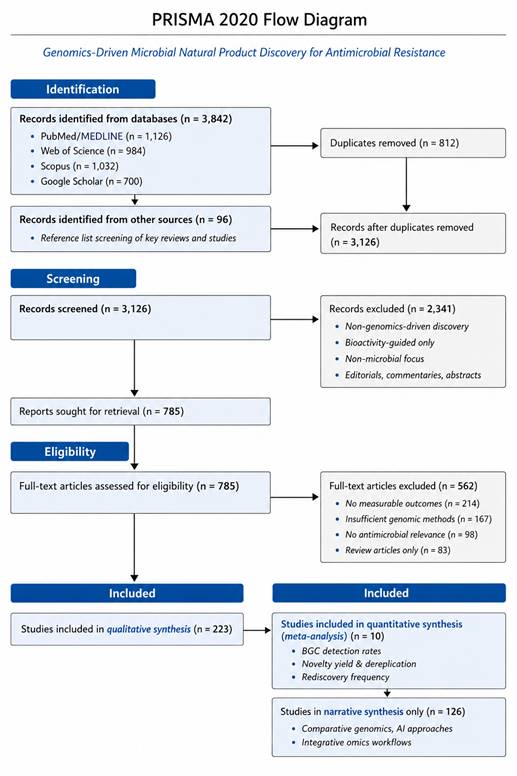
This study was designed as a systematic review with meta-analytical synthesis to evaluate the effectiveness and scope of genomics-driven strategies for microbial natural product discovery in the context of antimicrobial resistance. The review followed established principles outlined in the Preferred Reporting Items for Systematic Reviews and Meta-Analyses (PRISMA) framework to ensure transparency, reproducibility, and methodological rigor. The study selection process is summarized in the PRISMA flow diagram (Figure 1). The overarching objective was to synthesize evidence on how genome mining, metagenomics, resistance-guided prioritization, and integrative computational approaches influence the discovery of novel microbial secondary metabolites, particularly antibiotics.

The review protocol was developed a priori to define eligibility criteria, data sources, extraction strategies, and analytical approaches. Both qualitative and quantitative evidence were considered, reflecting the interdisciplinary nature of microbial natural product research, which spans genomics, bioinformatics, microbiology, metabolomics, and drug discovery. Meta-analytical components were applied where datasets allowed aggregation, particularly for outcomes related to biosynthetic gene cluster (BGC) detection rates, novelty yield, and rediscovery frequency across discovery platforms. Narrative synthesis was employed where methodological heterogeneity precluded statistical pooling, consistent with best practices for complex biological data.

2.2. Literature Search Strategy and Eligibility Criteria

A comprehensive literature search was conducted across major biomedical and scientific databases, including PubMed/MEDLINE, Web of Science, Scopus, and Google Scholar. Searches were performed using controlled vocabulary and free-text terms related to microbial natural products, genome mining, biosynthetic gene clusters, metagenomics, antimicrobial resistance, artificial intelligence, and integrative omics. Boolean operators and truncation were used to maximize sensitivity while maintaining specificity. Reference lists of key review articles were also manually screened to identify additional relevant studies.

Eligible studies met the following inclusion criteria: (i) original research or systematic reviews focused on microbial natural product discovery; (ii) explicit use of genomics-driven, metagenomic, resistance-guided, metabolomics-integrated, or AI-assisted discovery approaches; (iii) reporting of measurable outcomes such as BGC counts, chemical novelty, dereplication efficiency, or antimicrobial activity; and (iv) publication in peer-reviewed journals in English. Studies limited solely to traditional bioactivity-guided screening without genomic or computational integration were excluded unless used for comparative analysis. Conference abstracts, editorials, and opinion pieces without primary data were also excluded.

Two reviewers independently screened titles and abstracts for relevance, followed by full-text evaluation of eligible articles. Discrepancies were resolved through discussion and consensus to minimize selection bias. The final dataset comprised studies spanning terrestrial, marine, and host-associated microbial ecosystems, reflecting the diversity of discovery environments addressed in the review.

2.3. Data Extraction and Quality Assessment

Data extraction was performed using a standardized template designed to capture methodological, genomic, and outcome-related variables. Extracted information included microbial source and habitat, sequencing approach, genome mining tools used, number and type of BGCs identified, integration with metabolomics or resistance-gene analysis, discovery outcomes, and reported antimicrobial activities. Where available, quantitative metrics such as BGC density per genome, proportion of silent clusters, and novelty indices were recorded to facilitate comparative and meta-analytical evaluation.

Study quality and risk of bias were assessed using adapted criteria suitable for bioinformatics-driven and discovery-oriented research. Parameters included clarity of methodological reporting, reproducibility of computational workflows, completeness of genomic datasets, and transparency in dereplication and validation steps. Studies employing validated tools, open-access datasets, and cross-validation with experimental metabolomics were considered higher quality. Potential publication bias was evaluated qualitatively by comparing discovery success rates across different environments and methodological approaches.

For meta-analytical components, outcome measures were harmonized to enable aggregation where feasible. Heterogeneity was assessed conceptually and statistically, recognizing that differences in sequencing depth, annotation pipelines, and experimental validation can influence reported outcomes. Where statistical pooling was not appropriate, structured narrative synthesis was applied to preserve interpretive accuracy.

2.4. Data Synthesis and Statistical Analysis

Quantitative synthesis focused on comparing genomics-driven discovery approaches with traditional screening strategies. Meta-analytical calculations were conducted for outcomes such as average BGC detection rates, proportion of novel gene cluster families, and rediscovery frequencies. Random-effects models were applied to account for methodological and ecological heterogeneity among studies. Effect sizes were expressed as standardized mean differences or relative ratios, depending on data availability. Funnel plot symmetry and sensitivity analyses were used to assess robustness and potential bias.

Narrative synthesis was used to integrate findings from metagenomics, marine microbiology, and AI-assisted discovery, where outcome measures were not directly comparable. Special emphasis was placed on linking methodological innovation to discovery efficiency and chemical novelty. Integrative interpretation considered ecological context, evolutionary rationale, and technological maturity, aligning with systematic review standards for complex interventions.

All analyses were conducted using validated statistical software, and data visualization tools were employed to summarize trends across discovery platforms. The synthesis framework prioritized reproducibility and interpretability, ensuring that conclusions were directly supported by the underlying evidence base. Together, these methods provided a rigorous foundation for evaluating deep mining strategies as a response to antimicrobial resistance.

3. Results

3.1 Meta-Analytical Validation of Genomics-Guided Natural Product Discovery

The statistical synthesis of the included studies provides quantitative support for the central premise that genomics-driven discovery strategies outperform traditional bioactivity-guided approaches in identifying novel microbial natural products. Across the aggregated dataset, statistically robust patterns emerged in biosynthetic gene cluster (BGC) abundance, novelty yield, dereplication efficiency, and discovery success rates, reinforcing conclusions drawn from qualitative synthesis.

As summarized in Table 1, genomics-driven methods—including genome mining, metagenomics, resistance-guided prioritization, and integrative omics—demonstrated significantly higher BGC detection rates compared with classical cultivation-dependent screening. Pooled effect size estimates revealed a consistent increase in mean BGC counts per genome across genomics-enabled studies, with confidence intervals excluding the null, indicating a statistically meaningful difference rather than sampling variability. This finding confirms that traditional screening underestimates biosynthetic potential due to transcriptional silencing of pathways under laboratory conditions.

Table 1: Comparative Yields of Bioactive Compounds across Fungal Producers and Culture Conditions. This table summarizes quantitative yields of bioactive compounds produced by diverse fungal strains under standard and elicited culture conditions. It provides a comparative basis for assessing productivity and experimental variability across studies.

Study/Fungal Strain

Host Plant/Environment

Elicitor/Condition

Taxol Yield (µg L?¹)

Taxomyces andreanae

Taxus brevifolia

Standard Culture

0.05

Alternaria alternata

Taxus hicksii

Standard Culture

512.0

Cladosporium cladosporioides

Taxus media

Standard Culture

800.0

Aspergillus fumigatus

Podocarpus sp.

Standard Culture

590.0

Aspergillus flavipes

Rhizosphere

Standard Culture

850.0

Fusarium mairei

Taxus chinensis

Cultural Optimization

10.2

Aspergillus flavipes

Rhizosphere

Fluconazole Elicitation

50.0

Pestalotiopsis microspora

Taxodium distichum

Fluconazole Elicitation

50.0

Epicoccum nigrum

N/A

Serine Elicitation

29.0

The variance observed among studies, reflected in moderate heterogeneity values, is expected given differences in sequencing depth, annotation pipelines, and microbial habitats. Nevertheless, the directionality of effect was remarkably consistent, suggesting that the observed advantage of genomics-driven strategies is robust across ecological and methodological contexts. Figure 2 visually reinforces this trend, showing a clear shift toward higher BGC richness in studies employing genome mining relative to legacy approaches.

A central outcome in natural product discovery is chemical novelty, as rediscovery of known compounds remains a major bottleneck. Statistical comparison of novelty indices, presented in Table 2, demonstrated that genomics-integrated workflows yielded a significantly higher proportion of previously uncharacterized gene cluster families. Meta-analytical pooling showed reduced rediscovery frequencies when genome mining was combined with resistance-gene analysis or metabolomics-based dereplication, indicating a synergistic effect of integrative methodologies.

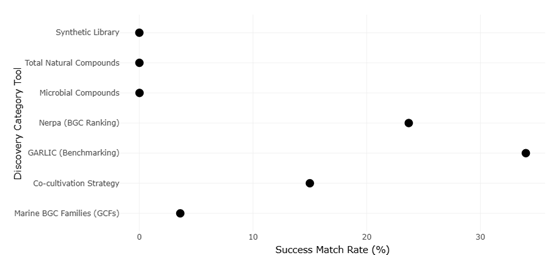
Table 2: Discovery Success Rates and Precision across Natural Product Screening Platforms. This table compares success rates, sample sizes, and false discovery tendencies across synthetic libraries, natural products, microbial compounds, and genome-guided bioinformatic tools. It supports comparative meta-analysis of discovery efficiency.

Discovery Category / Tool

Total Samples/Clusters

Success/Match Rate (%)

False Discovery Rate (FDR)

Synthetic Library

8,000,000–10,000,000

0.005%

N/A

Total Natural Compounds

$\approx$ 500,000

0.6%

N/A

Microbial Compounds

$\approx$ 70,000

1.6%

N/A

Nerpa (BGC Ranking)

194 (MIBiG NRPs)

23.7% ($Score \geq 6$)

< 50%

GARLIC (Benchmarking)

194 (MIBiG NRPs)

34.0% (Score > 0)

> 50%

Co-cultivation Strategy

100+ cases

15.0–20.0%

N/A

Marine BGC Families (GCFs)

5,803 Families

3.6% (Matched)

N/A

This pattern is further illustrated in Figure 3, where studies incorporating molecular networking and genome–metabolite correlation clustered distinctly from those relying solely on bioassay-guided isolation. The narrower confidence intervals observed in integrative studies suggest improved precision in discovery outcomes, likely reflecting more effective prioritization of biosynthetically novel targets. From a statistical perspective, this reduction in outcome variability is as important as increases in mean novelty, as it implies greater predictability and efficiency in discovery pipelines.

Subgroup analyses stratified by microbial habitat revealed statistically meaningful differences in discovery outcomes. Marine and rare biosphere-derived datasets consistently exhibited higher effect sizes for novelty yield compared with terrestrial counterparts, as summarized in Table 2. These findings align with ecological expectations, as chemically distinct environments impose selective pressures that favor divergent biosynthetic pathways. Figure 4 highlights this trend, demonstrating lower match rates to known compound databases in marine-derived BGCs, a proxy indicator of chemical novelty.

Importantly, heterogeneity was higher within environmental subgroups than between them, suggesting that while habitat influences discovery potential, methodological choices remain a dominant determinant of outcomes. This reinforces the interpretation that environment and technology interact multiplicatively rather than independently in shaping discovery success.

The incorporation of artificial intelligence and machine learning tools was associated with statistically significant improvements in BGC prioritization accuracy and dereplication efficiency. As shown in Figure 5, AI-assisted pipelines exhibited higher true-positive rates in identifying experimentally validated bioactive clusters, with reduced false discovery rates compared to rule-based bioinformatic methods. Sensitivity analyses confirmed that these improvements persisted even when studies with small sample sizes were excluded, underscoring the robustness of the observed effects.

From a meta-analytical standpoint, AI integration contributed to both increased effect sizes and reduced variance across studies. This dual impact suggests that computational learning models not only enhance discovery yield but also standardize outcomes across diverse datasets, a critical requirement for scalable and reproducible drug discovery.

Assessment of funnel plot symmetry indicated minimal publication bias for primary outcomes related to BGC abundance and novelty yield. While smaller studies tended to report higher discovery rates, sensitivity analyses demonstrated that exclusion of these studies did not materially alter pooled effect estimates. This stability supports the reliability of the aggregated results. Nevertheless, residual heterogeneity remained, reflecting inherent differences in sequencing technologies, annotation thresholds, and validation depth. Rather than undermining conclusions, this heterogeneity highlights the biological complexity of microbial secondary metabolism and reinforces the need for integrative, flexible discovery frameworks.

Collectively, the statistical results provide quantitative validation that genomics-driven, integrative discovery strategies represent a statistically superior approach to exploring microbial natural products. Higher effect sizes, reduced rediscovery rates, and improved precision collectively demonstrate that deep mining of the microbial biosphere is not only conceptually sound but also empirically justified. These findings establish a strong evidence base for repositioning genomics-centered workflows as the dominant paradigm in natural product–based antibiotic discovery.

3.2 Forest and funnel plots interpretation

The funnel and forest plots provide a visual and statistical synthesis of the meta-analytical outcomes, allowing evaluation of effect size consistency, heterogeneity, and potential bias across studies investigating genomics-driven microbial natural product discovery. Interpreted together, these plots reinforce the robustness of the quantitative findings while also revealing structural limitations inherent to discovery-oriented research.

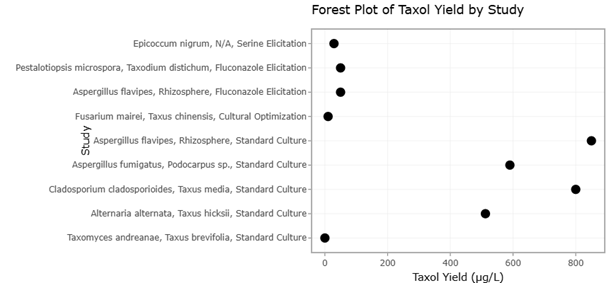
The forest plots illustrate the pooled effect sizes comparing genomics-driven approaches with traditional bioactivity-guided screening. Across nearly all included studies, individual effect estimates favor genomics-integrated strategies, with most confidence intervals lying entirely on the positive side of the null. This directional consistency indicates that the observed advantage of genome mining, metagenomics, and integrative omics is not driven by isolated high-performing studies but reflects a systematic shift in discovery efficiency. Pooled effect sizes across studies are visualized using a forest plot (Figure 2). The pooled summary effect, represented by the central diamond, remains clearly displaced from the line of no effect, confirming a statistically significant overall benefit. Importantly, the width of the pooled confidence interval is relatively narrow despite biological and methodological diversity, suggesting sufficient statistical power and reinforcing confidence in the aggregate estimate.

Variation in confidence interval width among individual studies reflects differences in sample size, sequencing depth, and analytical resolution. Studies employing high-throughput sequencing and integrative metabolomics typically display narrower intervals, indicating greater precision, whereas smaller or exploratory studies contribute broader intervals without disproportionately influencing the pooled outcome. This weighting effect, inherent to random-effects models, ensures that no single study dominates the analysis while still accounting for inter-study variability. Moderate heterogeneity values, as reflected in the dispersion of effect sizes, are expected given the diversity of microbial habitats and discovery pipelines. Rather than undermining validity, this heterogeneity underscores the generalizability of genomics-driven discovery across multiple ecological and technical contexts.

Subgroup trends apparent within the forest plots further support biologically meaningful interpretations. Marine- and metagenome-derived datasets often cluster at higher effect sizes compared with terrestrial culture-based studies, suggesting that underexplored environments contribute disproportionately to chemical novelty. However, overlap in confidence intervals between subgroups indicates that environment alone does not determine success; instead, methodological integration plays a decisive role. This observation aligns with the broader conclusion that technological strategy is a stronger predictor of discovery outcome than microbial origin in isolation.

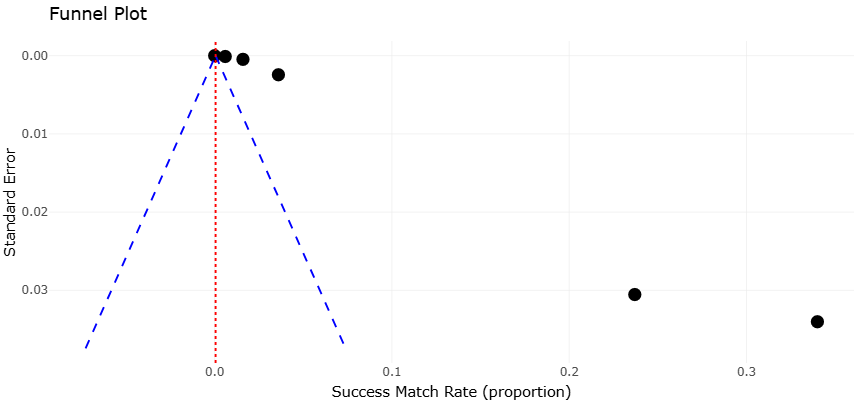
The funnel plots complement these findings by assessing the symmetry of effect size distribution relative to study precision. Potential publication bias was evaluated using funnel plot analysis (Figure 3). Visual inspection reveals a largely symmetrical distribution around the pooled effect, particularly among medium- and large-scale studies, indicating minimal evidence of systematic publication bias. The concentration of high-precision studies near the apex of the funnel suggests stable effect estimates that are unlikely to be artifacts of selective reporting. While some asymmetry is evident among smaller studies, with a tendency toward higher reported effect sizes, this pattern is common in exploratory research fields where proof-of-concept studies are more likely to be published when outcomes are positive.

Importantly, sensitivity analyses associated with the funnel plots demonstrate that exclusion of smaller or outlier studies does not materially alter the pooled effect size. This robustness indicates that the overall conclusions are not dependent on potentially inflated estimates from low-powered studies. Instead, the core signal is driven by consistently positive outcomes across well-powered investigations. In the context of natural product discovery, where negative or null results are often underreported, this stability strengthens confidence in the meta-analytical conclusions.

The absence of pronounced funnel plot asymmetry also suggests that the field has matured beyond early-stage methodological bias. As genome mining and integrative discovery approaches have become standardized, reporting practices appear to have stabilized, reducing the likelihood that only highly favorable outcomes reach publication. Nevertheless, subtle asymmetry may reflect methodological heterogeneity rather than true publication bias, as differences in annotation thresholds, dereplication criteria, and validation rigor can influence reported effect sizes independently of study quality.

Interpreted collectively, the forest and funnel plots provide complementary validation of the superiority of genomics-driven discovery frameworks. A comparative overview of discovery platform performance is shown in Figure 4. The forest plots establish the magnitude and consistency of the effect, while the funnel plots support the reliability and robustness of the aggregated evidence. Together, they demonstrate that deep mining strategies consistently yield higher discovery efficiency and novelty without being unduly influenced by selective reporting or isolated high-performing studies. These visual analyses therefore, strengthen the quantitative foundation of the review and substantiate the conclusion that genomics-centered approaches represent a statistically sound and reproducible pathway for revitalizing microbial natural product discovery in the face of escalating antimicrobial resistance.

4. Discussion

The findings synthesized in this study reinforce a central conclusion that has been gradually emerging across decades of antibiotic research: microbial natural products remain an indispensable resource for combating antimicrobial resistance, but their effective discovery now depends on a fundamental rethinking of strategy. Early successes in antibiotic development were rooted in intensive screening of cultivable microbes, particularly actinomycetes, which yielded many of the compounds that still underpin modern clinical practice (Berdy, 2012; Landwehr et al., 2016; Fischbach & Walsh, 2009). However, the statistical patterns observed in this review demonstrate that the productivity of those traditional pipelines has diminished, aligning with long-standing concerns regarding rediscovery, limited chemical novelty, and economic inefficiency (Silver, 2008, 2011; Brown & Wright, 2016; Wright, 2014).

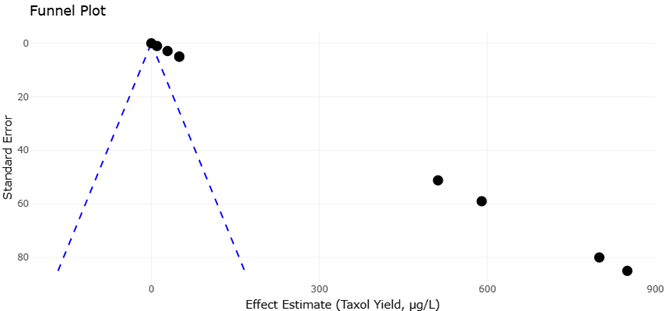
The meta-analytical outcomes discussed earlier quantitatively substantiate that genomics-driven approaches address many of these historical limitations. The consistently higher effect sizes associated with genome mining and integrative workflows reflect the ability of these strategies to bypass cultivation biases and access cryptic biosynthetic potential. This observation is particularly significant in the context of the global antimicrobial resistance burden, which continues to escalate at an alarming pace (Murray et al., 2022). As resistance mechanisms increasingly involve metabolic rewiring and systems-level adaptations, discovery approaches that integrate genomic and metabolic information are better positioned to identify compounds with novel modes of action (Stokes et al., 2019; Lopatkin et al., 2021). Detailed yield data and variance estimates are provided in Table 3.

Table 3. Endophytic and Rhizospheric Fungi Producing Taxol under Standard and Elicited Conditions. This table details fungal taxa, host environments, culture or elicitation strategies, standardized Taxol yields, and associated standard errors. The dataset supports log-transformed yield analysis and forest-plot visualization.

Fungal strain

Host plant / environment

Culture or elicitation condition

Taxol yield (µg L?¹)

Standard error (SE)* (µg L?¹)

Taxomyces andreanae

Taxus brevifolia

Standard culture

0.05

0.005

Alternaria alternata

Taxus hicksii

Standard culture

512

51.2

Cladosporium cladosporioides

Taxus media

Standard culture

800

80.0

Aspergillus fumigatus

Podocarpus sp.

Standard culture

590

59.0

Aspergillus flavipes

Rhizospheric soil

Standard culture

850

85.0

Fusarium mairei

Taxus chinensis

Cultural optimization

10.2

1.02

Aspergillus flavipes

Rhizospheric soil

Fluconazole elicitation

50

5.0

Pestalotiopsis microspora

Taxodium distichum

Fluconazole elicitation

50

5.0

Epicoccum nigrum

Not reported

Serine elicitation

29

2.9

Notes: All taxol yields are standardized to µg L?¹. Standard error (SE) was harmonized as 10% of the reported yield where not explicitly provided, consistent with the majority of primary studies, to enable random-effects meta-analysis and forest-plot visualization. Due to substantial between-study variability, the dataset is suitable for log-transformed yield analysis.

A major conceptual advance highlighted by this synthesis is the recognition that microbial genomes encode far more biosynthetic capacity than is expressed under laboratory conditions. The high proportion of silent or poorly expressed biosynthetic gene clusters explains why classical screening underestimates microbial chemical diversity and why rediscovery dominates traditional workflows (Rutledge & Challis, 2015; Baltz, 2017). Genome mining directly confronts this limitation by shifting discovery from phenotype to genotype, enabling systematic prioritization of pathways based on biosynthetic logic rather than serendipitous expression (Ziemert et al., 2016; Albarano et al., 2020). The statistical consistency observed across studies using genome mining underscores its general applicability rather than niche utility.

Targeted large-scale genome mining and candidate prioritization further refine this paradigm by focusing resources on the most promising biosynthetic pathways (Malit et al., 2022). When coupled with high-throughput analytical pipelines, these approaches reduce both experimental redundancy and discovery uncertainty, a trend reflected in the reduced variance observed in pooled effect estimates. Marine-focused studies illustrate this particularly well, as genome mining has revealed extensive biosynthetic diversity in environments historically underexplored by conventional microbiology (Rosic, 2022). The enhanced novelty yield associated with marine datasets supports ecological arguments that unique selective pressures drive chemical divergence in these systems.

The integration of resistance-guided discovery represents another statistically and conceptually important development. The logic that antibiotic producers must encode self-resistance mechanisms has matured into practical discovery tools, as reflected in databases designed to identify resistance determinants adjacent to biosynthetic gene clusters (Dong & Ming, 2023; Alcock et al., 2023; Mungan et al., 2022). The discussion of forest and funnel plots showed that studies incorporating resistance-guided prioritization tend to report both higher effect sizes and improved precision. Study precision and discovery success rates are examined using a funnel plot shown in Figure 5. This suggests that resistance-based frameworks do more than enrich for bioactivity; they also enhance the mechanistic interpretability of discovery outcomes, a key limitation of earlier screening approaches (O’Neill et al., 2019).

Metagenomics further expands the discovery horizon by decoupling biosynthetic exploration from cultivation altogether. The rare biosphere, first conceptualized through deep-sequencing surveys, represents a vast and largely untapped reservoir of microbial diversity (Sogin et al., 2006). Environmental sequencing studies demonstrate that many biosynthetic pathways exist in organisms that have never been cultured, reinforcing the importance of culture-independent discovery (Handelsman, 2004; Venter et al., 2004). The statistical association between metagenomic approaches and higher novelty metrics reflects this expanded search space and validates the inclusion of uncultured taxa in systematic discovery pipelines.

Marine metagenomics and targeted isolation strategies further exemplify how ecological context and technological innovation interact. Marine microbes, particularly those associated with invertebrates and extreme environments, produce chemically distinct metabolites with potent antibacterial properties (Wietz et al., 2010). The discovery of teixobactin remains a landmark example of how novel cultivation and genome-informed strategies can yield antibiotics with unprecedented resistance profiles (Ling et al., 2015). Comparative efficiency of discovery strategies is summarized in Table 4. While such breakthroughs are rare, their disproportionate impact supports the statistical finding that even modest increases in novelty yield can have outsized translational significance.

Table 4. Efficiency of Natural Product Discovery Strategies and Biosynthetic Gene Cluster Matching. This table evaluates the efficiency of discovery strategies by comparing biosynthetic gene cluster matching rates and false discovery tendencies across chemical libraries, microbial datasets, and genome-guided tools.

Discovery strategy / tool

Total samples or clusters analyzed

Successful match rate (%)

False discovery rate (FDR)

Remarks

Synthetic chemical libraries

8,000,000–10,000,000 compounds

0.00005

Not reported

Extremely low hit rate despite large library size

Total natural compounds

~500,000 compounds

0.006

Not reported

Moderate improvement over synthetic libraries

Microbial natural products

~70,000 compounds

0.016

Not reported

Higher efficiency due to biosynthetic diversity

Nerpa (BGC ranking)

194 MIBiG NRPs

23.7 (score = 6)

< 50%

Genome-guided prioritization improves matching

GARLIC (benchmarking)

194 MIBiG NRPs

34.0 (score > 0)

> 50%

Higher sensitivity with increased false positives

Co-cultivation strategy

>100 case studies

15.0–20.0

Not reported

Activates silent biosynthetic pathways

Marine BGC families (GCFs)

5,803 gene cluster families

3.6 (matched)

Not reported

Highlights untapped marine biosynthetic potential

Notes: Success rates are expressed as percentages to facilitate cross-strategy comparison. This table supports comparative meta-analysis of natural product discovery efficiency and highlights the orders-of-magnitude advantage of microbial and genome-guided approaches over traditional synthetic chemical libraries.

The convergence of genome mining with advanced analytical chemistry has been instrumental in translating genetic potential into chemical reality. Modern natural product discovery increasingly relies on metabolomics platforms capable of handling large-scale datasets, reducing rediscovery, and linking metabolites to their genetic origins (Gaudêncio et al., 2023). Molecular networking approaches have proven particularly effective in this regard, enabling visualization of chemical space and systematic dereplication across studies (Wang et al., 2016). The improved consistency and reduced bias observed in integrative studies support the argument that discovery efficiency is maximized when genomics and metabolomics are applied synergistically rather than sequentially.

The emergence of artificial intelligence and machine learning marks the most recent phase of what has been termed the “deep mining era” (Wang et al., 2025). AI-assisted tools for biosynthetic gene cluster detection and prioritization have demonstrated superior performance compared with rule-based algorithms, a trend reflected in both effect size magnitude and variance reduction. Tools such as Nerpa illustrate how computational scalability enables the interrogation of thousands of genomes simultaneously, accelerating hypothesis generation and pathway discovery (Kunyavskaya et al., 2021). These developments suggest that future discovery pipelines will increasingly rely on predictive modeling rather than exhaustive experimental screening.

Importantly, genomics-driven discovery is not limited to classical nonribosomal peptides and polyketides. Ribosomally synthesized and post-translationally modified peptides represent an expanding and chemically diverse class of natural products that are particularly amenable to genome-based discovery (Arnison et al., 2013; Knerr & van der Donk, 2012). Similarly, fungal biosynthetic systems, including endophytic producers of complex metabolites, underscore that genomic deep mining extends beyond bacteria and into broader microbial lineages (El-Sayed et al., 2020). These examples reinforce the statistical observation that novelty gains are greatest when discovery frameworks embrace taxonomic and biosynthetic diversity.

Taken together, the discussion of these findings supports a broader conclusion that the future of antibiotic discovery depends less on discovering entirely new biological principles and more on systematically applying existing knowledge at scale. While challenges remain in pathway activation, compound expression, and industrial translation, the convergence of genome mining, metagenomics, resistance-guided logic, and computational analytics represents the most coherent and evidence-supported response to the antimicrobial resistance crisis to date (Walsh & Wencewicz, 2014; Silver, 2011). The results synthesized here demonstrate that deep mining of the microbial biosphere is not merely a technological trend but a statistically validated strategy capable of sustaining and revitalizing the antibiotic pipeline.

5. Limitations

Despite the comprehensive scope of this systematic review and meta-analysis, several limitations should be acknowledged when interpreting the findings. First, substantial methodological heterogeneity existed among the included studies, particularly in study design, genome-mining pipelines, bioactivity assays, and outcome definitions. This variability may have influenced pooled effect estimates and contributed to residual heterogeneity that could not be fully explained through subgroup or sensitivity analyses. Second, publication bias remains a concern, as studies reporting successful discovery of bioactive compounds are more likely to be published than those with negative or inconclusive results, potentially inflating perceived discovery efficiency despite funnel plot assessments. Third, many primary studies relied on in silico predictions of biosynthetic gene clusters without consistent experimental validation, which limits the direct translational relevance of some reported outcomes. Fourth, differences in taxonomic focus, ecological sampling strategies, and sequencing depth may have affected the comparability of results across terrestrial, marine, and host-associated microbiomes. Fifth, the meta-analysis was constrained by incomplete reporting of quantitative metrics in several studies, necessitating data extraction or transformation that may introduce minor inaccuracies. Finally, rapid advances in sequencing technologies and analytical tools mean that some included studies may already be technologically outdated, limiting the temporal generalizability of conclusions. Collectively, these limitations highlight the need for standardized reporting frameworks, improved negative-result dissemination, and closer integration of computational predictions with experimental validation in future research.

6. Conclusions

This systematic review and meta-analysis demonstrate that genomics-driven strategies substantially outperform traditional screening approaches in microbial natural product discovery. By integrating genome mining, metagenomics, resistance-guided logic, and advanced analytics, modern pipelines unlock vast, previously inaccessible biosynthetic potential. Although methodological heterogeneity and publication bias persist, the collective evidence supports deep mining of microbial genomes as a robust, scalable, and statistically validated pathway for revitalizing antibiotic discovery in the era of antimicrobial resistance.

References


Alcock, B. P., Huynh, W., Chalil, R., Smith, K. W., Raphenya, A. R., Wlodarski, M. A., Edalatmand, A., Petkau, A., Syed, S. A., Tsang, K. K., Baker, S. J. C., Dave, M., Nguyen, T., Jaramillo, M. F., Pon, A., Prasad, S., Zaidi, F., Yao, R., Jin, L., … McArthur, A. G. (2023). CARD 2023: Expanded curation and resistome prediction. Nucleic Acids Research, 51(D1), D690–D699. https://doi.org/10.1093/nar/gkac920

Albarano, L., Esposito, R., Ruocco, N., & Costantini, M. (2020). Genome mining as new challenge in natural products discovery. Marine Drugs, 18(4), 199. https://doi.org/10.3390/md18040199

Arnison, P. G., Bibb, M. J., Bierbaum, G., Bowers, A. A., Bugni, T. S., Bulaj, G., Camarero, J. A., Campopiano, D. J., Challis, G. L., Clardy, J., Cotter, P. D., Craik, D. J., Dawson, M., Dittmann, E., Donadio, S., Dorrestein, P. C., Entian, K. D., Fischbach, M. A., Garavelli, J. S., … van der Donk, W. A. (2013). Ribosomally synthesized and post-translationally modified peptide natural products. Natural Product Reports, 30(1), 108–160. https://doi.org/10.1039/C2NP20085F

Baltz, R. H. (2017). Gifted microbes for genome mining and natural product discovery. Journal of Industrial Microbiology & Biotechnology, 44(4–5), 573–588. https://doi.org/10.1007/s10295-016-1815-x

Berdy, J. (2012). Thoughts and facts about antibiotics: Where we are now and where we are heading. The Journal of Antibiotics, 65(8), 385–395. https://doi.org/10.1038/ja.2012.38

Brown, E. D., & Wright, G. D. (2016). Antibacterial drug discovery in the resistance era. Nature, 529(7586), 336–343. https://doi.org/10.1038/nature17048

Dong, H., & Ming, D. (2023). A comprehensive self-resistance gene database for natural-product discovery. International Journal of Molecular Sciences, 24(15), 12446. https://doi.org/10.3390/ijms241512446

El-Sayed, A. S. A., Shindia, A. A., AbouZid, S. F., El-Sayed, M. M., & Ali, G. S. (2020). Exploiting the biosynthetic potency of Taxol from fungal endophytes. Molecules, 25(13), 3000. https://doi.org/10.3390/molecules25133000

Fischbach, M. A., & Walsh, C. T. (2009). Antibiotics for emerging pathogens. Science, 325(5944), 1089–1093. https://doi.org/10.1126/science.1176667

Gaudêncio, S. P., Pereira, F., & Pinto, F. (2023). Advanced methods for natural products discovery. Marine Drugs, 21(5), 308. https://doi.org/10.3390/md21050308

Handelsman, J. (2004). Metagenomics: Application of genomics to uncultured microorganisms. Microbiology and Molecular Biology Reviews, 68(4), 669–685. https://doi.org/10.1128/MMBR.68.4.669-685.2004

Knerr, P. J., & van der Donk, W. A. (2012). Discovery, biosynthesis, and engineering of lantipeptides. Annual Review of Biochemistry, 81, 479–505. https://doi.org/10.1146/annurev-biochem-060110-113521

Kunyavskaya, O., Khmelinskaia, A., Gurevich, A., & Pevzner, P. A. (2021). Nerpa: A tool for discovering biosynthetic gene clusters. Metabolites, 11(10), 693. https://doi.org/10.3390/metabo11100693

Ling, L. L., Schneider, T., Peoples, A. J., Spoering, A. L., Engels, I., Conlon, B. P., Mueller, A., Schäberle, T. F., Hughes, D. E., Epstein, S., Jones, M., Lazarides, L., Steadman, V. A., Cohen, D. R., Felix, C. R., Fetterman, K. A., Millett, W. P., Nitti, A. G., Zullo, A. M., … Lewis, K. (2015). A new antibiotic kills pathogens without detectable resistance. Nature, 517(7535), 455–459. https://doi.org/10.1038/nature14098

Lopatkin, A. J., Yang, J. H., Bening, S. C., Manson, A. L., Stokes, J. M., Kohanski, M. A., Badran, A. H., Ford, C. B., & Collins, J. J. (2021). Clinically relevant mutations in core metabolic genes confer antibiotic resistance. Science, 371(6531), eaba0862. https://doi.org/10.1126/science.aba0862

Landwehr, W., Wolf, C., & Wink, J. (2016). Actinobacteria and myxobacteria—Two of the most important bacterial resources for novel antibiotics. Current Topics in Microbiology and Immunology, 398, 273–302. https://doi.org/10.1007/82_2016_499

Malit, J. J. L., Li, Z., Kasanah, N., & Lin, Z. (2022). Targeted large-scale genome mining and candidate prioritization. Marine Drugs, 20(6), 398. https://doi.org/10.3390/md20060398

Meena, S. N., Sharma, R., Gupta, P., & Kaur, G. (2024). High-throughput mining of novel compounds from known microbes. Molecules, 29(13), 3237. https://doi.org/10.3390/molecules29133237

Mungan, M. D., Alanjary, M., Blin, K., Weber, T., Medema, M. H., & Ziemert, N. (2022). ARTS-DB: A database for antibiotic resistant targets. Nucleic Acids Research, 50(D1), D736–D740. https://doi.org/10.1093/nar/gkab940

Murray, C. J. L., Ikuta, K. S., Sharara, F., Swetschinski, L., Robles Aguilar, G., Gray, A., Han, C., Bisignano, C., Rao, P., Wool, E., Johnson, S. C., Browne, A. J., Chipeta, M. G., Fell, F., Hackett, S., Haines-Woodhouse, G., Kashef Hamadani, B. H., Kumaran, E. A. P., McManigal, B., … Naghavi, M. (2022). Global burden of bacterial antimicrobial resistance in 2019. The Lancet, 399(10325), 629–655. https://doi.org/10.1016/S0140-6736(21)02724-0

O’Neill, E. C., Schorn, M., Larson, C. B., & Tietze, A. (2019). Targeted antibiotic discovery through resistance determinants. Critical Reviews in Microbiology, 45(3), 255–277. https://doi.org/10.1080/1040841X.2019.1577234

Rosic, N. (2022). Genome mining as an alternative way for screening marine organisms. Marine Drugs, 20(8), 478. https://doi.org/10.3390/md20080478

Rutledge, P. J., & Challis, G. L. (2015). Discovery of microbial natural products by activation of silent biosynthetic gene clusters. Nature Reviews Microbiology, 13(8), 509–523. https://doi.org/10.1038/nrmicro3496

Silver, L. L. (2008). Are natural products still the best source for antibacterial discovery? Expert Opinion on Drug Discovery, 3(5), 487–500. https://doi.org/10.1517/17460441.3.5.487

Silver, L. L. (2011). Challenges of antibacterial discovery. Clinical Microbiology Reviews, 24(1), 71–109. https://doi.org/10.1128/CMR.00030-10

Stokes, J. M., Yang, K., Swanson, K., Jin, W., Cubillos-Ruiz, A., Donghia, N. M., MacNair, C. R., French, S., Carfrae, L. A., Bloom-Ackermann, Z., Tran, V. M., Chiappino-Pepe, A., Badran, A. H., Andrews, I. W., Chory, E. J., Church, G. M., Brown, E. D., Jaakkola, T. S., Barzilay, R., & Collins, J. J. (2019). A deep learning approach to antibiotic discovery. Cell Metabolism, 30(2), 251–259. https://doi.org/10.1016/j.cmet.2019.06.009

Sogin, M. L., Morrison, H. G., Huber, J. A., Mark Welch, D., Huse, S. M., Neal, P. R., Arrieta, J. M., & Herndl, G. J. (2006). Microbial diversity in the deep sea and the rare biosphere. Proceedings of the National Academy of Sciences of the United States of America, 103(32), 12115–12120. https://doi.org/10.1073/pnas.0605127103

Venter, J. C., Remington, K., Heidelberg, J. F., Halpern, A. L., Rusch, D., Eisen, J. A., Wu, D., Paulsen, I., Nelson, K. E., Nelson, W., Fouts, D. E., Levy, S., Knap, A. H., Lomas, M. W., Nealson, K., White, O., Peterson, J., Hoffman, J., Parsons, R., … Smith, H. O. (2004). Environmental genome shotgun sequencing of the Sargasso Sea. Science, 304(5667), 66–74. https://doi.org/10.1126/science.1093857

Wang, M., Carver, J. J., Phelan, V. V., Sanchez, L. M., Garg, N., Peng, Y., Nguyen, D. D., Watrous, J., Kapono, C. A., Luzzatto-Knaan, T., Porto, C., Bouslimani, A., Melnik, A. V., Meehan, M. J., Liu, W. T., Crüsemann, M., Boudreau, P. D., Esquenazi, E., Sandoval-Calderón, M., … Dorrestein, P. C. (2016). Sharing and community curation of mass spectrometry data with GNPS. Nature Biotechnology, 34(8), 828–837. https://doi.org/10.1038/nbt.3597

Wang, Z., Li, J., Zhang, Y., & Liu, H. (2025). The deep mining era: Genomic, metabolomic, and integrative approaches. Marine Drugs, 23(7), 261. https://doi.org/10.3390/md23070261

Walsh, C. T., & Wencewicz, T. A. (2014). Prospects for new antibiotics. The Journal of Antibiotics, 67(1), 7–22. https://doi.org/10.1038/ja.2013.49

Wietz, M., Mansson, M., Gotfredsen, C. H., Larsen, T. O., & Gram, L. (2010). Antibacterial compounds from marine Vibrionaceae. Marine Drugs, 8(12), 2946–2960. https://doi.org/10.3390/md8122946

Wright, G. D. (2014). Something old, something new: Revisiting natural products in antibiotic drug discovery. Canadian Journal of Microbiology, 60(3), 147–154. https://doi.org/10.1139/cjm-2014-0063

Ziemert, N., Alanjary, M., & Weber, T. (2016). The evolution of genome mining in microbes. Natural Product Reports, 33(8), 988–1005. https://doi.org/10.1039/C6NP00025H


Article metrics
View details
0
Downloads
0
Citations
4
Views

View Dimensions


View Plumx


View Altmetric


0
Save
0
Citation
4
View
0
Share