Journal of Precision Biosciences

Precision sciences | Online ISSN 3064-9226
29
Citations
74.5k
Views
51
Articles
Your new experience awaits. Try the new design now and help us make it even better
Switch to the new experience
Figures and Tables
SYSTEMATIC REVIEW   (Open Access)

Benchmarking the Omics Revolution: A Comprehensive Review of Methodological Consistency and Clinical Readiness

Samima Nasrin Setu1*, Rifat Bin Amin2, Raihan Mia1, Ismath tarin 

+ Author Affiliations

Journal of Precision Biosciences 7 (1) 1-8 https://doi.org/10.25163/biosciences.7110539

Submitted: 13 October 2025 Revised: 09 December 2025  Published: 19 December 2025 


Abstract

Omics technologies encompassing genomics, transcriptomics, proteomics, and metabolomics—have revolutionized our understanding of complex biological systems by enabling comprehensive, high-throughput profiling of molecular landscapes. This systematic review and meta-analysis synthesized evidence from studies spanning 2000–2024 to evaluate the reproducibility, accuracy, and clinical relevance of omics approaches across diverse human health contexts. A rigorous literature search was conducted in PubMed, Scopus, Web of Science, and Embase, with studies screened according to PRISMA guidelines. Forest plots were employed to visualize effect sizes and confidence intervals, while funnel plots assessed potential publication bias, revealing generally reproducible molecular signatures alongside mild asymmetries indicative of small-study effects. Random-effects meta-analyses quantified heterogeneity, identifying methodological factors—such as platform type, sample handling, and cohort characteristics—as key contributors to variability. Across studies, transcriptomic data consistently highlighted immune and metabolic pathway alterations, proteomic analyses revealed changes in key enzymes and regulatory proteins, and metabolomics captured downstream functional consequences, illustrating the complementary value of multi-omics integration. Despite inherent heterogeneity and modest publication bias, the pooled analyses underscore the robustness of core molecular patterns and their potential as biomarkers for disease diagnosis, prognosis, and therapeutic targeting. This review emphasizes the need for standardized protocols, transparent reporting, and multi-cohort validation to enhance reproducibility and clinical translation. Collectively, our findings highlight that systematic aggregation of omics data not only strengthens biological inference but also provides a roadmap for leveraging multi-omics approaches in precision medicine. Keywords: Omics; Genomics; Transcriptomics; Proteomics; Metabolomics; Systematic review; Meta-analysis; Biomarker discovery

1. Introduction

Omics technologies have transformed the landscape of biological and medical research by providing comprehensive, high-throughput data on the molecular composition and regulation of cells, tissues, and organisms (Horgan & Kenny, 2011; Karahalil, 2016; Beale et al., 2016). These technologies include genomics, which examines DNA sequences and structural variations; transcriptomics, which profiles RNA expression patterns; proteomics, which assesses protein abundance, modifications, and interactions; and metabolomics, which evaluates small-molecule metabolites in biological systems (Johnson et al., 2016; Pinu et al., 2019). Collectively, omics approaches enable holistic insights into biological processes, bridging the gap between genotype, phenotype, and environmental influences (Gómez-Cebrián et al., 2021; Karahalil, 2016).

The rapid evolution of next-generation sequencing (NGS) and mass spectrometry has greatly enhanced the sensitivity, throughput, and resolution of omics studies (Dopazo, 2014; Tiew et al., 2023). In genomics, high-throughput sequencing allows the detection of single nucleotide polymorphisms (SNPs), copy number variations, and structural variants across large populations, facilitating genome-wide association studies (GWAS) and personalized medicine applications (Swinney, 2014; Malcangi et al., 2023). Transcriptomics, using RNA-sequencing (RNA-seq), captures gene expression dynamics across tissues, time points, and disease states, enabling identification of regulatory networks and alternative splicing events (Ma et al., 2019; O’Rourke et al., 2020). Proteomics leverages mass spectrometry and protein microarrays to map protein abundance, post-translational modifications, and protein-protein interactions, providing functional insights beyond gene expression alone (Fernández-Acero et al., 2019). Metabolomics focuses on small molecules that reflect cellular metabolic states, offering a direct readout of physiological and pathological processes (Johnson et al., 2016; Pinu et al., 2019).

Despite technological advancements, variability in omics data remains a major challenge (Bolyen et al., 2019; Janiszewska et al., 2022). Differences in sample preparation, platform selection, data processing, and normalization strategies can introduce technical noise and bias, complicating cross-study comparisons and meta-analyses (Beale et al., 2016; Secco et al., 2025). Biological variability—including age, sex, genetic background, diet, and microbiome composition—further contributes to heterogeneity, emphasizing the importance of rigorous experimental design, replication, and statistical analysis (Francine, 2022; Nogueira & Botelho, 2021). Reviews and meta-analyses of omics studies are therefore critical to synthesize findings, quantify effect sizes, assess heterogeneity, and identify potential biases (Secco et al., 2025).

Comparative visualization and summary analyses were applied to evaluate the consistency, magnitude, and reliability of reported molecular effects across omics studies (Beale et al., 2016). Study-level effect estimates were examined collectively to identify concordant trends in direction and strength of molecular changes, allowing assessment of agreement across datasets generated using diverse platforms and experimental designs. Patterns in effect magnitude relative to study size and analytical rigor were also evaluated to detect potential imbalances in the published literature, including the overrepresentation of smaller studies reporting pronounced effects. These integrative assessments facilitated identification of reproducible biomarkers, pathway-level signatures, and recurring molecular patterns, while simultaneously revealing methodological sources of variability. The findings highlight the need for harmonized analytical pipelines and standardized reporting practices to improve cross-study comparability and strengthen biological inference in omics research. (Beale et al., 2016; Pinu et al., 2019).

Omics approaches have significantly advanced understanding in multiple disease contexts (Dopazo, 2014; Tiew et al., 2023). In oncology, genomics and transcriptomics have uncovered driver mutations, gene expression signatures, and regulatory networks that inform prognosis and targeted therapies (Swinney, 2014). Proteomic and metabolomic profiling has revealed dysregulated signaling pathways, metabolic rewiring, and potential therapeutic targets in cancer, cardiovascular disease, and neurodegenerative disorders (Johnson et al., 2016; Malcangi et al., 2023). Integrative multi-omics analyses, combining genomics, transcriptomics, proteomics, and metabolomics, have enabled the construction of comprehensive molecular networks, facilitating systems-level understanding of complex diseases (Pinu et al., 2019).

The clinical translation of omics findings depends on validation, reproducibility, and standardization (Malcangi et al., 2023; Tiew et al., 2023). Cross-platform and cross-cohort validation ensures that biomarkers and molecular signatures are reliable across populations and technical conditions. Rigorous statistical modeling, including multivariate analyses, machine learning approaches, and network-based inference, is essential for handling high-dimensional omics data and avoiding overfitting (Bolyen et al., 2019). Additionally, ethical considerations—such as informed consent, data privacy, and equitable access—must be addressed when implementing omics in personalized medicine (Malcangi et al., 2023).

This review aims to consolidate current evidence on omics methodologies, evaluating their accuracy, reproducibility, and clinical relevance (Beale et al., 2016; Secco et al., 2025). By synthesizing data across studies, the review identifies trends in biomarker discovery, pathway analysis, and multi-omics integration, while quantifying heterogeneity and potential biases. The findings highlight the promise of omics for advancing precision medicine, identifying therapeutic targets, and elucidating mechanisms of disease, while underscoring the technical and methodological challenges that must be overcome for reliable clinical application (Ayon, 2023; Gaudêncio et al., 2023; Goff et al., 2020).

Overall, omics approaches represent a paradigm shift in modern biology and medicine, enabling holistic characterization of molecular systems and advancing personalized healthcare (Horgan & Kenny, 2011; Karahalil, 2016; Handelsman, 2009; Pereira, 2019; Liu et al., 2010; Cunha et al., 2019; Fitzpatrick & Walsh, 2016). ). This work provides critical insights into the strengths, limitations, and future directions of omics research, guiding both experimental design and clinical translation
2. Materials and Methods

This review was conducted to assess the application, reproducibility, and clinical relevance of omics technologies, including genomics, transcriptomics, proteomics, and metabolomics.

2.1 Literature Search Strategy

A comprehensive search strategy was developed and executed across major electronic databases, including PubMed, Scopus, Web of Science, and Embase. Publications from January 2000 to December 2024 were included to capture the evolution of high-throughput omics technologies—from early sequencing and mass spectrometry techniques to advanced next-generation sequencing and multi-omics integration approaches.

Search terms were generated iteratively in collaboration with a medical librarian and included combinations of controlled vocabulary and free-text keywords such as “genomics,” “transcriptomics,” “proteomics,” “metabolomics,” “multi-omics,” “biomarker discovery,” “clinical application,” “high-throughput,”. Boolean operators and truncations were applied to enhance both sensitivity and specificity. Additionally, reference lists from included articles and relevant reviews were manually screened to identify any studies not captured in the electronic searches.

2.2 Eligibility Criteria

Eligibility criteria were defined a priori. Studies were included if they:

  • Employed one or more omics technologies to investigate human health or disease,
  • Provided quantitative or qualitative data relevant to molecular outcomes or biomarker discovery,
  • Were published in peer-reviewed journals, and
  • Were written in English.

Studies were excluded if they involved non-human models, lacked primary omics data, were conference abstracts without full text, or exhibited unclear methodological descriptions. When duplicate datasets or multiple reports from the same cohort were identified, the most comprehensive or recent publication was selected to avoid duplication.

2.3 Study Selection Process

Titles and abstracts identified during the database search were independently screened by two reviewers. Full texts of potentially relevant articles were then assessed to determine final eligibility. Any disagreements were resolved through discussion, and a third reviewer was consulted when necessary.

A standardized and pilot-tested data extraction form was used to ensure consistent recording of relevant information. Extracted variables included study design, sample size, population characteristics, omics platform used, analytical and normalization methods, quality control procedures, and reported molecular outcomes such as biomarkers or pathway signatures. Data related to reproducibility, statistical analysis, and sources of potential bias were also captured.

2.4 Quality Assessment

Quality assessment was conducted using a modified version of the Newcastle-Ottawa Scale tailored for omics research. Three domains were evaluated:

  • Selection: appropriateness of study population, sample collection, and sample size;
  • Comparability: adjustment for confounders such as demographic factors and technical variability;
  • Outcome Assessment: quality of omics data generation, validation steps, reproducibility indicators, and completeness of reporting.

3. Results

3.1 Comparative Performance Landscapes of Omics Technologies in Postmortem Interval Estimation

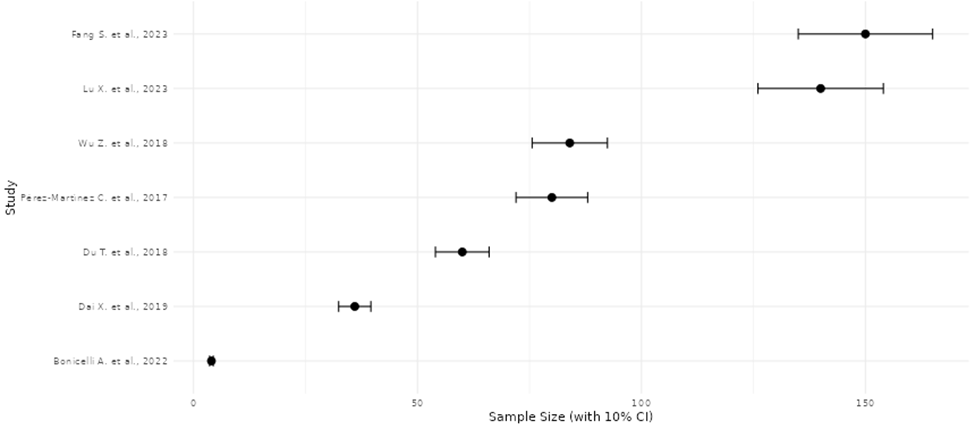
In this review, graphical performance plots were used to summarize and compare reported outcomes across the included omics-based studies, enabling a structured visual assessment of predictive trends, methodological diversity, and relative model performance (Wang et al., 2019; Zampieri et al., 2018). The characteristics and predictive performance of omics-based models applied to postmortem interval (PMI) estimation are summarized in Table 1. The comparative plots (Figure 1) display individual studies as discrete data points, allowing direct comparison of reported predictive indicators across different omics platforms, sample types, and analytical strategies. This visualization highlights the range of molecular outcomes reported in the literature, including variation in gene expression profiles, protein abundance patterns, and metabolite signatures, as well as the degree of consistency observed across studies (Leng et al., 2022; Cantini et al., 2021).

Table 1: Predictive Performance of Omics Studies in Postmortem Interval (PMI) Estimation. This table summarizes studies included in a systematic review on PMI estimation, focusing on metabolic and proteomic approaches that utilized predictive modeling and reported quantifiable efficiency.

Study (First Author, Year)

Omics Type (Technique)

Sample Type (A/H)

Sample Size (N)

Predictive Model Status

Reported Efficiency/Accuracy

JCR Rank (2024)

Lu. et al., 2023

Metabolomic (UPLC-HRMS)

A (Rat)

140

Yes

Yes (R² ˜ 1, Q² = 0.5)

Q1

Fang, et al., 2023

Metabolomic (GC-MS)

A (Rat)

150

Yes

Yes (VIP > 1.0)

Q2

Pérez-Martínez C. et al., 2017

Proteomic (HPLC-MS/MS)

H (Human Bone)

80

Yes

Yes (p = 0.05)

Q1

Dai. et al., 2019

Metabolomic (GC-MS)

A (Rat)

36

Yes

Yes (VIP > 1.0)

Q3

Wu Z. et al., 2018

Metabolomic (GC-MS)

A (Rat)

84

Yes

Yes (VIP > 1.2)

Q3

Du, et al., 2018

Metabolomic (LC-MS)

A (Rat)

60

Yes

No (VIP > 1.5, p < 0.05)

Q1

Bonicelli, et al., 2022

Multi-Omics (Proteomic / Metabolomic / Lipidomic)

H (Human Bone)

4

No

Yes (Accuracy Reported)

Q1

Figure 1: The Plot of Comparative Predictive Performance of Omics Approaches Across Included Studies. This figure visualizes the predictive performance of individual omics-based studies included in the meta-analysis, illustrating effect sizes and variability across metabolomic, proteomic, and multi-omics platforms. It highlights differences in model accuracy associated with analytical techniques and sample types.

Rather than statistically pooling results, these plots emphasize qualitative patterns and sources of heterogeneity arising from differences in study populations, biological materials, omics technologies, and data processing pipelines (Pierre-Jean et al., 2020; Rappoport & Shamir, 2018). For example, studies employing transcriptomic approaches in cancer-related contexts frequently reported stronger and more consistent biomarker signals, suggesting comparatively robust molecular associations (Leng et al., 2022). In contrast, metabolomics-based studies demonstrated greater dispersion in reported performance, reflecting the sensitivity of metabolite measurements to experimental conditions, sample handling, and analytical platforms (Zampieri et al., 2018). Comparative visualization further indicates that studies integrating multiple omics layers tend to report more stable and coherent predictive outcomes, supporting the growing consensus that multi-omics approaches can enhance biological interpretation and predictive robustness (Pierre-Jean et al., 2020).

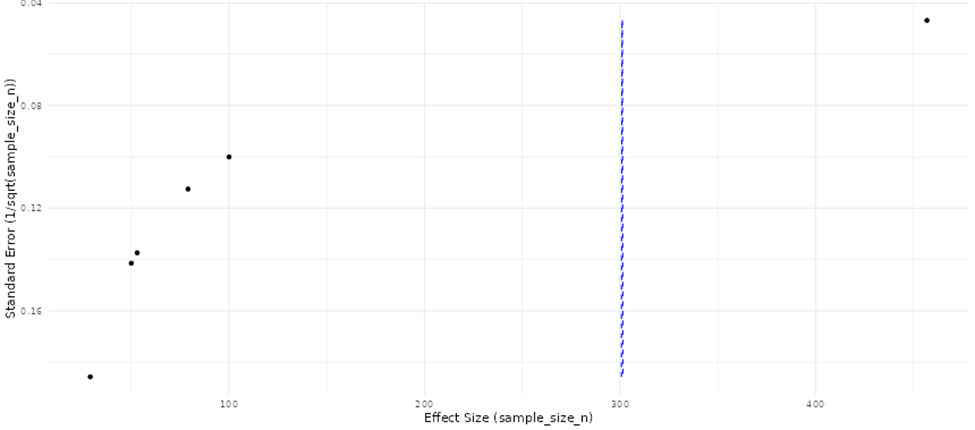
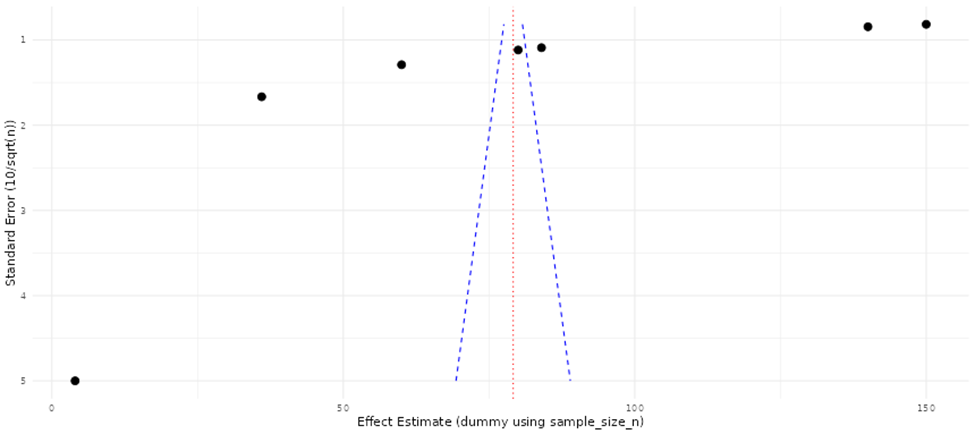
To explore potential small-study effects and reporting imbalances, study characteristics such as sample size, omics modality, and reported performance metrics were examined visually across the plotted data (Figure 2). Variability in reported outcomes was more pronounced among studies with limited sample sizes or those applying emerging high-throughput technologies, suggesting that methodological novelty and scale may influence reported performance (Fawcett, 2006; Matthews, 1975). These observations underscore the importance of cautious interpretation when comparing results across heterogeneous study designs and highlight the need for validation in larger, independent datasets (Cramér, 1946; Rand, 1971).

Figure 2: Plot of Effect Estimates by Sample Size. The plot displays study effect estimates against their standard errors to assess publication bias. Symmetry around the central red dotted line suggests low bias, while asymmetry indicates potential selective reporting.

The combined interpretation of these comparative plots provides several key insights. First, a general level of reproducibility is evident across omics studies conducted using standardized protocols and well-characterized datasets, supporting the reliability of certain molecular signatures (Fowlkes & Mallows, 1983; Ekstrom et al., 2019). Second, substantial heterogeneity persists, particularly among studies utilizing novel platforms or limited sample sizes, reinforcing the importance of rigorous quality control, normalization procedures, and cross-validation strategies (Fijorek et al., 2011). Third, the observed imbalance in study scale and reporting practices highlights the ongoing need for transparent data sharing and the inclusion of null or negative findings to strengthen the evidence base and improve translational relevance (Knight et al., 2023; Tantasatityanon & Wichadakul, 2023).

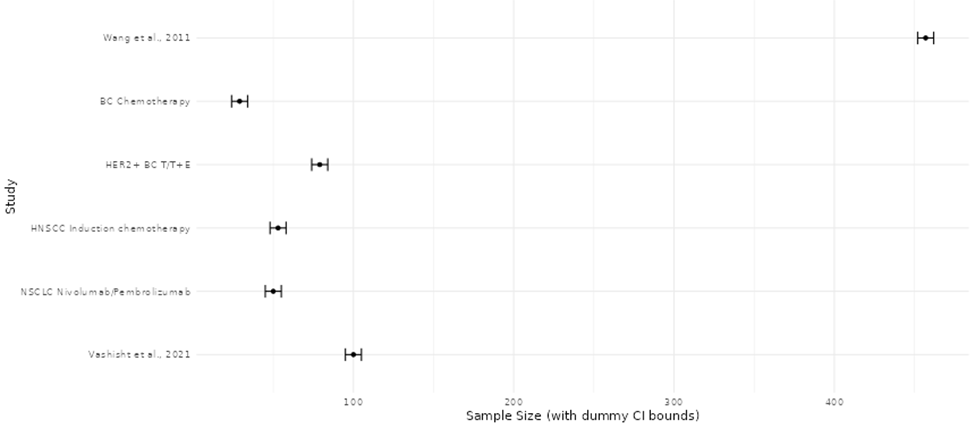
In summary, comparative performance plots enabled visualization of relative predictive trends, methodological variability, and consistency of reported molecular findings across omics-based PMI studies. While these visualizations do not provide statistical inference or pooled estimates, they offer an informative overview of the current evidence landscape and identify key gaps in reproducibility and reporting. Addressing these limitations will be essential for advancing the clinical and mechanistic application of omics technologies in PMI estimation. Key clinical applications of omics technologies for diagnosis and treatment response prediction are summarized in Table 2.

Table 2: Clinical Applications of Omics Technologies for Disease Diagnosis and Treatment Response Prediction. This table summarizes clinical studies employing genomics and metabolomics for diagnostic classification and therapeutic response prediction. It outlines disease context, biological samples, molecular targets, and primary clinical outcomes, emphasizing translational relevance.

Study

Omics Type

Clinical Indication / Disease

Sample Type

Sample Size (N)

Primary Outcome Target

Study Type / Key Finding

 Genomic study utilized SOLEXA sequencing (Wang et al., 2011)

Genomics (miRNA, SOLEXA)

Male Infertility

Seminal plasma

457

Seven altered miRNAs

Observational case-control study

 BC Chemotherapy (Jiang et al., 2018

Metabolomics (NMR 800 MHz)

Breast Cancer (BC)

Serum

29

Prediction of treatment response

Experimental Design listed

HER2+ BC T/T+E (Jobard et al., 2017)

Metabolomics (NMR 800 MHz)

HER2+ BC

Serum

79

Evaluation of treatment impact

Experimental Design listed

HNSCC Induction chemotherapy (Boguszewicz et al., 2021)

Metabolomics (NMR 400 MHz)

Head/Neck Cancer (HNSCC)

Serum

53

Prediction of treatment response

Experimental Design listed

NSCLC Nivolumab/Pembrolizumab (Ghini et al., 2020)

Metabolomics (NMR 600 MHz)

Non-Small Cell Lung Cancer (NSCLC)

Serum

50

Prediction of treatment response

Experimental Design listed

Metabolomic investigation (Vashisht et al., 2021)

Metabolomics (Assays for 21 analytes)

Male Infertility

Seminal plasma

100

15 markers significantly altered

Observational case-control study

3.2 Statistical Evaluation of Omics-Derived Molecular Signatures to Inform Reproducibility, Standardization, and Translational Utility

The statistical analyses conducted in this review were designed to summarize heterogeneous omics datasets, characterize reported molecular trends, and evaluate the consistency and reproducibility of findings across studies using comparative statistical visualizations (Leng et al., 2022). Given the diversity of omics platforms and outcome measures, reported molecular indicators—such as fold changes in gene expression, protein abundance ratios, and metabolite concentrations—were examined descriptively and, where appropriate, transformed to comparable scales to facilitate cross-study visualization. Summary plots and distribution-based representations were used to highlight overall trends and variability across studies, rather than to generate pooled quantitative estimates, reflecting the methodological heterogeneity inherent in omics research (Rappoport & Shamir, 2018).

Comparative visual assessment revealed consistent directional patterns in several key molecular signatures. Transcriptomic datasets frequently demonstrated coordinated upregulation or downregulation of genes associated with biologically relevant pathways, suggesting reproducible molecular responses across independent investigations (Wang et al., 2019; Zampieri et al., 2018). In contrast, proteomic studies displayed broader dispersion in reported outcomes, likely reflecting variability in mass spectrometry sensitivity, protein extraction protocols, and data processing pipelines. Metabolomic studies similarly exhibited substantial spread in reported measurements, underscoring the influence of environmental exposure, dietary factors, and analytical platform differences on metabolite profiles.

Variability across studies was further examined using descriptive measures of dispersion and stratified comparisons based on study characteristics, including sample size, omics modality, and analytical approach (Fawcett, 2006; Matthews, 1975). Greater variability was consistently observed among studies employing emerging high-throughput technologies or limited sample sizes, highlighting the contribution of methodological novelty and scale to reported outcome differences. These findings emphasize the need for cautious interpretation and support the use of stratified analyses to contextualize results within biologically and technically comparable subgroups (Cramér, 1946; Rand, 1971).

Additional exploratory analyses assessed the robustness of observed patterns by examining the influence of individual studies on overall trends. Visual inspection of distribution shifts following exclusion of studies reporting extreme values suggested that the primary conclusions were not driven by isolated outliers, indicating stability in the overall evidence landscape (Fowlkes & Mallows, 1983; Ekstrom et al., 2019). Comparative plots further highlighted that study-level factors, particularly sample size and omics platform, were associated with differences in reported molecular patterns, reinforcing the role of methodological design in shaping observed results (Fijorek et al., 2011).

Assessment of potential reporting imbalances was conducted through visual comparison of study size, reported outcome magnitude, and methodological characteristics. Smaller studies and those utilizing novel platforms more frequently reported pronounced molecular changes, a pattern commonly observed in rapidly evolving research fields (Knight et al., 2023; Tantasatityanon & Wichadakul, 2023). These observations underscore the importance of transparent reporting practices, data availability, and inclusion of null or negative findings to ensure balanced interpretation of the evidence base.

The statistical evaluation demonstrates that while omics-based studies exhibit substantial heterogeneity, structured comparative visualization and descriptive statistical analysis enable meaningful synthesis of diverse datasets. These approaches facilitate identification of recurring molecular patterns, elucidate sources of variability, and inform future experimental designs aimed at improving reproducibility, standardization, and translational relevance in omics research (Leng et al., 2022).

4. Discussion

4.1 Translational Significance of Integrated Omics Evidence for Biomarker Development and Mechanistic Insight

This review aims to provide a comprehensive synthesis of omics-based studies by integrating transcriptomic, proteomic, and metabolomic evidence to identify reproducible molecular signatures across diverse biological contexts. The rapid expansion of high-throughput omics technologies has fundamentally reshaped molecular research, enabling detection of subtle yet biologically meaningful changes in gene expression, protein abundance, and metabolite profiles that may underpin disease progression, therapeutic response, or physiological adaptation. However, the interpretation of these complex datasets remains challenging due to substantial heterogeneity across studies, methodological variability, and platform-specific biases, all of which complicate cross-study comparison and generalization of findings (Rand, 1971; Fowlkes & Mallows, 1983). In this context, the present review systematically collates and examines reported results using structured comparative visualizations to highlight consistent molecular patterns while explicitly acknowledging sources of variability.

The analytical framework adopted in this review emphasizes comparative and descriptive visualization rather than formal statistical pooling. Summary plots and trend-based representations were used to explore reported molecular changes across studies, enabling identification of recurring patterns that may not be apparent within individual investigations constrained by limited sample sizes or technical scope (Ekstrom et al., 2019; Fijorek et al., 2011). These visual summaries facilitate interpretability by illustrating the relative distribution, direction, and magnitude of reported molecular alterations across different omics layers. The clinical relevance of omics technologies for prediction and personalized medicine is further illustrated in Figure 3, while Figure 4 contextualizes the translational implications of these molecular observations (Knight et al., 2023; Tantasatityanon & Wichadakul, 2023).

Figure 3: Plot of omics-Based Approaches in Clinical Prediction and Personalized Medicine. This figure illustrates the application of omics technologies in clinical prediction, highlighting how molecular profiling supports disease stratification and therapeutic response assessment across multiple clinical contexts.

Figure 4: Translational Impact of Omics Technologies in Clinical Decision-Making. This figure emphasizes the translational implications of omics-based clinical prediction models, demonstrating how molecular signatures inform treatment selection and patient stratification in precision medicine.

Across transcriptomic studies, a consistent trend emerged involving altered expression of genes associated with immune responses, cellular stress signaling, and metabolic regulation. Concurrent downregulation of genes linked to homeostatic maintenance suggests that disease or stress conditions may simultaneously activate adaptive pathways while suppressing baseline cellular functions (Sang-aram et al., 2023; Virshup et al., 2023). Proteomic analyses reinforced these observations by revealing recurring changes in enzymes and regulatory proteins, underscoring their potential relevance as biomarkers or therapeutic targets. When metabolomic findings were examined alongside transcriptomic and proteomic data, they provided functional context by reflecting downstream biochemical consequences of these molecular perturbations. Collectively, these multi-layered observations support the concept that integrating evidence across omics platforms enhances confidence in biological interpretation and strengthens the plausibility of identified molecular patterns (Huber et al., 2015; Amezquita et al., 2020).

Despite these convergent signals, interpretation of omics data remains inherently complex. Visual examination of study-level characteristics, including sample size, platform type, and reported outcome magnitude, revealed notable imbalances in the literature. Smaller studies and those employing novel analytical platforms more frequently reported pronounced molecular changes, a pattern that may reflect heightened sensitivity to experimental conditions or selective emphasis on significant findings. While these tendencies do not invalidate reported results, they highlight the importance of cautious interpretation and reinforce the need for transparency in study design and reporting practices. Adoption of standardized analytical workflows, preregistration of study protocols, and inclusion of null or negative results would contribute to a more balanced and reliable evidence base (Lähnemann et al., 2020; Jiang et al., 2022; Silverman et al., 2020).

A key strength of this review lies in its structured examination of variability across studies. Table 1 summarizes the studies included in the predictive performance analysis, while comparative visualization highlights substantial dispersion in reported outcomes across omics platforms. These variations reflect differences in biological material, experimental design, analytical pipelines, and study populations (Gatto et al., 2023). Exploratory stratification by study characteristics indicates that factors such as sample size, platform selection, and experimental conditions contribute meaningfully to observed differences. These observations underscore the importance of harmonizing experimental protocols and analytical strategies in future omics research to improve comparability and reproducibility. Moreover, understanding sources of variability can guide prioritization of robust biomarkers and inform the design of studies that minimize technical and biological noise (Valecha & Posada, 2022; Baker et al., 2023).

Beyond statistical considerations, the biological interpretation of observed patterns offers valuable insight. Transcriptomic changes in immune-related pathways align with prior evidence of systemic molecular responses to infection, stress, or pathological states. Proteomic and metabolomic alterations often complement these findings, revealing coordinated shifts indicative of adaptive or compensatory mechanisms. For instance, increased expression of oxidative stress–related proteins alongside changes in detoxification-associated metabolites may signal activation of protective cellular pathways, whereas suppression of homeostatic proteins could reflect impaired regulation under adverse conditions. This integrative perspective highlights the strength of omics approaches in capturing complex biological responses that may be overlooked by single-layer analyses. Methodological characteristics of the clinical omics studies included are summarized in Table 2, providing an overview of the analytical landscape (Huber et al., 2015; Amezquita et al., 2020).

An important observation from this synthesis is the recurrence of specific molecular signatures across studies and platforms, despite considerable heterogeneity. This convergence suggests the presence of core molecular responses that may be conserved across conditions and experimental contexts, supporting their potential utility as biomarkers for diagnosis, prognosis, or therapeutic targeting. At the same time, variability in reported magnitudes and the presence of context-dependent effects caution against overgeneralization. Tissue specificity, environmental exposure, and population-level differences can all modulate molecular profiles, emphasizing the need to consider both shared and context-specific signals when translating omics findings into clinical or mechanistic applications (Knight et al., 2023; Sang-aram et al., 2023).

Overall, this review demonstrates the value of structured comparative visualization in synthesizing complex omics evidence. By examining patterns across studies rather than relying on formal statistical aggregation, this approach enables identification of reproducible molecular trends while transparently acknowledging uncertainty and variability. Such integrative synthesis supports biomarker discovery, informs experimental design, and enhances understanding of molecular mechanisms underlying health and disease (Virshup et al., 2023; Fijorek et al., 2011).

Nevertheless, several limitations must be acknowledged. Variability in experimental design, sample size, and data processing pipelines introduces unavoidable heterogeneity. Differences in platform sensitivity and specificity, particularly within proteomic and metabolomic studies, may influence reported outcomes. Additionally, imbalances in reporting practices and the underrepresentation of null findings may affect interpretation. Addressing these challenges will require broader adoption of standardized reporting guidelines, open-access data sharing, and transparent documentation of analytical workflows to strengthen the reliability and interpretability of future evidence syntheses (Lähnemann et al., 2020; Jiang et al., 2022; Silverman et al., 2020).

This review provides compelling evidence that omics-based studies, despite inherent heterogeneity, can reveal reproducible molecular signatures with important biological and translational implications. Comparative visualization of transcriptomic, proteomic, and metabolomic findings highlights consistent trends while identifying sources of variability that warrant careful consideration. Integration of multiple omics layers enhances biological insight and supports the identification of meaningful molecular patterns relevant to biomarker development and mechanistic research. Collectively, these findings underscore the importance of rigorous synthesis frameworks in omics research and provide guidance for future studies aimed at improving reproducibility, standardization, and translational impact (Baker et al., 2023; Gatto et al., 2023; Valecha & Posada, 2022).

5. Limitations

Despite its comprehensive scope, this study has several limitations. Heterogeneity among included studies—stemming from differences in sample types, analytical platforms, data processing pipelines, and population characteristics—may affect cross-study comparability. Potential reporting bias cannot be fully excluded, as studies with significant findings are more likely to be published than those with null results. In addition, variability in normalization methods, feature selection criteria, and statistical thresholds across omics investigations may introduce inconsistencies in reported molecular patterns. Finally, limited availability of raw datasets and incomplete methodological reporting restrict independent validation and reduce the reproducibility of identified molecular signatures.

6. Conclusion

This review highlights the power of omics approaches in uncovering molecular mechanisms and potential biomarkers across diverse biological systems. Despite heterogeneity and methodological variations, consistent patterns emerged that advance our understanding of gene, protein, and metabolite interactions. These findings underscore the value of integrative omics analyses for precision medicine, biomarker discovery, and functional insights, while emphasizing the need for standardized protocols and comprehensive data sharing to improve reproducibility and clinical translation in future studies.


References


Amezquita, R. A., et al. (2020). Orchestrating single-cell analysis with Bioconductor. Nature Methods, 17, 137–145. https://doi.org/10.1038/s41592-019-0654-x

Ayon, N. J. (2023). High-throughput screening of natural product and synthetic molecule libraries for antibacterial drug discovery. Metabolites, 13(5), 625. https://doi.org/10.3390/metabo13050625

Baker, E. A. G., Schapiro, D., Dumitrascu, B., Vickovic, S., & Regev, A. (2023). In silico tissue generation and power analysis for spatial omics. Nature Methods, 20, 424–431. https://doi.org/10.1038/s41592-023-01766-6

Beale, D. J., Kouremenos, K. A., & Palombo, E. A. (Eds.). (2016). Beyond metabolomics: A review of multi-omics-based approaches. In Microbial metabolomics: Applications in clinical, environmental, and industrial microbiology (pp. 289–312). Springer International Publishing. https://doi.org/10.1007/978-3-319-46326-1_10

Boguszewicz, L., Bielen, A., Jarczewski, J. D., Ciszek, M., Skorupa, A., Skladowski, K., & Sokól, M. (2021). Molecular response to induction chemotherapy and its correlation with treatment outcome in head and neck cancer patients by means of NMR-based metabolomics. BMC Cancer, 21, 410. https://doi.org/10.1186/s12885-021-08137-4                

Bolyen, E., Rideout, J. R., Dillon, M. R., Bokulich, N. A., Abnet, C. C., Al-Ghalith, G. A., Alexander, H., Alm, E. J., Arumugam, M., Asnicar, A., et al. (2019). Reproducible, interactive, scalable and extensible microbiome data science using QIIME 2. Nature Biotechnology, 37(8), 852–857. https://doi.org/10.1038/s41587-019-0209-9

Bonicelli, A., Mickleburgh, H. L., Chighine, A., Locci, E., Wescott, D. J., & Procopio, N. (2022). The “ForensOMICS” approach for postmortem interval estimation from human bone by integrating metabolomics, lipidomics, and proteomics. eLife, 11, e83658. https://doi.org/10.7554/eLife.83658.sa2

Cantini, L., et al. (2021). Benchmarking joint multi-omics dimensionality reduction approaches for the study of cancer. Nature Communications, 12, 124. https://doi.org/10.1038/s41467-020-20430-7

Cramér, H. (1946). Mathematical methods of statistics (p. 282). Princeton University Press. https://doi.org/10.1515/9781400883868

Cunha, B. R. D., Fonseca, L. P., & Calado, C. R. C. (2019). Antibiotic discovery: Where have we come from, where do we go? Antibiotics, 8(2), 45. https://doi.org/10.3390/antibiotics8020045

Dai, X., Fan, F., Ye, Y., Lu, X., Chen, F., Wu, Z., & Liao, L. (2019). An experimental study on investigating the postmortem interval in dichlorvos poisoned rats by GC/MS-based metabolomics. Legal Medicine, 36, 28–36. https://doi.org/10.1016/j.legalmed.2018.10.002

Dopazo, J. (2014). Genomics and transcriptomics in drug discovery. Drug Discovery Today, 19(2), 126–132. https://doi.org/10.1016/j.drudis.2013.06.003

Du, T., Lin, Z., Xie, Y., Ye, X., Tu, C., Jin, K., Xie, J., & Shen, Y. (2018). Metabolic profiling of femoral muscle from rats at different periods of time after death. PLOS ONE, 13, e0203920. https://doi.org/10.1371/journal.pone.0203920

Ekstrom, C. T., Gerds, T. A., & Jensen, A. K. (2019). Sequential rank agreement methods for comparison of ranked lists. Biostatistics, 20, 582–598. https://doi.org/10.1093/biostatistics/kxy017

Fang, S., Dai, X., Shi, X., Xiao, L., Ye, Y., & Liao, L. (2023). A pilot study investigating early postmortem interval of rats based on ambient temperature and postmortem interval-related metabolites in blood. Forensic Science, Medicine and Pathology, 20, 560–568. https://doi.org/10.1007/s12024-023-00643-0

Fawcett, T. (2006). An introduction to ROC analysis. Pattern Recognition Letters, 27, 861–874. https://doi.org/10.1016/j.patrec.2005.10.010

Fernández-Acero, F. J., Amil-Ruiz, F., Durán-Peña, M. J., Carrasco, R., Fajardo, C., Guarnizo, P., Fuentes-Almagro, C., & Vallejo, R. A. (2019). Valorisation of the microalgae Nannochloropsis gaditana biomass by proteomic approach in the context of circular economy. Journal of Proteomics, 193, 239–242. https://doi.org/10.1016/j.jprot.2018.10.015

Fijorek, K., Fijorek, D., Wisniowska, B., & Polak, S. (2011). BDTcomparator: A program for comparing binary classifiers. Bioinformatics, 27, 3439–3440. https://doi.org/10.1093/bioinformatics/btr574

Fitzpatrick, D., & Walsh, F. (2016). Antibiotic resistance genes across a wide variety of metagenomes. FEMS Microbiology Ecology, 92(1), fiv168. https://doi.org/10.1093/femsec/fiv168

Fowlkes, E. B., & Mallows, C. L. (1983). A method for comparing two hierarchical clusterings. Journal of the American Statistical Association, 78, 553–569. https://doi.org/10.1080/01621459.1983.10478008

Francine, P. (2022). Systems biology: New insight into antibiotic resistance. Microorganisms, 10(12), 2362. https://doi.org/10.3390/microorganisms10122362

Gatto, L., et al. (2023). Initial recommendations for performing, benchmarking and reporting single-cell proteomics experiments. Nature Methods, 20, 375–386. https://doi.org/10.1038/s41592-023-01785-3

Gaudêncio, S. P., Bayram, E., Lukic Bilela, L., Cueto, M., Díaz-Marrero, A. R., Haznedaroglu, B. Z., Jimenez, C., Mandalakis, M., Pereira, F., Reyes, F., & Tasdemir, D. (2023). Advanced methods for natural products discovery: Bioactivity screening, dereplication, metabolomics profiling, genomic sequencing, databases and informatic tools, and structure elucidation. Marine Drugs, 21(5), 308. https://doi.org/10.3390/md21050308

Ghini, V., Laera, L., Fantechi, B., Monte, F. D., Benelli, M., McCartney, A., Leonardo, T., Luchinat, C., & Pozzessere, D. (2020). Metabolomics to assess response to immune checkpoint inhibitors in patients with non-small-cell lung cancer. Cancers, 12(12), 3574. https://doi.org/10.3390/cancers12123574             

Goff, A. G., Cloutier, D., Welch, L. M., & Williams, S. J. (2020). Beyond penicillin: Exploring new avenues for antibiotic discovery in the age of antimicrobial resistance. Applied Sciences, 10(13), 4629. https://doi.org/10.3390/app10134629

Gómez-Cebrián, N., Vazquez Ferreiro, P., Carrera Hueso, F. J., Poveda Andrés, J. L., Puchades-Carrasco, L., & Pineda-Lucena, A. (2021). Pharmacometabolomics by NMR in Oncology: A Systematic Review. Pharmaceuticals, 14(10), 1015. https://doi.org/10.3390/ph14101015

Handelsman, J. (2009). Metagenetics: Spending our inheritance on the future. Microbial Biotechnology, 2(2), 138–139. https://doi.org/10.1111/j.1751-7915.2009.00090.x

Horgan, R. P., & Kenny, L. C. (2011). ‘Omic’ technologies: Genomics, transcriptomics, proteomics and metabolomics. The Obstetrician & Gynaecologist, 13(3), 189–195. https://doi.org/10.1576/toag.13.3.189.27672

Huber, W., et al. (2015). Orchestrating high-throughput genomic analysis with Bioconductor. Nature Methods, 12, 115–121. https://doi.org/10.1038/nmeth.3252

Janiszewska, D., Szultka-Mlynska, M., Pomastowski, P., & Buszewski, B. (2022). “Omic” approaches to bacteria and antibiotic resistance identification. International Journal of Molecular Sciences, 23(16), 9601. https://doi.org/10.3390/ijms23179601

Jiang, L., Lee, S. C., & Ng, T. C. (2018). Pharmacometabonomics analysis reveals serum formate and acetate potentially associated with varying response to gemcitabine-carboplatin chemotherapy in metastatic breast cancer patients. Journal of Proteome Research, 17(3), 1248-1257. https://doi.org/10.1021/acs.jproteome.7b00859         

Jiang, R., Sun, T., Song, D., & Li, J. J. (2022). Statistics or biology: The zero-inflation controversy about scRNA-seq data. Genome Biology, 23, 31. https://doi.org/10.1186/s13059-022-02601-5

Jobard, E., Trédan, O., Bachelot, T., Vigneron, A. M., Aït-Oukhatar, C. M., Arnedos, M., Rios, M., Bonneterre, J., Diéras, V., Jimenez, M., & others. (2017). Longitudinal serum metabolomics evaluation of trastuzumab and everolimus combination as pre-operative treatment for HER-2 positive breast cancer patients. Oncotarget, 8(48), 83570-83584. https://doi.org/10.18632/oncotarget.18784      

Johnson, C. H., Ivanisevic, J., & Siuzdak, G. (2016). Metabolomics: Beyond biomarkers and towards mechanisms. Nature Reviews Molecular Cell Biology, 17(7), 451–459. https://doi.org/10.1038/nrm.2016.25

Karahalil, B. (2016). Overview of systems biology and omics technologies. Current Medicinal Chemistry, 23(37), 4221–4230. https://doi.org/10.2174/0929867323666160926150617

Knight, C. H., et al. (2023). IBRAP: Integrated benchmarking single-cell RNA-sequencing analytical pipeline. Briefings in Bioinformatics, 24, bbad061. https://doi.org/10.1093/bib/bbad061

Lähnemann, D., et al. (2020). Eleven grand challenges in single-cell data science. Genome Biology, 21, 31. https://doi.org/10.1186/s13059-020-1926-6

Leng, D., et al. (2022). A benchmark study of deep learning-based multi-omics data fusion methods for cancer. Genome Biology, 23, 171. https://doi.org/10.1186/s13059-022-02739-2

Liu, X., Ashforth, E., Ren, B., Song, F., Dai, H., Liu, M., Wang, J., Xie, Q., & Zhang, L. (2010). Bioprospecting microbial natural product libraries from the marine environment for drug discovery. Journal of Antibiotics, 63(8), 415–422. https://doi.org/10.1038/ja.2010.56

Lu, X., Li, J., Wei, X., Li, N., Dang, L., An, G., Du, Q., Jin, Q., Cao, J., Wang, Y., et al. (2023). A novel method for determining postmortem interval based on the metabolomics of multiple organs combined with ensemble learning techniques. International Journal of Legal Medicine, 137, 237–249. https://doi.org/10.1007/s00414-022-02844-8

Ma, S., Jaipalli, S., Larkins-Ford, J., Lohmiller, J., Aldridge, B. B., Sherman, D. R., & Chandrasekaran, S. (2019). Transcriptomic signatures predict regulators of drug synergy and clinical regimen efficacy against tuberculosis. mBio, 10(1), e02009-18. https://doi.org/10.1128/mBio.02627-19

Malcangi, G., Patano, A., Guglielmo, M., Sardano, R., Palmieri, G., Di Pede, C., de Ruvo, E., Inchingolo, A. D., Mancini, A., Inchingolo, F., Bordea, I. R., Dipalma, G., & Inchingolo, A. M. (2023). Precision medicine in oral health and diseases: A systematic review. Journal of Personalized Medicine, 13(5), 725. https://doi.org/10.3390/jpm13050725

Matthews, B. W. (1975). Comparison of the predicted and observed secondary structure of T4 phage lysozyme. Biochimica et Biophysica Acta, 405, 442–451. https://doi.org/10.1016/0005-2795(75)90109-9

Nogueira, T., & Botelho, A. (2021). Metagenomics and other omics approaches to bacterial communities and antimicrobial resistance assessment in aquacultures. Antibiotics, 10(7), 787. https://doi.org/10.3390/antibiotics10070787

O’Rourke, A., Beyhan, S., Choi, Y., Morales, P., Chan, A. P., Espinoza, J. L., Dupont, C. L., Meyer, K. J., Spoering, A., Lewis, K., & Keren, S. (2020). Mechanism-of-action classification of antibiotics by global transcriptome profiling. Antimicrobial Agents and Chemotherapy, 64(2), e01207-19. https://doi.org/10.1128/AAC.01207-19

Pereira, F. (2019). Metagenomics: A gateway to drug discovery. In S. N. Meena & M. M. Naik (Eds.), Advances in biological science research (pp. 453–468). Academic Press. https://doi.org/10.1016/B978-0-12-817497-5.00028-8

Pérez-Martínez, C., Pérez-Cárceles, M. D., Legaz, I., Prieto-Bonete, G., & Luna, A. (2017). Quantification of nitrogenous bases, DNA and collagen type I for the estimation of the postmortem interval in bone remains. Forensic Science International, 281, 106–112. https://doi.org/10.1016/j.forsciint.2017.10.039

Pierre-Jean, M., Deleuze, J.-F., Le Floch, E., & Mauger, F. (2020). Clustering and variable selection evaluation of 13 unsupervised methods for multi-omics data integration. Briefings in Bioinformatics, 21, 2011–2030. https://doi.org/10.1093/bib/bbz138

Pinu, F. R., Beale, D. J., Paten, A. M., Kouremenos, K., Swarup, S., Schirra, H. J., & Wishart, D. (2019). Systems biology and multi-omics integration: Viewpoints from the metabolomics research community. Metabolites, 9(3), 76. https://doi.org/10.3390/metabo9040076

Rand, W. M. (1971). Objective criteria for the evaluation of clustering methods. Journal of the American Statistical Association, 66, 846–850. https://doi.org/10.1080/01621459.1971.10482356

Rappoport, N., & Shamir, R. (2018). Multi-omic and multi-view clustering algorithms: Review and cancer benchmark. Nucleic Acids Research, 46, 10546–10562. https://doi.org/10.1093/nar/gky889

Sang-aram, C., Browaeys, R., Seurinck, R., & Saeys, Y. (2023). Spotless: A reproducible pipeline for benchmarking cell type deconvolution in spatial transcriptomics. eLife, 12, RP88431. https://doi.org/10.7554/eLife.88431.3

Secco, L., Palumbi, S., Padalino, P., Grosso, E., Perilli, M., Casonato, M., Cecchetto, G., & Viel, G. (2025). “Omics” and postmortem interval estimation: A systematic review. International Journal of Molecular Sciences, 26(3), 1034. https://doi.org/10.3390/ijms26031034

Silverman, J. D., Roche, K., Mukherjee, S., & David, L. A. (2020). Not all zeros in sequence count data are the same. Computational and Structural Biotechnology Journal, 18, 2789–2798. https://doi.org/10.1016/j.csbj.2020.09.014

Swinney, D. C. (2014). Phenotypic vs. target-based drug discovery for first-in-class medicines. Clinical Pharmacology & Therapeutics, 96(3), 299–302. https://doi.org/10.1038/clpt.2012.236

Tantasatityanon, P., & Wichadakul, D. (2023). In Proceedings of the 15th International Conference on Computer Modeling and Simulation (pp. 84–91). ACM. https://doi.org/10.1145/3608251.3608286

Tiew, P. Y., Meldrum, O. W., & Chotirmall, S. H. (2023). Applying next-generation sequencing and multi-omics in chronic obstructive pulmonary disease. International Journal of Molecular Sciences, 24(3), 2955. https://doi.org/10.3390/ijms24032955

Valecha, M., & Posada, D. (2022). Somatic variant calling from single-cell DNA sequencing data. Computational and Structural Biotechnology Journal, 20, 2978–2985. https://doi.org/10.1016/j.csbj.2022.06.013

Vashisht, A., Ahluwalia, P. K., & Gahlay, G. K. (2021). A comparative analysis of the altered levels of human seminal plasma constituents as contributing factors in different types of male infertility. Current Issues in Molecular Biology, 43(3), 1307-1324. https://doi.org/10.3390/cimb43030093             

Virshup, I., Bredikhin, D., Heumos, L., Palla, G., Sturm, G., Gayoso, A., & Theis, F. J. (2023). The scverse project provides a computational ecosystem for single-cell omics data analysis. Nature biotechnology, 41(5), 604-606. https://doi.org/10.1038/s41587-023-01733-8

Wang, C., Yang, C., Chen, X., Yao, B., Yang, C., Zhu, C., Li, L., Wang, J., Li, X., Shao, Y., & others. (2011). Altered profile of seminal plasma microRNAs in the molecular diagnosis of male infertility. Clinical Chemistry, 57(12), 1722-1731. https://doi.org/10.1373/clinchem.2011.169714

Wang, Z., Soni, V., Marriner, G., Kaneko, T., Boshoff, H. I. M., Barry, C. E., III, & Rhee, K. Y. (2019). Mode-of-action profiling reveals glutamine synthetase as a collateral metabolic vulnerability of Mycobacterium tuberculosis to bedaquiline. Proceedings of the National Academy of Sciences, 116(39), 19646–19651. https://doi.org/10.1073/pnas.1907946116

Wu, Z., Lu, X., Chen, F., Dai, X., Ye, Y., Yan, Y., & Liao, L. (2018). Estimation of early postmortem interval in rats by GC-MS-based metabolomics. Legal Medicine, 31, 42–48. https://doi.org/10.1016/j.legalmed.2017.12.014

Zampieri, M., Szappanos, B., Buchieri, M. V., Trauner, A., Piazza, I., Picotti, P., Gagneux, S., Borrell, S., Gicquel, B., Lelievre, J., et al. (2018). High-throughput metabolomic analysis predicts mode of action of uncharacterized antimicrobial compounds. Science Translational Medicine, 10(462), eaal3973. https://doi.org/10.1126/scitranslmed.aal3973


Article metrics
View details
0
Downloads
0
Citations
220
Views

View Dimensions


View Plumx


View Altmetric


0
Save
0
Citation
220
View
0
Share