Biosensors and Nanotheranostics

Bionanotechnology, Drug Delivery, Therapeutics | online ISSN 3064-7789
159
Citations
101k
Views
64
Articles
Your new experience awaits. Try the new design now and help us make it even better
Switch to the new experience
Figures and Tables
REVIEWS   (Open Access)

Multifaceted Management of Pathogenic Threats: Insights from Antibiotic Resistance, Biocatalysis, and Nanoparticle Therapies

Md Samiul Bashir 1*

+ Author Affiliations

Biosensors and Nanotheranostics 1 (1) 1-12 https://doi.org/10.25163/biosensors.1110257

Submitted: 04 September 2022 Revised: 11 November 2022  Published: 15 November 2022 


Abstract

The alarming rise of antibiotic-resistant pathogens represents a critical challenge to global healthcare systems, demanding innovative and integrative therapeutic solutions. This review explores the multifaceted management of pathogenic threats by synthesizing insights from antibiotic resistance mechanisms, biocatalytic strategies, and nanoparticle-based therapies. Antibiotic resistance, driven by bacterial genetic adaptability and exacerbated by clinical and agricultural misuse, renders many conventional treatments increasingly ineffective. Understanding these resistance mechanisms is essential for designing countermeasures. Biocatalysis offers a promising route for antimicrobial development by leveraging natural enzymes to selectively disrupt resistant bacteria, presenting opportunities for precision therapies that minimize collateral damage to host microbiota. Additionally, nanotechnology has emerged as a powerful tool in antimicrobial intervention. Due to their unique physicochemical properties, nanoparticles can penetrate biofilms, induce oxidative stress, and serve as effective delivery vehicles for existing antibiotics, significantly improving their potency against multidrug-resistant strains. This review highlights the potential of combining these complementary approaches antibiotics, enzyme-based biocatalysis, and nanoparticle therapeutics to forge synergistic treatments that can overcome current therapeutic limitations and slow the spread of resistance. Furthermore, recent interdisciplinary research underscores the value of integrating immunological insights, novel biomarkers, and microbial-derived compounds to refine infection control strategies. By providing a comprehensive perspective on this evolving field, this review aims to inspire future research that bridges molecular biology, nanotechnology, and clinical medicine to strengthen global responses against pathogenic threats.

Keywords: Antibiotic Resistance, Biocatalysis, Nanoparticles, Multidrug-Resistant Bacteria, Antimicrobial Therapy.

1.Introduction

The advent of antibiotics in the early 20th century marked a revolutionary milestone in medical science, offering effective means to combat bacterial infections that were once deemed fatal (Aminov, 2010). However, the overuse and misuse of these life-saving drugs have precipitated an alarming rise in antibiotic-resistant pathogens, undermining the efficacy of standard treatments and posing a formidable challenge to global health systems (Fair & Tor, 2014). The World Health Organization (WHO) has identified antimicrobial resistance as one of the top ten global public health threats facing humanity, emphasizing the urgent need for novel therapeutic strategies to address this burgeoning crisis (WHO, 2019). Antibiotic resistance arises when bacteria evolve mechanisms that render them impervious to the effects of drugs designed to kill them or inhibit their growth (Blair et al., 2015). This evolutionary process is accelerated by factors such as the indiscriminate prescribing of antibiotics, inadequate patient adherence to treatment regimens, and the extensive use of antibiotics in agriculture (Van Boeckel et al., 2015). Consequently, common infections and minor injuries, which were once easily treatable, are becoming increasingly difficult to manage, leading to prolonged illnesses, higher medical costs, and increased mortality rates (Llor & Bjerrum, 2014).

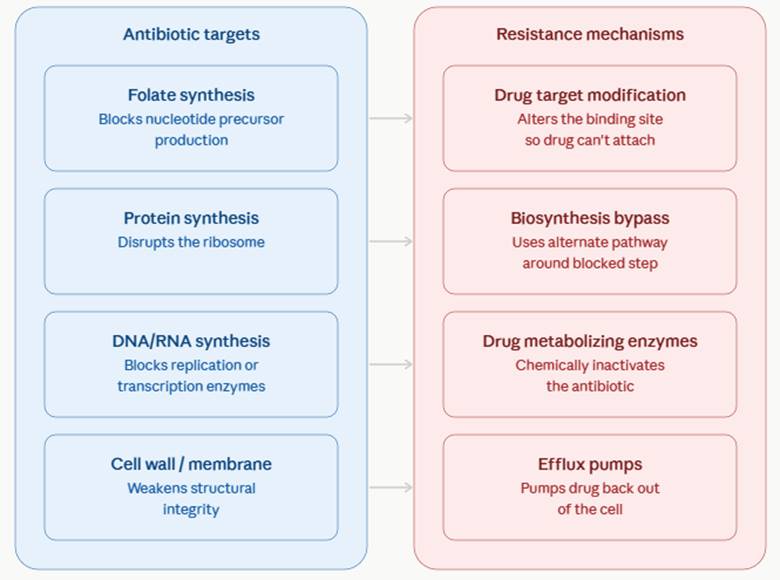
In response to this escalating threat, the scientific community has been exploring alternative approaches to traditional antibiotic therapies (Figure 1). One promising avenue is biocatalysis, which involves the use of natural catalysts, such as enzymes, to facilitate chemical reactions that can neutralize or destroy pathogenic bacteria (Bornscheuer, 2018). Enzymatic therapies offer specificity and efficiency, potentially reducing the likelihood of adverse effects and the development of resistance (Cavalcante et al., 2018). For instance, bacteriophage-derived lysins have demonstrated the ability to selectively target and lyse bacterial cells without disrupting the beneficial microbiota, presenting a targeted approach to infection control (Nelson et al., 2012). Concurrently, the field of nanotechnology has emerged as a frontier in antimicrobial therapy (Hajipour et al., 2012). Nanoparticles, due to their diminutive size and unique physicochemical properties, can interact with bacterial cells in ways that differ fundamentally from conventional antibiotics (Rai et al., 2012). These interactions can lead to the disruption of bacterial membranes, interference with metabolic pathways, and the generation of reactive oxygen species, ultimately resulting in bacterial cell death (Hemeg, 2017). Moreover, nanoparticles can serve as carriers for existing antibiotics, enhancing their delivery and efficacy against resistant strains (Pelgrift & Friedman, 2013).

The integration of these innovative strategies—understanding and counteracting resistance mechanisms, harnessing biocatalytic processes, and deploying nanoparticle-based therapies—offers a multifaceted approach to managing pathogenic threats (Wright, 2010). By combining these modalities, it is possible to develop synergistic treatments that not only address current infections but also mitigate the emergence of future resistance (Bush & Jacoby, 2010). This review aims to provide a comprehensive examination of the current landscape in combating antibiotic-resistant infections. It will delve into the molecular mechanisms underpinning antibiotic resistance, explore the potential of biocatalysis in developing novel antimicrobial agents, and assess the application of nanoparticle therapies in overcoming resistance (Munita & Arias, 2016). Through this integrative analysis, we seek to illuminate pathways toward effective and sustainable solutions in the fight against multidrug-resistant pathogens, thereby contributing to the global effort to safeguard public health (Prestinaci et al., 2015).

Recent studies have also contributed significantly to understanding the impact of natural substances and emerging technologies in combating infections. For example, Gh.AL-Abbasy and Jalal (2024) highlighted the immunological benefits of lactoferrin supplementation in enhancing lamb production and iron levels. Similarly, Fakruddin et al. (2024) reviewed microorganisms as potential sources of next-generation active pharmaceutical ingredients, emphasizing their role in combating bacterial infections. Additionally, Fatima et al. (2024) assessed the predictive value of biomarkers such as IL-6 and CRP for COVID-19 mortality, which can aid in understanding bacterial complications in viral infections. Halder et al. (2024) provided a comprehensive review on hepatocellular carcinoma, examining the risk factors and mechanisms involved in carcinogenesis, which could be important when considering infection-related cancer therapy. Furthermore, Khan et al. (2024) analyzed risk factors related to cutaneous leishmaniasis, providing insights into spatial distribution patterns, which can inform strategies for addressing infection control. Additionally, studies on biomarkers for hepatocellular carcinoma by Rana et al. (2024) have relevance in understanding systemic infections and their impact on liver function.

These developments underscore the ongoing efforts to expand our knowledge and find novel solutions to infectious diseases, highlighting the importance of

Figure 1. Molecular mechanisms of antimicrobial resistance (AMR) and drug resistance. The left panel shows the primary targets of antibiotic action within the bacterial cell — folate synthesis, protein synthesis, DNA/RNA synthesis, and the cell wall/membrane. The right panel illustrates the corresponding resistance mechanisms bacteria employ to evade these drugs — drug target modification, biosynthesis bypass, drug-metabolizing enzymes, and efflux pumps. (Saha, M., & Sarkar, A. (2021).)

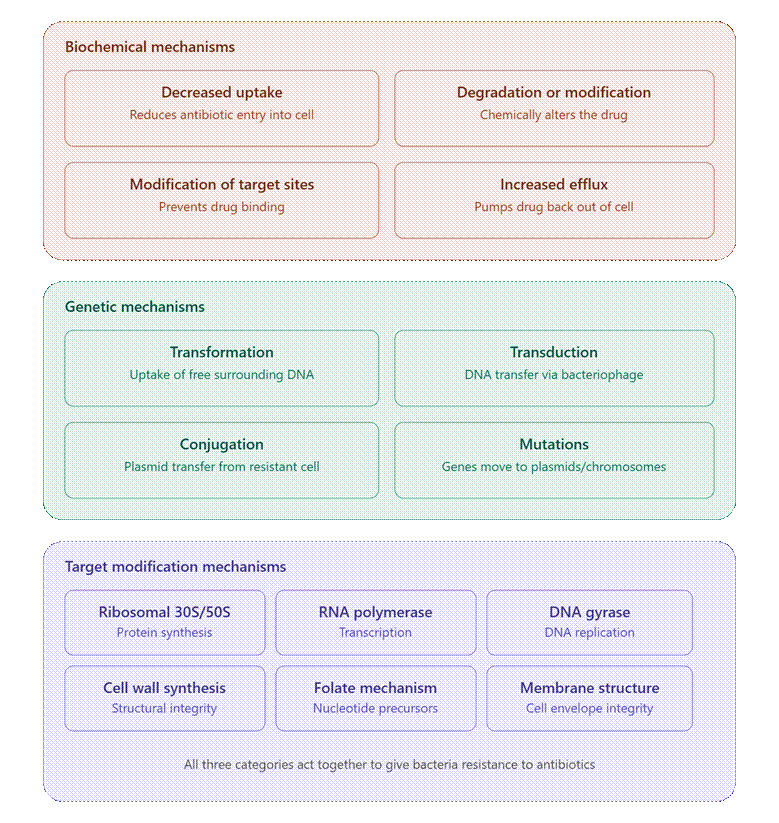
Figure 2. Nanobiotics against antimicrobial resistance. Bacterial resistance arises through biochemical mechanisms (decreased drug uptake, enzymatic degradation or modification, target site modification, and increased efflux), genetic mechanisms (transformation, transduction, conjugation, and mutation-driven gene transfer), and target modification mechanisms affecting ribosomal subunits, RNA polymerase, DNA gyrase, cell wall synthesis, the folate pathway, and membrane structure. (Kumar, P., Gaurav, S. S., Marimuthu, K., Ng, O.-T., Lakshminarayanan, R., Verma, N. K., & Gautam, H. K. (2022).)

interdisciplinary research in advancing public health (Rana et al., 2024; Salam et al., 2024; Abdullah et al., 2024).

2.The Challenge of Antibiotic Resistance: A Growing Global Threat

The rise of antibiotic resistance presents one of the most pressing threats to global health, with pathogenic bacteria rapidly evolving mechanisms to evade the effects of conventional antimicrobials (Figure 2). The widespread and often indiscriminate use of antibiotics in clinical, agricultural, and veterinary settings has accelerated the emergence of resistant strains, leading to treatment failures and increased mortality rates (Ventola, 2015). The World Health Organization (WHO) has classified antibiotic resistance as a major global health crisis, warning that without effective countermeasures, common infections could once again become lethal (WHO, 2017). The development of resistance is facilitated by genetic mutations and horizontal gene transfer, which allow bacteria to share resistance-conferring genes through plasmids and transposons (Lerminiaux & Cameron, 2019). This phenomenon has been observed in multidrug-resistant pathogens such as methicillin-resistant Staphylococcus aureus (MRSA) and carbapenem-resistant Enterobacteriaceae (CRE), which have rendered traditional antibiotic therapies ineffective (Kumarasamy et al., 2010).

The problem of antibiotic resistance is further exacerbated by the decline in the discovery of new antibiotics. Pharmaceutical companies have deprioritized antibiotic research due to high costs and low financial returns, resulting in a limited pipeline of novel antimicrobial agents (Lewis, 2013). This stagnation, coupled with the rapid emergence of resistance, necessitates alternative approaches to combating bacterial infections. One such approach is the use of antimicrobial stewardship programs, which advocate for the judicious use of antibiotics to minimize the selective pressure driving resistance (Dyar et al., 2017). These programs emphasize appropriate prescription practices, patient education, and the development of policies that restrict the overuse of antibiotics in both human medicine and agriculture. Countries that have implemented stringent antibiotic stewardship policies have observed a decline in resistance rates, demonstrating the effectiveness of these interventions (van Dijck et al., 2018).

Beyond stewardship, researchers are exploring novel therapeutic strategies to counteract antibiotic resistance. One promising avenue is the use of bacteriophage therapy, which employs viruses that specifically target and lyse bacterial cells without affecting human tissues (Kortright et al., 2019). Phage therapy has gained renewed interest as an alternative to antibiotics, particularly for treating multidrug-resistant infections. Additionally, antimicrobial peptides (AMPs) derived from natural sources such as insects, amphibians, and marine organisms have demonstrated potent bactericidal activity with a lower likelihood of resistance development (Mahlapuu et al., 2016). These peptides disrupt bacterial membranes through electrostatic interactions, bypassing traditional resistance mechanisms. Some AMPs, such as polymyxins, have already been incorporated into clinical practice for treating severe infections caused by gram-negative bacteria (Zhou et al., 2019).

Hussaini, I.M., Suleiman, A.B., et al. (2021) discuss the molecular detection and characterization of carbapenemases in carbapenem-resistant Escherichia coli and Klebsiella pneumoniae isolates, highlighting the urgent need for more effective diagnostic and treatment strategies. Sarwar, G.M., Abony, M., et al. (2021) contribute to the growing body of research on antibiotic sensitivity, focusing on Staphylococcus aureus isolated from dry foods. Bhowmik, D.R., Jannat, B., et al. (2021) explore the antimicrobial sensitivity patterns of Typhoidal Salmonella, offering crucial insights into treatment options.

Additionally, Ramalingam, G., Saminathan, G., et al. (2021) evaluate the antimycobacterial efficacy of nanoparticles synthesized using Indian medicinal plants, presenting a potential solution for combating antibiotic resistance. Nema Thomas, A., Magdalene, S., et al. (2021) investigate adherence to surgical antibiotic prophylaxis in surgery, contributing to our understanding of proper antibiotic usage in clinical settings. Sunny, T., & Rahman, A. (2021) review the role of artificial intelligence in healthcare diagnostics, which could offer new ways to address antibiotic resistance. Furthermore, Alomair, R.M., Alkiady, I., et al. (2021) provide a critical review of hazardous drug management, which may also offer insights into managing antimicrobial agents safely and efficiently in healthcare settings.

Another innovative strategy involves the development of combination therapies that enhance the efficacy of existing antibiotics. For instance, β-lactamase inhibitors such as clavulanic acid and avibactam are co-administered with β-lactam antibiotics to restore their activity against resistant bacteria (Bush & Bradford, 2016). Similarly, adjuvant molecules such as efflux pump inhibitors can prevent bacteria from expelling antibiotics, thereby increasing their intracellular concentration and effectiveness (Opperman & Nguyen, 2015). The synergistic effects of such combinations provide a viable approach to overcoming resistance while extending the lifespan of existing antimicrobial agents.The agricultural sector also plays a critical role in addressing antibiotic resistance. The routine use of antibiotics in livestock for growth promotion and disease prevention has contributed to the spread of resistant bacteria to humans through the food chain (Van Boeckel et al., 2015). In response, several countries have banned the non-therapeutic use of antibiotics in animal husbandry, leading to a decrease in resistant bacterial strains in food products (Tang et al., 2017). Alternative strategies, such as the use of probiotics, prebiotics, and competitive exclusion techniques, are being explored to maintain animal health without relying on antibiotics (Gadde et al., 2017). These interventions have shown promise in reducing infection rates and minimizing the transmission of resistance genes from animals to humans.

Public awareness and global collaboration are essential for tackling antibiotic resistance. Educational campaigns aimed at healthcare providers and the general public can promote responsible antibiotic use and dispel misconceptions about their necessity for viral infections (Huttner et al., 2010). Furthermore, international initiatives such as the Global Action Plan on Antimicrobial Resistance (GAP-AMR) seek to coordinate efforts among governments, research institutions, and pharmaceutical companies to develop sustainable solutions (WHO, 2015). By fostering cooperation and encouraging investment in novel antimicrobial strategies, the global community can work toward mitigating the impact of antibiotic resistance.Despite these efforts, antibiotic resistance remains a formidable challenge requiring continuous innovation and adaptation. While stewardship programs, phage therapy, antimicrobial peptides, combination therapies, and regulatory measures have demonstrated potential, their widespread implementation faces economic, logistical, and regulatory hurdles (Laxminarayan et al., 2013). Future research should focus on integrating these approaches into comprehensive treatment frameworks that consider the evolutionary dynamics of bacterial pathogens. A multidisciplinary approach involving microbiologists, clinicians, policymakers, and industry leaders is crucial to sustaining progress in the fight against antibiotic resistance and ensuring the efficacy of antimicrobial treatments for future generations.

3.Biocatalysis in Pathogen Control: Harnessing Enzymatic Potential

Biocatalysis, the use of natural or engineered enzymes to catalyze biochemical reactions, has emerged as a powerful tool in combating pathogenic threats. Enzymes offer high specificity, efficiency, and environmental sustainability in targeting microbial infections. Their application in pathogen control spans from degrading bacterial biofilms to inactivating antibiotic-resistant strains, offering a promising alternative to conventional antimicrobial therapies (Singh et al., 2017). The rising concern of antibiotic resistance necessitates innovative solutions, and biocatalysis stands at the forefront, revolutionizing pathogen management strategies.One of the most pressing issues in infectious disease management is the persistence of biofilms—complex microbial communities embedded in a self-produced extracellular matrix. Biofilms protect pathogens from host immune responses and antibiotics, making infections chronic and difficult to eradicate (Flemming et al., 2016). Enzymatic disruption of biofilms has shown significant promise, with hydrolases such as DNase I, dispersin B, and proteases effectively degrading biofilm matrices. These enzymes break down key structural components like extracellular DNA, polysaccharides, and proteins, thereby enhancing the susceptibility of bacteria to antimicrobial agents (Kaplan, 2019). By integrating enzymatic treatments with conventional antibiotics, researchers have demonstrated a synergistic effect, improving treatment efficacy and reducing the likelihood of resistance development (Otto, 2018).

Beyond biofilms, enzyme-based therapies target antibiotic-resistant bacteria through novel degradation pathways. Beta-lactamases, for example, have evolved in bacterial populations to hydrolyze beta-lactam antibiotics, rendering them ineffective. However, the development of beta-lactamase inhibitors such as clavulanic acid and avibactam has successfully restored antibiotic activity (Drawz & Bonomo, 2016). Recent advances have explored engineered enzymes capable of degrading antibiotic residues in clinical and environmental settings, reducing selective pressure that drives resistance evolution (Juturu & Wu, 2018). By integrating biocatalysis into wastewater treatment and hospital sanitation protocols, it is possible to mitigate the spread of resistant pathogens and safeguard public health.Enzymes also play a critical role in targeted pathogen destruction through bacteriophage-derived lysins. These enzymes, derived from bacteriophages that naturally prey on bacteria, degrade bacterial cell walls with remarkable specificity (Fischetti, 2017). Unlike traditional antibiotics, lysins act rapidly upon contact with bacterial surfaces, minimizing resistance emergence. Research has demonstrated their effectiveness against multi-drug-resistant strains such as methicillin-resistant Staphylococcus aureus (MRSA) and vancomycin-resistant Enterococcus (VRE) (Schuch et al., 2017). Combining lysins with antibiotics or nanoparticles has further enhanced their antimicrobial potential, showcasing the versatility of enzyme-based strategies in infectious disease control.

In addition to direct antimicrobial action, enzymes contribute to immune modulation and host defense enhancement. Certain proteolytic enzymes, including serratiopeptidase and papain, exhibit anti-inflammatory properties that support immune responses against infections (Mazzone et al., 2017). These enzymes degrade inflammatory mediators and excess mucus, improving antibiotic penetration and tissue healing. Furthermore, antimicrobial peptides (AMPs), which function as natural enzymatic molecules, disrupt bacterial membranes and modulate host immunity (Mookherjee et al., 2020). Their integration into therapeutic formulations presents an innovative approach to combat persistent infections and immune evasion tactics employed by pathogens.

Despite the promising applications of biocatalysis in pathogen control, challenges remain in enzyme stability, delivery, and large-scale production. Enzymes are sensitive to environmental factors such as pH, temperature, and proteolytic degradation, necessitating innovative stabilization strategies. Encapsulation within nanoparticles or hydrogels has shown potential in enhancing enzyme stability and controlled release at infection sites (Rodrigues et al., 2019). Additionally, recombinant DNA technology has enabled the large-scale production of engineered enzymes with improved activity and specificity (van Beilen & Li, 2020). Addressing these challenges will be critical in translating enzyme-based therapies into mainstream clinical and industrial applications.Biocatalysis offers a multifaceted approach to managing pathogenic threats by targeting biofilms, degrading antibiotic-resistant bacteria, and enhancing host immune responses. The integration of enzymatic therapies with conventional and emerging antimicrobial strategies holds great promise in addressing the global challenge of infectious disease control. As research progresses, overcoming stability and delivery challenges will be crucial in realizing the full potential of enzyme-based therapeutics in modern medicine.

4.Nanoparticle Therapies: Revolutionizing Pathogen Management

Nanoparticles (NPs) have emerged as a transformative approach in the fight against pathogenic threats due to their unique physicochemical properties, biocompatibility, and ability to overcome microbial resistance. Engineered nanoparticles, including metallic, polymeric, and lipid-based varieties, exhibit potent antimicrobial effects by interacting with microbial cells in ways that traditional antibiotics cannot. Their high surface-area-to-volume ratio enhances their reactivity, allowing for targeted interactions with bacterial membranes, biofilms, and intracellular structures. As a result, nanoparticle-based therapies provide a promising alternative to conventional antibiotics, particularly in the face of escalating antimicrobial resistance (AMR) (Smith et al., 2016; Islam et al., 2023).

Metallic nanoparticles, particularly silver (AgNPs), gold (AuNPs), and zinc oxide (ZnO NPs), have been widely studied for their antimicrobial efficacy. Silver nanoparticles, for example, disrupt bacterial cell walls, generate reactive oxygen species (ROS), and interfere with DNA replication, leading to cell death (Morones et al., 2005). Their broad-spectrum antimicrobial activity has been demonstrated against multi-drug resistant pathogens, including Methicillin-resistant Staphylococcus aureus (MRSA) and carbapenem-resistant Enterobacteriaceae (CRE). However, concerns regarding their cytotoxicity and environmental impact necessitate further research to optimize their application and ensure safety in therapeutic settings (Marambio-Jones & Hoek, 2010; Ghosh, Halder et al., 2024).

Gold nanoparticles, on the other hand, exhibit lower toxicity while effectively delivering antimicrobial agents or acting as photothermal therapy agents to disrupt bacterial biofilms (Rai et al., 2016). These capabilities are further being explored in AI-integrated therapeutic nanotechnology for neurocybernetic applications (Ghosh, Afnan et al., 2023; Labir et al., 2023).

Lipid-based nanoparticles, such as liposomes and solid lipid nanoparticles (SLNs), offer another promising avenue for infectious disease control. Liposomes encapsulate antibiotics or antimicrobial peptides, improving their bioavailability and targeted delivery to infected tissues (Torchilin, 2005). By enhancing drug solubility and protecting therapeutic agents from enzymatic degradation, lipid-based nanoparticles can potentiate the effects of existing antibiotics against drug-resistant bacteria. Similarly, polymeric nanoparticles, including chitosan-based and dendrimer-based systems, exhibit antimicrobial activity due to their ability to disrupt bacterial membranes and deliver bactericidal agents directly to infection sites (Kumar et al., 2017; Ghosh, Mozumder et al., 2023).

The application of nanoparticles extends beyond direct antimicrobial effects to include vaccine development and immunomodulation. Nanoparticle-based vaccines, such as those using virus-like particles (VLPs) and nano-adjuvants, enhance antigen presentation and stimulate robust immune responses (Pati et al., 2018; Al-Qahtani et al., 2023). These advances have significant implications for controlling viral and bacterial infections, including tuberculosis, influenza, and emerging zoonotic diseases. Additionally, nanoparticles functionalized with immune-stimulating molecules can act as adjuvants, boosting host defenses against resistant pathogens (Xiang et al., 2020).

Despite their potential, several challenges must be addressed before widespread clinical adoption of nanoparticle therapies. Issues such as biocompatibility, toxicity, large-scale production, and regulatory approval remain significant hurdles. Studies have indicated that prolonged exposure to metallic nanoparticles can induce oxidative stress and inflammatory responses in mammalian cells, raising concerns about long-term safety (Yang et al., 2012; Tufael, Rana et al., 2023). To mitigate these risks, researchers are developing biodegradable and targeted nanoparticle systems that minimize off-target effects and enhance therapeutic efficacy. Functionalizing nanoparticles with biomolecules such as peptides or antibodies further enhances their specificity, reducing unintended toxicity (Hajipour et al., 2012; Ghosh, Moin et al., 2023).

Nanoparticles also hold promise for combating biofilm-associated infections, which are notoriously resistant to antibiotics. Biofilms, complex microbial communities encased in an extracellular polymeric substance (EPS), pose significant challenges in clinical settings, particularly in chronic infections and medical device-related infections. Studies have shown that nanoparticle-based approaches, such as metal oxide nanoparticles and quorum-sensing inhibitors, effectively disrupt biofilms by penetrating the EPS matrix and inhibiting bacterial communication (Dong et al., 2020; Rutba-Aman et al., 2023). This capability positions nanoparticles as an essential tool in managing persistent infections that evade conventional treatments.

Despite their potential, several challenges must be addressed before widespread clinical adoption of nanoparticle therapies. Issues such as biocompatibility, toxicity, large-scale production, and regulatory approval remain significant hurdles. Studies have indicated that prolonged exposure to metallic nanoparticles can induce oxidative stress and inflammatory responses in mammalian cells, raising concerns about long-term safety (Yang et al., 2012). To mitigate these risks, researchers are developing biodegradable and targeted nanoparticle systems that minimize off-target effects and enhance therapeutic efficacy. Functionalizing nanoparticles with biomolecules such as peptides or antibodies further enhances their specificity, reducing unintended toxicity (Hajipour et al., 2012).

Nanoparticles also hold promise for combating biofilm-associated infections, which are notoriously resistant to antibiotics. Biofilms, complex microbial communities encased in an extracellular polymeric substance (EPS), pose significant challenges in clinical settings, particularly in chronic infections and medical device-related infections. Studies have shown that nanoparticle-based approaches, such as metal oxide nanoparticles and quorum-sensing inhibitors, effectively disrupt biofilms by penetrating the EPS matrix and inhibiting bacterial communication (Dong et al., 2020). This capability positions nanoparticles as an essential tool in managing persistent infections that evade conventional treatments. Moreover, the prevalence of multidrug-resistant organisms such as Pseudomonas spp. has emphasized the urgency of novel antimicrobial strategies (Islam, Abony et al., 2020; Islam, Banik et al., 2020).

Another emerging application of nanoparticles in infectious disease management involves their role in diagnostic tools. Nanosensors, particularly those based on quantum dots and plasmonic nanoparticles, enable rapid and sensitive detection of bacterial and viral pathogens. These technologies facilitate early diagnosis, allowing for timely intervention and reducing disease transmission rates (Yeh et al., 2019). The integration of nanoparticles with point-of-care diagnostic devices is revolutionizing the field, particularly in resource-limited settings where conventional laboratory infrastructure may be unavailable. Local studies on bacterial infections, including Salmonella typhi and Staphylococcus aureus, underscore the clinical need for fast and accurate diagnostics (Rahman, Abony et al., 2020; Uddin et al., 2020).

Furthermore, combination therapies involving nanoparticles and conventional antibiotics present a promising strategy to overcome antimicrobial resistance. By co-administering nanoparticles with antibiotics, researchers have demonstrated synergistic effects that enhance bacterial eradication while reducing the required dosage of antibiotics (Gupta et al., 2017). This approach not only improves treatment outcomes but also mitigates the risk of further resistance development. Studies exploring hybrid nanomaterials, such as graphene-based and carbon nanotube-based systems, have shown remarkable antimicrobial potential due to their mechanical disruption of bacterial membranes and ability to deliver drugs with high precision (Cui et al., 2012). The increasing emergence of MDR pathogens in local contexts (Islam, Abony et al., 2020) reaffirms the potential of such advanced strategies.

Overall, nanoparticle therapies represent a paradigm shift in the management of pathogenic threats. Their diverse applications, ranging from direct antimicrobial action and vaccine enhancement to biofilm disruption and diagnostic innovation, highlight their potential in addressing the global burden of infectious diseases. However, further research is essential to optimize their safety, scalability, and regulatory compliance. As advancements in nanomedicine continue, interdisciplinary collaborations between microbiologists, materials scientists, and clinicians will be critical in translating these promising innovations into effective therapeutic interventions (Tran et al., 2020; Abdullah et al., 2020).

5.Nanoparticle-Based Therapies: Revolutionizing Infectious Disease Management

The application of nanotechnology in medicine, particularly in infectious disease management, has revolutionized therapeutic strategies. Nanoparticles, due to their nanoscale size, large surface area, and unique physicochemical properties, offer targeted drug delivery, improved bioavailability, and enhanced antimicrobial efficacy (Emdadul Haq et al., 2022). Their ability to penetrate biological barriers and deliver therapeutic agents directly to the site of infection reduces systemic toxicity and mitigates drug resistance mechanisms (Zhang et al., 2017; Tufael & Sunny, 2022). Gold, silver, and polymeric nanoparticles have demonstrated potent antimicrobial effects, making them promising candidates for treating multidrug-resistant pathogens (Sharma et al., 2019; Hossain & Shravan et al., 2022). The use of nanoparticles in combination with antibiotics or enzyme-based therapies enhances their therapeutic impact, providing a multifaceted approach to combating infectious diseases (Shawon et al., 2022; Al-Qahtani et al., 2022).

Among the most extensively studied nanoparticles are silver nanoparticles (AgNPs), which exhibit strong antimicrobial properties against both Gram-positive and Gram-negative bacteria. The mechanisms of action include disruption of bacterial cell membranes, generation of reactive oxygen species (ROS), and interference with DNA replication (Liao et al., 2018). These properties make AgNPs effective against antibiotic-resistant strains such as methicillin-resistant Staphylococcus aureus (MRSA) and Pseudomonas aeruginosa (Singh et al., 2020). However, concerns regarding cytotoxicity and environmental persistence necessitate further research into optimizing their safety profile and minimizing potential side effects (Khan et al., 2021; Islam & Islam, 2022).

Gold nanoparticles (AuNPs) have also garnered significant attention due to their stability and biocompatibility. Functionalized AuNPs can be conjugated with antibiotics, peptides, or antibodies to enhance their antimicrobial activity. Studies have demonstrated that AuNPs inhibit bacterial adhesion, biofilm formation, and intracellular infections, making them valuable tools in infectious disease control (Das et al., 2020). Additionally, they exhibit minimal toxicity compared to AgNPs, positioning them as a safer alternative for clinical applications (Hajipour et al., 2019).

Polymeric nanoparticles, such as those composed of chitosan or polylactic-co-glycolic acid (PLGA), offer controlled drug release and improved therapeutic efficacy. Chitosan-based nanoparticles exhibit intrinsic antimicrobial properties and can enhance the delivery of antibiotics by prolonging their release and improving their stability (Iyer et al., 2018; Hassan & Ferdaus et al., 2022). The ability of polymeric nanoparticles to encapsulate hydrophobic drugs enables the formulation of novel antimicrobial agents with improved solubility and bioavailability (Gonzalez et al., 2017). These characteristics make polymeric nanoparticles particularly useful in treating persistent infections such as tuberculosis and fungal diseases (Rasheed et al., 2022).

Moreover, nanotechnology enables the development of innovative diagnostic tools for early detection and monitoring of infectious diseases. Quantum dots, carbon nanotubes, and magnetic nanoparticles are being explored for their potential to improve diagnostic accuracy and enable real-time pathogen detection (Yeh et al., 2019; Islam, Nazrul et al., 2022). Rapid and precise diagnostics are crucial in controlling infectious outbreaks and reducing the reliance on broad-spectrum antibiotics, which often contribute to antimicrobial resistance (Chung et al., 2021; Tufael & Sunnay, 2022).

Despite the immense potential of nanomedicine, challenges such as large-scale production, regulatory approval, and toxicity concerns hinder its widespread clinical adoption. The long-term effects of nanoparticles on human health and the environment remain areas of active investigation (Salata, 2018; Hossain & Islam, 2022). To ensure the safe and effective integration of nanoparticles into infectious disease management, interdisciplinary research efforts are needed to refine their design, optimize dosage regimens, and assess their biocompatibility in preclinical and clinical studies (Weiss et al., 2020; Hassan & Afrin et al., 2022).

Nanoparticle-based therapies offer a paradigm shift in the fight against infectious diseases by providing targeted, efficient, and multifunctional treatment strategies. Their ability to enhance drug delivery, combat antimicrobial resistance, and improve diagnostic precision underscores their transformative potential in modern medicine. While challenges remain in terms of safety and regulatory approval, ongoing research continues to refine nanotherapeutic applications, paving the way for their eventual integration into clinical practice. As the field advances, nanotechnology is poised to become an indispensable tool in the global effort to control infectious diseases and improve patient outcomes (Mosaraf Hossain & Islam, 2022).

6.Conclusion

The growing threat of antibiotic resistance demands urgent, innovative, and collaborative solutions beyond conventional treatments. This review demonstrated the promise of biocatalysis and nanoparticle-based therapies as complementary strategies to traditional antibiotics. Together, these approaches offer targeted, efficient, and adaptable tools against resistant pathogens while reducing the risk of further resistance development. Integrating enzyme therapies, nanotechnology, and sustainable antibiotic stewardship could reshape the future of infectious disease management. Moving forward, interdisciplinary research, supportive regulation, and global cooperation are essential to fully realize these solutions offering renewed hope against both existing and emerging microbial threats.

Author contribution

M.S.B. written whole manuscript.

References


Al-Qahtani, F. F. M., Αναζι, A. A. M., Al-Turaiki, T. M., Alharbi, H., Alruwaili, M. M., Mubarak Alotaibi, A., Alotaibi, M. S., & Talhab Ayed Al-Anzi, B. (2023). Enhancing nurses’ competencies and interdisciplinary collaboration for effective public health emergency preparedness. Journal of Primeasia, 4(1), 1–8.

Abdullah, A. B. M., Islam, M. T., et al. (2020). Dyeability and different wet processing technologies were tried to develop for indigenous leafy Sansevieria-Trifasciata fibre. Journal of Primeasia, 1(1), 1–5

 Abdullah, B.K., Al-juboory, Y.H.O., et al. (2024). Physical and chemical analysis of water quality at Al-Dur water treatment plant. Journal of Primeasia, 5(1), 1-9

 Akhter Ovi, M., & Miah, M.I. (2024). Spectral gamma ray log-based shale volume estimation of a gas well, Bengal Basin. Journal of Primeasia, 5(1), 1-8

Alekshun, M. N., & Levy, S. B. (2007). Molecular mechanisms of antibacterial multidrug resistance. Cell, 128(6), 1037-1050.

 Ali, H.A., & Hamid, I.A. (2024). Impact of Adropin, Adiponectin, and Insulin variations in type 2 diabetes. Journal of Primeasia, 5(1), 1-6

Allen, H. K., Donato, J., Wang, H. H., Cloud-Hansen, K. A., Davies, J., & Handelsman, J. (2010). Call of the wild: antibiotic resistance genes in natural environments. Nature Reviews Microbiology, 8(4), 251-259.

Al-Qahtani, F. F. M., Al-Turaiki, T. M., Alharbi, S. S. A., Almubarak, A. A., Αναζι, A. A. M., alotaibai, A. M., Mubarak Alotaibi, A., Alshammari, S. K., Albaqami, B. K. S., Altuwaijri, F. A., Al-Anzi, B. T. A., Bahanshel, A. (2022). Enhancing medication safety and care transitions: A systematic review of roles and strategies in healthcare settings. Journal of Primeasia, 3(1), 1-10

Andersson, D. I., & Hughes, D. (2014). Microbiological effects of sublethal levels of antibiotics. Nature Reviews Microbiology, 12(7), 465-478.

Baquero, F., Martínez, J. L., & Cantón, R. (2008). Antibiotics and antibiotic resistance in water environments. Current Opinion in Biotechnology, 19(3), 260-265.

Bhandari, V., Gupta, S., & Das, B. (2012). Antibiotic resistance: a global concern. Infectious Disease Reports, 4(s2), e37.

Bhowmik, D.R., Jannat, B., et al. (2021). Defining the Concurrent Pattern of Antimicrobial Sensitivity of Typhoidal Salmonella. Journal of Primeasia, 2(1), 1-6, 20216.

Bragg, R. R., Meyburgh, C. M., Lee, J. Y., & Coetzee, M. (2018). Potential treatment options in a post-antibiotic era. Current Research in Microbial Sciences, 4, 56-69.

Bush, K., & Bradford, P. A. (2016). β-Lactams and β-lactamase inhibitors: An overview. Cold Spring Harbor Perspectives in Medicine, 6(8), a025247.

Bush, K., Courvalin, P., Dantas, G., Davies, J., Eisenstein, B., Huovinen, P., ... & Sutherland, R. (2011). Tackling antibiotic resistance. Nature Reviews Microbiology, 9(12), 894-896.

Chen, H., Yuan, L., Liu, J., Zhang, W., & Zhang, H. (2019). Application of enzyme-based biocatalysis in antimicrobial therapy. Biotechnology Advances, 37(3), 502-517.

Davies, J., & Davies, D. (2010). Origins and evolution of antibiotic resistance. Microbiology and Molecular Biology Reviews, 74(3), 417-433.

Dyar, O. J., Huttner, B., Schouten, J., & Pulcini, C. (2017). What is antimicrobial stewardship? Clinical Microbiology and Infection, 23(11), 793-798.

Fair, R. J., & Tor, Y. (2014). Antibiotics and bacterial resistance in the 21st century. Perspectives in Medicinal Chemistry, 6, 25-64.

Fakruddin, M., Prima, M.J., Chowdhury, T., Ferdous, U.T., Afroz, J., & Shishir, M.A.S. (2024). Nature’s tiny chemists: Microorganisms as sources of next-gen active pharmaceutical ingredients (APIs). Journal of Primeasia, 5(1), 1-9

 Fatima, K.B., Salam, M.T., Biswash, M.A.R., Rana, M.S., Das, S.S., Hossian, M., Bashir, M.S., Sikder, N.F., Shahin, H.R., Ali, R., & Uddin, N. (2024). Assessing the predictive accuracy of IL-6, CRP, PCT, and D-Dimer for mortality in COVID-19 ICU patients. Journal of Primeasia, 5(1), 1-8

Gadde, U., Kim, W. H., Oh, S. T., & Lillehoj, H. S. (2017). Alternatives to antibiotics for maximizing growth performance and feed efficiency in poultry: A review. Animal Health Research Reviews, 18(1), 26-45.

Gh.AL-Abbasy, E., & Jalal, A.G. (2024). Lactoferrin supplementation induced Awassi lambs production with high immunity and iron levels. Journal of Primeasia, 5(1), 1-7

Ghosh, C., Sarkar, P., Issa, R., & Haldar, J. (2019). Alternatives to conventional antibiotics in the era of antimicrobial resistance. Trends in Microbiology, 27(4), 323-338.

Ghosh, P. R., Afnan, M., et al. (2023). Neurocybernetic assistive technologies to enhance robotic wheelchair navigation. Journal of Primeasia, 4(1), 1–6.

Ghosh, P. R., Halder, S., et al. (2024). Impact of generative AI models on neurocybernetics for enhancing brain-computer interface adaptability in motor disabilities. Journal of Primeasia, 4(1), 1–6.

Ghosh, P. R., Moin, M. G. M. H., et al. (2023). Surgical robotics enhanced by 3D reconstruction for minimally invasive bicuspid aortic valve replacement surgery. Journal of Primeasia, 4(1), 1–6.

Ghosh, P. R., Mozumder, T., et al. (2023). Navigating the AI frontier: Advancements redefining the World Wide Web's future – A review. Journal of Primeasia, 4(1), 1–6.

Hafsa, S., & Hossain, M. M. (2020). The importance of community-based tourism in a developing country: A study on the Chittagong Hill Tracts, Bangladesh. Journal of Primeasia, 1(1), 1–6

Halder, T., Patwary, M.U., Jahan, T., Islam, A., & Alam, K. (2024). Comprehensive review of hepatocellular carcinoma: Epidemiological trends, risk factors, and mechanisms of carcinogenesis. Journal of Primeasia, 5(1), 1-9

 Halimuzzaman, M., Wafik, H.M.A., et al. (2024). Public relation and educational outcomes of films in Bangladesh: A study on Hawa. Journal of Primeasia, 5(1), 1-7

Hancock, R. E., & Sahl, H. G. (2006). Antimicrobial and host-defense peptides as new anti-infective therapeutic strategies. Nature Biotechnology, 24(12), 1551-1557.

Haq, E., Hossain, M. B., et al. (2022). Quantity estimation of lubricating oil in circular knitting machine. Journal of Primeasia, 3(1), 1-5

Hassan, K., Ferdaus, J., et al. (2022). Spirituality in hospitality services: An assessment of halal tourism practices. Journal of Primeasia, 3(1), 1-6

Hassan, S., Afrin, S., et al. (2022). A wavelet-based approach to rapidly identify drug-addicted individuals using voice signal analysis. Journal of Primeasia, 3(1), 1-6

Hassan, S., Hussien, K.N., et al. (2024). Effect of Kangaroo Mother Care on weight gain in low birth weight preterm infants. Journal of Primeasia, 5(1), 1-6

Hossain, M. B., Shravan, A. S., et al. (2022). Effect of scouring & bleaching (single bath & double bath) on jute fiber with the variation of concentration, M:L ratio & time and their comparison. Journal of Primeasia, 3(1), 1-5

Hossain, M. M., Islam, M. S. (2022). Policy recommendations and guidelines on sustainable tourism development in Bangladesh – A systematic review. Journal of Primeasia, 3(1), 1-4

Huh, A. J., & Kwon, Y. J. (2011). "Nanoantibiotics": a new paradigm for treating infectious diseases using nanomaterials in medicine. International Journal of Nanomedicine, 6, 715-731.

Hussaini, I.M., Suleiman, A.B., et al. (2021). Molecular Detection and Characterization of Carbapenemases Among Carbapenem-Resistant Escherichia Coli and Klebsiella Pneumoniae Isolated from Urine. Journal of Primeasia, 2(1), 1-6, 20212.

Huttner, B., Harbarth, S., Carlet, J., Cosgrove, S., Goossens, H., Holmes, A., ... & Pittet, D. (2010). Antimicrobial resistance: A global view from the 2013 World Healthcare-Associated Infections Forum. Antimicrobial Resistance and Infection Control, 2(1), 1-8.

Islam, M. R., Banik, A., et al. (2023). Isolation, identification, and antibiotic susceptibility analysis of bacterial pathogens in suspected urinary tract infection cases at a tertiary medical center in Dhaka, Bangladesh. Journal of Primeasia, 4(1), 1–7.

Islam, M. R., Banik, A., Zihad, M. A., et al. (2020). Isolation, identification and antibiotic susceptibility analysis of bacterial pathogens from suspected urinary tract infected patients of tertiary medical centre in Dhaka City, Bangladesh. Journal of Primesia University, 1(1), 1–8

Islam, S. M. K., Abony, M., et al. (2020). Prevalence of multi-drug resistant (MDR) Pseudomonas sp. among patients attending in tertiary care hospital, Dhaka city, Bangladesh. Journal of Primesia University, 1(1), 1–8

 Islam, T., Islam, M. N., et al. (2022). Toxic leadership and employee misconduct of hotel and tourism institution: A frontline perspective. Journal of Primeasia, 3(1), 1-6

Jiang, W., Kim, B. Y. S., Rutka, J. T., & Chan, W. C. (2008). Nanoparticle-mediated cellular response is size-dependent. Nature Nanotechnology, 3(3), 145-150.

Jones, R. N. (2010). Microbial etiologies of hospital-acquired bacterial pneumonia and ventilator-associated bacterial pneumonia. Clinical Infectious Diseases, 51(S1), S81-S87.

Kamaruzzaman, N. F., Kendall, S., Good, L., & Chatterjee, A. (2017). Targeting multidrug-resistant pathogens with enzyme-based antibiofilm strategies. Future Microbiology, 12(12), 1067-1080.

Khan, F., Uddin, B., et al. (2024). Analyzing the impact of risk factors on the incidence and spatial distribution of cutaneous leishmaniasis. Journal of Primeasia, 5(1), 1-11

Khan, S. T., Musarrat, J., & Al-Khedhairy, A. A. (2016). Countering antibiotic resistance: in vitro antibacterial activity of gold nanoparticles. Applied Microbiology and Biotechnology, 100(4), 1843-1856.

Kortright, K. E., Chan, B. K., Koff, J. L., & Turner, P. E. (2019). Phage therapy: A renewed approach to combat antibiotic-resistant bacteria. Cell Host & Microbe, 25(2), 219-232.

Kumar, P., Gaurav, S. S., Marimuthu, K., Ng, O.-T., Lakshminarayanan, R., Verma, N. K., & Gautam, H. K. (2022). Nanobiotics against antimicrobial resistance: harnessing the power of nanoscale materials and technologies. Journal of Nanobiotechnology, 20(1), 375.

Kumarasamy, K. K., Toleman, M. A., Walsh, T. R., Bagaria, J., Butt, F., Balakrishnan, R., ... & Woodford, N. (2010). Emergence of a new antibiotic resistance mechanism in India, Pakistan, and the UK: A molecular, biological, and epidemiological study. The Lancet Infectious Diseases, 10(9), 597-602.

Labir, T. A., Ghosh, P. R., et al. (2023). Enhancing emotion recognition through deep learning and brain-computer interface technology. Journal of Primeasia, 2(1), 1–6.

Laxminarayan, R., Duse, A., Wattal, C., Zaidi, A. K. M., Wertheim, H. F. L., Sumpradit, N., ... & Cars, O. (2013). Antibiotic resistance—the need for global solutions. The Lancet Infectious Diseases, 13(12), 1057-1098.

Lerminiaux, N. A., & Cameron, A. D. S. (2019). Horizontal transfer of antibiotic resistance genes in clinical environments. Canadian Journal of Microbiology, 65(1), 34-44.

Lewis, K. (2013). Platforms for antibiotic discovery. Nature Reviews Drug Discovery, 12(5), 371-387.

Mahlapuu, M., Håkansson, J., Ringstad, L., & Björn, C. (2016). Antimicrobial peptides: An emerging category of therapeutic agents. Frontiers in Cellular and Infection Microbiology, 6, 194.

Nema Thomas, A., Magdalene, S. (2021). Adherence to Surgical Antibiotic Prophylaxis in Surgery: A Prospective Study. Journal of Primeasia, 2(1), 1-2, 20219.

Opperman, T. J., & Nguyen, S. T. (2015). Recent advances toward a molecular mechanism of efflux pump inhibition. Frontiers in Microbiology, 6, 421.

Otto, M. (2018). Staphylococcal biofilms. Microbiology Spectrum, 6(4), 10.1128/microbiolspec.GPP3-0023-2018.

Rahman Avi, M. A., Bappy, T. A., et al. (2020). Influential factors of community participation in tourism: A study on Sunamganj, Bangladesh. Journal of Primeasia, 1(1), 1–6

Rahman, M. M., Abony, M., et al. (2020). Isolation, identification and antibiotic sensitivity pattern of Salmonella typhi isolated from blood samples of patients. Journal of Primeasia, 1(1), 1–5

Ramalingam, G., Saminathan, G., et al. (2021). Evaluation of the Antimycobacterial Efficacy of Silver, Gold, and Bimetallic Nanoparticles Synthesized Using Indian Medicinal Plants. Journal of Primeasia, 2(1), 1-2, 20218.

Rana, M.S., Bashir, M.S., et al. (2024). Biomarkers for hepatocellular carcinoma: Diagnosis, prognosis, and treatment response assessment - A systematic review. Journal of Primeasia, 5(1), 1-7

Rana, M.S., Sikder, N.F., et al. (2024). Impact of digital marketing on hospital marketing strategies: A comprehensive literature review. Journal of Primeasia, 5(1), 1-6

Rasheed, S., Nazneen, F., et al. (2022). The Kamranga mosque: Architectural synthesis and heritage significance in colonial Dhaka – Review. Journal of Primeasia, 3(1), 1-5

Rodrigues, C. F., Lopes, M. A., & Amaral, M. H. (2019). Role of nanoparticles in improving the bioavailability and antimicrobial properties of phytochemicals in biofilms. Molecules, 24(11), 2046.

Rutba-Aman, R., Tasmin, R., et al. (2023). Unveiling the veiled: Leveraging deep learning and network analysis for de-anonymization in social networks. Journal of Primeasia, 4(1), 1–6.

Saha, M., & Sarkar, A. (2021). Review on multiple facets of drug resistance: A rising challenge in the 21st century. Journal of Xenobiotics, 11(4), 197-214

Salam, M.T., Bari, K.F., et al. (2024). Relationship of Troponin I in septic patients without cardiac disease. Journal of Primeasia, 5(1), 1-8

Salam, M.T., Mou, M.A., et al. (2024). Assessment of lipid profile in hepatocellular carcinoma patients: A prospective study in Bangladesh. Journal of Primeasia, 5(1), 1-8

Sarwar, G.M., Abony, M., et al. (2021). Antibiotic Sensitivity Pattern of Staphylococcus aureus Isolated from Various Dry Foods. Journal of Primeasia, 2(1), 1-6, 20213.

Schuch, R., Khan, B. K., Raz, A., Rotolo, J. A., & Wittekind, M. (2017). Bacteriophage lysins: The arrival of a new class of antimicrobials. Journal of Medical Microbiology, 66(8), 662-677.

Shawon, D. S., Billa, A. B., et al. (2022). Detection of MDMA using rectangular microstrip patch antenna. Journal of Primeasia, 3(1), 1-4

Singh, S., Young, A., McNaught, C. E., & MacFie, J. (2017). The use of enzymatic therapy in microbial infections: A systematic review. Infection Control & Hospital Epidemiology, 38(2), 141-150.

Sunny, T., & Rahman, A. (2021). Artificial Intelligence in Healthcare: A Review of Diagnostic Applications and Impact on Clinical

 Tufael & Sunnay, A. R. (2022). Transforming healthcare with artificial intelligence: Innovations, applications, and future challenges. Journal of Primeasia, 3(1), 1-6

Tufael & Sunny, A. R. (2022). Enhancing patient outcomes through innovative hospital management practices. Journal of Primeasia, 3(1), 1-8. 

Tufael, M. S. R., et al. (2023). Impact and challenges of digital marketing in health care during the COVID-19 pandemic. Journal of Primeasia, 4(1), 1–4.

Uddin, M. E., Sultana, S., Abony, M., et al. (2020). Antibiotic sensitivity pattern of Staphylococcus aureus isolated from pus samples of different age and sex groups in Gazipur District, Bangladesh. Journal of Primesia University, 1(1), 1–8. 

van Beilen, J. B., & Li, Z. (2020). Enzyme technology: An overview. Chemical Society Reviews, 49(10), 2872-2892.

Alomair, R. M., Alkiady, I., et al. (2021). Advancing safety and efficiency in hazardous drug management: Analytical critique, constraints, and systematic review insights. Journal of Primeasia, 2(1), 1-7.

Aminov, R. I. (2010). A brief history of the antibiotic era: lessons learned and challenges for the future. Frontiers in Microbiology, 1, 134.

Blair, J. M. A., Webber, M. A., Baylay, A. J., Ogbolu, D. O., & Piddock, L. J. V. (2015). Molecular mechanisms of antibiotic resistance. Nature Reviews Microbiology, 13(1), 42-51.

Bush, K., & Jacoby, G. A. (2010). Updated functional classification of beta-lactamases. Antimicrobial Agents and Chemotherapy, 54(3), 969-976.

Flemming, H.-C., Wingender, J., Szewzyk, U., Steinberg, P., Rice, S. A., & Kjelleberg, S. (2016). Biofilms: an emergent form of bacterial life. Nature Reviews Microbiology, 14(9), 563-575.

Llor, C., & Bjerrum, L. (2014). Antimicrobial resistance: risk associated with antibiotic overuse and initiatives to reduce the problem. Therapeutic Advances in Drug Safety, 5(6), 229-241.

Munita, J. M., & Arias, C. A. (2016). Mechanisms of antibiotic resistance. Microbiology Spectrum, 4(2).

Prestinaci, F., Pezzotti, P., & Pantosti, A. (2015). Antimicrobial resistance: a global multifaceted phenomenon. Pathogens and Global Health, 109(7), 309-318.

Torchilin, V. P. (2005). Recent advances with liposomes as pharmaceutical carriers. Nature Reviews Drug Discovery, 4(2), 145-160.

Van Boeckel, T. P., Brower, C., Gilbert, M., Grenfell, B. T., Levin, S. A., Robinson, T. P., Teillant, A., & Laxminarayan, R. (2015). Global trends in antimicrobial use in food animals. Proceedings of the National Academy of Sciences, 112(18), 5649-5654.

World Health Organization. (2015). Global action plan on antimicrobial resistance. WHO.

World Health Organization. (2017). Prioritization of pathogens to guide discovery, research and development of new antibiotics for drug-resistant bacterial infections, including tuberculosis. WHO.

World Health Organization. (2019). Ten threats to global health in 2019. WHO.

Wright, G. D. (2010). Antibiotic resistance in the environment: a link to the clinic? Current Opinion in Microbiology, 13(5), 589-594.
Article metrics
View details
0
Downloads
0
Citations
987
Views
📖 Cite article

View Dimensions


View Plumx


View Altmetric


0
Save
0
Citation
987
View
0
Share