Biosensors and Nanotheranostics

Bionanotechnology, Drug Delivery, Therapeutics | online ISSN 3064-7789
113
Citations
95.7k
Views
64
Articles
Your new experience awaits. Try the new design now and help us make it even better
Switch to the new experience
Figures and Tables
REVIEWS   (Open Access)

Iron Oxide Nanoparticles and Antioxidant Defense in Drought-Stressed Tomato: Mechanisms, Evidence, and Research Gaps

Md Shariful Islam1*, Md Asaduzzaman2, Alam Khan3, Mirza Humayun Kabir4, Razon Ahmad4, G M Shafiur Rahman4

+ Author Affiliations

Biosensors and Nanotheranostics 5 (1) 1-11 https://doi.org/10.25163/biosensors.5110857

Submitted: 28 April 2026 Revised: 06 July 2026  Published: 13 July 2026 


Abstract

Background: Drought is the foremost abiotic constraint on tomato (Solanum lycopersicum L.) production, acting largely through reactive oxygen species (ROS) overaccumulation and consequent oxidative damage to membranes and macromolecules. Iron oxide nanoparticles (IONPs), principally magnetite (Fe3O4) and maghemite (γ-Fe2O3), have recently emerged as a candidate tool for reinforcing antioxidant defenses while supplying iron, an essential cofactor for chlorophyll biosynthesis and several antioxidant enzymes; however, the evidence base remains scattered across species and stress types.

Methods: We conducted a structured, reproducible literature search across PubMed, Scopus, Web of Science, and Google Scholar (2000–2026), combining tomato-specific and cross-species evidence on IONP exposure, antioxidant enzyme activity, and oxidative stress markers, synthesized narratively around recurring mechanistic themes rather than pooled quantitatively.

Results: Across tomato and comparable crop systems, low-to-moderate IONP doses consistently raised superoxide dismutase, catalase, and ascorbate peroxidase activity, lowered malondialdehyde and hydrogen peroxide content, and improved growth and water status, while excessive doses reversed these benefits through Fenton-driven phytotoxicity — a pattern most clearly captured in Table 3 and the conceptual model in Figure 1. Mechanistically, benefits appear to converge on iron cofactor supply, controlled redox priming, transcriptional up-regulation of antioxidant genes, and cross-talk with osmolytes and phytohormones (Figures 2 and 3).

Conclusion: IONPs represent a mechanistically coherent, though still tomato-underexplored, strategy for drought mitigation; realizing this potential will require tomato-specific, molecularly resolved, and field-validated dose-response research.

Keywords: iron oxide nanoparticles; drought stress; tomato; antioxidant enzymes; reactive oxygen species

1. Introduction

Tomato (Solanum lycopersicum L.) is, by almost any measure, one of the most consequential vegetable crops grown today — annual global production now exceeds 186 million tonnes across roughly five million hectares (FAOSTAT, 2024), a scale that says something about how deeply this fruit-that-we-call-a-vegetable has embedded itself in diets and economies worldwide. It is not merely a matter of volume, either. Tomato supplies lycopene, ascorbate, carotenoids, flavonoids, and a spread of minerals that few other crops match in accessibility, and it has, somewhat unusually for a commodity crop, doubled as the reference model for fleshy-fruit physiology in plant biology (Quinet et al., 2019). And yet, for all this importance, tomato remains stubbornly vulnerable to something increasingly hard to avoid: water scarcity.

Drought does not strike tomato at a single vulnerable moment — it erodes performance at nearly every stage of development, from early leaf expansion through fruit set. Stomatal conductance falls, photosynthesis slows, and marketable yield contracts, sometimes well before any visible wilting gives the game away (Sánchez-Rodríguez et al., 2010; Zhou et al., 2019). This is troubling enough on its own, but set against a backdrop of climate change and tightening freshwater availability, the pressure begins to look less like an occasional stress event and more like a structural threat to stable tomato supply. It is this shift — from episodic to chronic — that has pushed researchers toward interventions that might raise a plant's intrinsic resilience without demanding still more irrigation water, an approach that, frankly, most agricultural systems can ill afford.

What actually happens inside a drought-stressed tomato cell helps explain why this is so difficult to solve. Water deficit restricts CO2 diffusion into the leaf, which in turn over-reduces the photosynthetic electron transport chain and, together with membrane-bound NADPH oxidases, drives a surge in reactive oxygen species (ROS) — superoxide, hydrogen peroxide, singlet oxygen, and hydroxyl radicals, more or less all at once (Mittler, 2002; Mittler et al., 2004; Apel & Hirt, 2004). At low concentrations these same ROS behave almost like a communication system, coordinating stomatal responses and stress-related gene expression; the trouble starts when production outpaces scavenging. Lipid peroxidation, protein carbonylation, and nucleic acid damage follow, visible in the biochemical record as rising malondialdehyde (MDA), hydrogen peroxide, and electrolyte leakage (Gill & Tuteja, 2010; Apel & Hirt, 2004). Plants are not defenseless against this, of course. An integrated antioxidant system — enzymatic components such as superoxide dismutase (SOD), catalase (CAT), ascorbate peroxidase (APX), guaiacol peroxidase (POD), and glutathione reductase (GR), working alongside non-enzymatic scavengers such as ascorbate, glutathione, and phenolics — keeps ROS within a survivable range (Hasanuzzaman et al., 2020; Foyer & Noctor, 2011). How efficiently this system operates, and particularly its enzymatic arm, appears to be one of the more decisive determinants of drought tolerance in tomato (Sánchez-Rodríguez et al., 2010; Zhou et al., 2019).

This is roughly where nanotechnology enters the picture — not as a silver bullet, but as a plausible way to reinforce a defense system that is already there. Metal-based nanoparticles can be delivered at surprisingly low mass loadings, carry a disproportionately large reactive surface area relative to their bulk counterparts, and interact with plant physiology in ways bulk materials simply cannot replicate (Chandrashekar et al., 2023; Raza et al., 2023). Among the various metal and metal-oxide candidates, iron oxide nanoparticles (IONPs) — chiefly magnetite, Fe3O4, and maghemite, γ-Fe2O3 — stand out for a reason that is almost elegant in its simplicity: iron here is not an inert delivery vehicle but an essential cofactor, needed for chlorophyll biosynthesis and for the catalytic centers of several antioxidant enzymes (Feng et al., 2022; Gama et al., 2025). At controlled doses, IONPs appear to do two things at once — supply this iron gradually while also priming the antioxidant machinery through mild, regulated redox activity (Khan et al., 2023; Răciuciu et al., 2025). Across a range of crops, appropriately dosed IONPs have been linked to higher SOD, CAT, and APX activity, reduced MDA and H2O2 accumulation, and improved stress tolerance — though the same particles, pushed past a certain threshold, tend to reverse course entirely and become sources of Fenton-driven oxidative damage (Lu et al., 2020; Zhou & Razzaq, 2025).

What is missing, though, is a coherent account of how this plays out specifically in drought-stressed tomato. Much of the evidence to date comes from cereals and other model systems; individual studies differ in nanoparticle chemistry, dose, and delivery route, and molecular-level detail on antioxidant gene regulation remains thin. This review attempts, therefore, to pull that fragmented picture together — summarizing tomato's drought-induced oxidative stress and antioxidant defenses, describing IONP properties and plant uptake, examining the mechanisms by which IONPs regulate antioxidant enzymes, and, finally, addressing the dose-dependent line between benefit and phytotoxicity that seems to run through nearly all of this literature (Figure 1).

2. Materials and Methods: Literature Search Strategy

2.1 Search Strategy and Information Sources

Rather than approaching this as an exhaustive systematic review, we conducted a structured, reproducible literature search designed to capture the available evidence on iron oxide nanoparticle (IONP)-mediated antioxidant regulation in drought-stressed tomato and closely related systems. Four databases were searched: PubMed/MEDLINE, Scopus, Web of Science Core Collection, and Google Scholar, covering records published between January 2000 and June 2026 — a window chosen to include foundational ROS/antioxidant physiology literature from the early 2000s alongside the considerably denser nanoparticle-agriculture literature that has emerged since roughly 2015.

Search terms combined controlled vocabulary (MeSH terms, where applicable) with free-text keywords, joined with Boolean operators, structured broadly as: (“iron oxide nanoparticle*” OR “Fe3O4” OR “magnetite” OR “maghemite” OR “nFe2O3”) AND (“drought” OR “water deficit” OR “water stress”) AND (“tomato” OR “Solanum lycopersicum” OR “antioxidant enzyme*” OR “oxidative stress” OR “reactive oxygen species”). Because tomato-specific IONP-drought literature turned out to be sparse — this became apparent fairly early into the search — supplementary searches substituted related crops (maize, wheat, canola, barley, apple) and related stresses (salinity, iron deficiency) to capture mechanistically transferable evidence, a step consistent with standard practice in narrative reviews addressing emerging research areas.

2.2 Eligibility Criteria

Inclusion criteria were: (i) peer-reviewed primary research articles, meta-analyses, or reviews; (ii) reporting on iron oxide, iron-based, or closely comparable metal-oxide nanoparticle exposure; (iii) measuring at least one antioxidant enzyme activity, oxidative stress marker (MDA, H2O2, electrolyte leakage), or related transcript/gene-expression outcome; and (iv) published in English. Exclusion criteria comprised conference abstracts without accompanying full text, non-peer-reviewed preprints, studies lacking clearly described nanoparticle characterization, and articles focused exclusively on human or animal toxicology of iron oxide nanoparticles, unless cited for background redox chemistry.

2.3 Study Selection

Title and abstract screening was performed first to remove clearly irrelevant records, followed by full-text assessment of the remaining articles against the eligibility criteria above. Reference lists of key reviews (e.g., Chandrashekar et al., 2023; Raza et al., 2023; Tao et al., 2026) were hand-searched to identify additional primary studies not captured by the database search — a step that, in our experience, tends to surface a handful of relevant papers keyword searches alone miss.

2.4 Data Extraction and Synthesis

For each included primary study, we extracted crop species, nanoparticle type and characterization method, dose and delivery route (foliar, soil, or seed priming), stress type and severity, antioxidant enzymes or markers measured, and principal findings; these are summarized in Table 3. Given the heterogeneity of nanoparticle chemistries, doses, and experimental designs across studies, a formal meta-analytic pooling of effect sizes was not attempted. Instead, findings were synthesized narratively around recurring mechanistic themes — cofactor supply, redox priming, transcriptional regulation, and hormonal cross-talk — an approach we consider appropriate given the heterogeneous nature of the underlying literature.

2.5 Quality Considerations

Because included studies varied considerably in design rigor — some following full dose-response, multi-replicate protocols, others reporting single-dose comparisons — a formal risk-of-bias scoring tool was not applied. Instead, priority was given to studies with appropriate untreated controls, replicated measurements, and sufficient nanoparticle characterization (size, phase, surface coating) to interpret dose-dependent effects, and the text flags, where relevant, instances in which conclusions rest on a single study or are extrapolated from non-tomato systems.

3. Drought-Induced Oxidative Stress in Tomato

Tomato combines a high transpirational demand with a comparatively shallow root system, a combination that leaves its water relations easily perturbed. Even moderate water deficit lowers leaf relative water content and turgor, triggers abscisic-acid-mediated stomatal closure, and reduces intercellular CO2 — carbon assimilation can fall well before wilting becomes visible (Sánchez-Rodríguez et al., 2010; Zhou et al., 2019). At the cellular level this restriction over-reduces the photosynthetic electron transport chain and stimulates NADPH-oxidase activity,

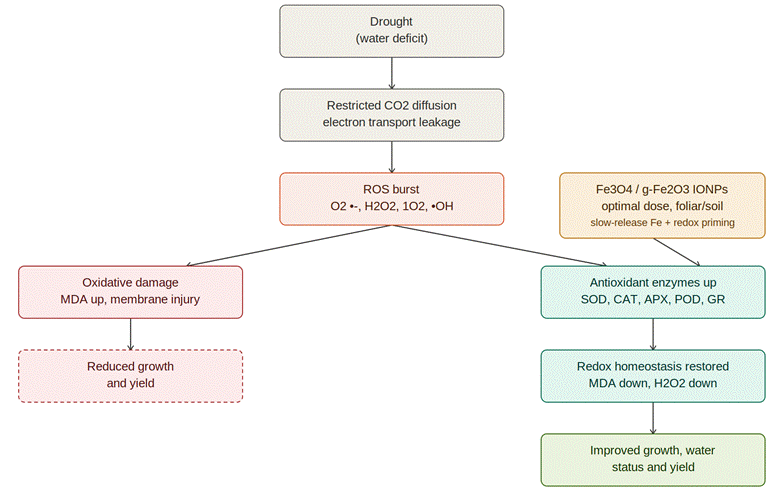
Figure 1. Conceptual overview of drought-induced oxidative stress and iron-oxide-nanoparticle (IONP)-mediated antioxidant regulation in tomato. Water deficit restricts photosynthesis and promotes electron leakage, generating a reactive oxygen species (ROS) burst and consequent oxidative damage. Optimal doses of Fe3O4/γ- Fe2O3 nanoparticles up-regulate antioxidant enzymes (SOD, CAT, APX, POD, GR), restore ROS homeostasis (lower MDA and H2O2, greater membrane stability) and improve growth and yield.

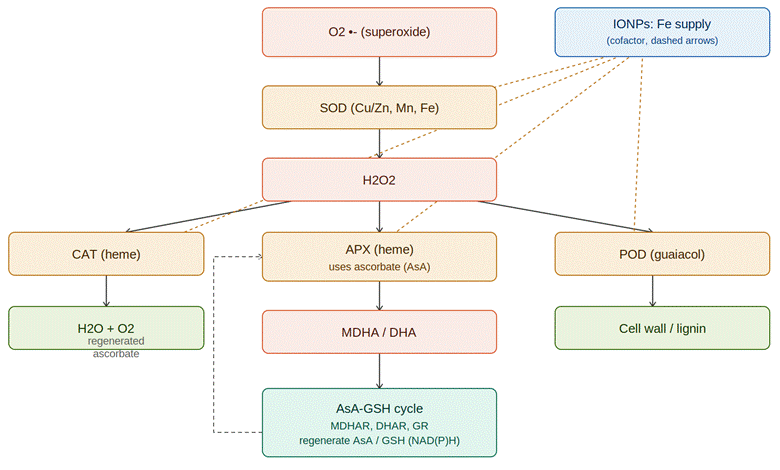
Figure 2. Enzymatic ROS-scavenging network and the ascorbate–glutathione (AsA–GSH) cycle. SOD converts superoxide to H2O2, which is removed by CAT directly and by APX/POD using ascorbate and glutathione as reductants regenerated through MDHAR, DHAR and GR. Iron oxide nanoparticles reinforce the network by up-regulating enzyme activity and transcript abundance and by supplying Fe as a cofactor for Fe-SOD and heme-CAT.

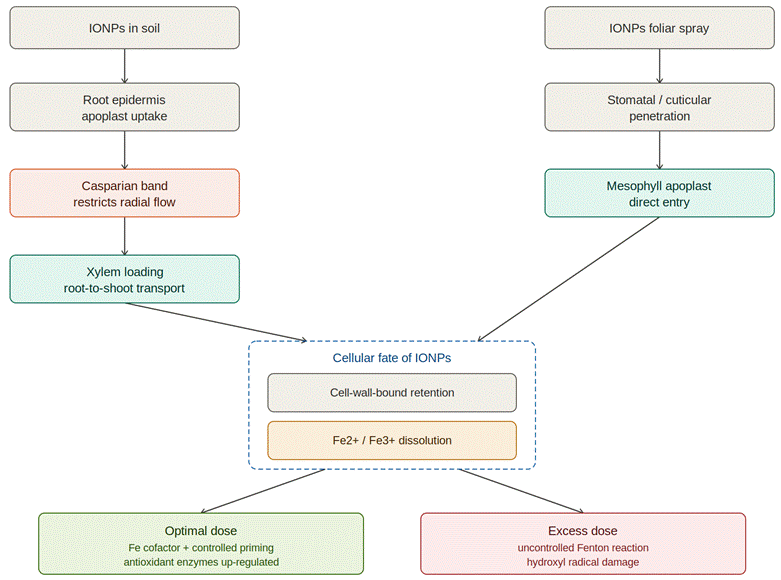
Figure 3. Uptake, translocation and subcellular fate of iron oxide nanoparticles in tomato. Foliar spray delivers particles through stomata and cuticle into the mesophyll apoplast; root/soil exposure delivers particles through the epidermis and apoplast, with the Casparian barrier limiting radial transport before xylem loading and root-to-shoot movement. Particles are partly retained at cell walls and partly internalised, undergoing gradual Fe2+/Fe3+ dissolution that supplies enzyme cofactors and engages redox chemistry; outcomes are beneficial at optimal doses but phytotoxic in excess.

Table 1. summarises the principal antioxidant enzymes, the reactions they catalyse, their subcellular localisation and their typical modulation under drought and IONP exposure.

Enzyme (EC)

Reaction catalysed

Cofactor / class

Main localisation

Typical response (drought + IONP)

SOD (1.15.1.1)

2 O2•− + 2 H+ → H2O2 + O2

Cu/Zn, Mn, Fe

Chloroplast, cytosol, mitochondria, peroxisome

Activity ↑ under drought; further ↑ with optimal IONP; Fe-SOD supported by Fe supply

CAT (1.11.1.6)

2 H2O2 → 2 H2O + O2

Heme (Fe)

Peroxisome

Often ↑ with IONP; Fe supports heme centre; high-affinity bulk H2O2 removal

APX (1.11.1.11)

H2O2 + ascorbate → 2 H2O + MDHA

Heme (Fe)

Chloroplast, cytosol, peroxisome, apoplast

↑ with IONP; entry point of AsA–GSH cycle; fine ROS control

POD/GPX (1.11.1.7)

H2O2 + donor → 2 H2O + oxidised donor

Heme (Fe)

Cell wall, cytosol, vacuole

Variable; linked to lignification and wall remodelling

GR (1.8.1.7)

GSSG + NADPH → 2 GSH + NADP+

FAD

Chloroplast, cytosol

↑ with IONP; regenerates GSH for AsA–GSH cycle

MDHAR / DHAR

Regenerate ascorbate from MDHA / DHA

FAD / thiol

Chloroplast, cytosol

Support ascorbate pool; often co-induced

Table 2. Principal iron oxide nanoparticle (IONP) types and synthesis strategies relevant to drought-mitigation in crops. HA, hyaluronic acid.

Type / phase

Magnetic character

Common synthesis routes

Key agronomic features

Main considerations

Magnetite (Fe3O4)

Ferrimagnetic or

superparamagnetic

Co-precipitation; green (plant extract); thermal

Slow-release Fe; redox-active; magnetically guidable uptake

Fenton activity at high dose

Maghemite (γ- Fe2O3)

Ferrimagnetic  or superparamagnetic

Oxidation of magnetite; green synthesis

Stable Fe source; growth and pigment gains

Foliar overdose can impair photosynthesis

Hematite (α- Fe2O3)

Weakly (anti)ferromagnetic

Thermal; sol–gel; green synthesis

Lowers H2O2/MDA in some crops

Lower solubility; phase-dependent effect

Coated / functionalised IONPs

Depends on core

Post-synthesis coating (citrate, HA, polymers)

Improved stability, targeting and biocompatibility

Coating charge alters phytotoxicity

Table 3. compiles representative studies in which iron- or metal-oxide nanoparticles modulated antioxidant enzymes and oxidative markers under drought or related stress, indicating the crop, nanoparticle, dose, delivery route and principal findings.

Crop

Nanoparticle

Dose / route

Stress

Principal antioxidant / oxidative findings

Ref.

Tomato

Green ZnO

25–50 mg/L, foliar

Drought

SOD, CAT, APX ↑ ~3–4.5-fold; MDA & H2O2 ↓; growth ↑

(El-Zohri et al., 2021)

Cherry tomato

Fe oxide (FeONP)

Soil/root

Salt–alkaline

SOD, CAT, APX modulated; redox defence improved

(Shahzad et al., 2024)

'Micro-Tom' tomato

Fe oxide (nFe)

Foliar/soil

Fe deficiency

Antioxidant recovery; photosynthesis restored; CAT supported by Fe

(Gama et al., 2025)

Maize

Biosynthesised FeO

Optimised, soil

Drought

Antioxidant activity ↑; chlorophyll ↑; oxidative markers ↓

(Rizwan et al., 2025)

Canola

Iron NP

Concentration series

Drought (PEG)

SOD, CAT, POX, PPO modulated; osmoregulation & metabolites shift

(Rezayian et al., 2023)

Wheat

Fe3O4

200–500 mg/L, seed/soil

Control/growth

Growth, photosynthesis & antioxidant activity ↑; minerals redistributed

(Feng et al., 2022)

Wheat

Zn + Fe oxide

Foliar/soil

Cd + growth

Oxidative stress ↓; growth ↑; Cd uptake ↓

(Rizwan et al., 2019)

Apple

CeO2

50–100 mg/L

Drought

CAT, APX, GPX, SOD ↑; MDA & EL ↓

(Soleymani et al., 2025)

Maize (corn)

TMA-IONP

7.6–45.6 mg/L

Seedling

Hormetic: CAT/APX ↑ at low dose; oxidative stress at high dose

(Răcuciu et al., 2025)

together generating a burst of superoxide, hydrogen peroxide, singlet oxygen, and hydroxyl radicals (Mittler, 2002; Mittler et al., 2004; Li et al., 2015). When ROS production exceeds the plant's scavenging capacity, the resulting damage — lipid peroxidation, protein oxidation, DNA lesions — is captured biochemically as elevated MDA, H2O2, and electrolyte leakage, a pattern documented repeatedly in tomato under both short- and long-term drought (Choudhury et al., 2017; Petrović et al., 2021). This overview of the drought–ROS relationship is summarized conceptually in Figure 1, which frames the remainder of the review.

4. The Enzymatic and Non-Enzymatic Antioxidant System

Superoxide dismutase provides the frontline response, dismutating superoxide to hydrogen peroxide and oxygen; its isoforms differ in metal cofactor (Cu/Zn-, Mn-, or Fe-SOD) and subcellular compartment (Gill & Tuteja, 2010; Harb et al., 2015). The hydrogen peroxide generated is then handled through two complementary routes — catalase, well suited to bulk removal at high flux but low substrate affinity, and ascorbate peroxidase, which offers fine control at low H2O2 concentrations and forms the entry point of the ascorbate–glutathione cycle (Foyer & Noctor, 2011; Sharma et al., 2012). Within that cycle, monodehydroascorbate reductase, dehydroascorbate reductase, and glutathione reductase regenerate reduced ascorbate and glutathione, sustaining the redox buffer on which H2O2 detoxification depends (Foyer & Shigeoka, 2011). Guaiacol peroxidase contributes additional scavenging capacity linked to lignification and cell-wall remodeling (Zhou et al., 2019). This network, together with the point at which IONPs appear to reinforce it, is depicted in Figure 2, and the principal enzymes are summarized in Table 1. Non-enzymatic antioxidants — ascorbate, glutathione, carotenoids, tocopherols, and phenolics — complement this enzymatic arm directly, while osmolytes such as proline and glycine betaine stabilize membranes and proteins under water deficit (Das & Roychoudhury, 2014; Parvin et al., 2024).

5. IONP Physicochemistry, Uptake, and Fate in Planta

Iron oxide exists in several oxide and oxyhydroxide phases, but magnetite (Fe3O4), maghemite (γ-Fe2O3), and hematite (α-Fe2O3) dominate the agricultural nanoparticle literature, differing in magnetic behavior, synthesis route, and redox reactivity (Table 2). IONPs reach plant tissue through two principal routes — root/soil exposure and foliar application — each imposing distinct barriers (Figure 3). Following root exposure, radial movement toward the stele is restricted by the Casparian band, so symplastic entry and subsequent xylem loading govern root-to-shoot transport; early tracer work in pumpkin demonstrated that magnetite nanoparticles can indeed be absorbed, translocated, and accumulated in aerial tissue (Zhu et al., 2008), and superparamagnetic IONPs entering soybean roots raised chlorophyll content measurably (Ghafariyan et al., 2013). In barley, roughly 13 nm Fe3O4 particles were taken up and translocated to leaves without visible phytotoxicity, although a substantial fraction remained wall-associated rather than fully internalized (Tombuloglu et al., 2019, 2023). Foliar-applied particles instead penetrate through stomata and the cuticle directly into the mesophyll, offering a more direct route to photosynthetic tissue — though excessive foliar nFe2O3 can inhibit photosynthesis through Fenton-mediated hydroxyl radical generation, underscoring how dose-sensitive this route can be (Lu et al., 2020). Once internalized, IONP fate reflects a balance between intact-particle persistence and gradual dissolution: released iron feeds the plant's own Fe-homeostasis machinery and becomes available as a cofactor for Fe-SOD and heme-dependent CAT, APX, and POD (Feng et al., 2022; Gama et al., 2025), while surface and dissolved iron simultaneously catalyze Fenton-type reactions that, at controlled levels, appear to prime antioxidant gene expression (Khan et al., 2023; Răciuciu et al., 2025).

6. Mechanisms of IONP-Mediated Antioxidant Regulation

6.1 Biochemical Evidence: Enzyme Activities and Stress Markers

The most consistent finding across the literature is that optimal IONP doses raise antioxidant enzyme activity while lowering oxidative-damage markers. In drought-stressed maize, biosynthesized FeO nanoparticles enhanced antioxidant enzyme activity and improved chlorophyll content relative to untreated stressed plants (Rizwan et al., 2025), and in canola under PEG-induced drought, iron nanoparticles modulated SOD, catalase, peroxidase, and polyphenol oxidase activity in a clearly concentration-dependent manner (Rezayian et al., 2023). Tomato-specific evidence, though comparatively limited, points the same direction: foliar green ZnO nanoparticles raised SOD, CAT, and APX activity roughly three- to four-and-a-half-fold in drought-stressed tomato while reducing MDA and H2O2 (El-Zohri et al., 2021), and iron oxide nanoparticles modulated the antioxidant system under salt–alkaline stress in cherry tomato and restored iron-dependent photosynthetic function in iron-deficient ‘Micro-Tom’ plants (Shahzad et al., 2024; Gama et al., 2025). Comparable CAT, APX, GPX, and SOD enhancement by cerium oxide nanoparticles under drought in apple lends further weight to the generality of this pattern (Soleymani et al., 2025). These representative findings are compiled in Table 3.

6.2 Iron as an Enzyme Cofactor and Controlled Redox Modulator

What distinguishes IONPs from many other nanomaterials, mechanistically, is that their dissolution product — iron — is itself catalytically central to the antioxidant system rather than merely an inert carrier. Fe-SOD requires iron at its active site, and CAT, APX, and POD are all heme-dependent enzymes; sustained, slow-release iron can therefore relieve latent iron limitation, an effect linked explicitly to catalase function in tomato and to broader antioxidant recovery in iron-deficient plants (Feng et al., 2022; Gama et al., 2025). Superimposed on this nutritional role is a redox-signaling one: iron participates in Fenton chemistry, and at low, controlled fluxes the resulting ROS appear to act as priming signals that activate antioxidant gene expression — a hormetic response — whereas at high fluxes the same chemistry produces injurious hydroxyl radicals instead (Lu et al., 2020; Khan et al., 2023; Răciuciu et al., 2025).

6.3 Molecular and Transcriptional Regulation

Beyond enzyme activity, nanoparticles influence antioxidant gene expression more broadly. Across crop systems, metal and metal-oxide nanoparticles up-regulate transcripts encoding Cu/Zn-SOD, Fe/Mn-SOD, CAT, and APX; low-dose ZnO nanoparticles, for instance, enhanced CAT1 expression in wheat, and copper nanoparticles produced several-fold increases in SOD transcript abundance (Tao et al., 2026; Javaid et al., 2025). Drought itself differentially regulates these same genes in a genotype- and time-dependent manner (Harb et al., 2015), meaning nanoparticle treatment acts on an already dynamic transcriptional background rather than a blank slate. Some nanomaterials additionally behave as nanozymes with intrinsic SOD- and CAT-like catalytic activity, supplementing rather than merely inducing the plant's own enzymes (Bao et al., 2024). Tomato-specific transcriptional data for IONPs remain sparse — a clear priority for future work — though convergent cross-species evidence suggests transcriptional up-regulation is integral to the mechanism, not an incidental correlate.

6.4 Cross-Talk with Signaling, Osmolytes, and Phytohormones

Antioxidant regulation, it should be said, does not operate in isolation. Nanoparticle-derived ROS and ionic signals intersect with calcium signaling, MAPK cascades, and abscisic-acid-centered hormonal networks that jointly govern stomatal behavior and stress-responsive transcription (Tao et al., 2026; Rehman et al., 2024). IONP treatment has additionally been associated with enhanced accumulation of osmoprotectants — proline, soluble sugars — and secondary metabolites that stabilize macromolecules directly (Rezayian et al., 2023; Parvin et al., 2024), while improved iron nutrition supports chlorophyll biosynthesis and photosynthetic electron transport, indirectly lowering the primary rate of ROS formation (Feng et al., 2022; Gama et al., 2025). The overall effect, taken together, resembles a coordinated shift toward redox homeostasis in which enzyme up-regulation, cofactor supply, osmotic adjustment, and hormonal signaling reinforce one another (Figures 1 and 2).

7. Physiological and Yield Consequences

These biochemical and molecular effects translate, in practice, into measurable gains in plant performance. By curbing ROS and protecting membranes, appropriately dosed IONPs help preserve photosynthetic pigments and electron transport, maintain higher relative water content, and sustain gas-exchange function under water deficit (Feng et al., 2022; Gama et al., 2025). Across nano-enabled drought studies more broadly, these physiological gains manifest as greater shoot and root biomass and better water-use efficiency; a recent meta-analytic synthesis confirms that nanoparticle application improves drought resilience across crops, though effect sizes depend strongly on nanoparticle type, dose, and delivery method (Li et al., 2025). In tomato specifically, low-dose foliar nanoparticle treatments increased shoot and root biomass several-fold under severe drought while maintaining higher ascorbate and phenolics (El-Zohri et al., 2021), and iron-oxide treatments restored photosynthetic performance in iron-limited plants (Gama et al., 2025). Delivery route appears to matter considerably: foliar spraying and soil application are generally the most effective routes, and dose-response relationships frequently follow a non-linear, often quadratic, pattern in which intermediate concentrations maximize benefit (Răciuciu et al., 2025; Li et al., 2025).

8. Dose-Dependence, Phytotoxicity, and Hormesis

The benefits of IONPs are, without exception, conditional on dose. A hormetic dose-response is observed repeatedly across the literature: low-to-moderate concentrations stimulate growth and antioxidant enzyme activity, while concentrations above a threshold invert the effect entirely and induce oxidative injury (Khan et al., 2023; Răciuciu et al., 2025). In corn, IONPs up to roughly 45.6 mg/L promoted growth and antioxidant activity, but higher loads triggered oxidative stress and visible leaf lesions (Răciuciu et al., 2025); in rice, Fe3O4 above roughly 500 mg/kg soil halved root elongation and sharply increased lipid peroxidation (Zhou & Razzaq, 2025), and foliar nFe2O3 impaired wheat photosynthesis via Fenton-generated hydroxyl radicals at elevated exposure (Lu et al., 2020). The dominant phytotoxic mechanism, in essence, is excessive Fenton-driven ROS production overwhelming the antioxidant system it was meant to support — and this threshold is itself modulated by particle size, surface charge, coating, and plant species, meaning a dose beneficial in one context may prove harmful in another (Khan et al., 2023). Establishing crop-, cultivar-, and stage-specific optimal windows for tomato therefore remains an essential precondition for any field deployment.

9. Challenges, Knowledge Gaps, and Future Prospects

Several gaps, taken together, constrain the translation of IONP technology into drought-resilient tomato production. Tomato-specific, drought-focused studies remain scarce, with much of the mechanistic evidence still extrapolated from cereals and other species (El-Zohri et al., 2021; Shahzad et al., 2024; Gama et al., 2025). Molecular resolution, too, is limited — systematic transcriptomic, proteomic, and metabolomic analyses linking IONP exposure to antioxidant-gene regulation in tomato are largely absent, and multi-omics approaches will likely be needed to move beyond enzyme-activity correlations toward causal mechanism (Chandrashekar et al., 2023; Javaid et al., 2025). Most existing work, moreover, is confined to controlled-environment or seedling-stage experiments; field-scale, whole-life-cycle, yield-based evidence under realistic, fluctuating drought remains rare (Li et al., 2025). The fate, persistence, and trophic transfer of iron nanoparticles in soil–plant systems, along with their long-term effects on soil microbiota and food safety, will require rigorous assessment before wider adoption. Future research should prioritize cultivar- and stage-specific optimal dosing under standardized drought protocols, multi-omics integration with enzyme-activity assays, eco-friendly and stimulus-responsive particle design, and multi-season field trials with accompanying food-safety assessment.

10. Conclusion

Drought limits tomato productivity chiefly through ROS-driven oxidative stress, and the antioxidant enzyme system's capacity to contain that stress is, arguably, the more decisive tolerance trait. Iron oxide nanoparticles offer a mechanistically coherent intervention, coupling slow-release iron nutrition with a controlled redox activity that primes and up-regulates antioxidant defenses. The evidence reviewed here suggests that optimally dosed IONPs enhance SOD, CAT, APX, POD, and GR activity, reduce MDA and H2O2, and improve growth and yield — while excessive doses reverse these benefits through Fenton-mediated toxicity. What remains is largely a matter of specificity: tomato-focused, molecularly resolved, field-validated research that defines safe and effective dose windows. With that evidence in hand, IONP-mediated antioxidant regulation could plausibly become a practical, low-input component of climate-smart tomato cultivation.

Author Contributions

M.S.I.: conceptualization, writing – original draft, supervision, funding acquisition; M.A.: literature synthesis, writing – review & editing; A.K.: writing – review & editing; M.H.K.: figures and tables preparation; R.A.: literature synthesis; G.M.S.R.: writing – review & editing, supervision. All authors read and approved the final manuscript.

Acknowledgements

The authors M.S.I. et al., thank the Ministry of Science and Technology, Government of the People's Republic of Bangladesh, for financial support (Research ID: SRG-254522), and acknowledge the institutional support of the University of Rajshahi and Kyoto University of Advanced Science.

Competing Financial Interests

The authors M.S.I. et al., declare that they have no competing financial interests or personal relationships that could have appeared to influence the work reported in this paper.

References


Apel, K., & Hirt, H. (2004). Reactive oxygen species: Metabolism, oxidative stress, and signal transduction. Annual Review of Plant Biology, 55, 373–399. https://doi.org/10.1146/annurev.arplant.55.031903.141701

Bao, L., Liu, J., Mao, T., Zhao, L., Wang, D., & Zhai, Y. (2024). Nanobiotechnology-mediated regulation of reactive oxygen species homeostasis under heat and drought stress in plants. Frontiers in Plant Science, 15, Article 1418515. https://doi.org/10.3389/fpls.2024.1418515

Chandrashekar, H. K., Singh, G., Kaniyassery, A., Thorat, S. A., Nayak, R., Murali, T. S., & Muthusamy, A. (2023). Nanoparticle-mediated amelioration of drought stress in plants: A systematic review. 3 Biotech, 13, Article 336. https://doi.org/10.1007/s13205-023-03751-4

Choudhury, F. K., Rivero, R. M., Blumwald, E., & Mittler, R. (2017). Reactive oxygen species, abiotic stress and stress combination. The Plant Journal, 90(5), 856–867. https://doi.org/10.1111/tpj.13299

Das, K., & Roychoudhury, A. (2014). Reactive oxygen species (ROS) and response of antioxidants as ROS-scavengers during environmental stress in plants. Frontiers in Environmental Science, 2, Article 53. https://doi.org/10.3389/fenvs.2014.00053

El-Zohri, M., Al-Wadaani, N. A., & Bafeel, S. O. (2021). Foliar sprayed green zinc oxide nanoparticles mitigate drought-induced oxidative stress in tomato. Plants, 10(11), Article 2400. https://doi.org/10.3390/plants10112400

FAOSTAT. (2024). Crops and livestock products. Food and Agriculture Organization of the United Nations. https://www.fao.org/faostat

Feng, Y., Kreslavski, V. D., Shmarev, A. N., Ivanov, A. A., Zharmukhamedov, S. K., Kosobryukhov, A., Yu, M., Allakhverdiev, S. I., & Shabala, S. (2022). Effects of iron oxide nanoparticles (Fe3O4) on growth, photosynthesis, antioxidant activity and distribution of mineral elements in wheat (Triticum aestivum) plants. Plants, 11(14), Article 1894. https://doi.org/10.3390/plants11141894

Foyer, C. H., & Noctor, G. (2011). Ascorbate and glutathione: The heart of the redox hub. Plant Physiology, 155(1), 2–18. https://doi.org/10.1104/pp.110.167569

Foyer, C. H., & Shigeoka, S. (2011). Understanding oxidative stress and antioxidant functions to enhance photosynthesis. Plant Physiology, 155(1), 93–100. https://doi.org/10.1104/pp.110.166181

Gama, J. P. S., Campos, F. G., Riccardi, C. d. S., & Boaro, C. S. F. (2025). Iron oxide nanoparticles for photosynthetic recovery in iron-deficient 'Micro-Tom' tomato plants. Environments, 12(10), Article 346. https://doi.org/10.3390/environments12100346

Ghafariyan, M. H., Malakouti, M. J., Dadpour, M. R., Stroeve, P., & Mahmoudi, M. (2013). Effects of magnetite nanoparticles on soybean chlorophyll. Environmental Science & Technology, 47(18), 10645–10652. https://doi.org/10.1021/es402249b

Gill, S. S., & Tuteja, N. (2010). Reactive oxygen species and antioxidant machinery in abiotic stress tolerance in crop plants. Plant Physiology and Biochemistry, 48(12), 909–930. https://doi.org/10.1016/j.plaphy.2010.08.016

Harb, A., Awad, D., & Samarah, N. (2015). Gene expression and activity of antioxidant enzymes in barley (Hordeum vulgare L.) under controlled severe drought. Journal of Plant Interactions, 10(1), 109–116. https://doi.org/10.1080/17429145.2015.1033023

Hasanuzzaman, M., Bhuyan, M. H. M. B., Zulfiqar, F., Raza, A., Mohsin, S. M., Mahmud, J. A., Fujita, M., & Fotopoulos, V. (2020). Reactive oxygen species and antioxidant defense in plants under abiotic stress: Revisiting the crucial role of a universal defense regulator. Antioxidants, 9(8), Article 681. https://doi.org/10.3390/antiox9080681

Javaid, A., Munir, N., Abideen, Z., Duarte, B., Siddiqui, Z. S., Haq, R., & Naz, S. (2025). The potential effects of nanoparticles in gene regulation and expression in mammalian, bacterial and plant cells — A comprehensive review. Plant Nano Biology, 11, Article 100145. https://doi.org/10.1016/j.plana.2025.100145

Khan, S., Akhtar, N., Rehman, S. U., & Jamil, M. (2023). Iron oxide nanoparticles: Plant response, interaction, phytotoxicity and defense mechanisms. In A. Husen (Ed.), Nanomaterials and nanocomposites exposures to plants (pp. 227–245). Springer. https://doi.org/10.1007/978-981-99-2419-6_11

Li, H., Wang, Z., Zhou, C., Wang, H., Chen, L., Yang, H., & Liu, D. (2025). Harnessing nanoparticles to enhance crop production under drought stress: A quantitative meta-analysis. Agricultural Water Management, 315, Article 109550. https://doi.org/10.1016/j.agwat.2025.109550

Li, X., Zhang, H., Tian, L., Huang, L., Liu, S., Li, D., & Song, F. (2015). Tomato SlRbohB, a member of the NADPH oxidase family, is required for disease resistance against Botrytis cinerea and tolerance to drought stress. Frontiers in Plant Science, 6, Article 463. https://doi.org/10.3389/fpls.2015.00463

Lu, K., Shen, D., Liu, X., Dong, S., Jing, X., Wu, W., Tong, Y., Gao, S., & Mao, L. (2020). Uptake of iron oxide nanoparticles inhibits the photosynthesis of the wheat after foliar exposure. Chemosphere, 259, Article 127445. https://doi.org/10.1016/j.chemosphere.2020.127445

Mittler, R. (2002). Oxidative stress, antioxidants and stress tolerance. Trends in Plant Science, 7(9), 405–410. https://doi.org/10.1016/S1360-1385(02)02312-9

Mittler, R., Vanderauwera, S., Gollery, M., & Van Breusegem, F. (2004). Reactive oxygen gene network of plants. Trends in Plant Science, 9(10), 490–498. https://doi.org/10.1016/j.tplants.2004.08.009

Parvin, K., Hasanuzzaman, M., Mohsin, S. M., Nahar, K., & Fujita, M. (2024). Vanillic acid modulates antioxidant defense and methylglyoxal detoxification systems to combat drought stress in tomato seedlings. Plants, 13(22), Article 3114. https://doi.org/10.3390/plants13223114

Petrovic, I., Savic, S., Gricourt, J., Causse, M., Jovanovic, Z., & Stikic, R. (2021). Effect of long-term drought on tomato leaves: The impact on metabolic and antioxidative response. Physiology and Molecular Biology of Plants, 27(12), 2805–2817. https://doi.org/10.1007/s12298-021-01102-2

Quinet, M., Angosto, T., Yuste-Lisbona, F. J., Blanchard-Gros, R., Bigot, S., Martinez, J.-P., & Lutts, S. (2019). Tomato fruit development and metabolism. Frontiers in Plant Science, 10, Article 1554. https://doi.org/10.3389/fpls.2019.01554

Racuciu, M., Barbu-Tudoran, L., & Oancea, S. (2025). Evaluation of phytotoxicity and genotoxicity of TMA-stabilized iron-oxide nanoparticle in corn (Zea mays) young plants. Scientific Reports, 15, Article 18951. https://doi.org/10.1038/s41598-025-03872-1

Raza, A., Charagh, S., Abbas, S., Hassan, M. U., Saeed, F., Haider, S., Sharif, R., Anand, A., Corpas, F. J., Jin, W., & Varshney, R. K. (2023). Nano-enabled stress-smart agriculture: Can nanotechnology deliver drought and salinity-smart crops? Journal of Sustainable Agriculture and Environment, 2(3), 189–214. https://doi.org/10.1002/sae2.12061

Rehman, A., Khan, S., Sun, F., Peng, Z., Feng, K., Wang, N., Jia, Y., Pan, Z., He, S., Wang, L., Qayyum, A., Du, X., & Li, H. (2024). Exploring the nano-wonders: Unveiling the role of nanoparticles in enhancing salinity and drought tolerance in plants. Frontiers in Plant Science, 14, Article 1324176. https://doi.org/10.3389/fpls.2023.1324176

Rezayian, M., Niknam, V., & Arabloo, M. (2023). Iron nanoparticle regulate succinate dehydrogenase activity in canola plants under drought stress. Scientific Reports, 13, Article 9628. https://doi.org/10.1038/s41598-023-36105-4

Rizwan, H. M., Shafqat, U., Ishfaq, A., Batool, F., Mahmood, F., Su, Q., Yaseen, N., Raza, T., & Altihani, F. A. (2025). Identifying the phytotoxicity of biosynthesized metal oxide nanoparticles and their impact on antioxidative enzymatic activity in maize under drought stress. Plants, 14(7), Article 1075. https://doi.org/10.3390/plants14071075

Rizwan, M., Ali, S., Ali, B., Adrees, M., Arshad, M., Hussain, A., Zia ur Rehman, M., & Waris, A. A. (2019). Zinc and iron oxide nanoparticles improved the plant growth and reduced the oxidative stress and cadmium concentration in wheat. Chemosphere, 214, 269–277. https://doi.org/10.1016/j.chemosphere.2018.09.120

Sánchez-Rodríguez, E., Rubio-Wilhelmi, M. M., Cervilla, L. M., Blasco, B., Rios, J. J., Rosales, M. A., Romero, L., & Ruiz, J. M. (2010). Genotypic differences in some physiological parameters symptomatic for oxidative stress under moderate drought in tomato plants. Plant Science, 178(1), 30–40. https://doi.org/10.1016/j.plantsci.2009.10.001

Shahzad, R., Harlina, P. W., Khan, S. U., Koerniati, S., Hastilestari, B. R., Ningrum, R. A., Wahab, R., Djalovic, I., & Prasad, P. V. (2024). Iron oxide nanoparticles alleviate salt-alkaline stress and improve growth by modulating antioxidant defense system in cherry tomato. Journal of Plant Interactions, 19(1), Article 2375508. https://doi.org/10.1080/17429145.2024.2375508

Sharma, P., Jha, A. B., Dubey, R. S., & Pessarakli, M. (2012). Reactive oxygen species, oxidative damage, and antioxidative defense mechanism in plants under stressful conditions. Journal of Botany, 2012, Article 217037. https://doi.org/10.1155/2012/217037

Soleymani, S., Piri, S., Aazami, M. A., & Salehi, B. (2025). Cerium oxide nanoparticles alleviate drought stress in apple seedlings by regulating ion homeostasis, antioxidant defense, gene expression, and phytohormone balance. Scientific Reports, 15, Article 11805. https://doi.org/10.1038/s41598-025-96250-w

Tao, Y., Gao, Q., Fan, X., Wu, H., & Shabala, S. (2026). From uptake to resilience: How metal-based nanoparticles can enhance plant drought tolerance. Plant and Soil, 519(2), 1121–1143. https://doi.org/10.1007/s11104-025-08230-8

Tombuloglu, H., Ercan, I., Alqahtani, N., Alotaibi, B., Bamhrez, M., Alshumrani, R., Turumtay, H., Ergin, I., Demirci, T., Ozcelik, S., Kayed, T. S., & Ercan, F. (2023). Impact of magnetic field on the translocation of iron oxide nanoparticles (Fe3O4) in barley seedlings (Hordeum vulgare L.). 3 Biotech, 13, Article 296. https://doi.org/10.1007/s13205-023-03727-4

Tombuloglu, H., Slimani, Y., Tombuloglu, G., Almessiere, M., & Baykal, A. (2019). Uptake and translocation of magnetite (Fe3O4) nanoparticles and its impact on photosynthetic genes in barley (Hordeum vulgare L.). Chemosphere, 226, 110–122. https://doi.org/10.1016/j.chemosphere.2019.03.075

Zhou, B., & Razzaq, S. (2025). Revolutionizing crop production with iron nanoparticles for controlled release of plant growth regulators and abiotic stress resistance. Plant Nano Biology. Advance online publication. https://doi.org/10.1016/j.plana.2025.100397

Zhou, R., Kong, L., Wu, Z., Rosenqvist, E., Wang, Y., Zhao, L., Zhao, T., & Ottosen, C.-O. (2019). Oxidative damage and antioxidant mechanism in tomatoes responding to drought and heat stress. Acta Physiologiae Plantarum, 41, Article 20. https://doi.org/10.1007/s11738-019-2805-1

Zhu, H., Han, J., Xiao, J. Q., & Jin, Y. (2008). Uptake, translocation, and accumulation of manufactured iron oxide nanoparticles by pumpkin plants. Journal of Environmental Monitoring, 10(6), 713–717. https://doi.org/10.1039/b805998e
Article metrics
View details
0
Downloads
0
Citations
28
Views
📖 Cite article

View Dimensions


View Plumx


View Altmetric


0
Save
0
Citation
28
View
0
Share