Data Modeling

Mathematical and Computational Data Modeling
0
Citations
4.5k
Views
29
Articles
Your new experience awaits. Try the new design now and help us make it even better
Switch to the new experience
Figures and Tables
RESEARCH ARTICLE   (Open Access)

Reviving Hormonal Balance: A Modest Solution for Polycystic Ovary Syndrome (PCOS) in Bangladeshi Women

Kamruzzaman Mithu 1*

+ Author Affiliations

Data Modeling 5 (1) 1-8 https://doi.org/10.25163/data.5110850

Submitted: 24 June 2024 Revised: 13 August 2024  Published: 23 August 2024 


Abstract

Polycystic ovarian syndrome is characterized by amenorrhea, hirsutism, and obesity, all of which are associated with enlarged polycystic ovaries. It is the most common endocrine disorder affecting women of reproductive age. A number of dietary and lifestyle therapies have been researched as a means of assisting in its control. The Fully Low-Calorie Modest Diet (FLCMD) is quickly demonstrating positive effects in the treatment of metabolic illnesses other than obesity. This study's main objective is to assess the scientific evidence for this dietary pattern's efficacy in treating PCOS and its associated metabolic issues. According to preliminary data, FLCMD significantly reduced insulin resistance, body composition, total and low-density lipoprotein cholesterol, glucose, serum insulin, triglycerides, and other metabolic characteristics. The evidence is still lacking, though, and has to be supported further. The ideal dietary pattern and macronutrient composition are still up for debate, but it has been shown that weight loss in PCOS women improves their body composition and metabolic anomalies. Together with its well-known metabolic advantages, there is some evidence to suggest that women with PCOS may experience improved fertility while following the Mediterranean diet. It should be mentioned that FLCMD is a potentially effective strategy for the progressive management of PCOS, but it requires professional prescription and strict supervision.

Keywords: Polycystic Ovarian Syndrome, FLCMD, Diet, Nutrition, Nutritionist

1. Introduction

Polycystic ovary syndrome isn't a new discovery, exactly — clinicians have been describing versions of it for decades — but it remains, oddly, one of the most under-recognized hormonal conditions affecting women today. Globally, it touches somewhere between 10 and 15% of women of reproductive age, which is a striking number when you consider how quietly it often goes undiagnosed (Barrea et al., 2021). Part of the difficulty lies in how the condition presents. A diagnosis technically requires just two of three features: cysts visible on ultrasound, elevated androgens producing symptoms like acne or excess hair growth, and periods that are irregular or absent altogether (Rotterdam ESHRE/ASRM-Sponsored PCOS Consensus Workshop Group, 2004). Two out of three — not all three — which already hints at how varied the condition can look from one woman to the next.

That variability is, in fact, the reason researchers eventually split PCOS into phenotypes. Phenotype A, the most common by far, brings together all three hallmark features — cysts, irregular cycles, and elevated male hormones. Phenotypes B and C share the hormonal and menstrual disruption but without the ovarian cysts showing up on imaging. And then there's Phenotype D, almost the mirror image of the others: cysts and cycle irregularity are present, yet androgen levels stay within normal range. It's a somewhat inconvenient classification system in that it resists tidy generalization, but it does give clinicians a sharper lens for diagnosis and, ideally, more tailored treatment (Lizneva et al., 2016).

The consequences, though, are where PCOS becomes harder to treat as a purely gynecological issue. Infertility affects an estimated 38% of women with the condition — nearly four in ten — which alone would justify serious clinical attention. But layered on top of that are metabolic complications: hyperinsulinemia, insulin resistance, and in some cases adrenal incidentalomas tend to travel alongside PCOS rather than being separate concerns, a pattern consistent with Muscogiuri, Colao, and Orio's (2015) work linking insulin-driven disease processes to adrenal mass and PCOS together. Hypertension, hepatic steatosis, type 2 diabetes, and glucose intolerance follow a similar pattern. Barrea et al. (2018) point to something worth sitting with here — that low-grade inflammation, compounded by excessive carbohydrate intake, seems to drive both insulin resistance and hyperandrogenism forward, each feeding into the other, and both feeding the underlying pathophysiology of the syndrome. This isn't a new observation, either — Hafner et al. (1988) had already noted decades earlier that sex hormone disturbances tend to travel alongside hyperinsulinemia and hyperglycemia, suggesting the metabolic-reproductive entanglement in PCOS has been visible in the data for a long time, even if it took years to be treated as central to the condition.

Obesity complicates the picture further, and honestly, it's difficult to separate cause from consequence in a lot of this literature — does obesity worsen PCOS, does PCOS predispose toward weight gain, or is it some feedback loop of both? Whatever the direction, the two are frequently intertwined, and low-grade inflammation tied to excess weight appears to be a shared thread running through much of the disease's metabolic fallout (Frias-Toral et al., 2021). This is, in part, why diet has become such a central pillar of PCOS management — not glamorous, not always easy to sustain, but consistently supported. Body weight regulation is widely recommended as a therapeutic cornerstone, even though achieving it is rarely straightforward for these patients. Barrea et al. (2019) found that adherence to a Mediterranean-style dietary pattern correlated meaningfully with more favorable body composition outcomes in women with PCOS, while a separate line of work by the same group (Barrea et al., 2019, Clinical Nutrition) linked Mediterranean diet adherence to measurable improvements in physical strength markers among older women — a tangential finding, perhaps, but one that reinforces how broadly this dietary pattern's benefits seem to extend.

What remains genuinely unsettled, though, is which specific eating pattern works best for PCOS itself. The literature has repeatedly emphasized hypocaloric intake and the avoidance of refined carbohydrates, added sugars, and saturated or trans fats, yet beyond these broad strokes, researchers have tested a fairly wide spread of approaches without converging on one clearly superior model. Ketogenic and very-low-calorie ketogenic protocols, in particular, have drawn sustained attention. Muscogiuri et al. (2019) laid out practical guidance for administering very low-calorie ketogenic diets in obesity clinics, and this was later reinforced by a broader systematic review and meta-analysis (Muscogiuri et al., 2021) affirming the approach's role in European obesity management guidelines. Paoli, Mancin, Giacona, Bianco, and Caprio (2020) then applied this more specifically to PCOS, reporting that a ketogenic diet improved outcomes in overweight women with the condition, while Barrea et al. (2022) separately examined the real-time safety profile of very-low-calorie ketogenic diets in obesity more generally — an important complement, since efficacy alone doesn't settle whether an intervention is safe to sustain. Calcaterra et al. (2023) extended this conversation into adolescent populations, suggesting low-calorie ketogenic diets hold potential for managing PCOS even in younger patients, though they were careful to flag how much remains unknown about long-term fertility implications at that age.

Vitamin D status has emerged as another thread worth pulling on. Muscogiuri, Policola, Prioletta, Sorice, Mezza, and Lassandro et al. (2012) explored whether low 25(OH)D levels and insulin resistance are simply two unrelated features that happen to co-occur in PCOS, or whether one actually drives the other — a question that, as far as the broader literature suggests, still doesn't have a fully settled answer.

It's within this somewhat unresolved landscape that the Fully Low-Calorie Modest Diet, or FLCMD, has emerged as a candidate worth examining more closely — particularly for PCOS cases complicated by obesity. The Bangladesh Endocrine Society has offered a cautious, conditional endorsement of the approach in this context. The diet itself is unusual in composition: roughly 96% of caloric intake comes from fat, leaving only 4% split between protein and carbohydrate — a ratio that sounds almost counterintuitive until you consider its intended mechanism. It's typically structured across three sequential phases — an initial active phase, a reeducation phase, and finally maintenance — and while it does appear to produce rapid weight loss, what's notable is that fat-free mass, which plays a key role in glucose metabolism, tends to remain relatively preserved throughout. Moran et al. (2013), in a systematic review informing evidence-based dietary guidelines for PCOS, found broadly similar patterns — that dietary composition matters less than the fact of sustained caloric restriction itself, at least for the metabolic outcomes measured.

Closer to home, the picture in Bangladesh specifically adds urgency to this inquiry. Hasan et al. (2022) documented alarmingly high rates of psychological distress among Bangladeshi women with PCOS — loneliness, generalized anxiety, and depressive symptoms all appearing far more frequently than would be expected, with obesity, income, lifestyle, and even contraceptive choices all playing contributing roles. Kamrul-Hasan et al. (2023), reviewing the broader landscape, emphasized that PCOS in Bangladesh carries reproductive, metabolic, and psychological dimensions simultaneously, and called for larger, community-based research to properly capture the scale of the problem. Hossain et al. (2023) added phenotype-specific detail to this picture, finding that Phenotypes A and D predominate among Bangladeshi women, with hyperandrogenic presentations showing more pronounced clinical and hormonal features — a finding that reinforces the value of individualized management strategies rather than one-size-fits-all treatment. And on the diagnostic side, Nabi et al. (2021) demonstrated that machine-learning models, trained on real-world data from Bangladeshi patients, could identify PCOS with remarkable accuracy — a Support Vector Machine model reaching over 99% — pointing toward earlier detection as a genuinely achievable goal rather than an aspirational one.

Given how prevalent PCOS is among Bangladeshi women specifically, and given the layered metabolic, reproductive, and psychological risks it carries, there's a real need to look closely at whether FLCMD holds up as a viable intervention in this population — not just in theory, but with attention to feasibility, tolerability, and long-term outcomes. With that in mind, this study sets out with a few interconnected aims. First, it looks at how PCOS is distributed globally, paying attention to the demographic and regional patterns that shape its prevalence. From there, it turns to the diagnostic frameworks themselves — the Rotterdam criteria alongside the phenotypic approach favored by the NIH consensus group — asking how well each holds up once applied in real clinical settings rather than on paper. The study also examines the downstream consequences of the syndrome, from infertility to the cluster of metabolic conditions that so often accompany it: hyperinsulinemia, insulin resistance, glucose intolerance, type 2 diabetes, hepatic steatosis, and hypertension. And finally, it considers the practical side of things — whether dietary interventions, FLCMD in particular, can actually work in everyday clinical practice, weighing adherence, patient acceptability, and whether the benefits hold up over the long run rather than fading after the initial phase.
2. Materials and Methods

2.1 Materials

A cross-sectional observational study was conducted at Bangabandhu Sheikh Mujib Medical University (BSMMU) and the Ibn Sina Medical College Hospital in Dhaka between July 2023 and December 2023. In total, 222 patients took part in the research. All women with polycystic ovarian syndrome who had medically confirmed infertility and provided consent to participate were included in the trial; severely ill patients who refused to participate were excluded. Data were collected through face-to-face interviews using a semi-structured questionnaire. Following data collection, quality control, consistency, relevancy, and error detection were ensured, and the data were then edited, compiled, coded, and categorized in accordance with the study objectives. Statistical analysis was conducted using Statistical Package for the Social Sciences (SPSS-25).

2.2 Methods

2.2.1 Participant Selection. Participants were recruited from clinics specializing in reproductive health and endocrinology. Inclusion criteria encompassed individuals diagnosed with PCOS who had a body mass index (BMI) within the normal or lean range (18.5–24.9 kg/m²). Exclusion criteria included pregnant or lactating individuals, those with comorbidities affecting metabolism, and those currently undergoing pharmacological treatment for PCOS.

2.2.2 Baseline Assessment. Baseline assessments evaluated the metabolic and hormonal profile of participants, including measures of insulin resistance (e.g., fasting insulin levels, homeostatic model assessment of insulin resistance [HOMA-IR]) and androgen levels (e.g., testosterone, dehydroepiandrosterone sulfate [DHEAS]). Anthropometric measurements such as weight, height, and waist circumference were also recorded.

2.2.3 Follow-up Assessments. Regular follow-up appointments were scheduled to monitor participants' progress and compliance with the intervention protocol. Assessments included repeat measurements of metabolic and hormonal parameters, dietary adherence, physical activity levels, and any adverse effects.

2.2.4 Data Analysis. Statistical analysis was performed using appropriate methods (e.g., paired t-tests, analysis of variance [ANOVA]) to compare pre- and post-intervention outcomes, including changes in insulin resistance, hyperandrogenism, body composition, and menstrual regularity. Subgroup analyses were conducted to explore potential modifiers of treatment response, such as age, baseline BMI, and adherence to dietary and exercise recommendations.

2.3 Dietary Management for Polycystic Ovarian Syndrome (PCOS)

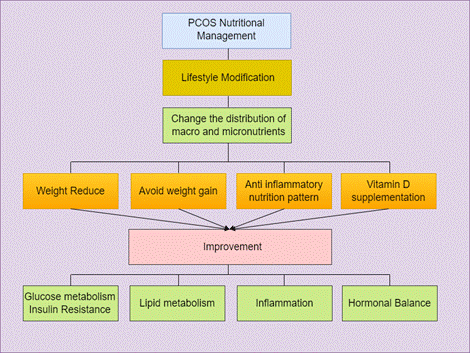
Nutritional therapy plays an important role for PCOS patients. Among other positive impacts on PCOS symptoms in lean PCOS patients, lifestyle changes such as regular physical activity and dietary therapy have been shown to reduce insulin resistance (IR) and lessen hyperandrogenism ( Figure 1).

To ensure that these patients obtain an adequate quantity of vitamins, minerals, and other nutrients — and to avoid weight gain and increased fat mass — it is important to encourage a better diet that includes more fruits and vegetables on a regular basis. The macro- and micronutrient composition of food has a beneficial impact on inflammation, hormone balance, and the metabolism of fats and carbohydrates. For instance, regular menstrual periods may be restored by vitamin D supplementation, which may enhance reproductive function in individuals with PCOS.

2.4 Fully Low-Calorie Modest Diet (FLCMD)

Dietary research on PCOS has mostly focused on short-term outcomes, leaving a gap in understanding of the most effective strategy for controlling this condition. PCOS is linked to obesity, weight fluctuations, heart disease, and altered carbohydrate metabolism, such as insulin resistance. High insulin levels can interfere with sex hormone production, exacerbating PCOS symptoms (Barrea et al., 2019).

Given the significant role that chronic inflammation plays in the etiology of many chronic diseases, and the associated difficulties arising from PCOS in women throughout their lives, an anti-inflammatory dietary intervention is an important consideration for treating PCOS (Paoli et al., 2020). According to the evidence reviewed, restricting calories and regulating weight are critical for treating insulin resistance in PCOS. Losing weight can help improve insulin resistance, lower blood pressure, manage cholesterol, prevent type 2 diabetes, and address other health issues associated with PCOS. However, the ideal distribution of macronutrients has yet to be identified (see Table 1, presented after the Conclusion, for BES and Society for Obesity and Metabolic Disease [SBE] contraindications to FLCMD).

Research indicates that a ketogenic diet (KD) can enhance biochemical markers such as luteinizing hormone (LH), follicle-stimulating hormone (FSH), sex hormone-binding globulin (SHBG), and HOMA-IR, as well as anthropometric measures like body weight, waist circumference, and fat mass. Improvements in insulin resistance and reductions in body fat within six weeks have been reported, resulting in less estrogen being produced outside of the usual cycle due to excessive male hormone conversion in adipose tissue, along with improvement in the LH/FSH ratio. Another study examined how this diet could aid ovulation and metabolic outcomes: over a 12-week period, 25 obese women with PCOS received FLCMD, after which serum levels of progesterone and SHBG increased significantly while anti-Müllerian hormone decreased significantly, leading to the conclusion that FLCMD may also be advantageous for luteal function and ovarian reserve (Moran et al., 2013).

It therefore appears that a ketogenic approach could be beneficial in addressing different clinical symptoms of

Figure 1:  Overview of Nutritional Strategies Recommended for the Management of Polycystic Ovary Syndrome (PCOS), Including Dietary Patterns and Lifestyle Modifications. This figure summarizes the range of dietary and lifestyle interventions discussed in the literature for PCOS management, providing a visual framework for how nutritional therapy fits into broader treatment approaches.

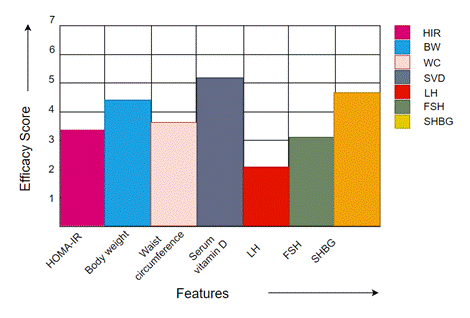
Figure 2: Comparison of Key Metabolic, Anthropometric, and Hormonal Parameters Before Initiating the FLCMD Intervention (June–December 2023). This figure displays baseline values for the clinical parameters measured in the study population prior to starting the FLCMD protocol, serving as the reference point for evaluating post-intervention change.

PCOS and, as a result, could be a helpful tool across different PCOS phenotypes. It should be noted that although insulin resistance is a concern for some women with PCOS, weight may not be. A study of 32 women with PCOS found a high correlation between vitamin D levels and hormone levels, body composition, and insulin sensitivity, concluding that obesity has a considerable impact on vitamin D levels in these women, and that this insufficiency can worsen insulin resistance in PCOS-affected women. Therefore, a reduction in body weight and fat mass may help normalize insulin sensitivity and vitamin D levels (see Table 2, presented after the Conclusion, for a summary of FLCMD side effects).

Vitamin D blood levels have been shown to be considerably lower in obese individuals, most likely because adipose tissue absorbs the nutrient. A comparison of vitamin D levels in 31 obese individuals before and after dietary therapy with FLCMD found that vitamin D levels were lower in obese subjects, and that after a 12- to 24-week dietary intervention there was a correlation between higher vitamin D levels and a decrease in body weight, particularly fat mass. This finding lends credence to the theory that vitamin D is released during weight loss from its storage in adipose tissue. Moreover, supplementing with 25(OH)D may lower insulin resistance and metabolic syndrome risk in PCOS. Lean women with PCOS should attempt to maintain their weight, as most PCOS patients have elevated insulin levels and insulin resistance regardless of body fat level. Improvements in sleep patterns, physical activity, and nutritional therapies have all been shown to enhance IR and hormone profiles in obese patients (Barrea et al., 2019).

3. Results and Discussion

3.1 Sociodemographic Characteristics of the Study Population

Looking at the age distribution first, it's worth noting that PCOS in this sample wasn't confined to any single narrow band of reproductive life — though a pattern still emerged. The largest cluster of patients, 18%, fell between 25 and 30 years, while only a small tail of 2.20% were older than 40 [Table 3]. The mean age across the sample came out to 28 years (± 13.73), which, admittedly, is a fairly wide spread — suggesting that while PCOS does seem to concentrate in the mid-to-late twenties, it's by no means confined there.

Age at marriage told a somewhat different, and perhaps more socially telling, story. Nearly three-quarters of participants (73.29%) had married between the ages of 13 and 18 [Table 4], which is striking on its own terms and raises questions — ones this study wasn't designed to answer, but which future work probably should — about how early marriage and family pressures intersect with PCOS diagnosis, symptom reporting, and treatment-seeking behavior in this population.

As for body mass index, the sample didn't skew toward obesity in the way one might expect from the broader PCOS literature. Just under 28% of patients (27.92%) fell into the underweight category, roughly 30.63% sat within the normal range, and 41.44% were classified as overweight [Table 5]. That underweight figure is worth pausing on — it's a reminder, echoed elsewhere in the literature, that PCOS doesn't exclusively track with excess weight (Barrea et al., 2021), even though obesity tends to dominate both clinical attention and research funding.

3.2 Metabolic and Anthropometric Changes Following FLCMD

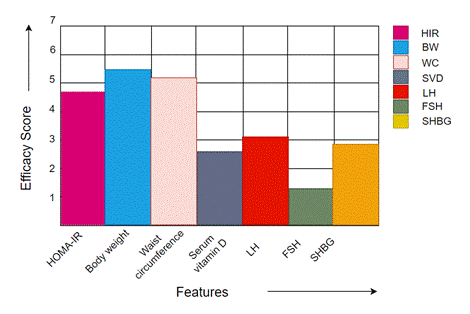
Here's where things get more complicated than a tidy success story would suggest. Before-and-after comparisons of the measured parameters are laid out in [Figures 2 and 3], and the overall picture is, frankly, mixed.

HOMA-IR — the marker most commonly used to gauge insulin resistance — actually decreased following the FLCMD intervention. On its face, a lower HOMA-IR score should read as good news; it typically signals improved insulin sensitivity. Yet the decrease observed here appeared to reflect a worsening of insulin resistance rather than an improvement, which is, to put it mildly, not what the diet was designed to achieve. It's possible this reflects some interaction between rapid fat metabolism and transient hormonal shifts during the diet's active phase, though this study wasn't structured to isolate that mechanism. What it does suggest, at minimum, is that the dietary protocol as implemented may need further refinement before insulin sensitivity outcomes can be considered reliably favorable (Barrea et al., 2019).

Body weight, encouragingly, dropped in a way consistent with what the diet is meant to do — rapid weight loss is, after all, the FLCMD's signature effect. But the unexpected direction of the HOMA-IR finding does make it worth

Table 1: Contraindications to the Fully Low-Calorie Modest Diet (FLCMD) According to the Bangladesh Endocrine Society (BES) and the Society for Obesity and Bariatric Endoscopy (SBE). This table outlines the medical and psychological conditions under which FLCMD should not be prescribed, as identified separately by the BES and the SBE, including pregnancy, diabetes subtypes, organ failure, cardiovascular instability, and substance-use or psychiatric history.

Bangladesh Endocrine Society (BES)

Society for Obesity and Bariatric Endoscopy (SBE)

Pregnancy and breastfeeding

Type 1 diabetes mellitus

History of mental and behavioral difficulties

Adult autoimmune diabetes

Alcohol and other substance abuse

β-cell failure in diabetes mellitus

Liver or renal failure

Use of SGLT2 inhibitors (risk of euglycemic diabetic ketoacidosis)

Type 1 diabetes

Pregnancy and nursing

Porphyria

Renal failure and disease

Unstable angina

Liver failure

Evidence of recent coronary artery disease

Cardiorespiratory failure


Unstable angina


Recent stroke or myocardial infarction


Cardiac irregularities


Addictions, substance abuse, mental illness, and eating disorders


Infections


Elderly patients within 48 hours before elective surgery and during recovery


Metabolic abnormalities


Table 2: Short-Term and Long-Term Side Effects Associated with FLCMD. This table lists the adverse effects reported with FLCMD use, separated into short-term physiological reactions (e.g., dehydration, transient hypoglycemia, gastrointestinal disturbance) and longer-term nutritional or metabolic consequences (e.g., protein and calcium deficiency, altered lipid profile, gallstones, hair thinning).

Short Term

Long Term

Dehydration

Insufficient protein intake

Transient hypoglycemia

Insufficient calcium intake

Temporary fatigue

Changes in lipid profile

Gastrointestinal effects: nausea, vomiting, diarrhea, and constipation

Gallstones and urolithiasis

Elevated uric acid

Hair thinning

Table 3: Age Distribution of Study Participants (N = 222), Showing Mean Age and Proportional Breakdown Across Five Age Brackets. This table presents the number and percentage of patients falling within each age group, from 18–25 years through more than 40 years, along with the overall mean (± SD) age of the study cohort.

Age Group (years)

n (N = 222)

%

18–25

28

13.0

25–30

40

18.0

30–35

14

6.30

35–40

8

3.60

More than 40

5

2.20

Mean (± SD) age

28 ± 13.73

Table 4: Distribution of Study Participants by Age at Marriage (N = 222), Highlighting the Predominance of Early Marriage Within the Cohort. This table breaks down participants by the age at which they were married, grouped into three brackets, and shows the proportion of women married before age 18 relative to those married later.

Age at Marriage (years)

n (N = 222)

%

Less than 13

24

10.20

13–18

164

73.29

18–25

34

15.32

Table 5: Distribution of Study Participants by Body Mass Index (BMI) Category (N = 222), Comparing Underweight, Normal-Weight, and Overweight Subgroups. This table categorizes participants into underweight, normal-range, and overweight BMI classifications, illustrating that PCOS in this cohort was not exclusively concentrated among overweight individuals.

BMI Category

n (N = 222)

%

Underweight

62

27.92

Normal range

68

30.63

Overweight

92

41.44


revisiting the caloric and macronutrient composition more carefully, just to make sure the weight-loss trajectory and the metabolic goals aren't quietly working against each other. Waist circumference, meanwhile, showed a reduction that aligns more comfortably with expectations. Since central adiposity is so closely tied to cardiovascular risk in PCOS populations, this particular finding is genuinely reassuring — arguably one of the more consistent positives to come out of the intervention.

Serum vitamin D levels rose substantially over the course of the diet, which fits with existing evidence suggesting that fat mass reduction releases vitamin D previously sequestered in adipose tissue (Barrea et al., 2019). Given how frequently vitamin D insufficiency shows up alongside insulin resistance and reproductive dysfunction in PCOS, this improvement carries weight — both metabolically and, potentially, for fertility outcomes down the line.

3.3 Hormonal Profile Changes

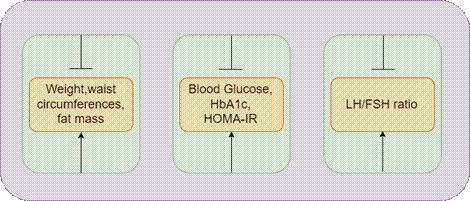
Hormonal shifts following the intervention were, in several respects, the most encouraging part of the results. Luteinizing hormone (LH), follicle-stimulating hormone (FSH), and sex hormone-binding globulin (SHBG) all increased after the FLCMD period [Figure 4]. Taken together, these changes plausibly reflect some degree of restored ovarian function and a partial correction of androgen excess — though it's worth being cautious here, since hormonal markers can shift for reasons only loosely connected to the intervention itself, and this study's design doesn't allow for firm causal claims. Still, the direction of change is consistent with what's been reported elsewhere for ketogenic and calorie-restricted diets in PCOS populations, where similar improvements in the LH/FSH ratio and SHBG have been documented (Moran et al., 2013).

3.4 Synthesis of Findings

Pulling this together, the FLCMD intervention doesn't read as a uniform success — nor should it, really, given how metabolically complex PCOS is. Waist circumference reduction, rising vitamin D, and favorable hormonal shifts all point toward genuine physiological benefit. The HOMA-IR finding, though, complicates the narrative and signals that this dietary approach, at least in its current form, isn't yet delivering consistently across every metabolic axis it's meant to address. Whether this reflects a limitation of the diet itself, an artifact of measurement timing, or simply individual variation in metabolic response is difficult to say with the data at hand — but it does suggest that further refinement, and probably closer monitoring during the active phase, is warranted before FLCMD can be considered a fully reliable tool for managing the metabolic and reproductive dimensions of PCOS together.

4. Conclusion

PCOS affects a large proportion of women of reproductive age globally, and the implications are significant enough to warrant the assessment of potential nutritional treatments. Although PCOS is most commonly associated with obesity, some individuals with PCOS are of normal body weight. When addressing overweight or obesity in PCOS, the goal is to lose weight and maintain it within a healthy range. Certain nutrients in the diet can directly affect metabolic function, inflammation, and oxidative stress. Several dietary patterns, notably the Mediterranean Diet (MD), have been proposed for controlling PCOS; the MD, in particular, is a therapeutic option for regulating inflammation, insulin resistance (IR), and elevated levels of male hormones (hyperandrogenemia). It is now evident how important a diet- and exercise-based approach is. Given that pharmacological therapy has demonstrated only short-term efficacy, a customized diet and exercise regimen is likely the most viable long-term option. In the near term, the Fully Low-Calorie Modest Diet (FLCMD) appears to be a successful treatment approach for PCOS. In addition to promoting rapid weight loss, it enhances metabolic health and body composition by targeting key PCOS-related factors such as insulin sensitivity, blood sugar levels, fat mass, and waist size. However, because it is a sophisticated intervention, it should only be prescribed and monitored by trained healthcare professionals. Treatment must be individualized, taking into account any possible risks or side effects. For long-term weight loss and a healthy lifestyle, the diet is usually broken down into phases, with the first phase being the most restricted; it is imperative to follow each step of the diet precisely. It should be emphasized, nonetheless, that further studies are needed to provide compelling evidence of both the short- and long-term benefits of dietary therapy for PCOS management, as well as of long-lasting lifestyle modifications.

Figure 3: Comparison of Key Metabolic, Anthropometric, and Hormonal Parameters Following Completion of the FLCMD Intervention (June–December 2023). This figure presents the same set of parameters shown in Figure 2, measured after the FLCMD intervention period, allowing for direct visual comparison of pre- and post-treatment values.

Figure 4: Summary of FLCMD's Combined Metabolic and Reproductive Effects in PCOS Management, With Directional Indicators Showing Increases and Decreases in Key Biomarkers. This figure illustrates how the low-calorie ketogenic approach underlying FLCMD is understood to influence both metabolic markers (e.g., insulin resistance, body composition) and reproductive hormones (e.g., LH, FSH, SHBG) in women with PCOS, using ⊥ to denote reduction and ↑ to denote increase.

References


Barrea, L., Arnone, A., Annunziata, G., Muscogiuri, G., Laudisio, D., Salzano, C., Pugliese, G., Colao, A., & Savastano, S. (2019). Adherence to the Mediterranean diet, dietary patterns and body composition in women with polycystic ovary syndrome (PCOS). Nutrients, 11(10), 2278. https://doi.org/10.3390/nu11102278              

Barrea, L., Frias-Toral, E., Verde, L., Ceriani, F., Cucalón, G., Garcia-Velasquez, E., et al. (2021). PCOS and nutritional approaches: Differences between lean and obese phenotype. Metabolism Open, 12, 100123. https://doi.org/10.1016/j.metop.2021.100123

Barrea, L., Marzullo, P., Muscogiuri, G., Di Somma, C., Scacchi, M., Orio, F., et al. (2018). Source and amount of carbohydrate in the diet and inflammation in women with polycystic ovary syndrome. Nutrition Research Reviews, 31(2), 291–301. https://doi.org/10.1017/S0954422418000136

Barrea, L., Muscogiuri, G., Di Somma, C., Tramontano, G., De Luca, V., Illario, M., Colao, A., & Savastano, S. (2019). Association between Mediterranean diet and hand grip strength in older adult women. Clinical Nutrition, 38(2), 721–729. https://doi.org/10.1016/j.clnu.2018.03.012

Barrea, L., Verde, L., Vetrani, C., Marino, F., Aprano, S., Savastano, S., et al. (2022). VLCKD: A real time safety study in obesity. Journal of Translational Medicine, 20(1), 23.

Calcaterra, V., et al. (2023). Low-calorie ketogenic diet: Potential application in the treatment of polycystic ovary syndrome in adolescents. Nutrients, 15(16), 3582.

Frias-Toral, E., Garcia-Velasquez, E., de Los Angeles Carignano, M., Rodriguez-Veintimilla, D., Alvarado-Aguilera, I., & Bautista-Litardo, N. (2021). Polycystic ovary syndrome and obesity: Clinical aspects and nutritional management. Minerva Endocrinologica.

Hafner, S. M., Katz, M. S., Stern, M. P., & Dunn, J. F. (1988). The relationship of sex hormones to hyperinsulinemia and hyperglycemia. Metabolism, 37(7), 683–688.

Hasan, M., et al. (2022). Prevalence and associated risk factors for mental health problems among patients with polycystic ovary syndrome in Bangladesh: A nationwide cross-sectional study. PLOS ONE, 17(6), e0270102.

Hossain, M. A., et al. (2023). Clinical and hormonal profile of polycystic ovary syndrome phenotypes: An observational study at a tertiary care hospital in Bangladesh. Bangladesh Journal of Endocrinology and Metabolism, 2(2), 88–93.

Kamrul-Hasan, A. B. M., et al. (2023). Prevalence and characteristics of women with polycystic ovary syndrome in Bangladesh—A narrative review. Bangladesh Journal of Endocrinology and Metabolism, 2(1), 20–28.

Lizneva, D., Suturina, L., Walker, W., Brakta, S., Gavrilova-Jordan, L., & Azziz, R. (2016). Criteria, prevalence, and phenotypes of polycystic ovary syndrome. Fertility and Sterility, 106(1), 6–15.

Moran, L. J., Ko, H., Misso, M., Marsh, K., Noakes, M., Talbot, M., Frearson, M., Thondan, M., Stepto, N., & Teede, H. J. (2013). Dietary composition in the treatment of polycystic ovary syndrome: A systematic review to inform evidence-based guidelines. Journal of the Academy of Nutrition and Dietetics, 113(4), 520–545. https://doi.org/10.1016/j.jand.2012.11.018

Muscogiuri, G., Barrea, L., Laudisio, D., Pugliese, G., Salzano, C., Savastano, S., et al. (2019). The management of very low-calorie ketogenic diet in obesity outpatient clinic: A practical guide. Journal of Translational Medicine, 17(1), 356.

Muscogiuri, G., Colao, A., & Orio, F. (2015). Insulin-mediated diseases: Adrenal mass and polycystic ovary syndrome. Trends in Endocrinology & Metabolism, 26(10), 512–514.

Muscogiuri, G., El Ghoch, M., Colao, A., Hassapidou, M., Yumuk, V., Busetto, L., et al. (2021). European guidelines for obesity management in adults with a very low-calorie ketogenic diet: A systematic review and meta-analysis. Obesity Facts, 14(2), 222–245.

Muscogiuri, G., Policola, C., Prioletta, A., Sorice, G., Mezza, T., Lassandro, A., et al. (2012). Low levels of 25(OH)D and insulin resistance: 2 unrelated features or a cause-effect in PCOS? Clinical Nutrition, 31(4), 476–480.

Nabi, N., et al. (2021). Machine learning approach: Detecting polycystic ovary syndrome & its impact on Bangladeshi women. In 2021 12th International Conference on Computing Communication and Networking Technologies (ICCCNT). IEEE.

Paoli, A., Mancin, L., Giacona, M. C., Bianco, A., & Caprio, M. (2020). Effects of a ketogenic diet in overweight women with polycystic ovary syndrome. Journal of Translational Medicine, 18(1), 104. https://doi.org/10.1186/s12967-020-02277-0

Rotterdam ESHRE/ASRM-Sponsored PCOS Consensus Workshop Group. (2004). Revised 2003 consensus on diagnostic criteria and long-term health risks related to polycystic ovary syndrome (PCOS). Human Reproduction, 19(1), 41–47


Article metrics
View details
0
Downloads
0
Citations
4
Views

View Dimensions


View Plumx


View Altmetric


0
Save
0
Citation
4
View
0
Share