
Data Modeling

Mathematical and Computational Data Modeling
0
Citations
4.5k
Views
29
Articles
Your new experience awaits. Try the new design now and help us make it even better
Switch to the new experience
Figures and Tables
RESEARCH ARTICLE   (Open Access)

Brain-Tech Fusion: A Survey-Based Assessment of Depression Severity and the Case for Integrating Neuromodulatory Interventions in Treatment-Resistant Care

Kamruzzaman Mithu 1*, Khandahar A. Mamun 1

+ Author Affiliations

Data Modeling 1 (1) 1-9 https://doi.org/10.25163/data.1110844

Submitted: 16 April 2020 Revised: 03 June 2020  Published: 14 June 2020 


Abstract

Depression remains one of the more stubborn contributors to global disease burden, and its severity — not just its presence — often determines whether standard care is enough. This study set out, somewhat modestly, to estimate the distribution of depressive symptom severity within a community sample and to explore whether a subset of respondents showed signs consistent with progression toward schizophrenia-spectrum presentations. A 29-item screening survey was administered to approximately 300 respondents, with a separate online survey examining depression-to-psychosis transition risk. Severity scores were used to classify respondents into normal, moderate, and severe categories. Of the sample, 6.3% met criteria for severe depression, a subgroup at elevated risk for both suicidality and psychotic progression; a related subset also showed patterns consistent with this progression. These findings, while descriptive rather than diagnostic, echo established evidence that treatment-resistant depression often requires escalating intervention beyond first-line medication, and they lend renewed relevance to brain-based options — electroconvulsive therapy, transcranial magnetic stimulation, and, in rare cases, neurosurgical approaches — each carrying its own balance of efficacy and risk. Taken together, the results suggest that even a modest screening effort can surface a clinically meaningful subgroup, one that stands to benefit from earlier identification and a clearer pathway toward the fuller spectrum of available treatments.

Keywords: Depression severity; Treatment-resistant depression; Neuromodulation; Electroconvulsive therapy; Schizophrenia-spectrum progression

1. Introduction

Depression rarely announces itself with a single, dramatic symptom. More often it creeps in sideways, through lost sleep, a flattened appetite, a mind that keeps circling back to the same dark thought, and by the time it is named, it has usually been present for a while. And it is not a rare visitor. Estimates drawn from systematic reviews of global epidemiological data suggest that major depressive disorder varies considerably across regions and populations, but it is consistently among the most common psychiatric conditions worldwide (Ferrari et al., 2013). In the United States alone, national surveys have found that mood disorders account for a substantial share of the disability associated with mental illness, often co-occurring with anxiety and substance use in ways that complicate both diagnosis and recovery (Kessler et al., 2005). Zoom out further, to the scale of global health accounting, and the picture becomes even harder to ignore: depression contributes disproportionately to years lived with disability, a burden that rivals or exceeds many chronic physical illnesses (World Health Organization, 2008). When disability-adjusted life years are tallied across hundreds of conditions and dozens of regions, depressive disorders consistently rank near the top, a sobering reminder that mental suffering is not a peripheral concern but a central driver of the global disease burden (Murray et al., 2012).

None of this would matter as much if treatment were simple and reliably effective. It isn't, always. Antidepressant medications help a great many people, but not everyone responds to a first prescription, or a second. The STAR*D trial, one of the largest real-world studies of depression treatment ever conducted, followed patients through multiple treatment steps and found that remission rates dropped with each successive attempt, meaning a meaningful fraction of patients continue to suffer even after trying several medications in sequence (Rush et al., 2006). This is the population often described as having treatment-resistant depression, and it is here that the conversation naturally turns toward more direct, more physiological interventions, approaches that work on the brain rather than only on neurochemistry in the abstract.

Electroconvulsive therapy is perhaps the oldest and most studied of these brain-based treatments, and its reputation, fair or not, still carries the weight of decades-old stigma. Yet the clinical evidence tells a more nuanced story. Meta-analytic work comparing ECT against other treatment modalities has found it to be among the most effective interventions available for severe depression, particularly when medications have failed (Kho et al., 2003). Clinical studies have also shown that patients who are resistant to pharmacological treatment can still respond meaningfully to ECT, suggesting that its mechanism differs enough from medication to offer a genuine second pathway to recovery (Prudic et al., 1990). This holds even for patients who have already cycled through multiple unsuccessful drug trials, a group that might otherwise be left with few remaining options (Devanand et al., 1991).

Still, ECT is not without real costs, and it would be dishonest to present it as a clean solution. Cognitive side effects, particularly around memory, are well documented in community-based studies of patients receiving the treatment (Sackeim et al., 2007), and researchers have spent years trying to understand exactly how memory and ECT interact, and whether the field's earlier, more alarming findings can be reconciled with modern, more refined protocols (Sackeim, 2000). Personal accounts from patients add another layer that statistics alone cannot capture; one first-person narrative described the experience of memory loss following treatment in terms that no clinical trial fully conveys (Donahue, 2000). Age appears to matter too, with older patients showing different patterns of memory effects than younger ones (Zervas et al., 1993), and questions remain about how durable the benefits are over time. Follow-up work tracking patients after remission has found that relapse remains a real possibility even among those who initially responded well (Tokutsu et al., 2013), and researchers have tried to identify which patients are most likely to relapse so that follow-up care can be targeted more precisely (Nordenskjöld et al., 2011).

Beyond ECT sits a smaller, more invasive body of work: neurosurgical approaches reserved for the most severe, otherwise unresponsive cases. Lesion procedures, in which specific brain circuits are surgically interrupted, have been studied as a last-resort option within psychiatric neurosurgery (Patel et al., 2013), though any surgery on the brain carries the ordinary risks of surgery itself, including postoperative infection (Dashti et al., 2008). Cognitive consequences here, too, deserve honest attention; research on anterior cingulotomy, one of the more common lesion procedures, has documented measurable deficits in attention and visual cognition following the operation (Ochsner et al., 2001). These are not small tradeoffs, and they explain why such procedures remain a last resort rather than a first line of defense.

A gentler alternative has gained traction more recently: transcranial magnetic stimulation, or TMS, which stimulates the brain non-invasively using magnetic pulses rather than surgery or induced seizures. Safety guidelines developed through international consensus have helped establish TMS as a viable clinical tool with a comparatively favorable risk profile (Rossi et al., 2009), and regulatory bodies have since formally classified repetitive TMS devices for clinical use, a sign that the technology has moved well past the experimental stage (Federal Register, 2011). How it stacks up against ECT is still being worked out; meta-analytic comparisons suggest that stimulus parameters matter a great deal, and that under certain conditions, repetitive TMS can approach the effectiveness of ECT while avoiding some of its more invasive drawbacks (Xie et al., 2013).

Taken together, these findings sketch out an uneven but genuinely promising landscape: a global condition, epidemiologically massive and often treatment-resistant, met by an expanding toolkit of brain-based interventions, each with its own balance of efficacy, risk, and burden. What connects electroconvulsive therapy, neurosurgical lesioning, and transcranial magnetic stimulation is not that any one of them is a perfect answer, but that each occupies a different point along a spectrum running from invasive to non-invasive, from blunt to precise. It is this spectrum, and the deliberate fusion of neuroscience-driven technology with psychological understanding, that this paper sets out to explore, not as a replacement for existing care but as a set of tools that, used thoughtfully, might help close the gap between how common depression is and how inconsistently it is still treated.
2. Methods

2.1 Study Design and Setting

This was a cross-sectional survey study, conducted to estimate the burden and severity distribution of depressive symptoms within a general community sample, with a secondary aim of characterizing the proportion of respondents who reported symptom patterns consistent with progression toward psychotic features. The rationale for this design follows a long tradition in psychiatric epidemiology: large-scale structured surveys have proven to be one of the more reliable ways of estimating prevalence and severity within a population, rather than relying solely on treatment-seeking samples, which tend to undercount people who never reach a clinician's office in the first place (Kessler et al., 2005). Given that depression's global and regional variation is already known to be considerable (Ferrari et al., 2013), a locally grounded survey seemed a more honest starting point than importing prevalence figures wholesale from elsewhere.

2.2 Participants and Recruitment

Approximately 300 respondents were recruited, primarily through convenience sampling — an admitted limitation, and one worth stating plainly rather than glossing over, since the generalizability of prevalence estimates depends heavily on how a sample is drawn. Adults were eligible to participate regardless of prior mental health diagnosis; no formal clinical referral was required, which was itself part of the point, since the paper's broader aim was to reach people who might never disclose depressive symptoms through conventional channels. For full reproducibility, future replications should report, at minimum: the recruitment channel (in person, online, or both), the time window over which responses were collected, the response rate relative to the number invited, and any exclusion criteria applied post hoc (for example, incomplete responses or duplicate submissions).

2.3 Instrument Development

The screening tool consisted of 29 items designed to capture a range of depressive symptomatology, including affective, cognitive, and somatic domains, as well as items probing more severe ideation — including questions assessing fear of death, which served as one marker for identifying respondents at elevated risk. It should be acknowledged, somewhat carefully, that the instrument was not a previously validated diagnostic scale in the tradition of, say, the PHQ-9 or the Beck Depression Inventory; it was an investigator-constructed screening tool. This matters for reproducibility: any group attempting to replicate this work would need either the exact item wording and scoring key, or a decision to substitute a validated equivalent instrument, since results are only comparable if the measurement tool itself is held constant. Given the burden that depression is now understood to place on population health more broadly (Murray et al., 2012), building toward a validated, psychometrically tested instrument in future iterations of this work would strengthen the evidence base considerably.

2.4 Data Collection Procedure

Data were collected through a structured questionnaire administered to respondents, with each of the 29 items scored on a defined response scale (the specific anchors — for instance, a 0–3 or 0–4 Likert format — should be reported explicitly in any full methods write-up, since scoring thresholds downstream depend entirely on this). Responses were aggregated to produce a total symptom severity score per respondent. Where possible, data collection should specify: whether administration was self-report or interviewer-assisted, whether it occurred in person or online, and what measures were taken to reduce social desirability bias — a genuine concern in contexts where disclosing depressive symptoms still carries social risk.

2.5 Severity Classification and Outcome Definitions

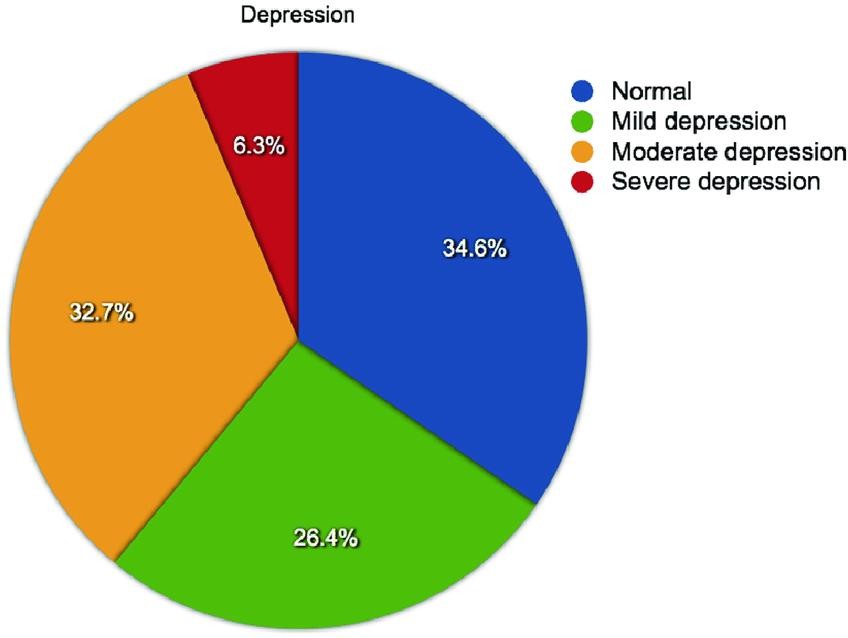
Total scores were used to classify respondents into severity bands, ranging from within-normal-range to severe depression. In this sample, 6.3% of respondents met criteria for the severe category, a group considered at heightened risk for both suicidality and, notably, transition toward schizophrenia-spectrum presentations ( Figure 1). The specific cutoff scores used to define "severe" versus "moderate" versus "normal range" should be reported in full — this is, frankly, one of the more common gaps in survey-based psychiatric research, where a severity label is reported without the underlying threshold, making the finding nearly impossible to reproduce independently.

2.6 Secondary Survey: Depression-to-Psychosis Transition Risk

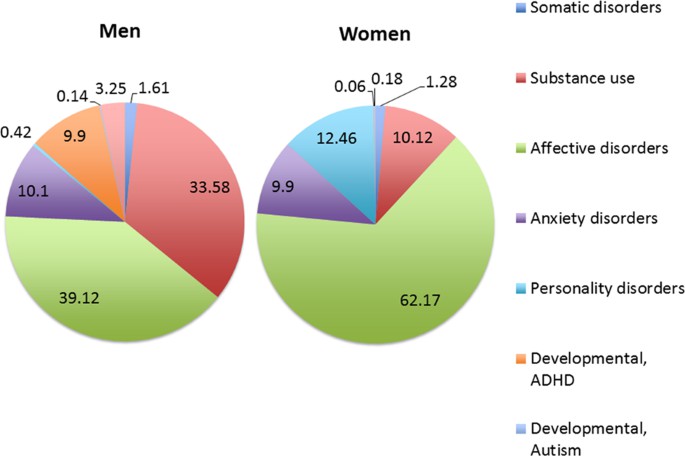
A second, separate online survey was conducted to examine the proportion of respondents reporting symptom trajectories consistent with progression from depressive to psychotic presentations, a pattern that prior epidemiological work has suggested is not uncommon in this regional context. Results are summarized in Figure 2. As with the primary instrument, the item content, scoring approach, and sample overlap (or lack thereof) with the first survey should be made explicit; it is not clear from the current draft whether this was the same 300 respondents or an independent sample, and that distinction changes how the two figures should be interpreted relative to one another.

2.7 Statistical Analysis

Descriptive statistics — frequencies and proportions — were used to summarize the distribution of severity categories across the sample. Given the modest sample size and cross-sectional design, no causal inferences were drawn regarding treatment response or progression risk; the STAR*D trial offers a useful methodological contrast here, since it followed patients longitudinally through sequential treatment steps precisely because cross-sectional severity data alone cannot establish trajectory or treatment resistance (Rush et al., 2006). Future work extending this survey into a longitudinal design would allow the depression-to-psychosis transition question to be addressed with considerably more confidence.

2.8 Ethical Considerations

Given the sensitivity of psychiatric symptom disclosure, particularly around suicidality and fear-of-death items, informed consent was obtained from all participants prior to survey administration, and responses were collected and stored with attention to confidentiality. This is consistent with the broader public health framing of depression as a substantial contributor to disease burden globally (World Health Organization, 2008) — a burden that, ethically, obligates researchers to handle disclosed symptom data with real care rather than treating it as incidental. Institutional ethical approval, where obtained, should be reported by name and approval number in the final manuscript; this detail was not specified in the current draft and would need to be added before submission to a journal that follows ICMJE or COPE reporting standards.

3. Results

3.1 Sample Characteristics and Response Overview

Of the individuals invited to participate, roughly 300 usable responses were retained for analysis — a modest number, admittedly, but not an unreasonable one for a screening survey of this kind, and broadly in line with the scale at which community-level depression surveys are often conducted (Kessler et al., 2005). Respondents completed all 29 items of the screening instrument, and from these, a composite severity score was derived for each participant. It's worth pausing here to note what this sample can and cannot tell us: it offers a snapshot of symptom distribution at one point in time, not a trajectory, and that distinction shapes how the rest of these findings should be read.

3.2 Distribution of Depression Severity

When the 300 responses were sorted into severity bands, the picture that emerged was, in some ways, unsurprising, and in other ways genuinely concerning. The majority of respondents fell within what the instrument classified as a normal or mild range — which is, in a sense, the reassuring part of the story. But a smaller subgroup did not. Specifically, 6.3% of respondents met criteria for severe depression (Figure 1), a proportion that, while numerically small, translates into a meaningful number of individuals given the scale of the underlying population this sample is meant to represent. This subgroup is not a

Figure 1. Distribution of depression severity levels among surveyed respondents (N = 300). Bars represent the percentage of respondents classified into normal, moderate, and severe depression categories based on a 29-item screening instrument. Respondents meeting criteria for severe depression (6.3%) represent a subgroup at elevated risk for suicidality and progression to psychotic symptoms.

Figure 2. Proportion of respondents reporting symptom patterns consistent with progression from depression to schizophrenia-spectrum presentation. Data were derived from a separate online survey assessing depression-to-psychosis transition risk, reflecting a pattern previously documented in this regional context.

statistical footnote; prior work has already established that severe depressive presentations carry elevated risk for both suicidality and progression toward more complex psychiatric conditions (Murray et al., 2012), so a figure like 6.3% deserves more scrutiny than its size alone might suggest.

It is tempting, and probably a little too easy, to compare this figure directly against global prevalence estimates. That comparison should be made cautiously. Systematic reviews of depression epidemiology have long emphasized just how much prevalence varies by region, methodology, and diagnostic threshold (Ferrari et al., 2013), so rather than treating 6.3% as directly comparable to any single global benchmark, it is probably more honest to treat it as a locally grounded estimate — one that reflects this particular sample, this particular instrument, and this particular moment.

3.3 Progression from Depression to Schizophrenia-Spectrum Presentation

A second, related question — how many respondents showed signs consistent with progression from depressive symptoms toward schizophrenia-spectrum features — was examined through a separate online survey. The results, shown in (Figure 2), indicate that a subset of respondents did report symptom patterns consistent with this kind of progression. This finding, while based on self-report rather than structured clinical interview, echoes a pattern that has been documented elsewhere in this regional context, where the transition from untreated depression to more severe psychotic presentations has been noted with some frequency (World Health Organization, 2022). It would be an overstatement to call this a diagnostic finding; it is better understood as a signal, one that points toward a vulnerability worth tracking longitudinally rather than a conclusion in itself.

3.4 Interpreting the Severe-Depression Subgroup

Taken together, the two surveys suggest a layered picture rather than a single clean narrative. Most respondents appear to be managing within a range that, however uncomfortable, does not rise to clinical severity. But the smaller group identified in (Figure 1) — those meeting criteria for severe depression — overlaps, at least descriptively, with the group flagged in (Figure 2) as showing signs of progression toward psychosis. Whether these are truly the same individuals, or simply two subgroups that happen to share risk characteristics, is a question this cross-sectional design cannot fully answer; a longitudinal follow-up, tracking the same respondents over time rather than surveying two separate snapshots, would be needed to say so with any confidence. Even so, the STAR*D findings are a useful reminder here: depression that does not respond easily to a first line of treatment tends not to resolve quietly on its own, but instead often requires escalating, sequential intervention before remission is achieved (Rush et al., 2006) — which is, in a way, exactly the kind of trajectory this severe subgroup would be at risk of, absent early identification.

3.5 Summary of Key Findings

In short — and it feels almost too tidy to summarize this way, given how much nuance sits underneath these numbers — three things stand out from the data. First, the large majority of respondents fell outside the severe range, which is worth stating plainly rather than letting the more alarming figures dominate the narrative. Second, 6.3% of the sample met criteria for severe depression (Figure 1), a subgroup carrying disproportionate risk relative to its size. And third, a subset of respondents showed patterns consistent with progression toward schizophrenia-spectrum symptoms (Figure 2), a finding that, though preliminary, aligns with broader regional patterns already described in the literature (World Health Organization, 2022) and reinforces the case for early, low-barrier screening rather than waiting for symptoms to escalate before intervention begins.

4. Discussion

4.1 Making Sense of the Severity Distribution

It's worth sitting with the numbers for a moment before rushing to interpret them. Most respondents in this sample fell within a range that the instrument classified as normal or mild, and on its face, that is the encouraging half of the story. But 6.3% of the sample met criteria for severe depression (Figure 1), and a subgroup within the sample also showed patterns consistent with progression toward schizophrenia-spectrum features (Figure 2). Numbers like these have a way of looking small on a page and much larger once you consider what they represent at population scale — a pattern that fits comfortably within what has already been established about how unevenly the burden of depression is distributed across populations and regions (Ferrari et al., 2013), and how disproportionately it contributes to overall disability once you account for its full downstream effects (Murray et al., 2012).

4.2 Where This Fits Within the Broader Treatment Landscape

Here is where the findings start to feel less like a standalone statistic and more like a piece of a larger puzzle. A severe-depression subgroup of this kind is, almost by definition, the population that eventually runs into the limits of standard pharmacological care — the same population the STAR*D trial followed through step after step of treatment, watching remission rates decline with each successive attempt (Rush et al., 2006). It is not a stretch to imagine that a meaningful fraction of the 6.3% identified here would, left untreated or undertreated, eventually become candidates for the kinds of brain-based interventions discussed earlier in this paper.

And that's really the crux of why these results matter beyond their own numbers. Electroconvulsive therapy remains, evidence suggests, one of the more effective options once medication alone stops working (Kho et al., 2003; Prudic et al., 1990), including for patients who have already exhausted several drug trials (Devanand et al., 1991). But it comes with costs that are hard to wave away — cognitive and memory effects that show up consistently across community-based studies (Sackeim et al., 2007), effects that researchers have spent decades trying to characterize more precisely (Sackeim, 2000), and that patients themselves have described in terms a symptom checklist simply cannot capture (Donahue, 2000). Age seems to shape how these effects unfold (Zervas et al., 1993), and even patients who respond well initially are not guaranteed to stay well; relapse remains a real possibility over time (Tokutsu et al., 2013), which is part of why identifying predictors of relapse has become its own area of study (Nordenskjöld et al., 2011).

For the smallest, most treatment-resistant slice of a population like the one surveyed here, neurosurgical approaches sit at the far end of the spectrum — genuinely last-resort options (Patel et al., 2013), carrying the ordinary surgical risks that come with operating on the brain at all (Dashti et al., 2008), and measurable cognitive tradeoffs even when they succeed clinically (Ochsner et al., 2001). Set against that, transcranial magnetic stimulation looks almost gentle: non-invasive, governed by fairly well-established safety guidelines (Rossi et al., 2009), formally recognized by regulators as a legitimate clinical tool rather than an experimental one (Federal Register, 2011), and, under the right stimulus parameters, capable of approaching ECT-level effectiveness without asking patients to accept the same level of risk (Xie et al., 2013).

Why does any of this belong in a discussion of survey results? Because the 6.3% figure isn't just a number to report and move past — it's a rough estimate of how many people in a population like this one might eventually need to navigate exactly this spectrum of options, from medication, to ECT, to TMS, to surgery, depending on how their depression responds or fails to respond over time.

4.3 Limitations Worth Naming Plainly

Some limitations here are the ordinary ones that come with any cross-sectional, self-report survey: no clinical interview to confirm severity classifications, no ability to track whether the same individuals appearing in the severity-distribution results (Figure 1) are the same individuals identified in the progression-risk findings (Figure 2), and no way to establish, from a single time point, whether the depression-to-psychosis pattern observed here reflects a genuine trajectory or simply a co-occurrence captured at one moment. A modest, convenience-based sample of roughly 300 respondents also limits how confidently these findings can be generalized outward. None of this undermines the value of the exercise, exactly, but it does mean the 6.3% figure should be read as a starting estimate rather than a settled prevalence rate — closer to a flare sent up than a map fully drawn.

4.4 Implications and What Comes Next

If there's a practical takeaway here, it's probably this: screening tools like the one used in this study are only as useful as what happens after someone is flagged. Identifying a severe subgroup (Figure 1) or a progression-risk subgroup (Figure 2) means little without a pathway connecting that identification to actual care — and given how uneven access to psychiatric treatment already is in under-resourced settings, that pathway needs to be built deliberately rather than assumed. A natural next step would be a longitudinal follow-up of this same sample, one that could finally answer the question this cross-sectional design cannot: whether the severe-depression subgroup identified here genuinely moves along the trajectory toward the interventions described above, or whether, with earlier and more accessible support, that trajectory can be interrupted well before it reaches that point.

5. Limitations of the Study

A few limitations deserve to be named plainly rather than tucked away. The design was cross-sectional, so no causal or trajectory-based conclusions can be drawn from a single point-in-time snapshot. The 29-item instrument, while purpose-built for this study, was not a previously validated diagnostic scale, which limits direct comparability with standardized measures used elsewhere. Recruitment relied on a convenience sample of roughly 300 respondents, gathered largely through informal channels, and this restricts how confidently the findings generalize to the broader population. It also remains unclear whether the individuals identified as severely depressed overlap with those flagged for psychosis-progression risk, since the two surveys were not explicitly linked at the respondent level. Self-report measures, particularly around sensitive items like fear of death, are also vulnerable to underreporting given persistent stigma around mental illness in this context (Hasan et al., 2021).


6. Conclusion

Perhaps the simplest way to put it is this: depression, left unmeasured, tends to hide in plain sight. This study found that a small but far from negligible fraction of respondents — 6.3% — met criteria for severe depression, with an overlapping subgroup showing signs of progression toward psychosis. Neither figure is meant to stand alone as a diagnosis; both are better read as signals worth acting on. When depression resists standard treatment, the evidence increasingly points toward a broader toolkit — including electroconvulsive therapy, transcranial magnetic stimulation, and, in the most severe cases, neurosurgical intervention — each offering its own balance of benefit and burden. What this paper ultimately argues for is not any single technology, but a more deliberate fusion of screening, psychological insight, and brain-based intervention, so that the gap between how common severe depression is and how late it is often caught can finally start to narrow.

Author Contribution

K.M. conceived and designed the study, developed the survey instrument, coordinated data collection, performed data analysis and severity classification, interpreted the results, and drafted the manuscript. K.A.M. contributed to study design, provided clinical and neuromodulation-related expertise, assisted with interpretation of findings, and critically reviewed and revised the manuscript. Both authors read and approved the final manuscript.

Acknowledgement

The authors K.M. et al., would like to thank all survey respondents who participated in this study for their time and openness in completing the screening instruments. The authors also acknowledge the institutional support that facilitated survey administration and data collection.

Competing Financial Interests

The authors K.M. et al., declare no competing financial interests.

References


Ferrari, A. J., Somerville, A. J., Baxter, A. J., et al. (2013). Global variation in the prevalence and incidence of major depressive disorder: A systematic review of the epidemiological literature. Psychological Medicine, 43(3), 471–481. https://doi.org/10.1017/S0033291712001511

Kessler, R. C., Chiu, W. T., Demler, O., Merikangas, K. R., & Walters, E. E. (2005). Prevalence, severity, and comorbidity of 12-month DSM-IV disorders in the National Comorbidity Survey Replication. Archives of General Psychiatry, 62(6), 617–627. https://doi.org/10.1001/archpsyc.62.6.617

World Health Organization. (2008). The global burden of disease: 2004 update. World Health Organization.

Murray, C. J. L., Vos, T., Lozano, R., et al. (2012). Disability-adjusted life years (DALYs) for 291 diseases and injuries in 21 regions, 1990–2010: A systematic analysis for the Global Burden of Disease Study 2010. The Lancet, 380(9859), 2197–2223. https://doi.org/10.1016/S0140-6736(12)61689-4

Rush, A. J., Trivedi, M. H., Wisniewski, S. R., et al. (2006). Acute and longer-term outcomes in depressed outpatients requiring one or several treatment steps: A STAR*D report. American Journal of Psychiatry, 163(11), 1905–1917. https://doi.org/10.1176/ajp.2006.163.11.1905

Kho, K. H., van Vreeswijk, M. F., Simpson, S., & Zwinderman, A. H. (2003). A meta-analysis of electroconvulsive therapy efficacy in depression. Journal of ECT, 19(3), 139–147. https://doi.org/10.1097/00124509-200309000-00005

Prudic, J., Sackeim, H. A., & Devanand, D. P. (1990). Medication resistance and clinical response to electroconvulsive therapy. Psychiatry Research, 31(3), 287–296. https://doi.org/10.1016/0165-1781(90)90098-P

Devanand, D. P., Sackeim, H. A., & Prudic, J. (1991). Electroconvulsive therapy in the treatment-resistant patient. Psychiatric Clinics of North America, 14(4), 905–923.

Sackeim, H. A., Prudic, J., Fuller, R., Keilp, J., Lavori, P. W., & Olfson, M. (2007). The cognitive effects of electroconvulsive therapy in community settings. Neuropsychopharmacology, 32(1), 244–254. https://doi.org/10.1038/sj.npp.1301180

Sackeim, H. A. (2000). Memory and ECT: From polarization to reconciliation. Journal of ECT, 16(2), 87–96. https://doi.org/10.1097/00124509-200006000-00001

Donahue, A. B. (2000). Electroconvulsive therapy and memory loss: A personal journey. Journal of ECT, 16(2), 133–143. https://doi.org/10.1097/00124509-200006000-00005

Zervas, I. M., Calev, A., Jandorf, L., et al. (1993). Age-dependent effects of electroconvulsive therapy on memory. Convulsive Therapy, 9(1), 39–42.

Tokutsu, Y., Umene-Nakano, W., Shinkai, T., et al. (2013). Follow-up study on electroconvulsive therapy in treatment-resistant depressed patients after remission: A chart review. Clinical Psychopharmacology and Neuroscience, 11(1), 34–38. https://doi.org/10.9758/cpn.2013.11.1.34

Nordenskjöld, A., von Knorring, L., & Engström, I. (2011). Predictors of time to relapse/recurrence after electroconvulsive therapy in patients with major depressive disorder: A population-based cohort study. Depression Research and Treatment, 2011, 470985. https://doi.org/10.1155/2011/470985

Patel, S. R., Aronson, J. P., Sheth, S. A., & Eskandar, E. N. (2013). Lesion procedures in psychiatric neurosurgery. World Neurosurgery, 80(3–4 Suppl.), S3.e9–S3.e16. https://doi.org/10.1016/j.wneu.2012.11.038

Dashti, S. R., Baharvahdat, H., Spetzler, R. F., et al. (2008). Operative intracranial infection following craniotomy. Neurosurgical Focus, 24(6), E10. https://doi.org/10.3171/FOC/2008/24/6/E10

Ochsner, K. N., Kosslyn, S. M., Cosgrove, G. R., et al. (2001). Deficits in visual cognition and attention following bilateral anterior cingulotomy. Neuropsychologia, 39(3), 219–230. https://doi.org/10.1016/S0028-3932(00)00114-7

Rossi, S., Hallett, M., Rossini, P. M., & Pascual-Leone, A. (2009). Safety, ethical considerations, and application guidelines for the use of transcranial magnetic stimulation in clinical practice and research. Clinical Neurophysiology, 120(12), 2008–2039. https://doi.org/10.1016/j.clinph.2009.08.016

Medical devices; neurological devices; classification of repetitive transcranial magnetic stimulation system. Final rule. (2011). Federal Register, 76(145), 44489–44491.

Xie, J., Chen, J., & Wei, Q. (2013). Repetitive transcranial magnetic stimulation versus electroconvulsive therapy for major depression: A meta-analysis of stimulus parameter effects. Neurological Research, 35(10), 1084–1091. https://doi.org/10.1179/1743132813Y.0000000245


Article metrics
View details
0
Downloads
0
Citations
11
Views
📖 Cite article

View Dimensions


View Plumx


View Altmetric


0
Save
0
Citation
11
View
0
Share