4.1 Principal Findings and Overall Interpretation
This study examined how the adoption of IoT, artificial intelligence, blockchain, and lean-oriented systems relates to supply chain performance, sustainability outcomes, and financial indicators among SMEs. Taken together, the findings suggest that Industry 4.0 technologies are not merely technical add-ons to supply chain operations; rather, when implemented with some degree of organizational readiness, they may become part of a broader performance-improvement structure. The descriptive findings showed moderate adoption of IoT and AI across the sampled firms, with blockchain adoption slightly lower [Table 1]. This pattern is understandable, as IoT and AI often provide more immediate operational benefits, such as real-time monitoring, predictive analytics, inventory planning, and logistics optimization, while blockchain may require more complex inter-organizational coordination before its benefits become visible (Frank et al., 2019; Rejeb et al., 2019; Charles et al., 2023).
The regression results further indicated positive associations between technology adoption and supply chain performance, particularly for AI and IoT [Table 2]. Although these findings are promising, they should be interpreted with some caution because the reported confidence intervals and statistical values need careful verification before strong inferential claims are made. Still, the direction of the coefficients is consistent with the broader literature, which suggests that data-driven technologies can support more responsive, transparent, and efficient supply chains (Wang et al., 2018; Taj et al., 2023; Riad et al., 2024). In this sense, the study contributes to the growing evidence that SMEs can benefit from digital transformation, provided that adoption is connected to practical operational needs rather than pursued as a symbolic modernization effort.
4.2 Role of IoT in Supply Chain Visibility and Responsiveness
One of the clearest implications of the study is the importance of IoT as a visibility-enhancing technology. The descriptive results showed that IoT adoption was slightly higher than AI and blockchain adoption [Table 1], which may indicate that SMEs are increasingly recognizing the value of real-time operational data. IoT-enabled systems can collect information from sensors, warehouses, transportation routes, machines, and energy-use points, allowing managers to observe supply chain conditions more directly. This visibility can be especially valuable in SMEs, where supply chain disruptions, inventory errors, and resource inefficiencies may have a proportionally larger effect on profitability and customer satisfaction.
The positive association between IoT adoption and supply chain performance [Table 2] is consistent with previous studies showing that IoT can improve real-time monitoring, energy efficiency, and operational coordination (Malek et al., 2017; Wang et al., 2018). In practical terms, IoT does not improve supply chains simply because devices are connected. Its value emerges when the collected data are translated into decisions, such as adjusting stock levels, identifying delayed shipments, tracking equipment conditions, or reducing energy waste. This distinction is important. For SMEs, technology adoption may be less about installing advanced systems and more about using accessible data to make better day-to-day decisions.
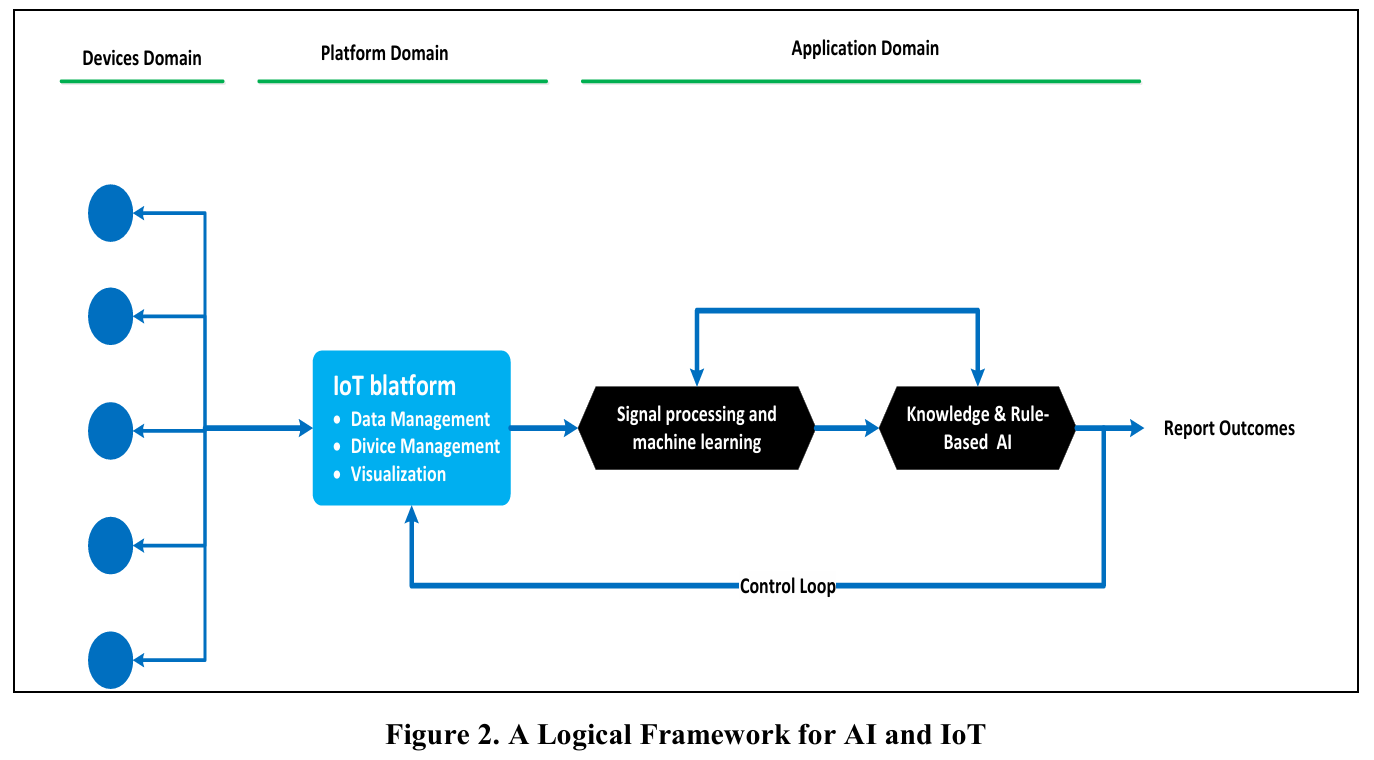
The IoT–AI integration model included in the manuscript supports this interpretation by showing how connected devices can generate operational data that feed into analytical and decision-support processes [Figure 1]. In this way, IoT acts as the sensory layer of the smart supply chain. It helps firms detect what is happening, but it often requires complementary analytical tools, managerial routines, and lean practices to turn visibility into measurable performance improvement.
4.3 Contribution of AI to Prediction, Optimization, and Decision-Making
AI adoption also showed a positive relationship with supply chain performance [Table 2]. This finding is meaningful because AI is increasingly used to support demand forecasting, inventory control, supplier evaluation, risk prediction, warehouse automation, and transportation optimization. Prior literature has similarly emphasized the potential of AI and predictive analytics to improve agility and reduce uncertainty in supply chain systems (Lu, 2019; Aljohani, 2023; Riad et al., 2024).
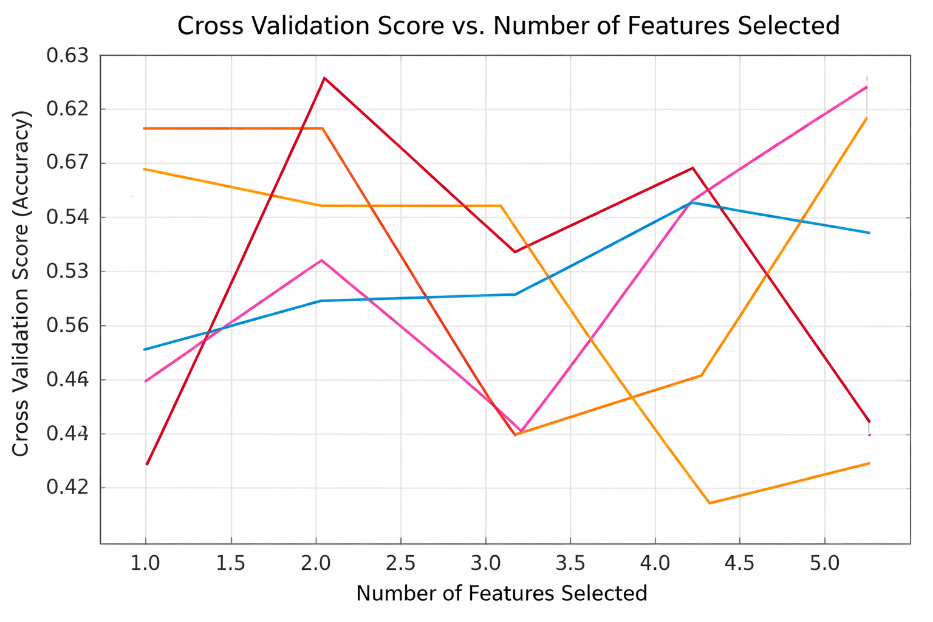
However, AI should not be viewed as a standalone solution. Its performance depends on the quality, completeness, and timeliness of available data. In SMEs, data may be fragmented, manually recorded, or stored across disconnected systems. Therefore, the benefits of AI may be strongest when it is combined with IoT-based data capture, standardized processes, and managerial capacity to act on model outputs. The cross-validation results support this more restrained interpretation, as model performance appeared to improve most when a limited number of relevant features were selected rather than when more variables were added indiscriminately [Figure 2]. This suggests that, in SME contexts, simpler and better-targeted digital models may sometimes be more useful than complex systems with many weakly informative inputs.
This finding also has methodological importance. It implies that future studies should not assume that all Industry 4.0 indicators contribute equally to supply chain performance. Instead, researchers should examine which combinations of technologies provide the strongest explanatory or predictive value. In the present study, AI and IoT appear to carry stronger performance relevance than blockchain, at least within the structure of the available dataset [Table 2].
4.4 Blockchain Adoption and Traceability-Oriented Benefits
Blockchain adoption had a smaller positive coefficient compared with AI and IoT [Table 2]. This does not necessarily mean that blockchain is unimportant. Rather, its contribution may be more specific and less directly reflected in general supply chain performance measures. Blockchain is often most useful where traceability, data integrity, supplier verification, transaction transparency, and product origin authentication are critical (Rejeb et al., 2019; Feng et al., 2020; Bosona & Gebresenbet, 2023). These benefits may be particularly relevant in food, agriculture, pharmaceuticals, logistics, and other sectors where trust and compliance are central.
For many SMEs, however, blockchain adoption may remain at an early or partial stage. Implementation may require technical expertise, investment, partner cooperation, and standardized data-sharing arrangements. Without these conditions, blockchain may not produce immediate gains in efficiency or revenue. This may explain why its coefficient was positive but smaller than that of AI and IoT [Table 2]. The finding is consistent with the idea that blockchain strengthens the trust and transparency layer of supply chains, while IoT and AI more directly influence monitoring, prediction, and operational optimization (Charles et al., 2023).
4.5 Lean Systems as the Process Foundation of Smart Supply Chains
Although the statistical model focused mainly on AI, IoT, and blockchain, lean systems remain conceptually central to the interpretation of the findings. Lean practices provide the operational discipline required to convert digital information into process improvement. Without lean thinking, firms may collect large volumes of data without reducing waste, shortening lead times, or improving resource use. This is particularly relevant for SMEs, where limited financial and human resources make efficiency gains essential (Moeuf et al., 2018; Rahardjo et al., 2023).
The manuscript’s broader framework suggests that lean systems can work alongside IoT and AI by identifying waste, simplifying workflows, and supporting continuous improvement. This is consistent with the view that Industry 4.0 and lean manufacturing are not opposing models, but potentially complementary systems when implemented thoughtfully (Vlachos et al., 2023). IoT can reveal where inefficiencies occur, AI can help predict or prioritize corrective actions, and lean practices can guide how those corrections are implemented. In this sense, the smart supply chain should not be understood only as a digital system; it is also a managerial system that depends on process discipline and organizational learning.
4.6 Sustainability Implications of Digital and Lean Integration
The sustainability indicators in the study showed moderate-to-high average values for carbon footprint reduction, waste management efficiency, and circular economy practices [Table 1]. These results suggest that SMEs in the sample were engaging with sustainability not only as a compliance issue, but also as part of operational improvement. This is important because supply chain sustainability increasingly depends on the ability to monitor resources, reduce waste, improve traceability, and coordinate across multiple actors.
IoT and AI may support these goals in different but complementary ways. IoT can track energy use, emissions, inventory movement, and waste generation in real time, while AI can identify inefficiencies and recommend more efficient planning decisions. When combined with lean systems, these technologies may help firms reduce unnecessary movement, overproduction, excess inventory, and material waste. Previous studies have similarly argued that Industry 4.0 technologies can support more sustainable and resilient supply chains when integrated with operational strategy rather than implemented in isolation (Raja Santhi & Muthuswamy, 2022; Rahardjo et al., 2023; Riad et al., 2024).
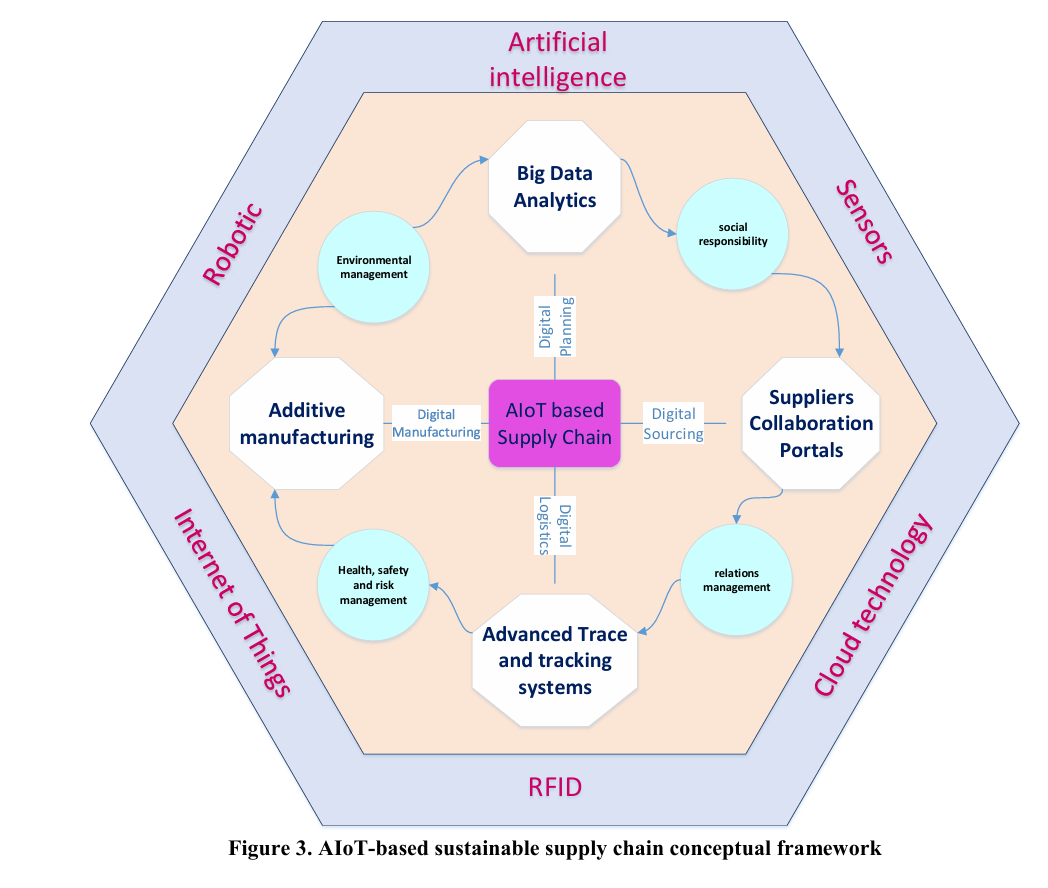
The AIoT-based sustainable supply chain framework further reinforces this interpretation by linking AI, IoT, RFID, big data analytics, cloud systems, trace-and-tracking technologies, and sustainability dimensions such as environmental management, health and safety, and social responsibility [Figure 4]. The findings of the present study fit reasonably well within this framework, as firms with stronger digital adoption also appeared to report better sustainability-related indicators [Table 1]. Still, the relationship should not be interpreted as purely technological. Sustainability performance is also shaped by leadership commitment, sectoral pressure, regulatory expectations, supplier behavior, and the maturity of internal management systems.
4.7 Cognitive and Adaptive Capabilities in Smart Supply Chains
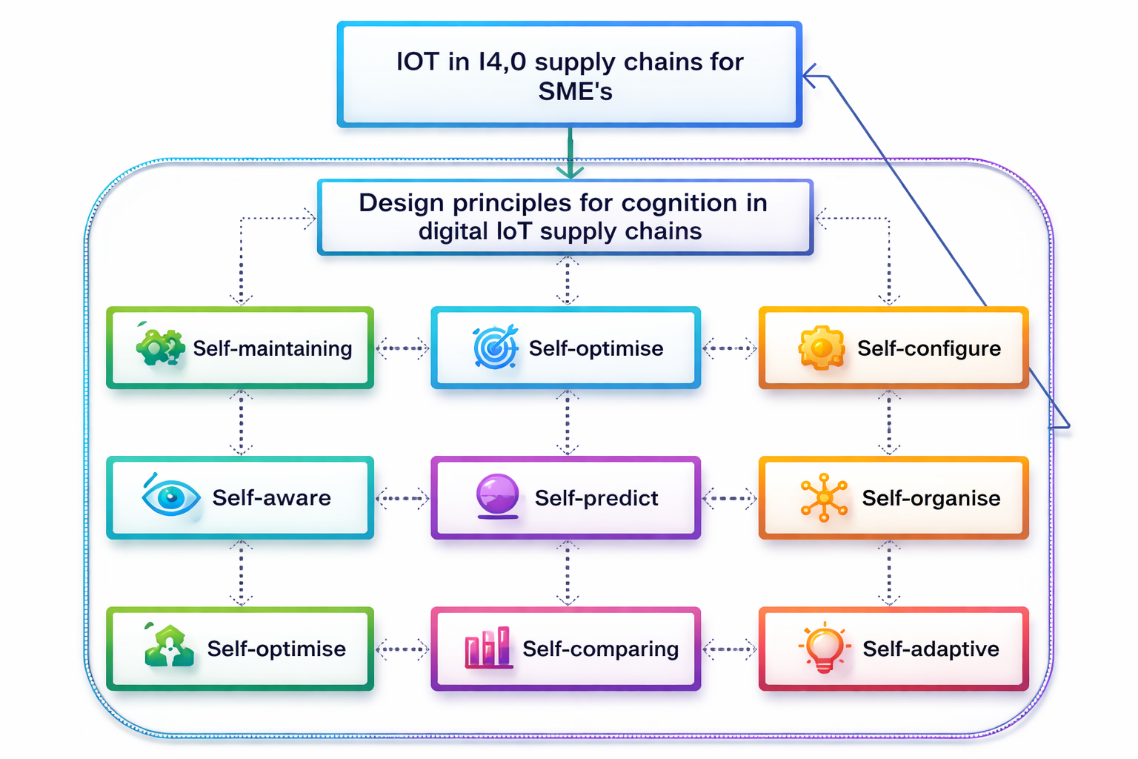
The cognitive design framework included in the manuscript provides another useful lens for interpreting the results [Figure 3]. Smart supply chains increasingly require self-monitoring, self-prediction, self-optimization, and self-adaptation. These capabilities are not fully achieved by technology adoption alone, but they become more feasible when firms combine IoT-based data capture, AI-supported analytics, and lean-driven process improvement (Radanliev et al., 2020).
For SMEs, cognitive supply chain capabilities may develop gradually. A firm may first adopt IoT for tracking inventory or energy use, then apply AI tools for forecasting or route optimization, and later integrate these insights into broader decision-making routines. The cross-validation results, which suggested that a smaller number of strong features may produce better model performance [Figure 2], are also consistent with this gradual approach. SMEs may not need to adopt every advanced technology at once. Instead, they may benefit more from identifying the most relevant digital tools for their specific operational bottlenecks.
4.8 Financial and Managerial Implications
The descriptive findings showed considerable variation in annual revenue across the sampled firms [Table 1]. This variation suggests that financial performance among SMEs may be influenced by many factors beyond technology adoption alone, including firm size, sector, market access, managerial capability, and supply chain complexity. Nevertheless, the positive coefficients for AI, IoT, and blockchain indicate that digital adoption may contribute to performance improvement when these tools are properly aligned with operational goals [Table 2].
From a managerial perspective, the findings suggest that SMEs should approach digital transformation selectively and strategically. AI and IoT may be prioritized when the immediate goal is to improve visibility, forecasting, efficiency, and responsiveness. Blockchain may be more relevant where traceability, auditability, and supplier trust are central concerns. Lean systems should remain a foundation across all stages because they help ensure that technology adoption leads to measurable process improvement rather than unnecessary complexity.
The study also implies that SMEs should avoid treating Industry 4.0 adoption as a one-time investment. Instead, digital transformation should be understood as a staged process involving data readiness, employee capability, process redesign, and continuous performance monitoring. This is particularly important because SMEs often operate with limited budgets and cannot afford poorly targeted technology implementation.
4.9 Limitations of the Study
Several limitations should be acknowledged. First, the study used a cross-sectional design, meaning that it can identify associations but cannot prove causality. Although higher technology adoption was positively associated with supply chain performance, it is also possible that better-performing firms had more resources to invest in AI, IoT, and blockchain systems. A longitudinal design would be needed to examine whether technology adoption leads to sustained performance improvement over time.
Second, the dataset included 300 SMEs, but the manuscript does not fully quantify the role of industry sector, organizational size, government policy support, or digital readiness [Table 1]. These factors may strongly influence both technology adoption and supply chain outcomes. For example, an SME in logistics or manufacturing may benefit from IoT differently than a service-oriented SME. Similarly, firms operating under strong regulatory or sustainability pressure may adopt traceability tools more quickly than firms in less regulated sectors.
Third, the regression results require verification because some reported p-values, t-values, and confidence intervals appear inconsistent [Table 2]. Therefore, strong claims of statistical significance should be avoided until the regression output is recalculated and confirmed. The current evidence is best interpreted as indicating a positive directional relationship rather than definitive proof of significant causal effects.
Fourth, the measurement of lean systems requires further clarification. While lean principles are discussed throughout the manuscript, the empirical model does not clearly show a distinct lean adoption variable. Future revisions should either define lean as a measurable construct or adjust the title and claims to reflect the variables actually included in the statistical model.
4.10 Future Research Directions
Future research should build on these findings by using longitudinal designs, larger and more sector-specific samples, and more detailed measures of digital maturity. A future study could examine whether firms that adopt IoT and AI over several years show sustained improvements in efficiency, sustainability, and profitability. It would also be useful to test whether lean practices mediate or moderate the relationship between technology adoption and supply chain performance.
Additional research should also examine the role of government policy, infrastructure readiness, employee digital skills, and financial constraints in SME technology adoption. Prior studies have already shown that SMEs face unique barriers when implementing Industry 4.0 systems, including cost, technical expertise, and integration challenges (Moeuf et al., 2018; Hangl et al., 2022). Understanding these barriers more precisely would help policymakers and managers design more realistic digital transformation pathways.
Finally, future work should investigate how AI, IoT, blockchain, and lean systems interact rather than evaluating them only as separate predictors. The evidence from this study suggests that AI and IoT may be especially influential, but their combined effect with lean process improvement and sustainability strategy may be more important than any single technology alone.
4.11 Concluding Interpretation
Overall, the study suggests that IoT, AI, blockchain, and lean-oriented systems may contribute to smarter, more sustainable, and more responsive supply chains among SMEs. The strongest practical message is that digital transformation works best when technologies are connected to real operational problems: poor visibility, inefficient resource use, weak forecasting, waste generation, and limited traceability. AI and IoT appear particularly relevant for performance improvement, while blockchain may offer more specialized benefits related to trust and transparency [Table 2]. Sustainability outcomes also appear closely connected to smart supply chain development, especially when digital tools are supported by lean thinking and long-term organizational commitment [Table 1; Figure 4].
Still, the findings should be presented with appropriate caution. The study provides useful evidence of positive associations, but stronger methodological transparency, clearer variable definitions, and verified statistical outputs are needed before firm causal conclusions can be drawn. With these improvements, the manuscript can make a meaningful contribution to the literature on SME digital transformation, sustainable supply chains, and Industry 4.0-enabled operational performance.