1. Introduction
Something shifted in how knowledge workers relate to their jobs when the COVID-19 pandemic forced offices to empty out almost overnight. What had been, for most organizations, a fringe experiment — a handful of remote-friendly policies, a few flexible Fridays — became, almost by necessity, the default way of working (Lund et al., 2021; Karakitsiou et al., 2025). And it stuck. Even now, years removed from the initial disruption, hybrid arrangements remain woven into how information-based work gets done. Knowledge workers, broadly understood as those whose labor centers on creating, interpreting, and moving information rather than producing physical goods, did not experience this transition uniformly, nor simply. For some, the change was liberating; for others, corrosive. Perhaps the fairest way to put it is that remote work turned out to be a double-edged proposition — it offered flexibility, autonomy, and a welcome escape from the daily commute, but it also opened the door to a set of psychological strains that researchers are still working to fully map (De Smet et al., 2021; Cook, 2021). By some estimates, over half of employees in sectors like technology, finance, and communications shifted to remote arrangements during the pandemic's height, and unlike many pandemic-era changes, this one has proven durable — hybrid work has settled in as something closer to the "new normal" than a temporary accommodation (Lund et al., 2021). Around the same time, a related phenomenon began attracting attention from both scholars and business commentators: the so-called "Great Resignation," or "Great Attrition," in which employees left jobs in search of something better — more meaning, more balance, more control over their own time (Cook, 2021; De Smet et al., 2021). The scale of this movement in the United States alone was striking; in the final months of 2021, roughly 4.53 million people voluntarily walked away from their positions (Cook, 2021).
To make sense of what was happening beneath these numbers, it helps to start with technostress — a term that captures the fatigue, anxiety, and general wear that comes from being perpetually plugged into digital work tools (McGovern, 2021; Shamsi et al., 2021). Two of its more specific forms turn up again and again in the literature: techno-overload, the sense of being pushed to move faster and juggle more than an office environment would ever demand, and techno-invasion, in which the boundary between "at work" and "at home" simply dissolves because everyone is expected to be reachable, always (Dewe & Cooper, 2017; Marino & Capone, 2021). The numbers here are sobering. During lockdown periods, something like 71% of knowledge workers reported burnout — a figure compounded by poor sleep, unclear role expectations, and what researchers have started calling digital presenteeism, or the habit of logging on and working through illness because the laptop is right there (Love, 2021; Harkiolakis & Komodromos, 2023). Loneliness compounds all of this. It isn't just an unpleasant feeling; it actively drains what some scholars call mental capital, the reserve of cognitive and emotional resources a person needs to function well (Mäkiniemi et al., 2021; Hughes et al., 2004). When people work remotely without adequate social contact, their sense of connectedness frays, and that, in turn, chips away at broader well-being — a pattern that points toward the need for organizations to deliberately build in social support rather than assume it will happen on its own (Babapour Chafi et al., 2022; Ferrara et al., 2022).
One useful lens for pulling these threads together is the Job Demands-Resources (JD-R) model (Bakker & Demerouti, 2007), which essentially argues that job demands — heavy digital workloads, ambiguous roles, the expectation of constant availability — become harmful only when resources aren't there to offset them. Autonomy is one of the more powerful resources in this equation. When employees can shape their own schedules and workflows, satisfaction tends to follow (Beckel & Fisher, 2022; Gajendran & Harrison, 2007). Interestingly, the relationship between how much someone works remotely and how they feel about it isn't linear — it curves. Engagement and satisfaction seem to peak around a moderate dose of remote work, something in the neighborhood of two days a week, while going fully remote tends to erode trust and collaboration with colleagues and managers over time (Golden & Veiga, 2005; Juchnowicz & Kinowska, 2021). Employees who manage this well tend to draw firm lines — physical, temporal, behavioral — between their work life and home life, rather than letting the two bleed into one another (Basile & Beauregard, 2016).
Technology adoption matters here too, and the Technology Acceptance Model (TAM) offers a way to think about why some employees adapt smoothly while others struggle (Davis, 1989; Shamsi et al., 2021). When digital tools feel genuinely useful — when they make collaboration easier rather than harder — workers report less stress and more satisfaction (Shamsi et al., 2021; Alkish et al., 2025). More specialized innovations, such as human augmentation technologies and Human Digital Healthcare Engineering systems, are beginning to show promise in high-isolation contexts like offshore and seafaring work, where real-time health monitoring can substitute for the in-person oversight that simply isn't possible (Ho et al., 2022; Cui et al., 2025; Paik, 2024). For neurodivergent employees, remote arrangements can serve a somewhat different purpose — reducing sensory overload and offering communication channels that feel more manageable, which in turn supports both comfort and performance (Tomczak & Ziemiański, 2023).
Leadership, too, had to adapt. E-leadership — leading through screens rather than hallway conversations — has become essential to keeping hybrid teams functional and engaged (Alkhayyal & Bajaba, 2023; Roman et al., 2019). The leaders who do this well tend to build trust digitally, communicate clearly online, and cultivate what's been termed e-work self-efficacy: employees' confidence in handling digital tasks and relationships without a manager physically present (Alkhayyal & Bajaba, 2023). In healthcare settings especially, adaptable leadership and consistent communication appear to shape how well employees fare emotionally under hybrid conditions (Oleksa-Marewska & Tokar, 2022). An organizational culture that treats new technology as an opportunity rather than a threat seems to buffer against some of digitalization's harsher effects (Alkish et al., 2025).
None of this plays out evenly across the workforce, either. Younger workers — those under 25, in particular — often struggle more, partly because they've had less chance to build the informal mentoring relationships and social networks that cushion stress (Popovac et al., 2025). Mid-career employees, by contrast, often report the opposite: lower stress, better balance (Popovac et al., 2025). Women, meanwhile, continue to shoulder a disproportionate share of role conflict and domestic responsibility, which compounds the psychological toll of remote arrangements (Beckel & Fisher, 2022; Shockley et al., 2021; Oleksa-Marewska & Tokar, 2022), and dual-earner households without reliable childcare face particular strain (Shockley et al., 2021). These disparities make a strong case for policies like the legal "right to disconnect," alongside deliberate efforts to distribute workload fairly and protect psychological safety across the board (Marino & Capone, 2021; Harkiolakis & Komodromos, 2023).
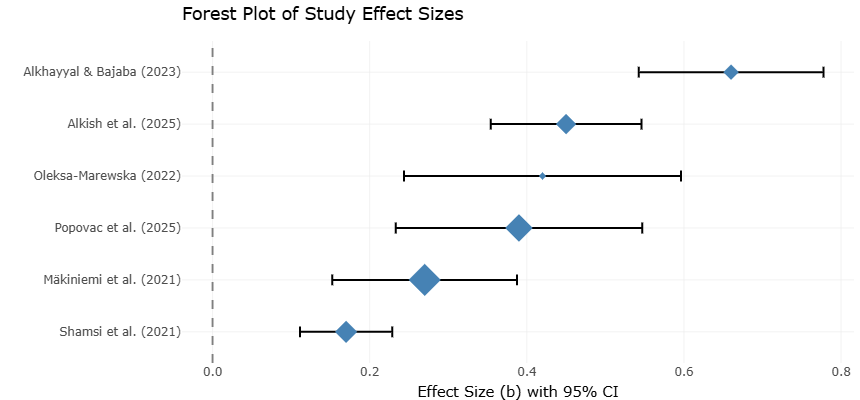
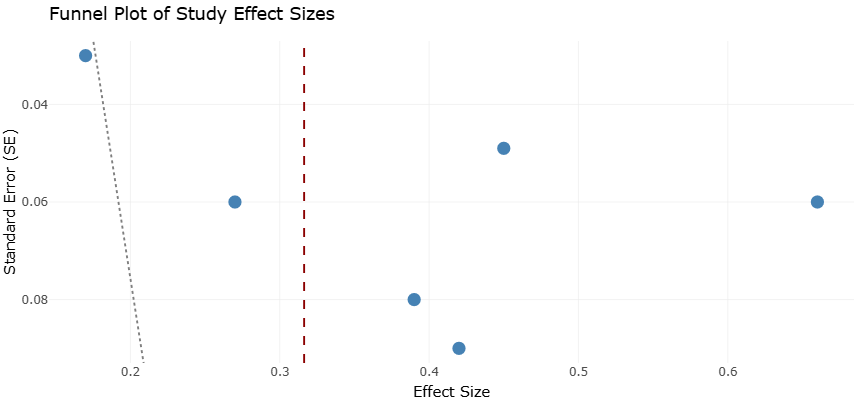
Taken together, the meta-analytic evidence gathered across these studies draws a fairly consistent picture: remote work intensity, autonomy, and technostress are all measurably linked to outcomes like stress, engagement, and self-rated mental health (Mäkiniemi et al., 2021; Shamsi et al., 2021; Alkhayyal & Bajaba, 2023; Alkish et al., 2025; Popovac et al., 2025), and odds-ratio analyses suggest that moderate remote work paired with thoughtful digital tools tends to improve health outcomes — while excessive remote intensity or weak managerial support tends to do the opposite (Juchnowicz, 2021; Ferrara et al., 2022; Alkish et al., 2025). What emerges, then, is less a simple verdict on remote work than a call for balance: structural arrangements and individual coping strategies have to work in tandem if organizations hope to get this right. The chapters that follow attempt to unpack exactly how — drawing on the JD-R model and TAM as guiding frameworks to understand what sustains both well-being and performance in this still-evolving landscape of knowledge work (Bakker & Demerouti, 2007; Davis, 1989).