Livestock Research

Livestock Research | Online ISSN 3068-4625
11
Citations
24.1k
Views
18
Articles
Your new experience awaits. Try the new design now and help us make it even better
Switch to the new experience
Figures and Tables
RESEARCH ARTICLE   (Open Access)

Effects of Fresh Lemongrass (Cymbopogon citratus) Supplementation on Growth Performance, Carcass Characteristics, and Economic Returns of Broiler Chickens

Md. Shihab Ahmed Pranto1, Nazmul Huda2, Faisal Kabir1, Md. Abdur Rashid1*

+ Author Affiliations

Livestock Research 4 (1) 1-8 https://doi.org/10.25163/livestock.4110870

Submitted: 31 May 2026 Revised: 06 August 2026  Published: 12 August 2026 


Abstract

The overuse of antibiotic growth promoters (AGPs) in poultry production has intensified concerns about antimicrobial resistance, driving demand for safe, economically viable alternatives. This study evaluated dose-response effects of fresh lemongrass (Cymbopogon citratus DC. Stapf) on growth performance, carcass characteristics, and economic returns of broiler chickens. One hundred twenty-day-old Ross-308 chicks were allocated in a completely randomized design to three dietary treatments: T1 (0.5% lemongrass), T2 (1.0% lemongrass), and T3 (1.5% lemongrass), with four replicates of 10 birds each, over 28 days. Body weight, weight gain, feed intake, feed conversion ratio (FCR), and performance index were recorded weekly and compared by one-way ANOVA with Duncan’s Multiple Range Test. Growth followed a non-linear, dose-dependent pattern: T2 achieved significantly higher body weight than T3 from week 2 onward and the greatest overall weight gain (1,461.0 ± 0.6 g/bird), followed by T1 (1,435.3 ± 1.2 g/bird) and T3 (1,401.8 ± 1.6 g/bird) (p < 0.01). Cumulative feed intake was highest in T2 and lowest in T3 (p < 0.01), while FCR and all carcass parameters did not differ significantly among treatments. Net profit per bird was significantly highest in T1 (27.0 ± 1.7 BDT) (p < 0.01). These findings indicate that 1.0% fresh lemongrass optimizes growth performance, 0.5% maximizes economic return, and 1.5% depresses feed intake and growth, reflecting a dose-ceiling effect. Fresh lemongrass at 0.5–1.0% dietary inclusion is proposed as a feasible, low-cost phytogenic alternative to AGPs for sustainable broiler production in tropical regions.

Keywords: Broiler; carcass characteristics; lemongrass; growth performance; phytogenic feed additive

1. Introduction

The commercial poultry industry has long depended on sub-therapeutic doses of antibiotic growth promoters (AGPs) to enhance feed efficiency, suppress enteric pathogens, and improve production output (Castanon, 2007; Thapa et al., 2021). However, indiscriminate and prophylactic use of AGPs has been strongly associated with the emergence of multidrug-resistant bacterial strains that can transfer resistance genes to human pathogens through meat, environment, and direct animal contact (Neu, 1992; Patterson and Burkholder, 2003; Van Boeckel et al., 2014). A landmark analysis of national pharmaceutical sales data across 71 countries confirmed that global antibiotic consumption increased by approximately 36% between 2000 and 2010, with Brazil, Russia, India, China, and South Africa together accounting for more than three-quarters of this increase (Van Boeckel et al., 2014). In recognition of this threat, the European Union implemented a comprehensive ban on the prophylactic use of AGPs in animal feed in 2006, and analogous restrictions have since been adopted or proposed across Asia, North America, and Africa (Castanon, 2007; Lillehoj et al., 2018). This global regulatory shift has created a sustained demand for effective, safe, and economically viable alternatives that can maintain broiler productivity without compromising human health or food chain integrity. Candidate non-antibiotic alternatives under active investigation include probiotics (Fuller, 1989), prebiotics (Patterson and Burkholder, 2003), organic acids (Hassan et al., 2010), and phytogenic feed additives (PFAs).

Among the most extensively evaluated AGP alternatives are phytogenic feed additives (PFAs), a heterogeneous class of botanical-derived products encompassing crude dried herbs, plant extracts, essential oils, and purified bioactive compounds such as terpenoids, polyphenols, and flavonoids (Frankič et al., 2009; Windisch et al., 2008). Interest in PFAs has grown markedly over the past two decades, driven by their perceived safety profiles, consumer acceptability, and multi-target bioactivity (Kamel, 2001; Puvača et al., 2013; Wenk, 2003). Multiple systematic reviews and meta-analyses have documented the capacity of PFAs to improve voluntary feed intake, digestive enzyme secretion, gut mucosal integrity, and intestinal microbial homeostasis in poultry, attributable to their antimicrobial, antioxidant, anti-inflammatory, and secretagogue properties (Brenes and Roura, 2010; Windisch et al., 2008; Zeng et al., 2015). The global market for phytogenic feed additives was valued at over USD 800 million and was projected to expand substantially, reflecting rapid commercial uptake in markets where AGPs have been restricted (Lillehoj et al., 2018).

The bioactivity of PFAs is principally mediated by their constituent essential oil compounds and phenolics, which disrupt bacterial membrane integrity, inhibit virulence gene expression, and interfere with quorum-sensing signaling networks in enteric pathogens (Burt, 2004; Hammer et al., 1999; Nazzaro et al., 2013). Beyond direct antimicrobial action, these bioactive molecules stimulate endogenous bile acid and digestive enzyme secretion, upregulate mucosal immune responses, and exert antioxidant effects in gut epithelial tissues (Hernandez et al., 2004; Hippenstiel et al., 2011; Sugiharto, 2016). For instance, dietary supplementation with thymol and carvacrol the principal terpenoid constituents of thyme and oregano significantly improved body weight (BW), feed conversion ratio (FCR), and antioxidant enzyme activities while reducing intestinal colonization of pathogenic bacteria in broiler chickens (Hashemipour et al., 2013). Similarly, oregano essential oil supplementation has been reported to enhance production performance and reduce lipid peroxidation in broiler breast and thigh tissues (Botsoglou et al., 2002), and combined oregano-garlic supplementation improved carcass yield and feed efficiency in commercial broilers (Kirkpinar et al., 2011). Mushroom and herb polysaccharides incorporated into broiler diets as AGP replacements likewise produced improvements in BW and feed conversion comparable to conventional antibiotics (Guo et al., 2004), underscoring the broad efficacy of PFAs across different botanical classes.

The breadth of herbal additives evaluated in broiler production is extensive. Rosemary leaf meal supplementation improved live weight gain, conversion efficiency, and oxidative stability of broiler meat (Ghazalah and Ali, 2008). Thyme inclusion enhanced live weight, gut morphology, blood biochemistry, and immunity (El-Ghousein and Al-Beitawi, 2009; Toghyani et al., 2010). Crushed and dried oregano leaves improved broiler carcass yield and meat antioxidant status (Bampidis et al., 2005). Plant extract mixtures improved digestive coefficient values, cecal microbiota composition, and production efficiency in chickens fed corn- and barley-based diets (Cross et al., 2007; Jamroz et al., 2003). These effects align with the broader mechanism reviewed by Brenes and Roura (2010), who proposed that essential oil-mediated enhancement of mucosal enzyme activity and microbial suppression accounts for many PFA-induced growth effects in non-ruminant species. In contexts where AGPs have been withdrawn, PFAs have demonstrated the ability to partially or fully offset performance losses, making them strategically important for the global poultry industry (Hassan et al., 2010; Wenk, 2003).

Lemongrass (Cymbopogon citratus DC. Stapf), a tall aromatic perennial grass native to South and Southeast Asia and widely cultivated across tropical and subtropical regions, represents a particularly promising candidate PFA owing to its broad pharmacological profile, ready availability, and low production cost in developing countries. Phytochemical characterization of C. citratus essential oil reveals a rich composition dominated by citral (70-88%), alongside myrcene (3-8%), geraniol, linalool, citronellal, and other terpenoids whose combined bioactivities have been extensively documented (Avoseh et al., 2015; Ekpenyong and Akpan, 2017; Kamatou and Viljoen, 2008). Linalool has been recognized as a multifunctional bioactive with antimicrobial, anti-inflammatory, and neuroprotective properties across numerous in vitro and in vivo models (Kamatou and Viljoen, 2008). The antimicrobial efficacy of C. citratus essential oil against clinically significant Gram-positive and Gram-negative pathogens, including Salmonella spp., Staphylococcus aureus, and Escherichia coli, has been repeatedly demonstrated in vitro (Cowan, 1999; Naik et al., 2010). The plant also contains phenylpropanoid glycosides and sesquiterpenes that inhibit prostaglandin synthesis and suppress leukocyte infiltration in inflammatory models (Murai et al., 1995), as well as flavonoids and phenolics with significant antioxidant and enzyme-inhibitory activities (Avoseh et al., 2015). The presence of sugar alcohols (sorbitol and mannitol), trace minerals, and digestible protein further contributes to its potential to improve the nutritional and physiological status of poultry (Avoseh et al., 2015; Ibrahim et al., 2005). Despite this comprehensive bioactive profile, rigorous empirical data on the dose-response effects of dietary fresh lemongrass inclusion on broiler growth performance and carcass quality particularly under tropical production conditions representative of South Asia remain scarce.

The present study was therefore undertaken to: (i) evaluate the effects of three graded dietary inclusion levels of fresh Cymbopogon citratus (0.5%, 1.0%, and 1.5% on a dry matter basis) on weekly growth performance parameters including body weight (BW), body weight gain (BWG), feed intake (FI), feed conversion ratio (FCR), and performance index (PI) in Ross-308 broiler chickens; and (ii) assess the associated carcass characteristics and economic returns under field conditions in Bangladesh to identify the biologically optimal and commercially viable supplementation level.
2. Materials and methods

2.1 Ethics Statement

All experimental procedures were conducted in compliance with standard animal welfare guidelines for poultry research. Birds were provided with adequate feed, water, lighting, temperature, and veterinary care throughout the study. The experiment was approved by the Departmental Research Committee of the Department of General Animal Science and Animal Nutrition, Patuakhali Science and Technology University.

2.2 Experimental Site and Duration

The experiment was conducted at a commercial broiler rearing shed near Suagazi Bazar, Cumilla Sadar, Cumilla, Bangladesh, over a 28-day experimental period (June 2023). The open-sided shed provided natural ventilation supplemented with electric fans, typical of smallholder and semi-commercial poultry production systems in the region.

2.3 Animals, Housing, and Husbandry

One hundred twenty-day-old Ross-308 broiler chicks (mean initial BW: 49.5 ± 0.8 g/bird) were obtained from New Hope Hatchery, Unit 2, Cumilla. The experimental shed was thoroughly cleaned, floor-disinfected with a phenolic disinfectant solution, vacated for seven days, and re-treated with Virkon-S (1 g/L, Antec International Ltd., UK) two days before chick placement. All feeders, drinkers, and utensils were sterilized with bleach solution. On arrival, a 5% glucose solution was administered to alleviate transport stress, a standard practice in commercial chick husbandry.

Chicks were brooded under continuous 24-hour lighting (100-W bulbs) at an initial temperature of 34°C, reduced progressively using electric fans as the trial advanced. Litter of rice husks (4 cm depth) was replenished with dry husks in week 2 and refreshed in week 3 to control ammonia and moisture. Birds were vaccinated against Newcastle Disease (days 4 and 23) and Infectious Bursal Disease (days 10 and 17) per manufacturer’s protocols (Supplemental Table 1). Strict biosecurity was maintained throughout (potassium permanganate footbaths; full protective equipment; twice-daily clinical monitoring).

Table 1: Major chemical constituents reported for Cymbopogon citratus essential oil in the published literature (reference profile; the fresh whole plant, not extracted essential oil, was the dietary additive used in this study). Composition adapted from published GC/MS chromatographic profiles of C. citratus essential oil (Avoseh et al., 2015; Ekpenyong and Akpan, 2017). These values describe the concentrated essential oil fraction and do not represent the bioactive concentration actually delivered by the fresh, unextracted lemongrass biomass used in this trial, which was not independently assayed; per-gram delivery of citral and other terpenoids from fresh leaf material is expected to be substantially lower than these essential oil percentages imply.

Chemical Constituent

Content (% of essential oil)

Citral

70.0–88.0

Myrcene

3.0–8.0

Citronellal

0.5–5.0

Geraniol

0.5–2.0

Linalool

0.5–1.5

Nerol

1.4

Geranyl acetate

0.5–1.5

Terpinen-4-ol

0.5–1.5

Eugenol

0.5–1.5

Table 2: Effect of dietary supplementation with Cymbopogon citratus on weekly body weight (g/bird; mean ± SD). ** p < 0.01; NS = non-significant (p > 0.05). n = 4 replicates/treatment; 10 birds/replicate.

Treatment

Initial

Week 1

Week 2

Week 3

Week 4

T1 (0.5%)

50.0 ± 1.3

148.0 ± 1.3

465.3 ± 2.1

919.0 ± 4.1

1,485.0 ± 4.3

T2 (1.0%)

49.3 ± 0.8

145.0 ± 1.7

477.7 ± 3.9

942.7 ± 2.2

1,510.7 ± 9.2

T3 (1.5%)

49.3 ± 1.2

147.3 ± 1.8

437.7 ± 2.2

867.6 ± 6.8

1,451.0 ± 8.5

Significance

NS

NS

**

**

**

Table 3: Carcass characteristics (% live weight) of broiler chickens fed diets supplemented with Cymbopogon citratus (mean ± SD). ** p < 0.01; NS = non-significant (p > 0.05). n = 1 bird/replicate (4 birds/treatment). Sig. = level of statistical significance.

Parameter

T1 (0.5%)

T2 (1.0%)

T3 (1.5%)

Sig.

Live weight (g)

1,485.0 ± 38.8

1,510.7 ± 61.2

1,451.0 ± 90.5

NS

Shank (%)

3.52 ± 0.09

3.36 ± 0.18

3.75 ± 0.11

NS

Giblets (%)

7.52 ± 0.07

7.00 ± 0.34

7.42 ± 0.31

NS

Skin (%)

13.38 ± 0.55

13.86 ± 0.11

13.98 ± 0.25

NS

Viscera (%)

7.38 ± 0.12

7.68 ± 0.33

7.40 ± 0.11

NS

Dressing yield (%)

66.51 ± 0.30

66.42 ± 0.11

64.38 ± 1.09

NS

Estimated lean meat (%)

64.22 ± 0.25

63.45 ± 0.23

62.12 ± 0.99

NS

Abdominal fat (%)

2.28 ± 0.12

2.48 ± 0.17

1.86 ± 0.42

NS

Table 4: Economic analysis of broiler production under graded Cymbopogon citratus dietary supplementation (mean ± SD). BDT = Bangladeshi Taka (June 2023 market prices). ** p < 0.01; = fixed cost (no statistical test). Net profit = Total income - Total production cost.

Parameter

T1 (0.5%)

T2 (1.0%)

T3 (1.5%)

Sig.

Total feed intake (kg/bird)

2.00 ± 0.02

2.07 ± 0.01

1.97 ± 0.02

**

Final live weight (kg/bird)

1.48 ± 0.01

1.51 ± 0.01

1.45 ± 0.01

**

Feed price (BDT/kg)

70.0

70.0

70.0

Feed cost (BDT/bird)

140.1 ± 2.0

145.3 ± 1.2

137.9 ± 1.3

**

Chick cost (BDT/bird)

48.0

48.0

48.0

Common management cost (BDT/bird)

30.0

30.0

30.0

Total production cost (BDT/bird)

218.1 ± 2.0

223.3 ± 1.2

215.9 ± 1.3

**

Selling price (BDT/kg live weight)

165.0

165.0

165.0

Total income (BDT/bird)

245.2 ± 1.5

249.2 ± 1.4

239.5 ± 1.4

**

Net profit (BDT/bird)

27.0 ± 1.7

25.8 ± 1.7

23.6 ± 2.2

**

2.4 Experimental Design and Dietary Treatments

Birds were randomly allocated in a completely randomized design (CRD) to three dietary treatment groups (n = 40 birds/treatment; 4 replicates × 10 birds/replicate):

 T1: Basal diet + 0.5% fresh lemongrass (dry matter basis)

 T2: Basal diet + 1.0% fresh lemongrass (dry matter basis)

 T3: Basal diet + 1.5% fresh lemongrass (dry matter basis)

Fresh lemongrass was procured locally and blended stepwise into the basal diet to ensure homogeneous mixing. The basal diet was a corn–rice polish commercial formulation (Supplemental Table 2). Feed and drinking water were provided ad libitum throughout.


2.5 Data Collection and Measurements

Body weight and body weight gain. All birds in each pen were group-weighed before morning feeding at days 0, 7, 14, 21, and 28. Weekly BWG = mean weight at end of week -mean weight at start of week.

Feed intake. Feed offered and refusals were weighed daily. Weekly FI per bird was calculated as (feed offered − refusals) / number of birds per pen.

Feed conversion ratio. FCR = weekly FI (g) / weekly BWG (g).

Performance index. PI = [Live body weight (kg) / FCR] × 100.

Carcass evaluation. At day 28, one bird per replicate pen (nearest to the pen means BW) was slaughtered humanely by the halal method after 5 h of feed and water withdrawal. Blood weight, skin, shank, giblets (liver, heart, gizzard), viscera, dressed carcass weight, and abdominal fat were individually weighed and expressed as a percentage of pre-slaughter live weight. As a simplified index, "lean meat %" was calculated as dressing % minus abdominal fat %; because the dressed carcass also includes bone, skin, and connective tissue, and abdominal fat represents only one of several fat depots, this index approximates but does not directly measure true lean (muscle) tissue mass, which would require dissection and deboning.

Economic analysis. Net profit per bird was computed using prevailing June 2023 Bangladeshi Taka (BDT) prices: feed 70 BDT/kg, day-old chick 48 BDT, common management 30 BDT/bird, and live-weight selling price 165 BDT/kg.

2.6 Statistical Analysis

Raw data were organized in Microsoft Excel and analyzed by one-way ANOVA using IBM SPSS Statistics v25.0. Treatment means were separated by Duncan’s Multiple Range Test (DMRT) at the 5% significance level (Duncan, 1955). Results are expressed as mean ± standard deviation (SD).

3. Results

3.1 Body Weight

Weekly BW data are presented in Table 2. Initial BW was statistically comparable across all three groups (49.3–50.0 g/bird; p > 0.05). No significant treatment effect was detected in week 1. From week 2 onward, T2 (1.0% lemongrass) recorded significantly higher BW than T3 (1.5% lemongrass) at all measurement points (p < 0.01). At week 4, mean BW was 1,485.0 ± 4.3, 1,510.7 ± 9.2, and 1,451.0 ± 8.5 g/bird for T1, T2, and T3, respectively.

3.2 Body Weight Gain

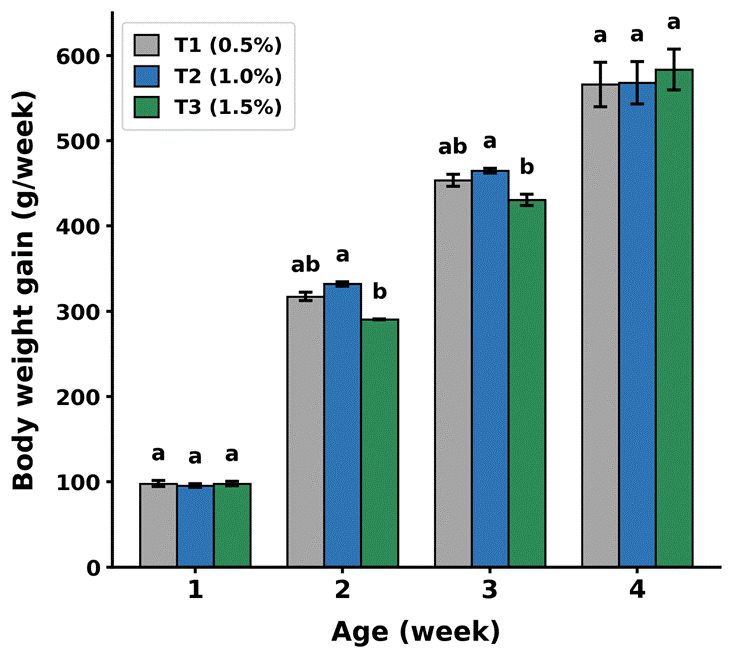
Figure 1 presents weekly body weight gain (BWG). No significant group differences were found in weeks 1 or 4, but in weeks 2 and 3 T2 showed significantly greater BWG than T3 (week 2: 332.0 ± 2.5 vs. 290.3 ± 0.5 g; week 3: 464.8 ± 2.8 vs. 430.5 ± 6.6 g; p < 0.01). Overall BWG across the 28-day trial was significantly highest in T2 (1,461.0 ± 0.6 g) and lowest in T3 (1,401.8 ± 1.6 g) (p < 0.01), confirming that 1.0% lemongrass most favorably supported cumulative growth.

3.3 Feed Intake

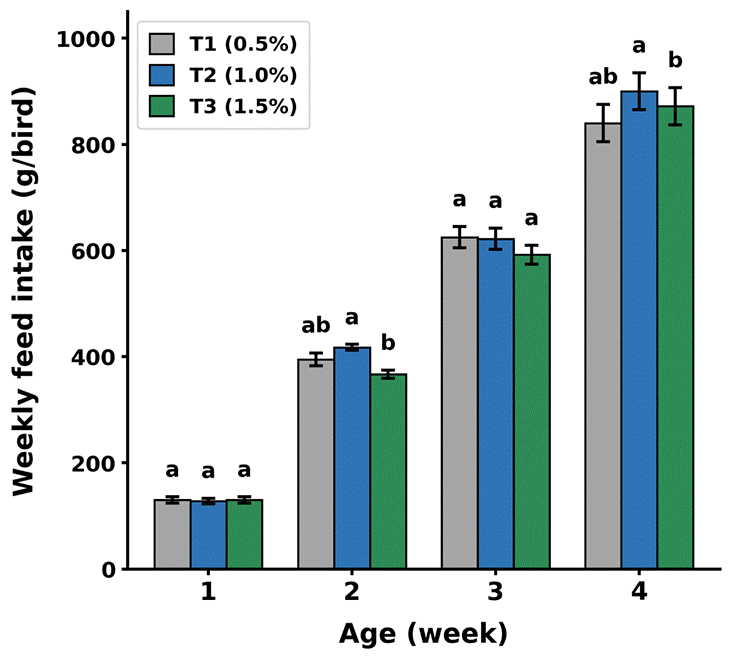
Figure 2 illustrates cumulative feed intake. No significant differences were detected in weeks 1 or 3, but at week 2 T2 consumed significantly more feed than T3 (417.5 ± 5.6 vs. 367.0 ± 7.4 g/bird; p < 0.01). By week 4 and cumulatively, T2 retained the highest intake (2,076.3 ± 18.3 g/bird) and T3 the lowest (1,970.3 ± 19.6 g/bird; p < 0.01). This suggests that the higher 1.5% inclusion level may modestly suppress voluntary feed consumption, possibly due to its stronger aromatic and bitter terpenoid profile.

3.4 Feed Conversion Ratio

Figure 1. Effect of dietary fresh lemongrass supplementation on weekly body weight gain of Ross-308 broiler chickens. Body weight gain (BWG, g/bird) was calculated weekly (weeks 1–4) for birds fed 0.5% (T1), 1.0% (T2), or 1.5% (T3) fresh Cymbopogon citratus on a dry-matter basis. Bars represent mean ± SD (n = 4 replicate pens/treatment, 10 birds/pen). Asterisks denote significant differences among treatments within a week (one-way ANOVA, Duncan's Multiple Range Test; **p < 0.01); bars without asterisks did not differ significantly (p > 0.05).

Figure 2. Effect of dietary fresh lemongrass supplementation on weekly and cumulative feed intake of Ross-308 broiler chickens. Feed intake (g/bird) was recorded weekly (weeks 1–4) for birds fed 0.5% (T1), 1.0% (T2), or 1.5% (T3) fresh Cymbopogon citratus on a dry-matter basis. Bars represent mean ± SD (n = 4 replicate pens/treatment, 10 birds/pen). Asterisks denote significant differences among treatments within a week (one-way ANOVA, Duncan's Multiple Range Test; **p < 0.01); bars without asterisks did not differ significantly (p > 0.05).

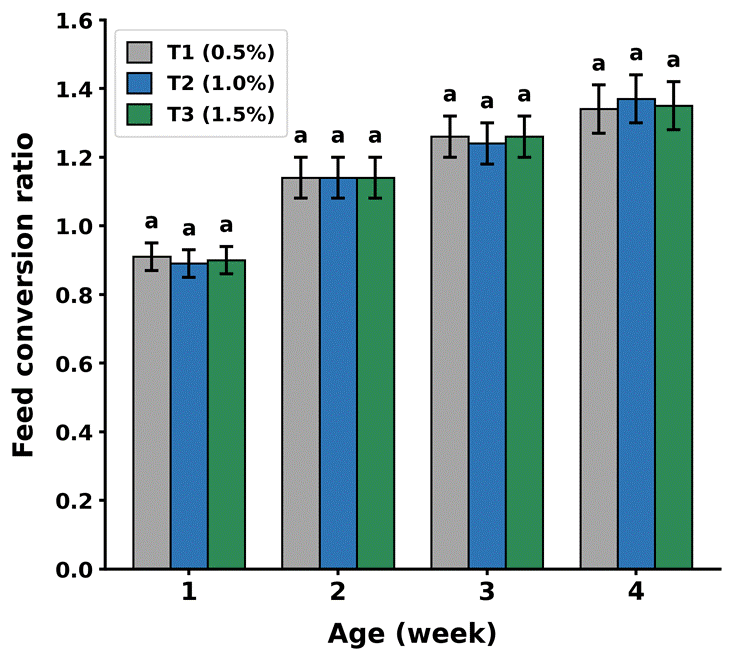
Figure 3 summarizes weekly feed conversion ratio (FCR). No statistically significant differences were observed among treatment groups at any time point (all p > 0.05). Numerically, T1 showed the best overall FCR (1.40 ± 0.02), followed by T3 (1.41 ± 0.02) and T2 (1.43 ± 0.01), with differences too small to reach significance despite the divergence in feed intake and BWG between groups. This indicates that overall feed efficiency remained stable across dose levels, even though intake and growth rate varied.

3.5 Performance Index

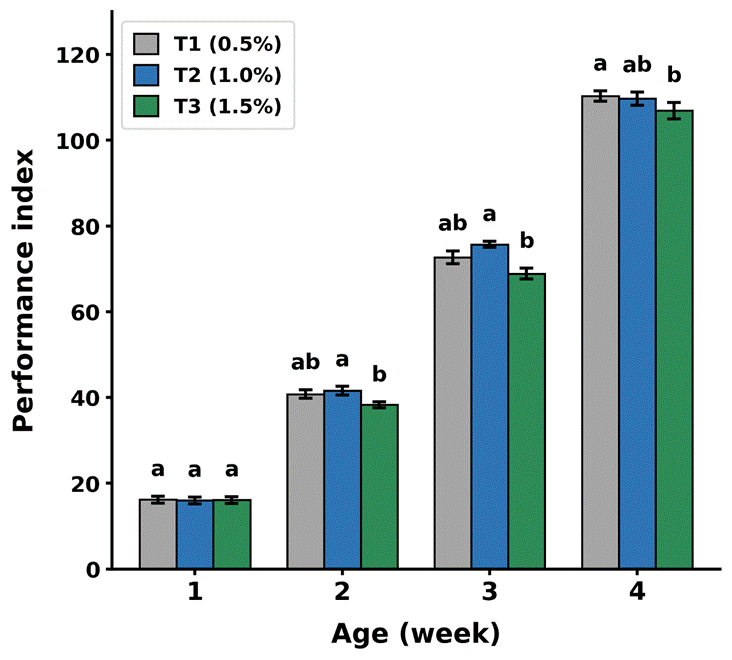
Figure 4 depicts the weekly performance index (PI), which integrates body weight and FCR into a single efficiency measure. At week 1, no significant differences were detected. At weeks 2 and 3, T2 recorded significantly higher PI than T3 (week 2: 41.6 ± 1.0 vs. 38.3 ± 0.7; week 3: 75.7 ± 0.7 vs. 68.9 ± 1.3; p < 0.01). At week 4, T1 achieved the highest PI (110.3 ± 1.2) and T3 the lowest (106.9 ± 1.9), with a highly significant treatment effect (p < 0.01). These results confirm that 1.0% lemongrass produced the strongest performance in the early-to-mid grow-out period, while 0.5% became more favorable by market age.

3.6 Carcass Characteristics

Table 3 presents carcass traits as a percentage of live weight. Pre-slaughter live weight did not differ significantly among groups, and all measured carcass parameters dressing yield, estimated lean meat %, abdominal fat %, skin, giblets, viscera, and shank were statistically similar across treatments (p > 0.05). Numerically, dressing yield and lean meat % were marginally higher in T1 and T2, while abdominal fat % was lowest in T3. These findings indicate that lemongrass supplementation, at any of the tested levels, does not compromise carcass yield or composition.

3.7 Economic Analysis

Table 4 summarizes the economic outcomes of the trial. Feed intake, final BW, feed cost, total production cost, and total income per bird were all significantly different among treatments (p < 0.01). T2 incurred the highest total cost (223.3 ± 1.2 BDT/bird) and generated the highest total income (249.2 ± 1.4 BDT/bird), yet T1 produced the highest net profit per bird (27.0 ± 1.7 BDT), significantly exceeding both T2 (25.8 ± 1.7 BDT) and T3 (23.6 ± 2.2 BDT) (p < 0.01). This shows that, despite its lower growth performance compared to T2, the 0.5% inclusion level is the most cost-effective choice for commercial producers.

4. Discussion

4.1 Body Weight and Body Weight Gain

The present study demonstrates a clear non-linear (quadratic-type) dose–response to dietary C. citratus inclusion in Ross-308 broilers, with optimal effects at 1.0% on a dry matter basis. Birds fed 1.0% lemongrass (T2) exhibited significantly superior BW and overall BWG compared to the 1.5% group (T3) from week 2 onward, while performing comparably to the 0.5% group (T1) at most measurement points. The growth-promoting effect of lemongrass at moderate inclusion levels is consistent with the general principle that phytogenic bioactive compounds enhance digestive enzyme secretion and gut epithelial function at moderate doses, improving nutrient absorption and supporting anabolic growth (Hernandez et al., 2004; Hippenstiel et al., 2011; Windisch et al., 2008). Similarly, dietary herb polysaccharides incorporated as AGP substitutes produced BW improvements in broilers comparable to antibiotic-treated controls (Guo et al., 2004), supporting the broader growth-promoting capacity of plant-derived bioactives.

The significantly depressed BW and BWG in T3 relative to T2 is most plausibly attributed to an inhibitory threshold effect. At 1.5%, the elevated concentrations of citral and associated terpenoids in C. citratus may adversely affect voluntary feed acceptance through sensory deterrence (strong aroma/taste) or impair gastrointestinal function through direct inhibitory effects on intestinal motility and enzyme activity (see Table 1). Dorfler and Roselt (1989) noted the presence of tannins in lemongrass capable of forming indigestible complexes with dietary proteins at higher concentrations, potentially reducing nutrient availability and BWG. This dose-ceiling phenomenon is not unique to lemongrass; parallel effects have been reported with thyme and oregano essential oils, where supraphysiological terpenoid concentrations impaired gut microbial balance and reduced feed digestibility (Cross et al., 2007; Jamroz et al., 2003). Even so, the day-28 BW recorded across all groups (1,451–1,511 g) remained below the Ross 308 breed standard target of approximately 1,616 g under optimal management conditions (Aviagen, 2022), whereas cumulative feed intake (1,970–2,076 g) closely approximated the breed's genetic potential at this age (2,051 g). This pattern


Figure 3. Effect of dietary fresh lemongrass supplementation on weekly feed conversion ratio of Ross-308 broiler chickens. Feed conversion ratio (FCR = feed intake [g] / body weight gain [g]) was calculated weekly (weeks 1–4) for birds fed 0.5% (T1), 1.0% (T2), or 1.5% (T3) fresh Cymbopogon citratus on a dry-matter basis. Bars represent mean ± SD (n = 4 replicate pens/treatment, 10 birds/pen). No significant differences were detected among treatments at any time point (one-way ANOVA; p > 0.05).

 Figure 4. Effect of dietary fresh lemongrass supplementation on weekly performance index of Ross-308 broiler chickens. Performance index (PI = [live body weight (kg) / FCR] × 100) was calculated weekly (weeks 1–4) for birds fed 0.5% (T1), 1.0% (T2), or 1.5% (T3) fresh Cymbopogon citratus on a dry-matter basis. Bars represent mean ± SD (n = 4 replicate pens/treatment, 10 birds/pen). Asterisks denote significant differences among treatments within a week (one-way ANOVA, Duncan's Multiple Range Test; **p < 0.01); bars without asterisks did not differ significantly (p > 0.05).

indicates that the shortfall relative to genetic potential was driven primarily by reduced growth efficiency rather than by constrained voluntary intake, consistent with the elevated ambient temperatures, variable feed quality, and open-sided housing typical of smallholder broiler production in tropical Bangladesh.

4.2 Feed Intake and Feed Conversion Ratio

The significantly lower cumulative feed intake in T3 compared to T2 is consistent with the hypothesis that supra-optimal lemongrass inclusion reduces voluntary feed consumption, either through palatability suppression or reduced gastric motility associated with high terpenoid load. Brenes and Roura (2010) proposed that essential oil-induced stimulation of digestive secretions at moderate doses is replaced by inhibitory effects at high concentrations, which may explain the T3 feed intake depression observed from week 2 onward in this study. Cross et al. (2007) reported that herb-derived essential oils at appropriate inclusion levels enhanced digestive digestibility and feed acceptance in chickens aged 7–28 days, mirroring the pattern observed in T2 here.

The absence of significant FCR differences among all three treatment groups despite divergent feed intake and BWG patterns is noteworthy. This suggests that lemongrass supplementation did not substantively alter the fundamental efficiency of feed energy and protein conversion across the tested dose range, even as absolute intake and gain varied. Comparable outcomes have been reported with rosemary and thyme supplementation in broilers, where performance indices improved without corresponding FCR improvements (Ghazalah and Ali, 2008; Toghyani et al., 2010). Jamroz et al. (2003) similarly found that plant extract supplementation improved BW and production performance in broilers without consistently altering FCR, particularly under field conditions where confounding dietary and environmental variables moderate treatment effects. The overall FCR values recorded (1.40-1.43) were numerically higher (poorer) than the Ross 308 breed standard target of approximately 1.27 at 28 days under optimal management conditions (Aviagen, 2022). This gap most likely reflects the combined influence of tropical ambient heat stress, variable feed ingredient quality, and the open-sided smallholder housing conditions characteristic of the trial site, rather than a specific effect of lemongrass supplementation, since FCR did not differ significantly among treatments.

4.3 Performance Index

The significantly superior PI achieved by T2 in weeks 2 and 3 reflects the integrated benefit of higher BW and competitive FCR in that group during the period of most active growth. The reversal of PI advantage to T1 in week 4 suggests that while 1.0% lemongrass may promote early-to-mid growth most effectively, 0.5% is better at sustaining late-growth efficiency potentially because the lower bioactive load maintains gut function and appetite without the possible inhibitory effects that may accumulate at 1.0% over extended exposure. Puvača et al. (2013) noted that phytogenic additives often exhibit differential temporal effects on broiler PI depending on inclusion level and growth phase, an observation consistent with the shifting treatment advantage observed across weeks in this study. Hassan et al. (2010) and Lillehoj et al. (2018) attributed PFA-induced PI improvements to antioxidant-mediated reduction of oxidative tissue damage, enhanced immune competence, and improved nutrient absorption efficiency, all mechanisms applicable to the bioactive profile of C. citratus (Murai et al., 1995).

4.4 Carcass Characteristics

The absence of significant treatment effects on dressing percentage, estimated lean meat yield, abdominal fat, and organ weights confirms that lemongrass supplementation at 0.5-1.5% does not compromise carcass quality, a critical consideration for commercial adoption. Bampidis et al. (2005) and Kirkpinar et al. (2011) reported similar non-significant effects on carcass parameters with oregano- and garlic-supplemented broiler diets, suggesting a general pattern of carcass-neutrality for aromatic herb PFAs at moderate supplementation levels. The slightly but non-significantly higher dressing percentage and lean meat yield in T1 and T2 relative to T3 are consistent with the body composition implications of the observed BWG differential, as higher-achieving groups tend to partition a greater proportion of weight gain into lean muscle (Chambers, 1990; Zerehdaran et al., 2004).

The non-significant tendency toward lower abdominal fat in T3 (1.86%) compared to T1 (2.28%) and T2 (2.48%) parallels observations by Safalaoh (2006), who reported that natural dietary additives can modulate lipid deposition through effects on lipid metabolism enzymes. Dorfler and Roselt (1989) hypothesized that tannins in lemongrass may alter carcass fat content at higher doses; however, the present results do not provide sufficient statistical evidence to support this claim. Fat deposition is an important carcass quality criterion from both consumer and processing perspectives, and future work examining total carcass lipid content and muscle lipid profiles would provide a more comprehensive assessment of lemongrass effects on broiler meat quality.

4.5 Economic Performance

The observation that T1 (0.5% lemongrass) yielded the highest net profit per bird despite T2 generating the highest gross income underscores the importance of integrating economic metrics into the evaluation of phytogenic additives. The additional feed cost associated with T2’s higher intake narrowed its profit margin relative to T1, demonstrating that the biological gain from 1.0% inclusion does not fully offset the input cost differential under current Bangladesh market conditions. This trade-off aligns with the principle articulated by Sugiharto (2016) that nutraceutical inclusion must be calibrated not only to optimize biological performance but also to maximize return on investment within specific production cost structures. Windisch et al. (2008) similarly emphasized that the commercial viability of PFAs depends critically on the cost-benefit balance achievable at specific supplementation levels and market prices. The use of locally available fresh lemongrass abundant and low-cost across Bangladesh further enhances the economic attractiveness of its incorporation into broiler diets compared to standardized commercial essential oil extracts. Considering both performance and profitability, 0.5% fresh lemongrass represents the practically optimal inclusion level for smallholder and semi-commercial broiler producers in South Asian settings, while 1.0% remains the preferred biological optimum for production systems where live weight maximization is the primary objective (Puvača et al., 2013).

4.6 Limitations

Several limitations should be considered when interpreting these findings. First, the trial did not include an unsupplemented (basal-diet-only) negative control or an AGP-positive control; all three treatment arms received lemongrass at different inclusion levels, so while the data characterize a dose-response relationship among 0.5-1.5% lemongrass, they cannot directly establish the magnitude of benefit relative to no supplementation or to a conventional antibiotic growth promoter, and this should be addressed in future trials designed to substantiate lemongrass as an AGP alternative. Second, treatment means were compared only among the three discrete inclusion levels using DMRT; the dose-response pattern described here was not confirmed with orthogonal polynomial (linear versus quadratic) contrasts, which are the more rigorous approach for characterizing dose-response relationships and would strengthen future work. Third, the trial used four replicate pens per treatment, and carcass and economic traits were derived from a single bird per replicate (four birds/treatment); this relatively small sample size limits statistical power, particularly for carcass parameters, and results should be interpreted with appropriate caution pending confirmation in larger-scale trials. Fourth, the fresh lemongrass batch used in the trial was not independently subjected to phytochemical analysis; the essential oil profile reported in the Experimental section (Table 2) is drawn from the published literature and characterizes the concentrated essential oil rather than the fresh biomass actually fed, so the precise bioactive dose received by the birds remains uncertain. Fifth, the 28-day trial period, while capturing the early-to-mid grow-out phase relevant to smallholder production in Bangladesh, is shorter than the full commercial cycle typically used for Ross-308 broilers (around 35–42 days), and the observed treatment effects should be confirmed over a complete production cycle before broader recommendations are made. Sixth, "lean meat %" was estimated indirectly (dressing % minus abdominal fat %) rather than measured by dissection and should be regarded as an approximate index rather than a direct compositional measurement. Finally, chicks were reared under continuous (24-hour) lighting, a practice still common in smallholder systems in the region but one that departs from current broiler welfare guidance recommending a period of darkness; this is noted as a husbandry consideration for future trial designs rather than a factor expected to bias the treatment comparisons, since all groups were reared identically. Addressing these points through the inclusion of unsupplemented and/or AGP-positive control groups, polynomial trend analysis, larger sample sizes, direct phytochemical assay of the study material, extended trial duration, and standard carcass dissection would strengthen future confirmatory studies.

5. Conclusion

This study demonstrates that dietary supplementation with 1.0% fresh Cymbopogon citratus (dry matter basis) significantly improves BW, BWG, and performance index in Ross-308 broiler chickens raised under tropical field conditions, without adversely affecting FCR or carcass quality. A 0.5% inclusion level yields comparable overall performance with superior net profit per bird under Bangladesh market conditions, whereas 1.5% supplementation suppresses feed intake and BWG, indicating a dose-ceiling effect that limits practical utility at this level. Based on these findings, fresh lemongrass at 0.5–1.0% dietary dry matter inclusion is recommended as a viable, safe, and economically feasible phytogenic feed additive for sustainable commercial broiler production, particularly in tropical regions where C. citratus is locally abundant. Future research should examine the effects of lemongrass supplementation on gut morphology and microbiota composition, meat quality attributes (color, pH, water-holding capacity, sensory scores), blood biochemistry, immune parameters, and antioxidant status to elucidate the full mechanistic basis of its growth-promoting action and to facilitate evidence-based dosage optimization for diverse broiler production systems.

Author Contributions

M.S.A.P conceptualized the study, conducted the experiment, collected and validated the data, performed the initial data analysis, and prepared the first draft of the manuscript. N. H. contributed substantially to the study design, experimental planning, data collection, data analysis and interpretation, manuscript writing, editing, and critical revision of the manuscript. F. K. served as the co-supervisor of the research, provided methodological guidance, assisted with data interpretation, and critically reviewed and revised the manuscript for important intellectual content. M.A.R. supervised the overall research project, contributed to the study conceptualization and experimental design, provided scientific oversight throughout the research, critically revised the manuscript, approved the final version, and took overall responsibility for the integrity of the work. All authors have read and approved the final version of the manuscript and agree to be accountable for all aspects of the work.

Acknowledgments

The authors M.S.A.P et al., gratefully acknowledge the Department of General Animal Science and Animal Nutrition, Patuakhali Science and Technology University, for institutional support, and the poultry farm operator at Suagazi Bazar, Cumilla, for facility access and cooperation.

Conflict of Interest

The authors M.S.A.P et al., declare no conflict of interest.

References


Aviagen. (2022). Ross 308/308 FF: Broiler performance objectives. Aviagen Group. https://aviagen.com/assets/Tech_Center/Ross_Broiler/RossxRoss308-BroilerPerformanceObjectives2022-EN.pdf

Avoseh, O., Oyedeji, O., Rungqu, P., Nkeh-Chungag, B., & Oyedeji, A. (2015). Cymbopogon species: Ethnopharmacology, phytochemistry and the pharmacological importance. Molecules, 20(5), 7438–7453. https://doi.org/10.3390/molecules20057438

Bampidis, V. A., Christodoulou, V., Florou-Paneri, P., Christaki, E., Spais, A. B., & Chatzopoulou, P. S. (2005). Effect of dietary dried oregano leaves supplementation on performance and carcass characteristics of growing lambs. Animal Feed Science and Technology, 121(3–4), 285–295. https://doi.org/10.1016/j.anifeedsci.2005.02.002

Botsoglou, N. A., Florou-Paneri, P., Christaki, E., Fletouris, D. J., & Spais, A. B. (2002). Effect of dietary oregano essential oil on performance of chickens and on iron-induced lipid oxidation of breast, thigh and abdominal fat tissues. British Poultry Science, 43(2), 223–230. https://doi.org/10.1080/00071660120121436

Brenes, A., & Roura, E. (2010). Essential oils in poultry nutrition: Main effects and modes of action. Animal Feed Science and Technology, 158(1–2), 1–14. https://doi.org/10.1016/j.anifeedsci.2010.03.007

Burt, S. (2004). Essential oils: Their antibacterial properties and potential applications in foods-A review. International Journal of Food Microbiology, 94(3), 223–253. https://doi.org/10.1016/j.ijfoodmicro.2004.03.022

Castanon, J. I. R. (2007). History of the use of antibiotic as growth promoters in European poultry feeds. Poultry Science, 86(11), 2466–2471. https://doi.org/10.3382/ps.2007-00249

Chambers, J. R. (1990). Carcass fatness in broiler chickens: A review. World’s Poultry Science Journal, 46(1), 33–51.

Cowan, M. M. (1999). Plant products as antimicrobial agents. Clinical Microbiology Reviews, 12(4), 564–582. https://doi.org/10.1128/cmr.12.4.564

Cross, D. E., McDevitt, R. M., Hillman, K., & Acamovic, T. (2007). The effect of herbs and their associated essential oils on performance, dietary digestibility and gut microflora in chickens from 7 to 28 days of age. British Poultry Science, 48(4), 496–506. https://doi.org/10.1080/00071660701463221

Dorfler, H. P., & Roselt, G. (1989). Dictionary of healing plants. Blandford Press.

Duncan, D. B. (1955). Multiple range and multiple F tests. Biometrics, 11(1), 1–42. https://doi.org/10.2307/3001478

Ekpenyong, C. E., & Akpan, E. E. (2017). Use of Cymbopogon citratus essential oil in food preservation: Recent advances and future perspectives. Critical Reviews in Food Science and Nutrition, 57(12), 2541–2559. https://doi.org/10.1080/10408398.2015.1016140

El-Ghousein, S. S., & Al-Beitawi, N. A. (2009). The effect of feeding of crushed thyme (Thymus vulgaris L) on growth, blood constituents, gut morphology and meat quality characteristics of broiler chickens. Journal of Poultry Science, 46(2), 100–107. https://doi.org/10.2141/jpsa.46.100

Frankic, T., Voljc, M., Salobir, J., & Rezar, V. (2009). Use of herbs and spices and their extracts in animal nutrition. Acta Agriculturae Slovenica, 94(2), 95–102. https://doi.org/10.14720/aas.2009.94.2.14834

Fuller, R. (1989). Probiotics in man and animals. Journal of Applied Bacteriology, 66(5), 365–378.

Ghazalah, A. A., & Ali, A. M. (2008). Rosemary leaves as a dietary supplement for growth in broiler chickens. International Journal of Poultry Science, 7(3), 234–239. https://doi.org/10.3923/ijps.2008.234.239

Guo, F. C., Williams, B. A., Kwakkel, R. P., Li, H. S., Li, X. P., Luo, J. Y., … & Verstegen, M. W. A. (2004). Effects of mushroom and herb polysaccharides, as alternatives for an antibiotic, on the cecal microbial ecosystem in broiler chickens. Poultry Science, 83(2), 175–182. https://doi.org/10.1093/ps/83.2.175

Hammer, K. A., Carson, C. F., & Riley, T. V. (1999). Antimicrobial activity of essential oils and other plant extracts. Journal of Applied Microbiology, 86(6), 985–990. https://doi.org/10.1046/j.1365-2672.1999.00780.x

Hashemipour, H., Kermanshahi, H., Golian, A., & Veldkamp, T. (2013). Effect of thymol and carvacrol feed supplementation on performance, antioxidant enzyme activities, fatty acid composition, digestive enzyme activities, and immune response in broiler chickens. Poultry Science, 92(8), 2059–2069. https://doi.org/10.3382/ps.2012-02685

Hassan, H. M. A., Mohamed, M. A., Youssef, A. W., & Hassan, E. R. (2010). Effect of using organic acids to substitute antibiotic growth promoters on performance and intestinal microflora of broilers. Asian-Australasian Journal of Animal Sciences, 23(10), 1348–1353. https://doi.org/10.5713/ajas.2010.10085

Hernandez, F., Madrid, J., Garcia, V., Orengo, J., & Megias, M. D. (2004). Influence of two plant extracts on broiler performance, digestibility, and digestive organ size. Poultry Science, 83(2), 169–174. https://doi.org/10.1093/ps/83.2.169

Hippenstiel, F., Abdel-Wareth, A. A. A., Kehraus, S., & Südekum, K. H. (2011). Effects of selected herbs and essential oils, and their active components on feed intake and performance of broilers-A review. European Poultry Science, 75(4), 226–234.

Ibrahim, M. A., Khaled, M. B., Azza, G. A., & Sherein, E. I. (2005). Antibacterial activity of some medicinal plant extracts. Journal of Applied Sciences Research, 1(2), 163–167.

Jamroz, D., Orda, J., Kamel, C., Wiliczkiewicz, A., Wertelecki, T., & Skorupinska, J. (2003). The influence of phytogenic extracts on performance, nutrient digestibility, carcass characteristics, and gut microbial status in broiler chickens. Journal of Animal and Feed Sciences, 12(3), 583–596. https://doi.org/10.22358/jafs/67752/2003

Kamatou, G. P., & Viljoen, A. M. (2008). Linalool-A review of a biologically active compound of commercial importance. Natural product communications, 3(7), 1934578X0800300727. https://doi.org/10.1177/1934578X0800300727

Kamel, C. (2001). Tracing the path of plant extracts. Feed Mix, 9(6), 19–22.

Kirkpinar, F., Ünlü, H. B., & Özdemir, G. (2011). Effects of oregano and garlic essential oils on performance, carcase, organ and blood characteristics and intestinal microflora of broilers. Livestock Science, 137(1–3), 219–225. https://doi.org/10.1016/j.livsci.2010.11.010

Lillehoj, H., Liu, Y., Calsamiglia, S., Fernandez-Miyakawa, M. E., Chi, F., Cravens, R. L., … & Gay, C. G. (2018). Phytochemicals as antibiotic alternatives to promote growth and enhance host health. Veterinary Research, 49(1), 76. https://doi.org/10.1186/s13567-018-0562-6

Murai, M., Tamamura, H., Mori, M., Ishida, H., & Watanabe, N. (1995). Anti-inflammatory effect of essential oils from leaves of Cymbopogon citratus and Artemisia vulgaris in mice. Journal of Oleo Science, 44(6), 449–453.

Naik, M. I., Fomda, B. A., Jaykumar, E., & Bhat, J. A. (2010). Antibacterial activity of lemongrass (Cymbopogon citratus) oil against some selected pathogenic bacteria. Asian Pacific Journal of Tropical Medicine, 3(7), 535–538. https://doi.org/10.1016/S1995-7645(10)60129-0

Nazzaro, F., Fratianni, F., De Martino, L., Coppola, R., & De Feo, V. (2013). Effect of essential oils on pathogenic bacteria. Pharmaceuticals, 6(12), 1451–1474. https://doi.org/10.3390/ph6121451

Neu, H. C. (1992). The crisis in antibiotic resistance. Science, 257(5073), 1064–1073.

Patterson, J. A., & Burkholder, K. M. (2003). Application of prebiotics and probiotics in poultry production. Poultry Science, 82(4), 627–631. https://doi.org/10.1093/ps/82.4.627

Puvaca, N., Stanacev, V., Glamocic, D., Levic, J., Peric, L., Stanacev, V., & Milic, D. (2013). Beneficial effects of phytoadditives in broiler nutrition. World’s Poultry Science Journal, 69(1), 27–34. https://doi.org/10.1017/S0043933913000032

Safalaoh, A. C. L. (2006). Body weight gain, dressing percentage, abdominal fat and serum cholesterol of broilers supplemented with a microbial preparation. African Journal of Food, Agriculture, Nutrition and Development, 6(1), 1–10.

Sugiharto, S. (2016). Role of nutraceuticals in gut health and growth performance of poultry. Journal of the Saudi Society of Agricultural Sciences, 15(2), 99–111. https://doi.org/10.1016/j.jssas.2014.06.001

Thapa, D., Louis, B., Pham, D. D., & Vlaeminck, B. (2021). The use of plant-based feed additives as alternatives to antibiotic growth promoters in livestock production: A review. Animal Nutrition, 7(1), 33–47.

Toghyani, M., Tohidi, M., Gheisari, A. A., & Tabeidian, S. A. (2010). Performance, immunity, serum biochemical and hematological parameters in broiler chicks fed dietary thyme as alternative for an antibiotic growth promoter. African Journal of Biotechnology, 9(39), 6539–6546.

Van Boeckel, T. P., Gandra, S., Ashok, A., Caudron, Q., Grenfell, B. T., Levin, S. A., & Laxminarayan, R. (2014). Global antibiotic consumption 2000 to 2010: An analysis of national pharmaceutical sales data. The Lancet Infectious Diseases, 14(8), 742–750. https://doi.org/10.1016/S1473-3099(14)70780-7

Wenk, C. (2003). Herbs and botanicals as feed additives in monogastric animals. Asian-Australasian Journal of Animal Sciences, 16(2), 282–289. https://doi.org/10.5713/ajas.2003.282

Windisch, W., Schedle, K., Plitzner, C., & Kroismayr, A. (2008). Use of phytogenic products as feed additives for swine and poultry. Journal of Animal Science, 86(Suppl. 14), E140–E148. https://doi.org/10.2527/jas.2007-0459

Zeng, Z., Zhang, S., Wang, H., & Piao, X. (2015). Essential oil and aromatic plants as feed additives in non-ruminant nutrition: A review. Journal of Animal Science and Biotechnology, 6(1), 7.

Zerehdaran, S., Vereijken, A., van Arendonk, J. A., & van der Waaij, E. H. (2004). Estimation of genetic parameters for fat deposition and carcass traits in broilers. Poultry Science, 83(4), 521–525. https://doi.org/10.1093/ps/83.4.521 


Article metrics
View details
0
Downloads
0
Citations
1
Views

View Dimensions


View Plumx


View Altmetric


0
Save
0
Citation
1
View
0
Share